
By David AROME
“At first, I thought my child would not survive,” a solemn Sani Idi said, describing the ordeal that began with his son Shaibu’s diagnosis of childhood tuberculosis (TB) at age three.
It was at Angwan Abuja, Katsina-Ala Local Government Area (LGA) of Benue State and barely weeks after birth, when Shaibu had a cough which later progressed into fever. “I met a nurse who prescribed cough syrup, but the cough persisted,” Idi recalled, adding, “I never knew what was exactly wrong with my son other than cough and fever.”
He had tried to manage his son’s health challenge for three years while spending a lot of money on what he thought was malaria.
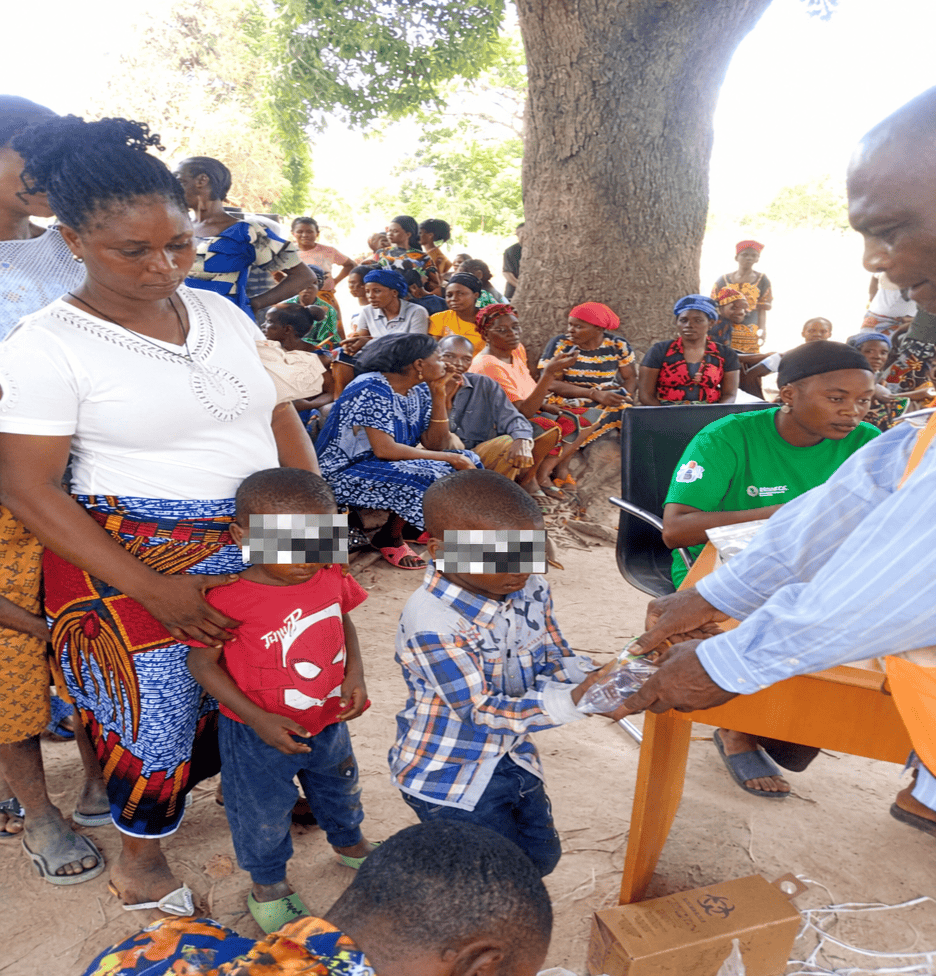
But by May 20, 2022, the symptoms had progressed, and two weeks later, a medical team from the Katsina-Ala Local Government Health Authority (LGHA) visited Shaibu’s school for a routine TB sensitisation campaign. A team member noticed the three-year-old coughing profusely; his sputum was taken for laboratory examination, and the result was later disclosed to his father, confirming tuberculosis.
Tuberculosis or TB is an infectious disease caused by bacteria that most often affects the lungs. It affects people of all ages, but children remain vulnerable to the disease, which is transmitted when a person with TB expels Mycobacterium tuberculosis, the TB-causing bacteria, into the air through coughing, sneezing, and spitting. Common symptoms include cough, chest pain, weakness, weight loss, and fever.
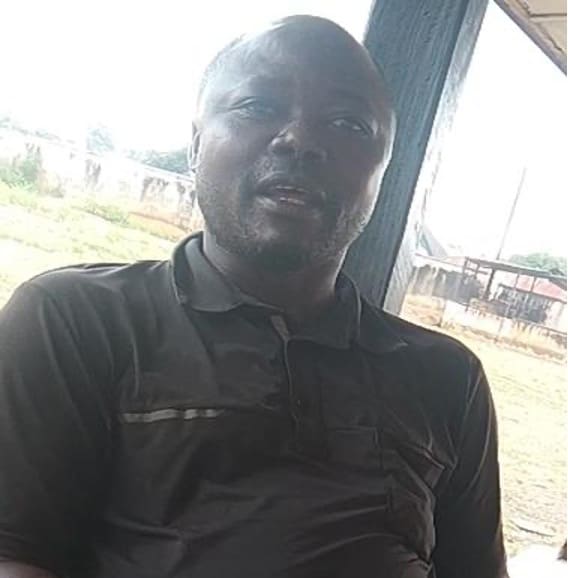
Discovering his son had TB came as a shock to Idi. “My initial thought was that TB only affects adults, not until my son was diagnosed with it,” Idi said. He was disturbed by the test result, but financial constraints had delayed his son’s treatment for a month. Within this period, he rallied around taking up mason work to raise money for the treatment, which required daily hospital visits.
When he couldn’t afford the daily N2,000 transport fare to the hospital, he said his wife trekked for hours with Shaibu to reach the hospital.
Idi is one of several parents confronted with this child-killer disease. According to Okila Moses, a tuberculosis and leprosy focal person at the Katsina-Ala Local Government Health Authority, TB has become prevalent in the area and accessing treatment remains a challenge for many parents due to poor finances.
“Most parents complain of not having money to bring their children to the facility for TB drugs,” he said, adding that this often leads to skipping treatments, an assessment he said raises concern about the need for more TB diagnostic facilities in hinterlands for prompt detection and treatment.
Fortunately, Shaibu is now six years old and has recovered from childhood TB after completing his treatment. His father, Idi, has become an active champion of childhood TB screening in rural communities.
The cost of care
In 2023, Charity Aligye, a resident of Otsaazi Etulo village in Benue State, noticed her 10-month-old infant son, Eskawa, had a cough and fever. She didn’t know what the symptoms represented until she got a TB diagnosis.
Before the diagnosis, Aligye had relied on local chemists for her son’s drugs, but his health had deteriorated. She said her friend, Angelina Terkaa, later advised her to take Eskawa to the general hospital for a proper check-up. Though she obliged, Aligye said financial constraints delayed treatment because the testing and enrolment centre was far from her community.
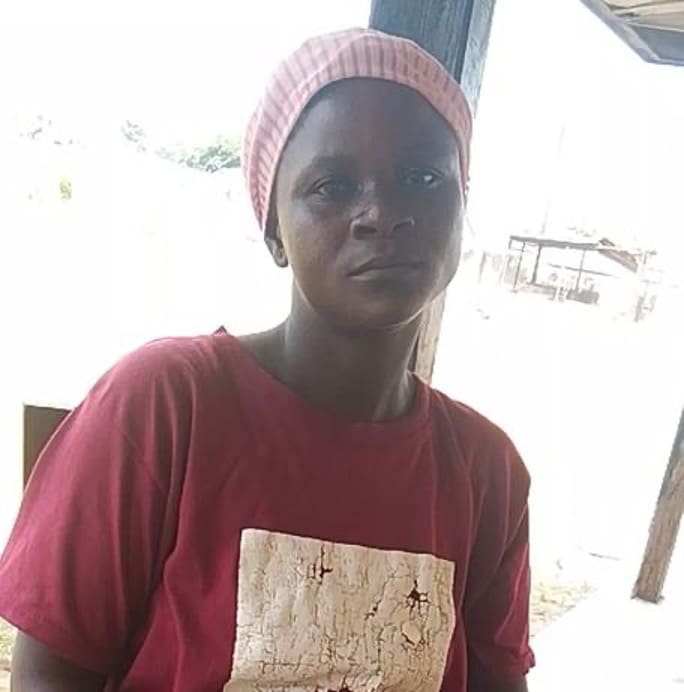
At the General Hospital Makurdi, she said her son was examined and recommended for a TB test. His stool sample was collected and tested using a TB diagnostic machine called GeneXpert, which confirmed TB.
“Neither I nor any member of the family had TB,” said Aligye, expressing shock over the test result but recalling that at 10 months, in 2023, Eskawa had been exposed to a woman with suspected clinical symptoms of TB.
Aligye said she sat close to the woman in a commercial vehicle while holding her infant son and added that throughout the journey, the woman coughed blood and sneezed ceaselessly. Now three years later, Aligye suspects that encounter may have exposed her son to TB.
When treatment for her son was initiated, it required a daily bill of ₦1500 for hospital transportation to get the drugs. The World Health Organisation (WHO) recommends taking TB medications daily for four to six months, warning that stopping medications early could cause the bacteria to become resistant to antibiotics.
Similarly, as of April 2023, the Desk Guide for Prevention, Diagnosis and Treatment of Tuberculosis in Children and Adolescents in Nigeria prescribes a minimum of four months of medication for children and adolescents, depending on the type of TB.
Aligye, who struggled to meet the transportation costs for the daily drug regimen, said she sometimes had to skip treatment days.
Her situation reflects a growing challenge in combating the disease in Nigeria, says Moses, who explained that treatment interruptions have become popular among TB patient caregivers. He added that in the case of children, such interruptions increase vulnerability and heighten the spread of the disease to other children and adults.
For Marker James, a teacher who also lives in Katsina-Ala, the diagnosis of his son, Joseph, with tuberculosis at the age of two brought new responsibilities, extending his role beyond the classroom to caring for his child.
Born on June 14, 2021, Joseph showed no signs or symptoms of TB until he turned two. According to his father, the illness began with a fever, for which he received treatment, but his condition did not improve.
Two months after being treated at a private clinic, Joseph developed a persistent cough and began losing weight. Concerned about his son’s worsening health, James returned to the same clinic, where Joseph was prescribed the same medication, along with a cough syrup.
However, in September 2023, an encounter with a TB medical team from the LGHA encouraged James to take his son to a medical outreach stand where he was examined and his stool sample collected. He said a week later, a phone call from the medical team confirmed his son had TB.
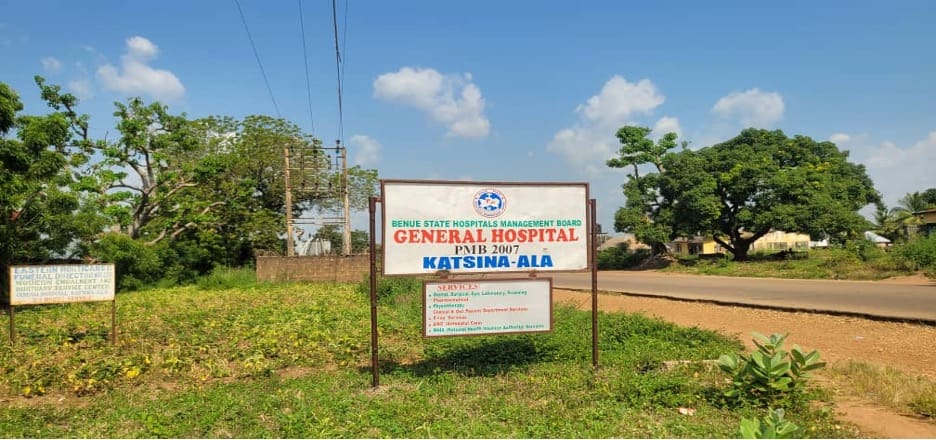
Even though treatment began for his son at the General Hospital in Katsina-Ala, James said he was subsequently asked to bring Joseph to the hospital for daily TB medication, a situation that became a challenge as he could not sustain the six months of daily transportation.
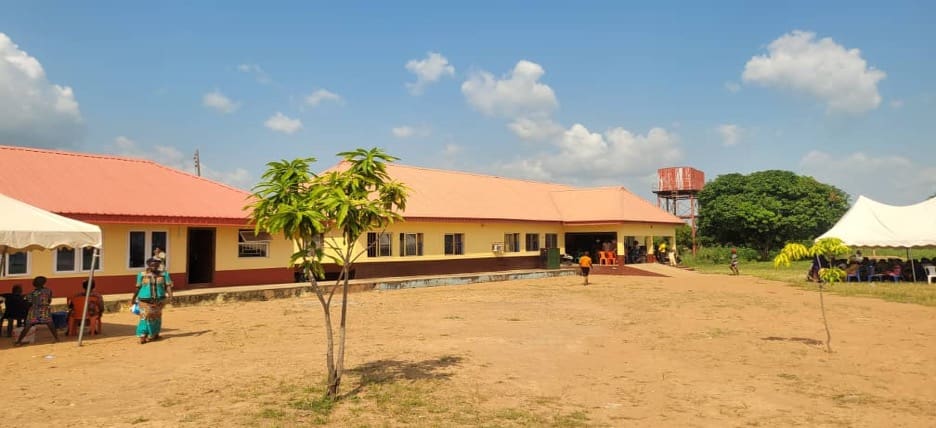
“The financial demand for travelling for treatment stopped me at some point in taking Joseph to the health facility,” James said. However, determined to see his son recover from TB, he said he sought ways to overcome the financial challenge.
What the data says
Nigeria bears the highest burden of TB cases in Africa, with 9% of 361,000 TB cases linked to children. This suggests substantial under-detection, although lawyer and child rights advocate in Kano State Niima Magaji Suleiman insist that notification figures alone cannot establish the precise number of children whose TB remains undiagnosed.
“Stigma, transportation costs, inadequate follow-up, medicine availability, and limited resources can interrupt this process,” Suleiman noted, adding that the inability to identify eligible children or offer appropriate preventive treatment raises concerns about implementing children’s health rights and the effectiveness of public health safeguards.
According to the National Tuberculosis, Buruli Ulcer and Leprosy Control Programme (NTBLCP), 458,534 TB cases were notified nationwide in 2025, representing about 89.9% of the estimated national TB burden. The data show children under 14 account for 10% of all notified TB cases.
However, the 2025 Global Tuberculosis Report estimate approximately 61,000 annual new pediatric TB cases in Nigeria, indicating nearly 23% of childhood TB cases are undetected within the health system.
These persistent notification gaps continue to undermine progress toward national TB control targets outlined by the Federal Ministry of Health in the National Strategic Plan for Tuberculosis Control 2021–2025.
Nigeria’s 2030 SDG target, a mirage?
Childhood TB falls under the global commitment to end the TB epidemic by 2030, as captured in the Sustainable Development Goals (SDG) target 3.3. The WHO End TB Strategy aims to reduce TB incidence by 80% and TB deaths by 90% by 2030.
Despite Nigeria adopting the SDGs on September 25, 2015, as part of the UN Agenda 2030, medical experts say meeting this target remains an uphill task.
“This looks unrealistic to achieve in the next four years,” said Dr Dasola Omolara Amusat, a general medical practitioner at Obafemi Awolowo University Teaching Hospital, Oyo State.
Experts highlight factors responsible for why Nigeria is lagging. The country’s TB burden is linked to multiple factors, with the disease thriving in low-income communities marked by poverty, malnutrition, and overcrowding. According to the Multi-dimensional Poverty Index 2025 report of the United Nations Development Programme, 33% of Nigerians live in multidimensional poverty, and poverty contributes to childhood TB through exposure, delayed care, and incomplete access to diagnosis, says Uju Onuorah, nutritionist and program manager at Nutrition Drive for Healthy Diet Initiative (NDDI) Africa.
“Overcrowded and poorly resourced households increase the opportunity for prolonged exposure, while malnutrition can increase vulnerability and complicate clinical recognition,” she added, stressing that malnutrition weakens a child’s immune system, making it difficult for the body to fight against infectious diseases.
“Once a child is malnourished, the immune system is down, and this increases the child’s vulnerability to infection, including TB,” Onuorah noted.
“A malnourished child with TB is fighting a two-front battle against infection and complications of malnutrition,” she said. The nutritionist added that for many children, TB is worsened by poor access to nutritious food and economic difficulties confronting their families.
Delays and missed diagnosis
Nigeria is still behind in early diagnoses as many cases of childhood TB remain undiagnosed. In several cases, childhood TB is mistaken for other childhood illnesses because of similar symptoms, says an infectious disease physician, Dr Tyler Evans, who explained that the “presentation overlaps almost entirely with pneumonia, severe acute malnutrition, and advanced HIV.”
“Health workers may sometimes overlook these symptoms in children without suspecting TB, with the assumption of the child being immunised at birth with BCG, a vaccine against TB,” Talatu Abdullahi, lecturer at Niger State College of Nursing and Midwifery, explained.
She said most children with suspected TB first present at primary healthcare facilities, but many PHC workers have limited training, confidence, and resources for diagnosing pediatric TB.
“TB screening is also not consistently integrated into routine child-health services, consequently resulting in children being treated repeatedly for other common childhood illnesses before TB is considered,” she added.
This, according to Dr Evans, is complicated by the fact that it is difficult to get a child’s sputum for laboratory analysis because children hardly cough up sputum on demand. “An adult coughs up sputum dense with organisms, while the children are the opposite,” he said.
But beyond these diagnostic challenges, childhood TB is sometimes seen as a spiritual problem in some local communities, said Dr Amusat, who explained that some parents resort to spiritual solutions instead of a medical approach.
“Seeking help from a native doctor worsens the situation and delays diagnosis of childhood TB,” she noted.
Closing gaps in household contact tracing
Household contact tracing is essential because children exposed to an adult with infectious TB may be at increased risk of developing the disease, said Dr Evans, who is also the Chief Executive Officer of Wellness Equity Alliance, in the United States of America.
He explained that “case-finding has to move out of the facility into the household,” adding that identifying exposed children allows healthcare workers to screen for active TB and offer preventive treatment to eligible children when appropriate, even though it does not guarantee that they complete screening or receive and finish preventive treatment.
Evidence from rural Uganda found that household-contact screening has a higher diagnostic TB yield (5.8%) than passive case finding (0.52%). Odongo et al., 2023 highlighted that household investigation effectively identifies children and should be prioritised.
Similarly, a scoping review study conducted by Chen et.al., 2026, found that home visits, community-health-worker support, transport subsidies, and free medication improved screening or treatment completion in several high-burden settings, though implementation varied substantially.
Nigeria has introduced shorter regimens such as 3HR (three months of daily isoniazid plus rifampicin) for eligible contacts, including children. These shorter, child-friendly regimens can improve adherence and reduce the burden of prolonged preventive treatment.
While these achievements are commendable, experts call for sustained efforts to move household contact TB preventive treatment coverage from 29% in 2023 to the 90% global target by the end of 2027.
Despite initiatives, funding gaps exist
There are no specific funds set aside for childhood TB intervention in the national health budget, but the interventions are integrated into broader TB interventions for adults. “Childhood TB has been poorly funded for some years now,” said Kenneth Ojobor, Project Hope Program Manager, Monitoring & Evaluation for the TB REACH Project in Nigeria.
He said this lack of dedicated funding means that even when TB services are covered under the health budget, children’s specific needs may not be clearly budgeted for and given enough priority.
Buttressing this point, Suleiman, the lawyer and child rights advocate in Kano, explained that “without a dedicated and predictable allocation, childhood TB activities risk competing with other health priorities and becoming heavily dependent on external donor funding.”
She said the government must do more than recognise children’s right to health and take practical steps to fulfil its obligation. The lawyer and child rights advocate urged the Nigerian government to ensure childhood TB interventions are appropriately costed within national and state health budgets, with transparent expenditure reporting and measurable outcomes.
However, Nigeria’s participation in the WHO/TDR supported TB Treatment Decision Algorithms for Children (TDA4Child) study contributed significantly to improvements in childhood TB detection, with WHO reporting a 258% increase in TB notifications among children aged 0–nine at participating Nigerian sites compared with the previous three years.
The findings show the potential of structured diagnostic decision-making to improve childhood TB detection.
Likewise, state-level initiatives demonstrate that effective approaches are pivotal to childhood TB detection. In Anambra State, for example, screening of children in orphanages helped identify 61 children with TB, while targeted intervention in Sokoto expanded access to diagnostic services such as chest X-rays and stool-based testing.
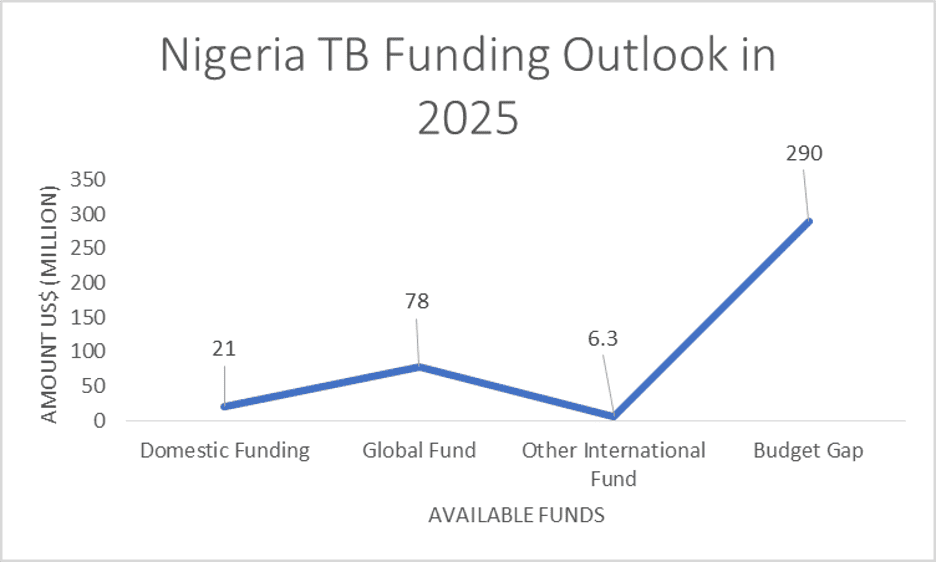
However, sustaining the gains requires adequate funding. The WHO report in 2025 identified Nigeria as having a US$290 million TB funding gap, representing 73% of the estimated US$395 million needed for its TB services.
Policy implementation gaps
The National Health Act 2014, particularly sections 3 and 11, provides access to a basic minimum package of health services and establishes the Basic Health Care Provision Fund (BHCPF) to finance basic health services, including at primary health care.
The act mandates that at least 1% of federal revenue be allocated to primary healthcare. The National Primary Health Care Development Agency Act expressly covers primary health care, including maternal and child health care.
But the BHCPF remains consistently underfunded and under-disbursed. “Parents currently have no legal recourse to compel the government to provide vital services such as GeneXpert,” said Testimony Akinkunmi, a Nigerian health law and constitutional rights lawyer.
He said the proposed TB Rights Bill seeks to protect people affected by TB from discrimination, ensure access to health services, legal aid, and enforceable remedies when their rights are violated.
He added that despite these policies, implementation remains abysmal, raising concern about the extent to which children in Nigeria can access timely TB diagnosis and treatment.
While communities can help identify symptoms and encourage early treatment, the responsibility for providing accessible and adequately funded health services rests with the government, said Dr Amusat, who stressed that “Healthcare is not about charity. Charity alone cannot sustain healthcare.”
For children like Shaibu and Eskawa, ending childhood TB means more than policies and commitments on paper. It means timely diagnosis, accessible treatment, and support that prevents poverty from standing between a sick child and recovery.
Without sustained investment and effective implementation, Nigeria risks leaving more children behind in its pursuit of ending TB by 2030.
This report was supported by Moxii Africa as part of the Isu Elihle Awards.