
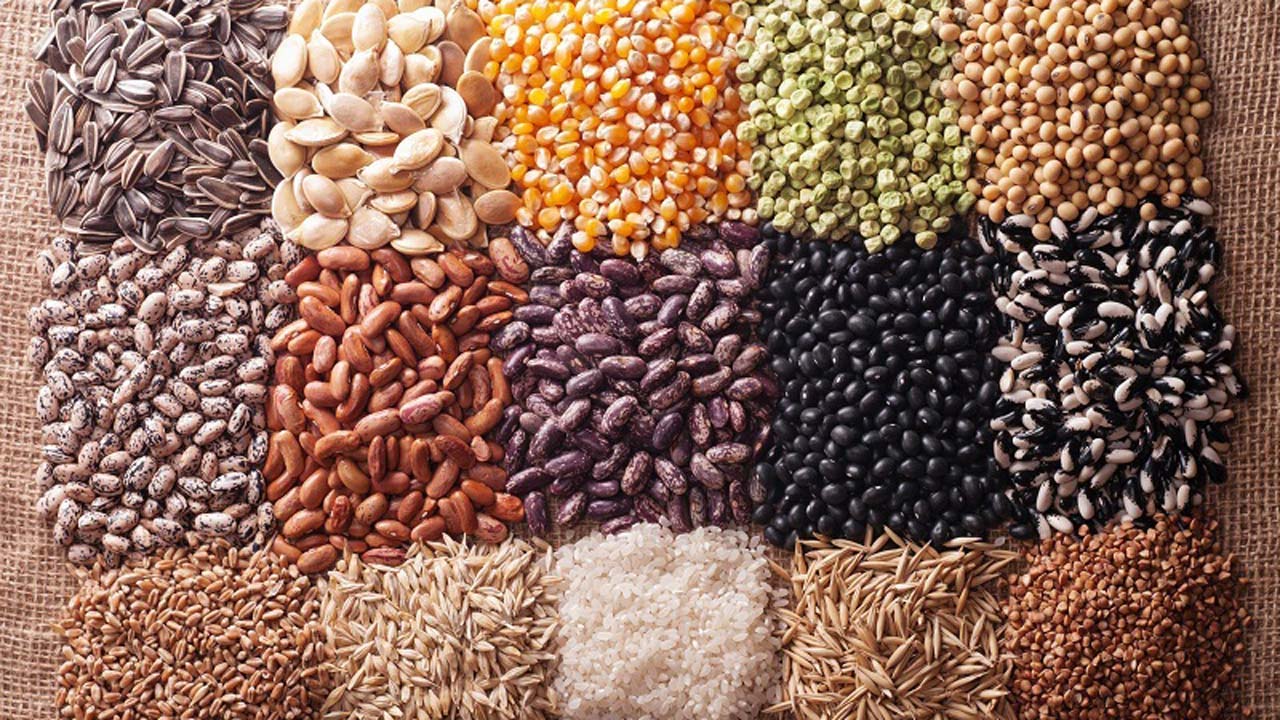

AN analysis of select staple food prices between January 2016 and October 2025 by The ICIR shows that the cost of basic food items, namely rice, beans, garri, bread, eggs, and yams grew by over 413 per cent.
These increases span two administrations – the late former President Muhammadu Buhari and the incumbent Bola Tinubu.
At the start of the Buhari administration in January 2016, a kilogramme of imported rice sold for about ₦239 and by the end of his government in May 2023, the price climbed to ₦793, a 231 per cent rise.
Since Tinubu took office in May 2023, the same item surged to over ₦2,255 by October 2025, representing an additional 184 per cent rise in just over two years. Overall, the price of imported rice is now 844 per cent higher than it was nine years ago.
Other staples followed similar trajectories as the price of brown beans rose from ₦237 per kilogramme in January 2016 to ₦1,761 by October 2025, a 644 per cent surge. Garri, often considered as most affordable food for low-income households, rose from ₦132 per kilogramme in January 2016 to ₦847 by October 2025, recording a 542 per cent increase over the same period.
Equally, bread prices jumped from ₦209 per loaf in January 2016 to ₦1,584 by October 2025, an increase of 658 per cent, while the cost of a tin of evaporated peak milk snowballed from ₦138 in January 2016 to ₦1,058 by October 2025, a 667 per cent leap.

Protein sources recorded some of the sharpest jumps. Boneless beef rose from ₦977 per kilogramme to ₦6,851, a 601 per cent increase, while the price of a crate of eggs rose from ₦892 in January 2016 to ₦5,993 by October 2025, a surge of 571 per cent. Yam recorded the steepest rise, with prices increasing by 1,268 per cent, from ₦148 per tuber in 2016 to ₦2,024 in 2025.
Although food prices were already rising before 2023, the data show that post-2023 increases account for a significant share of the total surge, coinciding with major policy shifts that altered energy and foreign exchange pricing. The data suggests that while food inflation was already worsening under Buhari, the pace of increase has intensified since 2023.
While this analysis focuses on the change between January 2016 and October 2025, The ICIR’s review of NBS data shows that a significant share of the price surge occurred after May 2023, following major policy shifts.
When minimum Economists weigh in
Economists said a combination of factors driving the latest wave of price increases is fueled beyond percentages, because the erosion of purchasing power becomes clearer when viewed through what the minimum wage can actually buy.
“The devaluation of the naira and the exchange rate spike have all reduced the purchasing power of Nigerians, and a minimum wage of N70,000 can only buy rice now. But the last minimum wage under Jonathan of N18,000 could buy a bag of rice and more,” a development economist, Kingsley Obiakor, said.
In January 2016, Nigeria’s minimum wage stood at ₦18,000, meaning that given prevailing market prices, a worker earning that amount could afford a modest but realistic food basket consisting of 10 kilogramme of rice, 5 kilogramme of beans, garri and tomatoes, two frozen chickens, a crate of eggs, beef, bread, yam, and evaporated milk, and still have money left.
The ICIR analysis of National Bureau of Statistics (NBS) select food price data shows that this basket cost approximately ₦13,000 at the time, leaving a balance of roughly ₦5,000 after food purchases.
By October 2025, the cost of the same basket had risen to almost ₦97,000, far exceeding the current ₦70,000 minimum wage. Even after the wage was nearly quadrupled, it now falls about ₦27,000 short of covering basic food needs.
While the minimum wage increased by 289 per cent over nine years, the cost of this food basket rose by more than 645 per cent, leaving minimum-wage earners significantly worse off in real terms.

This growing gap between earnings and living costs has increasingly spilt into public discourse. On March 16, 2025, a National Youth Service Corps (NYSC) member, Raye, went viral after publicly lamenting that the ₦33,000 monthly allowance paid to corps members was no longer enough to meet basic needs.
The reactions to Raye’s complaint reflected a broader reality facing minimum-wage earners across the country. Like many low-income workers, corps members, who are often posted far from their home states, must cover food, transportation, and housing costs on allowances that have failed to keep pace with rapidly rising food prices, underscoring how official wage benchmarks are increasingly disconnected from the cost of living.
Why falling Inflation failed to relieve Nigerians
This widening gap between official inflation figures and lived experience has become a source of public frustration. Official data show that food inflation rose from 10.64 per cent in 2016 to 24.82 per cent by May 2023, before easing to about 16 per cent by October 2025 following the rebasing of inflation figures, with the current inflation figure sitting at 10.8 per cent as of December 2025.
Headline inflation followed a similar pattern from 9.62 per cent in 2016 to 22.41 per cent by May 2023, before easing to about 19 per cent by October 2025 and currently sitting at 15.15 per cent as of December 2025.
However, inflation measures the rate at which prices are increasing, not how high prices already are. Once food prices rise by 500 to 1,000 per cent, a lower inflation rate does not restore affordability and only slows further increases. This distinction helps explain why Nigerians continue to feel squeezed despite reports of easing inflation.
Another key driver of rising food prices has been the naira’s sharp depreciation. In January 2016, the exchange rate stood at about ₦197 to the dollar. By May 2023, it had weakened to ₦462, before plunging to over ₦1,455 per dollar by October 2025, a cumulative depreciation of more than 638 per cent.
For an economy heavily dependent on imports, this collapse increased the cost of food inputs, fertilisers, machinery, packaging, and transportation.
Fuel prices compounded the pressure. Petrol rose from ₦109 per litre in 2016 to ₦238 in 2023, before surging to over ₦1,050 per litre following the removal of the subsidy, which is an 860 per cent increase. Cooking gas prices also rose sharply from ₦368 per kilogramme in 2016 to ₦872 in 2023, before jumping to over ₦1,616 per kilogramme, increasing by 339 per cent over the same period.
Markets versus macro numbers
That disconnect between official figures and daily experience spilt into public debate on January 17, of Jan 2026, after a viral post on X captured widespread frustration. In the post, a Nigerian shared a receipt from 2020 and decided to buy the same items again in 2026. The items, which cost ₦25,225 in 2020, amounted to ₦147,050 in 2026, a 582 per cent increase.
Although the post was not based on official inflation calculations, its conclusion aligned closely with NBS data. Food prices have not just risen gradually; they have multiplied, reshaping household budgets and deepening economic hardship.
For many Nigerians, inflation is no longer a monthly statistic; it is the shock of discovering that familiar food items now cost five to six times more than they did only a few years ago.