
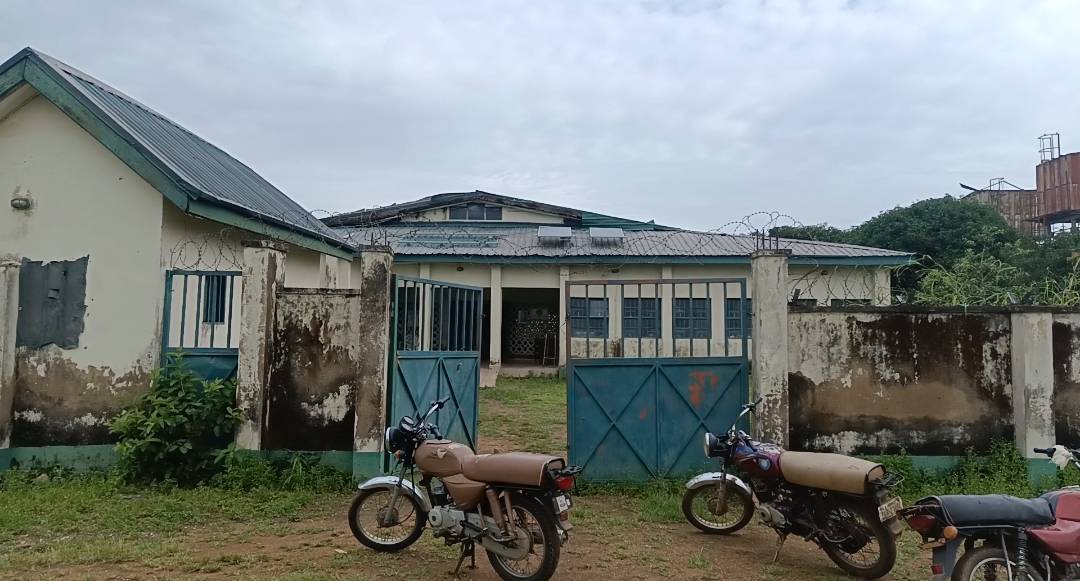
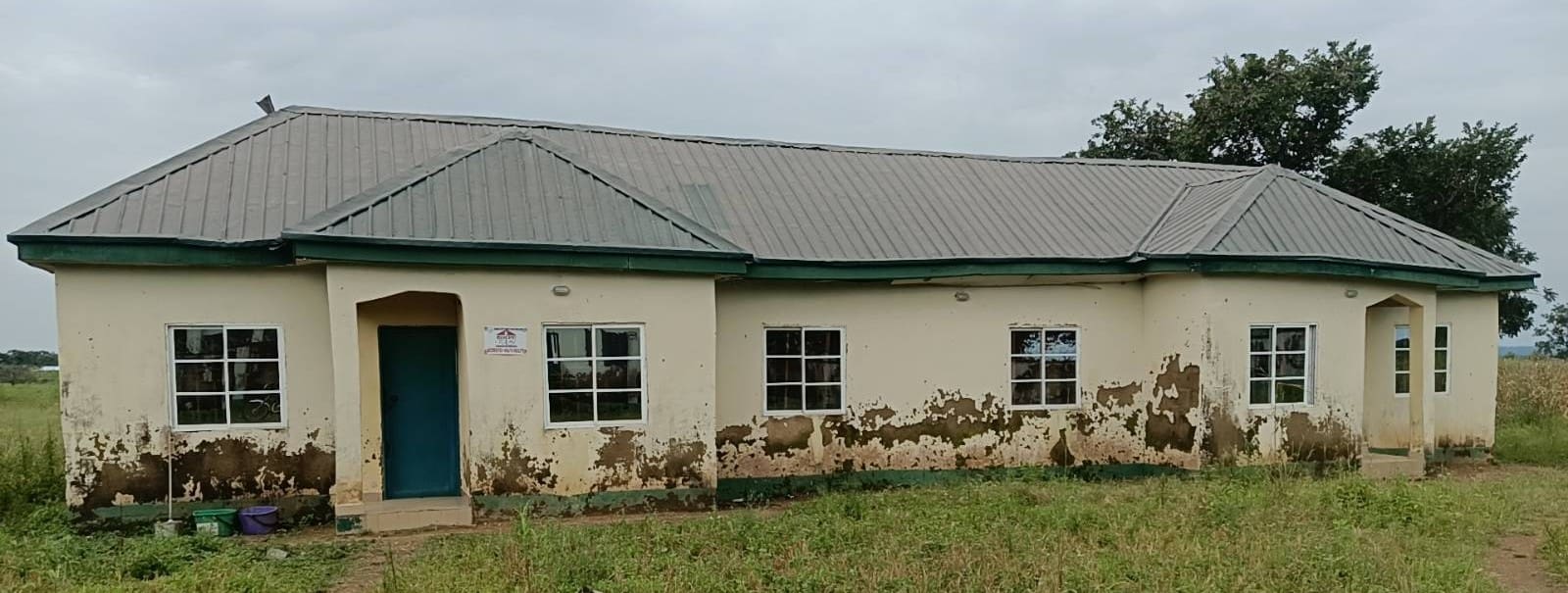
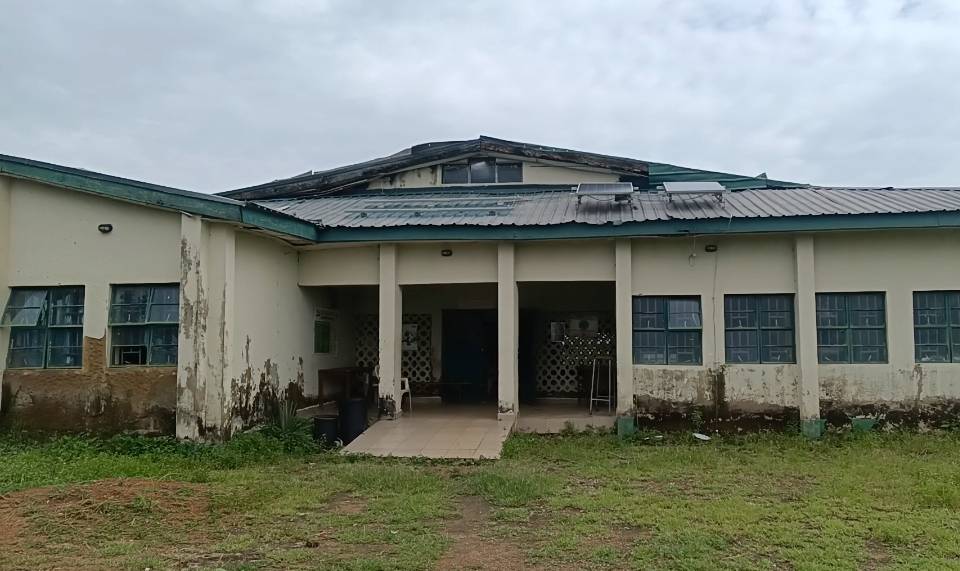
ONCE touted as a model health centre to provide quality healthcare services to more than a dozen communities, the Model Primary Health Centre (PHC) in Kidugu, Bital Ward, Kauru Local Government Area (LGA) of Kaduna State is now crumbling. Its partially damaged roof is worsening, and the building is heavily dilapidated. Frustrated patients and healthcare workers with nowhere to turn lament their reliance on a facility the government has left to rot. The ICIR’s Marcus Fatunmole captures the state of the PHC in this report.
Esther Samaila will forever carry the pain of knowing that the PHC where she works could not save her husband’s life. She blames this on its dilapidated condition.
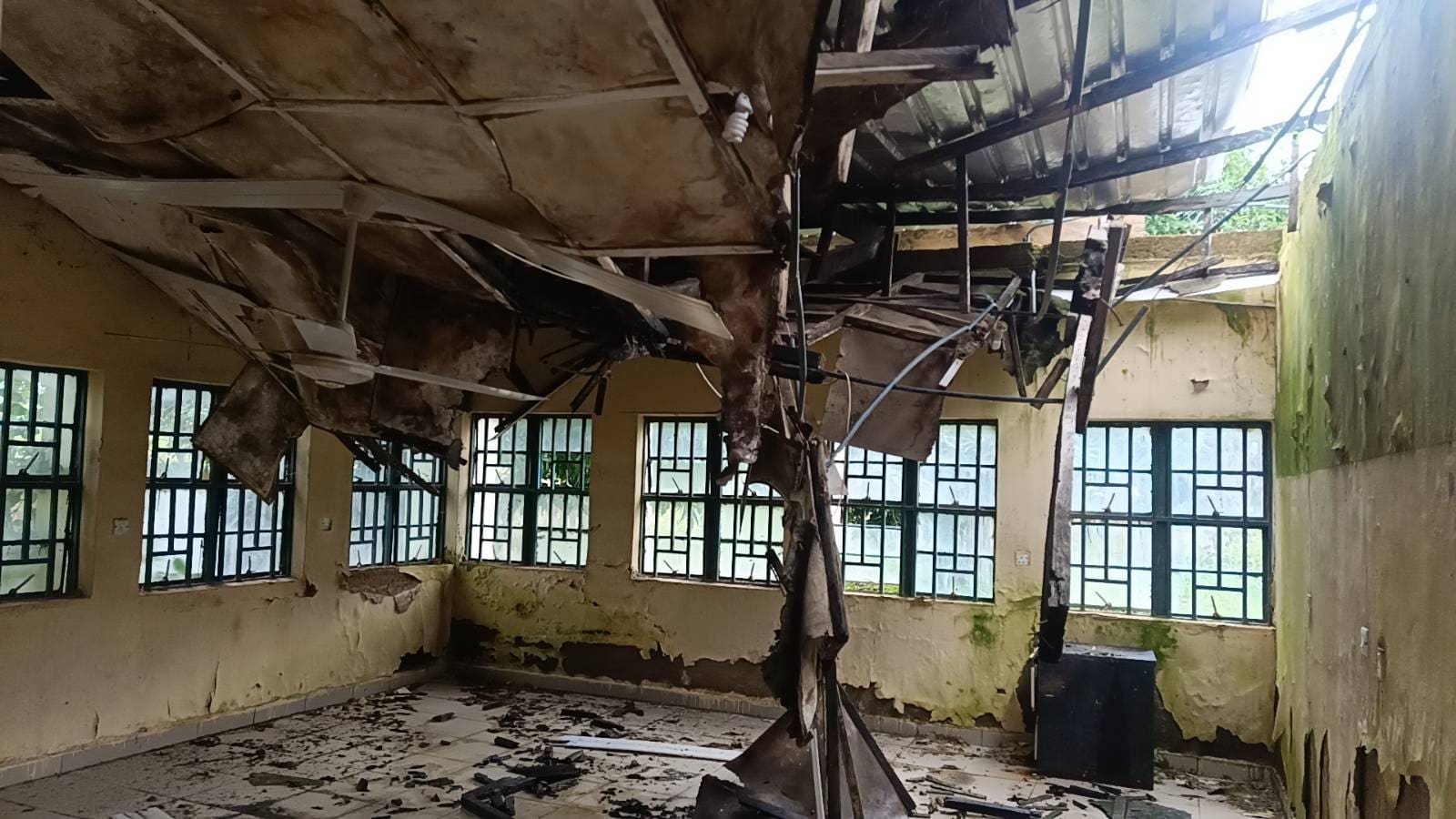
Working as a volunteer and relying solely on stipends from revenue generated by the health facility, Esther continues to serve at the PHC despite her loss. She recalls how in 2021, while caring for her ailing spouse, a violent wind tore off part of the centre’s roof.
And because the two roads linking about 20 communities in her Bital Ward to the rest of the state had collapsed, there was no way she could move her husband from the centre to another hospital.
“There was no way I could move my husband from the PHC to neighbouring Geshere or other hospitals in Lere LGA. The road to Kauru, our local government headquarters, has also been very bad, and the distance from here to Kauru is over 80 kilometres.
“My husband’s condition got worse days later, and he died,” she told this reporter.
Rebecca Yunusa, an expectant mother, regretted finding herself at the facility, and vowed never to continue her antenatal at the PHC.
“With the staff, there is no issue, but with the structure, there are a lot of problems. There is no roof. In fact, there is no hospital. The staff are taking care of patients inside the quarters. This is too bad. When I came, I was like asking: Is this the PHC?
“I’m very much surprised. It’s just that I saw the staff; that’s why I had to wait. The facility is very discouraging,” Yunusa stated.
Similarly, Rifkatu Danlami, another patient at the facility and expectant mother, said she was discouraged by what she saw at the centre.
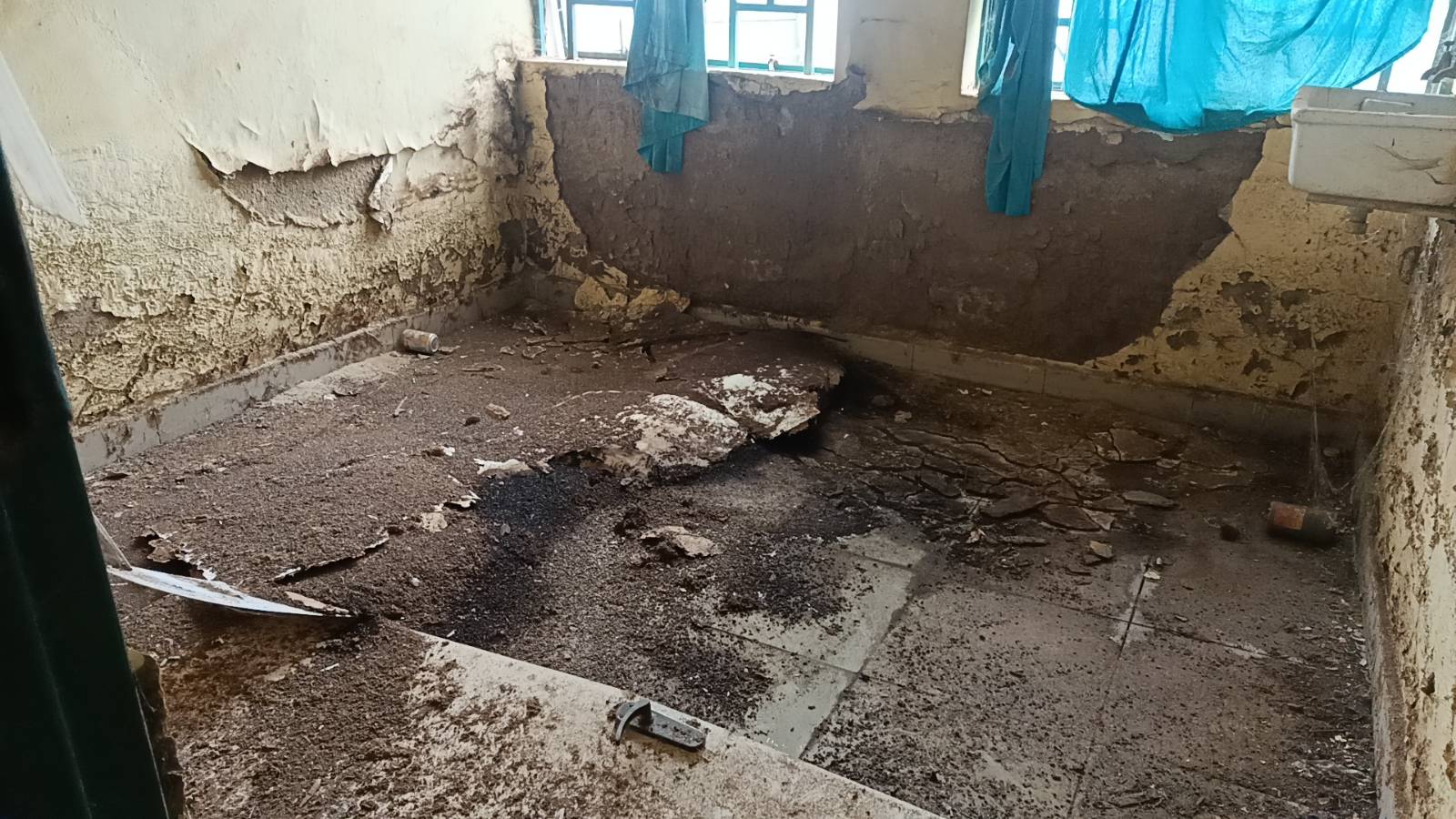
“I have promised myself that I will no longer go to the facility for treatment because the hospital has collapsed. If rain falls, there is no place for us to stay so the staff can attend to us. There are staff at the PHC, but the facility is not encouraging us to go there for treatment.”
“The last time I went there, the rain fell and the staff were there in the rain. We had no option but to return home in the rain,” the woman said.
Kidugu Model PHC was established in 2004 to enable residents within its catchment area to access healthcare. That goal is currently unachievable.
Its challenges appear to have been further worsened by the lack of communication between the Local Government Chairman, Bashir Dawaki, and the State Commissioner for Health in Kaduna, Umma Ahmed.
Ahmed, the commissioner, told The ICIR that Dawaki, who has been the LGA’s chairman for nearly 10 years, no longer answers her calls. She accused him of neglecting his people and failing to provide needed amenities.
The LGA chairman declined to respond to the claims.
Wards contend with insecurity, lack of basic amenities
Nestled within a ring of rocks, communities in Bital Ward battle not only a lack of access to healthcare but also insecurity and the near-total absence of basic amenities.
For instance, nine men were abducted from the Rishuwa, Kidugu’s neighbouring community, on December 30, 2025. According to James Rishuwa, a native of the community, the kidnappers demanded a ransom of ₦70 million. Although the victims’ families paid ₦20 million, the gunmen killed four of the abducted youths, released three who were ill, and have continued to hold the remaining two captives.
Rishuwa said many residents had fled the community.
As residents grapple with insecurity and the absence of basic amenities, many say they also struggle to access safe water, relying on sparsely dug hand‑pump boreholes and living without grid electricity.
Infrastructure has collapsed too. The main bridge linking Kauru LGA to the rest of Kaduna State has been collapsed since 2019, claiming the lives of residents who attempted to cross.

We’re tired of complaining – Officer-in-charge, Kidugu PHC
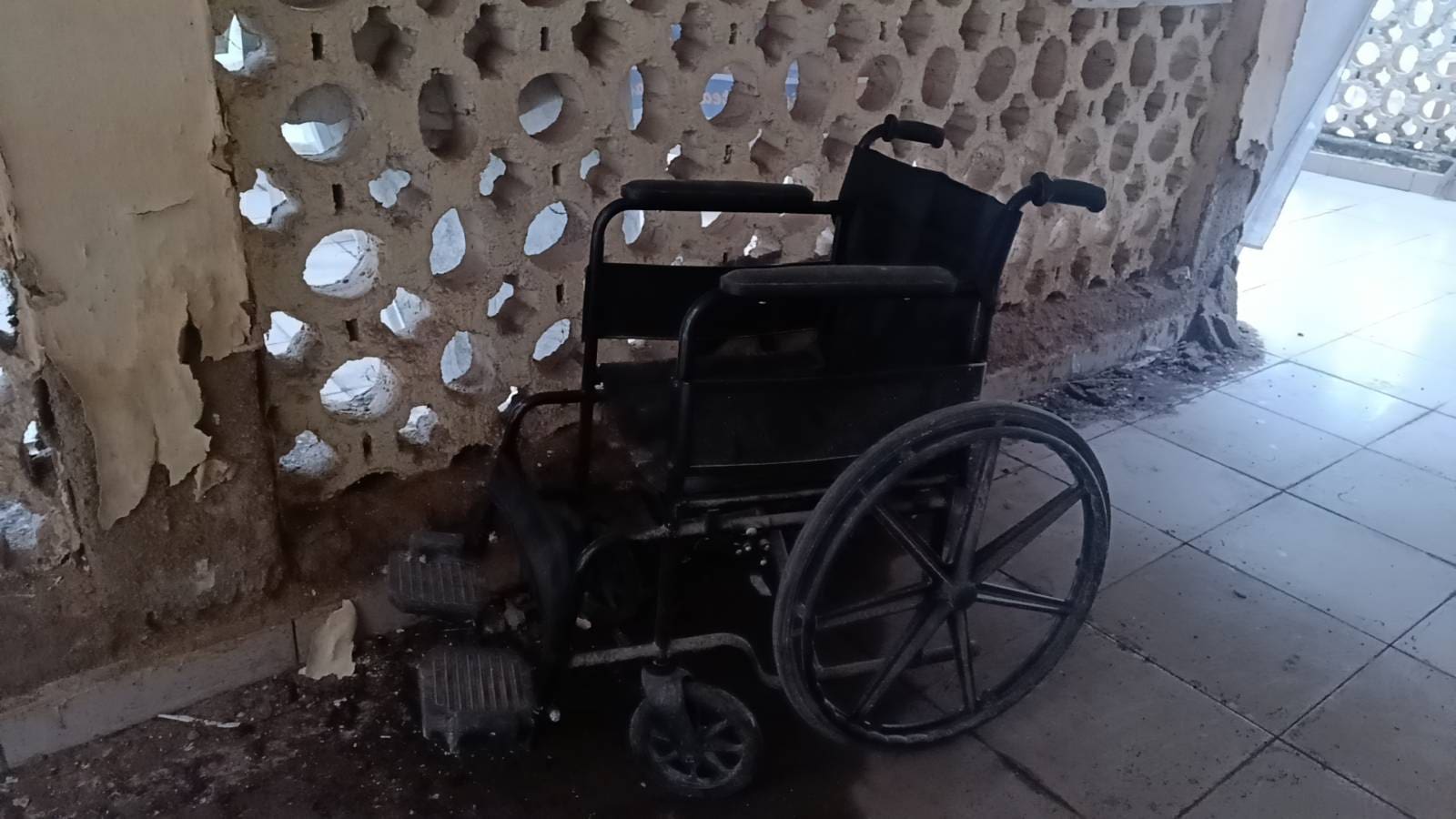
Every year’s rainfall compounds the challenges faced by the Kidugu PHC. The walls and few pieces of furniture still in use at the PHC are soaked during the rainy season, while the dry season leaves them covered in layers of dust.
The facility’s walls have cracks, raising serious concerns about the safety of patients, health workers, and other users. There are also abandoned beds, wheelchairs, medical kits and furniture. Workers at the PHC, however, continue to render services to scores of patients, mostly pregnant women and children who have no alternative healthcare services.
Officer in charge of the PHC, Hussaini Garba, decried the state of the centre and said the Kauru Local Government and the state government are in the best position to renovate the centre. According to him, stakeholders, including himself and the Ward Development Committee’s Chairman, have made several efforts to convince both arms of government to renovate the PHC.
Garba was posted to the facility in 2021 and took over leadership in 2023.
“When I came to the PHC, we were rendering services to over 500 people monthly, but now, we no longer attend to more than 200 monthly,” he said.
Garba and six other workers are on the government payroll. He, however, said volunteers are paid from revenues made from the PHC.

Government doesn’t listen to us – WDC Chairman
Aliyu Amodu, the Chairman of the Ward Development Committee, which supports the facility and ensures it performs optimally, complains bitterly about its neglect. He said all appeals by stakeholders, including his committee, to convince both the state and local government to renovate the facility had been futile.
“I have written to the Local Government Chairman. We made videos and took photos and sent them to the Local Government Chairman and to the state. They’ve been coming for inspection. Every time, they come and check everything. Yet, nothing has been done. We are pleading with the state government to come to our aid and make sure that this place functions.”
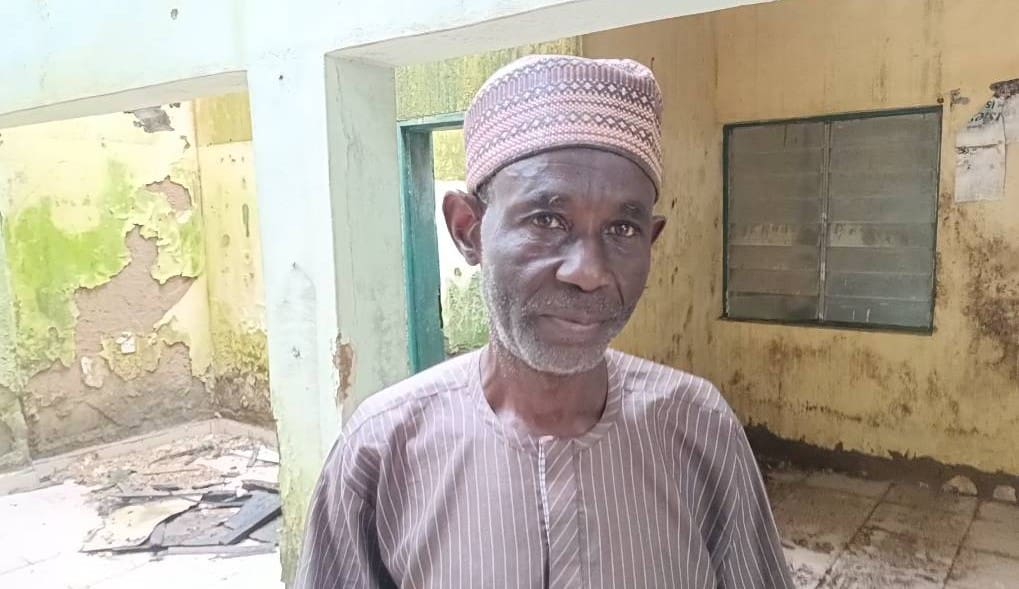
He said if the state government could not renovate the facility, the state government should at least support.
“It’s the only PHC serving nearly 20 communities. Despite being dilapidated, the people are still using it for maternal care, vaccination, and other medical services. Apart from this place, you can only transfer patients to Kauru General Hospital, which is about 90 kilometres,” he stated.
He explained that another building originally meant for staff accommodation had been converted to support the PHC’s services.
Vaccination kits kept in unsafe facility
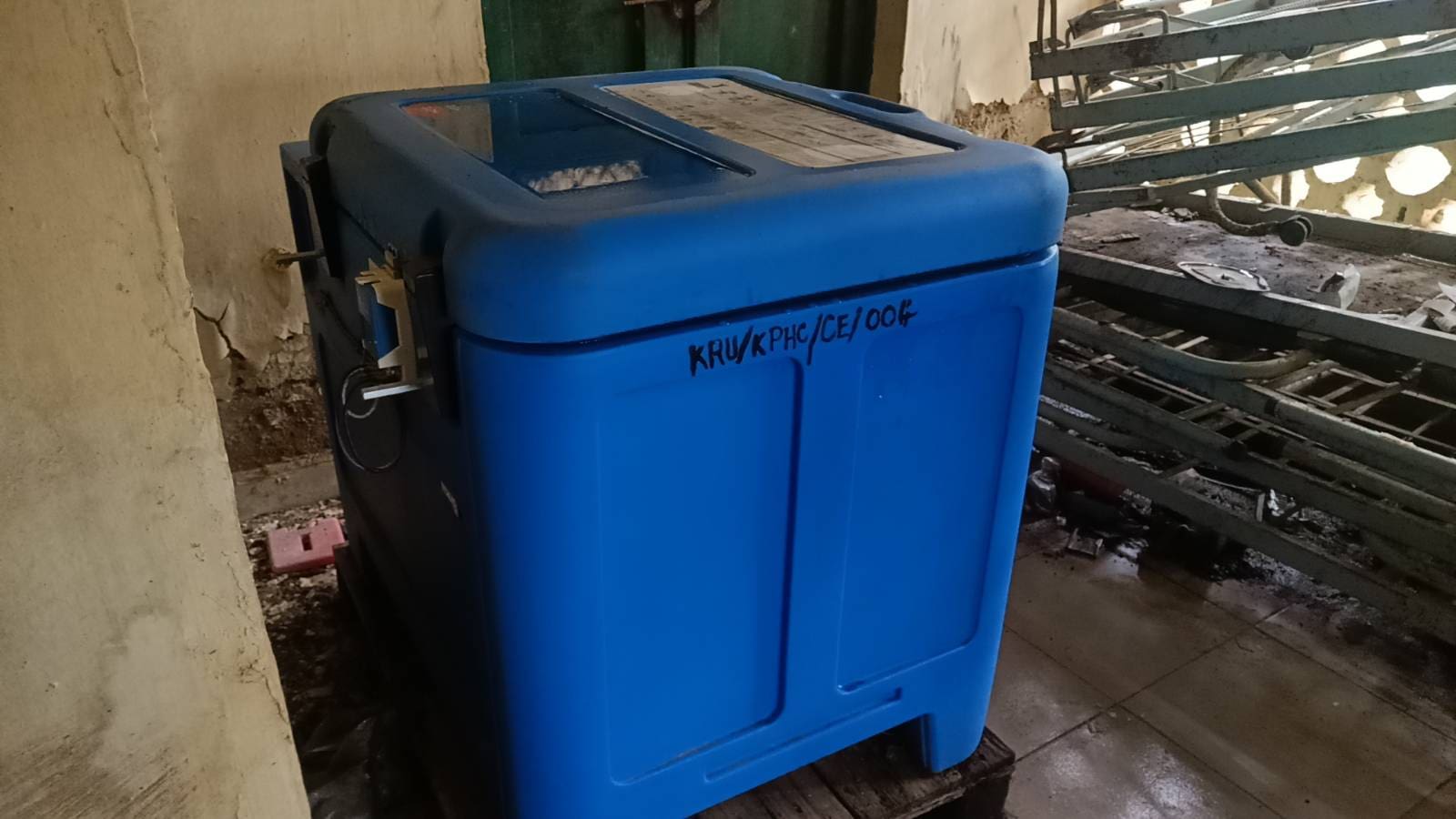
This reporter saw vaccination kits, including boxes, injections and vaccine cooling devices, at the dilapidated building.
Based on safe vaccine handling by the World Health Organisation, the conditions of vaccines and related kits in Kidugu PHC make them vulnerable to contamination.
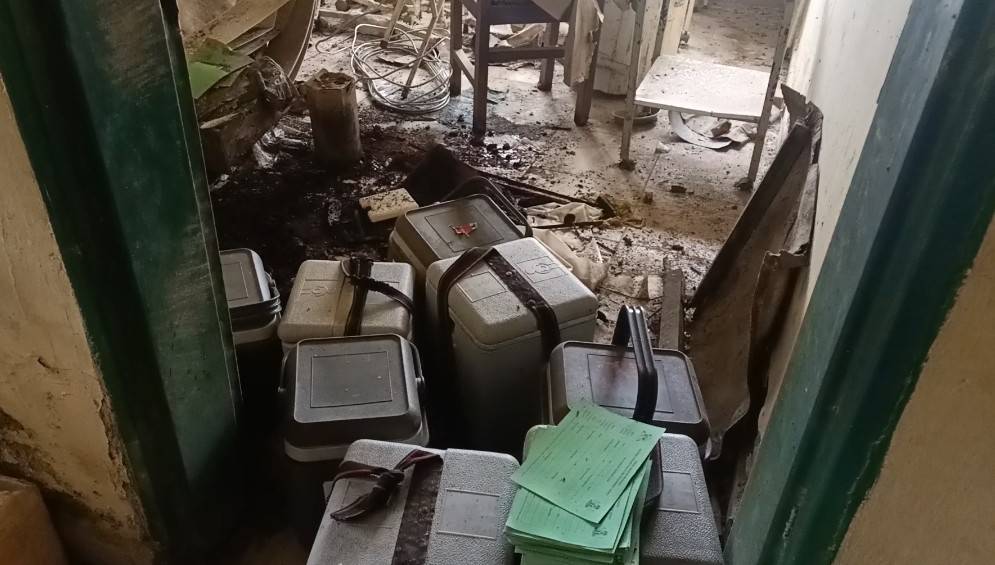
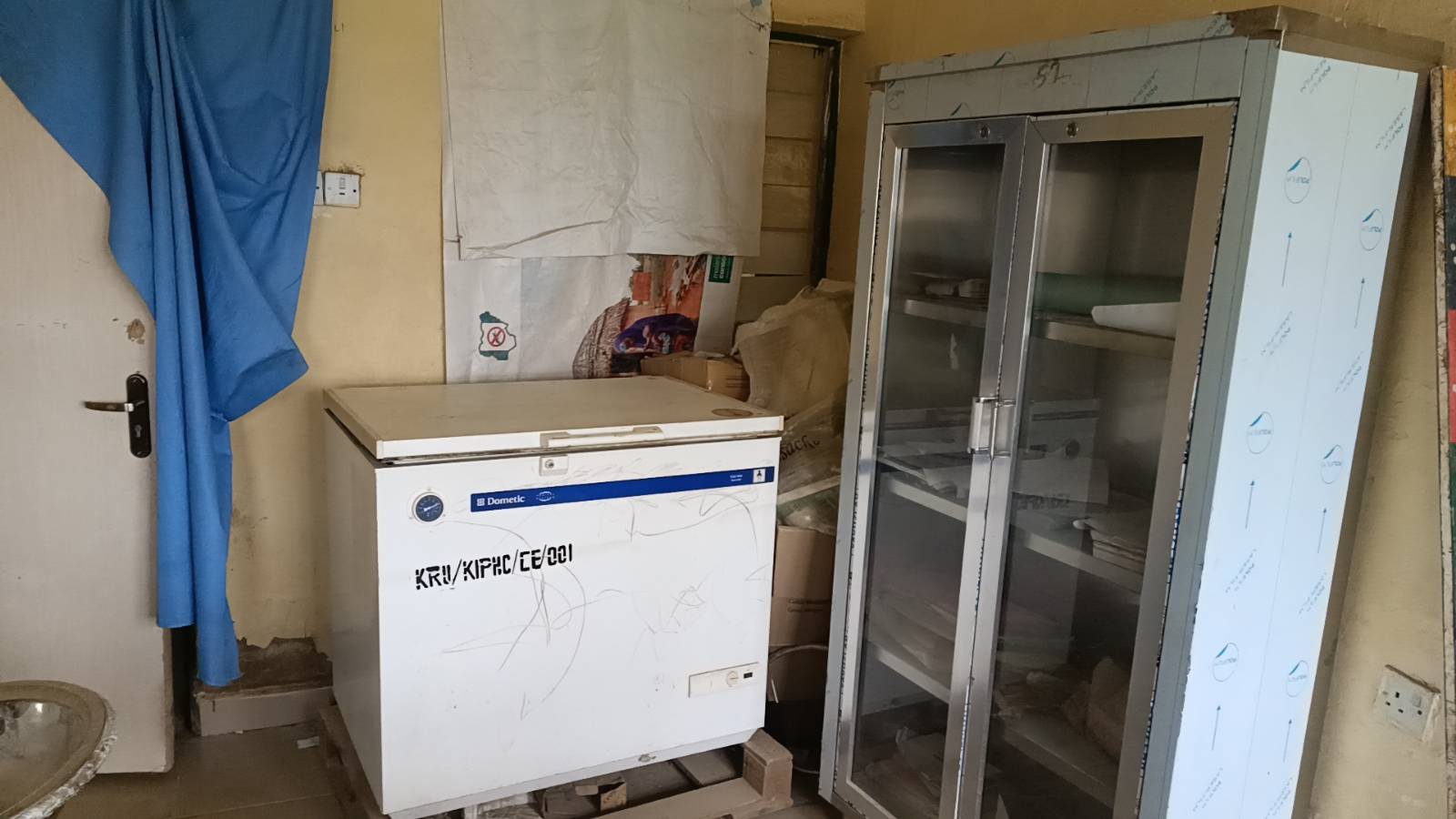
Visual and pictorial evidence shows that the officer-in-charge still has his office in the building. Several other pieces of equipment still in use, including a fridge, furniture, and chairs, were seen in the facility in October 2025, when the reporter visited the PHC. As of August 2026, findings reveal the situation remains the same.
The ICIR reports that communities that could use the PHC include Kurama, Binawa, Surubu, Dingi, Kono, Kinugu, Rishuwa, Kuzamani, Bikai, Kiwollo, Kaibi, Kitimi, Ruruma, Rummaiya, Hausawa, Fulani, Amawa, Siyawa, Fijima, and Chawai.
Nigeria’s persistent deplorable PHCs, rising maternal, child deaths
Several reports by the ICIR, including this, this, and this, show how the deplorable state of PHCs in Nigeria hinders citizens’ access to quality health care. Similar reports can also be found here, here, and here.
Nigeria currently parades some of the worst data on maternal and child health globally. WHO’s data shows that Nigeria’s maternal mortality rate stands at 1000/100,000, meaning that one woman out of 100 dies while giving birth. In 2023, a WHO report ranked Nigeria as the country with the second-highest number of maternal, neonatal and child deaths worldwide.
In the country, the under-five mortality rate stands at 110 deaths per 1,000 live births. The infant mortality rate is 63 per 1,000 live births, while neonatal mortality is 41 per 1,000 live births, according to the 2023–24 Nigeria Demographic and Health Survey (NDHS).
In 2001, Nigeria joined the rest of the world in committing to the Sustainable Development Goals (SDGs), which aim to slash global maternal deaths by less than 70 per 100,000 live births by 2030. Achieving these goals with the type of PHC in Kidugu remains a challenge.
Nigeria has persistently funded its health sector poorly despite signing the Abuja Declaration, in which Heads of African States agreed to commit 15 per cent of their budget to health. However, Kaduna State Government went beyond the benchmark, budgeting 16 per cent of its total budget for health in 2025.
The state government approved a N790.44 billion budget and earmarked N127.04 billion, representing 16 per cent, for its health sector. Of this, the Primary Health Care Board, which oversees PHCs in the state, was earmarked N16.28 billion.
Despite the approval of N2.24 billion for the upgrade, renovation and reconstruction of 49 health centres across the state in the budget of the Primary Health Care Board, Kidugu PHC did not benefit from the fund.
Role of state, LGA in providing health services in Nigeria
Every tier of government in Nigeria has a role to play in ensuring citizens have access to quality and affordable healthcare services.
Section 17(3)(d) of Chapter Two of the Nigerian Constitution (1999 as amended), under the Fundamental Objectives and Directive Principles of State Policy, states: “The State (Federal Government and States) shall direct its policy towards ensuring that there are adequate medical and health facilities for all persons.”
Public healthcare is funded by the three tiers of government in Nigeria, namely the federal, state and LGA. While the Constitution puts healthcare on the concurrent list, making the state and federal government responsible for its provision, Part C of the Fourth Schedule of the Constitution also assigns health-related responsibilities to LGAs.
It states that the functions of a local government council shall include “the participation of such council in the provision and maintenance of health services.” Meaning that the Kaura LGA has a role in ensuring that the dilapidated PHC in Kidugu becomes functional.
In practice, the Federal Government handles federal institutions in Nigeria, while state governments are in charge of general hospitals, leaving the PHCs for the local governments to manage. However, the federal and state governments often support PHCs with funding and other essential aids.
LGA’s failed promise
When contacted on December 8, 2025, weeks after his phone number could not be reached, the Local Government Area Chairman for Kauru, Bashir Dawaki, said work on the PHC “is in process” after a long talk over how the reporter should have contacted him.
Minutes after the conversation with the chairman, the reporter received a call from the LGA’s Health Secretary, Musa Ayuba, who tried to persuade the reporter to visit Kauru for a face-to-face discussion with the chairman. The reporter declined.
However, six months after the chairman promised that the work on the PHC was in process, residents of Kidugu informed the reporter that nothing had been done. This reporter called the chairman and the LGA’s health secretary on Friday, July 17, 2026, and they confirmed the hospital had yet to be fixed.
While Ayuba claimed he had continued to remind the LGA and the state government to fix the facility, Dawaki said there were many ramshackle health centres in his LGA which required phased intervention.
“We have a lot of PHCs that are having problems. We are working on them batch by batch and based on the money that we have. I cannot assure you,” the chairman said.
Kidugu health centre is among over 3,000 PHCs across 19 states and the Federal Capital Territory that are non-functional, raising concerns over access to lifesaving basic healthcare services for millions of citizens.
Kaduna State government reacts
When contacted on the phone, the Kaduna State Commissioner for Health, Umma Ahmed, said the Kauru LGA chairman was not serious about tackling the challenges facing his people.
“I’m going to be very frank with you. The chairman of your local government is not a serious human being,” the commissioner said.
The commissioner said she worked as a sole administrator of Birnin Gwari LGA when the chairman headed Kauru. She was later appointed the commissioner for Local Government Chairman in the state, during which the LG chairman worked under her.
“On the issue of primary health care centres, for every local government area in Kaduna, the number of wards is 255. For every ward, there is a functional primary health care centre. That was what the previous administration did. When this administration came, instead of doing additional ones, we said, why couldn’t we improve the ones that are on the ground? This was because we discovered that some of them were functional for a few hours. They were not providing the services they should.”
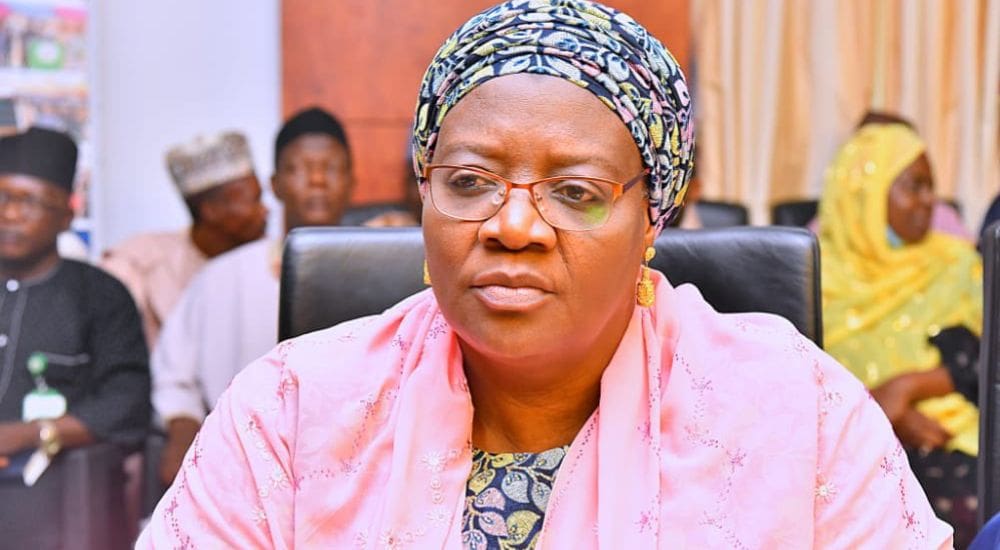
She said out of 255, the state government had made 190 of them functional, leaving those that have yet to be done in areas battling insecurity.
“As a chairman of a local government, what is he supposed to do? Is he not supposed to support the government with the kind of money they are getting? Is it a little money they are getting? Ahmed queried”
She challenged the Kauru LGA residents to hold the chairman responsible for the failing health and other amenities in the area.
“If he is a chairman that has compassion for his people, I can easily call him right away and say this hospital is facing challenges.”
The reporter asked the commissioner why she could not report the chairman to the state government. She said he was not under her jurisdiction but answerable to the Commissioner for Local Government Affairs.

“He is the oldest chairman among the ones that are there now. He has served eight years, and he is back again,” the commissioner stated.
When contacted again by telephone, the LGA chairman rejected the reporter’s calls. He also did not respond to text messages sent to him about the allegations.
Despite sending him several text messages emphasising the importance of responding to the commissioner’s claims, he did not respond.
Poor health facilities promote self-medication – NGO
Reacting to the findings, the Executive Director of a Kaduna-based non-governmental organisation, Open Heart Community-Based Initiative, Promise Ekwunife, said a ramshackle health facility would discourage health seekers and make them resort to self-medication.
Ekwunife commended the state government for rolling out health initiatives targeted at supporting the vulnerable population, but insisted that gaps still exist in the state’s health sector. “We know that gaps still exist, especially structural barriers that hinder access to basic healthcare services.”
Ekwunife, whose organisation supports advocacy and other health programmes in the state, said patients and other health seekers want a decent environment where they can be comfortable with health workers.
“We know there are many dilapidated buildings and inadequate primary healthcare facilities (PHCs). There is also substandard equipment for both treatment and testing services. All of these remain persistent gaps that need to be addressed.”
He appealed to the government to commit more funds to the state health sector to fix the gaps.

Marcus bears the light, and he beams it everywhere. He's a good governance and decent society advocate. He's The ICIR Reporter of the Year 2022 and has been the organisation's News Editor since September 2023. Contact him via email @ mfatunmole@icirnigeria.org