
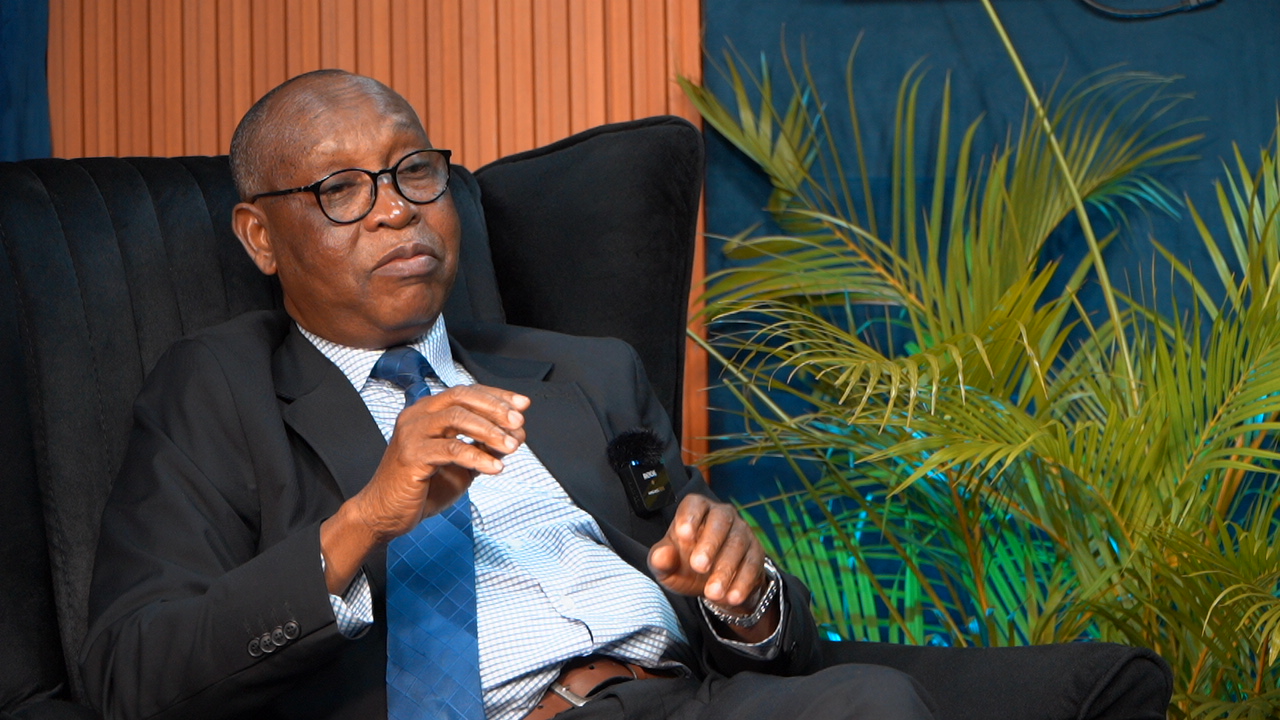
PERSISTENT layoff of skilled workers in the oil and gas sector are fuelling crude oil theft in the country, the Nigeria Extractive Industries Transparency Internatio al (NEITI), has warned.
Executive Secretary of NEITI, Orji Ogbonnaya Orji, disclosed this during an exclusive interview with The ICIR.
According to him, investigations revealed that many of the retrenched workers, who possess rare technical skills in pipeline management and welding, often turn to illicit networks that steal crude from pipelines and offshore facilities.
“You can’t steal oil without skill. The pipelines are sometimes deep underwater. Nigerians trained in welding and pipeline management get laid off, and when they are jobless, they become available to those who want to steal crude,” Orji said.
He explained that oil theft requires extraordinary expertise and is not the work of “ordinary people in the creeks,” stressing that most of those involved were once trained by the same industry they now undermine.
According to him, many retrenched workers have formed consortia and offer their services to oil thieves, further complicating efforts to secure production facilities.
“This is why we told the Nigerian Content Development and Monitoring Board to take this seriously. The laying off of skilled labour in oil and gas must stop,” he added.
While noting that oil theft has reduced in recent times due to tighter security coordination, Orji warned that the failure to address its root causes including unemployment among technically trained oil workers will continue to expose the country to losses.
Between 2021 and 2023, Nigeria lost 687.65 million barrels of crude to theft, according to NEITI’s latest report cited by him. Orji said though theft dropped by 73 per cent in 2023, with 7.6 million barrels stolen compared to 36.6 million barrels in 2022, the figure still translates to billions of dollars in lost revenues.
Orji emphasised that beyond revenue, crude oil theft also undermines national security, as proceeds are used to finance terrorism and money laundering.
“It’s more expensive to keep losing crude than to build the kind of monitoring infrastructure Saudi Arabia has. Nigeria has what it takes to do the same,” he said.
Oil theft has long been one of Nigeria’s most pressing economic and security challenges. Decades of pipeline vandalism, illegal refineries, and collusion between criminal networks and corrupt officials have cost the country billions of dollars in lost revenue.
Successive governments have launched military operations and technical interventions to curb the menace, but theft persists both in the Niger Delta creeks and in offshore facilities.

Nurudeen Akewushola is an investigative reporter and fact-checker with The ICIR. He believes courageous in-depth investigative reporting is the key to social justice, accountability and good governance in society. You can reach him via nyahaya@icirnigeria.org and @NurudeenAkewus1 on Twitter.