
NIGERIA’s headline consumer inflation slowed slightly in February, to 15.06 per cent year-on-year from 15.10 per cent in January, the National Bureau of Statistics (NBS) said on Monday.
The latest data was the 11th consecutive monthly slowdown, though the declines were minimal in January and February.
The Central Bank of Nigeria (CBN), which resumed monetary policy easing with a small interest rate cut last month, expects inflation to continue falling.
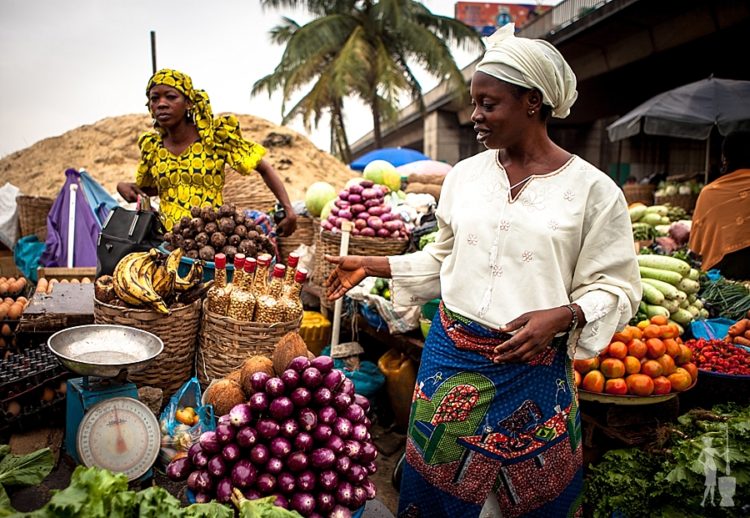
Consequently, food inflation, which has been the main driver of headline inflation in Africa’s most populous country, picked up in February to 12.12 per cent year-on-year from 8.89 per cent in January, the NBS said.
While the drop is minimal, it marks a persistent trend of moderation that policymakers at the Central Bank of Nigeria will be watching closely as they struggle to steer the economy toward price stability
The agency recently adopted a revamped methodology, using a 12-month reference period instead of a single month. This methodology has continued to impact on the downward trend of inflation, although most Nigerians believe it’s a sharp contrast when compared with the market realities.
The apex bank says that the lagged transmission of previous monetary tightening, exchange rate stability, and an enhanced food supply are helping to bring down inflation.

Harrison Edeh is a journalist with the International Centre for Investigative Reporting, always determined to drive advocacy for good governance through holding public officials and businesses accountable.