
THE Nigeria Centre for Disease Control and Prevention (NCDC) has said there is currently no evidence of hantavirus cases in Nigeria, despite recent reports of the virus cluster linked to cruise ship travel involving multiple countries.
In a public health advisory on Friday, May 8, the agency said it was closely monitoring the situation and maintaining enhanced surveillance for emerging infectious diseases.
The NCDC said the advisory became necessary following the cases linked to the cruise ship.
It also followed concerns raised by many Nigerians on social media over fears that the outbreak could mirror the spread of the coronavirus pandemic and Lassa fever.
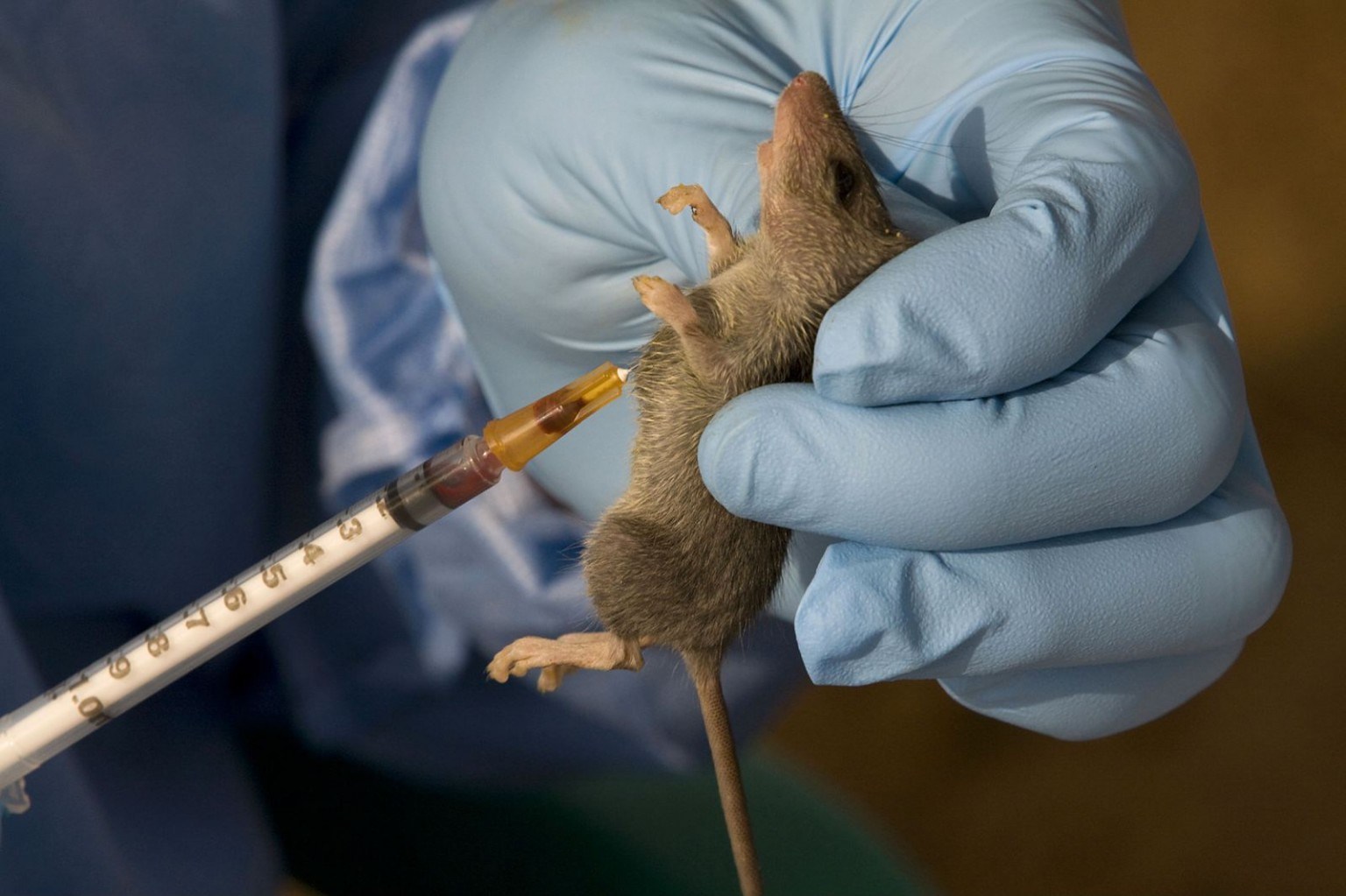
The ICIR reports that hantaviruses are zoonotic viruses, meaning they are naturally maintained in animal populations and can occasionally spread to humans.
They belong to the hantaviridae family and were first widely recognised during the Korean War in the early 1950s, although the virus itself was formally isolated later.
Commenting further in its advisory, the NCDC urged the public to maintain clean environments and take preventive measures against rodent infestation, noting that hantavirus is commonly spread through contact with infected rodents, their urine, droppings, or saliva.
The agency advised Nigerians to store food properly, dispose of waste safely, avoid contact with rodents and their droppings, and use protective measures when cleaning rodent-infested areas.
It also stressed the need for regular hand hygiene and adherence to infection prevention and control measures in communities and healthcare facilities.
“The NCDC remains committed to safeguarding public health and will continue to provide timely updates as the situation evolves,” the advisory stressed..
The agency also encouraged the public to rely on verified health information and report any public health concerns through its toll-free hotline, 6232.
Earlier this month, the World Health Organization (WHO) notified the public about a hantavirus outbreak linked to a cruise ship carrying 147 passengers and crew members.
As of May 4, 2026, seven cases, including two laboratory-confirmed infections and five suspected cases, had been identified. The outbreak recorded three deaths, one critically ill patient, and three persons with mild symptoms.
According to the WHO, the illnesses occurred between April 6 and 28 and were characterised by fever, gastrointestinal symptoms, rapid progression to pneumonia, acute respiratory distress syndrome, and shock.
The WHO says transmission mainly occurs when people inhale particles contaminated by infected rodents’ urine, saliva, or droppings. In rare cases, infection may also occur through rodent bites or direct contact with broken skin.
Human-to-human transmission is considered extremely rare, with only limited cases linked to the Andes virus in South America.
The global health body stressed that symptoms of the disease usually appear between one and eight weeks after exposure and often begin with flu-like signs including fever, fatigue, headaches, muscle aches, nausea, vomiting, diarrhoea, and abdominal pain.
In severe cases, hantavirus can progress to respiratory failure or kidney complications, depending on the strain involved.
Although there is currently no approved vaccine or specific antiviral treatment for hantavirus, health authorities say prevention largely depends on rodent control, environmental hygiene, and avoiding exposure to rodent-infested areas.

Mustapha Usman is an investigative journalist with the International Centre for Investigative Reporting. You can easily reach him via: musman@icirnigeria.com. He tweets @UsmanMustapha_M