
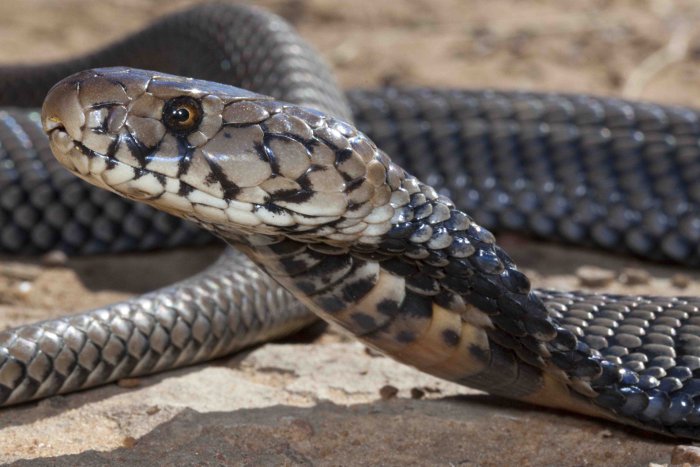

SNAKEBITE envenoming is a serious, potentially life-threatening condition that affects millions of people worldwide each year.
According to the World Health Organization (WHO), an estimated 5.4 million people are bitten by snakes annually worldwide, with up to 138,000 deaths and many more cases of permanent disability.
Venomous snake bites can trigger paralysis that interferes with breathing, bleeding disorders that may result in fatal haemorrhage, irreversible kidney failure, and severe tissue damage that can lead to permanent disability or limb amputation.
In Nigeria, snake bites are common, especially among farmers, children, herders, and rural residents due to proximity to snake habitats and limited access to quick medical care, including lifesaving antivenom.
For instance, on January 31, a 26-year-old Nigerian singer Ifunanya Nwangene, known as Nanya, died after a snake bit her in her home in Abuja.
Efforts to get her timely treatment were reportedly hampered by unavailability of antivenom at nearby facilities.
The deceased could not get antivenom at the first facility she visited in her estate. She then proceeded to the Federal Medical Centre, Jabi, Abuja.
Many Nigerians on social media blamed her death on alleged unavailability of the antivenom at the FMC. However, the hospital promptly debunked the claim.
The FMC said it acted promptly and provided immediate and appropriate treatment, including resuscitation efforts, intravenous fluids, intranasal oxygen, and the administration of polyvalent snake antivenom.
What you look for after a snake bite
- Two puncture wounds close together: usually from fangs (but sometimes only one puncture).
- Local signs: Pain, redness, swelling, heat, or bleeding around the wound.
- Other medical symptoms: Nausea, headache, dizziness, difficulty breathing, sweating, numbness, or blurred vision.
Immediate steps to take after a snake bite:
According to the World Health Organization, prompt treatment at a properly equipped health facility with trained personnel is critical, including access to antivenom and emergency supportive care.
In the case of any snake bite, the global health body and other medical professionals highlighted several steps to take, including being transported to a health facility without delay and access to first aid. Below are what professionals highlighted:
- Stay calm and still: Movement increases blood circulation, which can spread venom faster. Encourage the victim to lie down and stay quiet.
- Move away from the snake: Distance reduces the risk of additional bites. Do not attempt to catch, kill, or provoke the snake, this often leads to more bites.
- Remove tight objects: Unlike common belief of tying clothes or tight ropes, remove rings, bracelets, watches, or tight clothing near the bite site because swelling may occur.
- Reassuring the victims: The WHO says many snake bites come from non-venomous snakes, and even in cases involving venomous species, death is often not immediate, especially when timely medical care is received. So, reassuring the victims and keeping them calm to avoid panic helps preventing critical situations.
- Immobilising the victim: The person should be kept as still as possible. When seeking help, use a makeshift stretcher to move them. Avoid unnecessary movement that could spread the venom.
- Seek medical help immediately: Transport the victim quickly to the nearest hospital with antivenom availability.
What not to do
Avoid the following harmful practices known to increase risk and worsen outcomes:
- Do not try to suck the venom out.
- Do not apply a tight tourniquet. A tourniquet is a tight band, often made from cloth, rope, or rubber, tied around an arm or leg to stop or restrict blood flow.
- Do not cut or burn the woundDo not apply ice, chemicals, herbs, or engine oil.
- Do not use electric shocks or any folk remedy.
These actions can cause further tissue damage, increase infection risk, and delay critical medical care, according to the global health body.
Antivenom is the only effective treatment for venomous bites, and its timely administration can be lifesaving. It can potentially prevent or reverse most of the effects of snakebite envenoming when administered early in an adequate therapeutic dose.
According to WHO, beyond antivenom, effective treatment of snakebite patients often requires a range of supportive medical interventions. These may include other medications, assisted breathing, kidney dialysis, proper wound care, reconstructive surgery, prosthetic support, and long-term rehabilitation.
Certain drugs, particularly anticholinesterases, can help restore muscle and nerve function after bites from some neurotoxic snakes.
Challenges in Nigeria include:
- Limited antivenom supplies in many hospitals.
- No or less functioning ambulance.
- Government and hospital failure.
- High costs of antivenoms.
- Delayed presentation to medical facilities.
- Over-reliance on traditional healers in some communities.
- Lack of widespread public awareness about appropriate first aid.

Mustapha Usman is an investigative journalist with the International Centre for Investigative Reporting. You can easily reach him via: musman@icirnigeria.com. He tweets @UsmanMustapha_M