


By Oluwayanmife Abiola
THE Ward Development Committee (WDC) in Ogun State is strengthening its community feedback system as part of efforts to improve the quality and functionality of primary healthcare centres across the state.
The move was highlighted during a training programme for WDC representatives from the 20 Local Government Areas of the state, focused on collecting and analysing monthly feedback from patients and other users of primary healthcare facilities.
Monitoring and Evaluation Officer for the SPARK-IBP Project at the Justice, Development and Peace Commission, Bunmi Ekundayo, said the initiative was designed to ensure that the voices of healthcare users reach the authorities responsible for service delivery.
She said, “The Ward Development Committee members are the eyes and ears of the community because they are closer to the people and are able to identify the challenges affecting our primary healthcare facilities.”
Ekundayo added that the monthly feedback would be analysed and communicated to healthcare facilities and relevant authorities, including the Commissioner for Health, to support improvements in healthcare delivery.
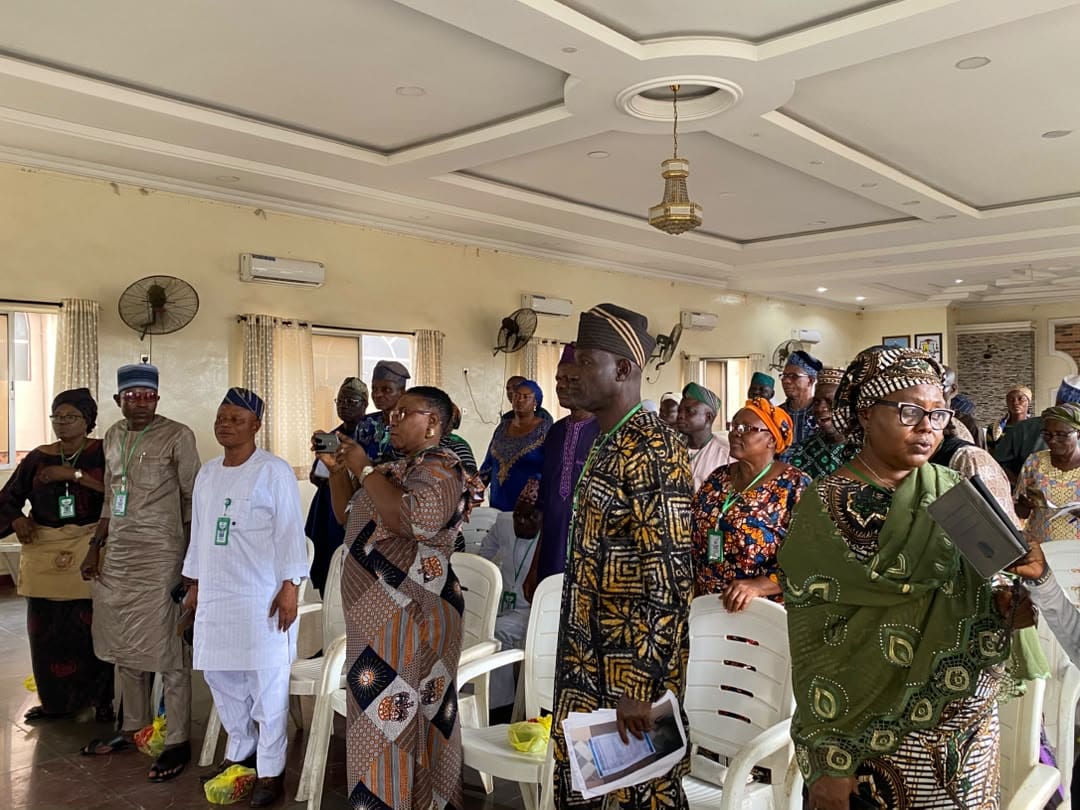
“The feedback we gather from the community will be analysed and taken to the relevant authorities so that the issues identified can be addressed and healthcare delivery can be improved,” she stated.
At the grassroots level, WDC Chairperson for Igbesa Ward in Ado-Odo/Ota Local Government, Folake Adelere, said community representatives play a key role in educating residents about government healthcare programmes.
Adelere said, “Part of our responsibility is to educate our people about the healthcare services available to them, including health insurance, and to intervene when we receive complaints from residents.”
She noted that WDC members also encourage residents to use government primary healthcare centres rather than patronising unqualified practitioners.
The Ogun State WDC Chairperson, Asiwaju Wahab, described the committee as a bridge between government, healthcare facilities and the communities they serve.
He said, “The Ward Development Committee is a bridge between the government, the health facilities and the people. That is why feedback from the community is very important in monitoring the functionality of our health facilities.”
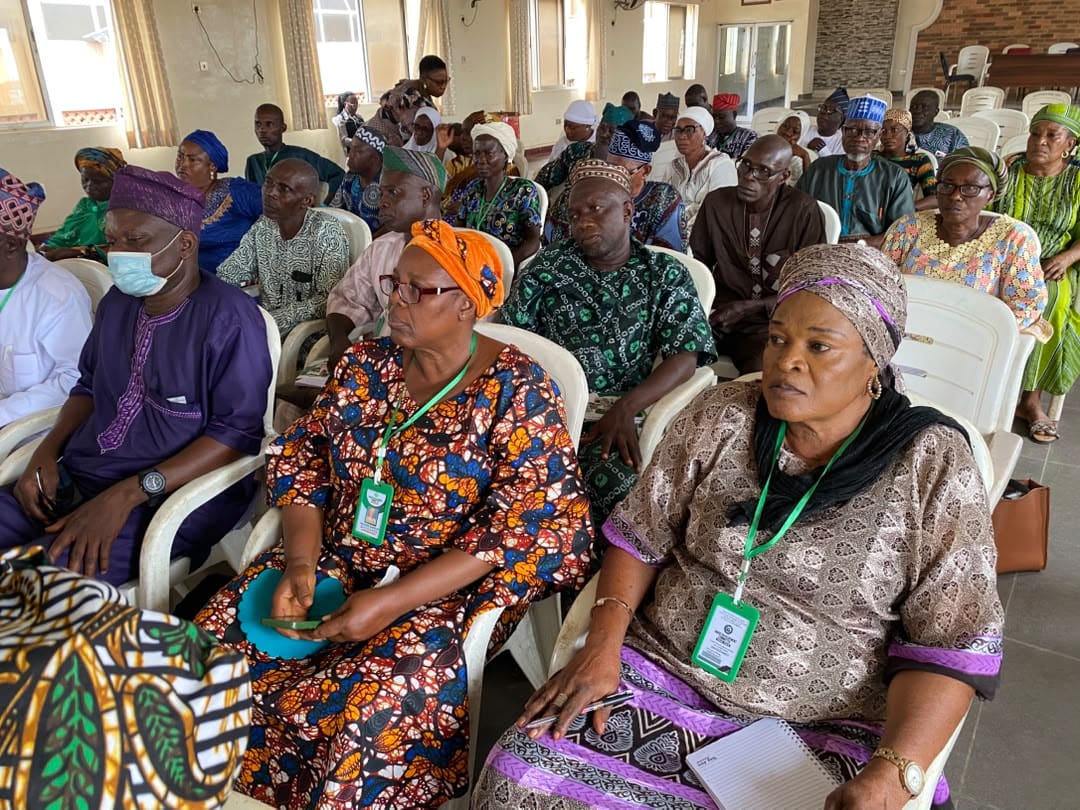
Wahab said effective monitoring of primary healthcare centres required direct feedback from patients, health workers and other users of the facilities.
He said the training was also adopting a “train-the-trainer” approach, with one representative selected from each of the 20 local government areas to take the knowledge back to their respective areas and train other WDC members.
He said the approach was necessary to reach the more than 500 primary healthcare centres across Ogun State.
Wahab stressed the importance of evidence-based data in identifying challenges and engaging government on interventions needed to improve healthcare facilities.
“We need evidence-based data to know exactly what is happening in our health facilities and to engage the government appropriately on the interventions that are needed,” he said.
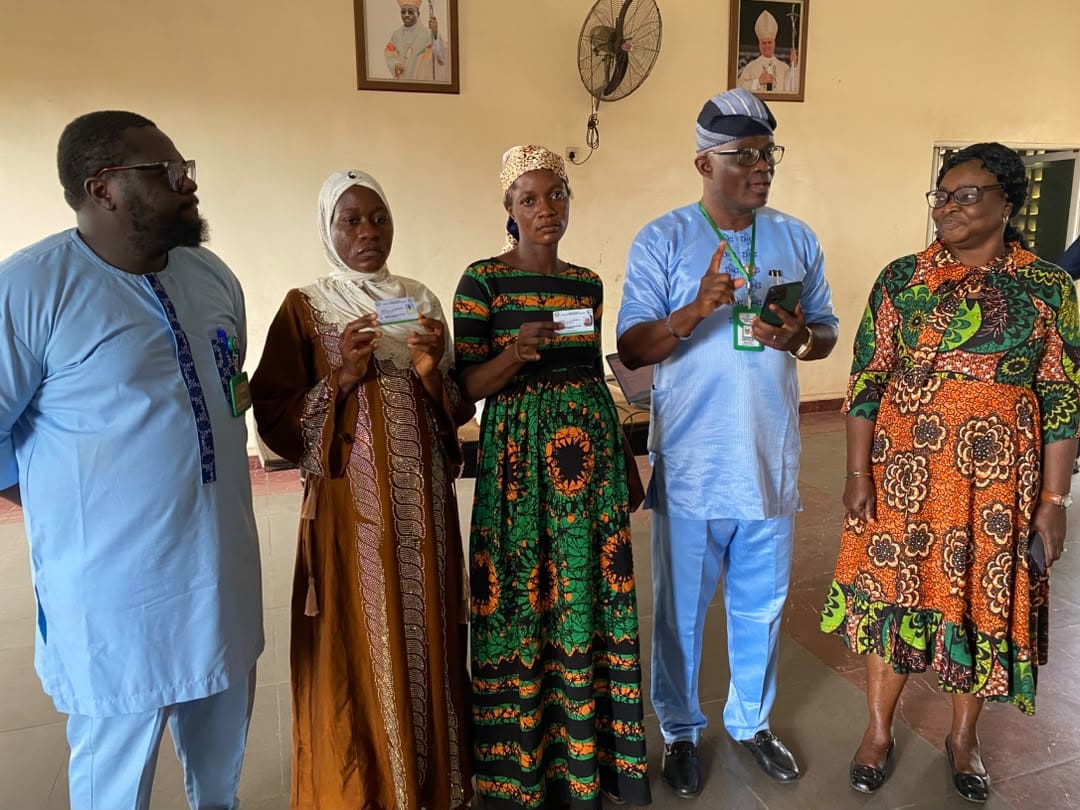
The training also featured discussions on health insurance and community participation, with two pregnant women presented as part of the evidence-gathering process.
The organisers said the ultimate goal was to strengthen the flow of information from patients and communities to healthcare authorities and ensure that identified challenges translate into improvements in primary healthcare delivery across Ogun State.