

By Hamzat Ibrahim Abaga
The Federation of Muslim Women Associations of Nigeria (FOMWAN) has raised concerns over low turnout to antenatal care among pregnant women in Niger State. It identified financial constraints and lack of spousal support for pregnant women as some of the factors limiting access to maternal healthcare.
FOMWAN, the civil society umbrella body for Muslim women associations in Nigeria and established in 1985, called for attitudinal change among couples and healthcare workers as a way to improve access to maternal healthcare and address the high rate of maternal mortality.
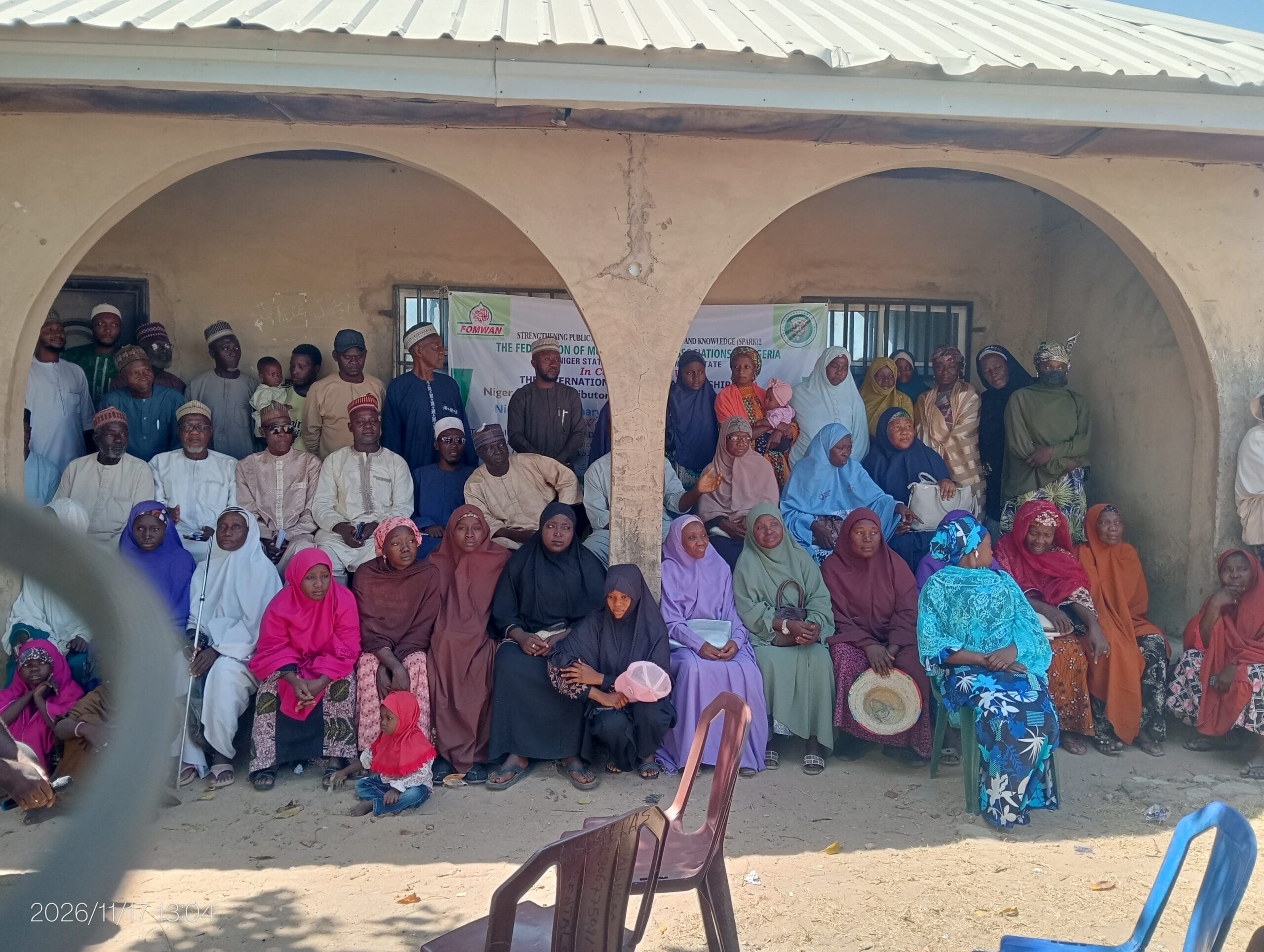
The organisation’s Programme Officer, Hajiya Gogo D. Abubakar, who made the call on Tuesday, November 17, 2026, at the second town hall meeting with Ward Development Committees (WDCs) in Minna, the Niger State capital, said the meeting was aimed at bringing together WDC leaders and Primary Healthcare (PHC) representatives to identify challenges affecting maternal healthcare and work towards reducing maternal deaths.
Organised under the Strengthening Public Accountability and Results in Knowledge (SPARK) 2 project, Abubakar said the meeting would present feedback on maternal health services and reports on PHC financing to the Niger State Primary Health Care Development Agency (NSPHCDA).
She said studies show that some pregnant women do not attend antenatal clinics regularly, with some husbands discouraging their wives from seeking medical care. Abubakar also cited financial constraints as a barrier to accessing antenatal services and urged families to support pregnant women in seeking professional healthcare.
In her remarks, the State Coordinator of FOMWAN’s SPARK 2 Project, Aisha Ibrahim Lemu, urged healthcare providers to treat patients with respect and compassion and provide them the necessary mental and physical support.
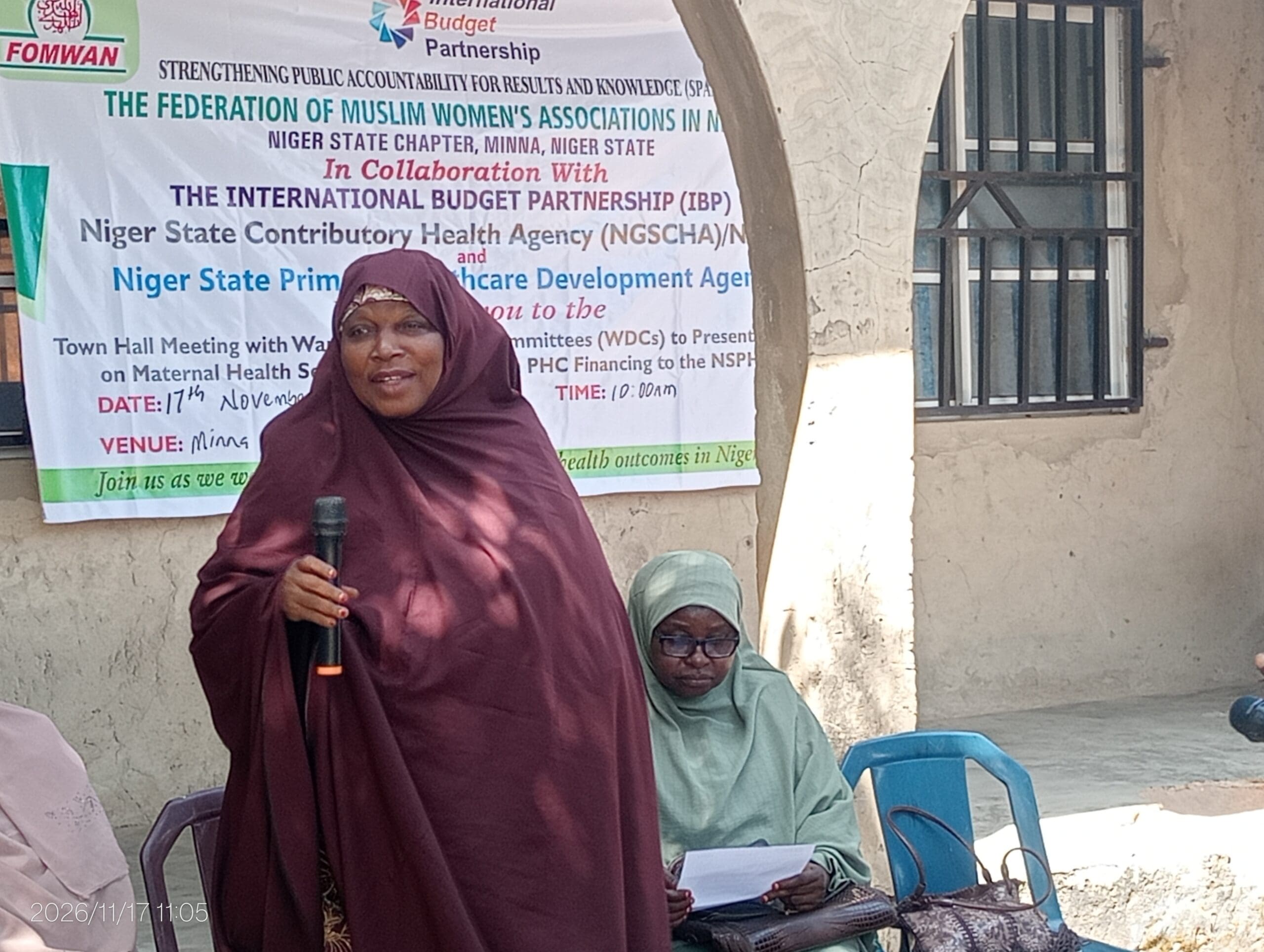
“Be patient and always treat your patients with care, respect and love,” Lemu said.
Meanwhile, the Director of Standards and Quality Assurance Services at the Niger State Contributory Health Agency, Dr Salihu Saidu, identified community participation and attitudinal change among healthcare workers as critical to improving access to quality healthcare.
Saidu said involving residents in decision-making would help government agencies understand community needs, gather feedback and address service delivery challenges. He added that it would move away from a system where officials made decisions without adequately consulting the communities they serve.
The director added that the state government was training and retraining health workers to improve their attitudes toward patients but stressed that improving healthcare access required change from both healthcare workers and community members.
According to Saidu, some older women sometimes discouraged younger women from seeking professional maternal healthcare, relying on their own experiences of delivering children without hospital assistance. He also expressed concern that some pregnant women received money for antenatal visits from their husbands but failed to attend health facilities.
He urged residents to embrace hospital-based maternal healthcare, noting that primary healthcare centres are now available in wards to bring services closer to communities.
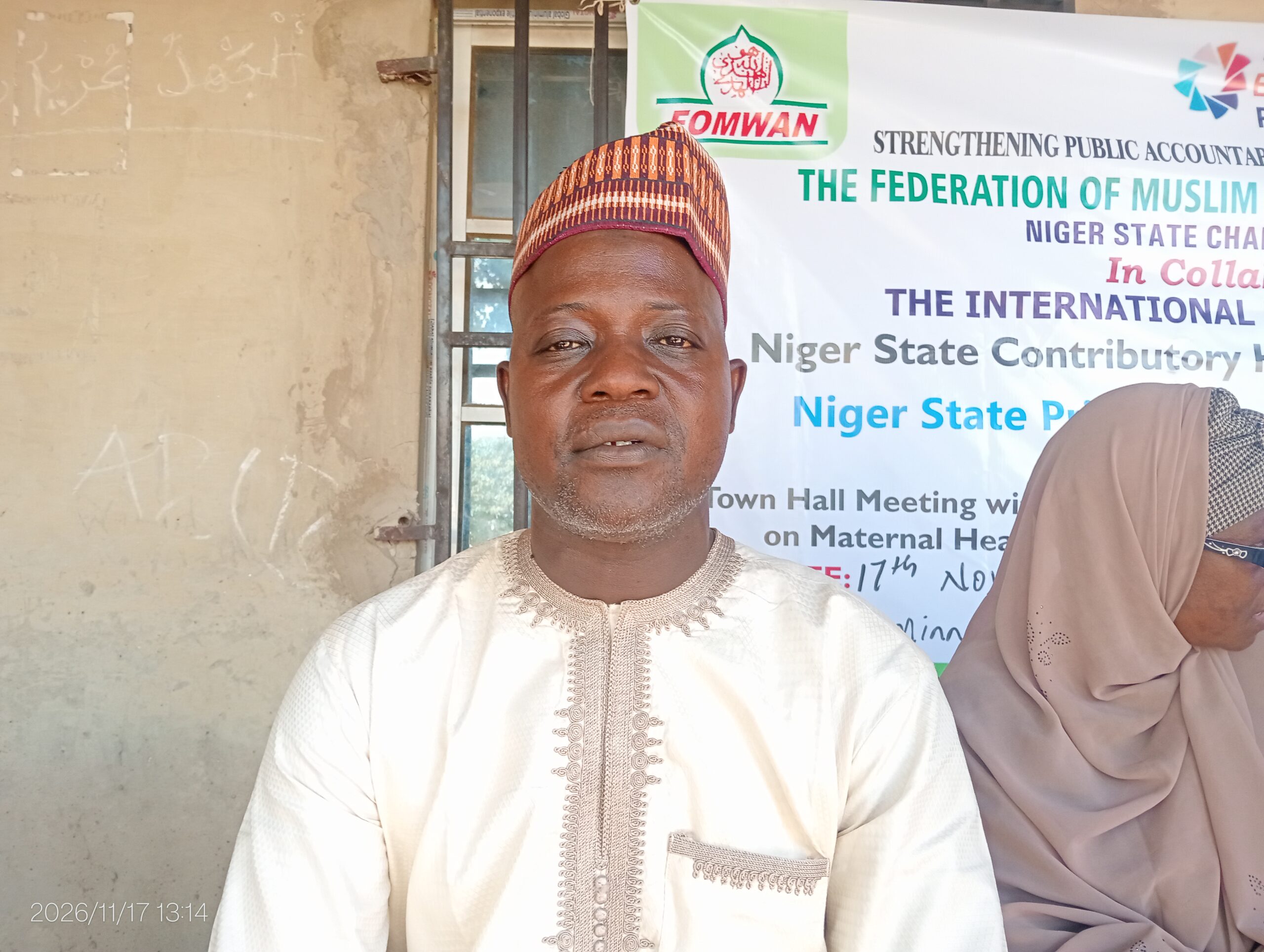
At the community level, Chairman of the Limawa ‘A’ Ward Development Committee, Bawa Ibrahim, said the committee had executed several development projects. He noted that mobilising community support was initially difficult because some residents believed the government alone was responsible for providing basic amenities.
“Several times when we meet some people to seek assistance to execute some projects in the community, they will say it is the duty of the government, not theirs,” he said.
He said persistent engagement and persuasion had gradually changed residents’ attitudes, with more people now willing to support community initiatives.
Similarly, a member of the ward, Danjuma Mohammed, said the Niger State Contributory Health Scheme (Ni-CARE) had improved several healthcare facilities in the community. Mohammed said they participated in critical decision-making processes, including recruiting casual workers and setting their salaries, and that this involvement strengthened community participation in managing healthcare services.
While testifying to the benefits of the Ni-CARE scheme, Aisha Usman, a resident, said she received eyeglasses for free through the intervention, noting that the scheme had reduced cost-related difficulties she previously faced in seeking medical attention.
Meanwhile, Hajiya Kulu Abdullahi, the Ameera of FOMWAN, urged the Niger State Government and Ni-CARE to extend healthcare interventions to rural communities, noting that many of the testimonies and reported benefits presented at the meeting came from urban areas.
She called for greater attention to underserved communities and urged WDCs to organise regular meetings with residents to educate them about their activities, achievements and challenges.
The Ameera said sustained community engagement would improve public understanding of the committees’ responsibilities and encourage more residents to participate in community healthcare initiatives.