THE Global Investigative Journalism Network (GIJN) is inviting applications to attend its 15th Global Investigative Journalism Conference (GIJC), scheduled to take place in Rotterdam, the Netherlands, from October 19 to 23, 2027.
The event is being co-hosted by GIJN and De Vereniging van Onderzoeksjournalisten (VVOJ) — the Dutch-Flemish Association of Investigative Journalists — which has played an outsized role in promoting quality investigative reporting in the region and across Europe since its founding in 2002.
The conference venue will be de Deolen ICC Rotterdam, an iconic concert and congress center located in the heart of the city.
With support of sponsors and partners, the conference is offering fellowships to journalists from the Global South, and those from historically underrepresented groups to participate.
The programme is open to professional print, online, television, video, radio, documentary, and multimedia journalists, including freelance journalists in developing or transitioning countries. Experience in investigative or data journalism a plus.
The organiser says,” Like its many predecessor events, GIJC27 will feature more than 150 state-of-the-art expert panels, cutting-edge workshops, and the best networking in the business. We’ll cover online search techniques, panels on investigating and using AI, best practices for cross-border collaboration, exiled media tips and tools, and more.
“We’ll be hosting top journalists who have developed innovative uses of technology to hold power to account, and others who have worked in environments with press freedom limitations and refined techniques to continue investigating while maintaining high standards and reducing risks. There will be experts on satellite imagery, artificial intelligence, climate change, corruption, and data journalism, among others. It will also be a unique opportunity to network and collaborate with your colleagues from 100-plus countries.”
Application deadline is January 31, 2027. Interested applicants can apply here.
THE Nigerian Air Force (NAF) has recovered additional components from its ATR 42-500 aircraft that crashed in Igbokoda, Ondo State, as multi-agency teams continue search and recovery operations at the accident site.
In a statement posted on its official X handle on Wednesday, the Air Force said specialist divers from the Nigerian Navy and the Nigerian Safety Investigation Bureau (NSIB) continued underwater search and recovery operations alongside its recovery team.
“Additional aircraft components have been recovered as efforts continue to locate and retrieve relevant materials for documentation and preservation in support of the ongoing investigation,” the statement said.
The development comes amid growing concerns over the potential public health risks posed by the unrecovered bodies of the 25 people aboard the aircraft, with residents and the community’s traditional ruler warning that decomposing remains and possible fuel leaks could contaminate local water sources.
The monarch of Igbokoda, Afolabi Odidiomo, had raised the alarm over the persistent stench from the crash site and the possible pollution of a river connected to the community’s water supply.
Odidiomo had urged the government to urgently clean up and restore the affected environment, warning that the swamp was connected to a water source used by residents.
He said the community’s water treatment facility in Aboto, about seven kilometres from Igbokoda, receives water from the same river system, raising concerns about possible contamination.
Residents have also complained about the persistent odour since the crash, while some expressed fears about the potential effects on children and other vulnerable members of the community.
The ICIR reported that 25 people were killed on Monday October 5, when NAF 931, an ATR-42 aircraft, crashed in the Igbokoda area of Ilaje Local Government Area of Ondo State.
President Bola Tinubu and the NAF had earlier ordered comprehensive investigations into the circumstances surrounding the tragedy.
In its latest statement, the NAF said that the operation involves hydrographic surveys, satellite-based search-and-rescue imagery, mud excavation and the pumping out of excess water to facilitate access to areas of interest.
THE Independent Corrupt Practices and Other Related Offences Commission (ICPC) sprang a surprise in its case against former Kaduna State Governor Malam Nasir El-Rufai at the Kaduna State High Court on Tuesday, October 13, when it called a State Security Service (SSS) digital forensic expert as its first prosecution witness.
The former governor was in court for the continuation of his trial over allegations of corruption, abuse of office and money laundering.
An impeccable source at the commission informed The ICIR that during the proceedings, which lasted about nine hours, the ICPC presented to the court a recording of an intercepted conversation between El Rufai and his elder brother, Bashir.
In the recording, which was mostly in Hausa with a smattering of English and which the judge allowed to be played in open court, Bashir was heard complaining about the Economic and Financial Crimes Commission’s (EFCC) investigations into the brothers and companies linked to them, including Singularity.
The source said Bashir expressed worry about a letter of invitation sent to IHS Nigeria, whose sister company, IHS Holding is quoted on the New York Stock Exchange. The source noted that the revelation showed that the conversation probably occurred at the investigative phase before the matter was charged to court.
According to the source, in response to Bashir’s concerns, El Rufai was heard in the recording saying that he had people in the EFCC dealing with the matter to ensure that it is ‘killed.’
“El Rufai was heard mentioning $100,000 and another amount in dollars, which was not clear. He also told his brother that Jimi Lawal, who was charged along with him in the alleged fraud case, had arrived in Abuja on the invitation of the EFCC but that he has been told not to appear before the commission on the excuse that he was sick.”
The ICIR gathered from insiders close to the investigation in the ICPC that El Rufai had been confronted with a number of phone numbers linked to him and he had confirmed that the number of the phone on which his conversation with Bashir was intercepted is the one he uses in Dubai.
The source told our reporter that ironically, most of the evidence being used by the ICPC to prosecute the case against the former governor were obtained in his house during a raid on Wednesday, February 19, 2026. The raid continued into the early hours of the following day.
The source said one of the recoveries from the raid was the report of an extensive investigation carried out of El Rufai’s eight years in office as governor of Kaduna State.
This discovery, the source said, was shocking to the agency and showed that El Rufai had probably compromised its officials who were feeding him information about the investigations against him.
The ICIRreported that the presiding judge, Darius Khobo, overruled the former governor when he attempted to block the SSS forensic expert testimony.
It held that the ICPC could call the forensic expert, Shegun Kayode, who was subpoenaed by the court, despite his name and evidence summary being absent from the prosecution’s witness list.
The judge held that the defence’s right to fair hearing could be protected by allowing it to cross-examine the witness.
El-Rufai’s senior counsel, Paul Erokoro, had argued that the defence had not received the witness’ evidence summary or the subpoena.
Erokoro submitted that the omission of the evidence summary by the forensic expert or the subpoena denied the defence adequate notice to prepare for cross-examination and understand the case it was required to answer.
The ICPC prosecution counsel, Ayodele Adedipe, however, argued that failure to include a subpoenaed witness in the proof of evidence did not automatically render the testimony inadmissible.
In its ruling, the court confirmed that the witness had been subpoenaed through an order signed by the court on June 30, 2026.
Khobo said the prosecution’s position reflected the applicable law, citing previous cases in support of the ruling.
The judge held that the witness’ absence from the prosecution’s witness list and evidence summary did not prevent him from testifying because he had been subpoenaed.
He added that the defence’s fair-hearing concerns could be addressed by allowing it to cross-examine the witness.
During the proceedings, an audio recording of his interrogation by the SSS concerning the alleged importation of about 10 kilogrammes of thallium sulphate, a highly toxic and strictly regulated substance, into Nigeria was played.
The recording, which lasted about one hour and 30 minutes, contained the interrogation and other exchanges.
The case was adjourned until November. 30 and December 1 for continuation of the cross-examination of the SSS witness by the defence counsel.
Meanwhile, El-Rufai’s efforts to secure bail from ICPC custody have been unsuccessful. The commission argued that he could interfere with ongoing investigations into cases he is facing in court if released.
To support its argument, the commission’s lawyer presented a recording of an interview El-Rufai gave to Channels Television, during which he said he would fight anyone he perceived as a threat to his professional integrity “to the death”
He has been in the custody of the ICPC since February 18, 2026. He is expected to appear before another court in Kaduna on Wednesday, October 14, for trial in a separate case.
THE Independent National Electoral Commission (INEC) has given political parties until October 24, 2026, to notify it of alleged errors involving candidates omitted from its final list for the 2027 governorship elections.
INEC announced the deadline in a statement on Tuesday by its National Commissioner and Chairman of the Information and Voter Education Committee, Mohammed Haruna.
The commission said the 14-day window was provided under Section 32(2) of the Electoral Act, 2026, which allows political parties to notify it if they believe their candidates were wrongly excluded from the published list.
The deadline follows controversy over the exclusion of several candidates from the list published by the commission, with affected parties demanding explanations and threatening legal action to secure their candidates’ inclusion.
Among the affected candidates are the Peoples Democratic Party’s governorship, Oladipupo Adebutu in Ogun State and former Minister of Communications and Digital Economy, Isa Pantami, a professor, in Gombe State.
Also missing is the Nigeria Democratic Congress governorship candidate in Kano State, Aminu Gwarzo. In Jigawa State, the African Democratic Congress has protested the omission of its deputy governorship candidate, Aminu Ringim, and several others.
Explaining the omissions, Haruna said its decision followed the Supreme Court’s September 24, 2026, judgment in INEC v. Zenith Labour Party, appeal number SC/CV/495/2026.
He said that the judgment upheld the constitutionality of Sections 77(5), 77(6) and 77(7) of the Electoral Act, 2026, which require political parties to submit their membership registers to the commission within the stipulated period and use the registers for their primaries, congresses and conventions.
According to Haruna, the apex court also upheld Item 2 of its timetable and schedule of activities, which required political parties to submit their membership registers between April 21 and May 10, 2026.
The INEC Committee Chairman said the court ruled that compliance with the provisions was mandatory and that parties that failed to meet the requirements were ineligible to sponsor candidates for the elections.
Haruna explained that it applied the judgment when preparing the final governorship candidates’ list, excluding parties that failed to comply with the membership-register requirements, noting that the action was consistent with Section 287(1) of the 1999 Constitution, as amended, which requires authorities to enforce decisions of the courts.
He urged affected political parties to notify it of any alleged wrongful exclusion within the stipulated period.
Haruna however, noted that the final lists of presidential and National Assembly candidates had been published on September 12, 2026, 13 days before the Supreme Court delivered its judgment.
It said the October 24 deadline applied to parties seeking corrections to the governorship candidates’ list.
The controversy has heightened concerns over the implications of the Supreme Court ruling for political parties and their candidates ahead of the February 6, 2027, governorship elections.
The ICIR reported that (INEC) has listed former Minister of Innovation, Science and Technology, Geoffrey Uchechukwu Nnaji, as PDP governorship candidate in Enugu State, despite a certificate forgery controversy that preceded his resignation from President Bola Tinubu’s cabinet.
The lists contain 13 governorship candidates in Ogun and 16 in Gombe, with neither state featuring a PDP candidate with the qualifications submitted by candidates.
The omissions leave the PDP without a listed governorship candidate in the two states.
IN Zamfara State, years of insecurity have crippled health services in many rural communities, exposing residents to greater risks during disease outbreaks such as cholera. This report highlights the struggles of affected communities and the urgent need to rebuild healthcare services in communities ravaged by insecurity.
It started with a sharp pain in Musa Saidu’s stomach.
The 20-year-old initially thought little of it, but the pain was soon followed by fever, vomiting and frequent watery stools. Within hours, his condition had deteriorated.
It was in August 2025, during a cholera outbreak in Bukkuyum Local Government Area of Zamfara State, that Saidu fell ill. He and his family had fled bandit attacks in Dan Bago village of the same LGA and sought refuge in Bukkuyum town.
Like thousands of residents displaced by years of insecurity in the state, the family had already lost the stability of a home. Now, as Saidu became increasingly ill, they faced another problem: getting medical care.
His parents first tried what they could afford. They mixed a local herbal with water, hoping it would improve his condition. It did not.
The family eventually took Musa to the Orphan and Less Privileged Clinic (OLPC) in Bukkuyum town, where he was diagnosed with cholera.
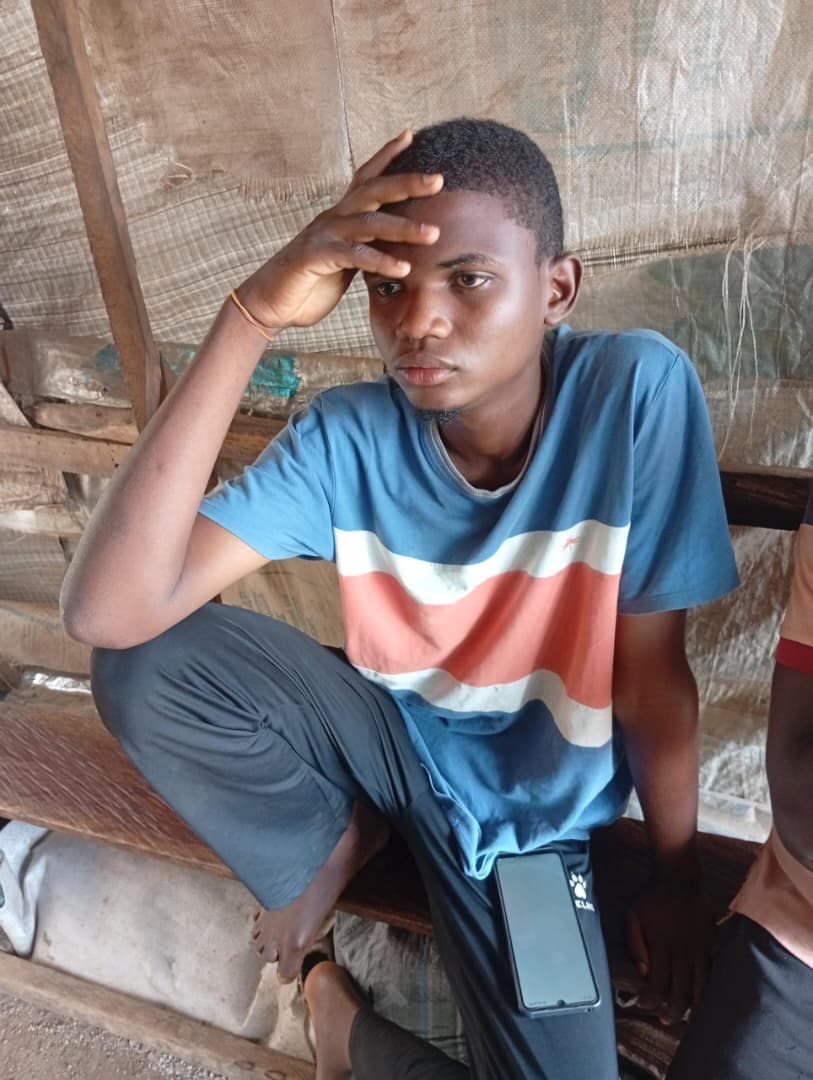
Musa Saidu
But reaching a health facility did not immediately end their difficulties.
The clinic was struggling with an influx of cholera patients. Only three health workers were on duty, while essential medicines were unavailable.
The outbreak had spread, and many residents affected were brought to the same facility, while others sought treatment elsewhere because of shortages of staff and space.
For displaced families such as Saidu’s, the outbreak exposed a problem that went beyond cholera.
Years of insecurity have weakened the local health system. Health workers are forced to avoid some rural communities. With access to healthcare, safe water and disease surveillance now disrupted, many communities become vulnerable during disease outbreaks.
When insecurity becomes a health crisis
Zamfara is one of the states hardest hit by the insecurity that has spread across north-western Nigeria over the past decade.
What began largely as conflict between farmers and herders has evolved into organised violence by armed groups commonly referred to as bandits. Communities are constantly attacked, residents killed or abducted and thousands forced to flee their homes.
The armed groups have also imposed levies on some farming communities, stolen livestock and harvests and carried out kidnappings for ransom.
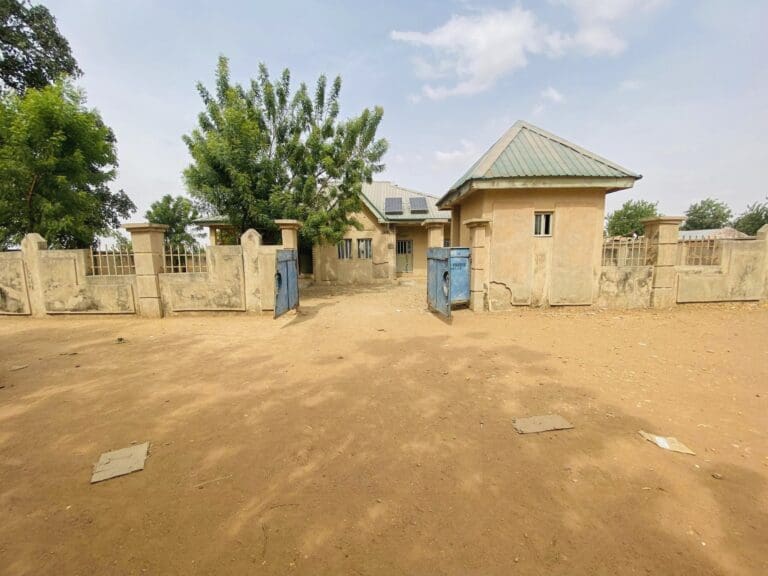
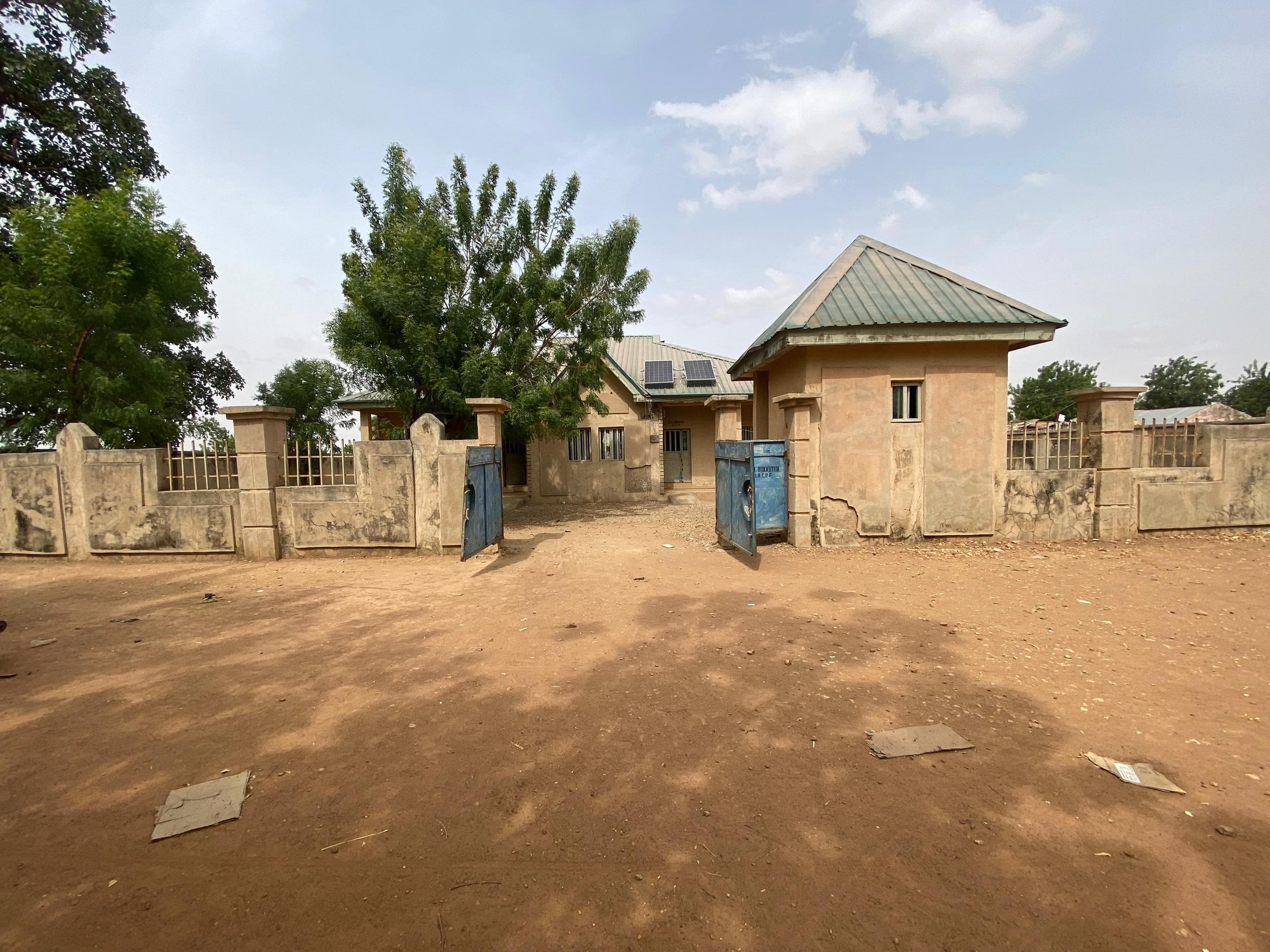
OLPC Bukkuyum
Data obtained from the Mass Atrocities Tracker show that 28,974 people were killed across Nigeria between 2021 and 2025. Borno in the northeast recorded the highest number, with 4,539 deaths, followed by Zamfara with 3,936 and Kaduna with 2,811.
The data on abductions shows Zamfara recorded the highest during the same period, with 5,447 people kidnapped, while Kaduna recorded 4,050 and Niger 3,331.
But deaths, abductions and displacement are only some of the consequences.
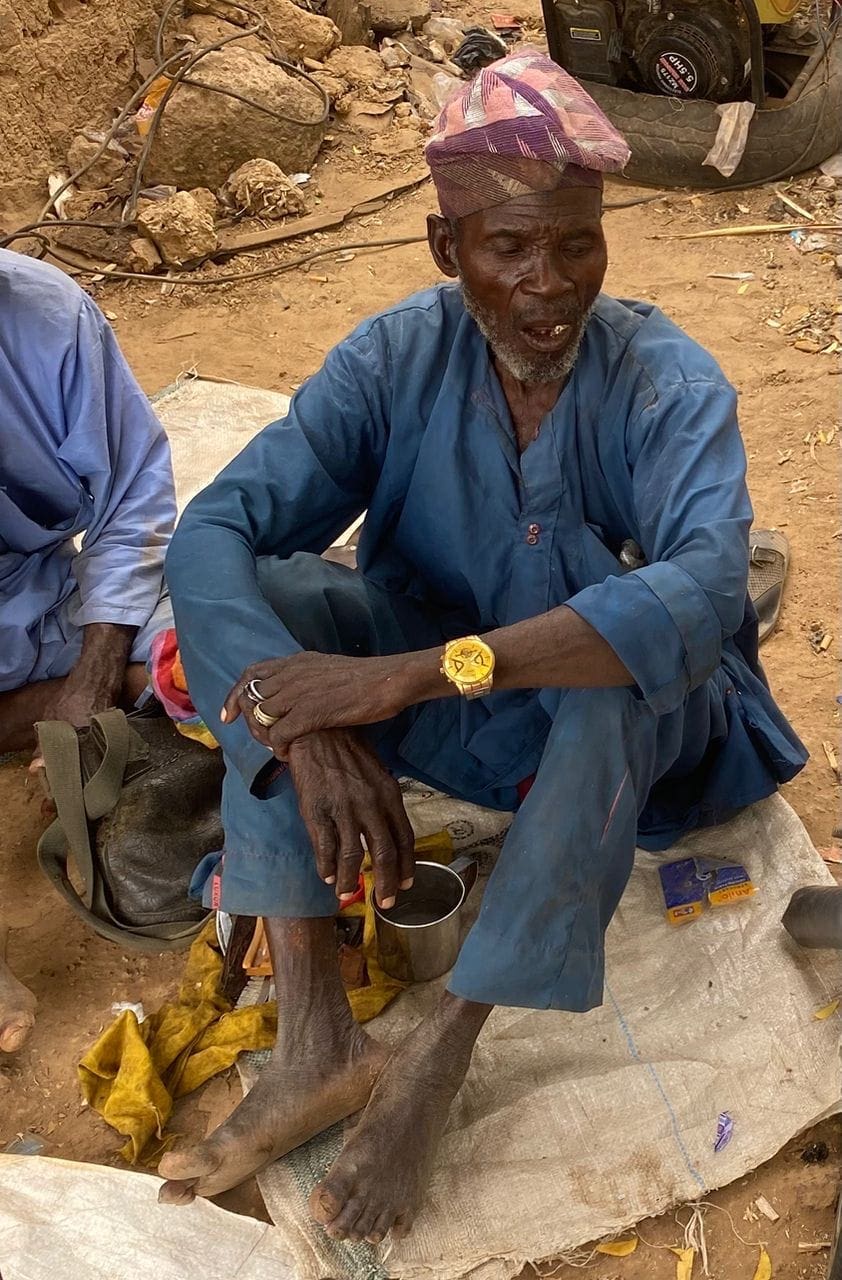
In Bukkuyum LGA, access to healthcare has become another casualty of insecurity. Residents and health workers told The ICIR that some communities have been deserted, while health workers have stopped providing services in areas they consider unsafe.
Reports in 2025 indicated that only about 200 of Zamfara’s more than 700 Primary Healthcare Centres (PHCs) were functional, with persistent insecurity blamed for the closure or abandonment of many facilities.
For residents of affected rural communities, the closures mean illness can require travelling several kilometres, sometimes through unsafe areas, to reach a health worker.
The risks for people displaced by violence are compounded by overcrowding, poor sanitation, poverty and limited access to safe water.
During a cholera outbreak, those conditions can become deadly.
Displaced, then confronted by cholera
Buba Muhammad had already fled his home in Sadawa with his family because of repeated bandit attacks when his son began vomiting and passing frequent watery stools.
The 40-year-old farmer and his family were living as displaced persons in Bukkuyum, where several families shared limited space and sanitation facilities.
Buba Muhammad
Muhammad immediately tried to find medical help, but there was no functioning health facility close to his location.
“My first attempt when my son was affected was to go to a hospital, but there was no facility nearby,” he said. “I had to take him to a medicine shop.”
The medicines he obtained did little to improve the boy’s condition.
As the vomiting and diarrhoea continued, Muhammad decided to take him to General Hospital Bukkuyum, the nearest facility where he believed the child could receive appropriate treatment.
But another problem awaited them.
The hospital was struggling with an influx of patients from communities affected by the outbreak.
“We didn’t receive the proper care we expected immediately because there were not enough staff,” he recalled.
“There was no bed space. We even kept our patient on the floor before a staff member later found us a bed.”
The illness also placed a financial burden on a family already displaced by insecurity.
Muhammad said they spent heavily on transportation and medicines, including prescribed drugs they had to buy outside the hospital.
“The only solution to ease the hardship of such unwanted incidents or outbreaks is to provide facilities in our local communities,” he said.
But he quickly added that restoring healthcare without addressing insecurity would leave an essential part of the problem unresolved.
“We need security in our locations because we are not safe; there are attacks every day and night in our locations. The government needs to double its efforts to end the problem,” he said.
A preventable disease finds fertile ground
Cholera is an acute diarrhoeal disease caused by consuming food or water contaminated with the bacterium Vibrio cholerae. Without prompt treatment, severe cases can lead to rapid dehydration and death.
It is also largely preventable through access to safe water, adequate sanitation and good hygiene, while prompt administration of oral rehydration solution and other appropriate treatment can substantially reduce deaths.
Yet cholera has repeatedly affected communities in Zamfara State.
In 2023, a World Health Organisation (WHO) report recorded 907 suspected cholera cases in the state, representing about 28 per cent of Nigeria’s suspected cases during the period covered.
The state was affected again in 2024. WHO reported more than 700 cases and over 30 deaths across Zamfara and neighbouring Sokoto during the period covered by its report.
By 9 July 2025, Zamfara had recorded 1,619 suspected cases, six confirmed cases and 31 deaths across 12 of its 14 local government areas, according to a UNICEF situation report.
UNICEF said suspected cases increased by 30 per cent within one week, with children and young people accounting for 62 per cent of reported cases.
The crisis continued.
In August 2025, an outbreak in communities in Bukkuyum LGA killed at least eight people and affected more than 200 across 11 communities, according to residents and local officials cited by Reuters.
For residents already dealing with displacement, unsafe water and weakened healthcare services, the outbreak exposed how insecurity can magnify an otherwise preventable public health emergency.
The Nigeria Centre for Disease Control and Prevention (NCDC) identifies unsafe water, inadequate sanitation, and poor hygiene as major drivers of cholera transmission.
In parts of Bukkuyum LGA, insecurity has made it harder to address these risks. Residents have been displaced into congested settlements, some health facilities are non-functional, and health workers say reaching remote communities for surveillance and other services can be dangerous.
For rural residents, treatment can mean a dangerous journey.
In Masu community, Salihu Bello returned home one afternoon to find his two sisters seriously ill.
“They had stomach pain, and became very weak,” he recalled. “Later we realised it was cholera.”
With no health facility in the community, the family initially relied on local remedies.
But the sisters’ condition worsened. Seeking treatment meant undertaking a difficult journey to Bukkuyum town. To reach the town, they would have to cross a river, a challenging ordeal now more dangerous due to insecurity.
Salihu Bello
“Sometimes health workers used to come to our community, but because of security problems they stopped,” Bello said.
As night fell, the family began the trip. Fear of bandits lingered throughout the journey, but Bello said concern for his sisters outweighed their worry.
“At that moment, we were not thinking about insecurity. We only wanted to save them. It took about three hours before we received attention because we arrived very late at night,” he said.
When a health worker finally prescribed medicines, Bello had to wake a medicine vendor before dawn to get them.
His sisters remained under observation for about 24 hours before their conditions improved.
That experience, according to Bello, showed the cost of having no functioning healthcare facility nearby.
“If we have a health facility in our community, things will be easier, considering how quickly the disease can affect the human body,” he said.
“Before a patient from our community gets to the hospital, they suffer a lot. Having our own health facility would make access to treatment much easier.”
But the health facility is only part of what residents say they need.
In Masu and other communities around Bukkuyum, preventing cholera begins with something even more basic: clean water.
Unsafe water keeps the risk alive
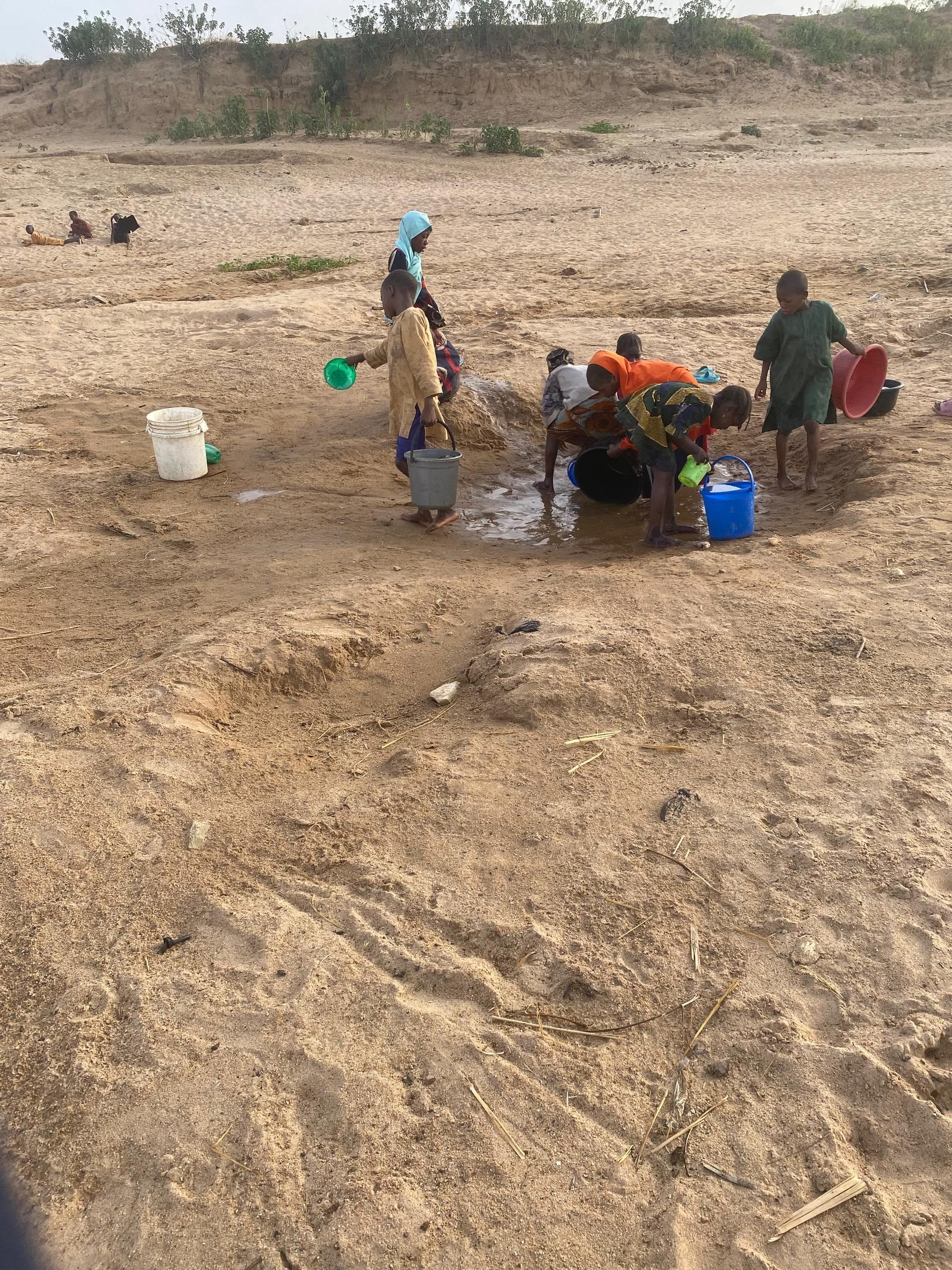
In communities around Bukkuyum, residents said access to clean water remains a major challenge.
Some depend on streams for drinking, cooking and other household needs. In Dan Bago, residents said they share the same water source with cattle.
For a community already vulnerable to cholera, such conditions increase the risk of transmission.
Unhygienic water depended on by some residents in Bukkuyum
Nigeria’s 2021 Water, Sanitation and Hygiene National Outcome Routine Mapping (WASHNORM) report highlighted the scale of the country’s water and sanitation challenge.
Based on a survey of more than 24,600 households, the report estimated that approximately 179 million Nigerians, about 87 per cent of the population, lacked access to safely managed drinking-water services.
The situation was particularly difficult in northern Nigeria. The Northeast had the lowest access rate at just two per cent, compared with 29 per cent in the Southwest, which is the highest.
Although 67 per cent of the population had access to basic water supply services, about a quarter of Nigerians still relied on unimproved or surface water sources.
Muhammadu Sadawa, a community leader, said insecurity has worsened the situation by forcing residents from their homes and concentrating displaced families in already strained settlements.
“Most of our people left the community because of banditry. Where we are now living is too congested and very dirty. That congestion helped the disease spread among us,” he said.
Sadawa explained that access to healthcare had also deteriorated.
“We have a health facility, but it is not in existence. There are no staff, no drugs. The building is dilapidated and almost collapsing,” he said.
During the cholera outbreak, residents therefore had to look elsewhere for treatment.
He said some families struggled to access care before outside assistance arrived, while others faced delays because of distance and the cost of treatment.
“Many people died, and it took a long time before we received any intervention. Some people were treated, some were not. I have a relative who spent over N50,000 on treatment. Many families went through the same thing,” he said.
He estimated that more than 50 people in and around his community were affected during the outbreak, with some becoming ill in displacement settlements before being taken to Bukkuyum town for treatment.
Health workers struggle to reach vulnerable communities
At General Hospital Bukkuyum, Abdullahi Salihu, a health worker, remembers the pressure as cholera patients arrived from communities across the local government area.
“At the time of the outbreak, it was very tense and hectic considering how patients were being brought to the hospital,” he said.
“Some survived, some were quarantined, and unfortunately some died.”
According to Salihu, insecurity complicated the response. Patients who could leave affected communities were brought to the hospital. But health workers had limited options for people trapped in settlements that were difficult or unsafe to reach.
“As health workers, we faced a lot of challenges because of insecurity,” he said.
“Some people managed to bring patients from their communities because they had no other option. But for those who could not come out, there was little we could do for them.”
Salihu said government officials, politicians and humanitarian organisations provided intravenous fluids, antibiotics, rehydration supplies and other support during the outbreak.
But insecurity was not the only challenge.
“Most of them were displaced from their communities with nothing to eat,” he said. “Then the outbreak added another difficulty to their lives.”
Zaharadeen Abdullahi, a health worker at the Women and Children Welfare Clinic in Bukkuyum, also described insecurity as a major obstacle to preventing and responding to outbreaks.
“We have services, vaccinations and awareness programmes, but because of security challenges many health workers cannot reach vulnerable communities.”
Some affected settlements are more than 10 kilometres from health facilities, Abdullahi said. In some areas, he said, insecurity has also limited the transportation options.
“Some communities cannot use motorcycles because of security threats,” he said. “People have to walk long distances or use donkeys. Because cholera requires urgent treatment, these delays can lead to deaths.”
He said displacement had created additional risks.
“Most of the affected people are internally displaced persons living in congested conditions,” Abdullahi said. “Many rely on unsafe water sources, and stagnant water is still being used for drinking and household activities.”
He acknowledged support from the Zamfara State government, UNICEF and other organisations during the outbreak but said greater investment was needed in health facilities, medical supplies and outreach to vulnerable communities.
Insecurity weakens disease surveillance
Shakir Balogun, an epidemiologist and Resident Advisor at the Nigeria Field Epidemiology and Laboratory Training Programme (NFELTP) at the African Field Epidemiology Network, explained that Zamfara’s recurring cholera outbreaks go beyond a disease problem, but expose weaknesses in healthcare access and disease surveillance created or worsened by years of insecurity.
“When insecurity makes communities difficult to reach, children can be missed by immunisation programmes, cases of Acute Flaccid Paralysis (AFP) can escape surveillance, and cases of acute watery diarrhoea can similarly go undetected or reach treatment late,” he said.
“The pathogen changes; the health-system vulnerability does not.”
He said these weaknesses were particularly evident during the 2025 cholera outbreak.
According to him, the African Field Epidemiology Network (AFENET), with technical and financial support from the US Centres for Disease Control and Prevention, had deployed eight Field Epidemiology Training Programme residents and a graduate to support Zamfara’s response between 11 September and 2 October 2025.
The team worked with state authorities in four high-burden local government areas.
Balogun explained that the response identified cases in inaccessible and insecure settlements, adding that it also identified under-reporting linked partly to weak active case searches and insecurity, as well as delayed reporting and incomplete records.
He said other challenges included transporting stool samples to the state reference laboratory, shortages of essential supplies outside initially prioritised LGAs and inadequate personnel in some health facilities.
The findings suggest that insecurity can affect almost every stage of outbreak control, from identifying a sick person and reporting a suspected case to testing samples and getting treatment to patients.
File Photo: Shakir Balogun
The epidemiologist said strengthening community-based surveillance could help close some of those gaps.
Trusted residents and community structures, he said, can help identify and report suspected cases when conventional health teams cannot safely reach affected settlements.
Treatment also needs to be brought closer to vulnerable communities.
“If insecurity means a severely ill patient has to travel several hours or cross an unsafe area before receiving ORS or intravenous fluids, geographical access itself becomes a determinant of survival,” he said.
He recommended establishing oral rehydration points and treatment units close to vulnerable communities, backed by reliable referral systems for patients who develop severe disease.
Authorities should also use surveillance and previous outbreak data to identify communities repeatedly affected by cholera and position essential supplies there before outbreaks escalate, he said.
“You do not want to begin moving ORS, IV fluids, chlorine and other essential supplies into a hard-to-reach community only after an outbreak has accelerated,” Mr Balogun said.
“We should use surveillance and historical data to identify recurrent hotspots and position supplies before the rainy season.”
Treatment alone will not stop recurring outbreaks
Bringing treatment closer to affected communities could save lives, but Mr Balogun said it would not eliminate the conditions that allow cholera to return.
He said safe water and sanitation remain fundamental.
Vaccination and effective case management can reduce infections and deaths during outbreaks, he said, but stressed that communities will remain vulnerable if they continue to depend on unsafe water and inadequate sanitation.
Balogun recommended strategic use of oral cholera vaccines among high-risk populations and in communities with recurring outbreaks, particularly where insecurity makes immediate improvements to water and sanitation infrastructure difficult.
But he cautioned against treating vaccination as a replacement for those investments.
“Vaccination is an additional layer of protection, not a substitute for water, sanitation, surveillance and access to treatment,” he said.
Government turns to community-based response
The Zamfara State government said it has adopted community-based measures to maintain disease surveillance and provide basic cholera support in areas where insecurity makes conventional healthcare difficult.
The state Ministry of Health, working with the World Health Organisation (WHO) and other partners, said it has also begun developing a Multi-Hazard Incident Action Plan to strengthen preparedness and response to public health emergencies, including cholera.
Ahmad Muhammad, the Zamfara State epidemiologist, acknowledged the difficulty in reaching communities affected by insecurity but said one strategy is to identify community health workers from insecure areas, bring them to safer locations for training and then send them back to support residents.
Ahmad Mohammad Gusau, Zamfara State epidemiologist and Head of Public Health Emergency Operations Centre (PHEOC)
He said trained workers are provided with available medical supplies and asked to report suspected cases so health officials can track whether infections are increasing or declining.
According to the epidemiologist, the approach forms part of the state’s risk communication and community engagement strategy, under which people with health-related roles in affected communities are trained to support local outbreak response.
“Patients who can safely be evacuated are moved to accessible areas for further treatment, including general hospitals and the treatment centre at the Infectious Disease Hospital in Gusau,” he added, attributing the state’s reduced cholera burden in 2026 compared with the previous year to interventions including community sensitisation, improved hygiene, and oral cholera vaccination.
He said the government had also intensified water, sanitation and hygiene interventions, including measures to reduce open defecation.
“So I think those strategies have really gone a long way in mitigating the impact,” he said.
But for residents of communities where health facilities remain closed or poorly equipped and safe water remains difficult to access, the conditions that make cholera dangerous have not disappeared.
This reporting was supported by the Centre for Journalism Innovation and Development (CJID)
FORMER Kaduna State Governor Nasir El-Rufai on Tuesday, October 13, lost his bid to block the testimony of the State Security Service’s (SSS) digital forensic expert presented in the case involving him and the Independent Corrupt Practices and Other Related Offences Commission (ICPC)
The presiding judge, Darius Khobo, ruled that the ICPC could call the witness, who was subpoenaed by the court, despite his name and evidence summary being absent from the prosecution’s witness list.
According to the News Agency of Nigeria (NAN), the judge held that the defence’s right to a fair hearing could be protected by allowing it to cross-examine the witness.
The ruling followed objections by El-Rufai’s senior counsel, Paul Erokoro, who argued that the defence had not received the witness’ evidence summary or the subpoena.
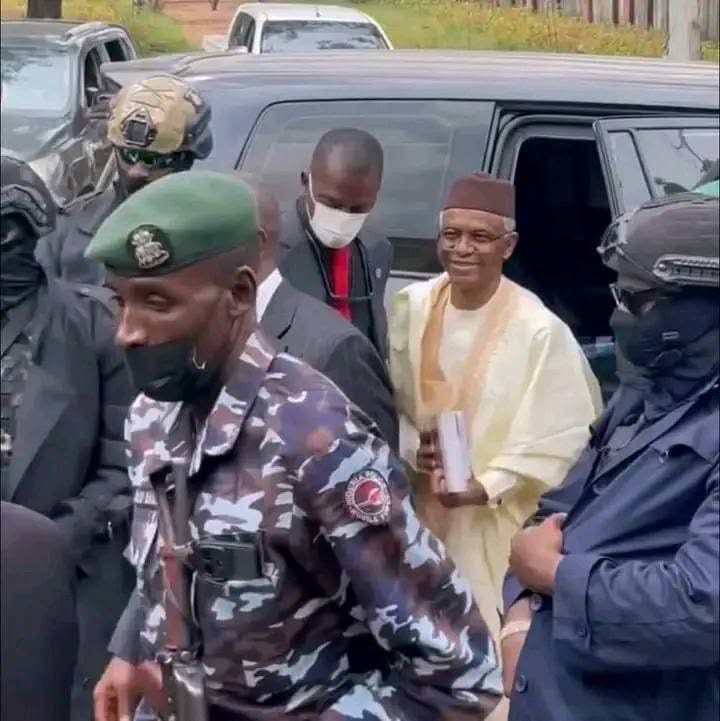
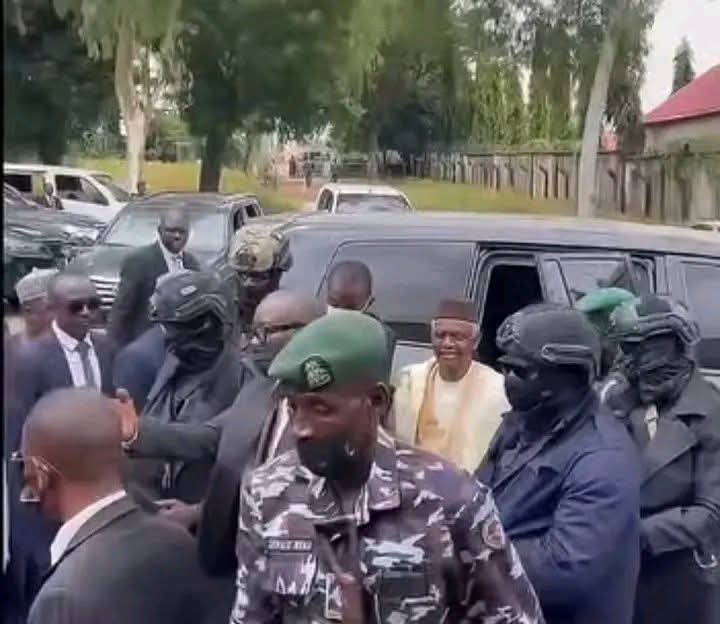
El-Rufai arrived at court amid heavy security, accompanied by his wife, Asiya El-Rufai, and Isa Ashiru Kudan, the governorship candidate of the African Democratic Congress (ADC) in Kaduna State.
El-Rufai appeared in court for the continuation of his trial over allegations of corruption, abuse of office and money laundering. The proceedings lasted about eight hours, with the former governor seen leaving the court after nightfall.
The ICIR reports that the court overruled the former governor and adjourned the case to November 30, 2026, meaning that El-Rufai returned to the custody of the ICPC. The former governor is expected to appear before the Federal High Court in Kaduna, presided over by a judge, Hauwa Buhari, in another case involving the ICPC tomorrow.
Tuesday’s proceedings came days after a Court of Appeal in Kaduna dismissed El-Rufai’s appeal that challenged the refusal of his bail application. He has been in the custody of the ICPC since February 18, 2026.
The ADC presidential candidate for the January 16, 2027 election, former Vice-President Atiku Abubakar, named Nasir El-Rufai deputy chairman of his Presidential Campaign Council in September 2026.
At Tuesday proceedings, Erokoro submitted that the omission of the evidence summary by the forensic expert or the subpoena denied the defence adequate notice to prepare for cross-examination and understand the case it was required to answer.
The ICPC prosecution counsel, Ayodele Adedipe, however, argued that failure to include a subpoenaed witness in the proof of evidence did not automatically render the testimony inadmissible.
In its ruling, the court confirmed that the witness had been subpoenaed through an order signed by the court on June 30, 2026.
Khobo said the prosecution’s position reflected the applicable law, citing previous cases in support of the ruling.
The judge held that the witness’ absence from the prosecution’s witness list and evidence summary did not prevent him from testifying because he had been subpoenaed.
He added that the defence’s fair-hearing concerns could be addressed by allowing it to cross-examine the witness.
Earlier, the SSS digital forensic examiner, Shegun Kayode, testified about a forensic examination of communication records and audio recordings allegedly linked to the defendant.
Kayode told the court that specialised software revealed two-way communications involving El-Rufai and suspected associates, including Bashir El-Rufai and another person, between October 25 and 28, 2025.
He said the findings prompted further analysis of audio recordings received from a communication intelligence server.
The witness explained that he immediately created a forensic image of the original audio file, sealed it and secured it to preserve its technical integrity.
Kayode said subsequent software examination showed that the audio was authentic and had not been artificially generated or manipulated using artificial intelligence.
During the proceedings, an audio recording of his interrogation by the SSS concerning the alleged importation of about 10 kilogrammes of thallium sulphate, a highly toxic and strictly regulated substance, into Nigeria was played.
The recording, which lasted about one hour and 30 minutes, contained the interrogation and other exchanges.
The case was adjourned until November 30 and December 1 for continuation of the cross-examination of the SSS witness by the defence counsel.
Addressing journalists after the court proceedings, Adedipe said the prosecution had opened its case by calling its first witness, a forensic expert.
He said the witness testified and tendered a forensic investigation report before cross-examination commenced.
Adedipe explained that the proceedings took considerable time because of objections and legal arguments but said the prosecution was able to conclude its presentation with the witness for the day.
He confirmed that the case had been adjourned until November 30 and December 1 for continuation of cross-examination.
Similarly, Erokoro, counsel to El-Rufai, said the prosecution had opened its case and called its first witness, adding that the lengthy proceedings showed the parties’ commitment to ensuring the trial progressed.
He expressed confidence that his client would be discharged and acquitted of all the charges.
Erokoro said the defence had begun examining the witness’s testimony and would continue to scrutinise the evidence when the court reconvened.
He maintained that the next hearing would provide the defence with an opportunity to test the accuracy and credibility of the prosecution’s evidence. (NAN)
The Senate and House of Representatives made the calls on Tuesday, raising concerns over recurring military aircraft accidents, the safety of ageing fleets and the need to strengthen maintenance systems, operational safety protocols, and legislative oversight.
The lawmakers warned that a thorough probe was necessary to establish the causes of the latest crash, identify possible lapses and prevent similar tragedies in the future.
In the Senate, the resolution followed a motion sponsored by Osita Ngwu, representing Enugu West, during plenary.
Lawmakers expressed concern that recurring military aircraft crashes had claimed the lives of officers, raising questions about aircraft maintenance, the condition of ageing fleets, operational safety procedures and airworthiness.
The Senate warned that without a transparent and comprehensive investigation, lessons from the recent incident might not be learnt, potentially exposing military personnel to similar risks.
The upper legislative chamber observed a minute’s silence in honour of the victims.
It also extended condolences to President Bola Tinubu, the Chief of Air Staff, the Nigerian Air Force, the Ondo State Government, and the families of those who died.
It urged the NAF and the Nigerian Safety Investigation Bureau (NSIB) to conduct a thorough, transparent and comprehensive investigation into the immediate and remote causes of the crash and make their findings public.
The Senate also mandated its committees on Air Force and Aviation to visit the crash site, engage with NAF authorities and conduct a holistic audit of the serviceability and airworthiness of aircraft in the presidential and military fleets.
It further urged the Federal Government to prioritise funding for regular aircraft maintenance and the replacement of ageing military aircraft.
The senator representing Borno North, Tahir Monguno, seconded the motion and called on the relevant committees to undertake a comprehensive assessment of aircraft in the NAF fleet.
The senator representing Edo North, Adams Oshiomhole, proposed that NAF leadership should submit its aircraft maintenance budgetary provisions to the Senate, while the senator representing Benue North-West, Titus Zam, seconded the prayer, saying the inquiry should establish how much the NAF received for aircraft maintenance and whether the funding was adequate to prevent the incident.
Similarly, members of the House of Representatives called for stronger aircraft maintenance systems and airworthiness management following a motion moved by Alhassan Rurum.
After adopting the motion, the House urged the NAF to strengthen its maintenance procedures, particularly for ageing aircraft, and ensure that only aircraft meeting prescribed safety standards were deployed for operations.
A member of the House, Donald Ojogo, commended the pilot, saying the pilot’s actions helped minimise the destruction that could have occurred had the aircraft crashed in a densely populated area.
The chairman of the House Committee on Army, Babajimi Benson, described the crash as a painful reminder of the risks military personnel face while defending the country..
The ICIR reported that 25 people were killed on Monday when NAF 931, an ATR-42 aircraft, crashed in the Igbokoda area of Ilaje Local Government Area of Ondo State on October 5, 2026.
Minister of the Federal Capital Territory (FCT), Nyesom Wike, Anambra and Osun State Governors Chukwuma Soludo and Ademola Adeleke, respectively, have been named campaign coordinators in the All Progressives Congress (APC)’s expanded presidential campaign council for the 2027 general election.
Under the new arrangement, Wike will coordinate the party’s campaign in Rivers State and the FCT, Soludo will oversee Anambra, while Adeleke will coordinate Osun.
Similarly, the Minister of Marine and Blue Economy, Adegboyega Oyetola, was appointed Deputy National Coordinator I for Stakeholders’ Mobilisation in the South-West.
President Bola Tinubu is scheduled to inaugurate the expanded list at the Presidential Villa in Abuja on Wednesday, October 14.
The appointments have drawn attention because the three state and federal officials are associated with political parties other than the APC.
Wike is a member of the Peoples Democratic Party (PDP), Soludo was re-elected in November 2025 on the All Progressives Grand Alliance (APGA) platform, and Adeleke secured re-election under the Accord Party on August 16.
The APC initially released its campaign council list on August 22, naming former Zamfara State governor, Abdulaziz Yari, as Director-General, and Senate President, Godswill Akpabio, Speaker of the House of Representatives, Tajudeen Abbas, and Yobe State governor, Mai Mala Buni, as Deputy Directors-General.
However, the revised list introduces changes to the leadership structure. Akpabio, Abbas and Kwara State governor, AbdulRahman AbdulRazaq, are now Deputy Vice-Chairmen I, II and III, respectively, while Buni becomes Deputy Director-General I for the North.
Deputy Senate President, Barau Jibrin, moves from Deputy Director-General III to Deputy Director-General II for the North.
Senate Leader, Opeyemi Bamidele, and Deputy Speaker of the House of Representatives Benjamin Kalu were named Deputy Directors-General I and II for the South, respectively.
Another major change is the designation of all 31 APC governors as campaign coordinators for their respective states. The party also appointed its governorship candidates as coordinators in states where it does not currently hold the governorship.
The APC governorship candidate in Oyo State, Sharafadeen Alli, was named campaign coordinator for the state; the party’s governorship candidate in Bauchi, Mohammed Abubakar, will coordinate its campaign in the state, while APC flagbearer in Abia State, Chijioke Chukwu, was appointed coordinator for the state.
The expanded council also includes 14 advisers, among them former Osun and Ogun state governors, Bisi Akande and Segun Osoba, respectively, Secretary to the Government of the Federation, George Akume, former senator representing Cross River South, Florence Ita-Giwa, former Ogun governor, Ibikunle Amosun, former APC national secretary, Iyiola Omisore, and former Minister of Finance and Coordinating Minister of the Economy, Wale Edun.
The appointments come as political parties prepare for the 2027 general election. The Independent National Electoral Commission (INEC) officially opened campaigns for the presidential and National Assembly elections on August 19, with campaigning scheduled to end on January 14, 2027, under its revised timetable.
Tinubu is expected to face competition from prominent opposition figures, including former Vice-President Atiku Abubakar of the African Democratic Congress (ADC) and Peter Obi, the Nigeria Democratic Congress (NDC) flagbearer.
THE United States has placed Nigeria on its Child Soldiers Prevention Act (CSPA) list, noting that it could trigger restrictions on military assistance, weapons sales and defence cooperation from October 1, 2026, unless President Donald Trump grants a waiver.
The decision was contained in the US State Department’s 2026 Trafficking in Persons (TIP) Report, published on October 11, covering the period from April 1, 2025, to March 31, 2026.
The report revealed that the decision followed allegations that Boko Haram and the Islamic State West Africa Province (ISWAP) continue to recruit, abduct and use children in armed conflicts in Nigeria and neighbouring countries.
Nigeria was among 14 countries named in the CSPA listing, alongside Russia, Iran, South Sudan and Somalia.
Under the CSPA, governments identified on the list may face restrictions on International Military Education and Training, Foreign Military Financing, Excess Defence Articles, certain peacekeeping assistance and licences for direct commercial sales of military equipment.
The report stated that the restrictions would take effect from October 1, 2026, subject to a presidential waiver, an applicable exception or reinstatement of assistance under the law.
The designation comes amid ongoing security cooperation between Nigeria and the US, including reported joint counterterrorism operations in the country’s North-East and the formalisation of a bilateral 2026 Defence Cooperation Roadmap.
The report identified Boko Haram and ISWAP as armed groups responsible for recruiting and using children as young as 12 in conflict-related activities.
According to the State Department, the groups use children as cooks, domestic workers, spies, porters, messengers, bodyguards, checkpoint guards, combatants, and some are forced to act as suicide bombers.
The report said the children were subjected to physical and sexual abuse, as well as forced drug use, in operations across Nigeria, Cameroon, Chad and Niger.
It added that the groups continued to abduct thousands of women and girls in northern Nigeria and exploit them through forced labour, domestic servitude, sexual slavery and forced marriage.
It also alleged that the group forced girls who refused to marry its members to become suicide bombers.
The report raised concerns about the treatment of victims after their rescue, alleging that government authorities in some cases compelled victims of forced marriage, including trafficking survivors, to return to their Boko Haram husbands at demobilisation centres in Borno State.
Beyond insurgent groups, the report said criminal gangs in southern Nigeria recruited children for forced criminal activities, including kidnapping and robbery, and exploited them in sex trafficking. It also cited forced labour in agriculture and mining linked to criminal gangs in the North-West.
The report said Nigeria had failed to meet the minimum standards for eliminating human trafficking for the 15th consecutive year, despite some improvements in funding and international cooperation.
It raised concerns about the absence of prosecutions involving government officials allegedly complicit in trafficking crimes, adding that government did not report any investigations, prosecutions, or convictions of government employees allegedly complicit in trafficking crimes, provide details, other actions taken against complicit officials from previous years.
It added that corruption and official complicity remained significant concerns, citing reports that some law enforcement officers, military personnel and other government officials committed trafficking offences, accepted bribes to facilitate trafficking or obstructed investigations.
During the reporting period, Nigerian authorities investigated 1,341 trafficking cases involving 1,367 suspects. The cases comprised 589 sex trafficking investigations, 301 forced labour investigations and 451 cases classified under other or unspecified categories.
Of the cases reported, 94 resulted in prosecutions, while 97 traffickers were convicted.
The US acknowledged that most convicted offenders received prison sentences of at least one year. It also commended increased collaboration between Nigerian authorities and foreign governments on trafficking investigations, including operations across West Africa and Southeast Asia in partnership with INTERPOL.
The report documented a sharp decline in the number of trafficking victims who received government-supported assistance during the reporting period.
Although authorities identified 2,004 victims, including 893 victims of sex trafficking and 1,111 victims of forced labour, only 675 received government-supported assistance, compared with 2,058 victims who received assistance in the preceding reporting period.
The State Department also criticised conditions in shelters operated by the National Agency for the Prohibition of Trafficking in Persons (NAPTIP).
It said NAPTIP’s closed-shelter policy restricted residents’ freedom of movement, including children’s access to school. The report further alleged that access to some protection services was tied to victims’ willingness to cooperate with law enforcement proceedings.
Adult victims who declined shelter accommodation were reportedly not offered alternative services, while only one dedicated non-governmental organisation shelter was available for adult male trafficking survivors.
The report also identified gaps in Nigeria’s efforts to prevent labour trafficking, including the absence of a prohibition on worker-paid recruitment fees and a lack of reported civil and criminal accountability measures against labour recruiters involved in fraudulent recruitment.
It also said the government did not provide specialised training on child labour and human trafficking to labour inspectors or anti-trafficking training to diplomatic personnel.
The State Department highlighted the activities of foreign criminal networks that allegedly lure people to Nigeria with promises of employment, confine them in rented properties and force them to participate in organised online scams.
It further alleged that Russian authorities fraudulently recruited Nigerians to fight in the Russia-Ukraine war.
The report criticised Nigeria’s Ministry of Education for helping promote Russia’s Alabuga Start programme despite what it described as warning signs. The programme has faced scrutiny over allegations concerning the recruitment and exploitation of foreign workers.
The State Department additionally expressed concern that North Korean nationals working in Nigeria might be operating under exploitative conditions indicative of forced labour.
On “baby factories”, the report described the operations as a documented part of Nigeria’s trafficking landscape, particularly in the South. Such facilities are often disguised as orphanages, maternity homes or religious centres, where women are allegedly held against their will, raped and forced to give birth to children who are subsequently sold.
Despite the concerns, the report acknowledged increased Nigerian government allocations for anti-trafficking efforts.
Funding for victim services rose from N128 million to N233 million, while prevention spending increased from N58.8 million to N245 million.
The government also coordinated the repatriation of 428 Nigerians exploited abroad, secured restitution for 14 victims as part of criminal sentences and maintained anti-trafficking task forces in 23 states.
Nigeria remains a source, transit and destination country for human trafficking. According to the report, the country last attained the top Tier 1 ranking in 2011 and has since moved between Tier 1, Tier 2 and the Tier 2 Watch List in successive assessments.
The 2026 CSPA listing also includes Afghanistan, Myanmar, the Democratic Republic of the Congo, Ethiopia, Iran, Russia, Somalia, South Sudan, Sudan, Venezuela and Yemen, among other countries identified by the US as having significant child-soldier recruitment concerns.
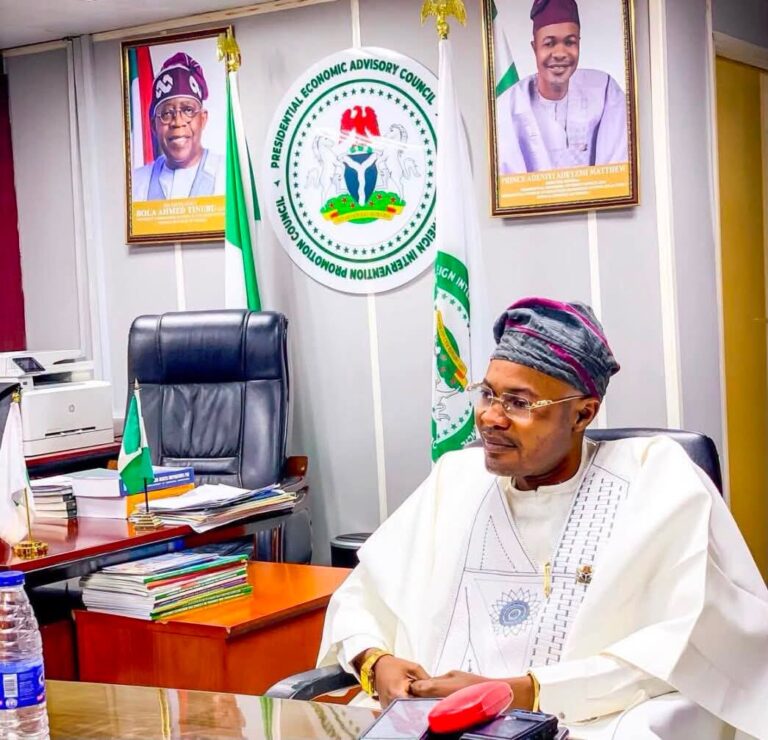
THE Federal Government on Monday filed fresh charges against Adeniyi Adeyemi, the self-acclaimed Director-General (DG) of ‘phantom’ Presidential Foreign Intervention Promotion Council (PFIPC).
Counsel to the Attorney-General of the Federation (AGF), Rotimi Oyedepo, a senior advocate, told Mohammed Umar, the judge of the Federal High Court handling the case in Abuja, that the development followed a new case which had been filed at the FCT High Court.
Oyedepo, who is the Director of Public Prosecutions of the Federation, therefore, applied that the instant charge be struck out.
After the defence lawyer, Ibrahim Angulu, a senior advocate, did not oppose the request, Umar struck out the case.
Earlier when the case was called, Oyedepo, moved the application for the discontinuation of the case.
He told the judge that the AGF carried out a review of Adeyemi’s case file and the charge filed by the Inspector-General of Police and found some loopholes.
The lawyer submitted that the documents allegedly forged by Adeyemi during his operations of the agency, allegedly said to be fake, were those that could be prosecuted by the High Court of the FCT and not the Federal High Court.
He said that a new charge had been filed at the High Court of the FCT and that Adeyemi would be expeditiously arraigned afresh.
He urged the judge to strike out the charge as required by law.
Following no objections from Angulu, Umar terminated the charge accordingly.
The News Agency of Nigeria (NAN) reports that Adeyemi and his co-defendants, whose whereabouts are presently unknown, are being prosecuted on an eight-count charge preferred against them by the police.
The police, in the charge, marked: FHC/ABJ/CR/562/2025, accused the defendants of allegations bordering on forgery, impersonation, among others.
While the Federal Republic of Nigeria is listed as the complainant, Adeyemi, 38; “Femi surname unknown” and “Anu surname unknown” were named as 1st to 3rd defendants respectively.
The charge was filed on Nov. 27, 2025, by Wisdom Madaki, a police prosecutor.
The AGF had, on September 30, took over the case from the police.
And after the defendant was arraigned, the judge ordered Adeyemi’s remand at Kuje Correctional Centre.
According to the court documents, witnesses listed in the case are the Chief of Staff to the President, Femi Gbajabiamila; Paul Emmanuel, Jeremiah Imoukhede and Ituah Sylvester.
Other witnesses are civil servants working in the Office of the Accountant General of the Federation (AGoF), Akimbo Shola, Adamu Balongu, a deputy superintendent of police, Ojo Victor, Omeh Amarachukwu, and Wakili Saidu, all of whom were allegedly posted to work with Adeyemi at the non-existent agency.
Others are Joy Ngwoke, the owner of Kachi Hotel in Abuja, and Ven Okoriko, the pastor of St. Matthew’s Anglican Church, Maitama.
The documentary evidence expected to be tendered by the police include the police investigation report, Gbajabiamila’s petition dated October 17, 2025; and Adeyemi’s fake presidential appointment letter dated March 8, 2024.
These also include the request for a note verbally by Adeyemi sent to the Ministry of Foreign Affairs and the approvals he got to open accounts with the Central Bank of Nigeria (CBN), request for approval of self accounting Adeyemi sent to the AGoF and the conveyance of approval for take-off of the PFIPC.
Other documents listed by the prosecution are a letter of request for collaboration with the ministry in the area of land acquisition and offices across the 36 states of the federation; statements of all the witnesses and that of the defendants, and pictures.
The police, in the court document, said “the prosecution shall during the trial call any other related witness or witnesses to prove its case.”
Adeyemi was alleged to have operated the allegedly fictitious agency from the 2nd Floor of the Federal Secretariat Complex in Abuja, Phase III, before his arrest.
President Bola Tinubu had, on July 7, directed the Independent Corrupt Practices and Other Related Offences Commission (ICPC) to also conduct a thorough investigation into the activities of the agency.
The ICPC, which was given 30 days to complete its probe. (NAN)