
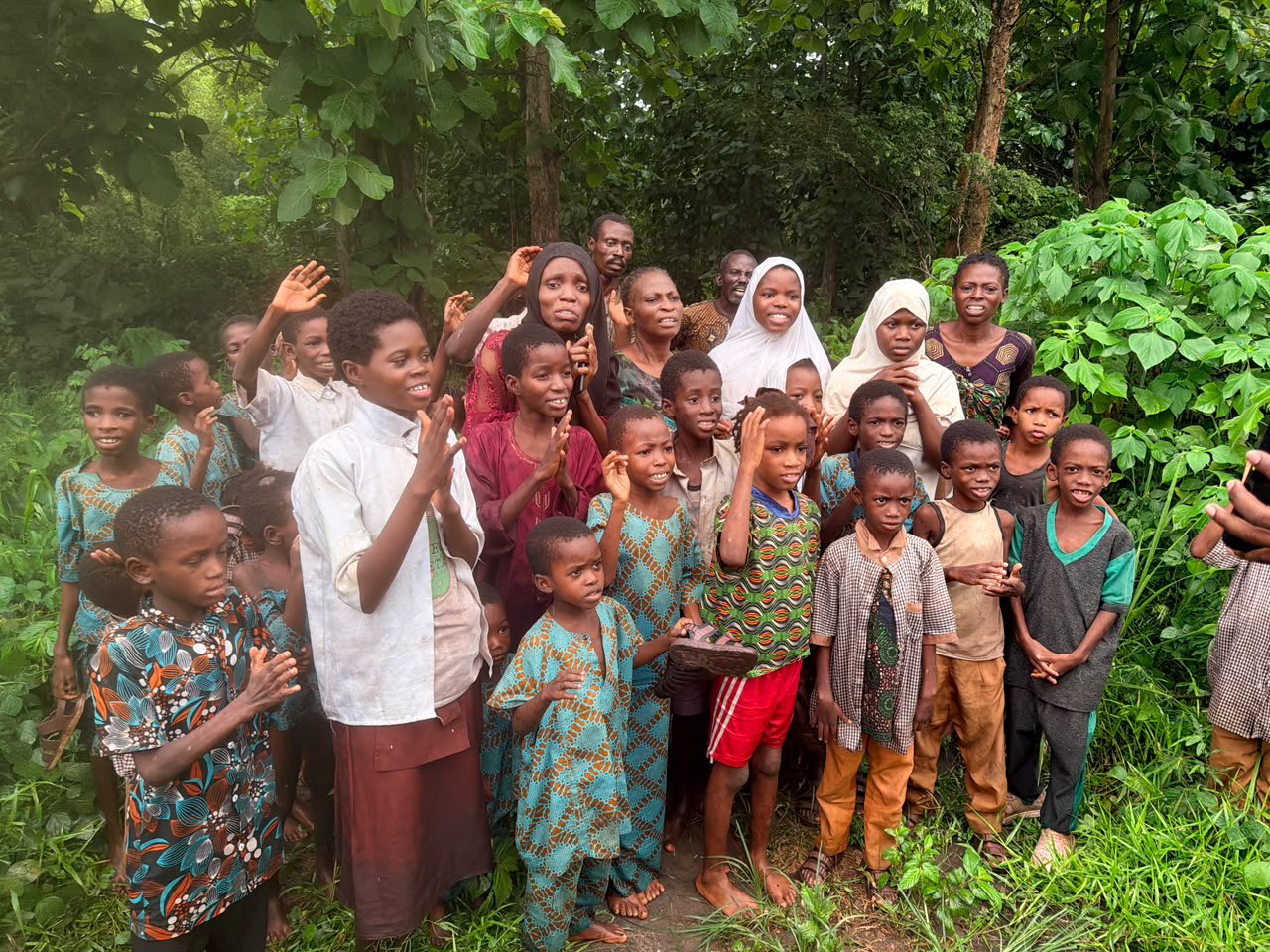
A documentary on insecurity in Plateau State and the recent kidnapping of school children in Oyo State has sparked renewed discussions on insecurity, governance, citizenship and electoral participation ahead of Nigeria’s 2027 general elections.
The documentary, produced by filmmaker Chude Jideonwo and screened on Tuesday, September 22, 2026, in partnership with the Shehu Musa Yar’Adua Foundation and Joy, Inc., tells the story of the kidnapping in Oyo as well as Plateau through the experiences of victims, their families and members of the affected communities.
The ICIR reported that heavily armed men had, on May 15, 2026, launched coordinated attacks on Baptist Nursery and Primary School, Yawota; Community Grammar School, Ahoro-Esiele; and L.A. Primary School in Oriire Local Government Area of Oyo State and abducted 39 pupils and seven teachers after killing at least one teacher.
The documentary also examines the prolonged insecurity in Plateau State, where communities have continued to experience killings, attacks and displacement. It captures the experiences of survivors, residents and others affected by attacks and gives space to voices that are often missing from wider conversations about the crises in the state. The accounts portray communities grappling with the loss of lives, destruction of livelihoods and the fear of further attacks.
The documentary comes amid renewed violence in the state. In June, an attack on Kawel community in Bokkos Local Government Area left at least 20 people dead, according to the police. The attack also affected a clinic, with health workers and patients among those killed. The incident prompted the police to deploy additional personnel and tactical teams to the area.
Earlier in May, gunmen attacked Nding Susut community in Barkin Ladi Local Government Area, killing six people, including five members of the same family. The attack was followed by gunfire during the burial of the victims, forcing mourners to flee the area. Days later, another attack in Ngbra-Zongo community in Bassa Local Government Area left at least 13 people dead, further highlighting the spread of violence across parts of the state.
The violence has continued in recent weeks. On September 14, at least 13 people were killed in separate attacks in Jos South, Mangu and Riyom local government areas. Nine passengers travelling to Jos were among those killed after their vehicle came under attack at Dungus community in Jos South.
The documentary raises questions about the state’s responsibility to protect citizens and the relationship between affected communities and government institutions.
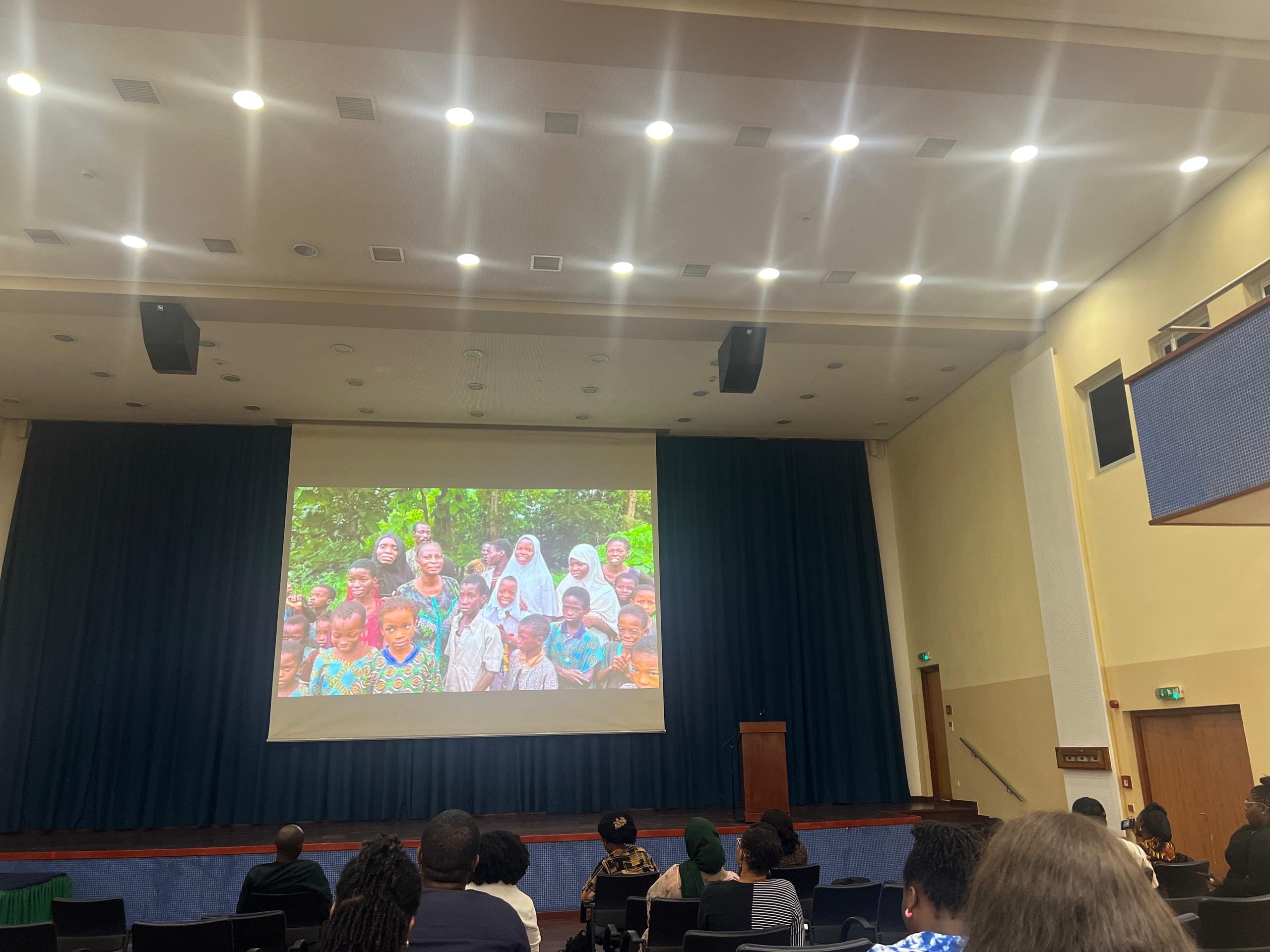
The documentary screening was followed by discussion among the participants, which examined the wider implications of insecurity on citizens’ relationship with the state and the country’s democratic institutions.
Speaking at the programme, Chidi Aguiyi, a producer with Joy inc, said the initiative was designed to encourage Nigerians to reflect on the consequences of their civic choices, particularly non-participation in elections.
According to Aguiyi, the organisers were not seeking to persuade citizens to support any particular candidate but wanted them to examine the relationship between electoral participation and governance.
“We are not here to tell you to vote for anybody. We are not campaigning for anyone to vote. But what we are trying to show people is what you voted or did not vote. Whatever action you did in 2023, this is the result of it,” she said.
She urged Nigerians to reflect on their experiences between the 2023 elections and the next general election and consider what they could do differently in 2027.
Aguiyi also criticised voter apathy, questioning the low turnout recorded in previous elections despite millions of Nigerians registering to vote.
“Come out and vote…maybe your vote is the one that can bring about change,” he said.
Commenting on the documentary, a participant, Amara Nwapa, said conversations around insecurity were particularly important because the crisis affected not only citizens’ immediate safety but also livelihoods, national cohesion and the future of Nigeria’s democratic institutions.
He said the frequency of reports of Nigerians being killed or kidnapped had made insecurity one of the most pressing issues confronting the country.
He warned that prolonged insecurity could also shape how younger Nigerians perceive the state and their responsibilities as citizens.
According to him, young Nigerians who experience insecurity and the absence of effective state protection may develop a different relationship with government and public institutions.
He cited recent incidents involving young Nigerians as examples of how the next generation was developing a “visceral experience” of both Nigerian society and the state.
“These experiences teach people more than any instruction, more than any exhortation, what to expect, but also condition them how to respond or treat society and how to treat the Nigerian state,” he said.
The participant argued that the discussion on electoral participation could not be separated from citizens’ perception of the state.
“If you don’t see the state as relevant to your survival, why are you participating? You might as well be taking care of yourself, taking care of your own survival,” he said.
He said many Nigerians had increasingly resorted to providing their own security, water and electricity where they could afford them, a development he said could gradually weaken national cohesion.
He also expressed concern about the changing experiences of younger Nigerians compared with previous generations, noting that shared national experiences such as watching the same television news and participating in common civic rituals had become less common.
“There is a danger that it might be a challenge for national security in the future,” he said.
On possible solutions, Nwapa called for more public conversations that would allow Nigerians to collectively examine the causes of insecurity and identify ways of addressing them.
“The solutions don’t come out of just one person. It’s about collective deliberation about how can we address this as a collective problem,” he said.
Another participant, Abdulmuizz Oyelola, described the stories of kidnapping screened as horrific experience.
“Watching the documentary gives me idea of how it has been really difficult for people who experienced insecurity,” he said.
He urged the civil society organisations and other stakeholders to sensitise citizens especially at the grassroots on the importance of elections and how their outcomes affect every day of their lives.
NOTE: This report has been updated to include more details on attacks in Plateau State.

Nurudeen Akewushola is an investigative reporter and fact-checker with The ICIR. He believes courageous in-depth investigative reporting is the key to social justice, accountability and good governance in society. You can reach him via nyahaya@icirnigeria.org and @NurudeenAkewus1 on Twitter.