

In this two-part report, the ICIR consolidates findings from 12 investigations that revealed how federal and state governments used phone interception tools, call records, CCTV networks, and other monitoring technologies to track, trail, arrest, and detain journalists, activists, political critics, and ordinary citizens.
When Juwon Sanyaolu and fellow activists announced plans for a nationwide protest against hunger and economic hardship in June 2024, he expected to come under the scrutiny of Nigeria’s security agencies. What he did not foresee, however, was that the surveillance would extend beyond him to the people in his circle.
As the National Coordinator of the Take It Back Movement, Sanyaolu said he spent the days leading up to the June 12 protest mobilising Nigerians frustrated by soaring living costs, deepening poverty and widespread hunger. But on the eve of the protest, security operatives tracked and arrested him.
According to Sanyaolu, authorities found him by arresting a close associate he frequently spoke with on the phone. They then used that friend to track his own whereabouts.
His experience became one of a growing number of cases in which Nigeria’s security agencies relied on surveillance tools to locate and apprehend citizens.
“I was a victim of illegal surveillance by Tiger Base,” Chidiebere told the ICIR while narrating how security operatives of a unit of the Imo State Police Command tapped his calls, monitored his movements and later stormed his home at night.
He said they seized and went through his phone to confirm their target, accessed his messages, calls, and bank records, and then arrested and detained him for two months.
Sanyaolu and Chidebere’s experiences, like many others, raise important questions about the limits of government surveillance and whether such action complies with the legal protection guaranteed to citizens by the Nigerian Constitution.
Section 37 of the Nigerian 1999 Constitution guarantees and protects the privacy of citizens, their homes, correspondence, telephone conversations, and telegraphic communications. At the same time, Section 45 recognises that certain rights may be restricted under specific circumstances in the interest of defence, public safety, public order, public morality, or public health.
In line with the constitutional provision, Nigeria has established multiple legal frameworks regulating surveillance, such as the Cybercrimes (Prohibition, Prevention, etc.) Act 2024, the Nigeria Data Protection Act 2023, the Nigerian Communications Act 2003 and the Terrorism (Prevention and Prohibition) Act 2022.
Together, they provide a legal framework for monitoring, data retention, or communication interception for national security and public safety purposes. However, such powers are not absolute. They are subject to legal limits and oversight. In many instances, they require prior judicial authorisation through warrants and are expected to operate within clearly defined legal safeguards.
But what happens when surveillance powers designed for legitimate security objectives are used in ways that undermine privacy rights, restrict press freedom, and discourage peaceful assembly? What happens when technologies acquired to combat crime and terrorism become tools for monitoring dissent, tracking critics, and shrinking civic space?
The answers lie in the 12 investigative reports published by The ICIR over the last seven months. The investigations took reporters across Imo, Kogi, Kano, Enugu, Kwara, Edo, Kaduna, Plateau, Lagos, and the FCT, documenting the experiences of Nigerians affected by the country’s expanding surveillance infrastructure.
Collectively, they linked surveillance practices to arbitrary arrests, unlawful detention, intimidation and torture, restrictions on civic participation, and, in some cases, extortion. Across the series, a consistent pattern emerged – surveillance technologies have been deployed with little transparency, weak legal oversight, and limited accountability.
Findings reveal that federal and state institutions relied on phone interception tools, call records, CCTV networks, and other monitoring technologies to track, trail, arrest, and detain journalists, activists, political critics, and ordinary citizens.
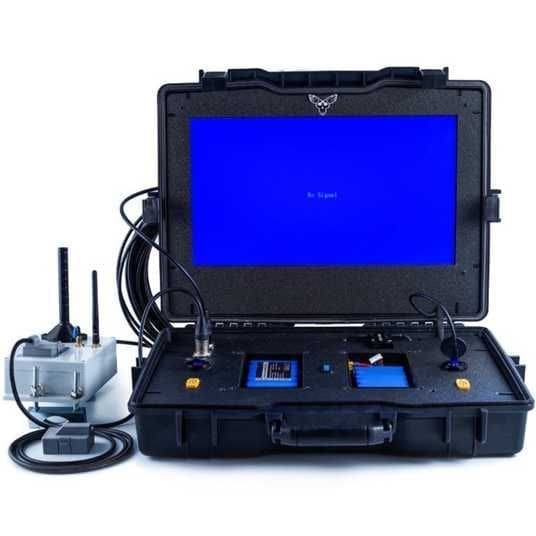
Beyond documenting alleged violations, the investigations also exposed the scale of public spending on surveillance infrastructure and technologies and uncovered procurement secrecy. It goes deeper. There was also the case of wasted surveillance infrastructure and a command centre, funded with public resources but abandoned after political transition.
These investigations have now been structured and consolidated into five prominently featured themes. They are: Surveillance of dissent and civic space, surveillance and human rights violations, legal and accountability gaps, surveillance infrastructure and public expenditure and Nigeria’s huge surveillance spending.
Surveillance of dissent and civic space
This section consolidates findings from five ICIR investigations, namely, “How NIA tracked, framed #Endbadgovernance protesters for treason,” “How Nigerian authorities used technology to tap calls, monitor journalists,” “Inside Kogi’s alleged spyware crackdown on critics,” “Surveillance by proxy: How Nigerian police use phone records to trap civic actors,” and “How digital surveillance is suffocating Nigeria’s civic space.”
The five reports each identified a growing pattern in which surveillance technologies acquired for security, crime prevention, and intelligence gathering are being used by Nigerian authorities to monitor, track, arrest, and prosecute activists, journalists, political critics, and protest organisers.
For instance, drawing on the evidence presented in the report “How NIA tracked, framed #EndBadGovernance protesters for treason,” Michael Adaramoye narrated how in the early hours of August 5, 2024, armed operatives later identified as members of the National Intelligence Agency (NIA) stormed his Abuja home to arrest him. He said an officer seized his phone, handed it to a colleague who briefly inspected it before returning with a confirmation: “This is the target.”
Adaramoye, one of many activists later charged with treason following nationwide demonstrations against economic hardship in 2024, soon realised that the officers already had detailed knowledge of his phone conversations, contacts, and movements.
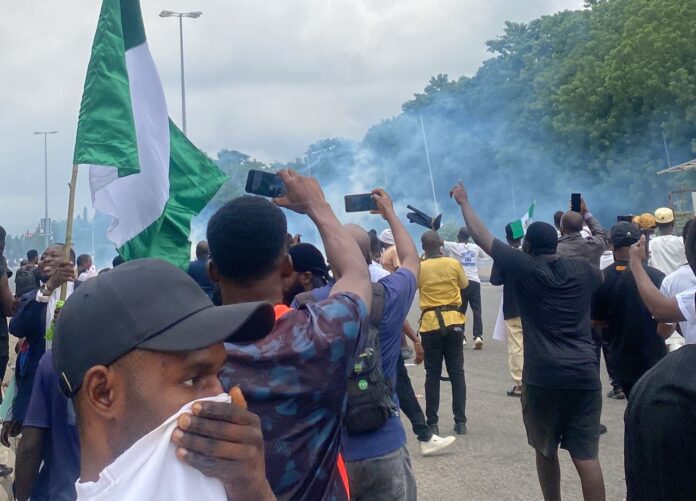
Across several states and involving different security institutions, the report documented how communications interception tools, phone tracking systems, call-data analysis, and broader digital surveillance capabilities increasingly become central to state responses to dissent and civic activism.
Similarly, the report, “How digital surveillance is suffocating Nigeria’s civic space”, documented the use of surveillance technologies to track, monitor, arrest, and prosecute activists, protesters, and government critics. Through the experiences of individuals such as ex-corps member Ajibare Oluwasegun, activists Musa Saidu Tsaragi, Akande Daniel, and others, the report documented allegations that security agencies used phone records, digital tracking tools, intercepted communications, and other surveillance methods to locate and detain protesters, social media critics and activists.
Another significant case exposed how government authorities used communications interception technologies to monitor journalists in Kaduna and Plateau states. Drawing on testimonies from the report “How Nigerian authorities used technology to tap calls, monitor journalists,” the ICIR interviewed reporters and media practitioners and detailed how GSM/UMTS interception systems originally acquired for security and anti-crime operations were repurposed to track journalists, intercept communications, and facilitate arrests and detentions.
It documented the experience of popular radio presenter Onibiyo Segun, who became aware that police officers identified his exact location during a phone call in 2018. He later learned from sources that his calls had allegedly been intercepted for weeks before he was arrested and detained.
Other journalists interviewed in the two states reported changing their communication habits, adopting encrypted applications, and implementing additional digital-security measures to protect themselves from monitoring. Read the full investigation here.
Moving on to “Inside Kogi’s alleged spyware crackdown on critics,” this investigation equally examined allegations that the Kogi State government from he immediate past administration of Yahaya Bello acquired surveillance technologies and used security operatives to monitor, intimidate, and arrest journalists, political critics, bloggers, and activists.
Through interviews, procurement records, budget documents, and historical case reviews, the ICIR traced a pattern of surveillance-linked actions. The report highlighted the case of political analyst and publisher Friday Ogungbemi, who said he was lured into a meeting and arrested after publishing a report critical of government officials. ICIR documented several similar incidents involving critics who allegedly faced monitoring, detention, prosecution, or harassment after expressing dissenting views.
Another critical finding across the investigations revealed the increasing use of indirect or “network-based” surveillance, rather than relying on direct monitoring. The case of activist Juwon Sanyaolu in the report, “Surveillance by proxy: How Nigerian police use phone records to trap civic actors,” highlights this approach. Security agencies reportedly analysed call records, communication histories, and social connections to identify broader networks of activists and civic actors. Sanyaolu explained how the police used information connected to one of his associates to track and arrest him ahead of a planned protest.
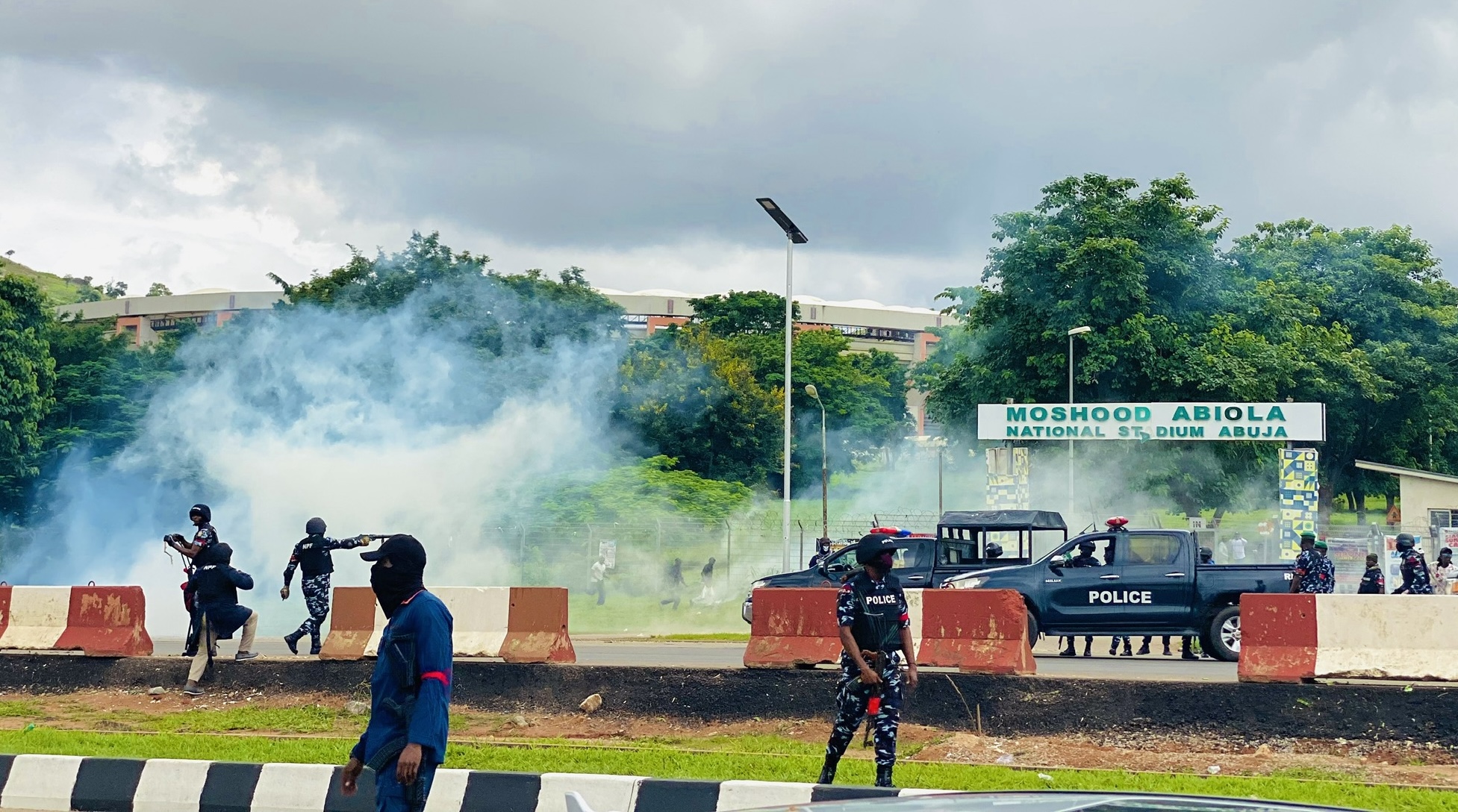
Testimonies in the report indicate that authorities relied on frequently contacted numbers and social relationships to map activist networks and identify potential targets. This practice, as revealed in the report, expands surveillance beyond individual suspects to scrutinising associates, colleagues, and family members.
Legal experts and digital-rights activists interviewed across these investigations emphasised that Nigeria’s laws provide protections for privacy, freedom of expression, and peaceful assembly. They argued that communications interception should only occur under clearly defined legal procedures, including judicial authorisation and independent oversight. The experts raised concern regarding limited public oversight of Nigeria’s huge investments in surveillance infrastructure and spyware technologies.
The findings collectively suggest that the country’s surveillance and spyware capabilities, intended to combat insecurity, may have been repurposed to silence dissent, contributing to a climate of fear that discourages protests and shrinks civic space.
Surveillance and human rights violations
Three investigations featured prominently under this category are “Tapped, tracked, tortured: The wiretapping trail to Police Tiger Base dungeon in Imo,” “How DSS Spyware acquisition enables illegal wiretaps and detentions,” and “How surveillance technology enables arbitrary arrests and detention.”
The three investigations focused on victims’ accounts that, with the help of surveillance and spyware tools, they were arbitrarily arrested, unlawfully detained, intimidated, tortured, and extorted.
Specifically, the investigation, “Tapped, tracked, tortured: The wiretapping trail to Police Tiger Base dungeon in Imo,” revealed how officers of Tiger Base, an anti-kidnapping police unit in Imo State, used surveillance technology to track, arrest, extort, and torture victims.
Through interviews with victims and rights advocates, the report reconstructed a pattern in which individuals were reportedly monitored through their movements and phone communications before being arrested by operatives.
Some victims said they were detained for extended periods, subjected to abuse, and pressured to pay money for their release. But that was not all. The investigation also referenced cases in which families and lawyers were denied access to detainees, raising concerns about due process and human rights compliance.

Unfortunately, while Tiger Base was created to tackle serious crimes such as kidnapping and armed robbery, findings from the investigation revealed it increasingly attracted negative reviews linked to allegations of unlawful detention, torture, and extortion.
Just as the headline suggests, the investigation, “How DSS Spyware acquisition enables illegal wiretaps and detentions,” shone a light on the Department of State Services (DSS), Nigeria’s secret police. The report examined allegations that the DSS deployed sophisticated surveillance technologies beyond their intended national security purpose, enabling warrantless wiretaps, citizen tracking, and prolonged detentions.
Relying on court documents, victim testimonies, and public records, the investigation identified a pattern in which individuals first experienced suspicious phone activity such as strange calls, disrupted signals, or unexplained monitoring before being arrested by security operatives.
Several detainees reportedly claimed they were arrested without warrants and transferred to detention facilities where they remained for extended periods without trial and access to their loved ones. Read the full investigation here.
In a similar investigation, “How surveillance technology enables arbitrary arrests and detention,” the ICIR found that security agencies used surveillance technologies and telecommunications data to track, locate, and arrest citizens, including government critics, journalists, activists, and individuals accused of links to separatist movements.
Through case studies involving Chika Nwoba, Charles Otu, Ifeanyichukwu Thomas, and Ngozi Dave, the report documented allegations that security operatives relied on call records, phone metadata, location data, financial transaction trails, and contacts of associates to trace targets.
Victims alleged that these operations frequently occurred without transparency or judicial oversight and were followed by detention, intimidation, or other abuses.
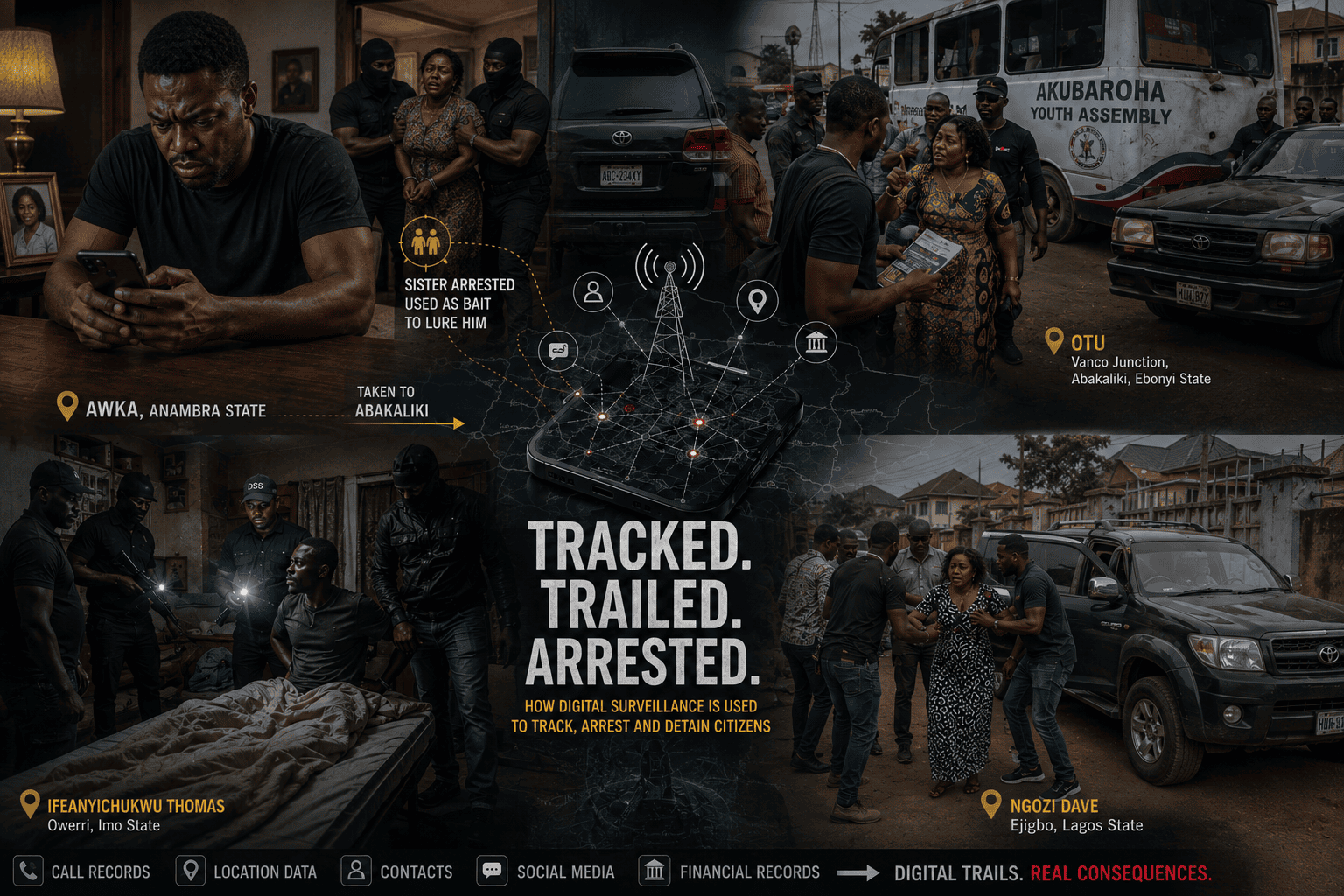
The investigation also revealed that Nigeria has significantly expanded its surveillance and interception capabilities through substantial investments in digital monitoring, communications interception, and intelligence-gathering technologies.
In these three reports, security agencies maintain that they use surveillance tools lawfully for investigative and national security purposes. However, the report highlighted concerns from lawyers and rights advocates about arbitrary arrests, prolonged detention, and violations of due process when not subject to effective oversight.
The experts reiterated that though Nigeria’s law permits lawful interception under specific judicial authorisation, they argued that existing safeguards may be inadequate to prevent abuse. They stressed that surveillance activities must be backed by lawful authorisation and oversight.