
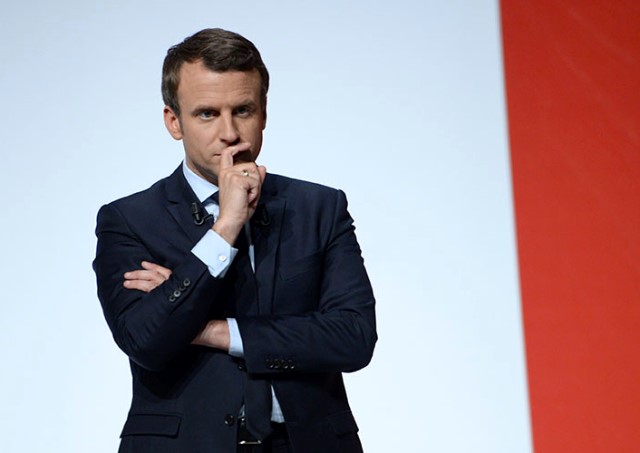
FRANCE new Prime Minister, Sébastien Lecornu, and his cabinet resigned on Monday, October 6, just hours after he unveiled his ministerial lineup, a dramatic escalation of the country’s political crisis that sent stocks and the euro tumbling.
According to Reuters, Lecornu, Macron’s fifth prime minister in just two years, held the position for only 27 days, and his government lasted 14 hours, making it the shortest-lived in modern French history at a time when parliament is deeply divided and the euro zone’s second-largest economy is struggling to put its finances in order.
Recall that the ICIR reported that the former Prime Minister François Bayrou’s government collapsed in September following a failed confidence vote, raising uncertainty over President Emmanuel Macron’s future and the stability of the eurozone’s second-largest economy.
The 74-year-old political veteran, who had been in office for just nine months, triggered the vote himself in an attempt to pressure lawmakers into supporting his proposal.
Protesters have taken to the streets across France for weeks, blocking roads, setting fire to rubbish bins, and clashing with police in a campaign to “Block Everything” in anger against President Emmanuel Macron and proposed budget cuts.
Many protesters directed their frustration at President Macron, who is already grappling with political upheaval.
Teachers, train drivers, pharmacists, hospital staff and other workers embarked on strike in France on September 18, while teenagers blocked access to their high schools, joining nationwide demonstrations against planned budget cuts.
Workers and other protesters have continued demanding the suspension of the former government’s fiscal policies, increased investment in public services, higher taxes on the wealthy, and the reversal of a widely opposed reform that raised the retirement age.
Reuters reports that the swift and unexpected resignation followed mounting threats from both allies and opponents to bring down the new government, prompting Lecornu to say the situation made it impossible for him to carry out his duties.
Opposition parties swiftly called on President Emmanuel Macron to step down or dissolve parliament and hold snap elections, insisting those were the only viable solutions to end the crisis.
Reports indicate that French politics has grown increasingly unstable since Macron’s 2022 re-election, as no single party or coalition holds a parliamentary majority. His decision to call a snap election last year further worsened the turmoil, resulting in an even more fragmented legislature.

Nanji is an investigative journalist with the ICIR. She has years of experience in reporting and broadcasting human angle stories, gender inequalities, minority stories, and human rights issues. She has documented sexual war crimes in armed conflict, sex for grades in Nigerian Universities, harmful traditional practices and human trafficking.