
NIGERIA has recorded two new deaths from Lassa fever.
The Nigeria Centre for Disease Control (NCDC) disclosed this in a statement mailed to The ICIR on Wednesday.
The deaths involved a pregnant woman and a doctor in Nasarawa State.
The doctor managed the woman after she contracted the disease.
READ ALSO:
Declare public health emergency on Lassa Fever – Group tells FG
Parents of boy with broken skull seek help for surgery
People living with disabilities picket NCC Abuja office over employment discrimination
How the Nigerian system failed a doctor who treated suspected Lassa Fever patient
After tests showed he had contracted the disease from the woman, the doctor sought medical care in Abuja where he died.
Besides, tests also showed that another medical doctor linked to the index case has contracted the disease.
He is currently receiving medical care in Abuja.
According to the NCDC, the deaths brought the number of people who had died from the disease in Nigeria since January to 80.
The centre said it was informed of the new cases on December 8.
With the support of NCDC, the Nasarawa State Ministry of Health has commenced an in-depth epidemiological investigation of the cases to understand the possible source of infection and the extent of the spread of the disease.
Contact tracing of all the close contacts of the patients has commenced, the centre said.
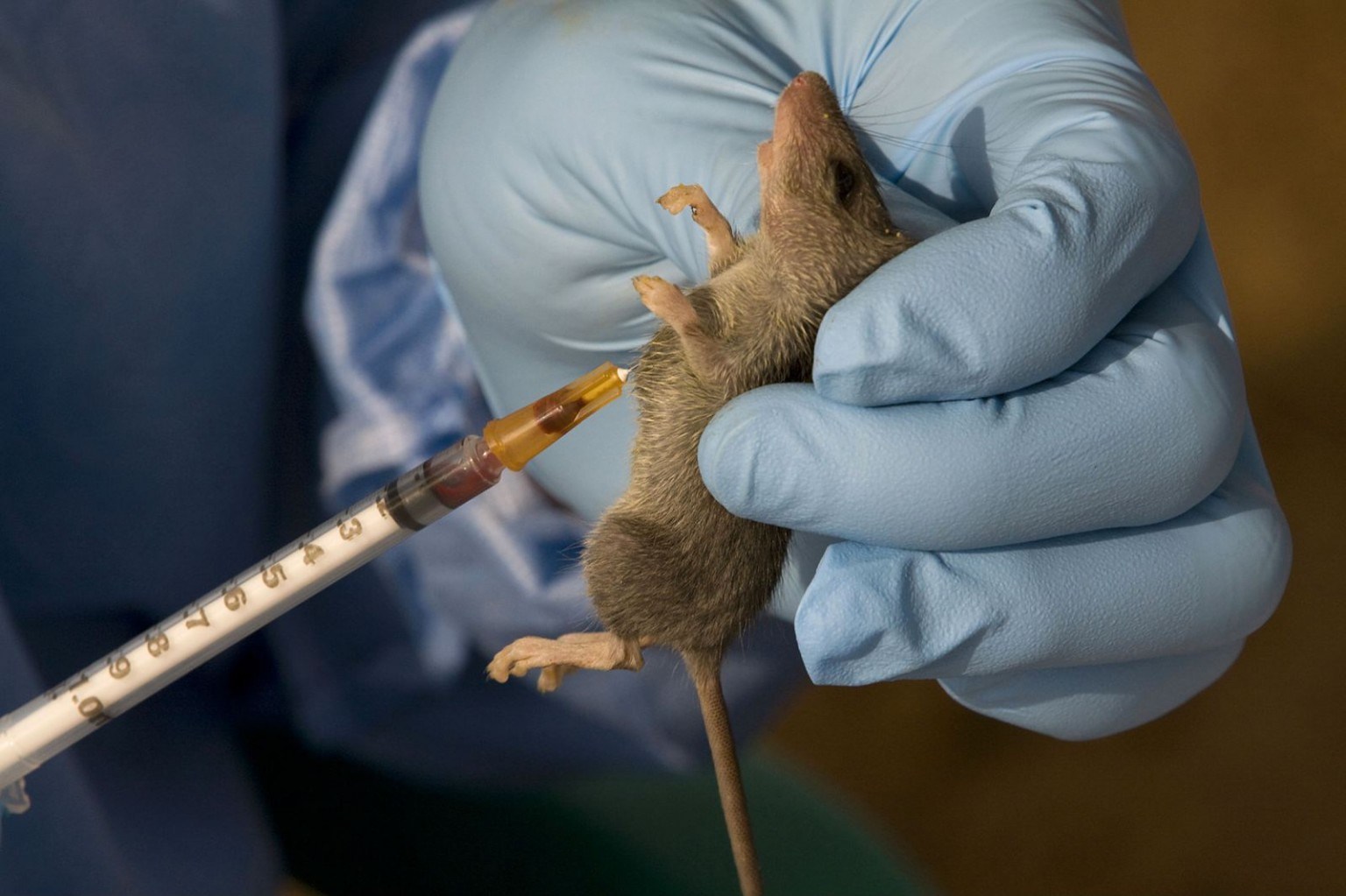
Lassa fever is an acute viral haemorrhagic illness transmitted to humans through contact with food or household items contaminated by infected rodents.
Person-to-person transmission can also occur, particularly in healthcare settings when there is the absence of or inadequate infection control measures.
The disease initially presents like any other febrile illness such as malaria, so a high index of suspicion is required, especially for healthcare workers.
Its symptoms include fever, headache, sore throat, general body weakness, cough, nausea, vomiting, diarrhoea, muscle pains, chest pain, and in severe cases, unexplainable bleeding from ears, eyes, nose, mouth, and other body openings.
The time between infection and the appearance of symptoms of the disease is three to 21 days. Early treatment and diagnosis increase the chances of survival.
The disease is endemic in Nigeria like in several other countries in West Africa, and most cases are seen during the dry season, often between November and May.
Since January, the country has confirmed 434 cases from 17 states and 63 local government areas, with 80 deaths.
The centre said there had been a case fatality rate of 18 per cent.
“Following these confirmations of Lassa fever cases in Nasarawa State and FCT, the NCDC has intensified the activities of the national multi-sectoral and multi-disciplinary Lassa fever Technical Working Group (TWG) for Lassa fever surveillance and response in the country.
“Lassa fever Emergency Operation Centres have also been activated by the affected state and FCT.”
The centre sympathised with the families who lost their loved ones to the disease.
The NCDC said it had, since 2016, been working hard to improve diagnostic capacity for the disease.
The NCDC noted that the nation had seven laboratories to test for the disease.
The laboratories improved active case detection and care for affected individuals, which might have gone unnoticed years back.
The centre offered the following advice for preventing the disease:
- Ensure proper environmental sanitation.
- Cover dustbins and dispose of refuse properly.
- Store foodstuff in containers that are well-covered with a tight-fitting lid.
- Avoid drying foodstuffs outside on the floor or at the roadside where they will be contaminated.
- Avoid bush burning, which can lead to the displacement of rats from bushes to human dwellings.
- Eliminate rats in homes and communities by setting rat traps and other means.
- Practise good personal hygiene by frequently washing hands with soap under running water /or using hand sanitisers when appropriate.
- Visit the nearest health facility when noticing any of the signs and symptoms of the disease and avoid self-medication.
The centre also advised healthcare workers to practice standard precautions and maintain a high index of suspicion at all times.

Marcus bears the light, and he beams it everywhere. He's a good governance and decent society advocate. He's The ICIR Reporter of the Year 2022 and has been the organisation's News Editor since September 2023. Contact him via email @ mfatunmole@icirnigeria.org