THE Independent National Electoral Commission (INEC) has announced that it will resume collating the result of the Abia State governorship election today, Wednesday, March 22.
The Head of Voter Education and Publicity at the INEC office in Abia State, Rebecca Jim, who announced the development, said the suspended collation will resume at 4:00 pm.
She confirmed that the presiding officer and state administrative secretary, who were earlier invited to the INEC headquarters in Abuja, will return to Abia State to complete the collation process.
The announcement follows the suspension of further collation of governorship election results in some parts of Abia and Enugu states by INEC.
As previously reported by The ICIR on Monday, INEC halted the collation process after thugs invaded the Commission’s office in Obingwa Local Government Area on Sunday, March 19. The thugs reportedly held INEC officials hostage, in relation to the collation of results from the Local Government Area.
Allegations of over-voting trailed the suspension and the state presiding officer and administrative secretary were summoned to Abuja by the INEC leadership.
Supporters of the leading candidates, Alex Otti of the Labour Party and Okey Ahiwe of the Peoples Democratic Party have been urging INEC to declare the winner of the election.
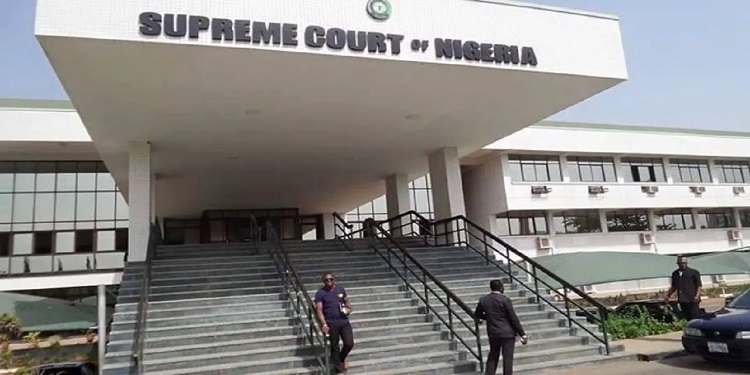
AS parties displeased with the outcomes of February 25, 2023, presidential election head for court, The ICIR reports that the cases will most likely get to the Supreme Court, given similar cases in the past.
Following what many see as controversial pronouncements by the apex court in recent times, The ICIR’s Marcus Fatunmole and Theophilus Adedokun, in this piece, profile the current 13 justices of the Supreme Court, including some of the recent cases they handled and accompanying public opinions that greeted their outcomes.
The ICIR had earlier done an explainer on steps and timelines for resolving Presidential election disputes in Nigeria. Read it HERE.
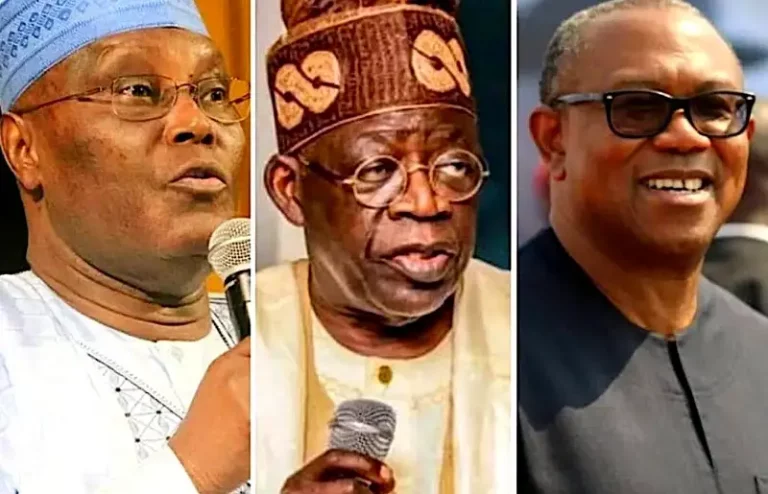
INEC declared the candidate of the All Progressives Congress (APC), Bola Tinubu, the election winner at about 4 a.m. on Wednesday, March 1.
The Chairman of the Commission and the returning officer for the 2023 Presidential Election, Mahmood Yakubu, said Tinubu polled 8,794,726 votes.
The candidate of the Peoples Democratic Party (PDP) and former Vice President Atiku Abubakar finished second with 6,984,520 votes. (The ICIRreported how hope dims for Atiku after six failed shots at the presidency.)
Labour Party (LP) candidate Peter Obi came third in the February election with 6,101,533 votes, while Rabiu Kwankwaso of the New Nigeria Peoples Party (NNPP) had 1,496,687.
Twelve other candidates got fewer votes than the four major political parties at the election.
PDP and LP have claimed they won the poll and would be heading to court to challenge its outcome.
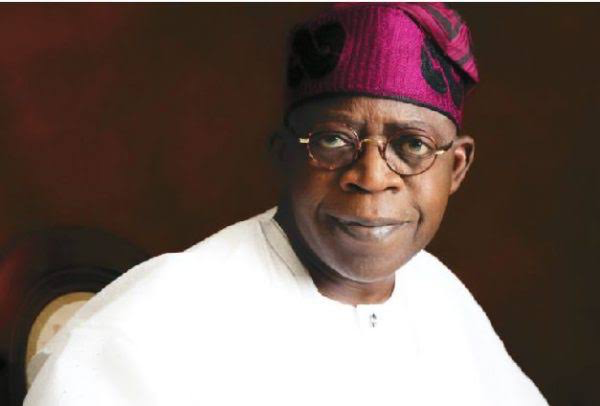
President-elect Bola Tinubu
Some of the previous judgements bothering on elections by the Supreme Court
In December 2008, the court upheld the election of late President Musa Y’adua, despite admitting it was flawed.
The former Military Head of State and now incumbent President Muhammadu Buhari and Atiku Abubakar, who vied for the presidency against Yar’Adua, challenged his victory.
Yar’Adua succeeded former President Olusegun Obasanjo on a joint ticket he held with former President Goodluck Jonathan. Jonathan assumed office after Yar’Adua died in office.
In January 2020, The ICIR reported how six governors reclaimed their mandates through the Supreme Court since the nation returned to democracy in 1999.
The Supreme Court justices and some of the cases they have handled
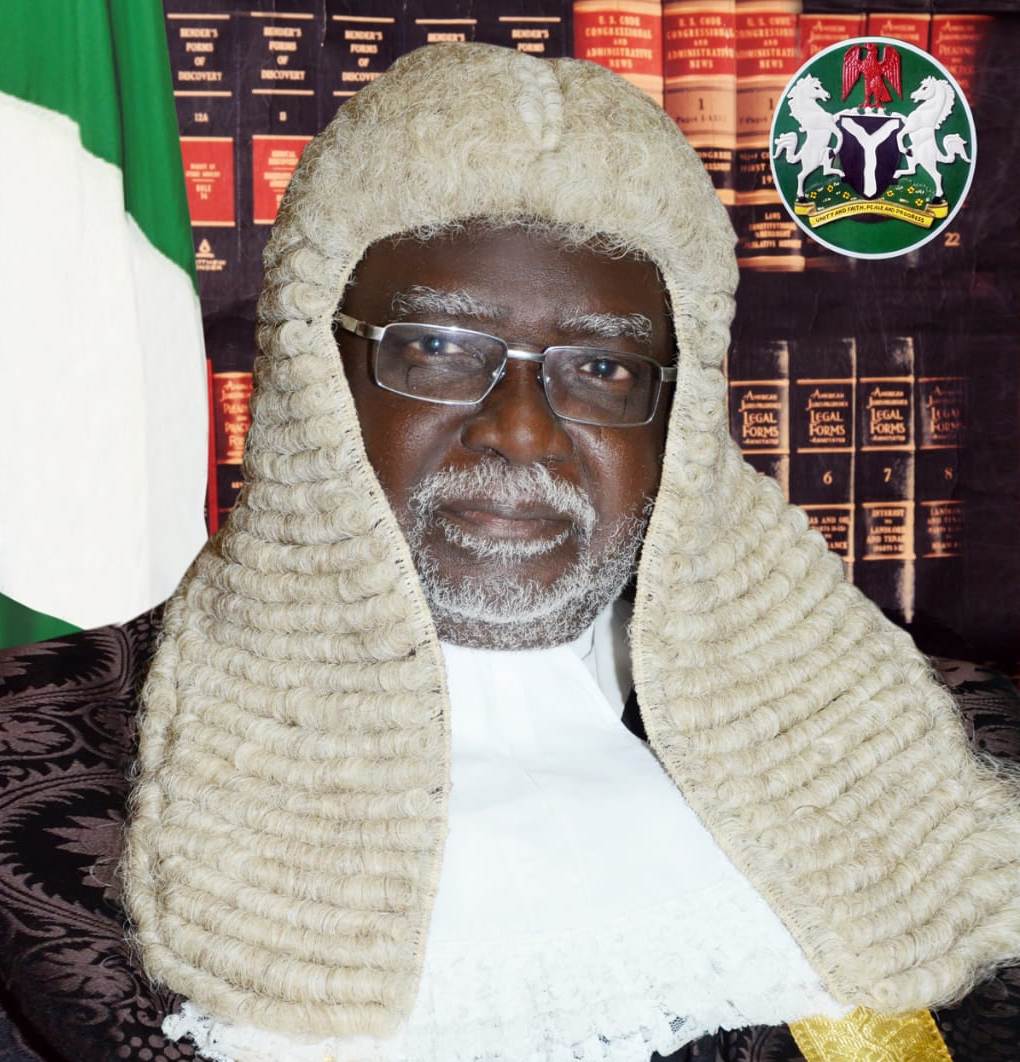
Chief Justice of Nigeria (CJN) Olukayode Ariwoola
The Chief Justice of Nigeria, Olukayode Ariwoola, was appointed a Justice of the Supreme Court of Nigeria in 2011. He was at the Court of Appeal between 2005 and 2011.
Chief Justice of Nigeria Olukayode Ariwoola
He represented the then Acting Chief Justice of Nigeria, Tanko Muhammad, on the five justices that ruled on the nullification of all votes that the APC got in all elections conducted in Zamfara State in 2019 because the party did not conduct a valid primary.
He was among the eight-man Supreme Court justices who removed the PDP’s Emeka Ihedioha and declared Hope Uzodinma, a INEC declared to have come fourth in the 2019 governorship election, winner.
He was also among the five-man justices that unanimously nullified the election of APC candidate David Lyon and his Deputy, Biobarakuma Degi-Eremieoyo, in Bayelsa State in February 2020.
The court sacked the APC candidate because his deputy, Degi-Eremieoyo, presented a forged document to INEC.
The court declared the PDP candidate, Duoye Diri, the election winner.
Kudirat Motonmori Olatokunbo Kekere-Ekun
Kudirat Motonmori Olatokunbo Kekere-Ekun was born on May 7, 1958. She obtained her LL.B. in 1980 from the University of Lagos. She proceeded to the London School of Economic and Political Science in November 1983 for her LL.M. She was appointed a Justice of the Supreme Court of Nigeria on June 8, 2013.
She read the judgement that sacked Emeka Ihedioha as the governor of Imo State on January 14, 2020.
The seven-man panel was led by the former Chief Justice of Nigeria (CJN), Ibrahim Muhammad Tanko.
Kekere-Ekun was also among the seven-man justices who declared Kogi State Governor Yahaya Bello the winner of the 2019 governorship election and dismissed the PDP’s Musa Wada’s appeal.
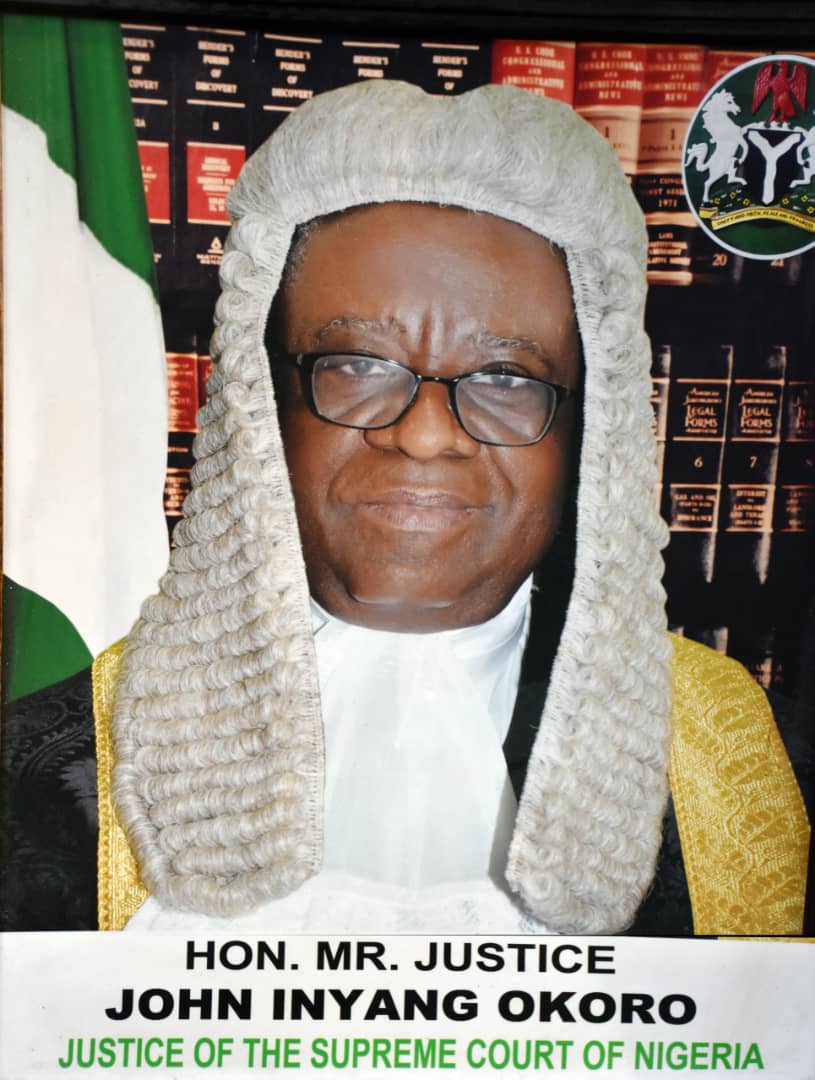
John Inyang Okoro
Justice John Inyang Okoro was born on July 11, 1959, in Nung Ukim, Ikono Local Government Area of Akwa Ibom State.
After serving in different capacities, including Akwa Ibom State High Court judge, he was elevated to the Supreme Court on November 15, 2013.
He was part of the five justices that ruled on the nullification of all votes that the APC got in Zamfara State in the 2019 election because the party did not conduct a valid primary.
He was also among the five-man justices that unanimously nullified the election of APC candidate David Lyon and his Deputy, Biobarakuma Degi-Eremieoyo, in Bayelsa State in February 2020.
Okoro was also among the seven-man justices who declared Kogi State Governor Yahaya Bello the winner of the 2019 governorship election and dismissed the PDP’s Musa Wada’s appeal.
Chima Centus Nweze
Chima Centus Nweze is a native of Obollo, Udenu Local Government Area of Enugu State. He was born on September 25, 1958.
He became a justice of the Supreme Court in 2014 after serving at the Court of Appeal between 2008 and 2014.
He was among the five-man judges who declared the Senate President, Ahmed Lawan, winner of the Yobe North senatorial ticket for the APC, and consequently dashed the hope of Bashir Machina, who claimed Lawan did not participate in the primary. He read the lead (split) judgement of three to two justices affirming Lawan as the party’s candidate.
Amina Adamu Augie
Amina Adamu Augie was born Anne Eva Graham on September 3, 1953. She is from Kebbi State. She served as the Chief Magistrate in the Sokoto State Judiciary, a lecturer at the Faculty of Law, Uthman Danfodio University, Sokoto, from 1989 – 1992, and an Associate Lecturer at the same University from September 1999 – September 2002.
She was elevated to the Court of Appeal Bench in 2002 and consequently rose to become a Supreme Court justice on November 7, 2016.
She was among the eight-man Supreme Court justices who removed the PDP’s Emeka Ihedioha and declared Hope Uzodinma, a serving senator INEC who declared to have come fourth in the 2019 governorship election, winner.
She was among the five-man justices that unanimously nullified the election of APC candidate David Lyon and his Deputy, Biobarakuma Degi-Eremieoyo, in Bayelsa State in February 2020.
Justice Augie was also part of the seven-man justices who declared Kogi State Governor Yahaya Bello the winner of the 2019 governorship election and dismissed the PDP’s Musa Wada’s appeal.
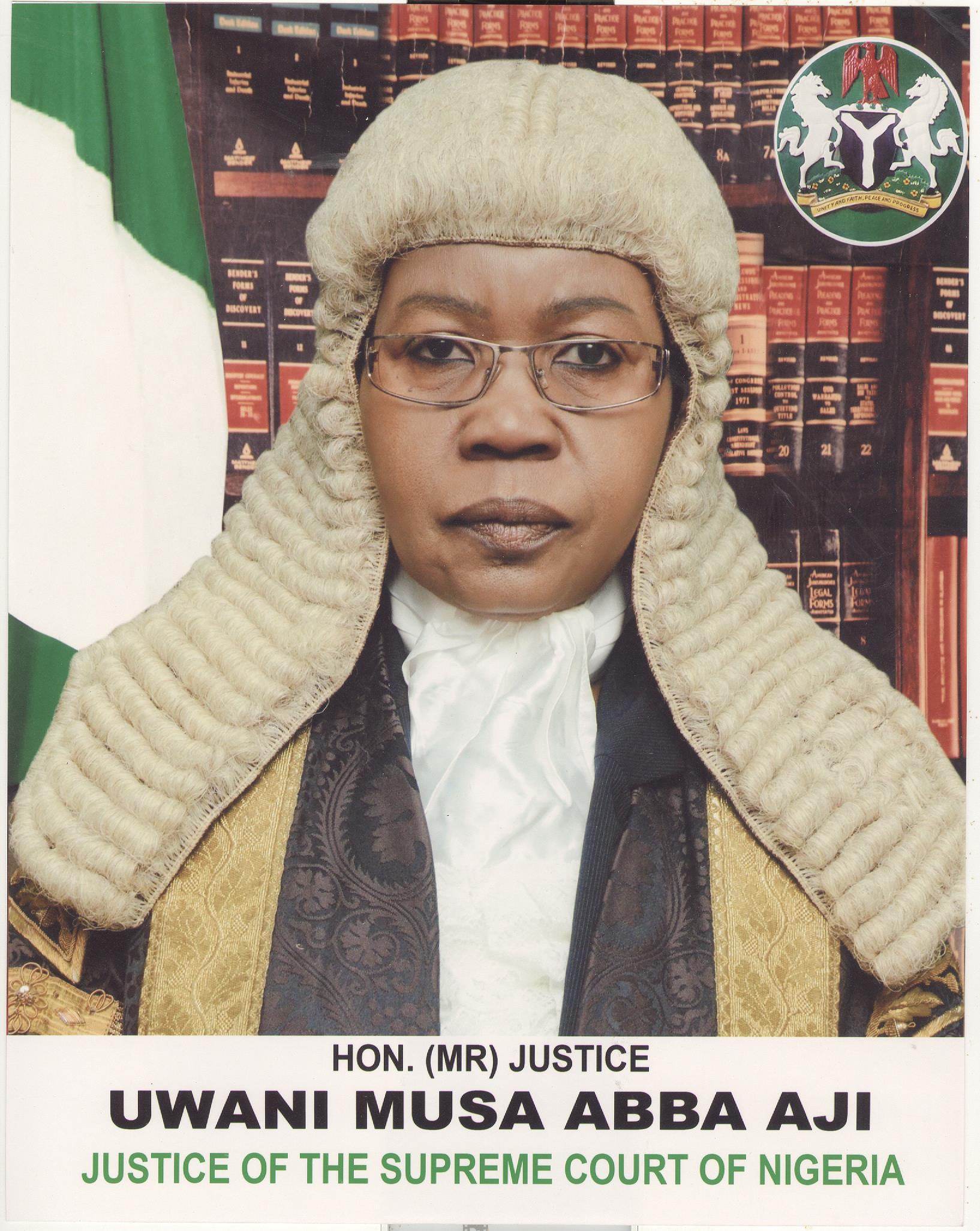
Uwani Musa Abba Aji
Justice Uwani Musa Abba Aji
Uwani Musa Abba Aji was born on November 7, 1956, in Gashua, Yobe State. The first lady judge at the Yobe State judiciary, she has held several positions among Nigerian women judges and is widely travelled.
She rose through the ranks to become a Supreme Court justice on January 8, 2019. Before her rise to the Supreme Court, Justice Abba Aji was the Presiding Justice of the Court of Appeal, Kaduna Division, for four years.
She was part of the five justices that ruled on the nullification of all votes that the APC got in Zamfara State in the 2019 election because the party did not conduct a valid primary.
He was among the eight-man Supreme Court justices who removed the PDP’s Emeka Ihedioha and declared Hope Uzodinma the 2019 Imo State governorship election winner.
Abba Aji was among the seven-man justices who declared Kogi State Governor Yahaya Bello the winner of the 2019 governorship election and dismissed the PDP’s Musa Wada’s appeal.
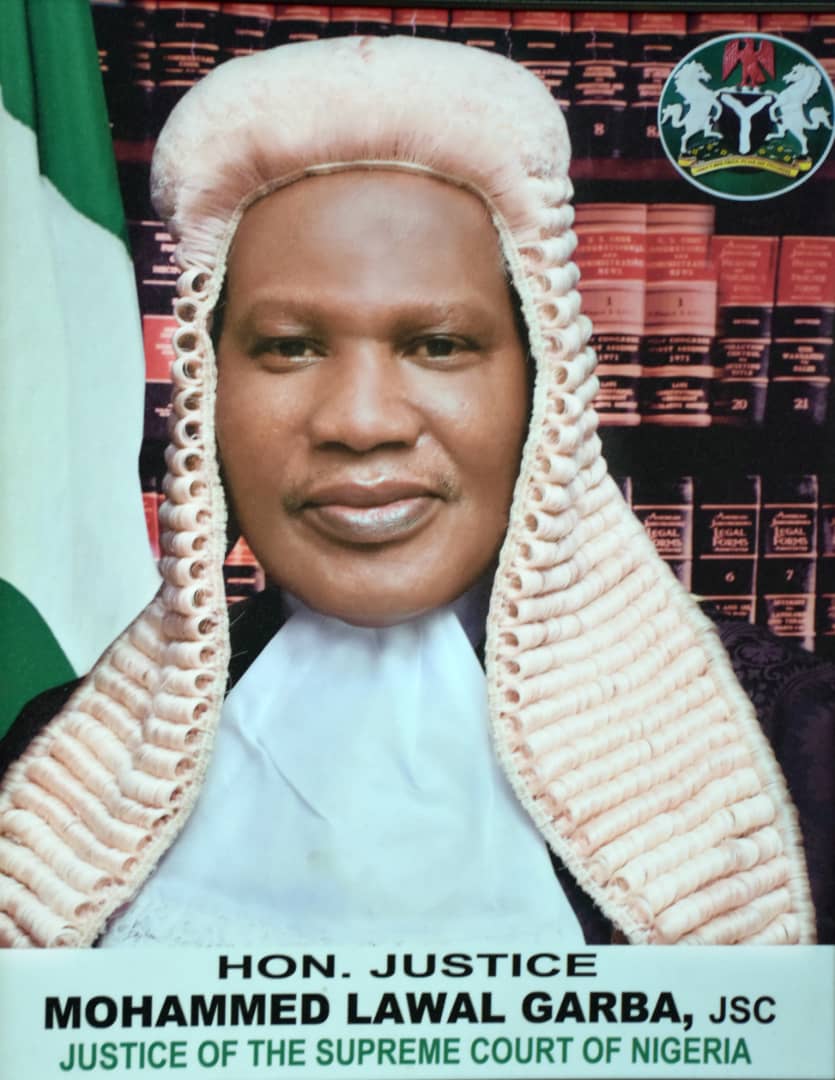
Mohammed Lawal Garba
Justice M. Lawal Garba
Mohammed Lawal Garba was born on November 16, 1958. He hails from Gusau Local Government Area of Zamfara State.
He cut his Magistraterial teeth at the Sokoto State Judiciary from 1982-1986. He was appointed a Judge of the High Court of Justice, Sokoto State, from 1993-1996, before his elevation to the Court of Appeal, where he served at various times as the presiding justice at Abuja, Calabar, Port Harcourt and Lagos Divisions of the Court from 2010-2020.
He was elevated to the Supreme Court on November 6, 2020.
He was among the five-man judges who declared the Senate President, Ahmed Lawan, winner of the Yobe North senatorial ticket for the APC.
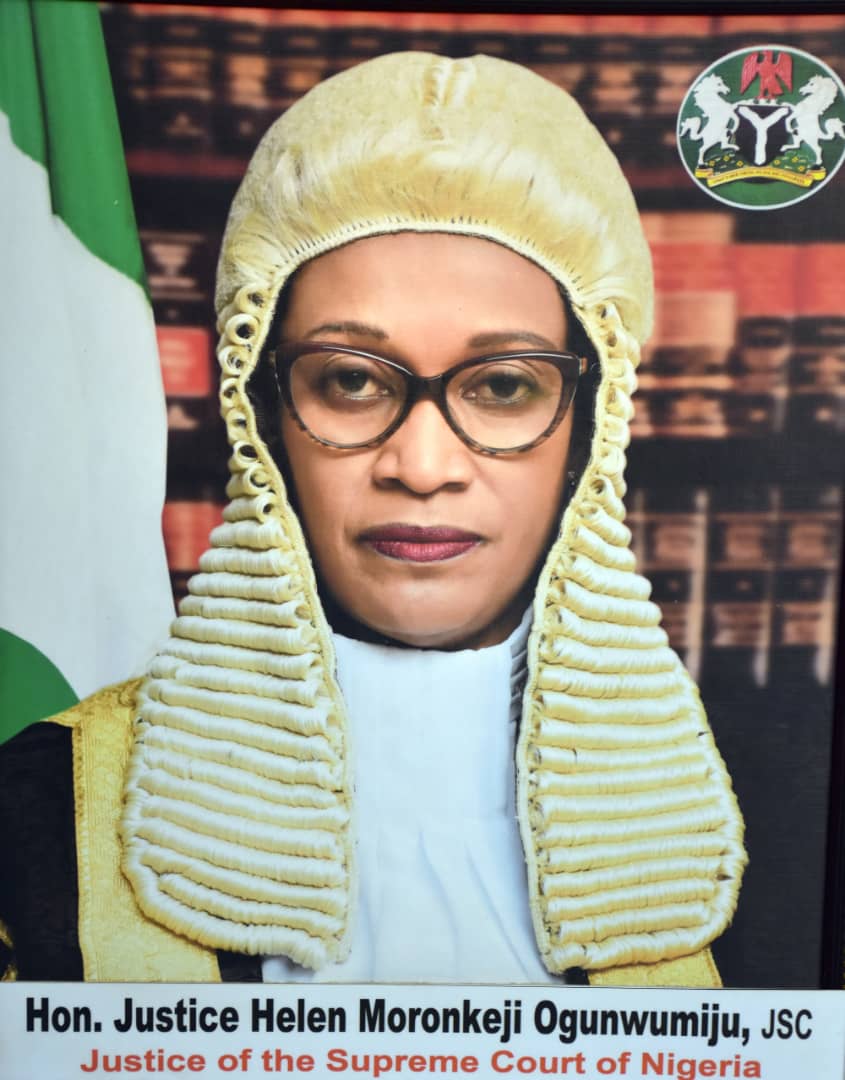
Helen Moronkeji Ogunwumiju
Helen Moronkeji Ogunwumiju was born in Ondo, Ondo State, on March 23, 1957.
She had a stint with the Legal Aid Council, helping to create the Council’s offices in Oyo, Osun, Lagos, Sokoto and other states.
Ogunwumiju was appointed a judge of the High Court of Ondo State in November 1998, with jurisdiction in civil and criminal matters. She got elevated to the Court of Appeal, Nigeria, in November 2005 and to the Supreme Court on November 6 2020.
She was among the three judges, out of five, who ruled that Senate President Ahmed Lawan won the Yobe North senatorial ticket for the APC.
Ibrahim Mohammed Musa Saulawa
Ibrahim Mohammed Musa Saulawa was born on September 29, 1956, in Katsina, Katsina State.
He was a chief registrar of the Court of Appeal of Nigeria, Lagos, between 1991 and 1994, and then a High Court judge, Katsina State Judiciary (1994 – 2006).
Saulawa was elevated to the Bench of the Court of Appeal of Nigeria on June 10, 2006. He served in most court divisions, including Calabar, Ilorin and Port Harcourt.
He rose to become a justice of the Supreme Court on November 10, 2020.
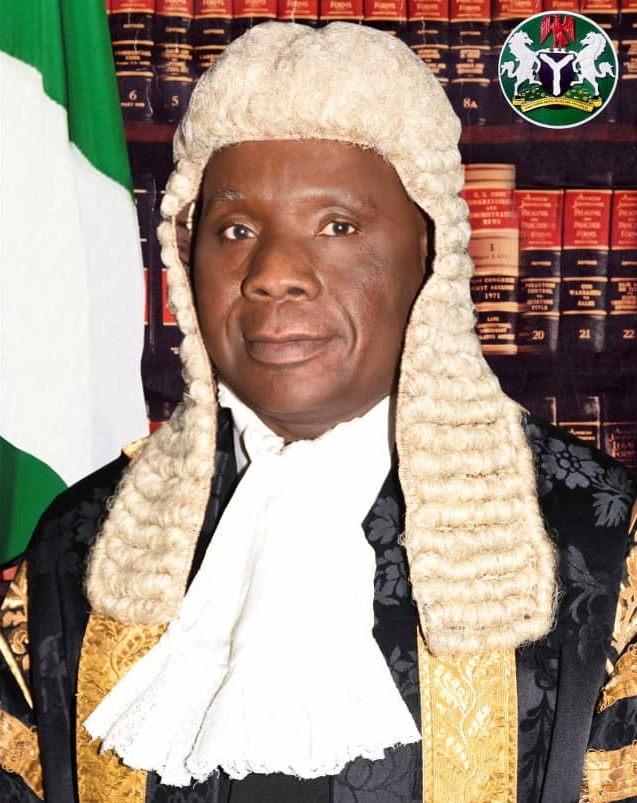
Adamu Jauro
His profile was unavailable on the Supreme Court’s website. The ICIR could not find information about him on other public platforms, but he was among eight justices elevated to the Supreme Court in 2020. He is also the first Gombe State indigene to rise to the apex court.
He was among the two justices who disagreed with three others that declared the Senate President, Ahmed Lawan, winner of the Yobe North senatorial ticket for the APC.
Tijjani Abubakar
He was among the eight justices the Nigerian Judicial Council promoted to Supreme Court in 2020. Information about him is not on the Supreme Court website.
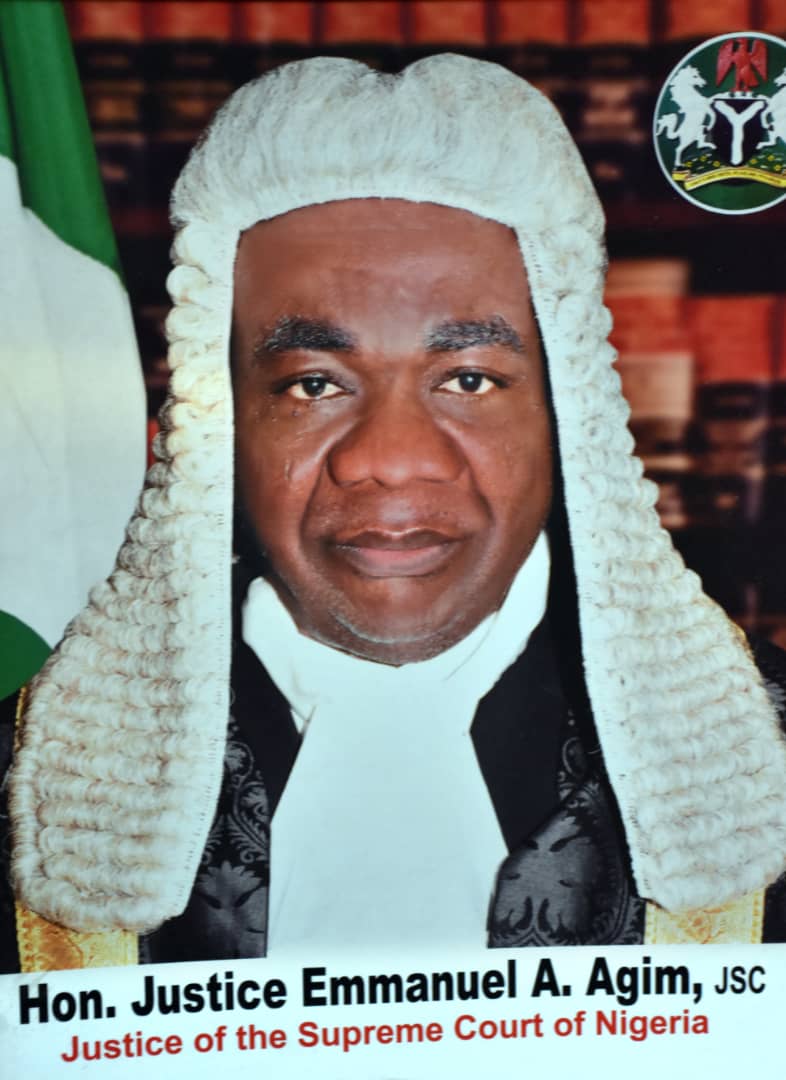
Emmanuel A. Agim
Born on April 26, 1960, in Obudu, Cross River State, Justice Agim read law at the University of Calabar. He was a former Chief Justice of The Gambia and Justice of the Supreme Court of Swaziland.
He was among the eight justices the Nigerian Judicial Council promoted to Supreme Court in 2020.
He was among the two justices who disagreed with three others that declared the Senate President, Ahmed Lawan, winner of the Yobe North senatorial ticket for the APC.
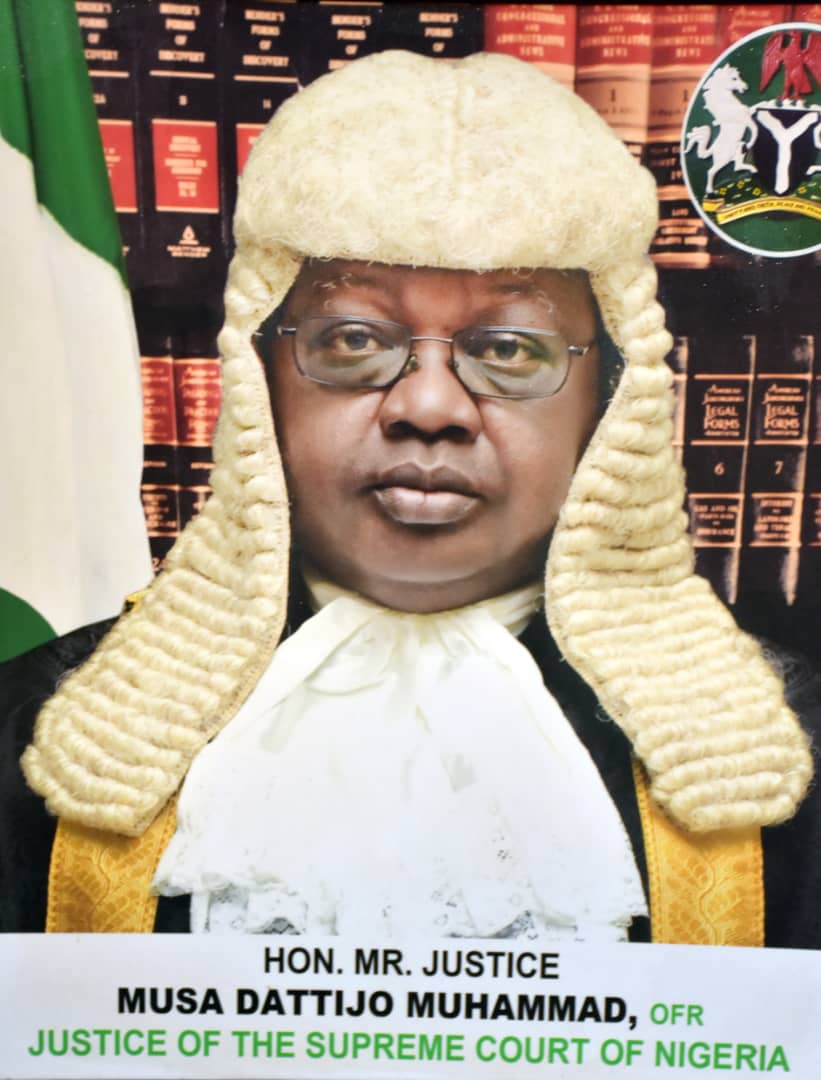
Musa Dattijo
Musa Dattijo Muhammad was born on October 27, 1953, in the chanchaga local government area in Minna. He got his LLB (Hons) at Ahmadu Bello University (Faculty of Law) Zaria 1973-1976, and his BL at the Nigerian Law School 1977, before proceeding to Warwick University Coventry UK for his LLM 1982-1983.
Before he was appointed a Supreme Court judge in July 2012, he had worked as a judge of the High Court, Niger State, in 1989, as justice of the Court of Appeal in 1998, as presiding Justice, Sokoto Division, Court of Appeal in 2009 and Presiding Justice, Port Harcourt Division in 2010.
Should the petition gets to the supreme court… lawyers react
An Abuja-based legal practitioner, Sogo Clinton, who specialises in election litigations, said that nobody could predict the outcome of a court matter, especially when a person is not privy to the facts and evidence before the court.
“This is so as the outcome of a matter largely depends on the evidence supplied by the alleging party. It is not the court’s duty to descend into the arena in a bid to please the overwhelming public in the absence of credible evidence.”
According to Clinton, the rule of the game concerning election petitions is for the petitioners to prove substantial non-compliance with the Electoral Act and the guidelines for conducting elections in Nigeria.
Sogo, however, said that although no presidential election has been nullified in Nigeria’s history, it is possible if the prosecuting parties can prove their case.
“Once that is done to the court’s satisfaction, then the prayer for nullification of an election may be granted. Although no presidential election has been nullified in Nigeria’s history, I dare say that it is not impossible if the petitioners should prove their case.”
He added that justice is usually decided by many factors, including but not limited to evidence, the law, and technicalities, which must all be satisfied to get justice.
“Therefore, a person might have overwhelming evidence and the law on their side but may still not get justice due to technicality.
When this happens, it appears like an injustice has been meted out in the perception of the ordinary man.”
Similarly, a Lagos-based lawyer, Paul Ojukwu, said Nigerians needed to be cautious of casting aspersion on the judiciary based on the judgement that its judges deliver because, most times, the court delivers judgement based on fact and not emotion.
“Most time, the courts deliver judgement based on facts and issues presented to it, and it is not that the Supreme Court does not deliver questionable judgement like the case of Lawan and Machina, Akeredolu and Jegede but the one that brought Oyetola in and remove Adeleke are sound judgement.
“The judges are human beings. I would not say in general that I do not have confidence in the judiciary. I do, but in the history of democracy in Nigeria, upturning the presidential election has not happened, and it may likely not happen.
Ojukwu said many factors go into judgement delivery at the apex court.
“There is what we call substantial compliance, and it is different from non-compliance. So far, nobody has come out to say that what INEC uploaded on IREV differs from what the party agents signed.”
Another lawyer, Kelechukwu Uzoka, opined that the court would act based on the facts before it.
He said the court could only upturn Tinubu’s victory if it saw reasons to do so, adding that such would be done in the interest of justice.
Uzoka said that although the public confidence in the court was very low, he believed the court would be non-partisan in delivering justice.
“The truth is that generally, the public confidence in the Supreme Court is low at this time. So we hope the court will put its foot on the ground and shun external influence of politicians to be able to do justice.”
He further stressed the need for the court to be more firm and impartial in justice delivery.
N.B: All pictures of judges in this report were taken from the Supreme Court website.
THE Presidential candidates of the Peoples Democratic Party (PDP), Atiku Abubakar, Labour Paty (LP), Peter Obi, Action Alliance (AA), Chichi Ojei and Solomon Okangbuan of Allied Peoples Movement (APM), have all met the deadline for the submission of petitions at the Presidential Election Tribunal.
Under the law guiding election petitions, an petition must be presented and filed within 21 days of the declaration of the result.
When a petitioner misses the deadline to file his petition and is later ruled to be statute-barred, he forfeits his right to bring the case.
The four presidential candidates met the deadline for submitting their separate petitions on Tuesday, March 21.
The Chairman of INEC, Mahmood Yakubu, announced the result of the election on March 1.
According to the result released by INEC, Tinubu scored a total of 8,794,726 votes to defeat Atiku Abubakar of the Peoples Democratic Party (PDP), who polled a total of 6,984,520 votes, and Peter Obi of the Labour Party (LP), who came third with 6,101,533 votes.
The PDP and LP candidates had since rejected the outcome of the election and vowed to challenge it in court.
The spokesperson of the Obi-Datti Presidential Campaign Council, Yunusa Tanko, announced the submission of Obi’s petition on his official Twitter handle on Tuesday, March 21.
“It is official. The Labor Party Presidential candidate Peter OBI has filed his petition to the presidential elections tribunal in Abuja. The process of reclaiming the people’s mandate has started.” he tweeted.
Obi and the LP’s petition marked CA/PEPC/03/2023 had INEC, President-elect Tinubu, his running mate, Kashim Shettima, and the APC as respondents.
Obi stated in the petition that there was rigging in 11 states, and he promised to prove it based on the results that were uploaded.
Obi further claimed that Tinubu “was not duly elected by a majority of the lawful votes cast at the time of the election”.
Parts of the petition read, “The petitioners shall show that in the computation and declaration of the result of the election, based on the updated results, the votes recorded for the second respondent (Tinubu) did not comply with the legitimate process for the computation of the result and disfavoured the petitioners in the following states: Rivers, Lagos, Taraba, Benue, Adamawa, Imo, Bauchi, Borno, Kaduna, Plateau and other states of the federation.”
Obi and the LP said since all polling unit results had yet to be fully scanned, uploaded, and transferred electronically as required by the Electoral Act at the time of the declaration, INEC broke its own rules when it announced the result.
The petitioners also urged the tribunal to “determine that, at the time of the presidential election held on February 25, 2023, the second and third respondents (Tinubu and Shettima) were not qualified to contest the election.
“That it be determined that all the votes recorded for the second respondent in the election are wasted votes, owing to the non-qualification of the second and third respondents.
“That it be determined that the second respondent (Tinubu), having failed to score one-quarter of the votes cast at the presidential election in the Federal Capital Territory, Abuja, was not entitled to be declared and returned as the winner of the presidential election held on February 25, 2023.
“That it be determined that based on the remaining votes (after discountenancing the votes credited to the second respondent), the first petitioner (Obi) scored a majority of the lawful votes cast at the election and had not less than 25 per cent of the votes cast in each of at least two-thirds of the states of the federation and the Federal Capital Territory, Abuja and satisfied the constitutional requirements to be declared the winner of the February 25, 2023, presidential election.”
In addition, the petitioners request that the tribunal issue a ruling ordering INEC to hold a new election in which Tinubu, Shettima, and the APC shall not run.
The tribunal has not yet set a time to hear the petition, submitted by Livy Ozoukwu, SAN, the petitioners’ principal solicitor.
Atiku and PDP’s petition, marked CA/PEPC/05/2023, has INEC, Tinubu and APC listed as respondents.
This was disclosed to Channels TV by a member of Atiku’s legal team, Silas Onu, on Tuesday, March 21.
Atiku and PDP, in their petition, want Tinubu’s victory nullified.
The Allied Peoples Movement (APM) and its presidential candidate, Princess Chichi Ojei, and the Action Alliance (AA) and its flagbearer, Solomon Okangbuan, have also lodged separate petitions before the court.
Okangbuan and Ojei, are separately contesting the results of the presidential election in lawsuits marked CA/PEPC/04/2023 and CA/PEPC/03/2023, respectively, on the grounds of alleged material non-compliance with the electoral laws and INEC instructions.
The AA argued that the election should be declared invalid because its candidate was omitted.
On its part, the APM asserted that due to the requirements of sections 131(c) and 142 of the Constitution and section 35 of the Electoral Act 2022, Tinubu was not eligible to run in the election at the time of the election.
THE Nigerian Women Trust Fund Gender and Election Watch (GEW), has frowned at the disruptions to Governorship and House of Assembly elections in Lagos, Kano and Rivers states.
The group also kicked against the refusal of the Independent National Electoral Commision (INEC) to declare a winner in the Adamawa State governorship election, where the incumbent governor, Ahmadu Fintiri, vying on the Peoples Democratic Party (PDP) platform, has a woman, Aishatu Dahiru (Binani), a senator, as the most formidable challenger.
The ICIR reported that INEC declared the election inconclusive, with Fintiri polling 421,524 and Dahiru (Binani) of the All Progressives Congress (APC) having 390, 275.
Coincidentally, The ICIR had its reporters in all three states that the group identified to have experienced disruptions to elections by political thugs and other factors.
Reports by The ICIR confirmed the women’s claims, as shown in its reports on the elections. The ICIR’s reports are here, here, and here.
The women deployed 350 accredited observers across the country’s six geopolitical zones to observe the election, held on March 18, from a Gender perspective in Adamawa, Kano, Lagos, Oyo, Anambra, Kogi and Rivers.
In a post-election statement signed by its Chief Executive Officer for Gender and Election Watch (GEW) Room, Mufuliat Fijabi, and mailed to The ICIR, the group said notwithstanding the challenges identified, the election was better than the presidential election conducted on February 25.
It said the governorship and House of Assembly polls were mostly peaceful in all the states its observers monitored, except Kano, Lagos and Rivers.
“Over 70 per cent of polls observed opened before 9am,” said the group.
It listed some polling units where polls were disrupted, including in Lagos PU 24-18-11-003 Oke Afa Isolo, Ejigbo Bestford Junction. “This polling unit was attacked by thugs three times, who attempted to disrupt voting by upturning the ballot boxes and voter inducement; there was a response by security officials after the first two attacks, but no response on the third and final attack.
“Rivers: Captain Elechi Amadi Polytechnic PU 17 Rumuokwuta 18 B: party agents threatened the life of an NWTF observer and proceeded to seize his tag. He was helped to safety by an INEC official.
“Kano: Tarauni LGA, Darmanawa Ward, PU 01: some party agents caused disruption, which led to ballot boxes being destroyed because some ballot papers seemed to have been used previously.
“Adamawa: Bekaji Roundabout Jimeta, Yola North: political protest was organized with security operatives firing teargas to dispel the crowd on March 20 2023, on the delayed announcement of the results of the gubernatorial election.”
Besides, the group decried voter apathy, especially among women, whom it said were afraid to come out because of threats or violence recorded during the presidential election and after the poll.
The group also condemned the intimidation of observers by security personnel in some polling units. “One example was at the Elechi Amadi Polytechnic, Rumuokwuta PU 18 B, (Rivers State).
“The security situation during March 18 2023 elections was not as good as the February 25, 2023, elections. According to the GEW observers, there were security breaches which could have been avoided with intense security action and coordination.”
Some of the group’s recommendations include:
⦁ That INEC should hold its partners in the planning and conduct of elections accountable for failure to deliver on their agreement
⦁ That the trend of incumbent governors banning NGO observers is a bad practice that should not be encouraged, especially when INEC has issued accreditation to NGOs to observe elections and a definitive legal statement by INEC must be issued to stop future reoccurrence.
⦁ With voter apathy, democracy is gradually becoming a product of only a few who turn out on election day to elect their representatives. All electoral stakeholders should pay attention to this and work together to reduce voter apathy drastically in future elections.
⦁ That all female candidates in the 2023 general election are highly commended for their resilience and participation.
THE 2023 general elections have largely come and gone but will go down in history as one of the polls that recorded some of the biggest shocks in Nigeria.
Unarguably, the emergence of the Labour Party (LP) was a game-changer and watershed for the nation’s politics, at least since its return to democracy in 1999.
The party is making inroads into the country’s National Assembly with some seats it won, though it lost the presidency, according to the presidential election result announced by the Independent National Electoral Commission.
Below are some of the major big losers in the elections
Atiku Abubakar fails after six shots at Presidency
Former Vice President Atiku Abubakar came second in the presidential election held on February 25.
Atiku, 76, has contested for the top office for 31 years and has had his hope dashed.
He came second in the February election and got 6,984,520 votes, trailing the All Progressives Congress (APC) candidate, Bola Tinubu, who polled 8,794,726.
He has rejected the election result.
The ICIR reported how hope dims for the Adamawa-born politician after his sixth attempts at the presidency ended in a fiasco.
Peter Obi could not sail through
Peter Obi was phenomenal in the election, being his first time to play on the national front.
A former Anambra State governor, he came third in the poll, scoring 6,101,533 votes.
Obi and most of his supporters did not accept the election result.
The LP candidate officially petitioned the presidential election tribunal on Tuesday, March 21.
The ICIRreported five outgoing governors who lost their election to the Senate during the Presidential and National Assembly election conducted on February 25.
They are Samuel Ortom (Benue), Ifeanyi Ugwuanyi (Enugu), Darius Ishaku (Taraba State), Simon Lalong (Plateau State), and Ben Ayade (Cross River).
Two more governors (not captured in the report) lost their election to the Senate. They are Abubakar Bagudu (Kebbi) and Abia State Governor Okezie Ikpeazu.
Bello Matawalle fails reelection
Zamfara’s incumbent governor, Bello Matawalle, lost his reelection bid to Lawal Dauda of the PDP..
Dauda polled 377,726 votes to defeat Matawalle, who had 311, 976.
Matawalle became governor after the Supreme Court nullified all the PDP votes across all levels of the 2019 elections in the state for failing to conduct a valid primary.
The state witnessed worsened insecurity occasioned by banditry during his tenure.
Ganduje’s party trounced in Kano
Efforts of Kano State Governor Abdullahi Ganduje to ensure his party continues to rule the state when his tenure ends on May 29, 2023, failed.
The gubernatorial candidate of the New Nigeria Peoples Party (NNPP), Kabir Abba Yusuf, was declared the winner of the governorship election held on March 18.
Yusuf defeated the APC candidate – the incumbent deputy governor of the state, Nasir Gawuna, by a wide margin.
Yusuf harvested 1,019,602 votes, while Gawuna got 890,705 votes.
The election outcome confers superiority on the NNPP’s leader, Rabiu Kwankwaso, a former governor of the state who handed over to his estranged and now humbled Deputy, Ganduje.
Chimaroke Nnamani, a former governor and sitting senator, loses reelection
The senatorial election could not hold in Enugu East on February 25 because of the assassination of the LP candidate Oyibo Chukwu three days before the poll.
After the INEC delayed the election to enable his party to name his replacement, his brother, Kelvin Chukwu, eventually replaced him and won the election on the rescheduled date – March 18.
He defeated Nnamani, a former governor who has spent at least two terms at the Senate.
While the former governor polled 48,701 votes, his LP counterpart won 69,136 and ended his dream to continue at the Red Chamber.
Tambuwal’s anointed successor loses
Sokoto State Governor Aminu Tanmbuwal’s anointed successor, Saidu Umar, lost to the APC’s Ahmed Aliyu.
Aliyu won with 453,661 votes to defeat Umar, who garnered 404,632 votes.
Aliyu was Tambuwal’s deputy during the governor’s first term in 2015.
The governor-elect ran against his former principal in 2019, but Tambuwal emerged the winner with a slim win (342 votes) after a run-off.
Simon Lalong’s anointed candidate fails to become governor
Caleb Muftwang, who ran on the PDP platform, won the governorship poll in Plateau, thus returning the state to the PDP from the APC, which has been in charge since 2015.
Muftwang scooped 525,299 votes to trounce his close rival, Nentawe Yiltwada, a professor, and the APC candidate, who got 481,370 votes.
Ortom loses Senate, also fails to install House of Assembly Speaker as governor
Benue State governor Samuel Ortom could not install the House of Assembly Speaker, Titus Uba, after floundering in his Senate bid.
INEC returned the APC candidate, Hyacinth Alia, a Catholic priest, as governor-elect.
Alia polled 473,933 to beat PDP’s Uba, who scored 223,913 votes and came second in the election.
Oyetola’s APC base shrinks
In Osun, former governor Adegboyega Oyetola’s political base may have diminished with the PDP’s sweeping victory at the state House of Assembly election that took place in the state on March 18.
The PDP won 25 of the 26 House of Assembly seats.
PDP claimed all seats, except three, won by the APC in 2019.
The only seat the APC won is Boripe/Boluwaduro state constituency, where the state’s former governor, Gboyega Oyetola, hails from.
Adeleke had defeated Oyetola, who was seeking a second term at the governorship poll held on July 16, 2022.
However, a tribunal nullified Adeleke’s election on January 27, 2023, after Oyetola disagreed with the result and filed litigation.
Adeleke has appealed the tribunal ruling.
35-year-old ends Yobe Speaker’s 6th term dream
A -35-year-old thwarted the sixth-term dream of Speaker of the Yobe State House of Assembly, Ahmed Mirwa Lawan.
Lawan, a candidate of the APC, lost to the candidate of the Peoples Democratic Party (PDP), Lawan Musa.
They both contested for Nguru II Constituency.
The Speaker has represented the constituency since 2003.
Musa polled 6,648 votes to defeat the Speaker, who got 6,466 votes.
Meanwhile, notwithstanding the results announced by INEC from the elections, The ICIR reports that aggrieved parties could challenge the results in court and have the court’s judgment in their favour.
THE Nigerian Exchange Limited (NGX) has said that leveraging technology would enable an increase in investors’ participation in the capital market.
The divisional head, Trading Business, at the Exchange, Jude Chiemaka, made the submission on Tuesday, March 21 during an interview with ARISE TV, while responding to a question on the Global Money Week, which held on Monday, March 20.
The Global Money Week, an educational programme, is aimed at enhancing financial literacy in children and youths, while driving financial inclusion.
“The global money week is an opportunity to amplify the various works we do around financial literacy, financial inclusion,” Chiamaka said, adding, “Technology will continue to be the gateway to increase investors participation.”
He explained that the Exchange had taken the event to the level where it could address the importance of savings and investing.
He cautioned that investing in stocks was not so much about making money quickly, but about being careful and concerned about the environment in order to make good investment.
“As you are opening your investment account, it is tied to your bank account. When dividends is paid, it is automatically credited into your account. When you sell your shares it is credited into your account. So the risk of fraud is reduced,” Chiamaka added.
COST of funds for businesses is set to go higher as the Monetary Policy Committee (MPC) meeting of the Central Bank of Nigeria (CBN) today once again jacked up the monetary policy rate (MPR) to 18 per cent.
The CBN’s MPR sets the tone for lending rate by commercial banks to their customers. Banks’ interest rate on borrowings by its customers, most of them businesses, always consequently flows in tandem with the MPR movement.
A multiplier effect is the inflationary rate, which tends to also move up as businesses pass on the increased cost of production and services to the end-chain, the consumers.
At the last MPC meeting in January, the committee had raised the rate to 17.5 per cent.
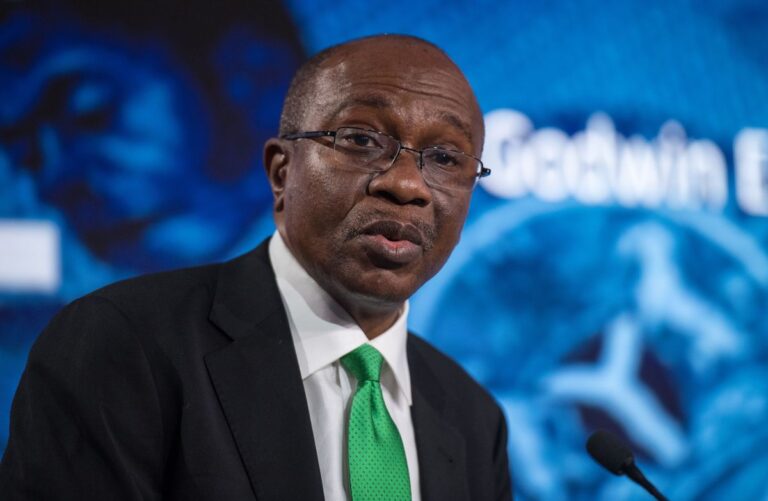
The CBN Governor, Godwin Emefiele, who spoke after the end of the meeting, cited concerns of upward risks and price adjustments in a build-up to petroleum subsidy removal, rising prices of other energy sources, continued exchange rate pressure and uncertain economic climate as conditions that informed the upward adjustment of the policy rate.
Emefiele, explaining how the MPC members arrived at the new rate, said 10 members voted to raise the MPR to 50 basis point, one member voted to leave the MPR at 25 basis point, while one member voted to retain the old rate.
He noted that all members voted for other parameters to remain constant.
Summarily, the MPC voted to raise the MPR to 18 per cent, leave the assymetrical corridor at +100/-700, hold the cash reserve ratio at 32.5 per cent, and also hold liquidity ratio at 30 per cent.
The CBN governor observed that the committee deliberated on the naira redesign policy, frequent down-time in transfers in banking channels, and glitches in online payments, noting that these areas were being addressed to lessen the economic burden on the people.
He observed, however, that the naira redesign policy had led to an inroad into the apex bank’s cashless policy programme.
Increase in the monetary rate is always bad news for the average Nigerian; this time, the inflation rate currently at 21.91 per cent is expected to head north as prices of goods and services react to the new monetary rate.
The chief economist, Coronation Merchant Bank, Chinwe Egwim, who spoke on the impact of the development on the economy, feared it would, indeed, increase borrowing costs.
“The MPR is a tool to tackle inflation. The concerns raised by the CBN governor on legacy infrastructure gap affecting food price is expected. This is part of the reason why the interest rate is high to manage inflation and cost of borrowing,” Egwim said.
She noted that high energy prices should be expected, advising that small scale businesses would have to sustain cost management posture to enable them be in business.
The economist said, “SMEs should adopt innovative changes at this time and expand their investment portfolio to enable them generate additional income.”
On the global scale, she noted that the international capital market would remain expensive for Nigeria considering its high appetite for borrowing, and considering the rate hikes by European central banks and other global lenders.
She also stressed the importance of the monetary and fiscal policy aligning together.
A development economist, Kelvin Emmanuel, told The ICIR that the hike in rate would have consequences on the real sector part of the economy.
Emmanuel said, “The decision to hike MPR by 50 basis points in a continuous attempt to align the inflation to interest yield curve and maintain a band of 400 basis points, while it might seem to be a good way to prevent a negative real return on yield for institutional capital, has a counter-productive impact on the cost of capital to the real sector.
“And this is because producers pass on to end consumers the higher cost of capital for production. In attempting to solve one problem of negative return on yield, the MPC is creating another problem of a hike in demand pull inflationary buffers for the consumer price index.”
THE United States (US) has threatened sanction on masterminds of violence and voter intimidation during the March 18 governorship and state assembly elections in Nigeria.
In a statement posted on its website, the US Consulate in Nigeria said it “witnessed some of the these incidents first hand” in Lagos, kano and other states.
“The United States is deeply troubled by the disturbing acts of violent voter intimidation and suppression that took place during those polls.
“The use of ethnically charged language before, during, and after the gubernatorial election in Lagos was particularly concerning,” the statement said.
While calling on the Nigerian authorities to bring those involved in intimidating voters and suppressing the voting process to justice, the US Embassy threatened sanctions on those found guilty of the acts.
“The United States likewise will consider all available actions, including additional visa restrictions on individuals believed to be responsible for, or complicit in, undermining the democratic process in Nigeria.”
The Consulate commended “all Nigerian political actors, religious and community leaders, youth, and citizens who have chosen to reject and speak out against such violence and inflammatory language, affirming Nigerians’ commitment to and respect for the democratic process”.
The statement urged those challenging the election results to go through the established legal processes “which must not be interfered with”.
However, the US observed operational and technical improvement on the February 25 presidential and National Assembly elections during the state polls.
“Polling stations generally opened on time and most results were visible on an electronic viewing platform in a timely manner,” the statement said.
Earlier, The ICIRreported how several election observers deployed to monitor the March 18 gubernatorial and state assembly elections across states in Nigeria suffered one form of assault or the other.
The report identified security operatives, political thugs and a federal lawmaker as some of the perpetrators of the assaults.
TWO Nigerians abroad have shredded their Nigerian passport booklets and denounced their citizenship in protest over the conduct of the 2023 general elections.
Separate videos posted by @Gidi_Traffic and @Ogundamisi, which have gone viral show two men who said they had lost faith in the country after observing how the highly criticised Nigeria elections were carried out and for that reason, no longer wanted to be associated with the country.
Many have expressed their thoughts on the act of destroying the Nigerian document ranging from hilarious to solemn.
@deoluakinyemi, a Nigerian cleric wrote on twitter: “I also have a few expired passports I can tear. We need to see the names and dates so that people don’t make mistake.”
A Nigerian lawyer and social entrepreneur, Brian Jude, residing in Texas, United States, also reacted: “Una don come again. To collect a new passport at Atlanta office usually takes around 3-7 years. Think before you do.”
The videos also caught the attention of the Special Assistant to the President on New Media Tolu Ogunlesi, who explained that it was not the passport that made one a Nigerian citizen.
“Millions of Nigerian citizens do not have passports. The only way to stop being a Nigerian citizen is to follow the due process of citizenship renunciation, not by tearing or burning your passport, which is a crime by the way,” Ogunlesi said.
The spokesperson for the Nigerian Immigration Service Tony Akuneme, could not be reached for comments as of the time of reporting, but a senior staff of the office who does not want to be named because she is not authorised to speak on the issue, said that the passport document remains a property of the Nigerian Government, not the person to whom it is issued and may only be legally destroyed by the government.
Checks by The ICIR revealed that while renouncing Nigerian citizenship is a constitutional right afforded to citizens above the age of 18 years, the process is not as easy as tearing one’s passport, an act that is in fact, counterproductive.
However, the power to approve renunciation or restoration of Nigerian citizenship is the sole prerogative of the President, as enshrined in Chapter III, Article 29, sub. Section 1-2, of the 1999 Constitution of the Federal Republic of Nigeria, as amended.
Nigerian Missions abroad can only facilitate such applications but do not hold the ultimate decision and prospective applicants must fulfil certain basic requirements.
These include a formal application letter duly signed by the applicant, a duly completed application form provided by the Mission, an affidavit for renunciation of citizenship in a Nigerian court and two copies of recent passport photographs.
Other requirements are applicant’s original letter of identification from the Local Government Area of origin, evidence of alternative citizenship, original birth certificate, and original Nigerian international passport and fee payment receipt as may be determined by the Mission.
SIX drug traffickers have been sentenced to a total of 156 years imprisonment for offences bordering on drug dealing, transportation and conspiracy to transport illicit substances.
The cases were filed against the convicts by the National Drug Law Enforcement Agency (NDLEA).
This was disclosed in a statement released on Tuesday, March 21 by the spokesperson of the agency, Femi Babafemi.
According to the statement, one of the victims, 27-year-old Ahmed Abdulsabur, was arrested in 2022 by NDLEA operatives and prosecuted in charge number FHC/AB/20C/2022 at the Federal High Court, Abeokuta, presided over by Justice Joyce Obehi Abdulmalik.
“Delivering her judgment on the six counts charge brought against Ahmed, Justice Abdulmalik convicted and sentenced him to 10 years imprisonment on each count, bringing the total number of his in jail term to 60,” the agency stated.
In a similar ruling, Justice Abdulmalik also sentenced another dealer, Olumide Elegbede, 32, to 20 years jail term, ten years for each of the two counts of the charge brought against him in charge number: FHC/AB/128C/2I.
The judge ruled that the years of imprisonment in both cases will run concurrently.
At the Federal High Court in Lagos, the quartet of Okechukwu Umeh, Lanre Adebayo, Adigun Adeshina and Emmanuel Omijeh were arraigned on three counts in charge numbered FHC/L/87C/2023.
“The trial judge, Justice Akintayo Aluko, on Thursday 16th March, convicted and sentenced each of them to five years on count one; seven years each on counts two and three. This brings the total number of years for each of them to 19 years jail term and the four of them to 76 years imprisonment.
“While the judge ruled that the sentences should run concurrently, he also gave the four convicts the option of paying N20 million in lieu of the jail terms. This is in addition to granting the application by the NDLEA for the final forfeiture of a white colour Ford bus with registration number: PHC 315 ZT, used in conveying 532. 8 kilograms of the Loud variant of cannabis on the day of their arrest, Sunday 22nd January 2023 along Lagos/ Ibadan expressway,” the NDLEA stated.
The NDLEA added that the court also granted the final forfeiture of N3 million offered as a bribe by the convicts to its officers.
The agency said the drugs concealed in ‘take away’ food packs in 19 big cartons were seized in the white Ford bus heading to Port Harcourt, Rivers State, along the Lagos-Ibadan expressway at 2:35 am on Sunday, January 22.