Home Blog Page 2102

REPORT: Eight of 33 FCT judges nominated by NJC are children, relations of Justices

OF the 33 newly recommended Federal Capital Territory (FCT) judges by the National Judicial Council (NJC), at least eight of them are either children or relations of current or retired justices of Supreme and Appeal courts, The ICIR findings have revealed.

The 33 individuals are among the 64 judicial officials for states including the FCT High Courts recommended for appointment by the NJC in a document dated April 22, 2020, and released on April 26.

The appointment of the nominees has been characterised by controversy especially by those who believe their selection is not based on merit but on the strength of the influence of their fathers, mothers, or relations who, at one time or another, have been senior judicial officers.

One of the critics who have condemned the FCTA judicial authorities on its nominees is Silas Joseph Onu, a former Publicity Secretary of Nigeria Bar Association (NBA), Abuja chapter.

Onu argued that the nominated candidates lack the requisite qualities needed for the job.

“Some of these privileged children are magistrates with questionable qualities for the job, yet they got elevated ahead of known magistrates who have served for a longer period with years of experience and dedication to duty,” Onu said in a report.

His position is not different from that expressed by Open Bar Initiative, OBI, a platform run by a group of legal practitioners, who in three separate petitions called for the cancellation in what is believed to be “judicial insider dealing”.

The co-conveners of the group are Silas Onu and Chidi Odinkalu, former chairman of the National Human Rights Commission (NHRC).

Another point of concern raised by OBI is why the FCT High Court Chief Judge, Justice I.U. Bello, had earlier announced that they were in the process of appointing 15 new judges, only for NJC to release a list containing 33 names, representing a 45 percent increase.

The petition also alleged that some of the nominations were in clear “violation of applicable NJC rules for selection and appointment of superior court judges,” adding that one particular name, Olufola Olufolashade Oshin, who was not on the list of shortlisted candidates was added at the 11th hour.

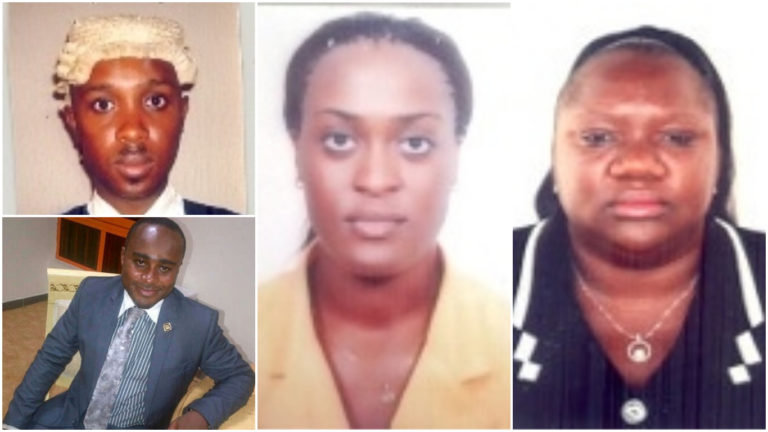
In addition, it was also found that at least eight out of the 33 nominated persons are directly related either by blood or marriage to current or retired justices.

Nominees and their family ties

Njideka Nwosu-Iheme
Njideka Nwosu-Iheme
CREDIT: FCThighcourt.gov

Njideka Nwosu-Iheme, 36, who is the daughter of Justice Mary Odili of the Supreme Court, is one of the names on the list. Nwosu-Iheme was appointed into the FCT Judiciary in March 2015 and currently serves as Magistrate I at the Wuse, Zone 6 Magistrate court.

Fatima Abubakar Aliyu

Another name on the heavily criticised list is Fatima Abubakar Aliyu, 35, a judicial worker, who is the daughter of the immediate past president of the Court of Appeal, Justice Zainab Bulkachuwa.

While little is known of Aliyu’s service in the judiciary, her mother on the other hand retired after 45 years in the judiciary.

She was the first woman to be appointed President of the Nigeria Courts of Appeal. As president, Bulkachuwa wielded enormous constitutional power, appointing judges and presiding over election petition tribunals across the country.

Hafsat Abba-Aliyu

Forty two-year-old Hafsat Abba-Aliyu was sworn in as a Magistrate I for the FCT judiciary in March 2015. She is the daughter of Justice Uwani Abba-Aji of the Nigerian Supreme Court.

While Abba-Aliyu’s service in the FCT judiciary is still in the early stages, her mother, Justice Abba-Aji has quite a high profile resume.

Prior to her elevation as a Supreme Court Justice in January 2019, Abba-Aji served as acting Senior State Counsel in 1984, Senior Magistrate II in 1986, Senior Magistrate I in 1987, Chief Magistrate II in 1989, Chief Magistrate I in 1991 and Chief Registrar in November 1991.

She was appointed judge of Higher Court in Yobe State Judiciary in December 1991, making her the first Lady Judge at Yobe State Judiciary, a position she held until July 2004 when she was elevated to the Court of Appeal.

Mimi Anne Katsina Alu-Apena

Mimi Anne Katsina Alu-Apena, 46, is the daughter of late Justice Aloysius Katsina-Alu, a former Chief Justice of Nigeria who died on July 18, 2018.

Ibrahim Mohammed

Ibrahim Mohammed
CREDIT: FCThighcourt.gov

Ibrahim Mohammed, 40, is the son of a former grand-khadi of the FCT.

He hails from Buji LGA of Jigawa State and was appointed into the FCT Judiciary in May 2005. He currently serves as Senior Magistrate II at the Wuse Zone 6 magistrate court.

Kanyip Rosemary Indinya
Kanyip Rosemary Indinya
CREDIT: FCThighcourt.gov

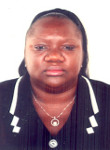
Kanyip Rosemary Indinya is the wife of the President of the National Industrial Court, Justice Kanyip. She is also sister of a member of the National Judicial Council.

Hails from Donga LGA of Taraba State. She was appointed into the FCT Judiciary in 2004 and currently serves as a Chief Magistrate II in Bwari.

Nwabulu Chineze

Currently serving as a Deputy Director at the FCTA,  57-year-old Nwabulu is said to be a sister to the presiding Justice of the Court of Appeal, Akure, Ondo State. She is ranked an ACR under the department of Return of Cases.

Enenche Eleojo
Enenche Eleojo
CREDIT: Linkedin

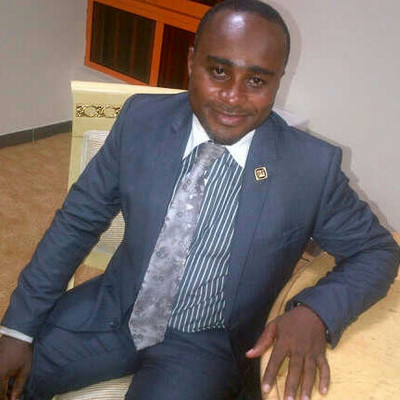
46-year-old Eleojo serves as an Assistant Director at FCT High Court and also a personal assistant to the Chief Judge of the FCT High Court.

NJC’s policy

In Rule four of the NJC procedural rules, it is indicated that certain classes of lawyers are qualified to apply and be recommended as judges of a high court.

The rule states that they must be either legal practitioners in private practice, legal practitioners in public service, chief registrar of a court, or chief magistrates.

Curiously, in Section 255 of the constitution of the Federal Republic of Nigeria, 1999 (as amended), to qualify to becoming a judge in the High Court of the FCT, one must obtain a minimum of 10 years qualification as a legal practitioner.

Out of 33 listed candidates, only 11 meet the criteria set out in the employment guideline of the council, and 22, representing 66 percent, are yet to meet some of the specified requirements.

OUR ERROR
We misidentified one of the nominees, Mohammed Idris Sani Kutigi as son of the late Justice Idris  Legbo Kutigi, former Chief Justice of Nigeria. The nominee is not the son of the late CJN. The error is regretted.

The burden of unpaid care work amidst Covid-19 and the expansion of gender inequality

Busola AJIBOLA


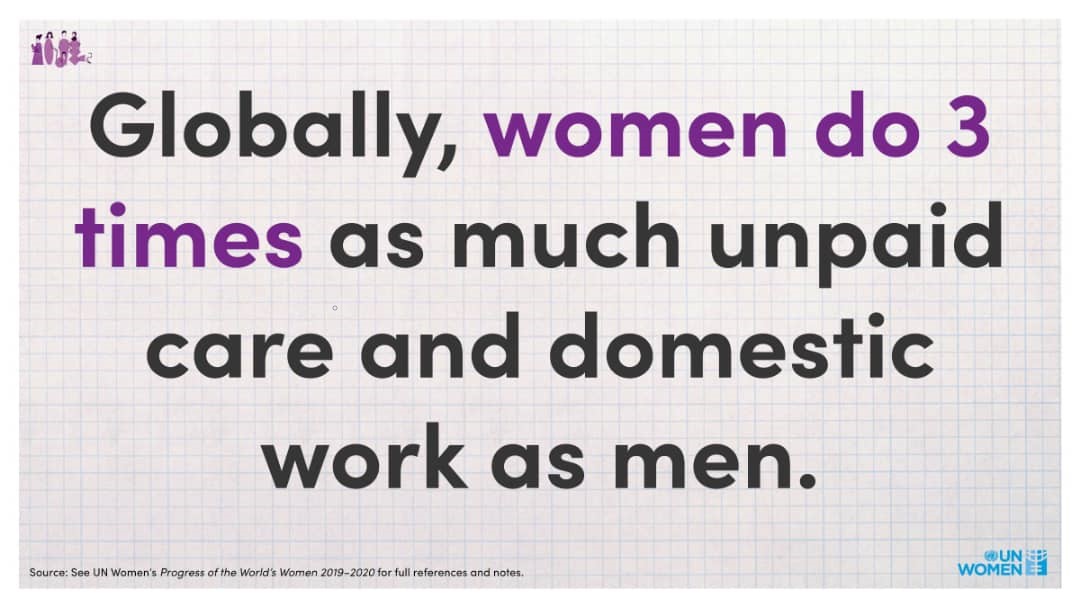
IN response to the COVID-19 pandemic, governments around the world adopted lockdowns and social distancing as parts of measures to reduce the spread of the coronavirus. One of the after-effects of this is a rise in the need for unpaid care work – a service largely provided by women and one of the factors that fuel inequality between genders.

Encompassing works like cooking, laundry, fetching water, child-care (homeschooling inclusive), care for the sick, care for the elderly and more; care work is the oil that greases the engine of society. It ensures the smooth functioning of human societies, preventing them from descending into chaos. The designation of care work as belonging to women and girls stems from gender stereotypes and is erroneous. To be clear, beyond the biological aspects of reproduction, the notion that care work is an obligation to be fulfilled by women and girls is nowhere indicated on their anatomies.

According to Oxfam International, the monetary value of care works contributed daily by women and girls is put at $10.8trillion annually. This triples the sum generated by the tech industry and shows how central the contribution is to economic development. Women and girls put in 12.5 billion hours every day to get the work done. But despite its efficiency and essential nature, care work remains invisible, undervalued, and are unremunerated in Nigeria.

Although at the slow progress, efforts committed to empowering women and girls towards the attainment of gender equality have yielded continuous progress. More women have emerged beyond the traditional roles of housewives/mothers to outstanding professionals in various fields. With this major shift, women are armed with equal skills and capabilities as men, and they contribute in equal measures to the workforce, leadership, and social development. They are also co-providers or breadwinners in homes.

Unfortunately, the burden of paid work has not in any significant way reduced the burden of care borne by women. Care works aren’t going anywhere. They would exist as long as we have human societies. The ideal response would be to have them distributed among individuals living in a household — men, women, boys and girls.

The reality, however, is that women, whether they work in the informal or formal sectors bear a double burden of working in private spaces as much as they work in public spaces. Affluent and middle-class women get the work done in proxy by hiring domestic help. Even in these instances, they are responsible for giving directives.

Research has shown that abandoning care work in women’s terrain undermines their fundamental rights, limit their opportunities, capabilities, and their choices. It inhibits their empowerment as the large amounts of time they spend doing these invisible work prevent them from fully participating in the political, civil, and socio-economic spheres. In that sense, we see how care work accounts for the exclusion of women in public and social spheres. The impacts must be worse for women in poverty.
There are also health challenges associated with bearing the burdens of care.

For instance, women who become overwhelmed with such work do not get leisure or self-care time. They are physically stressed and suffer exhaustion. In addition, combining unpaid care work with paid work has been known to trigger mental health issues resulting from the pressure on them to succeed ‘all-round’ – what is generally referred to as work-life balance rather than work-life management. In trying to strive for a balance, several women admit to experiencing severe burnouts.

What is worse? COVID-19 pandemic, the UN says will impact women in more severe ways! The disruption of the education sector means parents will be unable to outsource child care. As a result, a good number of women will be forced to choose between earning money and staying back home to take care of their children. Again, the “heightened care needs for older persons and overwhelmed health services all mean more unpaid and/or underpaid work for women!

Bear in mind, that until now the massive efforts put in day-in-day-out into care work are without financial rewards. Given the patterns consistently experienced in crisis and pandemics, an increase in demand for care work will have even higher effects on women’s lives and their lifetime earnings. This economic dynamic will further widen the gap of income inequality – making poverty more feminine. An unintended consequence of this will be a spike in cases of violence against women. Lack of financial independence has always made women more susceptible to abuse. Other likely consequences are discrimination and exclusion. And all of these could accumulate to a greater threat – a rollback in the gains that have been made over the years in the area of gender equality.

Rethinking Gender Response to Covid-19
Responses to Covid-19 in Nigeria must acknowledge the significance of care work engaged in by women, before now, and especially at this time. Our responses must include an evaluation of the specific contribution of care work to societal development. To achieve this, there is a need to accumulate data on various dynamics of care work. The media and civil society groups can help in this regard by generally mainstreaming gender into their works, and more importantly, perspectives on how Covid-19 has aggravated care work and how this is affecting women and girls at various intersections of their identities – social class, economic status, physical abilities and so on.

Availability and access to such gender statistics will help inform and guide policies that will address the attending challenges of unpaid care work, and domestication of women. By the way, is Nigeria still too underdeveloped to begin to consider the option of paid-care especially in the form of child support benefit? At least for up to two children?

The time to ramp up advocacy on caregiving as a gender-neutral work that must at all times be distributed is now. The advocacy should focus on reorienting men, boys and other members of the family to take up fair shares of care work. Testimonies of such interventions designed by Action Aid are proof of how women’s and men’s perception of care work can change and how this can transform human lives and societies altogether.

Since care work has been found to be the missing link in the analysis of gender gaps in workforce participation, wages, and the quality of job delivery. For example, motherhood penalty, is a term used to describe the sporadic decline in earning powers that women experience when they have children. And according to research, women confront this penalty for up to twenty years after the birth of their first child.

Unfortunately, the lockdown period will likely see us recording a hike in unplanned pregnancies and childbirth. We know this because according to Women Deliver sexual and reproductive health and rights of women which include modern contraception, safe abortion, maternal health services and safe childbirth, telemedicine are less prioritized during crisis and pandemics. In the process of providing emergency responses, the essential health and social services for girls and women are defunded, causing their health and sexual rights to become threatened. We envisage an impact of these on the experiences of women in the workforce during and post COVID-19.

For these reasons, COVID-19 interventions on labor must be gender-responsive. Policies in workplaces should include supports like paid maternity, parental leave (although varied, but for men and women), and remote work options for nursing mothers. If anything, the COVID-19 pandemic has proven that lots of work can be done remotely with the aid of several technological tools. Where remote work options are unavailable, organisation and corporate bodies should commit to providing crèches to improve mother and child proximities.

There is a need to confront the subtle exclusion that women experience in the workforce because they are pregnant or because they are nursing. The discrimination they battle at job entry levels as consequences of their reproductive functions and not because they lack the skills and capacities for such openings must be addressed. Such barriers should be replaced by gender transformative policies that are designed to support and equip women with the skills they need for professional development and leadership. Here, the approach to achieving gender equality must incorporate equity.

We must also ensure that young girls are not held back in homes as care providers. The possibility of this is very high with schools and daycares remaining closed as parents resume work and earn their living. In the long-term, such girls may be denied access to education, especially the skill set and capacities they need to effectively participate in the future where work will mostly be artificial and digital.

Busola Ajibola is an advocate of women’s and girls’ rights on issues of equality, social justice, elimination of violence, and inclusion. She writes from Abuja.

Injustice is the core of escalated violence in Nigeria – Global Rights discussion

THE escalation of violence in Nigeria has been attributed to injustice meted out to some individuals or groups in Nigeria, according to a group discussion on human rights.

During the meeting organised by Global Rights, a civil society organisation based in the United States of America ahead of the National Mourning Day in Nigeria.

The digital conference themed Not Yet at War: A quick examination of the threshold of violence in Nigeria held on Wednesday had several human rights organisations in attendance discussing the level of violence in the country.

Chris Kwaja, United Nations Human Rights Council rapporteur said that every violence either large or small scale has an agenda behind them.

He said although not all violence are revenge-driven but most times, individuals or groups who felt injustice has been meted out to them come back as militant groups.

Kwaja said the individuals feel they do not have access to justice and since they’ve seen people get away with crime, they also can do the same.

“The way victimhood is addressed in Nigeria is the cause of the level of Violence we now have in Nigeria,” Kwaja said.

He likened violence in Nigeria to a Chinese or Indian movie when a teacher is killed and 30 years later the student comes back to hunt the killer of his teacher.

Kwaja added that violence has been democratised in Nigeria as each region has its own form of violence.

‘In the North East you have insurgency, North central you have kidnapping and Farmers-Herdsmen clashes, in the Southeast you have Independent People of Biafra (IPOB) and so on,” he said.

Cheta Nwanze, a lead partner with SBM intelligence who is one of the panelists lamented the level of military engagement with perpetrators of violence in the country.

He said the military are taking over policing from the Nigeria Police Force hence the constant news of killing of soldiers.

“Military are taking over policing and when perpetrators are having constant engagement with the military it helps them build their confidence,” Nwanze said.

He noted that ungoverned spaces are also part of reasons for escalated violence in the country.

He said in many states in Nigeria, there are concentrated development and governance as mostly governance doesnt spread beyond capital of states.

The Executive Director of Global Watch, Abiodun Baiyewu in her remarks said the country’s threshold of violence is abnormal when conpared to countries that are at war.

She faulted the government for not doing well enough to protect lives and properties which is their primary objective.

According to Baiyewu, Nigeria has been so far ruled by mafia and not leaders.

“We have been governed by mafia and not leaders, there has been a succession of mafia to mafia,” she said.

Baiyewu noted that the country has continued to lose soldiers and police officers who are supposed to protect the citizens because even the security officers are not protected.

Blackout looms as electricity workers threaten to down tool

ELECTRICITY workers under the aegis of the National Union of Electricity Employees (NUEE) on Wednesday, protested the presence of security operatives in their office premises across the country, threatening to suspend work activities nationwide. 

The union, during a protest at the Ministry of Power, Abuja, held placards that stated their demands.

Comrade Wisdom Nwachukwu, who spoke on behalf of the demonstrators, disclosed that members of the union spread across the country got to their respective offices to meet security operatives waiting at the work premises.

Describing the action as militarisation of civil space, the electricity workers criticised the decision of Mamman Saleh, Minister of Power which led to the sack of Usman Muhammed, former Managing Director of the Transmission Company of Nigeria (TCN).

Mamman had on Tuesday 19th April, announced the removal of Muhammad as MD TCN, and replaced him, with Suleiman Abdulazeez. The new MD was appointed in Acting capacity, alongside four new Directors.

“While we commend our members for their response to the sad action of the minister, we urge them to remain on their work bits but should not fail to pull out should the work stations be militarised as witnessed in some locations today,” Comrade Ayodele Kolade, NUEE Zonal Organising Secretary stated in a document signed by Joe Ajaero, the General Secretary.

The union queried the rationale behind Muhammed’s removal amidst the Coronavirus Disease (COVID-19) pandemic, stressing that the purported feats so far achieved in the sector were courtesy of the outgone MD.

According to the labour union, the group had repeatedly expressed concerns on the idea of handling what it described as the ‘very sensitive,’ part of the nation’s power sector to Siemens, which had reportedly failed thrice in delivering the SCADA/EMS contract awarded to it.

In July, last year President Muhammadu Buhari signed an agreement with Siemen to deliver 7,000 Megawatts by 2021 despite several concerns.

“The Minister’s action which may have taken the power sector 30 years backward may not be unconnected with the impending Siemens contract racketeering which the Union has raised alarm to Nigerians but he is bent on reaping-off the people,” Kolade said.

They, however, challenged the minister to a public debate on national television, while questioning his capacity to really transform the sector.

Minister: Labour lacks right to cause blackout

In his reaction,  Aaron Arithmas, Media Aide to the Minister told The ICIR that the Minister is at liberty to work with any person he deems fit to improve efficiency, stressing that the workers lack the right to suspend work.

Aaron said there was a protest, but it did not last for 30 minutes. According to him, the labour actions could not amount to a nationwide blackout as the power system involves a process from the Generation Companies to Transmission and Distribution Companies.

“…the DISCOS are the tactical end of where services are provided to consumers all over the country. You won’t tell me the protesters would report to DisCos and protest against the removal of TCN director,” he said.

“TCN is in charge of infrastructure and all transmission lines all over. Are they going to shut down the Gencos or Discos. Where are they going to shut down?” he queried.

Aaron who described the demonstration as insignificant, added that only the senior employees were against the MD’s appointment, adding that the junior workers were in support.


“As I speak to you, only the senior staffs are at work from level 14 or so. But there was no tension. The Police were there to quell tension to take precautionary measures. They didn’t attack anybody and nobody was attacked.”

Four in every 10 persons tested for COVID-19 in Nigeria is from Lagos

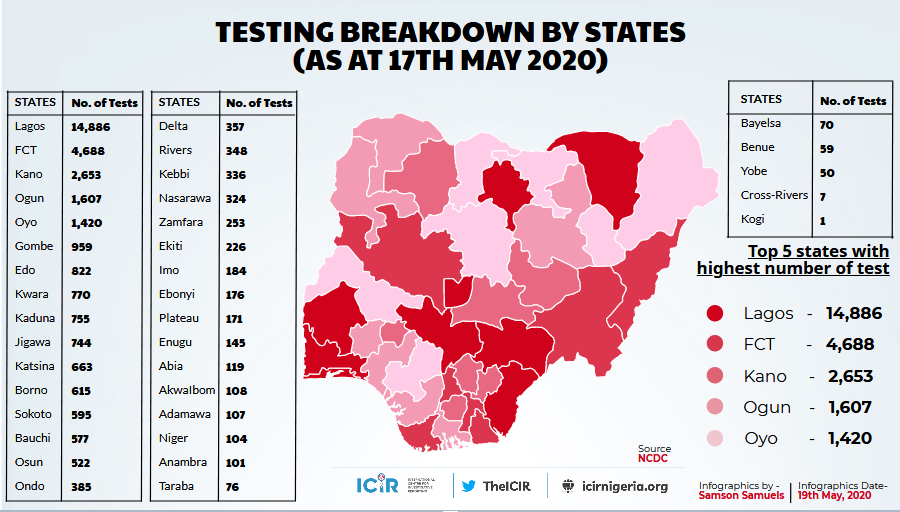
LAGOS state has conducted 14,886 Coronavirus disease (COVID-19) tests, representing 41.37 per cent of the entire tests done in the country, according to data from Nigeria Centre for Disease Control (NCDC).

The data, as of May 17, shows that a total of 35,983 tests have been carried across the country.

The top five states with the highest number of tests conducted are Lagos, Federal Capital Territory (FCT)-4,688, Kano-2,553, Ogun-1,607, and Oyo-1,420.

A breakdown of the data by the number of confirmed cases showed that while Kano (2,553) had conducted fewer tests than the FCT (4,688), the number of confirmed cases in Kano (825) is almost double of the FCT (418).

On May 13, the Kogi state government had said 111 residents were tested for COVID-19 but that the tests returned negative, this is contrary to the NCDC data that revealed that after three months when Nigeria recorded its index case, just only one test has been carried out in Kogi state with no confirmed case yet.

Kingsley Fanwo, Kogi state’s commissioner for information and communication strategy said “Kogi state got testing kits independently but followed NCDC guidelines. One hundred and eleven COID-19 rapid tests were conducted in Kogi state yesterday and all results came out negative.”

Lagos state government, on April 19 had set up sampling stations in the 20 local government areas of the state for citizens who fit the case definition of COVID-19 to visit and drop their samples for testing.

This aggressive testing strategy has helped the state in identifying cases, making it the state with the highest number of confirmed cases in the country with 2,624 cases.

Nigeria is still lagging behind in terms of testing across the continent.

However, the NCDC has as at May 16 activated another molecular laboratory at the Accunalysis Diagnostic Centre, Anambra bringing the number of laboratories for COVID-19 testing in the country to 26.

In terms of tests per million, Nigeria continues to dip down as it ranks 39th in Africa.

While testing remains critical, public health officials across the world, including the World Health Organisation (WHO) have linked the importance of testing of the pandemic to quick identification of cases, quick treatment for those people, immediate isolation to prevent spread, and identification of persons who came into contact with infected people so they too can be quickly treated, two months after the first case was confirmed, Nigeria is not still testing enough.

Tedros Ghebreyesus, WHO Director-General, announced this recommendation in March.

“We have a simple message for all countries: test, test, test. Test every suspected case. If they test positive, isolate them and find out who they have been in close contact with up to 2 days before they developed symptoms, and test those people too,” he said.

COVID-19: Bauchi Gov suspends lockdown, open worship centres, Eid- ground

By, Haruna Mohammed Salisu


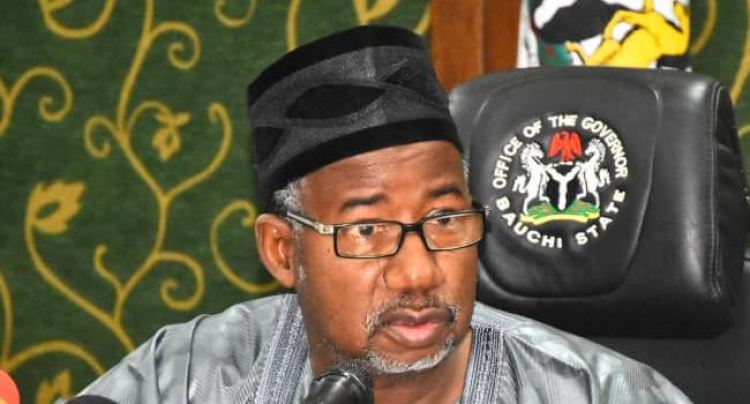
Bauchi State Governor says the State has resolved to suspend the partial lockdown initially put in place to tame the spread of the dreaded Coronavirus.

The governor stated this during a stakeholders’ meeting housing religious and traditional leaders which took place at Command Guest Palace, Bauchi.

He said the suspension of the partial and total lockdown of some parts of the state will take effect from May 21, 2020.

According to him, markets and places of worships are allowed to open, while the ban on commercial motorcycle operators remains.

Bala who said Sallah festivities will hold in a low key, without horse riding noted that the curfew from 8am to 6pm recently imposed across the country by the federal government is still in force.

He said that the restrictions in the number of passengers to be taken by commercial drivers and Keke NAPEP operators, closure of schools remained intact, while physical distancing and other measures is to be sustained.

“Allah in his infinite mercy has made this thing to nosedive and today we have the least number of those in hospitals compared to those that have been discharged. From all indications, Allah has answered our prayers.

“We were not doing the lock down because we want to punish anybody but we wanted this thing to come down, and it has come down,” he explained.

The governor who recalled that WHO has warned that the disease may not go completely and people have to live with it, added that Bauchi has successfully managed the disease with its array of technocrats, health workers that have sacrificed so much.

“We have always come here as stakeholders and discuss issues relating to COVID-19 committee that is headed by my brother, the deputy governor, Senator Baba Tela and he has briefed me on some of the discussions we have had here.

“There was a spike in the rising pandemic in the northern part of the state and we took responsibility to lock down completely, the three local governments of Katagum, Giade and Zaki,” he added.

Bala explained that Zaki was locked down because of its proximity with Hadeja of Jigawa state where the incident of coronavirus was prevalent while Katagum was locked down because there were more infections than Bauchi town whereas, 8 cases were recorded in Giade local government.

“So, we have to send experts after the total lockdown, headed by the chairman of the committee in those areas, and they were there for three, four days, while we established a mini rapid response team with the other committees that we have, the committee sat down in Katagum and make sure that the spike has been flattened, not only flattened but it has nosedived,” he said.

The governor who expressed delight that the lockdown has work very well said government has commenced the distribution of palliative in Katagum, Zaki and Giade local government areas of the state where the total lockdown is in force.

He said that the state will soon have its own testing center, adding that the work on the center has reached 80 percent completion.

The governor who said one positive case of the virus have been reported today, Wednesday in the state added that the state has a total confirmed cases of 225, total number of discharged stood at 127 and 93 cases are currently active.

The stakeholders that include traditional leaders, religious leaders, union leaders, government officials, amongst others unanimously took part in the decision to lift the lockdown.

All those who spoke at the meeting commended the governor for the measures taken to contain the spread of the virus, pledging continued support to the government.

Does Nigeria care more about its debt profile than its citizens?

By, Paul Adeyeye


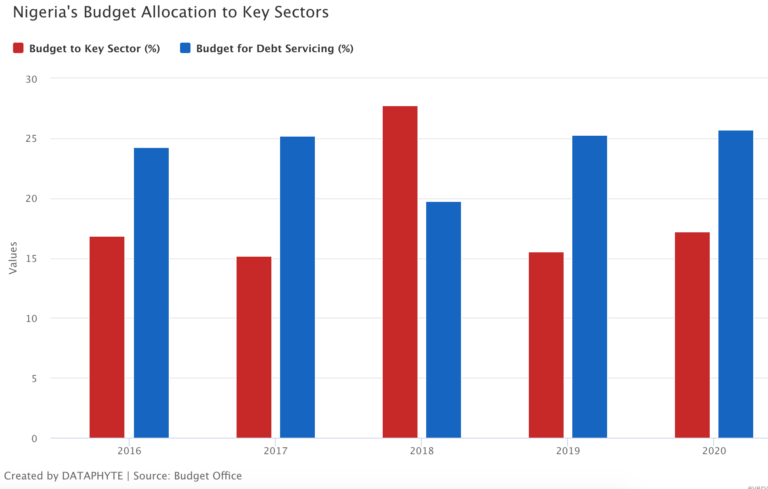
A recent DATAPHYTE occasional paper revealed that budgetary provision to some of the top five most critical sector’s of Nigeria’s economy accounted for only 17 percent of the initial 2020 budget. While these five key sectors (Agriculture, education, health, infrastructure [power, works and housing], and security) compete for less than a fifth of the total budget size, allocation to debt servicing was over 25 percent of the total budget size for the same year.

In the last five years, budgetary allocations to these key sectors average at 18.5 percent of the total budget. Except for 2018 where the allocation to these sectors exceeded a fourth of the total budget size, these sectors have not enjoyed as much as 20 percent of the annual budget share since 2016.

Comparatively, budgetary provision for debt servicing averaged at 24.02 percent between 2016 and 2020. Except for 2018 when only 19.73 percent of the budget was earmarked for debt servicing and 2016 that had 24.25 budget share for the same, the budget share for debt servicing has persistently occupied over a fourth of the total budget size since 2016.

But this background appears to be elusive of the reality that Nigeria’s debt-to-gross Domestic Product (GDP) ratio is not so critical and the huge investment in debt servicing may be mismatched. Not too long ago, the International Monetary Fund revealed that despite Nigeria’s rising debt level, its debt-to-GDP ratio, which stands at about 28 percent, is still below the average in Africa.

Unimpressive development indicators

On the other hand, Nigeria’s Human Development Index (HDI) measures considerably low. Also, the country’s performance by Quality of Life (QoL) measurement is staggering. The 2018 Nigeria Demographic and Health Survey report, revealed that as much as 42 percent of Nigeria’s rural population lacked access to safe drinking water. In urban areas, about 26 percent of the population lacked access to an improved source of drinking water. Also, about 44 percent Nigerian households did not use improved sanitation facilities. Electricity reach to Nigerian households was only about 59 percent. As much as 69 percent and 17 percent of rural and urban households respectively lacked access to electricity.

In addition to these, 36 percent of females and 27 percent of males in Nigeria have no education. The net school attendance ratio (NAR) was 61 percent at the primary level and 49 percent at the secondary level. Other HDI and QoL measurements do not indicate a much better outlook for the country. With 95.9 million Nigerians living in extreme poverty and the country’s unemployment rate of 33.5 percent, Nigeria has a gloomy outlook in its overall development performance.

The Role of the Nigerian Legislative Arm

Despite this gloomy outlook, Nigeria invests less in its critical sectors. This raises questions on the country’s budget process and its commitment to the course of development. Moreover, this low investment calls to questions the budget oversight role of the Nigerian legislature. This also generates a question on the items the National Assembly looks out for when ratifying the budget. It all appears the National Assembly has failed in delivering the best of life to the citizens.

Nevertheless, beyond the ‘failure’ is the urgent necessity of repositioning Nigeria’s revenue within citizen’s real needs. Already, the coronavirus pandemic continues to expose the failures of leadership in Nigeria as well as some of the limitations of Nigeria’s current operational framework. Yet, the National Assembly has said little in response to the crisis

What has to be done

Amidst the current global crises that have continued to show Nigeria many of its deepest sores is a calm appeal for the country to retrace its steps and redefine its realities. For instance, the recent oil market fluctuations have resulted in a more common consensus on the need for economic diversification. Similarly, the current pandemic has improved the government’s perception of the crises in its health sector.

To make the most of the time, Nigeria must make a deliberate effort to redefine its realities. This should involve prioritizing citizen’s critical needs. Budgetary provision for infrastructure, education, health, security, and the employment generating sectors should be increased.

In addition, the legislative arm of government should ensure diligence in the process of budget approval to guarantee maximum satisfaction of citizen’s critical needs. International conventions such as the Abuja Declaration of 2001 that recommends a 15 per cent budgetary allocation to the health sector, as well as UNESCO’s Education For All recommendation, should also be adopted in the budget process within practicable limits.

REPORT: Many controversial statements of MURIC’s Ishaq Akintola

ISHAQ Akintola, founder of Muslim Rights Concern (MURIC) several times has been in the eye of the storm, especially because of many press statements he issues on behalf of his organisation which according to him are in defence of the Nigerian Muslims.

Often, the professor of Islamic Eschatology has made spurious allegations as well as unguarded statements capable of causing disharmony and creating tension among people of different religious beliefs in the country. 

In this report, The ICIR compiles some of such statements made at different occasions by Professor Ishaq Akintola

Deaths in Kano meant to reduce Muslim population   

In April, Akintola alleged in a statement that went viral that the rising deaths in Kano State, which has now been confirmed to be from Coronavirus disease (COVID-19) by the Presidential Task Force, was a deliberate attempt to reduce the Muslim population in the state. 

In the statement, Akintola asked “Is this a deliberate attempt at debilitating the Northern population with its attendant impact on Muslim majority population in the country?

This comment made without evidence attracted condemnations from members of the public who described it as a ridiculous one coming from a professor who should understand better.

Despite the backlash that trailed his statement which many considered unguarded, Akintola again, in another press statement issued on May 5, said the death toll in  Kano from COVID-19 ought to be higher than that of Lagos, despite his previous attempt to downplay the number of death in Kano.

In the new statement he disagreed with the Nigeria Centre for Disease Control ( NCDC) and rejected the number of new cases of COVID-19 confirmed in Kano state. He questioned why cases in Lagos were higher than that of Kano after concluding that the deaths in Kano were tactics by the Federal Government to reduce the number of Muslim populace in northern Nigeria.  

“We beg to disagree. If all other figures are correct, that of Kano is unacceptable. Kano is presently known to be Nigeria’s epicenter of the pandemic. So how can Lagos be 62 and Kano is just 2? How can the figure for COVID-19 cases be 2 in a city where people are dropping dead? How can Kano’s figure be the same as those of Ebonyi, Nasarawa, Osun, Kwara and Plateau? We charge stakeholders to put their heads together on this simple logic.”

MURIC says Amotekun is ‘anti-Islam’ 

On January 17, 2020, Akintola was reported to have asked Southwest governors to change the name of the new regional security outfit recently set up to fight kidnapping and other crimes in the region on the ground that it was anti-Islam. 

Operation Amotekun was launched on Thursday, January 9, by the South-West governors in Ibadan, Oyo State. The South Security Network nicknamed Amotekun, a Yoruba word for leopard was an initiative of the Osun, Ogun, Oyo, Lagos, Ondo and Ekiti states government after countless cases of kidnapping and banditry in the states. 

Akintola’s MURIC argued that the name of the outfit as well as recruitment of its personnel was skewed against Muslims. He hinged his argument on the Bible’s Jeremiah 5:6 which says, ‘A leopard shall guard over their city’. He alleged that the name was chosen from the Bible verse thereby making it more of a Christian initiative.

Christians enjoy more holidays In Nigeria than Muslims  

Earlier in the same month, the founder of MURIC argued again that Christians in Nigeria enjoy more holidays than their Muslim counterparts.

“MURIC asserts clearly, categorically and unequivocally that Muslims are in bondage in this country. Why should one group get all the honey in the land while the other is ignored? We demand equal rights and justice,” Akintola had written in a press statement.

This came after the Christian Association of Nigeria (CAN) claimed that Christians were being persecuted in the country. 

However, The ICIR found out that while Christians enjoy four public holidays in the calendar year, Muslims have three out of the12 public holidays in Nigeria. Also, states like Osun and some northern states have declared Islamic first day of the lunar month as a public holiday, thereby making MURIC’s claim totally misleading.  

US working with CAN to create religious tension in Nigeria

While condemning the United States’ designation of Nigeria as a country that has engaged in or tolerated severe violations of religious freedom in December 2019, it was reported that Akintola through MURIC claimed that the United States was working with the CAN to create religious tension in the country. 

MURIC also said CAN has swallowed the bait of “religious persecution” which the US uses in international politics.

“CAN has only manifested its naivety in modern international politics. The US has thrown religious persecution as a bait. Unfortunately CAN has swallowed it, hook, line and sinker,” Akintola said.

“Our message to CAN is this, allow America to set fire to your country and we can assure you that it is not the Muslims alone who will face turmoil. Whether to avoid foreign interference in your country and live in peace with your Muslim neighbours while you watch your children and grandchildren play peacefully in the garden or to open the doors wide for an army of occupation which will bring general pandemonium, the choice is yours,” he added. 

The MURIC founder then likened CAN to a “mischievous housewife who beats up the husband but screams for help.”

MURIC threatens WAEC, warns against deliberate exclusion of female Muslims from exams

In February this year,  MURIC accused West African Examinations Council (WAEC) of being used by certain forces to retard the educational progress of Nigerian Muslims. 

He made this strong assertion without naming the “forces,” adding that the group has received inundated reports from Muslim students, their teachers, and parents about a face recognition software used during WAEC registration which refuses to capture hijab clad girls. 

He claimed that WAEC’s registration software was deliberately designed to automatically reject hijab but he did not give any technological backing to prove his point. 

Nigerians hate Fulani herdsmen because they are Muslims 

In one of his several controversial statements, Akintola in 2017 claimed in a statement that Fulani herdsmen were being attacked by Nigerians because they were Muslims.

He warned in the statement against “anti-Fulani sentiments” that were capable of inciting further ethnic violence across the country. His outburst was in reaction to the killing of 60 Fulani herdsmen in Shaforon, Kikem and Kodemti villages in Numan, Adamawa State.

He added that MURIC was “deeply disturbed by the rate at which ethnic violence was erupting in Nigeria. 

“We are equally constrained to blame the recent attack on authors of hate speech, particularly those motivated by anti-Fulani, anti-North and anti-Muslim sentiments.”

However, none of the reports of the notable civil society organisations checked by The ICIR aligns in any way with Akintola’s religious claim. 

In a report published by Amnesty  International in December 2018, almost 4,000 people have been killed and thousands displaced in fighting between herders and farmers in Nigeria’s middle belt in the past three years.

Amnesty, who started documenting clashes in January 2016, said the violence was increasing with more than half (57 percent) of the 3,641 recorded deaths in the past three years occurring in 2018, and that the government’s failure to curb the violence and prosecute the perpetrators, was exacerbating the situation.

Another report by the International Crisis Group (ICG) in July noted that the conflict had evolved “from spontaneous reactions to provocations to become premeditated scorched-earth campaigns in which marauders often take villages by surprise at night”, claiming six times more lives than the Boko Haram insurgency.

Many Nigerians, including Muslims, have repeatedly denounced  Akintola’s MURIC public and religious statement. 

“There is difference between agitation and rhetorical question” – MURIC

In response to some misleading claims made by MURIC in the past, Akintola expressed in a response mail to The ICIR that his statement about the death in Kano is just a rhetorical question posed to NCDC questioning if there is an agenda to reduce Muslim population and not an assertion.

“ I am surprised that we claim to be educated in this country but all we can parade are educated illiterates. How come we don’t know the difference between an allegation and a rhetorical question? We asked NCDC if there is an agenda to reduce the Muslim population. That is the language of action everywhere in the world. You use it when you want to create an awareness or compel action. NCDC ignored the high death toll in Kano. Instead of doing something, it locked up its office in the state and left. Perhaps what many do not know is that we do not just speak without receiving some information, sometimes from very high places. So that question should be thrown at NCDC. Let the agency tell Nigerians what efforts it is making to stop the unending chain of deaths,” Akintola said

He added that “ An asymmetrical section of the Nigerian media used a totally unprofessional caption for the Kano story. They forgot that such action exposes them as parochial. They even ignored the part in the same press statement where MURIC blamed the people of Kano for ignoring official instructions on COVID-19 pandemic” 

On the contrasting statements on Amotekun, Akintola maintained that MURIC’s statements were not contradictory and blamed the twist on the “enemies of peace”.

“We did not make contradictory statements. Our position has always been one. It is the enemies of peace who always deliberately twisted our statements. Our advice is that people should always endeavour to get our original statements. They can always get it on our website: www.muricnigeria.com”.

Akintola said his group objected to Amotekun and suggested  ‘‘Oduduwa Guards’ as an alternative, and also rejected the idea of using churches to register for the outfit, likewise the idea of collecting reference letters from pastors. 

“We also opposed the use of the initiative if it is for witch-hunting any particular tribal group. We remain adamant on our stand. We have not withdrawn this statement,” he added.   

However, a group known as Coalition of Progressive Yoruba Islamic Groups (COPYIG) has described Ishaq Akintola as a big threat to southern Nigeria over his comment on Amotekun with an agenda to tear the country apart.

Mukthar Okunade, the national coordinator of the coalition, said Akintola is promoting rebellion against Yoruba people.

“It is unfortunate that one Akintola who leads MURIC has consistently fanned embers of disunity in Yorubaland hiding under the guise of Islam to set brothers against brothers, communities against communities and men against women,” he said.

“Akintola has no followers. He is an extremist and a sadist. He appears to have a suicide instinct. We urge him not to attempt to drag the entire Yoruba along on his pathway of mischief and treachery against the Yoruba people.

“In his riotous mind, blind rage and in a show of complete lack of wisdom, he claimed Amotekun is a Christian outfit. This shows how shallow and irresponsible Akintola is,” he said.


US threatens to permanently stop funding WHO over alleged poor handling of COVID-19 pandemic

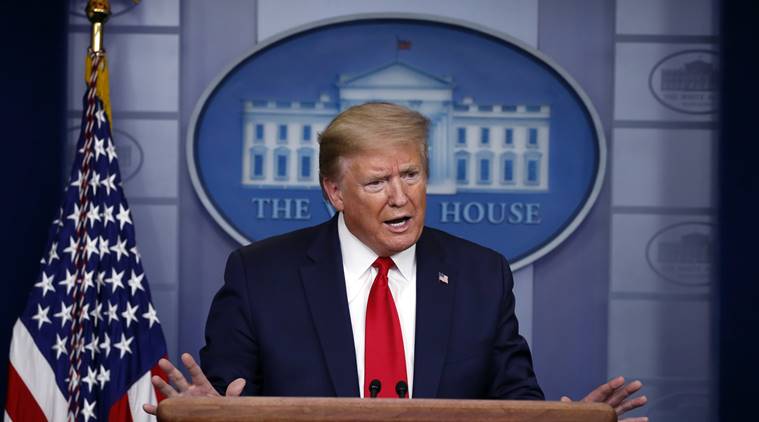
DONALD Trump, President of the United States, US, has threatened to permanently stop US donations to the World Health Organisation, WHO, over COVID-19 pandemic.

In the letter posted on his Twitter handle, President Trump issued a 30-day deadline to the global health body to make adjustments or risk the loss of its biggest donor and US membership.

The U.S. is the largest single donor to WHO but owes nearly $200 million in arrears on its obligations to the health organisation when Trump suspended payments last month.

President Trump accused WHO’s Director-General Tedros Adhanom Ghebreyesus of poor handling of the pandemic, blaming the health body for publicising Chinese findings on the nature of the disease, but ignoring clear warnings about the dangers of the contagion.

“The World Health Organisation has repeatedly made claims about the coronavirus that was either grossly inaccurate or misleading,” a section of the letter reads.

With 1.5 million confirmed cases of COVID-19, the US is one of the worst-hit countries which accounts for one-third of the world’s 4.8 million cases and has registered 90,000 deaths.

Trump stated that his decision could be reversed if WHO could backtrack on its alleged failings by demonstrating sufficient independence from China’s grip.

“It is clear the repeated missteps by you and your organization in responding to the pandemic have been extremely costly for the world. The only way forward for the World Health Organisation is if it can actually demonstrate independence from China.

“My administration has already started discussions with you on how to reform the organisation. But action is needed quickly,” Trump stated in the letter.

In response to Trump’s letter, Chinese Foreign Ministry spokesperson Zhao Lijian said the U.S. president was “trying to mislead the public, smear China’s efforts and shift the blame of U.S. incompetence to others.”

Trump had quoted The Lancet medical journal in his letter to Tedros, mentioning the journal’s criticism of the WHO in the letter.

“The World Health Organization consistently ignored credible reports of the virus spreading in Wuhan in early December 2019 or even earlier, including reports from The Lancet medical journal,” Trump wrote.

In response, the U.K.-based journal issued a statement saying its first reports on the coronavirus were published on January 24, rather than December 2019 when reports of the outbreak emerged.

“This statement is factually incorrect. The Lancet published no report in December 2019, referring to a virus or outbreak in Wuhan or anywhere else in China.”

More than 50 WHO countries have co-sponsored a resolution calling for a review of WHO’s response to the COVID-19 pandemic asking Tedros to begin an “impartial, independent and comprehensive evaluation.”

Tedros had acknowledged that there were lapses in WHO’s response and welcomes a review of its procedures.

“I will initiate an independent evaluation at the earliest appropriate moment to review experience gained and lessons learned, and to make recommendations to improve national and global pandemic preparedness and response,” he said.

Tedros had invited both Trump and Xi Jinping, China’s President to speak on the first day of a two-day virtual assembly, in the hope of resolving differences between the two leaders on handling the outbreak, but Trump did not take part.

Nigeria’s foreign exchange reserves would fall to $23.3bn by end of 2020 – Fitch Ratings

FITCH a global credit rating agency has stated that Nigeria’s foreign exchange reserves would fall to $23.3bn by the end of 2020 from $38.6bn in December 2019.

The Central Bank of Nigeria (CBN) resistance to rebuilding the exchange-rate framework, will drive a fall in international reserves to $23.3bn by December 2020, Fitch rating revealed.

The rating agency has confirmed that this production cut would trigger a likelihood of a recession and fiscal deficits.

But the risk of disruptive activities such as interest rate and national productivity adjustment would persist, the agency added.

Recently, OPEC and its partners, led by Russia, a group called OPEC+, agreed in April to cut output by 9.7 million BPD in May and June, representing about 10 per cent of global supply.

Nigeria has also planned to cut down oil production by 417,000 to 1.41 million Barrels Per Day (BPD) in May and June, said the Minister of State for Petroleum Resources, Timipre Sylva.

The rating agency said the increased source of help in a difficult situation to concessional multilateral loans would ease near-term liquidity pressures.

According to Fitch, there are the assumptions that Nigeria will comply fully with the production caps under the OPEC+ agreement and have reduced their forecast oil output to 1.88 million BPD (including condensates) in 2020.

And 1.87 million BPD in 2021, compared with their earlier forecast of 2.1 million BPD for 2020 and 2021.

“We have adjusted our Gross Domestic Product (GDP) forecasts, and now expect Nigeria’s economy to contract by three per cent in 2020 before a recovery to three per cent growth in 2021.”

“Despite the OPEC+ deal, our oil price forecasts remain unchanged at $35/barrel for Brent on average in 2020 and $45/barrel in 2021,” Fitch added.

The rating agency revealed that the little depreciation of the Naira has made Nigeria’s foreign-currency reserves drop by $5bn from January to April 2020, the main reason why the CBN reflects moves to tighten foreign-currency access, containing capital outflows temporarily.