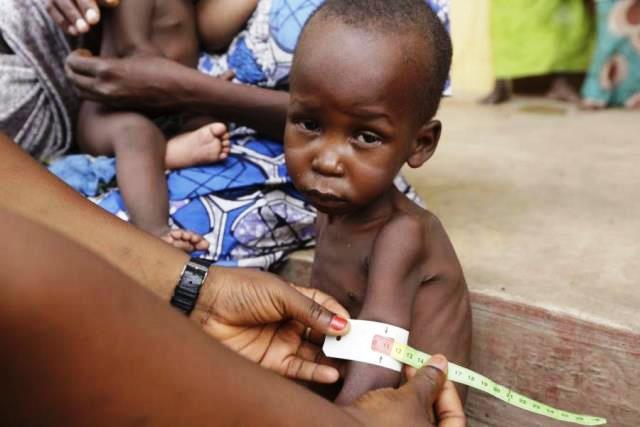
AFRICAN countries have adopted a strategic plan that aims at reducing the double burden of malnutrition in the region, outlining “urgent and accelerated” actions to take in ending hunger and all forms of malnutrition by 2030.
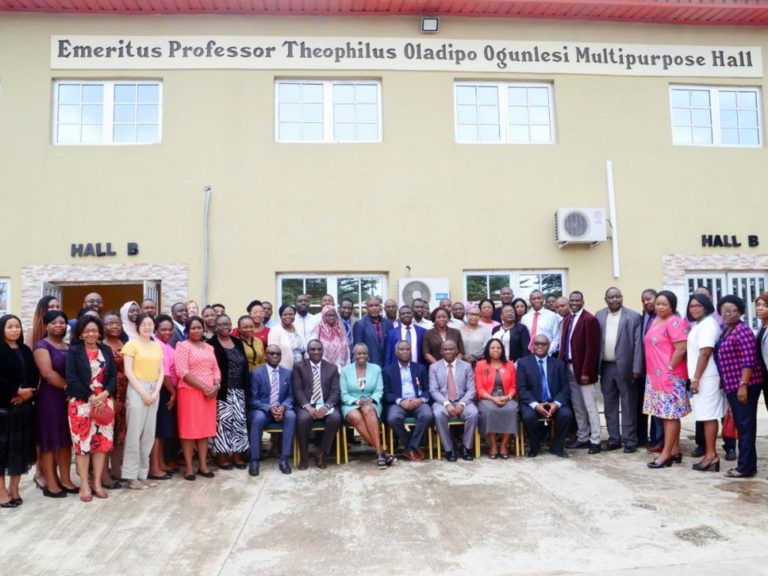
The plan was adopted during the ongoing 69th regional committee meeting of the World Health Organisation (WHO) for the African Region. The committee that meets once in a year to review health issues consists of the health ministers of the 47 member states of the region.
The WHO African director, Matshidiso Moeti said the double burden of malnutrition has been prevalent, particularly in countries where undernutrition and overweight or obesity coexist.
The diets listed to be causing the malnutrition to include the increasing consumption of cheap, processed foods that are high in energy, fat and salt content but low in nutrient quality.
Moeti said the diet, common in Africa, failed to address chronic undernutrition and micronutrient deficiencies. It contributed to increased obesity and diet-related non-communicable diseases such as diabetes.
Matshidiso Moeti, WHO African region director addressing the committee at the meeting on Tuesday. Photo credit: Twitter/ @WHOAfro
“The WHO Secretariat will be developing and implementing a resource mobilisation plan, supporting research collaborations and mounting high-level advocacy for increased investment to reach 90 per cent coverage of the ten highest-impact nutrition interventions that must be taken to meet the malnutrition challenges in our region,” she said.
According to the health agency, the number of undernourished people in sub-Saharan Africa rose from 181 million in 2010 to almost 222 million in 2016.
Among children, although the prevalence of stunting decreased from 38.3 per cent in 2000 to 30.3 per cent in 2017, the numbers affected increased from 50.6 million to 58.7 million. WHO said the growth was due to population growth
It noted that that undernutrition in the early years of life increases the risk of noncommunicable diseases in later life.
Overweight rates are also increasing.
The number of children younger than five years who are overweight increased from 6.6 million in 2000 to 9.7 million in 2017.
For children aged 5–19 years, obesity rates doubled between 2006 and 2016, while for adults, overweight and obesity increased from 28.4 per cent in 2000 to 41.7 per cent in 2016.
According to UNICEF, malnutrition is a direct or underlying cause of 45 per cent of all deaths of under-five children in Nigeria. The country has the second-highest burden of stunted children in the world, with a national prevalence rate of 32 per cent of children under five.
UNICEF estimated that about 2 million Nigerian children suffer from severe acute malnutrition. And seven per cent of women of childbearing age also suffers from acute malnutrition.
Thus, the strategic plan adopted by all the 47 countries, including Nigeria, would give priority to the reinforcement of legislation and food safety standards, using fiscal measures to incentivize healthy food choices and integrating essential nutrition actions in health service delivery platforms.
Containing clear targets to be achieved by 2025, all the African countries were encouraged to establish financing targets and increase sustainable domestic funding for nutrition. They were also urged to integrate actions to strengthen nutrition-sensitive agriculture and trade policies.
WHO also asked the countries to develop and strengthen national policies, legislation or regulations, monitoring their implementation and applying incentives to promote and protect healthy diets.
THE Nigerian Police Force, Lagos Command on Thursday announced the dismissal of four officers who illegally killed two suspected robbers in Igando area of Lagos State.
The dismissed officers are Inspector Fabiyi Omomayara, Sergeant Olaniyi Solomon, Sergeant Solomon Sunday and Corporal Aliyu Mukaila.
They have been charged to Ebute-Meta Magistrate Court five for conspiracy and murder and later remanded at the Ikoyi prison.
The officers were arrested on Wednesday by the Lagos Police command for extra-judicial killing.
After being subjected to an internal investigation upon directive from Zubairu Muazu, the State Commissioner for Police, the dismissed cops were accused of three count charges bothering on ‘discreditable conduct; unlawful and unnecessary exercise of authority and damage to article’.
In a statement issued Bala Elkana, a Deputy Superintendent of Police (DSP) and the Command spokesman, the policemen were remanded in prison custody pending legal advice from the Directorate of Public Prosecution (DPP).
Elkana said they were subsequently remanded in prison custody pending legal advice from the Directorate of Public Prosecution (DPP).
The statement reads: “The policemen were subjected to internal disciplinary proceedings at the Provost Department. They were tried on three count charges bothering on discreditable conduct; unlawful and unnecessary exercise of authority and damage to article.
“The four policemen were found guilty and awarded the punishment of dismissal from service and prosecution. They were subsequently handed over to the Homicide Section of the State Criminal Investigation and Intelligence Department (SCIID) Yaba for prosecution in conventional court.
“The four suspects ex-Inspector Fabiyi Omomayara, ex-Sergeant Olaniyi Solomon, ex-Sergeant Solomon Sunday and ex-Corporal Aliyu Mukaila were on August 22 arraigned in Magistrate Court 5 Ebute Meta for conspiracy and murder and were remanded in Ikoyi prison. The case is adjourned to September 29 for DPP advice. This will serve as deterrence to others.”
The ICIR had earlier reported how the accused policemen arrested the suspects who snatched a phone worth N450, 000 from one Anugu Valentine.
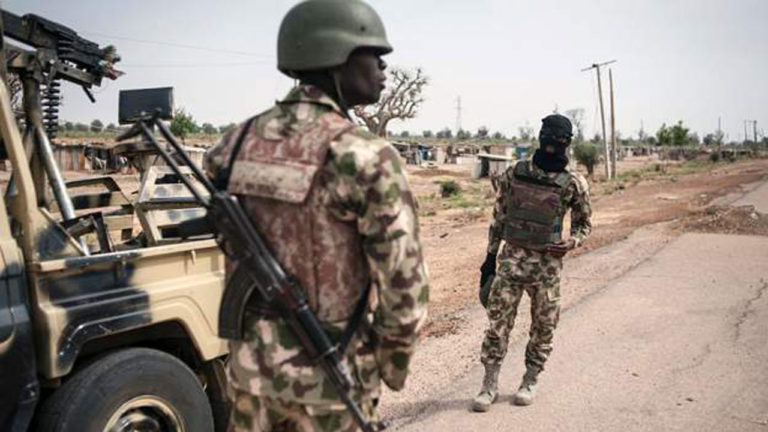
MEMBERS of the Boko Haram sect on Wednesday attacked two local government areas namely Gubio and Magumeri in Borno State after an alleged withdrawal of the military from bases in those areas, according to a report.
The insurgents invaded the towns and operated for several hours, carting away drugs, food items, fuel, and other valuables as residents abandoned their homes in fear.
In Magumeri, the local government headquarters, the insurgents burnt the local council secretariat building to the ground, including a public health clinic, the community leaders’ houses, vehicles used by NGOs and telecommunication masts.
Borno state Police spokesperson, Usman Sadiq, declined to comment when The ICIR called.
“Well, I can’t give any details into the state of things in those local governments you mentioned until the commissioner of police gives me clearance to talk to you about it. I’ll call you when I have the go-ahead,” he said.
At the time of filing this report, he was yet to reach The ICIR with updates on the state of security in the affected local governments.
The insurgents operating near Gubio also moved from their base to Magumeri, about 50 kilometres south, raiding the local government area and traumatising its population.
However, the Civilian Joint Task Force members were the only security personnel present in the towns when the attack occurred but they retreated into the forest along with villagers due to the number of the insurgents and weapons in their possession, according to the eyewitness.
The attack comes days after members of the Boko Haram sect attacked the Nigerian Army 5 Brigade in Gubio, killing four soldiers. The military relocated the entire brigade from Gubio following the attack, without a contingency plan in place to protect its residents.
In a report, sources said that from Maiduguri to Damasak, a distance of 200 kilometres, the military no longer has a base in place. Rather the Nigerian Army will introduce a mobile operation, instead of establishing a super camp.
The army authorities is yet to formally issue a statement on the attack as at the time of this report.
NEWLY diagnosed Nigerian women with Her-2 type of breast cancer has been selected to receive free treatments of Herceptin SC that cost millions of naira through a study called the ARETTA.
The ARETTA study, Assessing Response to neoadjuvant Taxotere and Trastuzumab in Nigeria women with HER 2-positive breast cancer is majorly supported by Roche Pharmaceuticals and the University of Chicago.
The leader of the study, Olufunmilayo Olapade, Nigerian oncologist and professor at the University of Chicago said the free treatment was important to encourage early diagnoses and treatment of breast cancer. Thus she said it was opened to women who had been newly diagnosed with breast cancer and had not spread beyond the breast.
“This is the first time a study like this is happening in Nigeria, and we are delighted to provide this relatively expensive drug – Herceptin SC free of charge to eligible Nigerian women,” said Olopade.
The WHO’s International Agency for Research on Cancer (IARC) stated that the disease is the second leading cause of death globally.
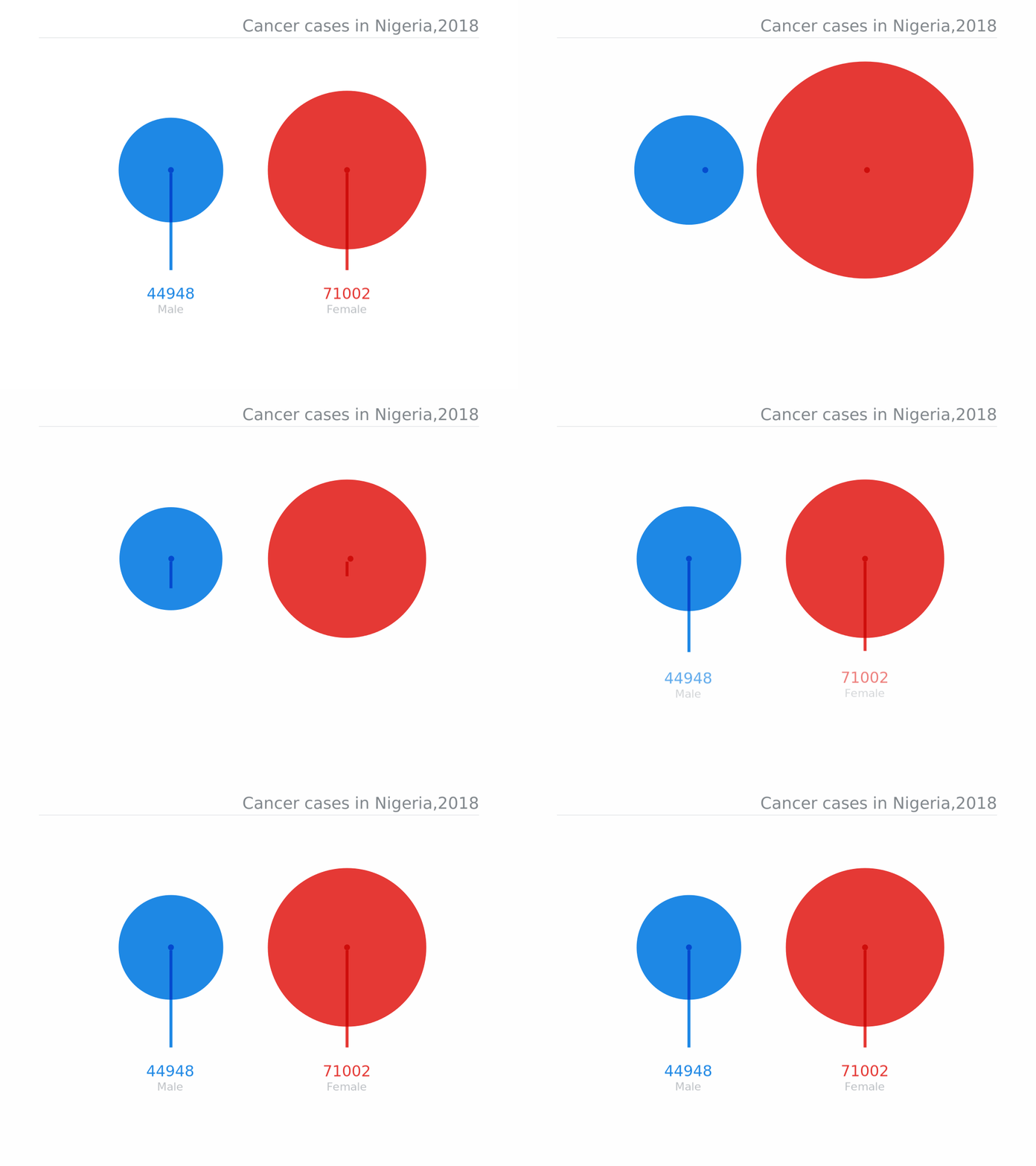
New cases of cancer in Nigeria in 2018. Source: WHO’s IARC.
In Nigeria, IARC estimated that there were 115,950 new cases of cancer in 2018 among all ages, where more than half of the people newly diagnosed were females.
Nigerian Women that developed different kind of cancer diseases last year was put at 71,002.
Not less than 70,000 Nigerians died of cancer, where 41,913 of the cancer deaths were women.
Meanwhile, breast cancer is the most common type of cancer among Nigerian women with an estimated 26,310 new cases and 11,564 deaths last year.
The different types of breast cancer include hormone receptor-positive, human epidermal growth factor receptor 2 (HER2), and triple-negative breast cancer.
Among these types, the ARETTA study group said HER2 positive-type was the most expensive to treat in Nigeria. To treat breast cancer, oncologists usually recommend to patients “modern targeted therapy known as Herceptin”.
“One course of Herceptin costs about N309, 000 and in most cases a woman is expected to take 18 courses. In total, it could cost over N5,562,000 for a woman to get treated from HER2 positive breast cancer,” the group said in a press statement.
The leader of the ARETTA study, Olufunmilayo Olopade, Nigerian oncologist, 2005 MacArthur Fellow, and professor at The University of Chicago Medicine.Photo Credit: University of Chicago Medicine.
Olapade said the government should act in the interest of Nigerians to reduce costs and provide affordable quality care to cancer patients.
“Without universal health insurance and coverage for a catastrophic illness that is treatable and preventable like cancer, the average Nigerian cannot afford health care,” she said.
Olapade noted that Nigerian doctors could save more lives but the government needed to develop a health system that would work for all Nigerians; “not only the rich who can leave the country to get care”.
She added that the country needed to build the capacity of cancer specialists to treat cancer so that patients did not need to travel out of the country to secure treatment.
“The study is open only to women who have newly diagnosed breast cancer that has not spread beyond the breast.
“Very important that women do not delay getting diagnosed and treated,” she gave more explanation on the free treatment.
The national principal investigator for ARETTA, Atara Ntekim, who is also an oncologist at the Department of Radiation Oncology, University College Hospital Ibadan, said the free medications would be provided at the UCH Ibadan, Lagos University Teaching Hospital (LUTH), Lagos State University Teaching Hospital (LASUTH) and Obafemi Awolowo University Teaching Hospital (OAUTHC) Ile Ife.
“We will be willing to extend this study to other facilities across Nigeria for the benefit of Nigerian women,” he added.
While commending the efforts of ARETTA study, Runcie Chidebe, the head of Project Pink Blue, a cancer-fighting organisation, encouraged Nigerian women to take the opportunity of the free treatment.
“In 2015, it took us over 1year to raise N9million needed to purchase Herceptin for one 35year old indigent breast cancer patient who approached us for funding for her treatment.
“Nigerian women will get this same cancer medicine free. This is commendable. I encourage women across the country to key-in and benefit from this,” he said.
Runcie said there were more breast cancer deaths in Nigeria due to some factors ranging from absence of organised screenings, poverty, poor treatment and poor access to cancer medicine.
“There is a need for intentional action to increase better cancer treatment in Nigeria and African countries,” he noted.
A group of Non-Governmental Organisations (NGOs) in Nigeria on Thursday called on President Muhammadu Buhari to respect the rule of law and ensure the security forces under his command do same.
The coalition which includes Socio-Economic Right and Accountability Project (SERAP), Falana Falana Chambers, Public Interest Lawyers League (PILL) among 43 others told the President to check comments capable of promoting extrajudicial killings in the country.
The group stated that despite his title as Commander-In-Chief of the Armed Forces, President Buhari is constitutionally bound to obey, and ensure that the apparatus of the state under his command comply with, and uphold the rule of law.
Buhari had directed, last Saturday 17th August, 175 officers of the 17th Army Brigade and Nigerian Air Force 213 Operational Base in Katsina State to identify, pursue and ‘eliminate any bandit’ terrorising the country.
The president was condemned to have also made a similar comment in February, prior to the 2019 poll when he asked the military and Police to be ruthless against ‘ballot box snatchers’. Though, supported by the Federal Executive Council (FEC), the comment attracted public criticism and was perceived as a form of anarchism.
The coalition, however, noted that “No person is above the law and no one is below it; nor do we ask any person’s permission when we require them to obey it. Obedience to the law is demanded as a right; not asked as a favour.”
The group stressed that the security operatives including the military could exercise their functions against criminals and still respects the rule of law, especially the fundamental human rights.
The statement reads: “This week, Nigerians received the bewildering news of President Buhari’s order to the 175 officers of the 17th Army Brigade and Nigerian Air Force 213 Operational Base in Katsina state to identify and ‘eliminate any bandit’. This strongly suggests the extrajudicial elimination of suspects. Also contained in the official press statement about the occasion at which the President had made this statement, he was further quoted as telling them. ‘We will give you all the right equipment so that you can deal with them with dispatch. I appreciate all your efforts, but you can do more. I don’t want any bandit spared”.
“Unfortunately, this is not the first time President Buhari would order the extrajudicial killing of suspects of crime by security forces. It will be recalled that he had issued a similar directive at the cusp of the 2019 elections, ordering the summary execution of “ballot box snatchers” and that his comments most, unfortunately, contributed to the inordinate recourse to violence by some security agents in the discharge of their duties.”
Citing the recent Taraba incident where persons were murdered, the coalition emphasised on the increasing trend of extrajudicial killings and violations of human rights.
“For quite some times, there have been many allegations of rogue security officers working with criminal elements – terrorists, bandits, kidnappers and cult gangs, to perpetuate their reign of terror. This brings into question the recruitment process for security forces and the need for a more meticulous check of their background and past records to ensure criminals are not recruited into our security agencies.
“Finally, we wish to place on record that not all our security agents are rogue elements. We salute the courage and gallantry of the core of our security agents who have continued to uphold our peace and unity in extremely difficult circumstances, and sometimes under extreme provocation.” It stated.
Here is a complete list of the coalitions.
SIGNED BY:
Centre for Democracy and Development (CDD)
Centre for Democratic Research and Training (CRDDERT)
Civil Society Network Against Corruption (CSNAC)
Human and Environmental Development Agenda (HEDA Resource Centre)
Public Interest Lawyers League (PILL)
Civil Society Legislative Advocacy Centre (CISLAC)
Partners for West Africa – Nigeria
Centre for Information Technology and Development (CITAD)
Socio-Economic Right and Accountability Project (SERAP)
Falana Falana Chambers
International Refugee Rights Initiative (IRRI)
Zero-Corruption Coalition (ZCC)
Accountability Maternal New-born and Child Health in Nigeria (AMHiN)
Partners on Electoral Reform
State of the Union (SOTU)
African Centre for Media and Information Literacy (AFRICMIL)
National Procurement Watch Platform
Say NO Campaign—Nigeria
Resource Centre for Human Rights and Civil Education (CHRICED)
Social Action
International Press Centre
WANGONET
Community Action for Popular Participation
Borno Coalition for Democracy and Progress (BOCODEP)
Global Rights
Project Alert
Institute of Human Rights and Humanitarian Law
Alliance for Credible Elections (ACE)
Youth Initiative for Advocacy, Growth & Advancement (YIAGA)
Tax Justice Nigeria
Environmental Rights Action/Friends of the Earth, Nigeria
Women In Nigeria
African Centre for Leadership, Strategy & Development (Centre LSD)
Centre for Social Justice
HURIDAC
Protest to Power
Network on Police Reform in Nigeria (NOPRIN Foundation)
Rule of Law and Accountability Advocacy Centre (RULAAC)
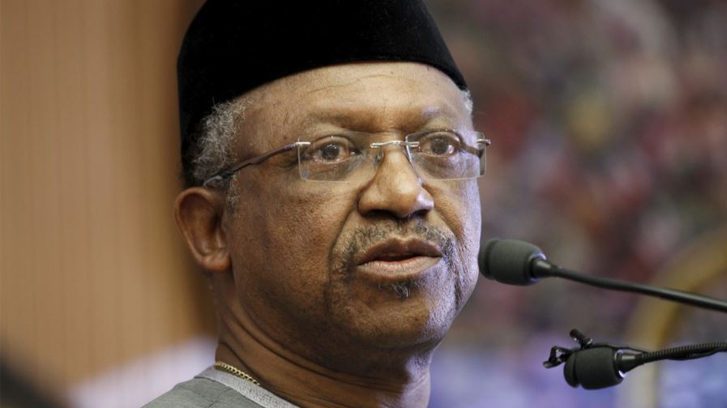
THE Federal Ministry of Health (FMoH) on Thursday denied a Twitter account @osagieehanire registered in the name of the newly inaugurated Minister of Health, Dr. Osagie Ehanire.
The ministry advised the public to disregard the unverified Twitter handle.
Ehanire was among the cabinet members sworn in by President Muhammadu Buhari Wednesday at the Presidential Villa, Abuja. He was the minister of state for health during Buhari’s first tenure in office.
He is to be assisted by Sen. Adeleke Mamora as junior minister attached to the ministry.
The Health Ministry, via its verified handle @Fmohnigeria, however, tagged Mrs. Akinola Boade, the Director of Media and Public Relations for the ministry @akinolaboade, Chikwe Ihekweazu, the Director-General of the National Centre for Disease Control (NCDC) @Chikwe_I, Dr. Faisal Shuaib, Chief Executive Officer of the National Primary Health Care Development Agency (NPHCDA) @drfaisalshuaib and Dr. Ngozi Azodoh, Director Special projects and National Coordinator Health Response to Humanitarian Crisis in Nigeria @Dr_NRC_Azodoh.
Osagie, a surgeon attended the College of Medicine, Ludwig, Maximillians University, Munich. He also holds postgraduate Diplomas from the Teaching Hospital of the University of Düsseldorf and Essen, Germany in the areas of Anesthesiology, General Surgery, and Orthopaedic Trauma Surgery.
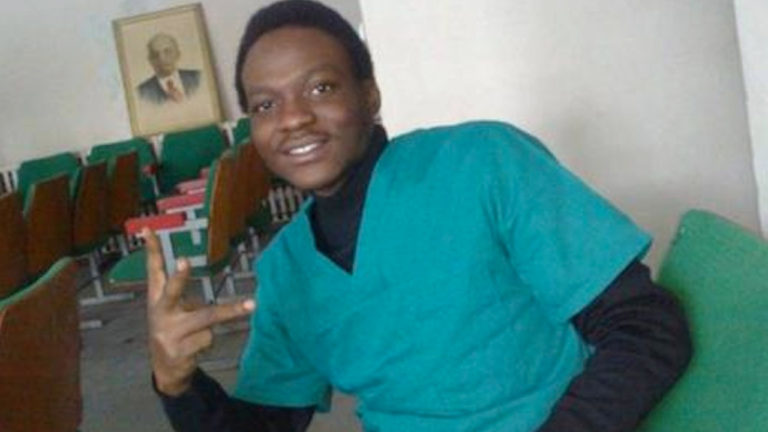
THE National Association of Nigerian Students (NANS) has demanded the prosecution of two Ukrainians alleged to have killed Gbolade Ibukun Ejemai, a 30-year-old Nigerian who was, before his murder, a medical student at Kharkiv International Medical University, Ukraine.
Expressing its grief via a statement published on its official twitter handle on Wednesday, NANS called the Ukrainian police to immediately apprehend and prosecute Victoria Popravko and her father, who had reportedly murdered Gbolade. This it said would ensure justice.
“Despite arresting her at murder scene after collaborating with her father to kill Gbolade Ibukun Ejemai, the investigating authorities in Ukraine have released Ms.Victoria Popravko to return home,” lamented NANS.
NANS said the Ukrainian embassy owed Nigerians explanations about the “notorious killing and assurance of the safety of other Nigerians schooling or residing in Ukraine”.
Gbolade who was in his final year had been invited by Victoria, a 36-year-old Ukrainian mother of two, to her house to have a discussion. Having lived in Ukraine for 10 years, the deceased had developed an acquaintance with Victoria. Unknowingly to Gbolade that day, the two Popvrakos had planned of killing him.
Gbolade’s wife, Luganska Victoria who is a Ukrainian, recounted that she had received a distress message from him where he demanded her to call the police.
“Traktorostroitelei 95, 188 apartment, call police! that there is a conflict,” the message read.
Before she could get there, Luganska said she met an ambulance conveying him to a hospital. He had initially slipped into a coma but after five days of the incident, he gave up the ghost. He died on August 14 from complications as a result of the injuries sustained.
Meanwhile, Victoria was initially apprehended on the day of the incident but was granted bail after 24 hours, while the father was also walking as a free man.
The Nigerian Embassy in Ukraine is already involved in the matter. On Monday, Abike Dabiri-Erewa, Chairman of the Nigerians in Diaspora Commission announced that the Ukranian Ministry of Foreign Affairs and the Police Department in Kharkiv had been petitioned.
She said the petition demanded a full and thorough investigation into the circumstance surrounding his demise, with a view to ensuring that justice is carried out.
NANS called for the safety of Nigerian students outside the country as the deaths of Nigerians in the diaspora through alleged attacks keeps growing.
According to available data, about 118 Nigerians were killed in South Africa as of July 20.
On Wednesday, Abike Dabiri also said she was in China to ask the authority in investigating the death of Joseph Nwajueze. The Nigerian Pastor in China was reported to have died at Guangzhou Guandong Province when he was being chased by the Police.
The 34-year-old Thomas Ewanishia who was a PhD student of Management at the Limkokwing University of Creative Technology in Malaysia was also a victim of an unknown death in the foreign land. He had been arrested on July 4, 2019, but died five days later.
“Even with a valid visa, they took him away and locked him up and the immigration didn’t inform the school until he died in their custody,” His wife, Blessing had said.
On July 8, Obasanjo Adeola Owoyale, a 33-year-old Nigerian doctoral student of architecture at Cyprus International University, was found in the boot of his car dead and oozing out bad smells.
Recently, Elizabeth Ndubuisi, deputy director-general of the Chartered Insurance Institute of Nigeria (CIIN) was found dead in a hotel room in South Africa when she was there for an official conference.
PRESIDENT Mohammadu Buhari on Wednesday inaugurated the 43 ministerial nominees screened by the Nigerian Senate in July.
But the list contains names of persons with allegations of corruption, despite the president’s disposition towards corrupt practices.
While a few of the individuals allegedly committed the crime while in office, a number of those who made the cabinet list are perceived by Nigerians to be dishonest public officers.
Though the president has frequently boasted about his commitment to end corruption in the country, and has been recognised by the African Union for his fight against corruption, some of his decisions put those claims s to question.
Here is a list of the ministers with an allegation of corruption attached to their names.
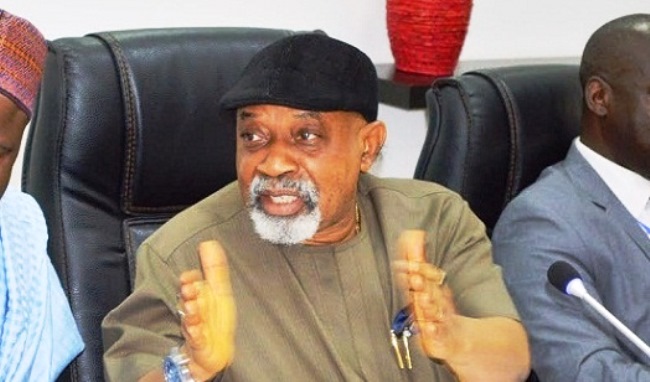
Chris Ngige
Dr Chris Ngige, Former Minister of Labour and Productivity File Copy
Senator Chris Ngige, a former Minister of Labour and Productivity is among the lucky ones who has just been re-appointed. But many Nigerians are of the opinion that the minister hands are not clean.
An ex-Governor of Anambra State from May 2003 to March 2006, Ngige was accused of purchasing $922, 600 worth of property in the United States allegedly bought with public fund
In a petition to the Economic Financial Crimes Commission (EFCC), the Advocates for Peace and Effective Justice Development Initiative (APEJDI), a non-profit organisation claimed the minister purchased the house located at 13910, Crest Hill Lane, Crest Hills Acres, Silver Spring, Montgomery County, Maryland, US on March 8, 2008.
Chris Ngige US Property Document Source: US Corporate and Property Record (https://sdat.dat.maryland.gov/RealProperty/Pages/default.aspx)
Findings by The ICIR, however, revealed that the two-storey building with basement was sold by Longview VII LLC to the Minister on June 6th, 2008. This fact is also contained in the petition submitted to the anti-graft agency in June 2017.
The purported property has a registered deed number 35727/00006 as provided by the Department of Planning and Mapping.
The report states: “The Federal government cannot be seen to be paying lip service to her much orchestrated fight against corruption. Nobody is above the law.
“We, therefore, implore you, sir, to cause an investigation to be carried out in the overall interest of the people of Anambra State and the country in general”. But no public statement has been made by the anti-graft agency on the allegation in the recent time.
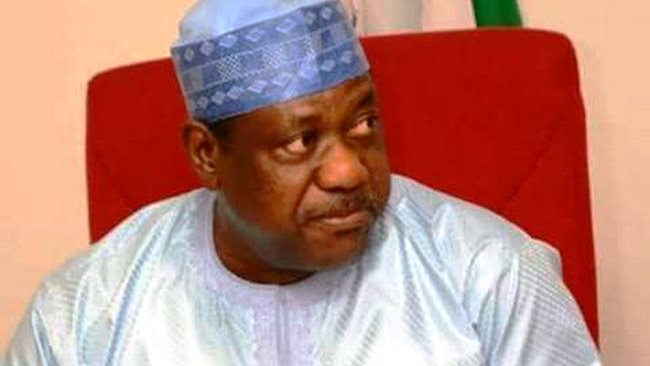
Sen George Akume
Sen George Akume, former Benue State Governor File Copy
Also, George Akume was the governor of Benue State between 1999 to 2007. Akume, a former Peoples Democratic Party (PDP) chieftain was accused of beating EFCC operatives at the office of a former Commissioner for Police and allegedly destroyed documents capable of implicating him in a corruption case.
The petition on Akume’s case at the EFCC was reportedly filed by Abubakar Tsav, a retired police commissioner on July 20, 2006. After several investigations, the state government later asked the court to declare the EFCC as an illegal body.
But on February, Governor Samuel Ortom, challenged the EFCC to revisit the N2 billion case.
“Akume, who was governor for eight years, you would recall, took N2 billion from the state coffers before leaving the office. Up till today, the case is still with EFCC. It’s just that he is in APC so, nobody is concerned about prosecuting him, but he should be prosecuted,” Ortom stated.
“That is why I am saying that EFCC has become a department in APC, otherwise Akume would have gone to jail by now if he were prosecuted.”
Akume, through his former media aide, Mr Abua Yaji, has since debunked the claim, describing it as falsehood.
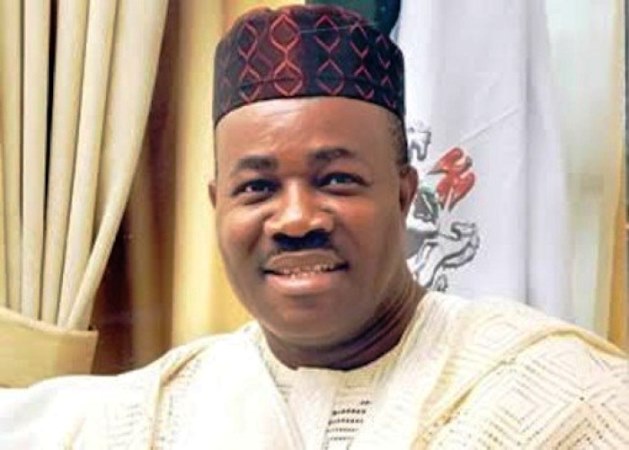
Godswill Akpabio
Sen Godswill Akpabio, former Governor of Akwa Ibom State File Copy
Godswill Akpabio, former Chieftain of the Peoples Democratic Party (PDP) is one of Nigeria’s top politicians perceived to be corrupt. Though, this accusation remains a mere allegation until the court decides.
Between 2007 and 2015, the former Governor of Akwa Ibom State was indicted to have stolen N108 billion from the state’s coffers. His loyalists would often call him a cheerful giver for his wasteful spending when he was the governor. Prior to his decamp to the ruling All Progressives Congress (APC) in August 2018, Akpabio has been under investigation by the EFCC.
Three months after he left office, while his successor was yet to resume into the Government House, officers of the Department of State Security in September 2015, stormed the Government House where arms and undeclared millions of dollars were reportedly confiscated.
The former governor and his associate were accused of illegally withdrawing N22.1 billion from the State-owned account 101037588 domiciled with Zenith Bank Nigeria.
The EFCC later wrote to five financial institutions operating the state’s account requesting for its account information. The banks include Zenith Bank, Keystone Bank, First City Monument Bank, Skye Bank (now Polaris), and the United Bank for Africa where it discovered illegal withdrawals.
Also, the EFCC in 2017 seized a school allegedly belonging to Akpabio’s wife, Mrs. Unoma Akpabio. However, the case is still in court.
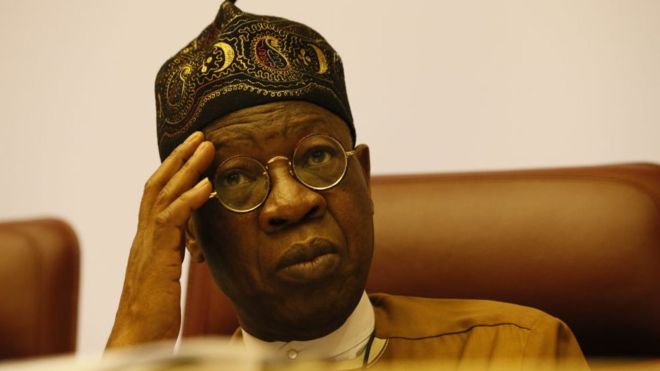
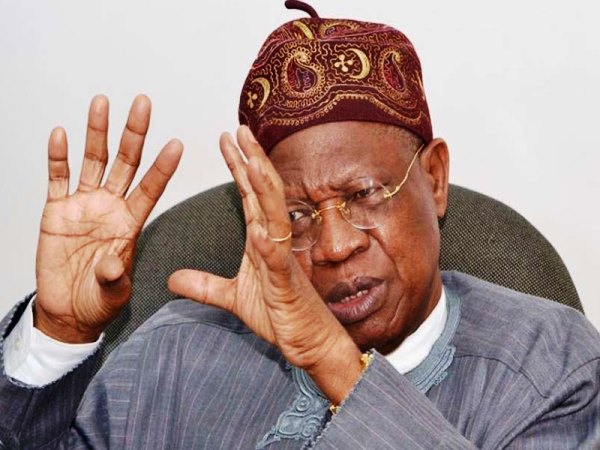
Lai Mohammed
Lai Mohammed, former Minister of Information and Culture File Copy
Until his appointment as a former Minister of information and Culture, Lai Mohammed was the National Publicity Secretary of the ruling All Progressives Congress (APC). However, his predicament started when he was mentioned in the N2.5 billion Federal Government Digital Switch-Over project. But he claimed he was misled in awarding the contract.
“The former minister’s involvement had come under questioning following the discovery by the ICPC during investigations, that a government White Paper that governs the execution of the DSO programme was allegedly flouted by the head of the NBC,” the ICPC states.
“Mohammed had however admitted in a statement to the commission that he was misled by Kawu, as opined in court by a witness from the ICPC, Osanato Olugbemi. Olugbemi, led in evidence by counsel for the ICPC, Henry Emore, also told the court that the payment of N2.5bn from the NBC to Pinnacle Communications Limited as seed grant was suspicious because only government-owned company was approved to benefit from the grant according to the White Paper.”
The Federal Government project was basically meant to transit the nation from analogue to digital broadcasting. Though Mohammed made the proposed cabinet list, he is still under investigation alongside Ishaq Modibo Kawu, Director-General of the National Broadcasting Commission (NBC) for alleged abuse of office and money laundering. He is in factscheduled to appear before a Federal High Court, Abuja on the 2nd October, to explain why he approved the release of N2.5 billion sum to the private company.
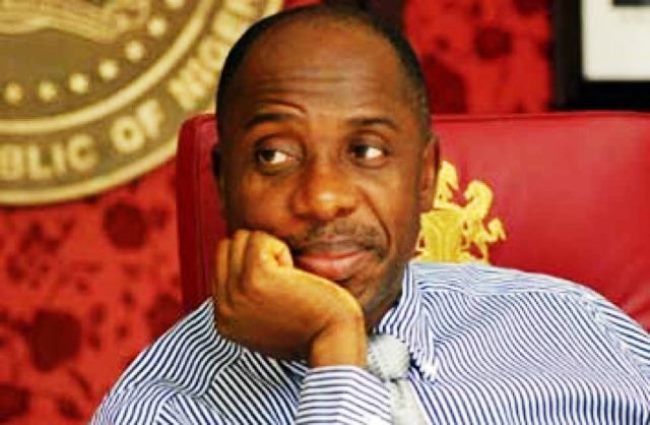
Rotimi Amaechi
Hon Rotimi Amaechi, former Minister of Transport
Rotimi Amaechi, former Governor of Rivers State and former PDP member is one of the prominent Nigerian politicians widely perceived as being corrupt. Having left the PDP to allegedly fund the APC while in office as Governor, his eventual emergence as a cabinet member was described as a litmus test for the President Buhari. Tonye Princewill, the former governorship candidate of the Labour Party (LP) has accused him of “selling” the state property for political gains.
In 2017, while addressing the 106th quarterly meeting of the Rivers State Council of Traditional Rulers, his successor, Gov. Nyesom Wike also said there are proofs of fraudulent activities by the former governor stressing that Amaechi allegedly admitted he paid $39 million for a fictitious Justice Karibi Whyte Mega Specialist Hospital.
“The bank statements of the pattern of withdrawals from that account are there for all to see. Can that be forged? The dates and amounts withdrawn are clearly written.”
But the APC spokesperson at the period, Chris Finebone, justified the sales of government assets, particularly the sale of power stations belonging to the state.
Amaechi was however indicted by Justice George Omeregi-led Rivers State Judicial Commission of Inquiry set up to investigate the sale of state assets.
Nigerians in 2015 patiently waited for the president’s decision, until Amaechi’s appointment as transport minister was eventually announced, despite the allegations of corruption.
The Nigerian Journal of Economic and Financial Crimes (NJEFC) report published by the EFCC in 2009 stated that Nigeria has been rendered undeveloped due to massive corruption in the system, especially by political officeholders.
The new appointment of President Buhari may have further confirmed the finding of NJEFC.
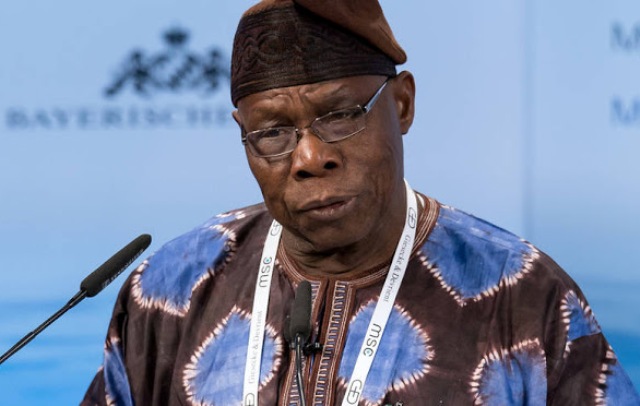
FORMER President Olusegun Obasanjo has charged the Federal Government to prioritise quality education.
He said both state and local governments should also ensure proper development of the sector as 50 per cent of today’s job would become irrelevant in the near future.
Obasanjo disclosed this on Tuesday while enlightening youths and students from selected schools in Abeokuta, the Ogun State capital.
He spoke at the Youths Governance Dialogue mentorship programme organised by the Youth Development Centre, an arm of the Olusegun Obasanjo Presidential Library.
The former President emphasised the need for a long term plan to foster desired changes in the education sector.
According to him, the current situation in the education sector and the growing population could be an asset if adequately addressed but if not it could spell doom for the country.
However, he expressed optimism that despite the current challenges facing the country, greatness can be achieved if the youth play active roles.
Other Nigerians have repeatedly made similar calls on government to fix the education sector both for the children of the rich and the poor
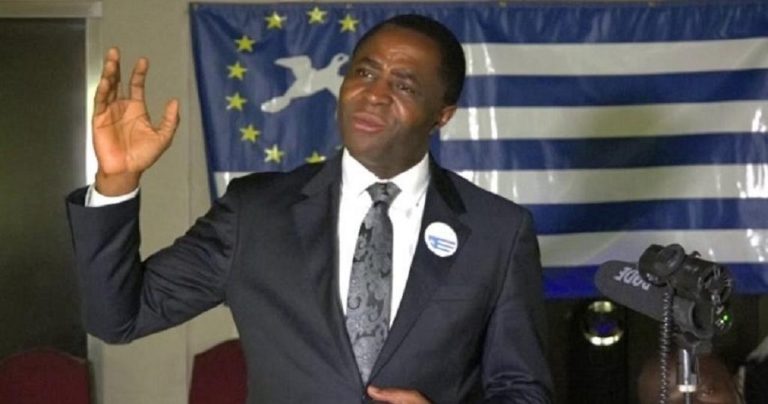
A MILITARY court in Yaounde, capital city of Cameroon, has sentenced the detained leader of the Southern Cameroonian, Sisiku Ayuk Tabe and nine others to life imprisonment.
Ayuk Tabe and his co-detainees were found guilty by the military court of “rebellion, complicity in terrorism, financing of terrorism, revolution, insurrection, hostility against the state, propagation of fake news and lack of identification.”
The verdict was handed down on Tuesday morning.
They were also asked to pay a joint fine of 250 billion CFA francs ($422 million, €381 million) to the Cameroonian government.
Lawyers defending Ayuk Tabe and his supporters were quick to accuse the judge of bias.
“We went to court at 9 a.m. yesterday and left at 6:30 this morning,” barrister Ayukotang Ndep Nkongho Tifuh told DW. “The attitude of the judge does not only confirm his bias and personal interest in sentencing the accused persons, but equally reveals the presumed outcome of the proceedings.”
On January 5, 2018, 12 leaders of the Southern Cameroon Ambazonia Interim Government led by Ayuk Tabe Julius were meeting at NERA Hotel, Abuja to discuss the refugees’ situation and a surge in violence when they were arrested by Nigerian security operatives.
The UNHCR office in Abuja was outraged by the abduction and drew the attention of the Nigerian government to their international obligations under article 33 of the Geneva Convention that protects the rights of refugees and prohibits refoulment, which is expulsion or return of refugees to hostile territory
Ayuk Tabe and 46 other separatists had sought refuge in Nigeria, but were detained in Abuja by the Nigerian government and later deported to Cameroon.
Crises broke out when members of Southern Cameroon Nigeria Council (SCNC) and the Southern Cameroon Ambazonia United Front (SCACUF) declared independence on October 1, 2017, from Francophone Cameroon.
Hundred of thousands of Southern Cameroonians have since been displaced by the crisis.
There has a continued influx of Southern Cameroonians into Nigeria since the Paul Biya-led government clamped down on them after the declaration.
The International Crisis Group (ICG) estimated that about 246,000 people have fled the South West region alone with about 25,000 believed to have fled to Nigeria occupying 50 locations in Akwa Ibom, Cross River, Benue and Abuja.