Home Blog Page 414

Reps move to amend Companies Income Tax Act

THE House of Representatives has passed for a second reading a bill seeking an amendment to the Companies Income Tax Act (CITA)

The bill seeks to provide adequate security and guarantee for businesses and companies to pay minimum tax upon losses in each assessment year.

It is sponsored by the member representing Yenagoa/Kolokuma/Opokuma Federal Constituency of Bayelsa State, Oboku Abonsizeibe Oforji.

It seeks to amend Section 33 of the Principal Act by deleting the phrase “results in a loss or where a company’s ascertained total profits” in Section 33 subsection 1, and by inserting a new subsection (D) in Section 33(3).

Section 33:3 (D) is to read; “Any company in operation that records losses in the assessment year.”

The bill seeks to amend the provision in relation to the assessment of companies for the payment of tax in each assessment year.

The emphasis is to protect the companies which are in operation but with losses from paying minimum tax.

The amendment primarily proposes an exemption for such categories of companies under the Companies Income Tax Act in each assessment year.

On the aggregate, Company Income Tax (CIT) for first-quarter (Q1) 2024 was reported at N984.61 billion, indicating a growth rate of –12.87 per cent on a quarter-on-quarter basis from N1.13 trillion in fourth-quarter 2023.

Local payments received amounted to N386.49 billion while Foreign CIT Payment contributed N598.13 billion in the first quarter of 2024.

According to the Federal Inland Revenue Service (FIRS), Company Income Tax, also known as Corporate Tax, is a tax levied on the profits made by companies operating in Nigeria. It is regulated by the Companies Income Tax Act (CITA) under the supervision of FIRS.

For Company Income Tax purposes, the taxable amount is the company’s profits for the accounting year or period after deducting allowable expenses and applicable reliefs as stipulated under CITA.

This includes profits from trade or business, rent on properties, premiums, interest from investments dividends, interest, and royalties among others.

The ICIR reported the ongoing debates at the National Assembly over tax reform bills.

Following the controversies arising from the tax reform bills, the Senate leadership has directed its committee on finance to suspend further action on the bills pending the outcome of a high-level meeting with the attorney general of the federation (AGF).


Bill to prohibit gas flaring passes second reading in House of Reps

0

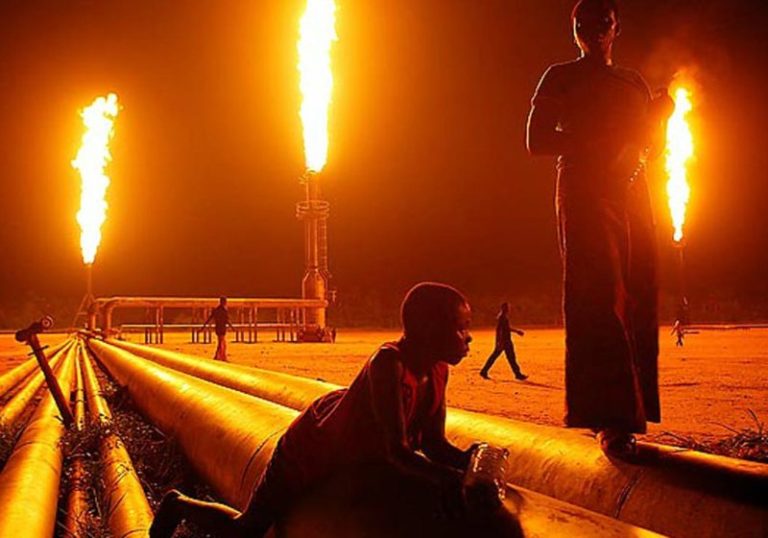
THE House of Representatives on Thursday, December 5, passed for second reading, a bill for an act to prohibit gas flaring, encourage commodity utilisation and provide for penalties and remedies for gas flaring violations.

The bill sponsored by Babajimi Benson, seeks to prohibit the flaring and venting of natural gas, except in strictly regulated circumstances, while encouraging the utilisation of gas resources to foster economic growth and energy generation.

The proposed legislation aims to mitigate the environmental, health, and economic impacts of gas flaring, aligning Nigeria’s oil and gas operations with international climate change commitments.

Whoever violates the proposed law would face stringent penalties, including fines of $5 per 1,000 standard cubic feet of gas flared and potential suspension of operations for repeat violations.

Leading debate on the general principles of the bill, Benson said gas flaring had plagued Nigeria for decades, leading to severe environmental degradation, public health crises, and economic losses contributing to greenhouse gas emissions, global warming, and acid rain, exacerbating climate challenges.

The lawmaker said public health impacts of the practice are equally dire, as pollutants from gas flaring cause respiratory and cardiovascular diseases, particularly among residents of communities close to flaring sites.

He said economically, flaring results in the waste of a valuable resource that could otherwise be harnessed for energy generation or exported to generate revenue.

According to the chairman, House Committee on Defence, the bill is designed to address those issues while bringing Nigeria in line with global standards such as the Paris Agreement on climate change.

“The bill provides for a comprehensive prohibition of gas flaring except in emergencies or when explicitly authorised by the Nigerian Upstream Petroleum Regulatory Commission (NUPRC). Operators are required to submit and implement Gas Utilisation Plans, detailing how gas that would otherwise be flared will be captured, processed, or commercialised.

“Offenders who violate these provisions face stringent penalties, including fines of $5 per 1,000 standard cubic feet of gas flared and potential suspension of operations for repeat violations. Furthermore, the bill ensures that communities affected by gas flaring are entitled to compensation and environmental restoration, creating a mechanism for redress…

“The Anti-Gas Flaring (Prohibition and Enforcement) Bill, 2024, is a timely and necessary response to one of Nigeria’s most pressing environmental challenges. Its provisions are both practical and forward-looking, addressing immediate concerns while laying the groundwork for a sustainable future,” he added.

The ICIR reported that the  House of Representatives resolved to recover the over $9 billion gas flaring fines that the Federal Government had imposed on erring local and foreign companies operating in the Nigerian oil and gas industry.

The House, through its ad-hoc committee investigating gas flaring in the country, also resolved to investigate the $277.2 million disparity in the gas flaring penalties recorded by the National Oil Spill Detection and Response Agency (NOSDRA) and the Nigerian Upstream Petroleum Regulatory Commission (NUPRC).


Senate threatens reversal of power privatisation, declares it ‘total failure’

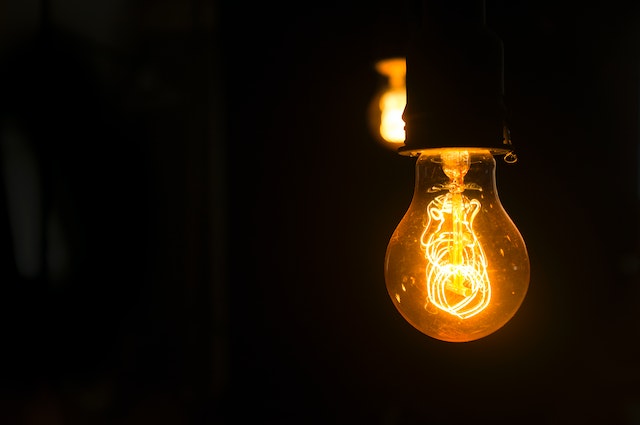
THE Senate on Thursday, December 5, said that it might propose legislation to repeal the power sector privatisation policy on account of its ‘total failure’ and unimpressive impact.

The lawmakers also criticised the privatisation of the nation’s power sector, saying it’s fraudulent and exploitative.

According to the lawmakers, the sector’s privatisation has plunged Nigeria deeper into darkness, leaving citizens without solutions

They also condemned operators in the sector, comprising Generation Companies (GenCos), Transmission Company of Nigeria (TCN), and Distribution Companies (DisCos), over their inability to deliver reliable electricity, asserting that they had added no significant value to the sector.

Their reactions followed the presentation of a report by the Senate Committee on Power during Thursday’s plenary, which investigated frequent national grid collapses and related issues.

Senator Enyinnaya Abaribe (APGA, Abia South), who presented the findings, attributed the persistent grid failures to factors such as ageing infrastructure, abandoned projects worth trillions of naira, regulatory inefficiencies, security lapses, lack of modern monitoring systems like supervisory control and data acquisition (SCADA), and inadequate financial oversight.

According to him, despite substantial investments in electricity infrastructure, the grid has suffered 105 collapses over the past decade. He revealed the significant costs incurred during grid failures, particularly in restarting power plants.

He said, “Restarting a plant after a grid collapse (known as a “black start”) is considerably more expensive than normal operations.”

Citing an instance, he disclosed that while running costs for a plant like Azura, Delta, or Shiroro are approximately $105,000, restarting costs can reach $7 million per incident.

The ICIR reports that grid collapses cost Nigeria an estimated ₦42.5 billion for these three plants alone, with broader implications for the entire power sector.

Speaking further at the Senate, Abaribe noted other pressing issues, including operational inefficiencies, abandoned projects, regulatory gaps, security challenges, and the absence of SCADA systems essential for real-time monitoring and management.

“Whenever a plant is shut down, they restart the plant and to restart it, which they call a black start, it costs far more than running the plant.

“While it costs $105,000 to run the plant, to restart it will cost $7m. So anytime we have a shutdown occasioned by grid collapse, three plants in Nigeria that supply most of our electricity, Azura, Delta and Shiroro, to restart the plant cost Nigeria $25m or ₦42.5 billion and if we expand it to the rest of the operating plants in Nigeria, it is actually not quantifiable.

“Aging infrastructure has been identified as a critical factor contributing to frequent grid failures. Many components of the grid are outdated and have not undergone necessary maintenance or upgrades, leading to increased vulnerability to failures”, he added.

In his contribution to the debate, Adams Oshiomhole (APC, Edo North), faulted the privatisation policy as flawed and exploitative, stating it imposed undue financial burdens on Nigerians.

He said, “The Discos are out for profit while they make our people suffer. I never imagined that a private person would collect money for services he did not render and Nigerians are helpless.”

He recalled a personal experience of having to purchase a transformer and pay for its installation, only for it to become the property of the Abuja Electricity Distribution Company (AEDC). Oshiomhole called for a comprehensive review of the privatisation policy in line with the administration’s “Renewed Hope Agenda.”

“After the procurement, it becomes the property of AEDC (Abuja Electricity Distribution Company). I even had to pay money from my pocket to connect the transformer to the grid.

“We have to revisit this ill-advised privatisation and we are going to advise Mr President in line with his Renewed Hope Agenda, to review the power sector privatisation,” Oshiomhole suggested.

Abdul Ningi (PDP, Bauchi Central) added that the failures in the power sector had persisted due to a lack of accountability.

He argued that without sanctions for lapses, the sector’s inefficiencies would remain unaddressed.

He said: “Over the years, nobody has been punished for the lapses of the power sector. Reports alone without sanctions will not allow Nigeria to make any headway. The implication is that the problems will continue.”

The Senate stood down the consideration of the report and gave Abaribe’s committee an additional six weeks to do a holistic investigation into the issues in the power sector and report back for further legislative actions.

The ICIR reported that the  power sector post-privatisation has failed to light up Nigeria despite over N7 trillion intervention to uplift the sector.

The sector was privatised on November 1 2013. However, it still relies on intervention support from the World Bank, the Federal Government and the Central Bank of Nigeria (CBN) to survive.

After privatisation, the sector was projected to grow its on-grid power to 40,000 MW in 2020. But as of 2023, on-grid power is slightly above 4,000MW, raising concerns about the efficiency of the privatisation.

Labour Party vows to declare defecting federal lawmakers’ seats vacant

LABOUR Party (LP) has vowed to declare the seats of its defecting members at the House of Representatives vacant.

The party stated this in response to the detection of five members of House of Representatives elected on its platform to the ruling All Progressives Congress (APC) on Thursday, December 5.

The party, in a statement by its spokesperson, Obiora Ifoh, shortly after the defection described the action of the lawmakers as unfortunate.

According to the LP, the party has opened a hall of shame “to accommodate the names of those who have so humiliated not only the party but the teeming number of supporters who voted them into office.”

Ifoh said the party would soon petition the Speaker of the House of Representatives to declare the seats of the affected lawmakers vacant, as stipulated in the Constitution.

The LP listed the House of Reps members who defected as Tochukwu Okere (Imo), Donatus Mathew (Kaduna), Bassey Akiba (Cross River), Iyawe Esosa (Edo), and Daulyop Fom (Plateau).

“Section 68(g) of the 1999 Constitution is emphatic on when to defect and what happens when a lawmaker sponsored by a political party decides to jump ship,” the party said.

The LP said since its formation in 2002, the party had been very active in the political scene, having in the past produced a governor and several other elected officers across the board.

It noted that it was in the 2023 general election that it achieved its highest feat under the leadership of Julius Abure, having won a governorship seat, eight Senate and 35 House of Representatives seats as well as numerous state House of Assembly seats.

The party added that it caused a major upset at the presidential election, one that many Nigerians still believed it won, and claimed there had been ‘absolute’ peace in the LP.

“Therefore, no one elected on the ticket of the Labour Party has the constitutional protection to decamp from the party along with the party’s mandate.

“These deserters did not win because of their pedigree or financial muscles but simply because of the ticket they ran on and by the grace of millions of people that vowed to see the end to the ‘entitlement mentality’ of a few cabals,” the party stated.

Recall that as plenary resumed at the House of Representatives on Thursday, December 5, five lawmakers of the LP defected to the APC.

Apart from the five LP lawmakers, Erhiatake Ibori-Suenu (Delta), the daughter of former Delta State Governor James Ibori also dumped the Peoples Democratic Party (PDP) for the APC.

The lawmakers blamed division within their party as the primary reason for their defection.

ECOWAS court awards N5 million compensation to Nigerian torture victim

0

THE ECOWAS Court of Justice has awarded N5 million naira to Oluwatimilehin Adebayo, a victim of torture in Nigeria – as compensation for the violation of his right to freedom from torture.

The court, in a statement posted on its website, also ordered the Nigerian government to conduct a prompt, impartial, and effective investigation into the torture and prosecute those responsible.

In the lawsuit marked, ECW/CCJ/APP/47/23, filed by Adebayo, he accused the Nigerian  police officers in Ogun State of severe physical abuse, including beating him with an axe handle and chaining his limbs to a pole.

He claimed this ordeal caused physical injuries, including scrotum trauma, and significant psychological distress.

The Nigerian government challenged the court’s jurisdiction, arguing that the case was filed outside the three-year limitation period and that the court lacked jurisdiction.

However, the court, led by Dupe Atoki, dismissed Nigeria’s objections, asserting its jurisdiction over human rights cases.

It clarified that the three-year limitation period didn’t apply to human rights violations.

The court held that these acts constituted torture, violating Article 5 of the African Charter on Human and Peoples’ Rights, to which Nigeria is a party.

The court observed that Adebayo was intentionally tortured to coerce him into signing a pre-written statement.

According to the court, the Nigerian government is to pay Adebayo ₦5 million in compensation for violating his right to freedom from torture.

However, the court rejected the claim that Adebayo’s right to a remedy was violated, stating that there was no evidence that he formally reported the abuse to the relevant authorities.

The three-member panel of the court includes Sengu Mohamed Koroma (presiding judge), Atoki (judge rapporteur), and Gberi-Bè Ouattara (panel member).

The ECOWAS Court of Justice had earlier in November 2024 ordered the Nigerian government to pay ₦10 million in compensation to Glory Okolie, a Nigerian student who was unlawfully detained and maltreated by the police.

Okolie was arrested on June 13, 2021, and detained without judicial authorisation. She was denied legal representation.

The court found that Okolie’s detention violated her rights under the African Charter on Human and Peoples’ Rights and the Revised ECOWAS Treaty.

The Federal Government had claimed that Okolie was associated with the Indigenous People of Biafra, a proscribed group in Nigeria, but the court rejected this defence.

In addition to the compensation, the court also directed the government to implement measures to prevent future human rights violations. The ruling was a significant step in holding the Nigerian government accountable for human rights abuses prevalent in the country.

ICIR seeks applications for countering AI-enhanced misinformation in Nigeria project

THE International Centre for Investigative Reporting (The ICIR) welcomes applications from suitable and qualified journalists, social media influencers and civic actors for its “Countering AI-Enhanced Misinformation in Nigeria Project”.

Supported by the US Embassy, Abuja, the Countering AI-Enhanced Misinformation in Nigeria Project is aimed at reducing the dissemination and impact of AI-enhanced misinformation in Nigeria by promoting media literacy and responsible information sharing among citizens.

The ICIR is an independent, non–profit media organisation that aims to promote good governance in Nigeria through robust investigative, data-driven reporting.

Our goal is to build a culture of investigative reporting for the media in Nigeria.

For a decade, the Centre has worked to build the capacity for journalists to undertake investigative, data-driven reporting, thus strengthening accountability and engendering effective service delivery for the welfare of the citizens, particularly at the sub-regional level.

The Countering AI-Enhanced Misinformation in Nigeria Project will build the capacity of 120 journalists, social media influencers and civic actors selected from the six geopolitical zones of Nigeria.

The application opens on Tuesday, December 3, 2024, and closes on Tuesday, December 31, 2024.

The project will feature a two-day AI literacy workshop which will build necessary skills for participants to identify and counter AI-enhanced misinformation in Nigeria.

This will result in quality and responsible information sharing in the country. The training will be followed by the formation of a Rapid Response Team who will work with The ICIR project team in identifying and countering AI-enhanced misinformation, throughout the project lifespan.

Other focus areas of the project include in-depth research on the August 2024 End Bad Governance protest in Nigeria, radio programme series, and media publications.


The ICIR says candidates can be journalists, social media influencers or civic actors who must have prior knowledge of the misinformation and disinformation ecosystem and its impacts on Nigeria.


Candidates must be residents in any of the six geopolitical zones of Nigeria but must be willing to travel for the training programme and willing to participate in follow-up activities on the project.

Candidates must also own a laptop, without which they will not be admitted to the training. In addition, they must have a smartphone and active social media accounts.

Candidate must be willing to learn and adopt fact-checking technology in media reporting.

Note that persons with previous demonstrable knowledge of fact-checking will be prioritised.

Interested candidates who meet the above eligibility criteria are invited to apply online using this LINK.

Being a gender-inclusive organisation, The ICIR strongly encourages qualified female journalists, social media influencers or members of civic actors to apply.

Note: Disability is not a hindrance.

Note: the deadline has been updated and shifted to December 31.

ICIR closes out OCRP with over 500 investigative stories across Nigeria

0

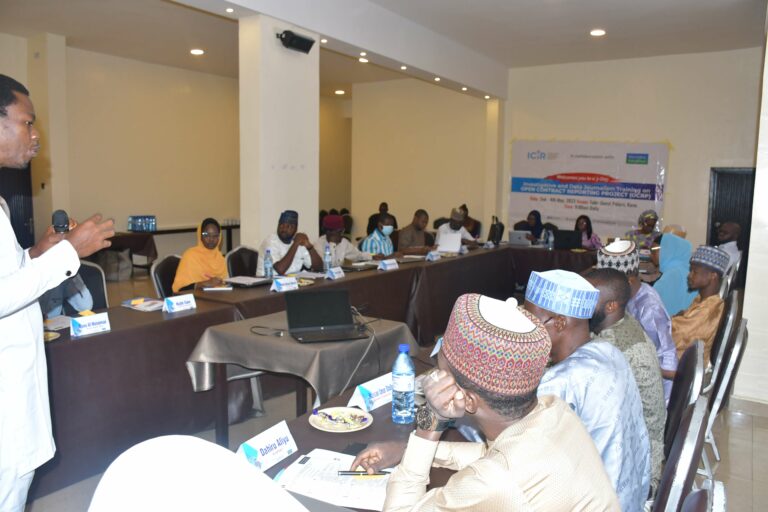
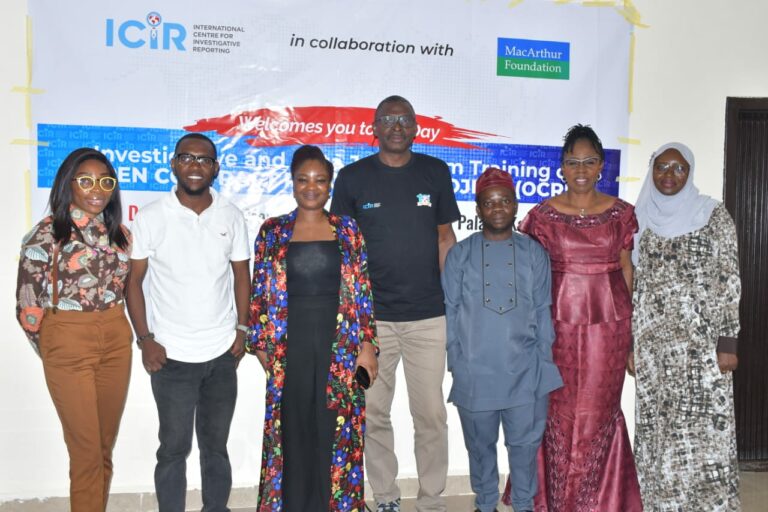
THE International Centre for Investigative Reporting (ICIR) is set to mark the conclusion of its landmark Open Contract Reporting Project (OCRP) with a close-out ceremony on December 10, 2024, at the Pearl Hotel, Jabi, Abuja.

A statement by The ICIR’s executive director, Dayo Aiyetan, noted that the OCRP, launched in 2017 and supported by the MacArthur Foundation, was targeted at strengthening the capacity of Nigerian journalists to report critically on budgetary and procurement processes, and promoting transparency and accountability across all levels of government. 

The ICIR, is an independent non-profit organisation, dedicated to promoting transparency and accountability in Nigeria through investigative journalism.

The Open Contracting Project trained more than 300 journalists from newsrooms across the country, leading to the publication of over 500 investigative reports, many of which made impacts and earned prestigious awards.

Through incisive investigations, The ICIR has exposed irregularities in contract awards, procurement fraud, and mismanagement of public funds. These stories have prompted reforms, including heightened public scrutiny of government expenditures and improved adherence to procurement laws. 

This pursuit of accountability has also helped influence policies and strengthened advocacy for transparency.

The close-out event will feature a keynote address by the chairman of the Independent Corrupt Practices and Other Related Offences Commission (ICPC), Musa Adamu Aliyu, titled “Combating Corruption in Nigeria: The Imperative of Starting with Procurement Fraud.” 

A panel discussion moderated by governance expert Joe Abah will follow, with notable panellists including Hamza Lawal, chief executive officer (CEO), Connected Development (CODE); Lucy Abagi, CEO, Public and Private Development Centre (PPDC); Gabriel Okeowo, country director, BUDGIT; Victoria Bamas, Editor, ICIR; and development journalist Khadija Bawas.

The event will also celebrate journalists who showed courage and excellence in investigative reporting during the project.

According to the statement, the platform will unveil an Investigative Reports and Impact Dashboard (INRID), a data platform showcasing information on contracts, contractors, Freedom of Information Act (FOIA) requests, and impactful stories from the OCRP. 

“The event will also witness an award ceremony for journalists who have done courageous and outstanding investigative reports in the seven years of the project. The ICIR will also unveil a data dashboard tagged ‘Investigative Reports and Impact Dashboard (INRID), a dashboard with information and data on contracts, contractors, Freedom of Information Act (FOIA) requests, and impact stories from the OCRP,’ the statement read.

In addition to its dedication to exposing wrongs and holding power to account, The ICIR operates FactCheckHub, a fact-checking platform affiliated with the International Fact-Checking Network (IFCN).

Africa No Filter offers photography masterclass

AFRICA No Filter Academy is seeking applications for its online masterclass “Take Your Photography to The Next Level with Yagazie Emezi.”

During this fireside chat, participants will learn from the trailblazing self-taught photojournalist.

Yagazie Emezi will discuss monetisation, networking and outreach, the value of publicity and marketing, and how she built such an illustrious career.

Photographers and photojournalists can register for a free masterclass.

Yagazie Emezi is a Nigerian artist and self-taught photojournalist focused on stories surrounding African women and their health, sexuality, education and human rights.

Having worked extensively across Africa, Yagazie also covers stories on identity and culture, social justice, climate change and migration.

The masterclass will be held on December 13, 2024.

Interested applicants can register here.

Senate passes investments, securities bill to enhance market regulation

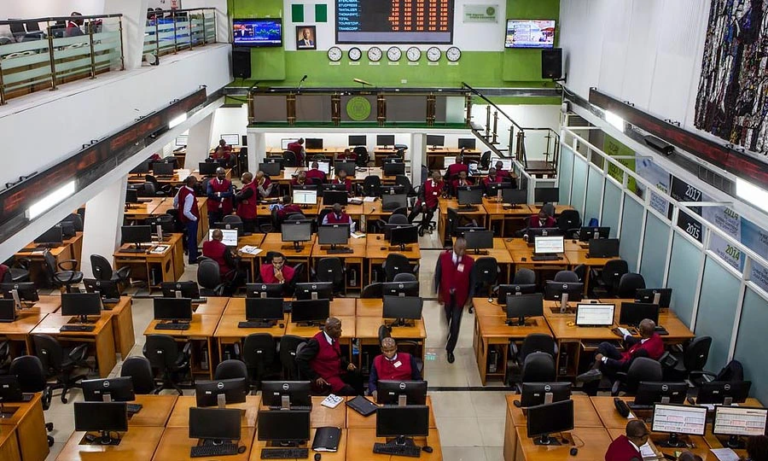
THE Nigerian Senate has passed the Investments and Securities Bill (ISB) 2024 to boost operations in the Nigerian capital market.

The bill, meant to repeal the Investments and Securities Act (ISA) 2007, was passed on the floor of the Senate on Wednesday, December 4.

It is aimed to protect investors and eliminate fraudulent dealings in the capital market.

It is also aimed to transform the capital market, encourage the influx of foreign investors as well as boost investors’ confidence, among others.

“The bill seeks to repeal the existing Investments and Securities Act 2007 and to establish a new market infrastructure and wide-ranging system of regulation of investments and securities businesses in Nigeria, especially in the areas of derivatives, systematic risk management, financial market infrastructure and Ponzi scheme and platforms.

“It was meant to establish the Securities and Exchange Commission as the apex regulatory authority for the Nigerian Capital Market. It will be a regulation of the market to ensure capital formation, the protection of investors, maintenance of fair, efficient and transparent market, and reduction of systemic risk,” the chairman of the Senate committee on the capital market, Osita Izunaso, said while leading debate on the bill.

He said further that the ISB’s main objective was to enact legislation that aligned with global dynamics relating to the regulation of capital markets through the provision of an innovative regulatory framework.

“It will protect the integrity of the security market against all forms of market abuse and insider dealing. It will prevent unauthorised, illegal, unlawful, fraudulent and unfair trade practices, relating to securities and investments,” Izunaso stated.

He added that the overriding purpose of the proposed legislation was to strengthen the capacity of the commission for the effective performance of its statutory mandate as well as reposition that vital sector of the economy for national economic transformation.

The director general of Security and Exchange Commission (SEC) Emomotimi Agama, at a recent conversation, hinted at the harsher penalties for Ponzi scheme operators through the ISB 2024, adding that it mandates a minimum fine of N20 million or up to 10 years in prison or both.

Agama said the bill explicitly prohibited Ponzi and pyramid schemes, fortifying protections for investors against illegal fund managers.

A notable amendment in ISB 2024 will allow the investor protection fund (IPF), established by securities exchanges, to cover investor losses linked to the deregistration of brokerage firms, extending beyond the current coverage of bankruptcy or negligence cases.

“This bill’s passage would be pivotal in setting Nigeria on the path to a world-class capital market,” Agama said.

In an interview, a capital market operator, David Adonri, told The ICIR that the ISA 2007 had become obsolete and needed to be repealed.

“As things change from time to time the law also has to be in tandem with the changes that are occurring in the market. We hope that the President will ascend to it.

“The capital market is faced with risks, one of such is tackling Ponzi schemes. With the new bill, those operating Ponzi can be indicted and punished for defrauding people,” he said.

ICIR secures JournalismAI grant to boost AI-driven innovations

0

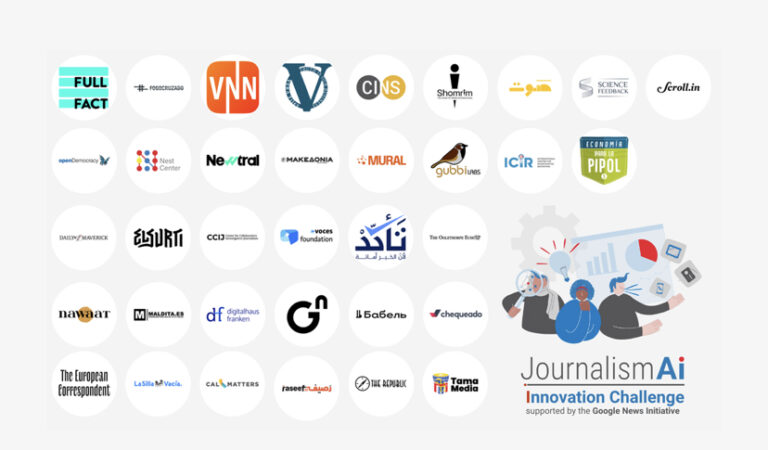
THE International Centre for Investigative Reporting (ICIR) has been selected as one of 35 news organisations globally to receive a JournalismAI Innovation Challenge grant. 

Supported by the Google News Initiative (GNI), the grant, according to a notice of selection by the organisation, aims to empower newsrooms to explore innovative uses of artificial intelligence (AI) in journalism.  

The JournalismAI Innovation Challenge, an initiative of Polis at the London School of Economics, awards grants of $50,000 or $250,000 to the chosen organisations to help them experiment, implement and share best practices of AI technologies.

As one of the two Nigerian organisations to receive the grant, The ICIR’s project will focus on experimenting with new formats across mobile video and audio. 

Beneficiaries were selected from 22 countries, namely Argentina, Brazil, Colombia, France, Germany, Greece, India, Israel, Jordan, Mongolia, Nigeria, Paraguay, Philippines, Serbia, South Africa, Spain, Switzerland, Tunisia, Turkey, Ukraine, United Kingdom and the United States.

According to the head of Ecosystem Investment Programmes, AI & Misinformation at GNI, Matt Cooke, the programme highlights a growing interest in responsibly integrating AI into journalism.

We’ve worked with JournalismAI for six years to help develop industry research and share best practices with news organisations. We’re excited to build on that partnership by supporting this new programme to bolster small and medium-sized news publishers’ AI innovation efforts. We look forward to learning more about the selected projects, which we hope will inspire journalists and publishers around the world.”


READ ALSO:


The organisation noted that this year’s selection process was highly competitive, having received over 700 applications from across the globe.

While speaking on the challenging task of selecting 35 organisations from the list, the director of Strategy & Innovation at NPO and advisor to the programme, Ezra Eeman, stated that each selected project showed promise in advancing how newsrooms could responsibly leverage AI to serve their communities.

“The depth and creativity shown in the proposals demonstrates both the clear need for AI innovation in journalism and the industry’s readiness to thoughtfully experiment with these technologies. Each selected project shows promise in advancing how newsrooms can responsibly leverage AI to serve their communities,” he said.