THE Pulitzer Center is seeking entries to its letter-writing contest, ‘Local Letters for Global Change.’
The contest allows students to practise global citizenship, civic action and persuasive writing while exploring the underreported issues that matter to them through Pulitzer Center news stories.
To enter, students must write a letter to a local elected representative that explains a global issue they want them to prioritise, shows how it connects to their local community and proposes a solution.
Letters may be written in English and/or Spanish.
Students across the globe in high school, middle school or elementary school can enter a writing contest.
First-place winners will receive US$300 and their letters will be published on the Pulitzer Center’s website.
The deadline for the submission of application is November 15, 2024.
NIGERIA’s headline inflation for July 2024 declined to 33.40 per cent from 34.19 per cent recorded in the previous month – the first reduction reported since President Bola Tinubu assumed office in May 2023.
According to the National Bureau of Statistics, the inflation rate declined by 0.8 per cent compared to the June 2024 headline inflation rate of 34.19 per cent.
The NBS said, “On a year-on-year basis, the headline inflation rate was 9.32 per cent points higher compared to the rate recorded in July 2023, which was 24.08 per cent. This shows that the headline inflation rate (year-on-year basis) increased in July 2024 compared to the same month in the preceding year (i.e. July 2023).
“Furthermore, on a month-on-month basis, the headline inflation rate in July 2024 was 2.28 per cent, which was 0.03 per cent lower than the rate recorded in June 2024 (2.31 per cent). This means that in July 2024, the rate of increase in the average price level was lower than the rate of increase in the average price level in June 2024. “
Since Tinubu assumed office, Nigeria’s inflation rate has consistently increased for 13 months, from 22.41 per cent in May 2023 to 34.19 per cent in June 2023.
The ICIR reported that as of September 2023, Tinubu’s policies set a new inflation record for the nation in 20 years, making his administration sustain inflation rise consistently more than any leader in the nation.
Also, when the inflation rate reached 28.92 per cent in December 2023, The ICIR reported that it consistently increased throughout the year.
The food inflation rate in July 2024 was 39.53 per cent which was 12.55 per cent higher compared to the rate recorded in May 2023 ((26.98 per cent).
The rise in Food inflation on a year-on-year basis was caused by increases in prices of the following items: Semovita, Oatflake, Yam flour prepackage, Garri, Bean, etc (which are under Bread and Cereals Class), Irish Potatoes, Yam, Water Yam, etc (under Potatoes, Yam and other Tubers Class), Palm Oil, Vegetable Oil, etc (under Oil and fat), Stockfish, Mudfish, Crayfish, etc (under Fish class), Beef Head, Chicken-live, Pork Head, Bush Meat, etc (under Meat class).
In July 2024, food inflation on a year-on-year basis was highest in Sokoto (46.26 per cent), Jigawa (46.05 per cent), Enugu (44.06 per cent) while Adamawa (33.48 per cent), Bauchi (35.10 per cent) and Benue (36.41 per cent), recorded the slowest rise in food inflation on year-on-year basis.
The Stigler Center for the Study of the Economy and the State at the University of Chicago is organising and seeking applications to its Journalists in Residence Programme taking place from March 17 to May 31, 2025, in Chicago.
The programme aims to shape the next generation of leaders in business reporting.
Participants will audit classes, participate in events, collaborate with peers and more.
Journalists who have some years of media experience and are proficient in English can apply for this programme.
The organiser provides airfare, a US$14,000 stipend, training, study space and an opportunity to write for the ProMarket publication.
The Center’s mission includes efforts to enrich the public debate on matters related to the interaction between politics and the economy says the host.
“The media plays a crucial role in that effort by gathering and disseminating information on the behaviour of different players in the market and uncovering potential wrongdoings”.
The deadline for the submission of application is October 13, 2024.
In Ogun state, inadequate modern healthcare facilities lead many pregnant women to choose traditional birth homes. This report highlights this trend in Sagamu and Ijebu East LGAs, where traditional birth attendants are preferred due to the government’s neglect of rural primary healthcare, despite the Basic Health Care Provision Fund (BHCPF).
On a sunny afternoon on February 24, 2022, Omobolanle Olayinka, a 35-year-old trader who resides at Ayepe Road, Sagamu Local Government Area (LGA), Ogun State, began experiencing severe stomach discomfort. Being five months old pregnant, she hurried to Agura Primary Healthcare Centre (PHC) in Sagamu, where she had registered for antenatal care services. Upon arrival, she encountered only one staff member, who was visibly overwhelmed with her workload as she attended to several patients simultaneously.
According to Omobolanle, the healthcare official who is a community Health Extension Worker (CHEW), advised her to go for a pregnancy scan after which she was given two sachets of Ampiclox and told to go home.
Omobolanle said she took the medication around 2:pm and rested for a few hours.
However, four hours later, her discomfort returned, and her water broke shortly thereafter. She was rushed back to the health centre, where the staff member, still overwhelmed with work, asked for another scan.
This time, Omobolanle was informed by the nurse that the baby was struggling for survival, but there was nothing she could do.
Omobolanle was then referred to Divine Hospital, a private hospital in the area. Upon arrival, the doctor said the medication given to her was inappropriate and that she should have received better care earlier.
Sadly, she lost the pregnancy.
Another woman, Yusuf Olayinka, a resident of Alagbon Mefa, Sagamu, faced a similar ordeal. Over two years ago, she lost her first pregnancy four months before delivery.
It took her 20 months to conceive again. It was such a traumatic experience that her husband had to resort to finding a reputable traditional birth home for her.
“The experience discouraged me from using any PHC. I have since vowed that I will never step foot in a PHC again. In addition, my husband and his parents have warned me against using a PHC again,” she said.
After months of frantic search, Olayinka learned about the Olorunayo Spiritual Birth Home from a neighbuor. In February 2024, she finally became pregnant.
The World Health Organization (WHO) defines primary healthcare as the cornerstone of a robust health system, covering health promotion, disease prevention, treatment, rehabilitation, and palliative care.
Yet, in rural areas of Ogun state, this promise falls short. Many communities lack primary healthcare centres (PHCs) entirely, and the existing ones are often inaccessible or poorly equipped.
Consequently, women often with the support of their spouses are increasingly turning to traditional birth attendants (TBAs), leading to an increase in concerns about safety and complications during childbirth.
A cross-section of pregnant women during the ante-natal session at the Olorun Ayo Spiritual Maternity Home, Sagamu, Ogun state.
Why women choose traditional birth attendants over hospitals
According to a 2019 WHO-led study, researchers from Ghana, Guinea, Myanmar, and Nigeria found that out of 2,016 women directly observed, 838 (41.6 percent) experienced physical or verbal abuse during or after childbirth in health facilities.
Additionally, 945 (35.4 percent) of 2,672 surveyed women experienced physical or verbal abuse, stigma, or discrimination. These findings highlight some of the systemic issues in healthcare facilities that contribute to women seeking alternative care options.
Given the challenges with formal healthcare facilities in several Ogun communities visited, many women are turning to traditional birth attendants for deliveries. Reports of neglect and mistreatment in hospitals contribute to this shift.
Odunayo Olatunberu, a 42-year-old businesswoman from Itusokun community, Sagamu LGA, said she chose a TBA for the delivery of her second child after a series of disappointing experiences with hospitals.
She faced frequent strikes and unresponsive staff at healthcare centres in the course of her pregnancy, which heightened her anxiety over potential complications.
“Feeling overwhelmed and anxious, I was ready to abandon hospitals altogether.
“That’s when my mother-in-law recommended Olorun Ayo Spiritual Maternity Home. Now, with my second child on the way, I’m confident in this decision,” Olatunberu said.
Similarly, 27-year-old trader, Balikis Adeyinka, from Alagbon Mefa, Sagamu LGA, opted for Olorun Ayo Spiritual Maternity Home during her first pregnancy based on her father-in-law’s warnings over possible complications at a nearby healthcare centre.
“Besides, my mother-in-law is friends with the matron. As a first-time mother, I found the support and experience satisfactory during my delivery which happened at midnight.
“I registered my second pregnancy here (with the TBA) while also using a private hospital. However, when I went into labour during a scan appointment at the private hospital, despite being attended to, I lost the baby. This is now my third pregnancy, and I’ve decided to stick with this place (TBA) exclusively,” she said.
Omolade Fasunde, who delivered her first child on May 6, 2024, at Iya Seun Trado Medical Home in Onipetesi village, Ijebu East LGA chose the traditional clinic due to negative testimonies about PHCs in the area. As a first-time mother, she was scared of complications.
Damilola Joseph, a 25-year-old artisan originally from Togo and now living with her husband in Onipetesi village, said she chose the traditional clinic because it was the popular choice in the area.
“A lot of people in the community encouraged us to come here when I conceived, and my husband agreed. This is my second pregnancy.
“I delivered my first at a similar traditional birth home in Ayegbami village. I’m currently nine months pregnant, and since I started using this place, I have no regrets and no issues with their services.
“Financially, we are not pressured; we pay what we can afford either before or after delivery,” she said.
Kehinde Raji, a middle-aged woman who has lived in Onipetesi for over 15 years, applauded Iya Seun Trado Medical Home for offering trust and comfort, qualities she felt were lacking in Pics.
She delivered all her children at the traditional home, including her 12-year-old twins, and plans for her grandchildren to be born there as well.
Husbands endorsed traditional birth attendants
During the course of this report, it was observed that many women’s decisions regarding childbirth were significantly influenced by their husbands. This trend is seen across various communities where husbands often play a crucial role in deciding whether their wives should opt for traditional birth attendants over modern healthcare facilities.
The chairperson of Ogun state Traditional Birth Attendants, Ijebu East branch, and founder of Iya Seun Trado Medical Clinic, Rashidat Adedayo, said that many husbands bring their wives to the clinic and ensure they follow health advice, adding that the majority of women had their husbands’ consent and, more often than not, directive.
Sharing her experience, Damilola Joseph, said: “When I conceived, many in our community recommended this place, and my husband sanctioned it. This is my second pregnancy; the first was delivered at a similar traditional birth home recommended by my husband.”
Omolade Fasunde, 18, delivered her first child at Iya Seun Traditional Clinic, Onipetesi. She said: “My husband insisted I stay home without working while he focused on farming. So, when it was time to register at a clinic, it was his decision as well,” she explained.
18-Year Old Omolade Fasunde (right), with Rashidat Adedayo, founder, Iya Seun Trado Medical Clinic, after the delivery of her first child.
According to Omobolanle Olayinka, the experience of poor medical attention she had at Agura PHC in Sagamu, which made her to lose her first pregnancy discouraged her from using it again.
“I have since vowed that I will never visit any PHC again. In addition, my husband and his parents have warned me against using the it again,” she said.
An elder in Onipetesi village, Michael Ewenje, said that most women in the community do not work, relying instead on their husbands for financial support.
“We have no other place to deliver our babies apart from Iya Seun Traditional Clinic,” he lamented, citing the difficulty of accessing the nearest primary healthcare center due to bad roads.
A blacksmith and farmer in Onipetesi, Abdulwaheed Tewogbade, said, “We had all our six children delivered by the TBA. She is a lifesaver for our community, providing what the government could not.”
However, a nurse in Sagamu LGA, Bolanle Bushirat Adelani, expressed concern about how women’s healthcare choices are often considered insignificant by their spouses.
She said, “Spousal inequality is prevalent here and troubling, especially among women who live close to their in-laws. Their husbands often assert authority, deciding healthcare choices for their wives even if they are not okay with it.”
Poor investment in primary healthcare promotes TBAs business
Files of the registered pregnant women at Gbamu Gbamu PHC
A report by the JDPC, Ijebu Ode, reveals a troubling trend of budgetary neglect for PHCs in Ogun State. Funding allocated to improve maternal health outcomes prioritises secondary and tertiary facilities in urban areas, leaving rural PHCs struggling with pre-existing challenges.
This lack of investment compounds existing issues with primary healthcare services, thereby jeopardising maternal health outcomes in these underserved communities.
Torn net at Gbamu Gbamu PHC
Although Ogun state allocated a significant portion, N51.5bn, of its 2023 budget for health expenditures, the distribution across healthcare entities raised concerns. Funds were directed towards the ministry of health, the health insurance agency, and teaching hospitals, while the critical role of PHCs in ensuring accessible maternal healthcare appears under-resourced.
Budgetary allocation to health
A scrutiny of the Ogun State budget for 2023 shows that of the N51,533,917,617.88 allocated, the ministry of health got N9,306,845,783; the Ogun State Health Insurance Agency got N890,279,856; Ogun State Primary Health Care Development Board, N15,230,879,396; Preparedness & Response Project N38,143,990; Ogun State Road Safety Advisory Council (Ministry of Health) N24,788,134; Olabisi Onabanjo University Teaching Hospital N10,605,685; Ogun State Hospitals Management Board, N7,869,287; State Hospital, Sokenu, Abeokuta, N1,932,561,992; State Hospital, Ijebu Ode N1,329,798,828; State Hospital Ota N1,193,828,896; State Hospital, Ilaro, N606,209,050; State Hospital, Isara, N585,429,679; State Hospital, Ifo, N698,388,983; Ogun State Alternative Medicine Board, N361,166,941; and the College of Health Technology, Ilese, got N860,622,213.
In spite of the significant investment in the state Primary Healthcare Development Board, a lot of gaps still exist in healthcare services in the state.
Findings from Gbamugbamu, Onipetesi, Agboro, and Ojelana communities in Ijebu East LGA reveal a disturbing reality.
Local healthcare centres are in a deplorable state, suffering from failing infrastructure, insufficient equipment, understaffing, and a lack of basic necessities like road, power and proper maintenance.
These conditions render them unsuitable for providing adequate maternal healthcare services, findings show.
Pregnant women and nursing mothers in these communities are at the receiving end. Some of them narrated the challenge of traveling long distances on dusty and poor roads to access basic healthcare in the area.
Patients sleeping on makeshift mattresses at the Ojelana PHC
A resident of Ojelana community, known as ‘Olori Odo’ expressed concerns about health emergencies at Ojelana PHC in the night. He noted that the health facility often refers patients to Ogbere, approximately five kilometres away, along a very bad road.
A visit to Gbamugbamu PHC in Ijebu East LGA of Ogun State further reveals the harsh reality of healthcare neglect in rural communities. Torn windows, broken furniture, and a thick layer of dust covering medical equipment shows that the facility is in dire need of repair and resources.
Gbamugbamu community is situated within a government forest reserve area and is predominantly inhabited by farmers. The health facility is surrounded by bushes and a few houses, with access via a dusty and rough road.
The only staff available, Fatimoh Jimoh, lamented the lack of patronage from residents. According to Jimoh, who is nursing a few months old baby herself: “We conduct deliveries here, but many people prefer not to use this facility. They often register just for the sake of it and later opt for delivery at nearby traditional birth attendants or even at home.”
She continued: “We go to their homes to encourage them to come here, but they cite the lack of conducive conditions as their reason. Despite its deplorable state, this PHC is still cleaner and more conducive than the mud houses where they often deliver,” she said.
Oyewusi, facility’s head, Gbamu Gbamu PHC
Identified as Oyewusi, the facility’s head and a qualified principal CHEW, lamented the challenges faced by the PHC, including the lack of access to clean drinking water, and the absence of electricity for several years.
“We don’t have clean water. We rely on the well in front of the facility. Pregnant mothers and other patients avoid staying here due to insecurity, mosquito infestation, and inadequate bed spaces.
“Most patients don’t linger because of these issues. Despite having seven registered pregnant women, only about two attend antenatal sessions regularly,” she said.
The Ward Development Committee (WDC) chairman in the area, Dauda Alade, said the health centre still enjoys little patronage but stressed the urgent need for maintenance and upgrade to meet up with national standards.
The national standards set by the NPHCDA stipulate a minimum of 24 staff members for a primary healthcare centre, including medical officers, nurses, midwives, pharmacists, and support staff.
“If this centre is well-maintained and equipped, it wouldn’t appear as neglected as it does now. Since I became chairman in 2010, the initial influx of patients has dwindled.
Imagine a woman in labour at night with no light and only one usable bed. It’s a dire situation, and I’ve encountered snakes here more times than I can count,” he lamented.
Unlike Gbamugbamu PHC, the Ojelana facility has undergone recent renovation and improvement, but residents describe it as ‘big body, no engine.’
The PHC is registered to provide a wide range of services including medical, surgical, pediatric, special clinical services, antenatal care, immunization, HIV/AIDS services, non-communicable diseases, family planning, nutrition, health education, and community mobilization.
However, despite the renovations, the centre still faces challenges with inadequate equipment. Wards and offices were observed empty, and a few patients seen were resting on makeshift mattresses spread on the floor during a visit by this reporter.
Abiodun Yusuf, the matron at Ojelana, shared said: “I was posted here in February this year. But since then, we haven’t recorded any deliveries. Some pregnant women do come, but they often don’t return.
“Currently, we have registered pregnant women, but we haven’t established regular antenatal days due to low numbers. Our operations are hindered by lack of electricity and water supply.”
According to findings, the centre relies solely on solar power for lighting and fetches water from nearby wells and streams. Despite serving the community round the clock, transportation remains a challenge, with one staff member per shift.
Concerns over TBAs in Ogun communities
One of the most significant concerns regarding TBAs is their lack of formal medical training. Unlike certified midwives and obstetricians, TBAs often rely on traditional practices and may lack comprehensive knowledge of modern medical procedures and emergency interventions.
According to experts, this can lead to complications during childbirth that they are not equipped to handle, increasing the risk of maternal and neonatal morbidity and mortality.
The front view of the Olorunayo Spiritual Maternity Home, Sagamu, Ogun state.
Ogun state has the highest child mortality rate in southwestern Nigeria, with 56 out of 1,000 infants dying before their first birthday in 2022.
Community members attribute some maternal deaths to traditional birth attendants, citing the poor state of PHCs and the lack of emergency response systems as contributing factors.
During visits to several health facilities, health workers expressed concerns about TBAs instilling fear in pregnant women.
Many women register at both TBAs and PHCs but are often warned against delivering at PHCs by their families, particularly husbands and in-laws.
At Itusokun PHC, ward 6, Sagamu, Omoniyi Abosede, a community health worker, highlighted the challenges they face despite the center’s recent upgrade to a full primary healthcare facility with round-the-clock services in February 2024.
“Many women register here but also opt for TBAs, citing fears that their families may disapprove if they deliver at the health centre,” Abosede said.
“We’ve encountered cases where deliveries become complicated, and despite referrals to General Hospitals or Ogun State University Teaching Hospital, women return to TBAs, believing in their ability to ensure safe deliveries and fearing potential harm or curses if they do not comply.”
A consultant Clinical pharmacologist and malaria scientist at University College Hospital (UCH), Ibadan, Oyo state, Samuel Obaro, believes TBAs have increased the maternal mortality rate in the country rather than reduced it.
He says outcomes are better when pregnant women are assisted by skilled birth attendants and maintains that the federal ministry of health has not adopted their TBAs practice as a line of action in maternal care.
How cultural beliefs hinder healthcare delivery
Findings show that traditional healing practices, deeply entrenched in many communities, often intersect with modern medical advice.
According to experts, a reliance on herbal remedies, spiritual healing, or ritualistic practices can sometimes lead individuals to forego evidence-based treatments.
In some cases, these practices can pose direct risks to patients, such as the use of unsterilized instruments or harmful substances.
The front view of the Iya Seun Trado Medical Home, Ijebu East LGA, Ogun State.
The head of the reproductive health unit and apex nurse for Sagamu LGA, Bolanle Bushirat Adelani, attributed the prevalence of traditional childbirth practices to cultural and traditional beliefs.
“There’s a strong adherence to traditional methods in our communities,” she explained.
“This often involves a belief in the superior abilities of TBAs. While we respect cultural practices, our focus is on promoting safe and effective maternal healthcare.
“We’re not competing with them but advocating for professional and safe practices. Collaboration is essential as we cannot address these challenges alone.”
The impact of cultural beliefs on healthcare is sharply clear, especially given Nigeria’s critical shortage of medical professionals. Despite the World Health Organization’s recommendation of a 1:600 doctor-to-patient ratio, Nigeria has only 24,000 licensed medical doctors available in the country as at 2022.
This is less than 10 per cent of the number needed to meet WHO standards. The shortage contributes significantly to high maternal and infant mortality rates. It is estimated that more than 60 percent of births occur outside medical facilities in Nigeria, stressing the vital role TBAs play in maternal health care, particularly in underserved rural areas.
Salisu Adegbenga, chairman, Traditional Birth Attendants and Alternative Medicine, Sagamu LGA, Ogun State, and director, Olorun Ayo Spiritual Maternity Home, Alagbon Mefa, Sagamu, Ogun State, checking the register book of pregnant women.
Data of deliveries at TBAs
In some Ogun communities visited, delivery statistics at traditional birth homes vary significantly. Ola-Iya Trado Medical Home in Agboro v toillage, Ijebu East LGA, reported 25 deliveries and 12 registered pregnant women so far this year.
Olorun Ayo Spiritual Maternity Home in Alagbon Mefa, Sagamu, recorded 60 deliveries with 25 pregnant women on its register. Similarly, Iyanu Oluwa Mission Home in Isote, Makun Sagamu, had 10 deliveries and 5 pregnant women registered, while Iya Seun Trado Medical Clinic reported over 40 deliveries and 25 pregnant women on its register.
In contrast, nearby Ojelana PHC and Gbamugbamu PHC have not recorded any deliveries in the last four months, with fewer than 10 pregnant women on their registers.
Experts speak on complementary roles
The chief executive officer, Foundation for Family Reformation and medical director at Shelters Hospital, Lagos, Oluwatoyin Ajayi-Osakwe, acknowledged the complementary role of TBAs in healthcare, especially in underserved areas where formal healthcare access is limited.
He noted that TBAs can provide initial care and support critical for pregnant women who might otherwise receive no care.
However, Ajayi-Osakwe, a medical doctor, cautioned against the risks associated with TBA services, particularly in managing complicated deliveries. He expressed concerns that TBAs may lack adequate skills and equipment to handle emergencies, which could lead to adverse outcomes for mothers and infants.
In his opinion, Michael Obaro, senior lecturer in the department of pharmacology and therapeutics at the University of Ibadan, noted that although collaborative healthcare is a practice that has been established in advanced countries like China, US and others, in Nigeria caution should be applied due to safety and quality control issues.
“For us to think about incorporating traditional birth practices into the conventional healthcare, we need to do a lot of things, including awareness creation, education and orientation.
“We need to find a way to control and ensure their quality control before their methods can be allowed to be used. I know there are a lot of people that patronises the TBA, but it’s not one that is recognised yet by the official health system.
“Conventional healthcare is highly regulated, so for the TBA to be recognised, there should be a framework for regulation.
Michael Obaro
“The ministry of health has many policies that regulate everything that we do in order to ensure safety of our practices and procedures. So, for the TBAs to enjoy such privilege, they need regulation as well, but I don’t think Nigeria is ripe for that yet.”
The managing director, Crystal Herbal and Wellness, Damilola Ogunlola, emphasised the need for a comprehensive approach to address the preference for traditional birth homes among underage pregnant women.
“Improving healthcare access and affordability, increasing education and awareness, and amongst others are key to achieving better health outcomes for young mothers and their babies.”
An abandoned and dilapidated Signboard of Gbamu Gbamu PHC, Ijebu East LGA, Ogun StateA cross-section of pregnant women during an ante-natal session at Iya Seun Trado Medical Clinic, Onipetesi village, Ijebu East LGA, Ogun State
Government reacts
In a phone interview , Ijebu East LGA chairman, Adetutu Elizabeth Oyesanya, said, “I am deeply committed to healthcare and assure you that all necessary actions will be taken to address the challenges faced by PHCs in the local government area.
“We are aware of existing difficulties and are prepared to resolve them.
The frontal view of Gbamu Gbamu PHC, Ijebu East LGA, Ogun State.
The condition of some health centres in our local government has been a significant concern for me.
“The state governor, Dapo Abiodun, is equally committed to prioritising healthcare. In my eight -month tenure, we have undertaken several initiatives to improve primary healthcare centers.
“This includes the rehabilitation of Ojelana Health Centre in Owu Ijebu; Atoyo Health Centre in Ijebu Itele; and the construction of a new primary health centre at Orita J4, serving nearly 30 villages in that area. We have also installed solar street lights at several health centers across the Local Government.”
The newly renovated Ojelana PHC in Ijebu East LGA, Ogun State
She said that the LGA has implemented measures to monitor community engagement with healthcare infrastructure in the area.
On lack of adequate power supply in some PHCs visited, she said: “The governor has initiated new electrification projects, resulting in restored electricity to some areas, although Ojelana currently remains without power.”
On his part, Tomi Coker, the commissioner for health in Ogun State, emphasised in a phone interview that the state government is steadfast in improving healthcare interventions.
Commissioner for health, Ogun state, Tomi Coker.
Coker said the state government is committed to prioritising pregnant women by offering them free health insurance covering for antenatal care and delivery, including cesarean sections.
According to her each woman also receives 5,000 Naira upon delivering at our health centres.
“Ibidero” is a health insurance scheme targeting vulnerable pregnant women across Ogun State’s 20 local government areas. Enrolled women receive free maternal health services at designated health centers to minimize pregnancy-related complications.”
Regarding collaboration with traditional birth attendants (TBAs), Coker recognised their significant presence and patronage, indicating they are indispensable partners.
She stressed the need for collaboration and support from the government to ensure safe maternal healthcare practices across the state.
Eforts to reach Elijah Ogunsola, the Executive Secretary of the Ogun State Primary Health Care Development Board, proved futile. Despite multiple attempts via phone calls and WhatsApp messages, he could not be reached, even though the messages were delivered and indicated read.
NIGERIA’s economic activities under President Bola Ahmed Tinubu contracted for the last 13 months, according to a report by the Central Bank of Nigeria (CBN).
The report Purchasing Managers’ Index (PMI) released on Wednesday, August 14, by CBN, revealed that it contracted at 49.7 points as of July 2024.
The release of the PMI report came following CBN announcement on Tuesday, August 13 that it would resume the periodic publication of several economic reports to aid informed decision-making and business intelligence for economic managers.
One of the economic data to be published periodically is the PMI report, The ICIRreported.
The apex bank’s PMI showed that business activities across various sectors of the Nigerian economy have been suffering a contraction since
Nigerian President Bola Tinubu came into office on May 29, 2023, and announced during his inaugural speech the removal of petrol subsidies, followed by the CBN unification of the exchange rate.
The two policies, experts argued were ill-timed and poorly implemented, thereby stoking the economy and worsening the hardships faced by Nigerians.
The country’s headline inflation which rose to a new 28-year high in June surged to 34.19 per cent and the food inflation to 40.87 per cent
Other economic goods, notably energy costs have skyrocketed with the pump price of petrol jumping from about N195 per litre in May 2023 to over N1,000 per litre at present.
In the July report, CBN showed that the PMI sustained a contractionary trajectory to 49.7 points, signifying that economic activities were in the red from 48.8 points in June.
A PMI reading is calculated based on responses about the direction of change in various aspects of respondents’ business activities.
At above 50.0 points, it signals an expansion in business activities, while at below 50.0 points indicates a contraction.
“In July 2024, the composite PMI stood at 49.7 points indicating contraction in economic activities for the thirteenth consecutive month. However, the index shows improvement compared to the 48.8 points recorded in the previous month.
“Furthermore, Output Level, Suppliers’ Delivery Time and Stock of Inventory expanded. New Orders and Employment contracted at a slower rate compared to the levels recorded in the previous month,” CBN stated.
A breakdown of the report by sector showed that the agriculture, manufacturing, construction, mining and quarrying, electricity, gas, and water supply subsectors recorded contractions during the review month.
On the contrary, the services sector experienced expansion for the second consecutive month.
A cursory look at the index indicated that the industry sector PMI, at 48.3 points, marked the sixth consecutive month of contraction, although there was an improvement in industrial activities reflected in higher production levels and faster suppliers’ delivery times compared to the previous month.
THE Federal Government, through the Nigeria Customs Service (NCS), is set to commence implementation of the zero import duty on select food items comprising maize, grain, millet, and wheat into the country.
As a result, the Federal Ministry of Finance has approved new guidelines for the implementation of its policy on the total removal of import duties and value-added tax (VAT) on select food items.
The food items to be exempted include maize, husked brown rice, grain beans, wheat, and millet.
The import waiver was to mitigate the high cost of food items in the Nigerian market by making essential commodities more affordable to citizens
The policy is effective from July 15, 2024, and will remain in force until December 31, 2024, the government said.
In a circular issued on Wednesday, August 14, the Customs informed that the Federal Ministry of Finance had issued a letter, telling the agency that President Bola Tinubu has approved the implementation.
According to the circular signed by NCS deputy comptroller-general, C.K. Niagwan, the service said the food commodities include maize, husked brown rice, wheat, grain beans, and millet.
Recall, that the federal government announced on July 10 the suspension of duties, tariffs, and taxes on the importation of food staples through land and sea borders to reduce inflation.
On August 7, the NCS said the duty waiver on imported foods would be implemented within the next week.
In the letter, Wale Edun, the minister of finance, said the “measure which is geared towards ameliorating the high cost of food items in the Nigerian market shall be limited to the national supply gap to be determined by a committee set up by the Minister”.
The ICIRreported that the food inflation increased to 40.8 per cent in June which has Nigerians spending the largest percentage of their earnings on feeding.
Requirements for duty waiver
Edun said importers applying for the duty waiver must have milling capacity and a verifiable backward integration programme (BIP).
The BIP is the sourcing of raw materials locally to reduce dependence on foreign raw materials.
“The importation of these items shall also be limited to investors with milling capacity and verifiable Backward Integration Programme (BIP) for some of the items,” the minister said.
Also, he said from time to time, during the implementation period, the ministry will furnish customs with the list of importers and their approved quotas to guide the importation of the basic food items.
Edun said customs must ensure strict compliance.
On Tuesday, Bashir Adeniyi, comptroller-general (CG) of NCS, said the federal government would lose about N188 billion in revenue due to the suspension of import duties on food commodities.
Adeniyi said the service would ensure adequate implementation by enlisting special corridors to clear imports of food items.
THE World Health Organization on Wednesday, August 14, declared mpox a global public health emergency for the second time in two years.
The declaration followed an outbreak of the viral infection in Democratic Republic of Congo that has spread to neighbouring countries.
This was as Africa’s top public health body, the Africa Center for Disease Control and Prevention (CDC) warned on Tuesday, August 8, of an alarming rate of spread of the viral infection, which is transmitted through close contact and causes flu-like symptoms and pus-filled lesions.
The WHO’s declaration came on the heel of the advice of an Emergency Committee of independent experts who met on Wednesday to review data presented by experts from WHO and affected countries.
The Committee, according to the WHO, informed the Director-General, Tedros Ghebreyesus, that it considered the upsurge of mpox to be a public health emergency of international concerns (PHEIC), with potential to spread further across countries in Africa and possibly beyond the continent.
The PHEIC status is WHO’s highest level of alert and aims to accelerate research, funding and international public health measures and cooperation to contain a disease.
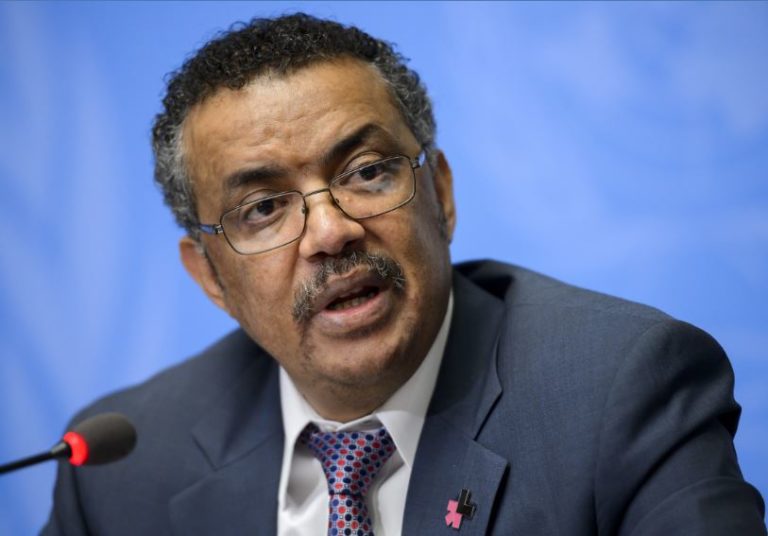
Speaking on the situation, Ghebreyesus said “The emergence of a new clade of mpox, its rapid spread in eastern DRC, and the reporting of cases in several neighbouring countries are very worrying. On top of outbreaks of other mpox clades in DRC and other countries in Africa, it’s clear that a coordinated international response is needed to stop these outbreaks and save lives.”
Mpox is a viral illness caused by the monkeypox virus, with two distinct clades: Clade I and Clade II. The disease can be transmitted through close contact, such as sex, skin-to-skin contact and talking or breathing close to another person.
Unlike the previous mpox public health emergency, declared in 2022, caused by the relatively mild Clade 2, the recent outbreak in Congo began with the spread of an endemic strain, known as clade I.
Since the start of 2024, there have been more than 15,600 cases of mpox in the DR Congo, with at least 537 deaths.
According to the WHO, mpox has been reported in the DRC for more than a decade, and the number of cases reported each year has increased steadily over that period.
“The emergence last year and rapid spread of a new virus strain in DRC, clade 1b, which appears to be spreading mainly through sexual networks, and its detection in countries neighbouring the DRC is especially concerning, and one of the main reasons for the declaration of the PHEIC.
“In the past month, over 100 laboratory-confirmed cases of clade 1b have been reported in four countries neighbouring the DRC that have not reported mpox before: Burundi, Kenya, Rwanda and Uganda. Experts believe the true number of cases to be higher as a large proportion of clinically compatible cases have not been tested,” WHO added.
The global health body stressed that it had released $1.5 million in contingency funds and planned to release more in the coming days.
Spread of Mpox to other neighboring countries
Meanwhile, the AfricaCDC, has warned that no fewer than 13 African countries, including previously unaffected nations like Burundi, Kenya, Rwanda, and Uganda, have reported mpox outbreaks.
The body noted that these countries have confirmed 2,863 cases and 517 deaths, primarily in the Democratic Republic of the Congo (DRC) alone in 2024.
“Suspected cases across the continent have surged past 17,000, a significant increase from 7,146 cases in 2022 and 14,957 cases in 2023. This is just the tip of the iceberg when we consider the many weaknesses in surveillance, laboratory testing and contact tracing,” the organisation added..
SPEAKER of the House of Representatives, Tajudeen Abbas, on Wednesday, August 14, strongly defended the controversial Counter Subversion Bill before bowing to Nigerians who boldly rejected the bill.
Abbas suspended the bill hours after advancing strong arguments on the need to pass it into law.
He explained that the clarification on the bill, which he sponsored, was important due to the ‘misconceptions’ that had trailed it.
His explanations were contained in a statement signed and made available to journalists by his Special Adviser on Media and Publicity, Musa Krishi.
The statement followed the backlash the bill had received from the public since it was introduced at the House.
The Speaker said he appreciated the interest Nigerians showed in the bill.
He stated that the Counter Subversion Bill, 2024 (HB. 1652) was introduced on the floor of the House of Representatives on Tuesday, July 23, 2024, thus, the bill was still at the introductory stage.
He added that the bill fell within the realm of Nigeria’s anti-terrorism framework, and sought to address subversive activities by associations, organisations, militias, cults, bandits, and other proscribed groups in Nigeria.
“Similar legislation obtains in other climes with varied appellations. Such countries include the United Kingdom, Spain, India, Turkey, Canada, andAustralia, among others.
“The Speaker, and by extension the House of Representatives, which is the People’s House, welcome robust engagements and discussions from Nigerians on the contents of the Bill, and how best to address the concerns raised,” Abbas stated.
He added that the committee working on the bill must invite Nigerians, particularly relevant stakeholders, to a public hearing on the bill.
According to him, the inputs from the public would form the basis for the committee’s report, tobe laid on the floor of the House.
“After the consideration of the report, the bill will be passed for the third reading and forwarded to the Senate for concurrence. If the Senate deems it fit and concurs with the bill, a clean copy would be transmitted to the President for assent. Mr. President reserves the right to withhold assent to the bill,” the statement added.
Abbas assured that the bill, and any other draft legislation before the House, would pass through all the legislative processes, and Nigerians would have ample opportunity to make their inputs.
The news of the bill has been trending on major social media platforms.
Commenting on the issue, a former Minister of Education, Obiageli Ezekwesili, in a tweet on her X handle described the bill as “A silly flight of fancy that further reveals how unserious and irrelevant the lawmakers are to the Nigerian condition.”
Similarly, an X user with the handle @jubshittu posted,“The #CounterSubversionBill has no place in Nigeria’s democracy. Our lawmakers have much better use of their time if Nigeria is to become a trillion-dollar economy. I’ll gladly join in the fight against this bill.”
The ICIR reported that Abbas later withdrew the controversial Counter Subversion and Other Related Bills.
He announced the withdrawal through his Special Adviser on Media and Publicity Krishi on Wednesday.
He acknowledged the significance of the concerns raised and the attention the bill had garnered across the country and beyond. He also reaffirmed that he would never support any action that might disrupt Nigeria’s peace and unity.
Discussions on the Counter Subversion Bill became very intense after a ten-day protest tagged #EndBadGovernance that almost grounded the nation.
The ICIRreportedthat insecurity, inflation and a hike in the cost of living amongothers pushed many Nigerians to stage the protest.
Tinubu had stopped fuel subsidies and devalued the local currency – the naira – thus causing a spiral hike in food and commodity prices and making life unbearing for many citizens.
THE Port Harcourt Refinery has again failed to come on-stream despite a firm promise by the Nigerian government and the Nigerian National Petroleum Company Limited (NNPCL), that it would start operations in early August following several postponements
This development has kept Nigerians perpetually waiting and wondering what the NNPCL means by “technical completion.”
The Minister of State for Petroleum Resources (Oil), Heineken Lokpobiri, had on Thursday, December 21, 2023, during a tour of the Port Harcourt refinery said it was technically completed.
“Just to announce to Nigerians the fulfilment of our pledge to bring on stream phase one of the Port Harcourt refinery by the end of 2023 and the subsequent streaming of phase two in 2024. We happily announced the mechanical completion and the flare start-off on the 20th of December 2023,” Lokpobiri said in a statement signed by the NNPCL.
The Port Harcourt Refineries comprise two units, with the old plant having a refining capacity of 60,000 barrels per day (bpd) and the new plant 150,000 bpd, summing up to 210,000 bpd.
According to projectdefinition.com, mechanical completion is defined as the final phase of construction activities to verify the completeness of the constructed plant that each installed component conforms to or is fabricated, installed, and tested by the project specifications and procedures after all mechanical works, including pre-commissioning (PC) activities, are completed.
In its latest promise on Monday, July 15 at the Senate finance committee hearing, the NNPCL group chief executive officer (GCEO), Mele Kyari, said the Port Harcourt Refinery would begin operations in early August.
According to him, with the Port Harcourt starting production by early August and Warri and Kaduna refineries coming on stream towards the year-end, Nigeria will become a net exporter of petroleum products by December.
He further asserted that in a few months, the oil production level for the country would hit two million barrels per day (bpd) as measures have been put in place.
“Specific to NNPCL Refineries, we have spoken to a number of your committees, that it is impossible to have the Kaduna refinery come to operation before December, it will get to December, both Warri and Kaduna; but that of Port Harcourt will commence production early August this year,” Kyari told the committee.
However, August is mid-way through, and the Port Harcourt refinery has yet to start operation as the Nigerian government keeps pumping taxpayers’ monies into the refinery without results.
The Port Harcourt Refinery has witnessed years of moribund activities, but in March 2021, the federal government, under the administration of former President Muhammadu Buhari, approved $1.5 billion for the rehabilitation of the Port Harcourt Refinery.
Since then, the hope that the refinery will start operation is yet to be actualised, despite several promises of timely completion of NNPCL.
The ICIR can report that the NNPC has repeatedly reneged on its firm promise that the Port Harcourt refinery would commence operations after claiming technical completion in December 2023.
In January, the NNPC said the Port Harcourt Refinery was being tested and would be ready by the end of that month.
When, in February, the Shell Petroleum Development Company of Nigeria Limited completed the supply of 475,000 barrels of crude oil to the Port Harcourt Refinery, it raised the hope of oil marketers, yet it did not start.
In mid-March, be NNPCL boss said the Port Harcourt refinery would commence operations in April.
While the April deadline elapsed, the independent petroleum marketers reportedly said the facility would begin production by the end of July, all to no avail.
THE Kano State government has declared that hoodlums carted away documents containing corruption charges against the state former governor Abdullahi Ganduje at the state High Court during the recent nationwide #EndBadGovernance protest.
The State Governor Abba Yusuf disclosed this after paying an on-the-spot assessment visit to the vandalised court building on Wednesday, August 14.
This was contained in a statement by the Governor’s spokesperson, Sanusi Dawakin Tofa.
The statement attributed the vandalisation to hoodlums and described it as being sponsored.
The statement partly read.“The hired miscreants carted away corruption charges documents on former governor of Kano State, Abdullahi Umar Ganduje who has been facing multiple charges before the state High Court.
“It is very unfortunate that enemies of Kano State hired undesirable elements to vandalise one of the historic public buildings with a mission of averting corruption charges against the Act. National Chairman of APC and former governor of the state Dr. Abdullahi Umar Ganduje, his family, and aides.”
The statement added that the hoodlums damaged every judicial unit, including the office of the State’s Chief Judge.
The governor urged the youth to stop being used by opponents as instruments for violence, stressing that the government would not back down in protecting the state residents’ lives and property.
He encouraged them to focus on developing their skills for a better future.
He expressed sympathy with the Chief Judge, Dije Abdu Aboki, and the entire judiciary in the state over the attacks, and urged them to get ready to make up for what was lost in the legal system.
To ensure that justice is served effectively, Yusuf directed the immediate rehabilitation of the building and the deployment of adequate security.
The state’s Attorney General and Commissioner of Justice, Haruna Isah Dederi, Chief Registrar of the High Court, Abdullahi Ado Bayero, and a few judges led the governor around the court premises.
Recall that the state government had dragged Ganduje, his wife, Hafsat, Umar, his Son, Umar Abdullahi, and five others to the court over charges bothering on misappropriation, and diversion of funds during his eight-year tenure as governor.
In July 2024, the Kano State government filed fresh charges against Ganduje, accusing him of spending N240 million belonging to the state to pursue a personal legal matter.
The state’s Attorney General and Commissioner for Justice under Ganduje, Musa Abdullahi, was listed as a second defendant in the charge marked K/143c/24 and submitted to the state High Court.