
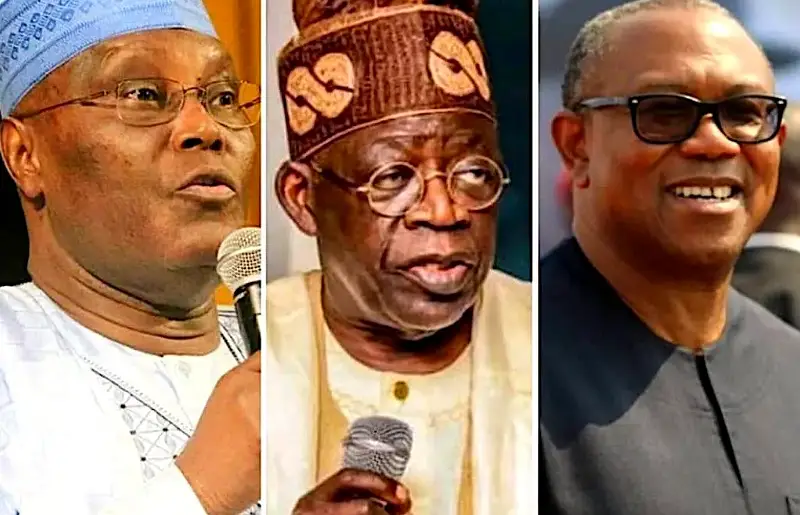

THE NIGERIAN presidency has defended Bola Ahmed Tinubu over his decision to meet victims of recent violence in Plateau State at an airport facility rather than visiting affected communities, citing logistical and security constraints.
In a statement issued on Friday, April 3, by presidential spokesman Bayo Onanuga, the government said the President’s schedule had to be altered due to overlapping high-level engagements and operational limitations.
According to the presidency, Tinubu’s day initially included receiving Mahamat Idriss Déby in Abuja before travelling onward. However, after being briefed on the killings in Plateau by Governor Caleb Mutfwang, the President adjusted his plans to include a visit to Jos.
The statement explained that the delays during the diplomatic engagement disrupted the revised travel timeline. The presidency added that aviation limitations at the Jos airport, particularly the lack of equipment for night operations, meant the President could not safely travel into the city and return before nightfall.
“As a result, representatives of the affected communities were brought to a venue near the airport to enable the President to meet them promptly,” the statement said.
The government maintained that the visit was substantive rather than symbolic, noting that Tinubu met victims, listened to community leaders and security officials, and proposed measures including the deployment of surveillance technology to improve security. It also highlighted that top defence and police officials had already visited the worst-hit areas, including Rukuba, before the President’s arrival.
Despite the explanation, the decision has drawn sharp criticism from opposition figures.
Former Vice President, Atiku Abubakar, described the airport meeting as a sign of detachment from the suffering of affected communities. Through his aide, he argued that the President’s visit fell short of an “on-the-spot assessment,” saying it did not extend beyond the airport or directly reach grieving families.
Similarly, former Anambra State governor and Labour Party presidential candidate in the 2023 elections, Peter Obi, faulted the approach, calling it “irresponsible” and lacking empathy. He drew comparisons with a previous presidential visit to Benue State, where Tinubu also did not visit attack sites.
Obi said, “What happened in Plateau highlights a complete absence of leadership. True leadership requires presence, empathy, compassion, and a willingness to meet people where their pain truly lies.”
He warned that such actions risk deepening public frustration and a sense of abandonment among communities repeatedly affected by violence, urging the federal government to take more decisive and visible steps to address insecurity.
The presidency, however, insisted that the objectives of the visit were achieved, stressing that sustainable peace requires engagement with stakeholders and coordinated security responses rather than optics.
The exchange underscores growing political tension over how best to respond to persistent insecurity, particularly in regions like Plateau State, where recurring attacks have continued to claim lives and displace communities.