
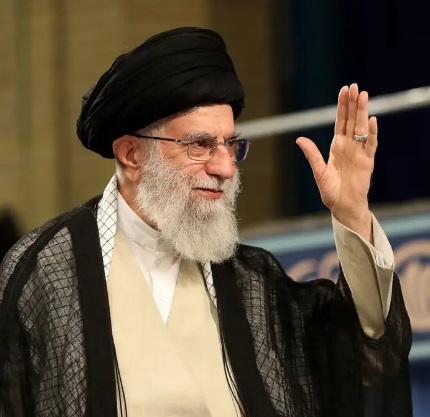
THE death of Iran Supreme Leader Ali Khamenei has triggered mixed reactions as celebrations are reported in some areas, mourning gatherings in others, and strong reactions from global leaders amid fears of escalating conflict.
The ICIR reported that Khamenei was confirmed dead following massive, coordinated strikes by the United States and Israel that have dramatically escalated tensions across the Middle East.
Witnesses and video footage verified by AFP showed groups of Iranians taking to the streets late Saturday night, setting off fireworks and playing celebratory music following news of Khamenei’s death.
The celebrations reportedly began shortly after 11:00 p.m. local time in parts of Tehran, however, social media posts suggested that large crowds did not gather nationwide, with many residents remaining indoors amid fears of reprisals.
Reports suggest that public caution follows memories of deadly crackdowns on anti-government protests earlier this year, which left many Iranians wary of mass demonstrations.
Exiled opposition figure Reza Pahlavi, son of Iran’s last shah, declared the Islamic Republic effectively finished, predicting it would soon be “consigned to the dustbin of history.”
Celebrations were also reported among Iranian diaspora communities across US cities, particularly Los Angeles, where crowds waved pre-revolution Iranian flags and called for a “Free Iran.”
Meanwhile reports show that thousands of mourners gathered in Tehran’s Enghelab (Revolution) Square, dressed largely in black and visibly grieving.
AFP journalists reported mourners chanting anti-US and anti-Israel slogans while waving Iranian flags and holding portraits of the late leader.
According to hospital officials cited by AFP, at least nine people were killed when hundreds of pro-Iran protesters attempted to storm the US consulate in Karachi, Pakistan.
Demonstrators also tried to breach Baghdad’s fortified Green Zone, home to the U.S. embassy, while protests erupted in Srinagar in Indian-administered Kashmir.
Similarly, Iranian state television announced a 40-day national mourning period alongside seven public holidays.
Iranian President Masoud Pezeshkian described the killing as a “declaration of war against Muslims” by the United States and Israel, while Iran’s Revolutionary Guards vowed retaliation against those responsible.
International reactions
China has condemned the killing as a “serious violation” of Iran’s sovereignty, urging an immediate halt to military operations.
Russian President Vladimir Putin, a key ally of Tehran, called the assassination a “cynical violation of international law” and expressed condolences to Iran’s leadership.
North Korea also denounced the strikes, accusing Washington and its allies of “gangster-like conduct.”
Hamas condemned the killing as a “heinous crime,” while Lebanon’s Hezbollah vowed to confront what it described as US and Israeli aggression.
In contrast, US President Donald Trump hailed Khamenei’s death as a historic turning point, calling it “the single greatest chance for the Iranian people to take back their country.”
Israeli Prime Minister Benjamin Netanyahu urged Iranians to overthrow the ruling system, describing Khamenei as a “cruel tyrant” responsible for decades of regional instability.
European leaders struck a more cautious tone, as European Union foreign policy chief Kaja Kallas described the moment as “defining” but warned that Iran’s future remains uncertain.
Meanwhile, Pope Leo XIV appealed for calm, urging all parties to halt escalating violence before it becomes an “irreparable chasm.”
With Iran’s most powerful political and religious figure gone, analysts warn the country now faces a volatile transition period that could reshape regional alliances and internal power structures.

Nanji is an investigative journalist with the ICIR. She has years of experience in reporting and broadcasting human angle stories, gender inequalities, minority stories, and human rights issues. She has documented sexual war crimes in armed conflict, sex for grades in Nigerian Universities, harmful traditional practices and human trafficking.