

PRESIDENCY has countered the International Monetary Fund’s (IMF) suggestions on how the government could lift millions of Nigerians out of hunger, emphasising that economic reforms under President Bola Tinubu need more time to produce the needed results.
On Monday, July 7, the IMF has suggested three key priority areas Nigeria could focus on to address its current challenges of high inflation and widespread poverty, among others.
The suggestions included that the Nigerian government sustain economic growth, implement an effective budget framework, and increase domestic revenues to lift millions of its citizens out of poverty and food insecurity, The ICIR reported.
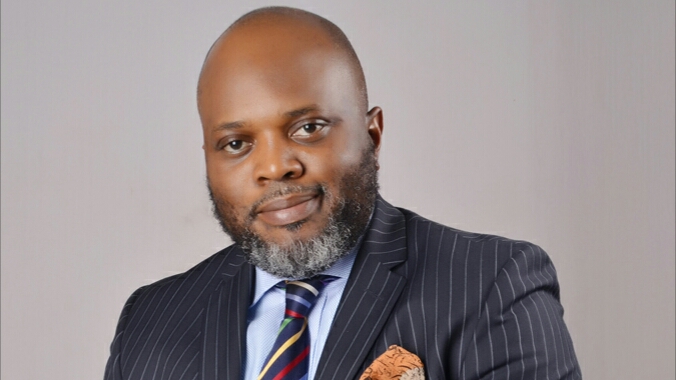
Speaking at Channels Television programme, ‘The Morning Brief’, on Tuesday, July 8, the Special Adviser to President Bola Tinubu on Economic Affairs, Tope Fasua, kicked against the IMF’s advice.
He argued that the Bretton Woods financial institution has, in recent times, issued statements on Nigeria, which he said could put everybody in a state of confusion.
Fasua believes the government needs time to drive its policies and not for the IMF to be issuing statements that kind of pitch the government or pitch the people against the government.
“This administration under President Tinubu has done some of the deepest reforms that we’ve seen in a while. I mean, we only just got the tax bill signed into an act, and that tax bill, a pro-tax bill, that gives a good break to people who are earning very little amount of money, that increases by 100% the threshold for tax-free for small businesses,” Fasua argued.
He maintained that the IMF advisory business and its lending business units appear to be clashing on their advice to Nigeria.
“We don’t know which one to believe, you know. So, I would think that the statement went into overdrive.
“Whereas they acknowledge that we have done the right thing, they want more of the things that will hurt the people,” Fasua said.
He also accused the IMF local teams of having a more nuanced view about the Nigerian economy than the European economy.
“Give us a break. Let us be able to know where we’re going with that particular policy before coming at us at every angle and generally throwing us off work,” the presidency adviser said.
He believes the government could make things right in another year.
“Give us a year and let’s see what happens in this next year. As we close on the third year, let’s do another analysis,” Fasua added.
The President of the Nigerian Economic Society, Adeola Adenikinju, however, took a contrary view, saying that the government does not have to agree with the IMF or wait for it to speak, but should see through the reality on the ground.
Adenikinju, who was also a guest speaker at the Channels Television programme, commenting on the budget framework, said the assumptions derived from the current budget, to a very large extent, would be difficult to implement.
“The price of oil has collapsed, the inflation rate is a little bit above the assumptions,” he said.
According to Adenikinju, the reality is that the implementation of the budget is not realistic, and revising it can help to ensure that it is in alignment with reality.
He explained, “Because if you want to spend, you know, against a budget that the revenue projections are not realistic, then you’re going to have more problems.
“Your budget deficits will go up, and you then have to borrow more. And that has a lot of implications for the economy.”
He believes that the IMF suggestion makes sense as regards its worries about the Nigerian budget framework.
He explained that if the government does not realise its projected revenue, it should not cut down expenditure; its debt would increase.
He noted that the government has done a lot in putting critical reforms in place, but the reality is that deficits continue to be an issue.