
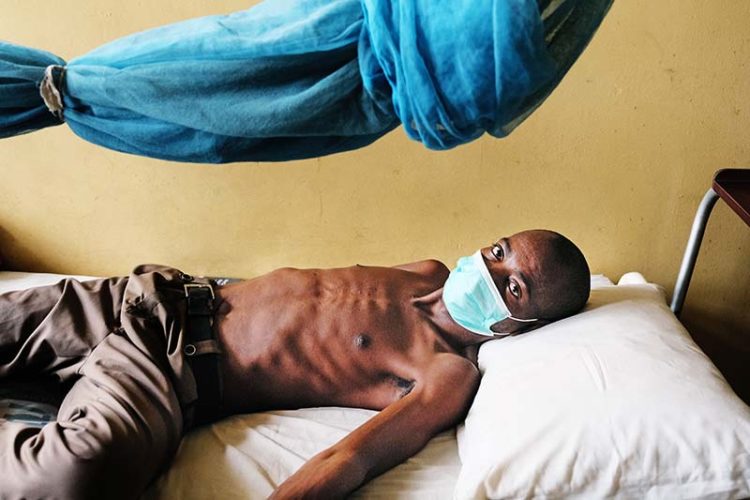

THE World Health Organization has called for urgent global action to end tuberculosis (TB), saying the disease remains one of the world’s deadliest infectious killers despite being preventable and treatable.
The call comes as the world marks World TB Day 2026 today March 24, with the campaign themed “Yes! We can end TB: Led by countries, Powered by people.”
In a statement, the WHO said ending TB was no longer just an aspiration but an achievable goal.
“The theme of World TB Day 2026 – ‘Yes! We can end TB!’ – is a bold call to action and a message of hope, affirming that it is possible to get back on track and turn the tide on the TB epidemic, even in a challenging global environment,” the global health body said.
According to the organisation, an estimated 10.7 million people fell ill with TB in 2024, while 1.23 million deaths were recorded within the same period. Despite these figures, it noted that about 83 million lives have been saved since 2000 through global TB interventions.
The agency warned that progress has slowed in recent years, cautioning that without urgent action, global targets to eliminate the disease might not be met. It emphasised the need to “accelerate efforts” and get the global response back on track.
Reinforcing the global call for collective action, WHO Goodwill Ambassador for TB and HIV/AIDS, Peng Liyuan, said tuberculosis remained a major infectious disease that had long endangered people’s health, urging stronger international cooperation to tackle the burden.
Speaking at a WHO World TB Day event, she commended efforts made so far, noting that global actions had helped to “reverse the recent upward trend in global TB cases.” She also paid tribute to health workers, volunteers, and stakeholders worldwide, and lauding hose who have “devoted themselves to this worthy cause.”
Highlighting national efforts, she said China had made notable progress through coordinated government action, innovation, and expanded healthcare access, contributing to a steady decline in TB incidence.
She further underscored the role of community engagement, especially among young people, describing volunteers as ‘sparks’ that ignite progress in public health, with millions contributing to awareness campaigns and outreach efforts over the years.
The WHO also explained that TB was driven by broader social and economic factors, adding that the disease thrives in conditions of poverty, inequality, and limited access to healthcare.
It called for increased investment in TB programmes and described funding as both a health and economic priority. According to the organisation, “every dollar invested in TB yields significant returns,” reinforcing the case for stronger financial commitment from governments.
The agency further stressed the importance of expanding access to modern tools, urging countries to scale up the use of rapid diagnostics and ensure timely treatment for those affected.
It also advocated for people-centred care, calling for services that are accessible, affordable, and stigma-free, while actively involving communities and civil society in the response.
Reinforcing the role of national governments, the WHO said efforts to end TB must be “led by countries and powered by people,” with stronger domestic ownership of TB programmes.
Peng called for unity across nations and sectors, urging stakeholders to “act, support and participate in global efforts against TB.”
He added that collective commitment was key to building confidence and hope in the fight against the disease.
The organisation also urged individuals and communities to support awareness efforts, reduce stigma, and encourage early testing and treatment.
THE ICIR reports that Nigeria has the highest tuberculosis (TB) burden in Africa and ranks sixth globally, with approximately 590,000 annual infections and 268 daily deaths.
While over 361,000 cases were reported in 2023 (a 26 per cent increase from 2022 due to enhanced tracking), significant under-reporting remains. The disease often hits children and those with HIV.