
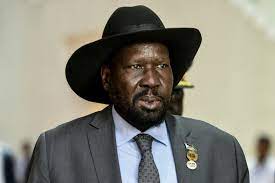
SOUTH Sudan has postponed its first national elections since gaining independence in 2011 by nearly two months, moving the presidential and parliamentary polls from December 22, 2026, to February 11, 2027.
The National Elections Commission announced the revised date in a new electoral timetable released on Saturday, November 14, amid growing political divisions, insecurity and concerns over the country’s preparedness for a credible election.
According to Reuters, a commissioner and spokesperson for the National Elections Commission, Josephine Achiro Fortelo, confirmed the postponement, saying the new date was reached after consultations with stakeholders.
Fortelo did not provide a specific reason for the postponement.
The ICIR reports that the decision comes amid escalating tensions between forces loyal to President Salva Kiir and supporters of his long-time political rival, Riek Machar, the country’s former first vice-president.
Machar has been under house arrest since March 2025 and is facing trial on charges including treason and murder, which he denies.
The United Nations has repeatedly expressed concerns about the country’s readiness to conduct peaceful and credible elections. In September, the UN Commission on Human Rights in South Sudan warned that the necessary safeguards and conditions for credible elections were lacking.
The commission also warned that the country’s deteriorating security situation, political divisions and continued violence could undermine the electoral process and trigger renewed conflict.
South Sudan became the world’s youngest independent country in July 2011, following its separation from Sudan after decades of conflict.
However, the country has yet to conduct its first national general election since independence.
A power struggle between Kiir and Machar plunged the country into a devastating civil war in December 2013, which lasted until a 2018 peace agreement formally ended the conflict. The war killed hundreds of thousands of people and displaced millions.
The peace agreement established transitional arrangements intended to reunite the rival political factions and pave the way for democratic elections.
However, disagreements over implementing the agreement, insecurity, political rivalries and delays in completing key transitional responsibilities have repeatedly stalled the electoral process.
In September 2024, Kiir’s administration postponed the elections scheduled for December that year by two years, moving them to December 22, 2026. The presidency said additional time was required to complete outstanding preparations, including the permanent constitution and national census.

Nanji is an investigative journalist with the ICIR. She has years of experience in reporting and broadcasting human angle stories, gender inequalities, minority stories, and human rights issues. She has documented sexual war crimes in armed conflict, sex for grades in Nigerian Universities, harmful traditional practices and human trafficking.