
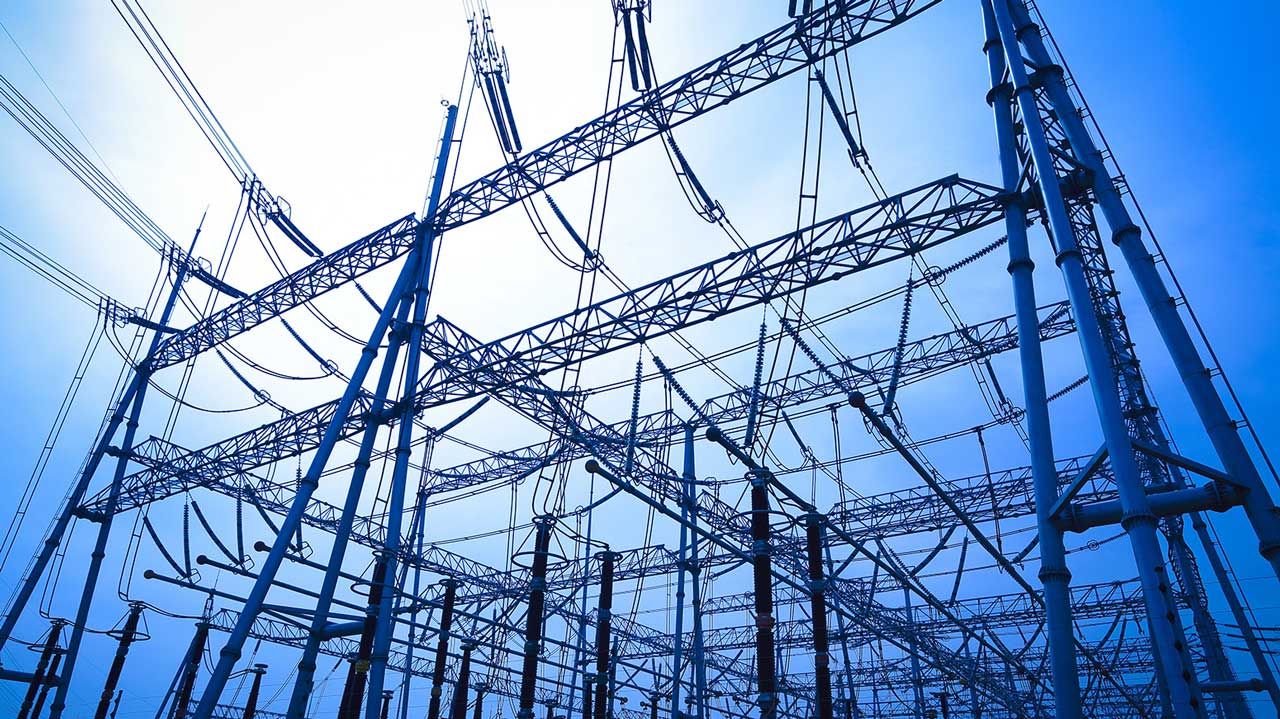
MANY Nigerian cities have been thrown into darkness as the national grid experienced yet another collapse on Wednesday, marking the third this year.
Data obtained from the Independent System Operator (ISO) showed that the megawatt (MW) generated dropped from 2,917.83 MW to 1.5 MW between 11 am and 12 pm on Wednesday, September 10, 2025.
The Abuja Electricity Distribution Company (AEDC) confirmed the collapse in a statement to its customers on Wednesday.
The AEDC said the loss of electricity in the system franchise area is due to a loss of supply from the grid around 11:23 am.
“Please be informed that the power outage currently being experienced is due to a loss of supply from the national grid at 11:23 hrs today, affecting electricity supply across our franchise areas.
“Rest assured, we are working closely with the relevant stakeholders to ensure power is restored once the grid is stabilised.
“Thank you for your patience and understanding,” the statement said.
The ICIR reported in February that many Nigerian cities were plunged into darkness as the national grid experienced a second collapse that year.
Grid collapse affects households, businesses, and critical sectors, such as healthcare, where a consistent power supply is essential.
The February grid disturbance came after the one that occurred on January 11, 2025.
The ICIR reported that the national power grid has experienced several collapses in recent times. This comes at a huge cost to power infrastructure and businesses relying essentially on grid power.
In 2024, the national grid collapsed about 11 times, raising concerns over grid stability and reliance on a centralised grid system.
Energy analysts say the decentralisation of the grid is feasible with states now keying into the new electricity and establishing their regulatory commissions to attract investments.
Further findings revealed that one of the major causes of grid collapse is instability and overload.
When the electricity demand exceeds the capacity of the transmission lines, they can become overloaded. It may lead to overheating, equipment failure, or cascading outages.
The ICIR in April revealed that Nigerians are still battling with epileptic power supply in their households, despite the government’s claim that it has reported notable progress in the stability of the power grid.
The government credited the grid stability to the addition of 700 megawatts (MW) in transmission capacity.

A reporter with the ICIR
A Journalist with a niche for quality and a promoter of good governance