
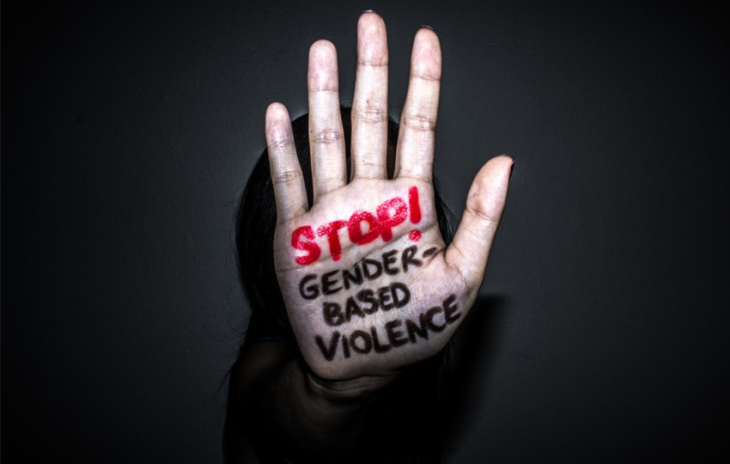
IN 2025, Nigeria saw heated and national conversations about gender, power, dignity, and justice from viral celebrity sagas to political scandals that forced the nation to confront entrenched patriarchy and systemic barriers to women’s rights.
Celebrity lives trigger broader gender conversations
The year began with the separation of music icon, Innocent “2Baba” Idibia and actress, Annie Idibia. After 13 years of marriage, 2Baba confirmed their separation amid rumors of a new relationship with Edo State lawmaker, Natasha Osawaru. The separation, amplified by social media speculation and statements from both parties’ families, ignited widespread debate about women’s dignity, identity, and autonomy in public life.
Idibia publicly confirmed his relationship with Natasha and said he wanted to marry her, even as his divorce from Annie was ongoing. And Natasha adopted the Idibia surname on social media, sparking public reaction and debate.
2Baba’s relationship with Osawaru later drew further scrutiny when it faced public allegations of domestic violence, after viral clips showing relationship tensions including a widely reported dispute in London that required police intervention.
Annie returned to social media after months of absence. Similarly, Nollywood actress Regina Daniels’ marriage to a senator, Ned Nwoko became a highly visible social and legal drama. Daniels publicly alleged domestic and emotional mistreatment, while Nwoko denied the claims, citing personal disputes and substance abuse. Their conflict, which included child custody battles, triggered a national debate on domestic abuse, women’s rights, and power dynamics within celebrity marriages.
Political battles highlight gender barriers
In the political sphere, the senator representing Kogi Central, Natasha Akpoti-Uduaghan emerged as a central figure in gender-focused public debates. Her confrontation with Senate President Godswill Akpabio in February led to a six-month suspension from the Senate on allegations of “gross misconduct” which she described as politically motivated.
A Federal High Court later ruled her suspension unconstitutional, but the legal battle continued, with Akpabio filing multi-billion naira defamation suits against her. The high-profile dispute sparked nationwide discussions on sexism, abuse of power, and the safety of women in public office, with Akpoti becoming the most searched personality in Nigeria for 2025.
Akpoti-Uduaghan alleged that her troubles in the Senate began after she rejected sexual advances from Akpabio, and her petition was dismissed by the Senate Committee on Ethics as “dead on arrival” due to procedural technicalities.
Akpoti‑Uduaghan also took legal action, filing a suit against Akpabio, framing her fight as part of the broader struggle for political justice and gender equity. Her case drew international attention, including appeals to global parliamentary bodies, and underlined how resistance to harassment allegations in powerful institutions could fuel public perception of entrenched sexism in governance.
However, Akpabio filed a N200 billion defamation suit against Akpoti, keeping the controversy alive in the courts and public debate.
Public outrage over dignity, gendered treatment
In August, a viral incident involving Comfort Emmanson and Ibom Air captured the nation’s attention, quickly evolving into a wider conversation about human dignity, gendered treatment by state authorities, and selective justice. After an in‑flight disagreement over safety protocol, Emmanson was forcibly removed from the plane, a confrontation that left her clothes torn and her dignity publicly violated on camera, videos and images proliferated online.
The controversy deepened when Emmanson was banned for life from flying by the Airline Operators of Nigeria (AON) and faced legal charges, sparking a national outcry which legal experts, civil society groups and the Nigerian Bar Association condemned the treatment as degrading and an affront to fundamental rights. Others decried what they saw as selective justice and double standards in enforcement.
Gender representation debates
Amid these high‑profile disputes, 2025 also saw debate over structural reforms to improve women’s political representation. Campaigners pushed for the “Special Seats for Women Bill” a proposed constitutional amendment to guarantee reserved legislative seats for women at national and state levels, seeking to rectify Nigeria’s stark underrepresentation of women in governance. Advocates pointed out that despite women making up nearly half the population, they held only a small fraction of parliamentary seats, a situation that hindered gender‑inclusive policymaking and entrenched male‑dominant committees even on women’s issues.
Grassroots movements and women’s organisations rallied behind the bill, arguing that institutional quotas were necessary to overcome entrenched barriers and create genuine pathways for women’s political leadership.
Abortion bill
The Nigerian Senate on October 26 suspended consideration of a controversial bill seeking to impose a 10-year jail term for abortion-related offences, following heated debate among lawmakers over what constitutes an “unlawful abortion.”
The bill, titled the Criminal Code Amendment Bill 2025, was introduced by Senate Leader Opeyemi Bamidele and aims to update sections of Nigeria’s Criminal Code Act to reflect modern realities. It also proposes stiffer penalties for sexual offences such as defilement and sexual assault.
The initial recommendation by the Senate Committee had pegged the punishment for sexual assault at five years, but an amendment increased it to 10 years. However, deliberations became heated when the chamber turned to the section of the bill seeking to raise the penalty for supplying drugs or instruments used to procure abortions from three years, as currently stated in law, to 10 years imprisonment without an option of fine.
Growing advocacy
The year was not without positive moves. The ICIR launched a new initiative aimed at addressing sexual harassment in Nigerian universities, especially among female students highlighted a grassroots push to empower young women and challenge harassment culture in educational institutions. With sexual harassment affecting a large proportion of female undergraduates, activists called for stronger accountability mechanisms and safer learning environments.
The initiative has trained Student Ambassadors and Project Support Lecturers from various Universities on empowering female students to confront sexual harassment in Nigerian universities.
Breaking the glass ceiling
In March, Nigerian travel content creator, Alma Asinobi, made history by attempting to break the Guinness World Record for the fastest journey across all seven continents in just 60 hours.
Asinobi said her ambition was futile by the frustration of getting multiple visas for her intercontinental travel tours and to shed light on the challenges Africans face due to low-mobility passports.
Similarly, Hilda Baci broke the Guinness World Record for cooking a 8,780-kilogram pot of jollof rice, which the organisation confirmed that she cooked the world’s largest pot of Nigerian jollof rice, overcoming a dramatic setback when the giant custom-made pot collapsed during the weighing process at the venue.
Despite these efforts, data revealed a stark tens of thousands of gender‑based violence (GBV) cases were recorded in 2025 alone, underscoring the breadth of challenges facing women. Government and civil society interventions sought to respond, but the scale of violence and stigmatisation of survivors remained an urgent concern.
By year’s end, Nigeria’s public debate around gender, whether sparked by celebrity relationship breakdowns, high‑stakes political scandals, or grassroots activism, revealed a society intensely grappling with its gender norms. The narratives of 2025 highlighted seismic tensions between entrenched patriarchal structures and a rising generation demanding accountability, representation, and dignity, clearly showing that gender discussions in Nigeria are no longer confined behind closed doors as the new year approaches.

Nanji is an investigative journalist with the ICIR. She has years of experience in reporting and broadcasting human angle stories, gender inequalities, minority stories, and human rights issues. She has documented sexual war crimes in armed conflict, sex for grades in Nigerian Universities, harmful traditional practices and human trafficking.