THE Nigerian Midstream and Downstream Petroleum Regulatory Authority (NMDPRA) has launched a six-priority Midstream and Downstream Petroleum Regulations.
The regulations launched are geared towards promoting transparency and enabling business environment in Nigeria’s oil and gas business.
The new regulations are Midstream and Downstream Petroleum Operations Regulations, 2023; Assignment or Transfer of Licence and Permit Regulations, 2023; Petroleum Measurement Regulations, 2023; Gas Pricing and Domestic Demand Regulations, 2023; Petroleum (Transport and Shipment) Regulations, 2023; and Natural Gas Pipelines Tariff Regulations, 2023.
Speaking today at the official launch ceremony in Abuja, the Authority’s chief executive, Farouk Ahmed, said the regulations would no doubt aid the Authority in controlling processes, setting standards, and monitoring operations in the technical and commercial aspects of the midstream and downstream petroleum sector in Nigeria, as well as provide internally generated revenue for the Authority.
Ahmed described the Petroleum Industry Act (PIA) 2021 as the key legislative instrument that governs the business of petroleum operations in Nigeria and sets the rules for all activities in the petroleum sector.
Farouk noted that the NMDPRA had consulted with relevant stakeholders on the regulations, adding that they would help to drive transparency in the oil and gas business and enable it become globally competitive.
Giving further insights, Ahmed said the Midstream and Downstream Petroleum Operations Regulations 2023 would regulate operations of the companies in the Nigerian midstream and downstream petroleum sector, provide procedures for the grant of licences, permits, authorizations and payment of fees; and provide sanctions and penalties for non-compliance.
He said that the Assignment or Transfer of Licence and Permit Regulations, 2023 was designed to establish procedure for assignment or transfer of licence or permit by licensee or permit holder; prescribe fees for such assignments or transfer, and provide sanctions or administrative penalties for failure to comply with the regulations.
Accordingly, Gas Pricing and Domestic Demand Regulations, 2023 is to regulate the prices of marketable natural gas of the strategic sectors under the Act, identify the unregulated markets and make provisions for such markets.
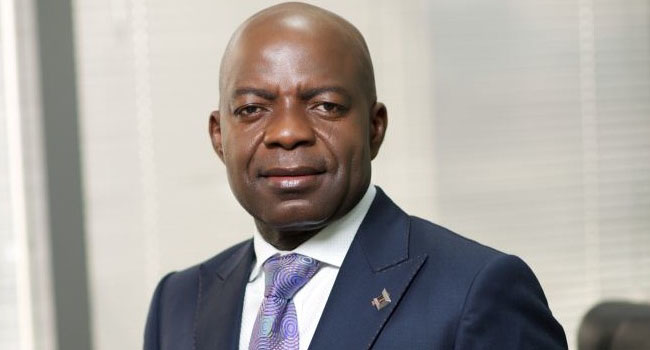
THE Independent National Electoral Commission (INEC) gas declared Alex Otti of the Labour Party (LP) as the winner of the governorship election in Abia State.
Otti emerged victorious in the March 18 guber poll after beating his major rival Okey Ahiwe of the Peoples Democratic Party (PDP).
The LP candidate secured 175,467 votes, while Ahiwe got 88,529.
Enyinnaya Nwafor of the Young Peoples Party (YPP) scored 28,972 votes to finish third.
The Returning Officer for INEC in Abia State, Nnenna Nnannaya-Oti, declared Otti winner of the election after resuming the final collation of governorship election results in Umuahia, the state capital, on Wednesday, March 22.
INEC had suspended the exercise for over 48 hours following reports that thugs invaded the Commission’s office in Obingwa Local Government Area on Sunday, March 19.
INEC officials were reportedly held hostage by the thugs, who wanted to influence the collation of results from the LGA.
Abia is the first state to be won by the LP. The party is also contesting with the PDP for Enugu State, where collation was also suspended due to allegations of over-voting in two outstanding local government areas – Nsukka and Nkanu East.
THE Nigeria Police Force has confirmed the arrest of a Twitter user Chude Franklin Nnamdi with Twitter handle @chude__.
A statement released by Force Public Relations Officer Olumuyiwa Adejobi, on Wednesday, March 22, said Chude was arrested for cyberstalking.
The statement, posted on Twitter, said Chude was arrested in Onitsha, Anambra State, on March 18, and is being investigated for cybercrime.
CHUDE NNAMDI IS BEING INVESTIGATED FOR CYBERSTALKING – POLICE
The Nigeria Police hereby confirms that one Mr. Chude Franklin Nnamdi with Twitter handle ‘@chude__’ was arrested in Onitsha, Anambra State on the 18th of March, 2023, and … pic.twitter.com/z0yofEJQxr
“He is being investigated by the Nigeria Police Force National Cyber Crime Centre (NPF-NCCC) Abuja for cyberstalking, pursuant to a complaint received via a petition about his activities on social media which contravenes the provision of Section 24 of the Cybercrimes (Prohibition, Prevention, etc.) Act, 2015 and other criminal laws.
“Furthermore, a prima facie case has been established against him while the case file has been forwarded to the Force Legal Department for further action,” the NPF stated.
The Police urged members of the public to familiarize themselves with the provisions of the law and be aware of the penalties for violating them, especially cybercrime laws with the new trends in the digital media space.
Chude’s arrest has been generating concern on social media, with many Nigerians calling for his immediate release.
In his reaction, the presidential candidate of the Labour Party (LP), Peter Obi, condemned the development and stated that freedom of expression is a fundamental right and ingredient for the development of a good society.
“While I appreciate that the freedoms must be exercised in line with the rule of law, arresting Nigerians for tweeting on their leaders and those in authority decimates the opportunity for inclusive governance and accountability, which are highly needed in a developing country like Nigeria.
“For instance, citizens will have their different thoughts on us, and we have the right to reply. Arbitrary use of our office or in an unrestrained way will do no one any good, including those in authority,” Obi said.
Meanwhile, the Anambra State governor, Chukwuma Soludo, had in a statement posted on his official Twitter handle on Sunday, March 19, titled ‘RE: Arrest Of Mr Chude By The Police’, said the State Commissioner of Police confirmed to him that Chude was arrested on Saturday, March, 18 in Anambra by the Cyber Crime Unit of Interpol and taken to Abuja.
He added that the Anambra State Government has no information about the specific allegations or basis for his arrest.
THE race for the Office of Senate President has heated up as Jibrin Barau from Kano Central Senatorial District has declared his intention to contest for the position, stating that he is the most experienced among those vying for the office.
Speaking to journalists at the National Assembly in Abuja on Wednesday, March 22, Barau explained that the position of the Senate President should be based on experience and competence, not sentiments.
He noted that he would officially begin his campaign for the number one seat in the Senate in a few days while he would formally declare in the coming weeks.
Barau, who has been in the National Assembly since 1999 and in the Senate since 2015, explained that the Senate rules gives credence to seniority and experience. He pointed out that aspiration for the seat of Senate President should be in accordance with ranking.
According to him, he is the highest ranked senator among those who have indicated interest in the post.
Barau added that it is essential to be grounded in the residue of the legislature before becoming the Senate President. Arguing that competence should not be played against sentiments, he cited the example of David Mark, who was a Christian, and his deputy, Ike Ekweremadu, who was also a Christian, stating that they were the most experienced and ranking senators at the time.
Meanwhile, Orji Kalu, representing Abia North Senatorial District of Abia State, has requested that his party, the All Progressives Congress (APC), zone the Senate Presidency to the South-East.
Speaking on Tuesday, March 21, Kalu, who is currently the Chief Whip of the Senate, declared that it is his turn to be Senate President.
He said, “It is my turn to become the Senate President. If I’m elected Senate President, I will be Team Nigeria. I’m going to work in every corner of Nigeria.
“I schooled in Maiduguri, Borno State. I started my business in Lagos and spread it across all state capitals. My first name will be team Nigeria, my last name will be team Nigeria.”
Urging the APC to zone the office to his ward in Igbere, with his name on it to prevent any other senator from contesting against him, Kalu noted that with his position as the Chief Whip of the 9th Senate, he is the most ranking Senator from the South-East and therefore deserves the position.
He promised to run an open door policy if he becomes Senate President, and claimed that he has never changed his mobile phone lines.
“Remember, I am the only ex-governor who has never changed my phone number since I became governor 24 years ago. The same MTN I have is what am still using. I have not changed it and I will be willing to still maintain the number and to answer to all my calls.
“I am not going to switch off my phone because I am the Senate President, no. I am hoping that Nigerian people will pray for me to be the Senate President because it is my turn.”
Other who are reported to be eying the position include Sani Musa from Niger, Godswill Akpabio from Akwa Ibom, and Dave Umahi from Ebonyi.
THE Independent National Electoral Commission (INEC) has announced that it will resume collating the result of the Abia State governorship election today, Wednesday, March 22.
The Head of Voter Education and Publicity at the INEC office in Abia State, Rebecca Jim, who announced the development, said the suspended collation will resume at 4:00 pm.
She confirmed that the presiding officer and state administrative secretary, who were earlier invited to the INEC headquarters in Abuja, will return to Abia State to complete the collation process.
The announcement follows the suspension of further collation of governorship election results in some parts of Abia and Enugu states by INEC.
As previously reported by The ICIR on Monday, INEC halted the collation process after thugs invaded the Commission’s office in Obingwa Local Government Area on Sunday, March 19. The thugs reportedly held INEC officials hostage, in relation to the collation of results from the Local Government Area.
Allegations of over-voting trailed the suspension and the state presiding officer and administrative secretary were summoned to Abuja by the INEC leadership.
Supporters of the leading candidates, Alex Otti of the Labour Party and Okey Ahiwe of the Peoples Democratic Party have been urging INEC to declare the winner of the election.
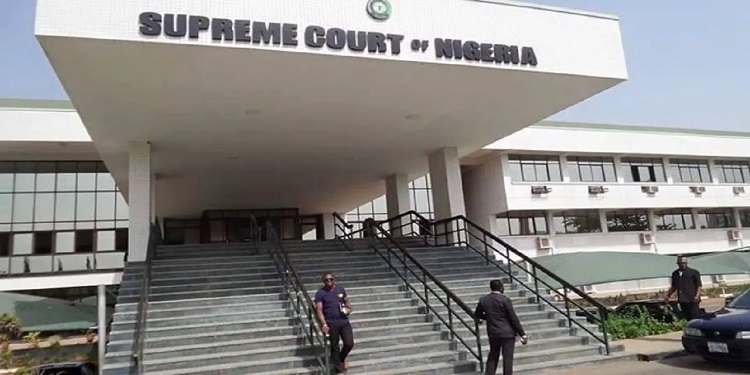
AS parties displeased with the outcomes of February 25, 2023, presidential election head for court, The ICIR reports that the cases will most likely get to the Supreme Court, given similar cases in the past.
Following what many see as controversial pronouncements by the apex court in recent times, The ICIR’s Marcus Fatunmole and Theophilus Adedokun, in this piece, profile the current 13 justices of the Supreme Court, including some of the recent cases they handled and accompanying public opinions that greeted their outcomes.
The ICIR had earlier done an explainer on steps and timelines for resolving Presidential election disputes in Nigeria. Read it HERE.
INEC declared the candidate of the All Progressives Congress (APC), Bola Tinubu, the election winner at about 4 a.m. on Wednesday, March 1.
The Chairman of the Commission and the returning officer for the 2023 Presidential Election, Mahmood Yakubu, said Tinubu polled 8,794,726 votes.
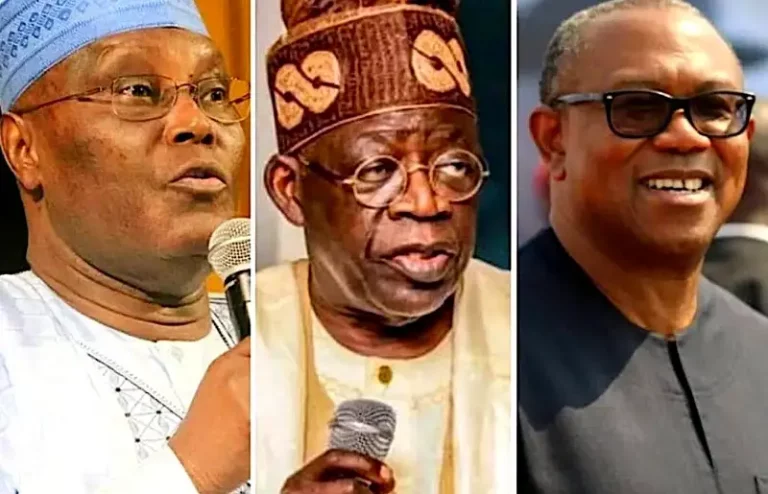
The candidate of the Peoples Democratic Party (PDP) and former Vice President Atiku Abubakar finished second with 6,984,520 votes. (The ICIRreported how hope dims for Atiku after six failed shots at the presidency.)
Labour Party (LP) candidate Peter Obi came third in the February election with 6,101,533 votes, while Rabiu Kwankwaso of the New Nigeria Peoples Party (NNPP) had 1,496,687.
Twelve other candidates got fewer votes than the four major political parties at the election.
PDP and LP have claimed they won the poll and would be heading to court to challenge its outcome.
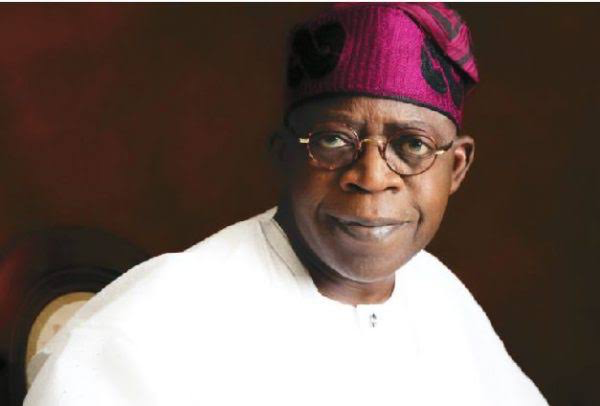
President-elect Bola Tinubu
Some of the previous judgements bothering on elections by the Supreme Court
In December 2008, the court upheld the election of late President Musa Y’adua, despite admitting it was flawed.
The former Military Head of State and now incumbent President Muhammadu Buhari and Atiku Abubakar, who vied for the presidency against Yar’Adua, challenged his victory.
Yar’Adua succeeded former President Olusegun Obasanjo on a joint ticket he held with former President Goodluck Jonathan. Jonathan assumed office after Yar’Adua died in office.
In January 2020, The ICIR reported how six governors reclaimed their mandates through the Supreme Court since the nation returned to democracy in 1999.
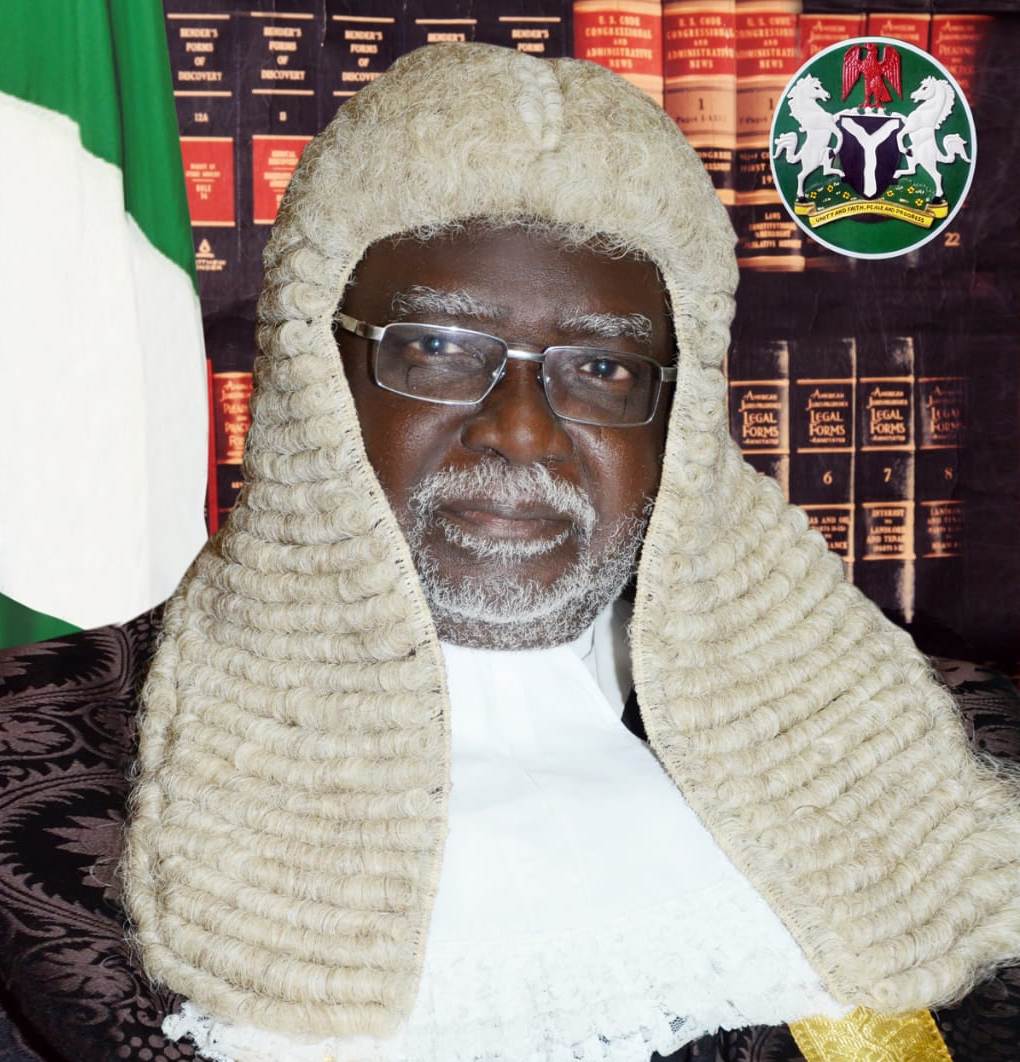
The Supreme Court justices and some of the cases they have handled
Chief Justice of Nigeria (CJN) Olukayode Ariwoola
The Chief Justice of Nigeria, Olukayode Ariwoola, was appointed a Justice of the Supreme Court of Nigeria in 2011. He was at the Court of Appeal between 2005 and 2011.
Chief Justice of Nigeria Olukayode Ariwoola
He represented the then Acting Chief Justice of Nigeria, Tanko Muhammad, on the five justices that ruled on the nullification of all votes that the APC got in all elections conducted in Zamfara State in 2019 because the party did not conduct a valid primary.
He was among the eight-man Supreme Court justices who removed the PDP’s Emeka Ihedioha and declared Hope Uzodinma, a INEC declared to have come fourth in the 2019 governorship election, winner.
He was also among the five-man justices that unanimously nullified the election of APC candidate David Lyon and his Deputy, Biobarakuma Degi-Eremieoyo, in Bayelsa State in February 2020.
The court sacked the APC candidate because his deputy, Degi-Eremieoyo, presented a forged document to INEC.
The court declared the PDP candidate, Duoye Diri, the election winner.
Kudirat Motonmori Olatokunbo Kekere-Ekun
Kudirat Motonmori Olatokunbo Kekere-Ekun was born on May 7, 1958. She obtained her LL.B. in 1980 from the University of Lagos. She proceeded to the London School of Economic and Political Science in November 1983 for her LL.M. She was appointed a Justice of the Supreme Court of Nigeria on June 8, 2013.
She read the judgement that sacked Emeka Ihedioha as the governor of Imo State on January 14, 2020.
The seven-man panel was led by the former Chief Justice of Nigeria (CJN), Ibrahim Muhammad Tanko.
Kekere-Ekun was also among the seven-man justices who declared Kogi State Governor Yahaya Bello the winner of the 2019 governorship election and dismissed the PDP’s Musa Wada’s appeal.
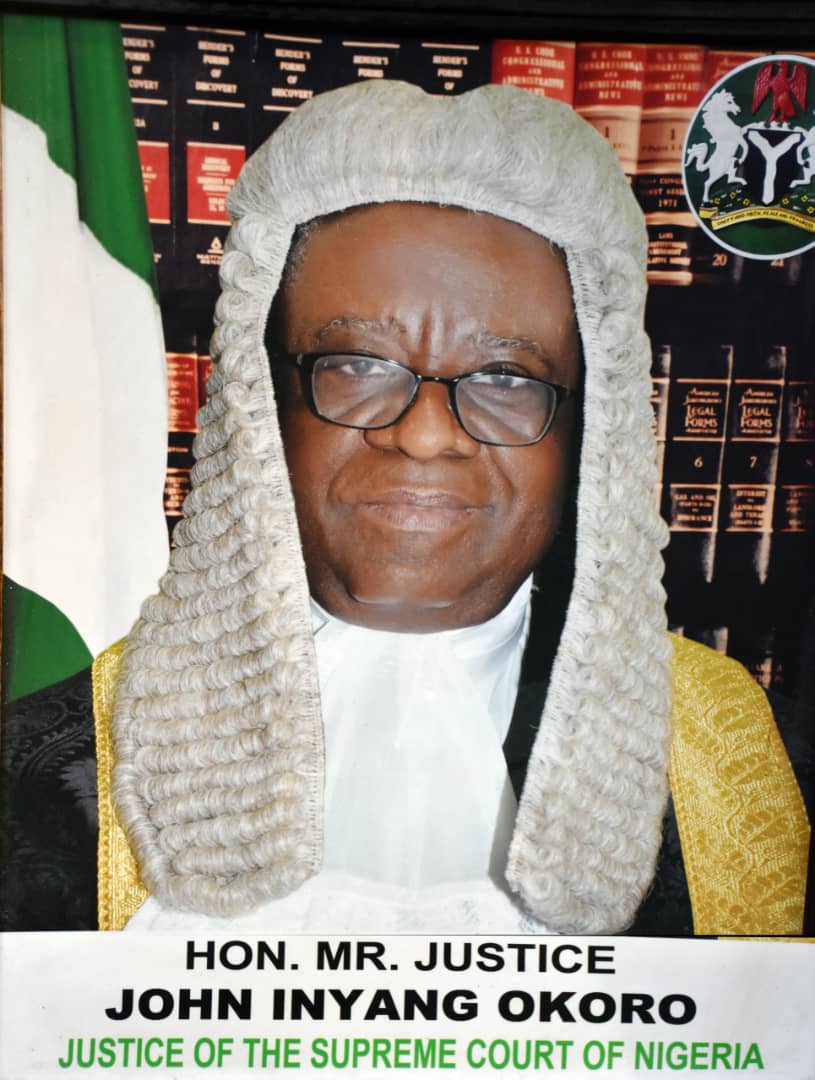
John Inyang Okoro
Justice John Inyang Okoro was born on July 11, 1959, in Nung Ukim, Ikono Local Government Area of Akwa Ibom State.
After serving in different capacities, including Akwa Ibom State High Court judge, he was elevated to the Supreme Court on November 15, 2013.
He was part of the five justices that ruled on the nullification of all votes that the APC got in Zamfara State in the 2019 election because the party did not conduct a valid primary.
He was also among the five-man justices that unanimously nullified the election of APC candidate David Lyon and his Deputy, Biobarakuma Degi-Eremieoyo, in Bayelsa State in February 2020.
Okoro was also among the seven-man justices who declared Kogi State Governor Yahaya Bello the winner of the 2019 governorship election and dismissed the PDP’s Musa Wada’s appeal.
Chima Centus Nweze
Chima Centus Nweze is a native of Obollo, Udenu Local Government Area of Enugu State. He was born on September 25, 1958.
He became a justice of the Supreme Court in 2014 after serving at the Court of Appeal between 2008 and 2014.
He was among the five-man judges who declared the Senate President, Ahmed Lawan, winner of the Yobe North senatorial ticket for the APC, and consequently dashed the hope of Bashir Machina, who claimed Lawan did not participate in the primary. He read the lead (split) judgement of three to two justices affirming Lawan as the party’s candidate.
Amina Adamu Augie
Amina Adamu Augie was born Anne Eva Graham on September 3, 1953. She is from Kebbi State. She served as the Chief Magistrate in the Sokoto State Judiciary, a lecturer at the Faculty of Law, Uthman Danfodio University, Sokoto, from 1989 – 1992, and an Associate Lecturer at the same University from September 1999 – September 2002.
She was elevated to the Court of Appeal Bench in 2002 and consequently rose to become a Supreme Court justice on November 7, 2016.
She was among the eight-man Supreme Court justices who removed the PDP’s Emeka Ihedioha and declared Hope Uzodinma, a serving senator INEC who declared to have come fourth in the 2019 governorship election, winner.
She was among the five-man justices that unanimously nullified the election of APC candidate David Lyon and his Deputy, Biobarakuma Degi-Eremieoyo, in Bayelsa State in February 2020.
Justice Augie was also part of the seven-man justices who declared Kogi State Governor Yahaya Bello the winner of the 2019 governorship election and dismissed the PDP’s Musa Wada’s appeal.
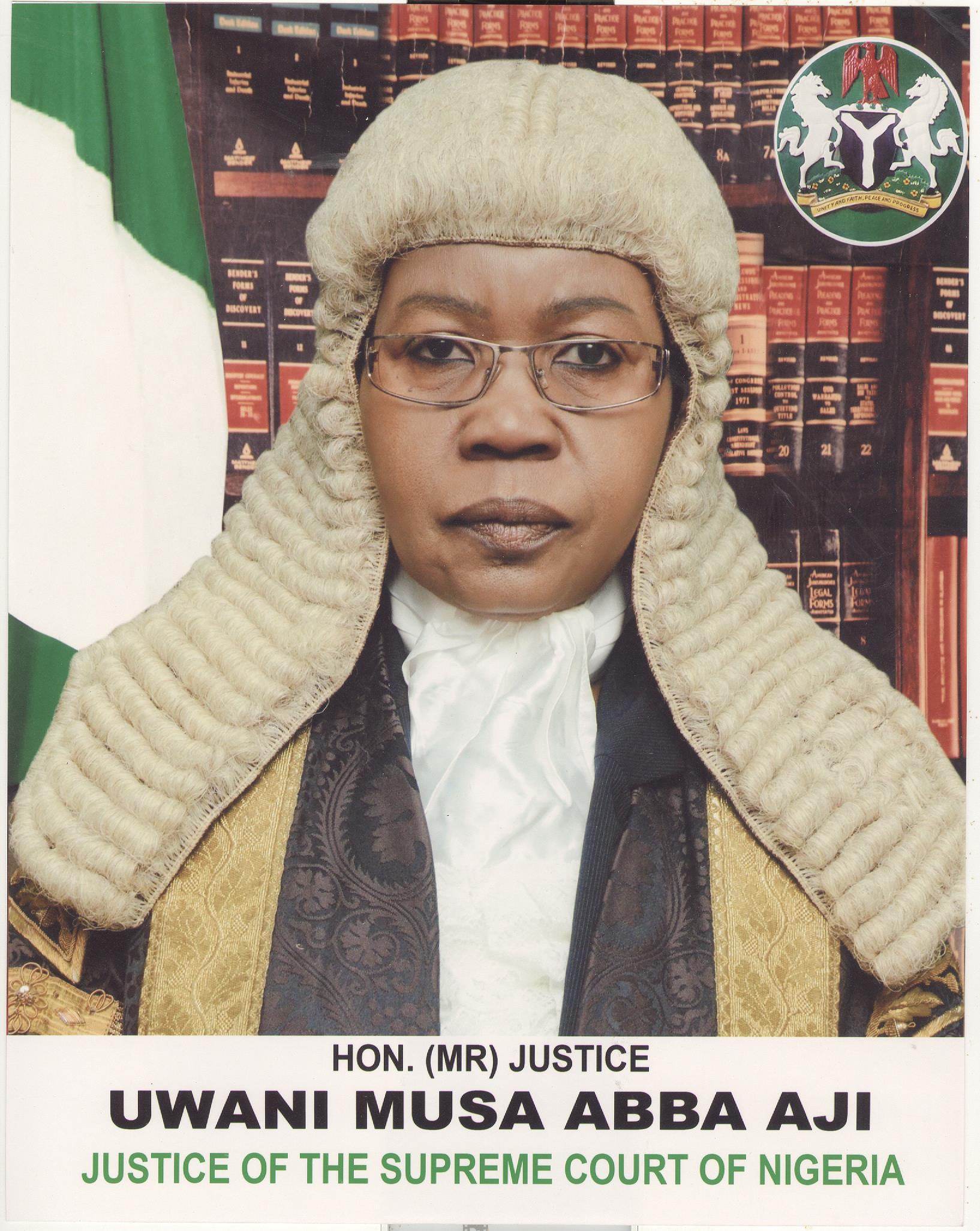
Uwani Musa Abba Aji
Justice Uwani Musa Abba Aji
Uwani Musa Abba Aji was born on November 7, 1956, in Gashua, Yobe State. The first lady judge at the Yobe State judiciary, she has held several positions among Nigerian women judges and is widely travelled.
She rose through the ranks to become a Supreme Court justice on January 8, 2019. Before her rise to the Supreme Court, Justice Abba Aji was the Presiding Justice of the Court of Appeal, Kaduna Division, for four years.
She was part of the five justices that ruled on the nullification of all votes that the APC got in Zamfara State in the 2019 election because the party did not conduct a valid primary.
He was among the eight-man Supreme Court justices who removed the PDP’s Emeka Ihedioha and declared Hope Uzodinma the 2019 Imo State governorship election winner.
Abba Aji was among the seven-man justices who declared Kogi State Governor Yahaya Bello the winner of the 2019 governorship election and dismissed the PDP’s Musa Wada’s appeal.
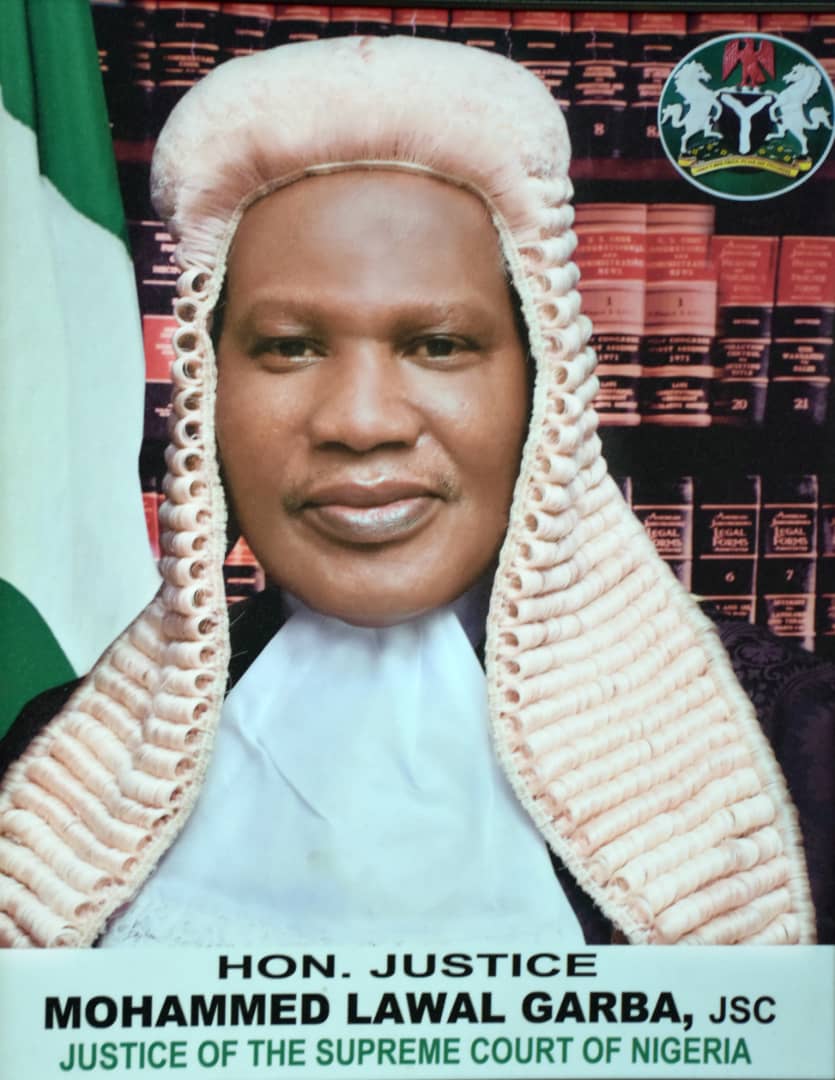
Mohammed Lawal Garba
Justice M. Lawal Garba
Mohammed Lawal Garba was born on November 16, 1958. He hails from Gusau Local Government Area of Zamfara State.
He cut his Magistraterial teeth at the Sokoto State Judiciary from 1982-1986. He was appointed a Judge of the High Court of Justice, Sokoto State, from 1993-1996, before his elevation to the Court of Appeal, where he served at various times as the presiding justice at Abuja, Calabar, Port Harcourt and Lagos Divisions of the Court from 2010-2020.
He was elevated to the Supreme Court on November 6, 2020.
He was among the five-man judges who declared the Senate President, Ahmed Lawan, winner of the Yobe North senatorial ticket for the APC.
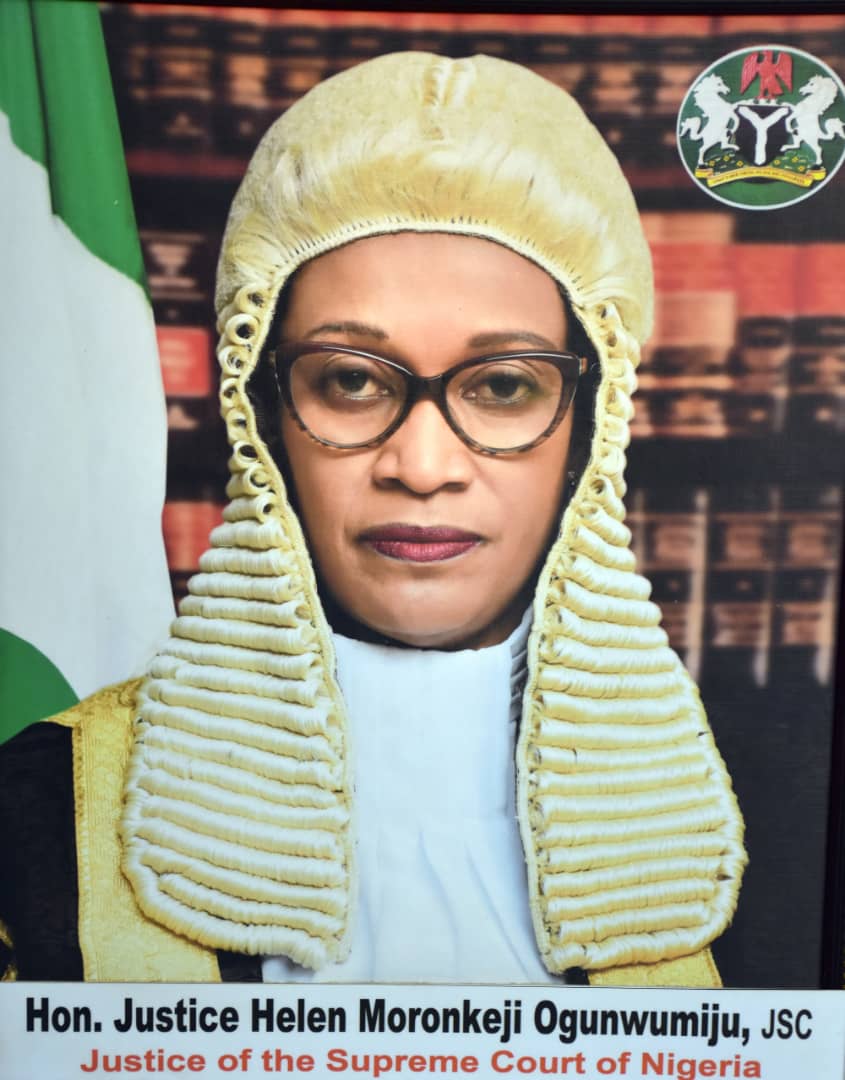
Helen Moronkeji Ogunwumiju
Helen Moronkeji Ogunwumiju was born in Ondo, Ondo State, on March 23, 1957.
She had a stint with the Legal Aid Council, helping to create the Council’s offices in Oyo, Osun, Lagos, Sokoto and other states.
Ogunwumiju was appointed a judge of the High Court of Ondo State in November 1998, with jurisdiction in civil and criminal matters. She got elevated to the Court of Appeal, Nigeria, in November 2005 and to the Supreme Court on November 6 2020.
She was among the three judges, out of five, who ruled that Senate President Ahmed Lawan won the Yobe North senatorial ticket for the APC.
Ibrahim Mohammed Musa Saulawa
Ibrahim Mohammed Musa Saulawa was born on September 29, 1956, in Katsina, Katsina State.
He was a chief registrar of the Court of Appeal of Nigeria, Lagos, between 1991 and 1994, and then a High Court judge, Katsina State Judiciary (1994 – 2006).
Saulawa was elevated to the Bench of the Court of Appeal of Nigeria on June 10, 2006. He served in most court divisions, including Calabar, Ilorin and Port Harcourt.
He rose to become a justice of the Supreme Court on November 10, 2020.
Adamu Jauro
His profile was unavailable on the Supreme Court’s website. The ICIR could not find information about him on other public platforms, but he was among eight justices elevated to the Supreme Court in 2020. He is also the first Gombe State indigene to rise to the apex court.
He was among the two justices who disagreed with three others that declared the Senate President, Ahmed Lawan, winner of the Yobe North senatorial ticket for the APC.
Tijjani Abubakar
He was among the eight justices the Nigerian Judicial Council promoted to Supreme Court in 2020. Information about him is not on the Supreme Court website.
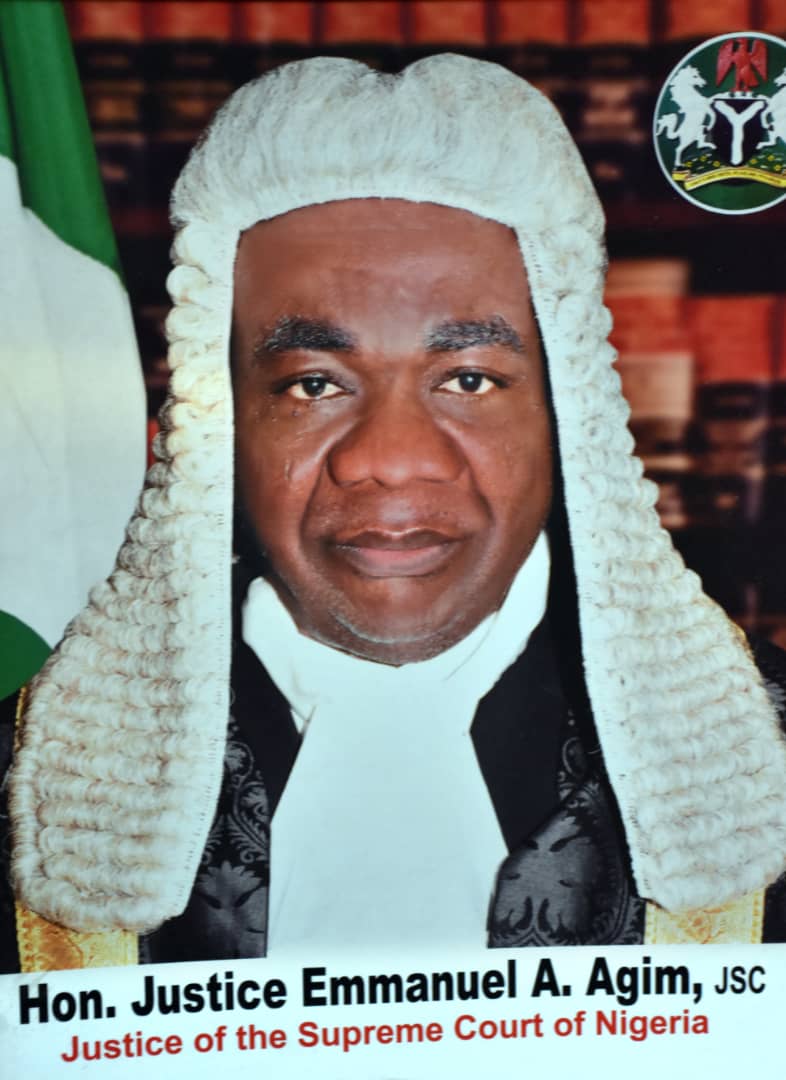
Emmanuel A. Agim
Born on April 26, 1960, in Obudu, Cross River State, Justice Agim read law at the University of Calabar. He was a former Chief Justice of The Gambia and Justice of the Supreme Court of Swaziland.
He was among the eight justices the Nigerian Judicial Council promoted to Supreme Court in 2020.
He was among the two justices who disagreed with three others that declared the Senate President, Ahmed Lawan, winner of the Yobe North senatorial ticket for the APC.
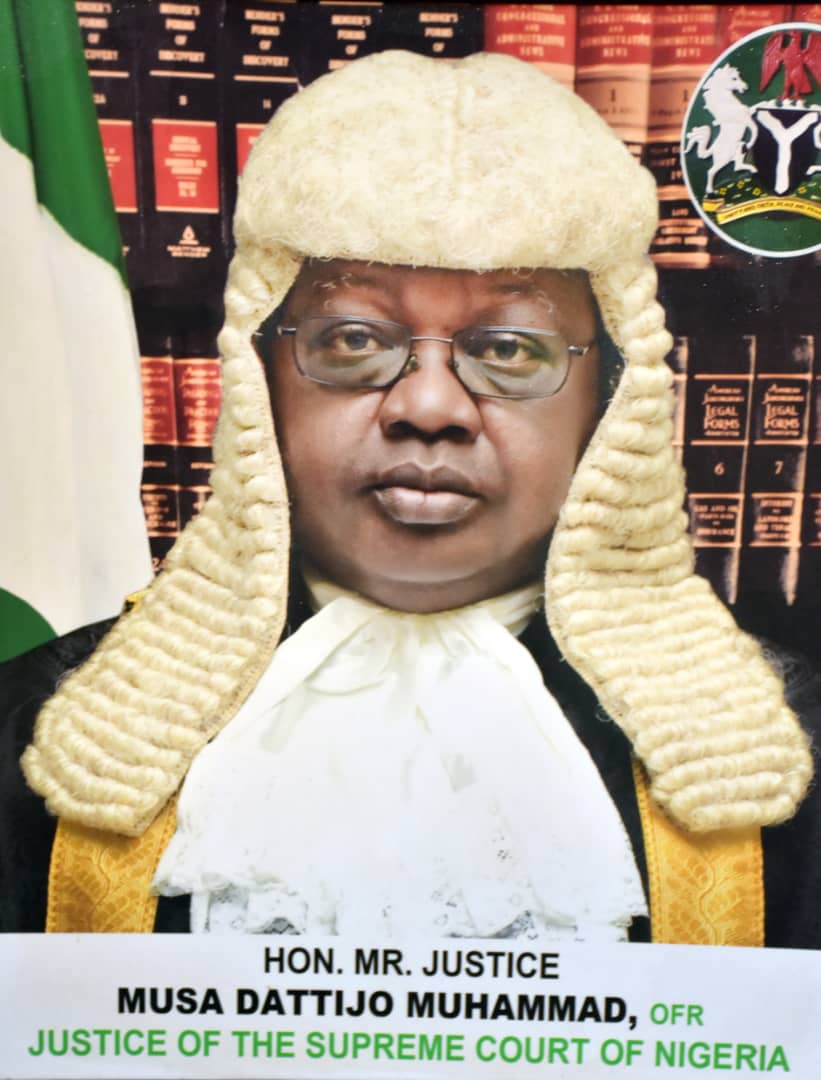
Musa Dattijo
Musa Dattijo Muhammad was born on October 27, 1953, in the chanchaga local government area in Minna. He got his LLB (Hons) at Ahmadu Bello University (Faculty of Law) Zaria 1973-1976, and his BL at the Nigerian Law School 1977, before proceeding to Warwick University Coventry UK for his LLM 1982-1983.
Before he was appointed a Supreme Court judge in July 2012, he had worked as a judge of the High Court, Niger State, in 1989, as justice of the Court of Appeal in 1998, as presiding Justice, Sokoto Division, Court of Appeal in 2009 and Presiding Justice, Port Harcourt Division in 2010.
Should the petition gets to the supreme court… lawyers react
An Abuja-based legal practitioner, Sogo Clinton, who specialises in election litigations, said that nobody could predict the outcome of a court matter, especially when a person is not privy to the facts and evidence before the court.
“This is so as the outcome of a matter largely depends on the evidence supplied by the alleging party. It is not the court’s duty to descend into the arena in a bid to please the overwhelming public in the absence of credible evidence.”
According to Clinton, the rule of the game concerning election petitions is for the petitioners to prove substantial non-compliance with the Electoral Act and the guidelines for conducting elections in Nigeria.
Sogo, however, said that although no presidential election has been nullified in Nigeria’s history, it is possible if the prosecuting parties can prove their case.
“Once that is done to the court’s satisfaction, then the prayer for nullification of an election may be granted. Although no presidential election has been nullified in Nigeria’s history, I dare say that it is not impossible if the petitioners should prove their case.”
He added that justice is usually decided by many factors, including but not limited to evidence, the law, and technicalities, which must all be satisfied to get justice.
“Therefore, a person might have overwhelming evidence and the law on their side but may still not get justice due to technicality.
When this happens, it appears like an injustice has been meted out in the perception of the ordinary man.”
Similarly, a Lagos-based lawyer, Paul Ojukwu, said Nigerians needed to be cautious of casting aspersion on the judiciary based on the judgement that its judges deliver because, most times, the court delivers judgement based on fact and not emotion.
“Most time, the courts deliver judgement based on facts and issues presented to it, and it is not that the Supreme Court does not deliver questionable judgement like the case of Lawan and Machina, Akeredolu and Jegede but the one that brought Oyetola in and remove Adeleke are sound judgement.
“The judges are human beings. I would not say in general that I do not have confidence in the judiciary. I do, but in the history of democracy in Nigeria, upturning the presidential election has not happened, and it may likely not happen.
Ojukwu said many factors go into judgement delivery at the apex court.
“There is what we call substantial compliance, and it is different from non-compliance. So far, nobody has come out to say that what INEC uploaded on IREV differs from what the party agents signed.”
Another lawyer, Kelechukwu Uzoka, opined that the court would act based on the facts before it.
He said the court could only upturn Tinubu’s victory if it saw reasons to do so, adding that such would be done in the interest of justice.
Uzoka said that although the public confidence in the court was very low, he believed the court would be non-partisan in delivering justice.
“The truth is that generally, the public confidence in the Supreme Court is low at this time. So we hope the court will put its foot on the ground and shun external influence of politicians to be able to do justice.”
He further stressed the need for the court to be more firm and impartial in justice delivery.
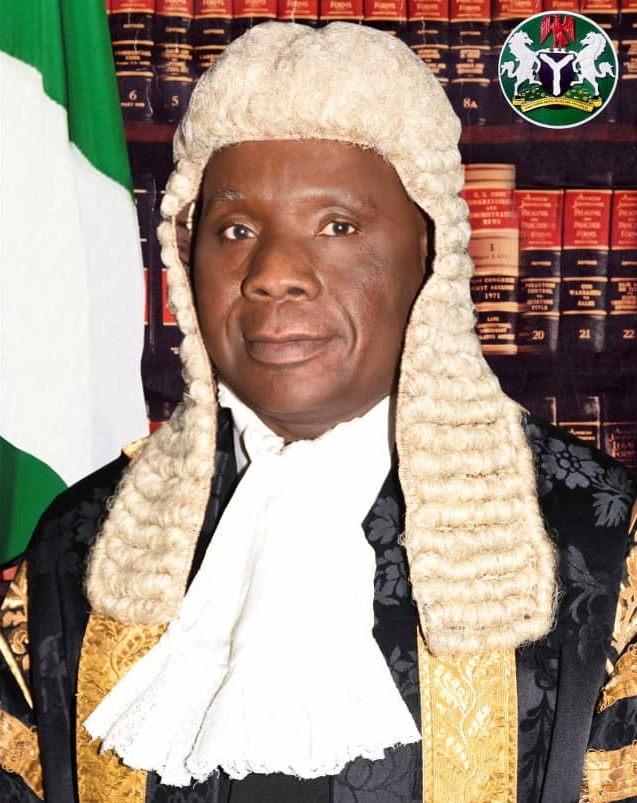
N.B: All pictures of judges in this report were taken from the Supreme Court website.
THE Presidential candidates of the Peoples Democratic Party (PDP), Atiku Abubakar, Labour Paty (LP), Peter Obi, Action Alliance (AA), Chichi Ojei and Solomon Okangbuan of Allied Peoples Movement (APM), have all met the deadline for the submission of petitions at the Presidential Election Tribunal.
Under the law guiding election petitions, an petition must be presented and filed within 21 days of the declaration of the result.
When a petitioner misses the deadline to file his petition and is later ruled to be statute-barred, he forfeits his right to bring the case.
The four presidential candidates met the deadline for submitting their separate petitions on Tuesday, March 21.
The Chairman of INEC, Mahmood Yakubu, announced the result of the election on March 1.
According to the result released by INEC, Tinubu scored a total of 8,794,726 votes to defeat Atiku Abubakar of the Peoples Democratic Party (PDP), who polled a total of 6,984,520 votes, and Peter Obi of the Labour Party (LP), who came third with 6,101,533 votes.
The PDP and LP candidates had since rejected the outcome of the election and vowed to challenge it in court.
The spokesperson of the Obi-Datti Presidential Campaign Council, Yunusa Tanko, announced the submission of Obi’s petition on his official Twitter handle on Tuesday, March 21.
“It is official. The Labor Party Presidential candidate Peter OBI has filed his petition to the presidential elections tribunal in Abuja. The process of reclaiming the people’s mandate has started.” he tweeted.
Obi and the LP’s petition marked CA/PEPC/03/2023 had INEC, President-elect Tinubu, his running mate, Kashim Shettima, and the APC as respondents.
Obi stated in the petition that there was rigging in 11 states, and he promised to prove it based on the results that were uploaded.
Obi further claimed that Tinubu “was not duly elected by a majority of the lawful votes cast at the time of the election”.
Parts of the petition read, “The petitioners shall show that in the computation and declaration of the result of the election, based on the updated results, the votes recorded for the second respondent (Tinubu) did not comply with the legitimate process for the computation of the result and disfavoured the petitioners in the following states: Rivers, Lagos, Taraba, Benue, Adamawa, Imo, Bauchi, Borno, Kaduna, Plateau and other states of the federation.”
Obi and the LP said since all polling unit results had yet to be fully scanned, uploaded, and transferred electronically as required by the Electoral Act at the time of the declaration, INEC broke its own rules when it announced the result.
The petitioners also urged the tribunal to “determine that, at the time of the presidential election held on February 25, 2023, the second and third respondents (Tinubu and Shettima) were not qualified to contest the election.
“That it be determined that all the votes recorded for the second respondent in the election are wasted votes, owing to the non-qualification of the second and third respondents.
“That it be determined that the second respondent (Tinubu), having failed to score one-quarter of the votes cast at the presidential election in the Federal Capital Territory, Abuja, was not entitled to be declared and returned as the winner of the presidential election held on February 25, 2023.
“That it be determined that based on the remaining votes (after discountenancing the votes credited to the second respondent), the first petitioner (Obi) scored a majority of the lawful votes cast at the election and had not less than 25 per cent of the votes cast in each of at least two-thirds of the states of the federation and the Federal Capital Territory, Abuja and satisfied the constitutional requirements to be declared the winner of the February 25, 2023, presidential election.”
In addition, the petitioners request that the tribunal issue a ruling ordering INEC to hold a new election in which Tinubu, Shettima, and the APC shall not run.
The tribunal has not yet set a time to hear the petition, submitted by Livy Ozoukwu, SAN, the petitioners’ principal solicitor.
Atiku and PDP’s petition, marked CA/PEPC/05/2023, has INEC, Tinubu and APC listed as respondents.
This was disclosed to Channels TV by a member of Atiku’s legal team, Silas Onu, on Tuesday, March 21.
Atiku and PDP, in their petition, want Tinubu’s victory nullified.
The Allied Peoples Movement (APM) and its presidential candidate, Princess Chichi Ojei, and the Action Alliance (AA) and its flagbearer, Solomon Okangbuan, have also lodged separate petitions before the court.
Okangbuan and Ojei, are separately contesting the results of the presidential election in lawsuits marked CA/PEPC/04/2023 and CA/PEPC/03/2023, respectively, on the grounds of alleged material non-compliance with the electoral laws and INEC instructions.
The AA argued that the election should be declared invalid because its candidate was omitted.
On its part, the APM asserted that due to the requirements of sections 131(c) and 142 of the Constitution and section 35 of the Electoral Act 2022, Tinubu was not eligible to run in the election at the time of the election.
THE Nigerian Women Trust Fund Gender and Election Watch (GEW), has frowned at the disruptions to Governorship and House of Assembly elections in Lagos, Kano and Rivers states.
The group also kicked against the refusal of the Independent National Electoral Commision (INEC) to declare a winner in the Adamawa State governorship election, where the incumbent governor, Ahmadu Fintiri, vying on the Peoples Democratic Party (PDP) platform, has a woman, Aishatu Dahiru (Binani), a senator, as the most formidable challenger.
The ICIR reported that INEC declared the election inconclusive, with Fintiri polling 421,524 and Dahiru (Binani) of the All Progressives Congress (APC) having 390, 275.
Coincidentally, The ICIR had its reporters in all three states that the group identified to have experienced disruptions to elections by political thugs and other factors.
Reports by The ICIR confirmed the women’s claims, as shown in its reports on the elections. The ICIR’s reports are here, here, and here.
The women deployed 350 accredited observers across the country’s six geopolitical zones to observe the election, held on March 18, from a Gender perspective in Adamawa, Kano, Lagos, Oyo, Anambra, Kogi and Rivers.
In a post-election statement signed by its Chief Executive Officer for Gender and Election Watch (GEW) Room, Mufuliat Fijabi, and mailed to The ICIR, the group said notwithstanding the challenges identified, the election was better than the presidential election conducted on February 25.
It said the governorship and House of Assembly polls were mostly peaceful in all the states its observers monitored, except Kano, Lagos and Rivers.
“Over 70 per cent of polls observed opened before 9am,” said the group.
It listed some polling units where polls were disrupted, including in Lagos PU 24-18-11-003 Oke Afa Isolo, Ejigbo Bestford Junction. “This polling unit was attacked by thugs three times, who attempted to disrupt voting by upturning the ballot boxes and voter inducement; there was a response by security officials after the first two attacks, but no response on the third and final attack.
“Rivers: Captain Elechi Amadi Polytechnic PU 17 Rumuokwuta 18 B: party agents threatened the life of an NWTF observer and proceeded to seize his tag. He was helped to safety by an INEC official.
“Kano: Tarauni LGA, Darmanawa Ward, PU 01: some party agents caused disruption, which led to ballot boxes being destroyed because some ballot papers seemed to have been used previously.
“Adamawa: Bekaji Roundabout Jimeta, Yola North: political protest was organized with security operatives firing teargas to dispel the crowd on March 20 2023, on the delayed announcement of the results of the gubernatorial election.”
Besides, the group decried voter apathy, especially among women, whom it said were afraid to come out because of threats or violence recorded during the presidential election and after the poll.
The group also condemned the intimidation of observers by security personnel in some polling units. “One example was at the Elechi Amadi Polytechnic, Rumuokwuta PU 18 B, (Rivers State).
“The security situation during March 18 2023 elections was not as good as the February 25, 2023, elections. According to the GEW observers, there were security breaches which could have been avoided with intense security action and coordination.”
Some of the group’s recommendations include:
⦁ That INEC should hold its partners in the planning and conduct of elections accountable for failure to deliver on their agreement
⦁ That the trend of incumbent governors banning NGO observers is a bad practice that should not be encouraged, especially when INEC has issued accreditation to NGOs to observe elections and a definitive legal statement by INEC must be issued to stop future reoccurrence.
⦁ With voter apathy, democracy is gradually becoming a product of only a few who turn out on election day to elect their representatives. All electoral stakeholders should pay attention to this and work together to reduce voter apathy drastically in future elections.
⦁ That all female candidates in the 2023 general election are highly commended for their resilience and participation.
THE 2023 general elections have largely come and gone but will go down in history as one of the polls that recorded some of the biggest shocks in Nigeria.
Unarguably, the emergence of the Labour Party (LP) was a game-changer and watershed for the nation’s politics, at least since its return to democracy in 1999.
The party is making inroads into the country’s National Assembly with some seats it won, though it lost the presidency, according to the presidential election result announced by the Independent National Electoral Commission.
Below are some of the major big losers in the elections
Atiku Abubakar fails after six shots at Presidency
Former Vice President Atiku Abubakar came second in the presidential election held on February 25.
Atiku, 76, has contested for the top office for 31 years and has had his hope dashed.
He came second in the February election and got 6,984,520 votes, trailing the All Progressives Congress (APC) candidate, Bola Tinubu, who polled 8,794,726.
He has rejected the election result.
The ICIR reported how hope dims for the Adamawa-born politician after his sixth attempts at the presidency ended in a fiasco.
Peter Obi could not sail through
Peter Obi was phenomenal in the election, being his first time to play on the national front.
A former Anambra State governor, he came third in the poll, scoring 6,101,533 votes.
Obi and most of his supporters did not accept the election result.
The LP candidate officially petitioned the presidential election tribunal on Tuesday, March 21.
The ICIRreported five outgoing governors who lost their election to the Senate during the Presidential and National Assembly election conducted on February 25.
They are Samuel Ortom (Benue), Ifeanyi Ugwuanyi (Enugu), Darius Ishaku (Taraba State), Simon Lalong (Plateau State), and Ben Ayade (Cross River).
Two more governors (not captured in the report) lost their election to the Senate. They are Abubakar Bagudu (Kebbi) and Abia State Governor Okezie Ikpeazu.
Bello Matawalle fails reelection
Zamfara’s incumbent governor, Bello Matawalle, lost his reelection bid to Lawal Dauda of the PDP..
Dauda polled 377,726 votes to defeat Matawalle, who had 311, 976.
Matawalle became governor after the Supreme Court nullified all the PDP votes across all levels of the 2019 elections in the state for failing to conduct a valid primary.
The state witnessed worsened insecurity occasioned by banditry during his tenure.
Ganduje’s party trounced in Kano
Efforts of Kano State Governor Abdullahi Ganduje to ensure his party continues to rule the state when his tenure ends on May 29, 2023, failed.
The gubernatorial candidate of the New Nigeria Peoples Party (NNPP), Kabir Abba Yusuf, was declared the winner of the governorship election held on March 18.
Yusuf defeated the APC candidate – the incumbent deputy governor of the state, Nasir Gawuna, by a wide margin.
Yusuf harvested 1,019,602 votes, while Gawuna got 890,705 votes.
The election outcome confers superiority on the NNPP’s leader, Rabiu Kwankwaso, a former governor of the state who handed over to his estranged and now humbled Deputy, Ganduje.
Chimaroke Nnamani, a former governor and sitting senator, loses reelection
The senatorial election could not hold in Enugu East on February 25 because of the assassination of the LP candidate Oyibo Chukwu three days before the poll.
After the INEC delayed the election to enable his party to name his replacement, his brother, Kelvin Chukwu, eventually replaced him and won the election on the rescheduled date – March 18.
He defeated Nnamani, a former governor who has spent at least two terms at the Senate.
While the former governor polled 48,701 votes, his LP counterpart won 69,136 and ended his dream to continue at the Red Chamber.
Tambuwal’s anointed successor loses
Sokoto State Governor Aminu Tanmbuwal’s anointed successor, Saidu Umar, lost to the APC’s Ahmed Aliyu.
Aliyu won with 453,661 votes to defeat Umar, who garnered 404,632 votes.
Aliyu was Tambuwal’s deputy during the governor’s first term in 2015.
The governor-elect ran against his former principal in 2019, but Tambuwal emerged the winner with a slim win (342 votes) after a run-off.
Simon Lalong’s anointed candidate fails to become governor
Caleb Muftwang, who ran on the PDP platform, won the governorship poll in Plateau, thus returning the state to the PDP from the APC, which has been in charge since 2015.
Muftwang scooped 525,299 votes to trounce his close rival, Nentawe Yiltwada, a professor, and the APC candidate, who got 481,370 votes.
Ortom loses Senate, also fails to install House of Assembly Speaker as governor
Benue State governor Samuel Ortom could not install the House of Assembly Speaker, Titus Uba, after floundering in his Senate bid.
INEC returned the APC candidate, Hyacinth Alia, a Catholic priest, as governor-elect.
Alia polled 473,933 to beat PDP’s Uba, who scored 223,913 votes and came second in the election.
Oyetola’s APC base shrinks
In Osun, former governor Adegboyega Oyetola’s political base may have diminished with the PDP’s sweeping victory at the state House of Assembly election that took place in the state on March 18.
The PDP won 25 of the 26 House of Assembly seats.
PDP claimed all seats, except three, won by the APC in 2019.
The only seat the APC won is Boripe/Boluwaduro state constituency, where the state’s former governor, Gboyega Oyetola, hails from.
Adeleke had defeated Oyetola, who was seeking a second term at the governorship poll held on July 16, 2022.
However, a tribunal nullified Adeleke’s election on January 27, 2023, after Oyetola disagreed with the result and filed litigation.
Adeleke has appealed the tribunal ruling.
35-year-old ends Yobe Speaker’s 6th term dream
A -35-year-old thwarted the sixth-term dream of Speaker of the Yobe State House of Assembly, Ahmed Mirwa Lawan.
Lawan, a candidate of the APC, lost to the candidate of the Peoples Democratic Party (PDP), Lawan Musa.
They both contested for Nguru II Constituency.
The Speaker has represented the constituency since 2003.
Musa polled 6,648 votes to defeat the Speaker, who got 6,466 votes.
Meanwhile, notwithstanding the results announced by INEC from the elections, The ICIR reports that aggrieved parties could challenge the results in court and have the court’s judgment in their favour.
THE Nigerian Exchange Limited (NGX) has said that leveraging technology would enable an increase in investors’ participation in the capital market.
The divisional head, Trading Business, at the Exchange, Jude Chiemaka, made the submission on Tuesday, March 21 during an interview with ARISE TV, while responding to a question on the Global Money Week, which held on Monday, March 20.
The Global Money Week, an educational programme, is aimed at enhancing financial literacy in children and youths, while driving financial inclusion.
“The global money week is an opportunity to amplify the various works we do around financial literacy, financial inclusion,” Chiamaka said, adding, “Technology will continue to be the gateway to increase investors participation.”
He explained that the Exchange had taken the event to the level where it could address the importance of savings and investing.
He cautioned that investing in stocks was not so much about making money quickly, but about being careful and concerned about the environment in order to make good investment.
“As you are opening your investment account, it is tied to your bank account. When dividends is paid, it is automatically credited into your account. When you sell your shares it is credited into your account. So the risk of fraud is reduced,” Chiamaka added.