Home Blog Page 11

Katsina: 154 students hospitalised after drug reaction discharged – Police

0

THE Katsina State Police Command says all the 154 students affected by an adverse drug reaction at Government Science Secondary School, Batagarawa, have been treated and discharged from the hospital.

The Police Public Relations Officer in the state, Abubakar Sadiq Aliyu, a deputy superintendent of police, disclosed this in a statement on Wednesday, confirming that no casualty or loss of life was recorded.

The incident occurred on October 26 after students reportedly developed symptoms of an adverse drug reaction following the administration of Praziquantel tablets.

The command said the affected students were evacuated to hospital facilities for medical attention, where they received treatment.

The command said the remaining 25 students, who were earlier kept in the hospital for further medical care, had also been treated and discharged.

It added that all the affected students were in good health and had been reunited with their families and schoolmates.

The Commissioner of Police, Ali Umar Fage, appreciated members of the public for their cooperation and calmness throughout the period of the incident.

He urged residents to avoid spreading unverified information while assuring them of the command’s continued commitment to protecting lives and property across the state.

The News Agency of Nigeria (NAN) reports that the drugs were given to the students by authorities as treatment for bilharzia.

According to the World Health Organization (WHO), bilharzia, also know as schistosomiasis, is a disease of poverty that leads to chronic ill-health. People are infected with it when they come in contact with fresh water infested with the larval forms (cercariae) of parasitic blood flukes, known as schistosomes. T

he microscopic adult worms live in the veins draining the urinary tract and intestines. Most of the eggs they lay are trapped in the tissues and the body’s reaction to them can cause massive damage.

Schistosomiasis affects almost 240 million people worldwide, and more than 700 million people live in endemic areas. The infection is prevalent in tropical and sub-tropical areas, in poor communities without potable water and adequate sanitation.

Tinubu heads to Saudi for Umrah weeks after month-long Europe trip

0

PRESIDENT Bola Tinubu is set to leave Nigeria for Saudi Arabia on Thursday, October 29, to perform Umrah, weeks after returning from a four-week stay in Europe.

The earlier trip lasted longer than the 21-day vacation initially announced by the Presidency.

The planned trip comes as Nigeria continues to grapple with deadly attacks on communities, including the killing of at least 62 people in Binnari, a rural community in Taraba State, where thousands were reportedly displaced.

According to a statement issued by the Presidency on Wednesday, October 28, Tinubu will travel to Makkah, Saudi Arabia, for the lesser Islamic pilgrimage, during which he will ‘pray’ for Nigeria’s peace, unity, stability and progress.

The president is expected to return to Nigeria next week after completing the religious exercise.

However, the statement did not specify his exact return date or the duration of his stay in Saudi Arabia.

Before departing Abuja, Tinubu is scheduled to commission equipment acquired by the Nigerian Air Force at the Presidential Wing of the Nnamdi Azikiwe International Airport, according to the statement.

Although the Presidency described the trip as an opportunity for spiritual reflection and prayers for the country, the announcement comes amid renewed concerns about insecurity and the president’s availability to oversee national affairs.

From a 21-day vacation to four weeks abroad

The ICIR reports that Tinubu left Abuja for Europe on August 30, 2026, for what the Presidency described as a three-week vacation as part of his annual leave.

In a statement announcing the trip, Bayo Onanuga, the president’s Special Adviser on Information and Strategy, said Tinubu would return after the working vacation to join the campaign for the January 2027 election.

However, the president remained abroad beyond the initial period. On September 21, the Presidency announced that he had extended his stay by a few days and would return days later.

He eventually returned to Nigeria on September 29, after spending about four weeks in Europe. He had spent time in London before travelling to Paris, France, where he was said to have held meetings with French President Emmanuel Macron and business people.

The Presidency said Tinubu remained in touch with developments in Nigeria and continued to direct government affairs while away. It also cited his involvement in official matters, including an order for an independent panel to investigate the deaths of 37 miners in Minna, Niger State.

However, the extension attracted criticism from opposition figures and renewed debate about presidential accountability during prolonged foreign trips. 

Campaign activities after his return

After returning to Nigeria, Tinubu resumed public engagements that included activities linked to the ruling All Progressives Congress’s preparations for the 2027 general election.

On October 14, he inaugurated the APC Presidential Campaign Council in Abuja. The council is responsible for coordinating the party’s mobilisation, communications and campaign activities ahead of the presidential election.

The party subsequently scheduled its campaign flag-off for October 24 in Kaduna State, followed by planned engagements in Rivers and Borno states.

The ICIR also reports that Tinubu’s planned departure is coming days after gunmen killed at least 62 people in Binnari, a rural community in Karim-Lamido Local Government Area of Taraba State, highlighting the continuing threat to civilians in parts of Nigeria.

The attack occurred on October 23, the community’s weekly market day, when traders and buyers from neighbouring settlements gathered to exchange farm produce and other goods.

According to reports, the gunmen operated for about four hours, shooting residents, looting shops and setting houses ablaze as people fled for safety.

The Taraba State Police Command said the death toll had risen to 58 as of October 26, including 15 people who drowned when a canoe capsized while they attempted to escape. 

By October 27, the National Emergency Management Agency had confirmed at least 62 deaths, according to Al Jazeera and The Associated Press.

Thousands of people were also displaced by the attack, while homes, shops, food supplies and motorcycles were reportedly destroyed or looted.

The killings form part of Nigeria’s wider security crisis, which includes banditry, kidnappings, communal violence and attacks on rural settlements. 

NAF promises continued salaries for families of NAF 931 crash victims

0

THE Nigerian Air Force (NAF) has assured families of personnel killed in the October 5, 2026, crash involving its ATR 42-500 aircraft, NAF 931, in Igbokoda, Ondo State, that their salaries will continue until their death benefits are fully paid.

NAF Director of Public Relations and Information, Ehimen Ejodame, revealed this in a statement, stating that the Chief of the Air Staff, Sunday Aneke, gave the assurance during an engagement with the bereaved families on Wednesday, October 28, as the military continues recovery operations and investigations into the crash.

“The Nigerian Air Force stands with you, and our thoughts and prayers remain with every family affected by this tragedy,” he said.

Representing the air chief, the Chief of Civil-Military Relations, Edward Gabkwet, an air vice marshal, said the decision was intended to provide financial stability for the deceased personnel’s dependents while their benefits were being processed.

The ICIR reported that NAF confirmed that 25 people were aboard the aircraft – five crew members and 20 passengers and there were no survivors.

The crash has renewed attention on the safety of Nigeria’s military aviation operations and the financial implications of losing aircraft that are often worth millions of dollars.

The assurance on continued financial support for the victims’ families comes as NAF said its efforts to recover relevant materials from the crash site and investigate the circumstances surrounding the accident was ongoing.

NAF said in its latest statement that the recovery operation has been hampered by the swampy, waterlogged terrain and difficult access to the site, requiring dewatering, engineering support and site stabilisation.

Aneke said the organisation would continue working with relevant agencies to sustain recovery efforts and support a thorough, evidence-based investigation.

He also cautioned against speculation about the cause of the crash, saying the NAF would not draw conclusions until the relevant evidence had been properly examined.

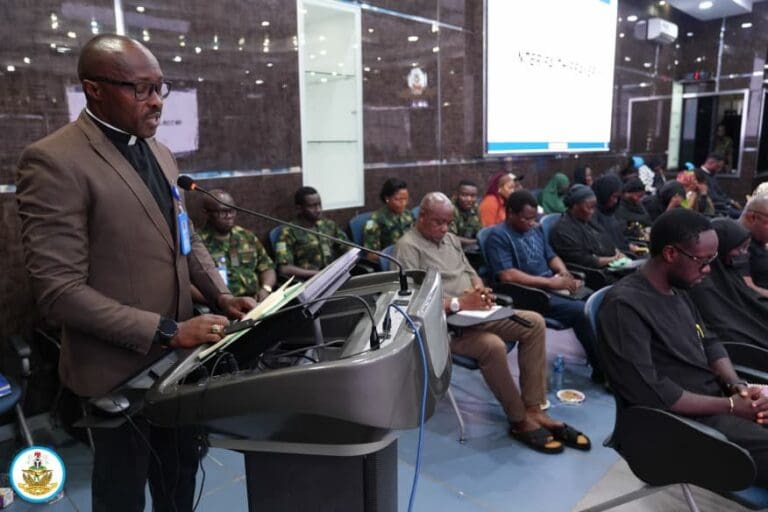
Beyond the financial support, the military said it had facilitated spiritual and psychological assistance for the bereaved families.

Christian chaplains and Muslim imams were engaged to provide prayers, spiritual guidance and pastoral support, while consultant psychologist, Ehize Odigie-Okpataku, a professor, conducted individual interactions and counselling sessions.

To sustain communication with the bereaved families, the NAF said it would provide updates and guidance on administrative and welfare matters through designated liaison channels, including the Office of the Directorate of Veterans Affairs.

Reaffirming the NAF commitment, Aneke said the families’ concerns and the dignity of the deceased personnel would remain central to its response.

“Your grief matters, your questions matter, and the dignity of your loved ones will remain central to our response to this tragedy,” he said.

The NAF said it remained committed to supporting the families, continuing recovery efforts and facilitating a credible investigation into the crash.

The ICIR reported that National Assembly called for a comprehensive audit of the serviceability and airworthiness of NAF aircrafts and investigation into funds allocated for their maintenance.

The Senate and House of Representatives raise concerns over recurring military aircraft accidents, the safety of ageing fleets and the need to strengthen maintenance systems, operational safety protocols, and legislative oversight.

The lawmakers warned that a thorough probe was necessary to establish the causes of the crash, identify possible lapses and prevent similar tragedies in the future.

Spain train crash kills 68, injures dozens

0

AT least 68 people have been killed after two high-speed trains collided in central Spain, with rescue workers searching through the wreckage for more victims.

The crash occurred at about 8:53am local time on Wednesday, October 28, near Urda in Toledo province, when a train operated by Spain’s state-owned railway company, Renfe, struck a stationary train operated by private company Iryo.

According to reports, the collision derailed several carriages, with some plunging down an embankment and leaving wreckage scattered across the area.

The regional government of Castilla-La Mancha confirmed the death toll, with different reports putting the number of injured between 58 and 80, including 50 who were seriously injured.

According to regional authorities, the Iryo train was carrying 147 passengers, while 397 people were aboard the Renfe train.

Speaking on the incident, Spain’s Transport Minister, Óscar Puente, said the collision occurred after a computer malfunction disrupted a railway safety system, bringing trains operating along a 63-kilometre stretch of track to a stop.

Puente said the central control centre subsequently authorised the Renfe train to resume its journey despite a red stop signal remaining active on the line.

He described the decision to allow the train to proceed without speed restrictions as “inexplicable”, adding that investigators were examining the circumstances surrounding the incident.

According to the minister, the collision occurred after the Renfe train was authorised to move again, while the Iryo train remained stationary on the track.

He said investigators were still examining the train’s speed at the time of impact, which could have reached 200 kilometres per hour.

Renfe, one of the train companies involved,  has also said the train had continued its journey after receiving authorisation but collided with the Iryo train, which remained stationary for reasons the company said were not yet known.

“The exact sequence of events, the traffic conditions and the circumstances of the impact will have to be established by the investigation,” the company said.

Reuters reported that a person briefed on the incident said the Iryo train had stopped following instructions from Adif, Spain’s railway infrastructure manager, because of a signalling fault.

Meanwhile, Wednesday’s collision is Spain’s second major deadly high-speed rail accident this year, following a crash near Adamuz in Córdoba province on January 18 that killed 46 people, according to Reuters.

Tarbell Fellowship opens applications for 2027–2028 AI journalism programme

THE Tarbell Center for AI Journalism has opened applications for its 2027–2028 fellowship programme, offering journalists and other experts an opportunity to develop their skills in reporting on artificial intelligence.

According to the organisation, the 12-month programme combines three months of training in AI and journalism fundamentals with a nine-month newsroom placement. Applications opened on September 28, 2026, and will close on November 22, 2026.

The fellowship is designed for people with experience in journalism or artificial intelligence who are interested in covering AI and its effects on society.

The programme offers salaries ranging from $75,000 to $120,000 for fellows, depending on their professional experience and the cost of living in the location of their newsroom placement.

Senior fellows may earn between $115,000 and $135,000. The senior fellowship is intended for candidates with at least seven years of relevant professional experience and a strong record of achievement in journalism or AI.

During the programme, fellows will be placed as reporters in newsrooms covering artificial intelligence. Previous host organisations have included CBS News, The Bureau of Investigative Journalism, MIT Technology Review and TIME.

The programme is a full-time commitment and is not intended to be undertaken alongside a graduate degree or another training programme.

The fellowship welcomes early- to mid-career journalists seeking to deepen their knowledge of artificial intelligence, as well as people with AI expertise who want to pursue journalism.

Applicants are expected to demonstrate a strong interest in both AI and journalism, excellent writing skills, curiosity, persistence and an ability to explain complex subjects clearly.

The deadline for the 2027–2028 fellowship is November 22, 2026. Interested applicants can apply here.

NELFUND introduces token payment system for school fees

THE Nigerian Education Loan Fund (NELFUND) has commenced a pilot of a tokenised payment system designed to prevent students from paying their school fees twice and reduce complications associated with refunds.

NELFUND Managing Director, Akintunde Sawyerr, disclosed the development during a press briefing on Wednesday, noting that the initiative comes as the fund has received nearly 400,000 applications.

“We discovered that there were some issues with students being informed in good time that their payments had been made by NELFUND, which meant that some of them would pay because they hadn’t realised that NELFUND had paid already,” he said.

Sawyerr, said the new system would enable students to authorise payments directly to their institutions through tokens linked to their respective schools, rather than receiving institutional loan funds in their personal bank accounts.

“We want to eliminate that need for refunds. So we’re placing the power of payment in the hands of the students,” he said.

He gave a scenario in which NELFUND paid an institution on Monday, but a student, unaware of the transaction, paid the same fees by Wednesday before learning of the fund’s payment on Friday.

“It was a genuine error, no suspicion, no accusation, just genuine error,” Sawyerr said.

According to him, under the proposed arrangement, students would authorise payments through an application on their phones, with the funds transferred directly to the designated institution.

“We’re not giving the students money, but we’re giving them power,” he said.

He added that the tokens would restrict transactions to the institution for which the funds had been approved, preventing beneficiaries from transferring the money to personal accounts or redirecting it to other schools.

“For instance, if a student has an approved payment of ₦200,000, the student would only be able to authorise the transfer to the designated institution’s account. If they don’t push the button, the money doesn’t go anywhere. It will never be able to be transferred to the personal account of the student or anybody else,” he added.

The Fund clarified that the token was not a personal or mobile money wallet but a payment authorisation mechanism tied to a specific institution.

“It’s not a personal wallet, it’s not a mobile money wallet at all,” he said.

He confirmed that the pilot phase had commenced but did not provide a specific timeline for the system’s full implementation.

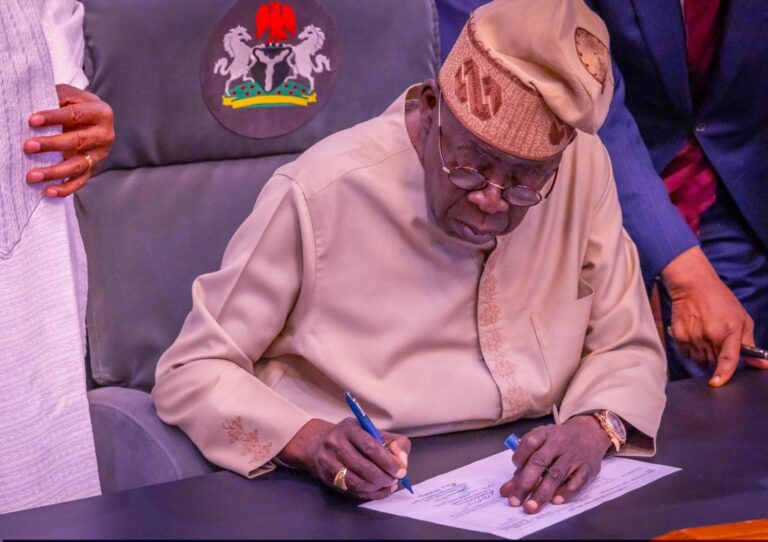
The ICIR reports that President Bola Tinubu signed the Student Loans (Access to Higher Education) Act (Repeal and Re-Enactment) Bill into law on Wednesday, April 3, 2024, following approval by the Senate on Wednesday, March 20 to provides eligible Nigerian students with interest-free loans to cover institutional charges and, where requested and approved, upkeep expenses.

Under the existing arrangement, approved institutional charges are paid directly to students’ institutions, while approved upkeep allowances are transferred to students’ bank accounts. The proposed tokenised system focuses on institutional payments rather than the ordinary disbursement of upkeep allowances.

The scheme is intended to ease the financial burden of tertiary education and expand access for students who might otherwise struggle to meet the cost of schooling.

Ebola: DR Congo deaths near 5,000 as Nigeria continues monitoring

0
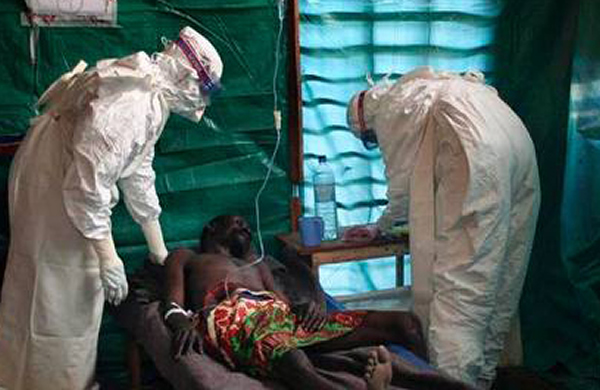
  1. THE Democratic Republic of the Congo (DRC) has recorded nearly 5,000 deaths from an Ebola outbreak that is generating between 50 and 80 new confirmed cases daily, according to the World Health Organisation (WHO).

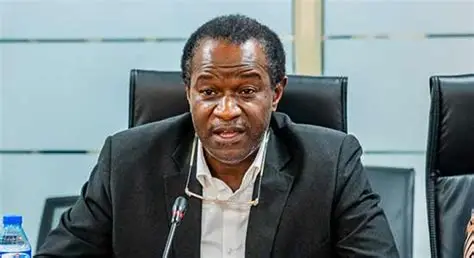
The executive director of WHO’s Health Emergencies Programme, Chikwe Ihekweazu, disclosed this during an interview with ARISE NEWS on Wednesday, October 28.

He said the outbreak had reached about 10,000 cases and spread across eight provinces in eastern DRC, describing the situation as dire.

“We’re reporting 50 to 80 new confirmed cases every single day. So, the situation is still very dire. This is a large part of the country, the east of the country.

“Eight provinces are affected, equivalent to eight states in Nigeria. This is over 1,000 square kilometres. So, we’re in the sixth month of this outbreak,” Ihekweazu said.

His disclosure comes as Nigeria continues efforts to contain its first imported case of Ebola disease caused by the Bundibugyo virus, following the confirmation of an infection in a 42-year-old woman who reportedly travelled from Uganda to Abuja.

Nigeria continues Ebola monitoring

On Nigeria’s reported outbreak, Ihekweazu said Nigeria must complete the required monitoring period before it could be declared free of Ebola.

According to him, health authorities must monitor the 53 identified contacts of the confirmed patient for 21 days, followed by another 21-day period, in line with WHO protocols.

“What it means still is that we have about 53 people, contacts, individuals with whom that individual had contact over the days that she was ill. And now, we have to continue to follow each of them for 21 days and then require another 21 days, coming up to 42, in order to declare Nigeria Ebola-free.

“These are the standard protocols as defined by the World Health Organization, where I work, and which we use in every country around the world that has a similar incident,” he said.

The Nigeria Centre for Disease Control and Prevention (NCDC) had earlier stated that the contacts included healthcare workers, domestic staff and the patient’s spouse.

The agency said contact tracing and daily monitoring were ongoing to identify possible further infections and prevent transmission.

The patient was subsequently evacuated to Switzerland on October 26 after her reportedly condition improved. 

Ihekweazu, however, clarified that the evacuation was carried out at the request of the patient’s country of origin and did not indicate that Nigeria lacked the capacity to manage the infection.

He also commended Nigeria’s response, citing the speed of laboratory confirmation, genomic sequencing and clinical management.

The WHO official said every confirmed Ebola case required a coordinated outbreak response because the disease belongs to a group of infections known as viral haemorrhagic fevers.

He urged Nigerians to allow health authorities to carry out their work without politicising the response.

DRC outbreak strains health response

Ihekweazu said response efforts in the DRC had expanded to include more than 2,000 treatment beds and over 25 laboratories, alongside intensive engagement with communities in affected areas.

He also noted that the outbreak has raised concerns about vaccine availability because the Bundibugyo virus responsible for the current outbreak is a different strain from the Zaire ebolavirus targeted by the widely used Ervebo vaccine.

Ihekweazu said trials involving three vaccine candidates had begun in the DRC, describing the development as encouraging.

He said the trials were being led by the country’s National Institute of Biomedical Research, with support from international partners.

According to him, successful trials could lead to the rapid development of a vaccine against the strain.

The former Director-General of the Nigeria Centre for Disease Control and Prevention urged African countries to support the DRC rather than blame it for the spread of the disease, noting that infections had also been exported to other countries, including Uganda and Kenya.

He said the affected countries had responded to the imported cases and prevented further outbreaks.

WHO urges investment in preparedness

Ihekweazu said African governments needed to strengthen disease surveillance, public health expertise and emergency response systems to manage future outbreaks.

He noted that although outbreaks could not always be prevented, countries could reduce their impact through early detection, effective monitoring and well-equipped public health agencies.

He also identified opportunities to use artificial intelligence to improve disease surveillance and contact tracing, provided reliable and standardised data were available.

However, he stressed that technology alone would not be sufficient without trained personnel and sustained investment in public health systems.

‘Vote-buying’: Nigerians react to N70,000 transport allowance for workers

0

NIGERIANS have questioned the timing, credibility and reach of the Federal Government’s approval of a N70,000 monthly transport allowance for public servants, with some describing the intervention as a political gimmick ahead of the 2027 elections.

Others have raised concerns about unpaid allowances and the exclusion of millions of citizens outside the public service.

The government approved the allowance for six months, beginning in November 2026, following a conciliation meeting with the Nigeria Labour Congress (NLC) in Abuja on Tuesday, October 27.

The agreement also provides for the payment of outstanding peculiar allowance arrears in three equal monthly instalments from November and the clearance of 19 months of allowance arrears owed to health workers within three months, beginning in December.

However, the announcement has triggered criticism on social media, particularly on X and Facebook, where Nigerians have questioned whether the government can deliver on its promises, why the intervention is coming less than three months before the 2027 polls, and what relief is available to citizens who do not work for the government.

On X, several users linked the timing of the allowance to the 2027 elections, accusing the administration of President Bola Tinubu of attempting to win public support through vote-winning handouts after years of economic hardship.

A user, @dollarain2000, described the move as vote-buying, arguing that the announcement had come too late to change voters’ minds.

“Vote buying! He waits till less than three months to election to share N70,000. Too late. Nigerians will collect their money and still vote him out,” the user wrote.

Another user, @Lanko_C, questioned the government’s credibility, citing what the user described as delays in paying the previously promised N35,000 wage award to workers.

“A government that could not pay the ₦35,000 wage award within the exact timeframe it promised cannot be trusted to deliver ₦70,000 in monthly transport support,” the user said, adding that the government still owed workers their wage awards.

Odo Akaji also questioned the timing of the announcement, arguing that the government’s sudden focus on workers’ hardship appeared to be linked to the 2027 election cycle.

“But you guys said all was hunky-dory and well-meaning Nigerians were wrong in crying about the hardship. What changed?”, the user wrote.

Similarly, @seuntolarin questioned why the government was introducing transport support nearly four years into its tenure, despite its claims that the economy was performing well.

Beyond the criticisms, some Nigerians questioned the government’s capacity to implement the allowance, particularly in light of previous payment disputes.

@ComrAbdulazeez Adamu expressed doubts about whether the government had established a clear mechanism for paying the allowance.

“If you ask the Tinubu government how it intends to distribute the fictional N70,000 monthly support, it will begin to gobble and show us unnecessary data. It just has no plans or structure in doing so,” the user wrote.

Another user, posting as Black Panther Wakanda, argued that even a substantially larger payment would not necessarily change voters’ political preferences.

“If Tinubu likes, let him distribute one million naira each to workers, he will still return to Bourdillon next year by God’s grace,” the user wrote, adding that the government had been in office for close to four years before introducing the transport intervention.

On Facebook, the debate extended beyond the timing of the announcement to the number of people expected to benefit and the implications for Nigerians outside the public service.

Halilu Amanyi Abdulrahman described the intervention as a good initiative but questioned its limited reach and the government’s record on outstanding payments.

“It is a good initiative, but the problem is not the N70,000. FG (Federal Government) interventions are often characterised by arrears. What is the government doing for other Nigerians who do not work for the government?” Abdulrahman asked.

Lilian Chizoba Nwaozuzu Pilaku criticised what she saw as a failure to address the underlying causes of the economic hardship. “Always treating the symptoms and not the root cause,” Pilaku wrote.

Amusan Michael also expressed his views on the decision, saying, “They shared 2026 Prado jeeps worth N140 million each to APC youths and gave N70,000 transportation allowance to civil servants. Our fingers remain crossed!”

Another Facebook user, Eberechukwu Theopris, used an analogy to express suspicion about the new allowance.

“This reminds me of the way I used to catch chickens in those days, spilling the corn not for the purpose of feeding them but to catch and roast them. How I wish for us to be having elections every six months,” Theopris wrote.

Not all reactions focused exclusively on criticism of the government, as Suwaidang Joseph credited former Vice-President Atiku Abubakar with putting pressure on the Federal Government and argued that the development demonstrated the importance of opposition politics.

“Thanks to HE Atiku Abubakar for putting pressure on the FG. This is why we need a strong opposition in politics to put the government in power on their toes,” Joseph wrote.

An X user, Sambo Mai Hula, lauded Tinubu for the decision.

“Nigeria’s President, Asiwaju Bola Ahmed, has approved a N70,000 monthly transport allowance for public service workers at every level. Effective leadership is in motion: the figure rose from N35,000 to N70,000 in a short span to respond to current conditions. This step alone reflects PBAT’s commitment in Nigeria,” Hula wrote.

Another X user, Ojo Success shared similar view. He noted, “A welcome relief for Nigerian workers! The N70,000 monthly transport allowance will help ease commuting costs and support families amid rising living expenses. Timely implementation is key to making this support count.”

The reactions come amid persistent cost-of-living pressures following the removal of the petrol subsidy in May 2023, which drove up transportation costs and contributed to rising prices of goods and services.

The ICIR reports that, according to the latest MoU between the Federal Government and the NLC, a Minimum Wage Negotiation Committee will be constituted to begin discussions immediately.

Other outstanding issues include the proposed adjustment to the Consolidated Health Salary Structure, verification of hazard allowances for agricultural officers and consideration of tax relief for workers.

The government also approved the payment of outstanding peculiar allowance arrears, effective from May 1, 2026, in three equal monthly instalments beginning in November. Besides, it said it would clear 19 months of outstanding allowance arrears owed to health workers within three months, beginning in December 2026.

The government and the NLC agreed to reconvene after one month to review implementation of the resolutions.


JDPC, WDC convene over 300 Ogun residents for health insurance sensitisation

0

By Oluwayanmife Abiola

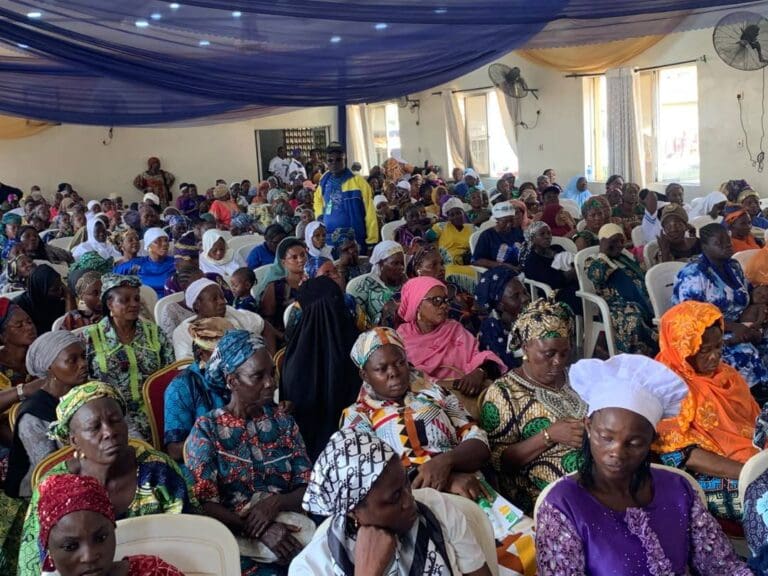
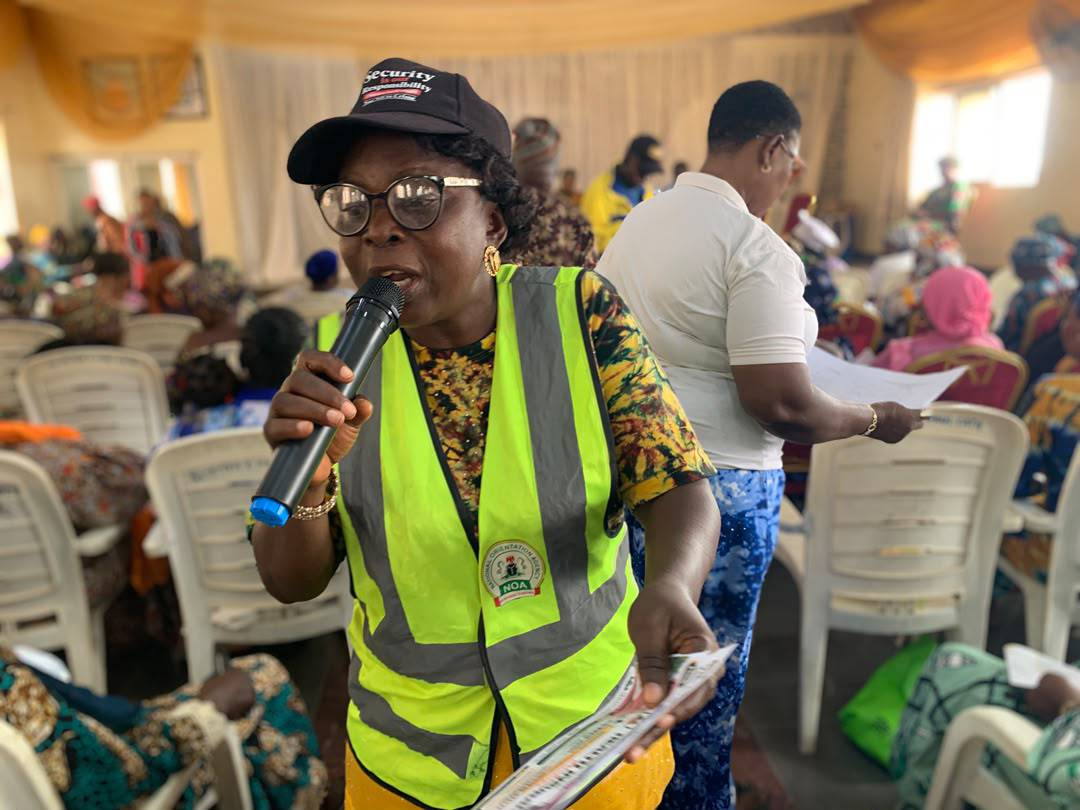
MORE than 300 participants, predominantly women drawn from various grassroots political wards, gathered on Monday, October 26, for a high-impact town hall meeting aimed at driving enrollment into the Ogun State Health Insurance Scheme.

The community sensitisation programme, which highlighted the importance of health insurance and its life-saving benefits, was held in Abeokuta, the state capital on Monday, October 26, 2026.

The event drew participants across key communities in Abeokuta South, Abeokuta North, and Odeda Local Government Areas.

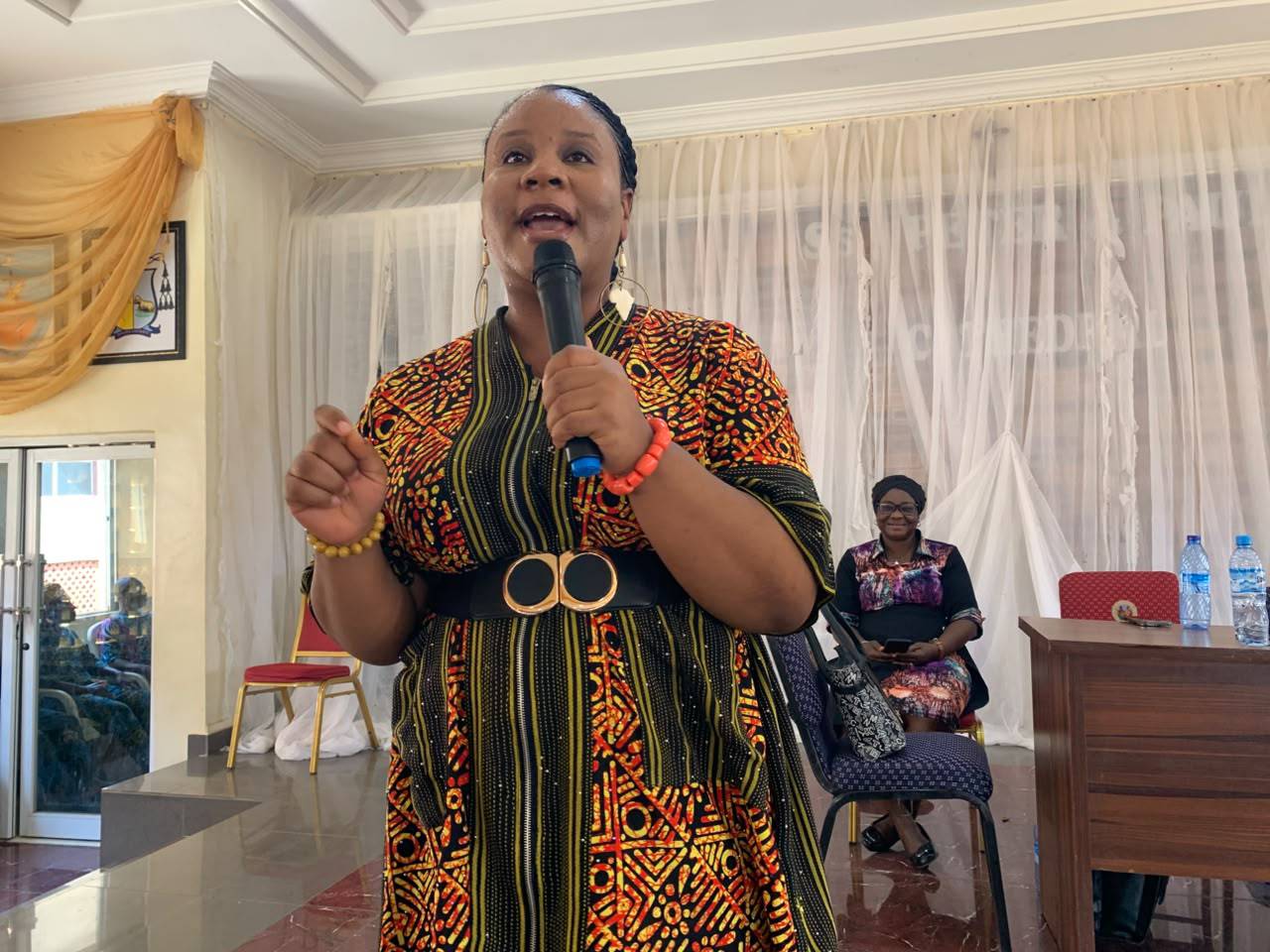
Some of the facilitators at the event

Organised by the Ward Development Committee (WDC), the event was held with support from the Justice, Development and Peace Commission (JDPC), and the International Budget Partnership (IBP).

Speaking at the event, the Ogun State Chairman of the WDC, Asiwaju Dapo Wahab, expressed satisfaction with the mobilisation. “Over 300 women gathered here today and have been thoroughly trained on how to enroll for the health insurance scheme. They now understand its immense benefits, and they even heard firsthand confessional statements from those who have already enrolled and benefited.

“We are also glad to have the strategic presence of the National Orientation Agency (NOA), various WDC chairmen, and other key development partners here to witness this,” Wahab stated.

The Programme Coordinator for the International Budget Partnership, Abuja, Lilian Ibeh, advised the participants to make their well-being a top priority by enrolling in the scheme. “I encourage you all to prioritise your health and register for this health insurance scheme because it covers many illnesses that ordinarily drain family finances. Once you leave here, do not keep the knowledge to yourselves, but spread the message to your households and immediate communities,” Ibeh urged.

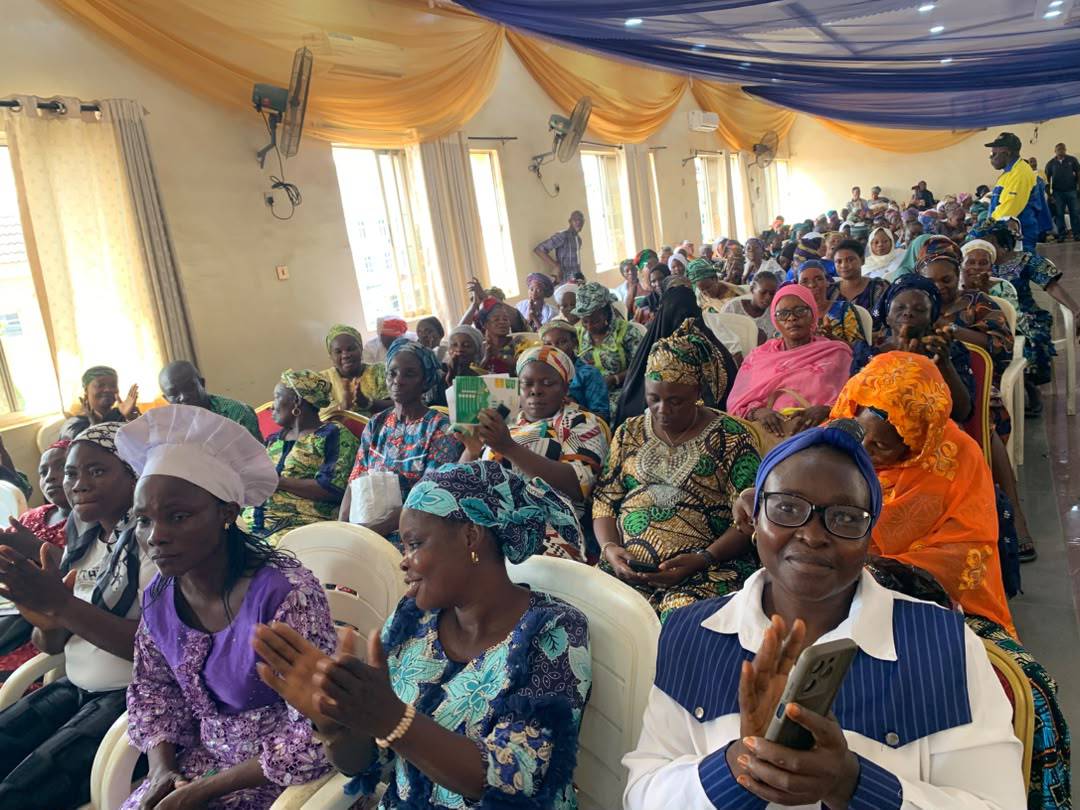
Another section of participants at the town hall meeting

She said the partnership with the JDPC remained critical to achieving lasting healthcare reforms at the grassroots level. According to her, the collaboration with JDPC is targeted at ensuring the right attitudes from healthcare providers and guaranteeing that essential drugs are consistently available at various primary health care centres across the state to enable residents and other users to get true value for their enrollment,” she added.

Stakeholders lauded the high turnout of women at the event. The organisers reiterated that women often bear the brunt of healthcare crises, making it essential for them to understand the benefits of health insurance and proactively enrol in the scheme to help reduce maternal mortality and improve child health outcomes across grassroots communities in Ogun State.

Addressing the gathering, a representative of the Ogun State Health Insurance Agency (OGSHIA), Gbadamosi Adebayo, said packages were structured to eliminate out-of-pocket health expenses. “We came here to speak to the women about health insurance and convince them to take better care of their health and get subscribed to Ogun State Health Insurance Scheme.,” he added.

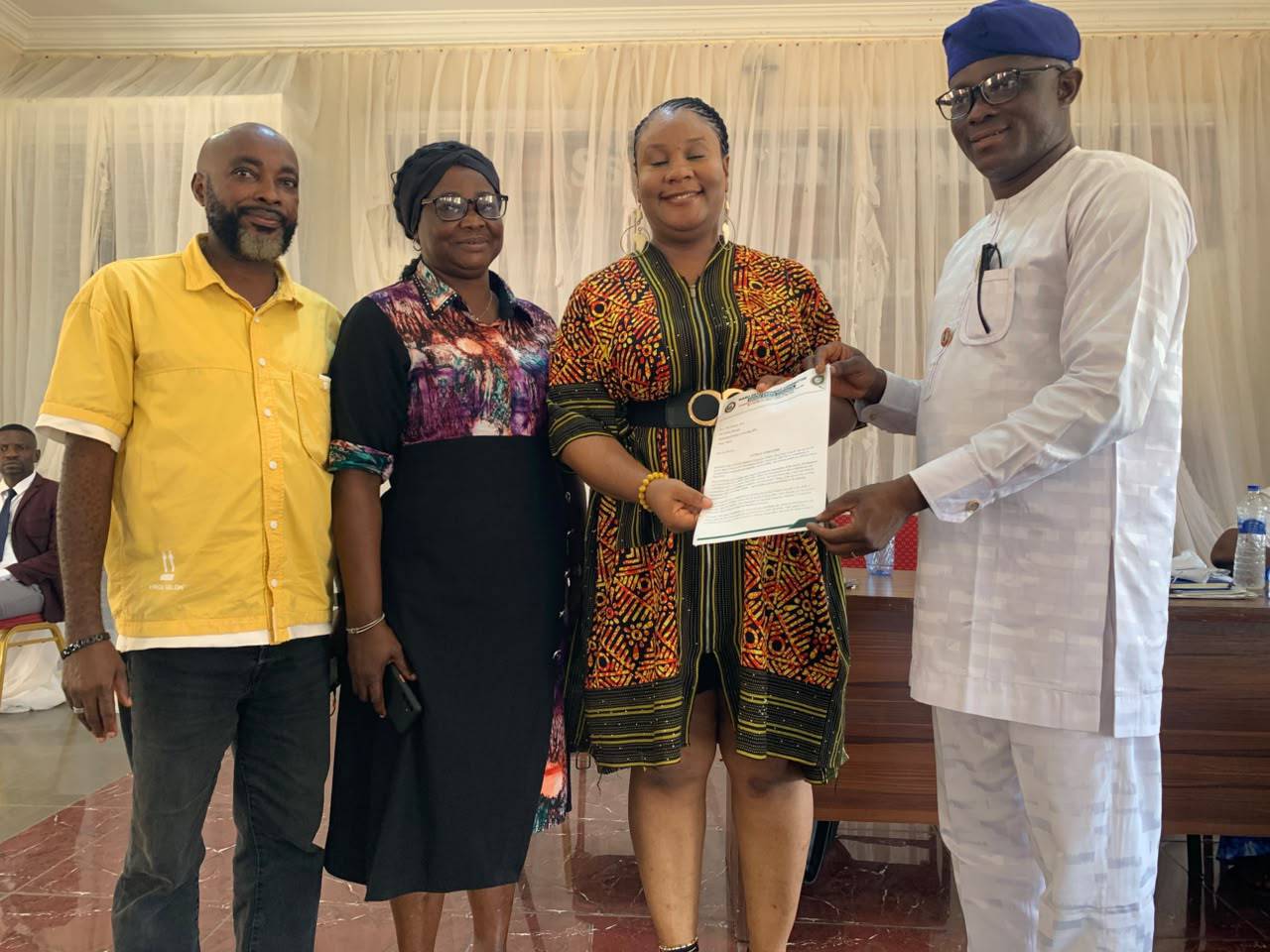
Lucky (JDPC Ijebu Ode), Dr Bunmi Ekundayo (Coordinator/Team Lead JDPC Ijebu Ode), Ms. ‎Lilian Ibeh (Programme Coordinator, International Budget Partnership, Abuja.), Asiwaju Dapo Wahab (Ogun State WDC chairman) while presenting Letter of Appreciation to IBP at the event. L-R

He said with a subsidised individual premium of ₦12,000 or a family package of ₦48,000 per annum, residents can gain immediate, dignified access to quality healthcare, including demergency medical procedures without falling into deep financial hardships.

The WDC Chairman for Oba Gbadebo Health Centre in Sodeke, Isale Ijeun community, Saburi Alawode, shared his commitment to the advocacy. “As a grassroots committee, I personally help to actively disseminate this message to every corner of the community to ensure no family is left behind in this health drive,” Alawode said.

Another participant, Bolanle Dapo-Wabab, lauded the organisers for the intervention but called for broader administrative assistance. “I highly praise the JDPC and its supporters for this eye-opening enlightenment, which has truly made our women realise that they should never take their health with levity. However, we are calling for more targeted support from the government to help women cushion these health costs,” she urged.

Community Orientation and Mobilisation Officer,. National Orientation Agency (NOA) Abeokuta South Local government Office, Oluwatoyin Ogundimu at the event.

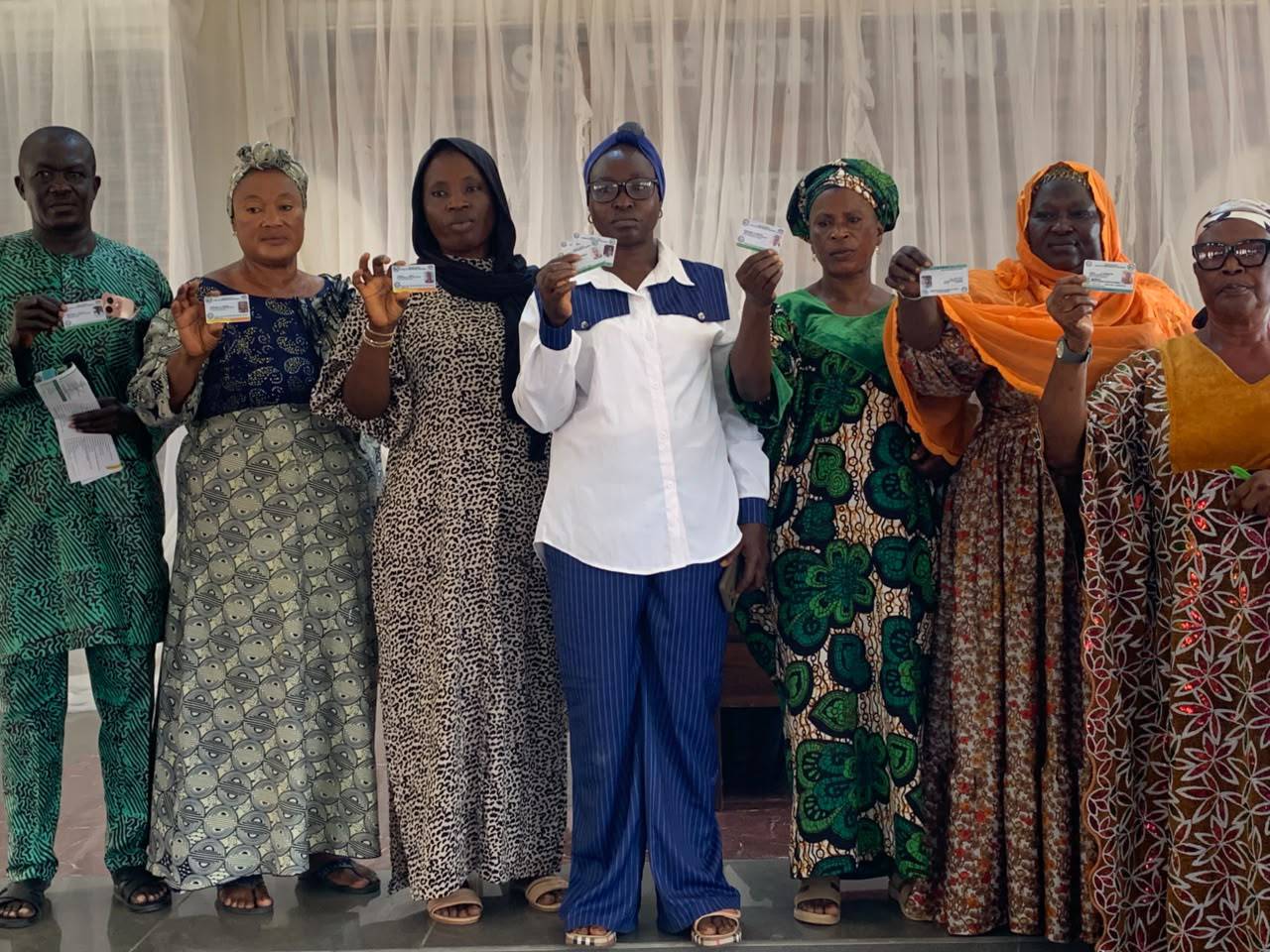
For some participants, the town hall was a wakeup call to utilise existing health initiatives and facilities. Bakare Adefunke confessed that the sensitisation corrected her past inaction. “I am now much more enlightened about this health insurance card. Interestingly, I registered and took the card a very long time ago, but I just kept it away and didn’t make use of it. With what I have learned today, I am going home to dust it off so I can finally begin to enjoy its full benefits,” she said.

The feedback session also highlighted the importance of dignity in healthcare and the quality of service delivery. Bolanle Yusuf, a participant from Ward 12, Amolaso, Abeokuta, appealed for improved attitudes among frontline healthcare workers. “I am appealing directly to the healthcare workers at our hospitals to treat women and other patients nicely. They must accord us due regard and respect when we present our health insurance cards, rather than treating us like second-class citizens,” Yusuf stated.

Programme Coordinator, ‎International Budget Partnership, Abuja, at the programme

During the interactive session, participants were guided through the registration process, including biometric capture and the mandatory two-month waiting period before full access to services under the Ogun State Health Insurance Agency (OGSHIA).

Beneficiaries from various wards commended the WDC, IBP and JDPC for bringing the sensitisation programme closer to their communities, pledging to encourage more residents in their respective neighbourhoods to enrol in the scheme.


Declining trust threatens democracy in Africa, Osinbajo warns

0

FORMER Nigerian Vice-President Yemi Osinbajo has warned that declining public confidence in democratic institutions is threatening constitutional governance across Africa, urging governments to strengthen accountability and improve service delivery.

Osinbajo gave the warning while delivering the keynote address at the annual lecture of Good Governance Africa (GGA) in Accra, Ghana.

The lecture was themed “Democracy Under Pressure: Rebuilding Trust, Accountability, and Institutional Integrity in Africa’s New Political Era.”

He cited findings from Afrobarometer’s 2024 flagship report, based on surveys conducted across 39 African countries between 2021 and 2023. The report found that while 66 per cent of respondents preferred democracy to other forms of government, only 37 per cent were satisfied with how democracy was working in their countries.

According to him, 53 per cent of respondents were willing to tolerate military intervention if elected leaders abused their powers for personal interests.

Osinbajo said the findings exposed a gap between Africans’ preference for democracy and their experiences under elected governments.

“Democracy in Africa is clearly under pressure,” he said, identifying military takeovers and declining confidence in institutions responsible for protecting citizens’ rights as major threats to democratic governance.

He said Africa recorded 11 successful coups across nine countries between 2020 and 2025, warning that military interventions weakened the principle that political authority should be acquired and exercised through constitutional processes.

However, the former vice-president said military takeovers were not the only threat to democracy, noting that elected leaders could also undermine constitutional rule by manipulating political systems and limiting opportunities for genuine political change.

He cautioned against interpreting dissatisfaction with elected governments as an outright rejection of democracy.

Citing a 2023 United Nations Development Programme survey involving 8,000 African citizens, Osinbajo said only 11 per cent of respondents in countries that had experienced unconstitutional changes of government preferred non-democratic forms of government.

He argued that governments should address the governance failures driving public frustration while strengthening institutions capable of protecting citizens’ rights and holding public officials accountable.

Accountability gap undermines public confidence

The lecture also examined how weak accountability and institutional failures undermine public trust and Africa’s development prospects.

Robert Rose, founder and outgoing global chairman of GGA, said the organisation was established more than a decade ago to promote independent research, policy analysis and engagement with governments, civil society, businesses, communities and the media.

He said Africa’s development depended significantly on the quality of governance, particularly the ability of institutions to enforce laws and ensure that public resources are used for their intended purposes.

Rose identified the gap between the existence of oversight institutions and the enforcement of accountability as a persistent challenge, arguing that corruption must attract consequences.

He also highlighted GGA’s involvement in advocating for an International Anti-Corruption Court, a proposed mechanism intended to strengthen accountability for grand corruption where national authorities are unable or unwilling to prosecute perpetrators.

According to him, the proposed court would complement national justice systems rather than replace them.

Rose further argued that effective governance was essential to attracting investment, noting that businesses needed predictable regulations, enforceable contracts and institutions that ensured fairness.

In his remarks, GGA’s vice-chairman and chief executive officer, Deji Haastrup, said public trust could not be restored merely by establishing laws and oversight institutions.

He said public confidence in government would grow when citizens saw public funds being used for their intended purposes, corruption being punished and courts operating independently.

He also identified legislative oversight, press freedom, civil society participation and the equal application of the law as essential to accountable governance.

Haastrup said many African countries had constitutions, anti-corruption agencies, courts, parliaments and auditors-general, but citizens continued to experience a gap between the promises of accountability and their practical enforcement.

He argued that democratic governance should translate into tangible improvements in people’s lives, including access to functional schools and healthcare, employment opportunities for young people and an enabling environment for businesses to operate without political connections.

Haastrup also called on donors, businesses, development partners and individuals to provide long-term financial support for the organisation’s governance initiatives.

He said sustained funding was necessary to maintain GGA’s research activities, continental networks and capacity to respond to emerging governance challenges.