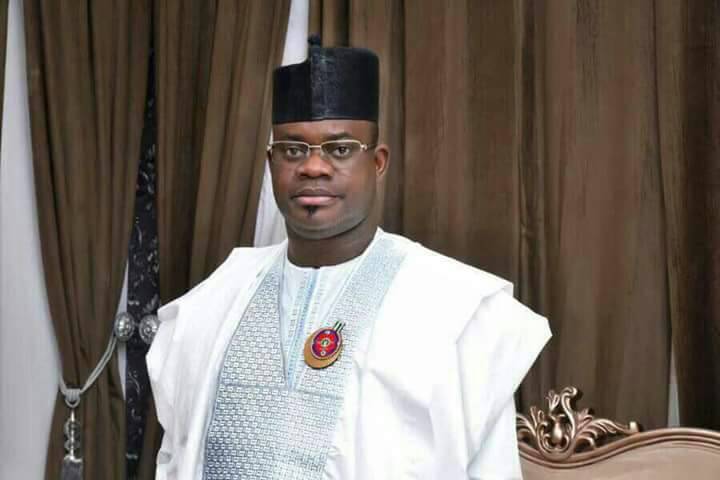
THE Federal High Court in Abuja has dismissed a suit challenging the emergence of former Kogi State Governor, Yahaya Bello, as the All Progressives Congress (APC) candidate for the Kogi Central Senatorial District in the 2027 general elections
The suit was filed by Momoh Yusuf Obaro, who contested the party’s senatorial primary held on May 18, 2026.
Obaro claimed that he secured more votes than Bello.
In the suit marked FHC/ABJ/CS/1085/2026, Obaro alleged that the APC wrongly submitted Bello’s name to the Independent National Electoral Commission (INEC), despite his claim that he won the primary.
He asked the court to recognise him as the party’s valid candidate and compel the APC to forward his name to INEC.
However, the presiding judge, Inyang Ekwo, in a judgment delivered on Thursday, November 19, dismissed the case.
He held that Obaro failed to establish the allegations against Bello and the party.
Ekwo said Obaro approached the court without exhausting the party’s prescribed channels for resolving disputes arising from its primary elections.
Although the plaintiff had submitted a petition to the party’s Appeal Committee, the court found that he did not take his complaint to the National Working Committee (NWC), as required under Paragraph 15(3) of the APC Constitution.
The provision requires aggrieved members to pursue their complaints through both the Appeal Committee and the NWC before seeking judicial intervention.
The judge consequently held that Obaro failed to fulfil a mandatory requirement for instituting the case.
The court also rejected the documents Obaro tendered to support his claim of victory, noting that the results presented for the five local government areas in Kogi Central were not signed by the chairman or secretary of the committee that conducted the primary.
Ekwo held that the unsigned documents lacked evidential value and could not be relied upon to establish the plaintiff’s allegations.
In his response to the suit, Bello had disputed Obaro’s account of the primary election and urged the court to dismiss the case.
Through his counsel, Joseph Daudu, a Senior Advocate of Nigeria, the former governor maintained that he won the contest with 72,399 votes.
He said Ibrahim Yakubu Adoke came second with 319 votes, while Obaro scored 188 votes to finish last.
The ICIR reports that Bello is currently facing criminal proceedings involving allegations running into hundreds of billions of naira, including a long-running N80.2 billion money-laundering case filed by the Economic and Financial Crimes Commission (EFCC) before the Federal High Court in Abuja and a separate N110.4 billion criminal breach of trust and money-laundering case before the Federal Capital Territory High Court.
Bello is expected to confront the incumbent senator representing the Kogi Central, Natasha Akpoti-Uduaghan of the Peoples’ Democratic Party (PDP), and other contenders for the seat in the zone.
PRESIDENT Bola Tinubu on Tuesday, November 17, 2026, announced that eligible Nigerians could access mortgage loans of up to ₦100 million at a fixed annual interest rate of 9.75 per cent, repayable over a period of up to 20 years, under the Federal Government-backed MOFI Real Estate Investment Fund (MREIF).
Tinubu disclosed the figures in a statement posted on his verified X account, describing the initiative as part of his administration’s efforts to make home ownership more accessible and reduce the burden of rising rents on Nigerian households.
The president said more than 2,300 Nigerians across 27 states had already accessed N160 billion in mortgage financing through the N1 trillion fund, which was established to expand access to long-term housing finance.
Under the mortgage arrangement, applicants are required to provide an initial deposit of at least 10 per cent of the property’s value.
Using a N10 million house as an example, Tinubu explained that a prospective homeowner would need to make an initial payment of N1 million and repay approximately N85,400 monthly over 20 years.
The president also said the Federal Mortgage Bank of Nigeria (FMBN) had been strengthened to provide eligible Nigerians with housing loans of up to N50 million at an interest rate of six per cent, repayable over a maximum period of 30 years.
The ICIR reports that the president’s announcement brought renewed attention to the mortgage facility, as MREIF has been operational since March 2025. According to an August 2026 State House fact sheet, the fund had then disbursed N140 billion through 21 financial institutions, creating 2,018 mortgages across 27 states.
How Nigerians can apply for the N100m mortgage
Tinubu said that interested Nigerians could apply through the MREIF platform and participating financial institutions, subject to the programme’s eligibility requirements.
Prospective applicants can begin the process through the fund’s official website, www.mreif.com.ng, or its pre-qualification portal at housing.mreif.com.ng/pre-qualifier to check their eligibility.
Checks by The ICIR on MREIFshows that applicants must be Nigerian citizens aged at least 21 and meet the programme’s age, income and credit requirements.
They must also demonstrate the ability to repay the mortgage within the stipulated period and provide an initial equity contribution of at least 10 per cent of the property’s value.
The programme provides financing for completed residential properties, including single-family homes and apartments intended for owner-occupation. It does not finance the purchase of undeveloped land.
Prospective applicants can use the affordability calculator on the MREIF housing portal to estimate their potential borrowing capacity and monthly repayments.
Applicants can use the pre-qualification calculator to provide information about their age, employment status, monthly income, proposed deposit and preferred repayment period.
The exercise helps applicants assess whether they may qualify for the facility before proceeding with a formal application.
However, pre-qualification does not guarantee final mortgage approval, as participating financial institutions must independently assess applicants’ financial capacity.
Applicants can explore qualifying residential properties on the platform or identify a property they intend to purchase.
The property must satisfy the fund’s requirements and have acceptable title documents which may include valid means of identification, employment offer or confirmation letter, recent payslips covering six months for employed applicants, recent utility bill, birth certificate or declaration of age, tax clearance certificate or tax card, retirement savings account statement, where applicable, property offer letter, and relevant property title documents.
Participating financial institutions may request additional documents, including bank statements and credit reports, depending on the applicant’s financial circumstances.
After completing the pre-qualification process and identifying a suitable property, applicants can submit their mortgage applications and supporting documents through the designated MREIF channels or participating financial institutions.
The application will undergo checks covering the applicant’s income, credit history, repayment capacity and the property’s legal ownership documents. The financial institution may request additional information before making a decision.
MREIF works with commercial banks and mortgage institutions to provide financing to eligible Nigerians.
The participating institutions listed for the programme include Access Bank, First Bank, FCMB, Globus Bank, Providus Bank, Stanbic IBTC Bank, Union Bank and Wema Bank. The mortgage institutions include Abbey Mortgage Bank, AG Mortgage Bank, Federal Housing Authority Mortgage Bank, Gateway Mortgage Bank, Homebase Mortgage Bank, Imperial Homes Mortgage Bank, Infinity Trust Mortgage Bank, LivingTrust Mortgage Bank, LBIC Mortgage Bankers. and Nigeria Police Mortgage Bank.
The institution will assess the application, verify the applicant’s repayment capacity, examine the property’s title documents and communicate the mortgage offer and applicable charges.
Once approved, the applicant must pay the required equity contribution and fulfil the relevant legal and insurance requirements before the mortgage is disbursed.
In his statement, Tinubu said that contributors to the Contributory Pension Scheme could qualify to use up to 25 per cent of their Retirement Savings Account balance towards their initial mortgage deposit, subject to applicable pension regulations.
Couples may submit joint mortgage applications to combine their incomes and potentially increase their borrowing capacity, subject to the financial institution’s assessment.
He noted that the mortgage is a loan that beneficiaries must repay with interest over the agreed period and applicants should also establish the full cost of the mortgage, including applicable fees, insurance and legal charges, before signing an agreement.
Tinubu also highlighted the Federal Mortgage Bank of Nigeria’s housing finance facility, which offers eligible applicants loans of up to N50 million at six per cent interest, repayable over a maximum of 30 years.
For Nigerians unable to afford conventional mortgage financing, the president said the Family Homes Fund supports affordable housing for vulnerable and underserved households.
He also disclosed that the Renewed Hope Social Housing Programme was targeting 77,400 affordable homes nationwide.
The COVID-19 pandemic transformed workplace practices worldwide, establishing a new normal. While only a few organisations operated remote or hybrid work arrangements before 2020, the pandemic era made the concept necessary.
The adoption of these flexible styles can also be linked to factors such as economic hardship, technology and global influence at large. The high cost of living, especially commuting to work and the constant hikes in petrol prices, made it easy for employers and workers to adopt remote arrangements. Yet while working from home creates flexibility, it also has its challenges.
In this report, The ICIR spoke with workers- five hybrid and five fully remote who shared how these arrangements affect their health, daily routines, and finances.
Understanding hybrid and fully remote work
According to the Oxford Review, hybrid work is a flexible work model that combines in-office and remote work, allowing employees to split their time between physical workplaces and virtual settings. It noted that the model offers a balance between structured, collaborative office environments and the autonomy of remote work, promoting both productivity and well-being.
Working fully remote, on the other hand, means performing a full-time job at home or from another location outside a company’s office. This means that workers rely completely on digital tools for meetings, collaboration, and daily tasks.
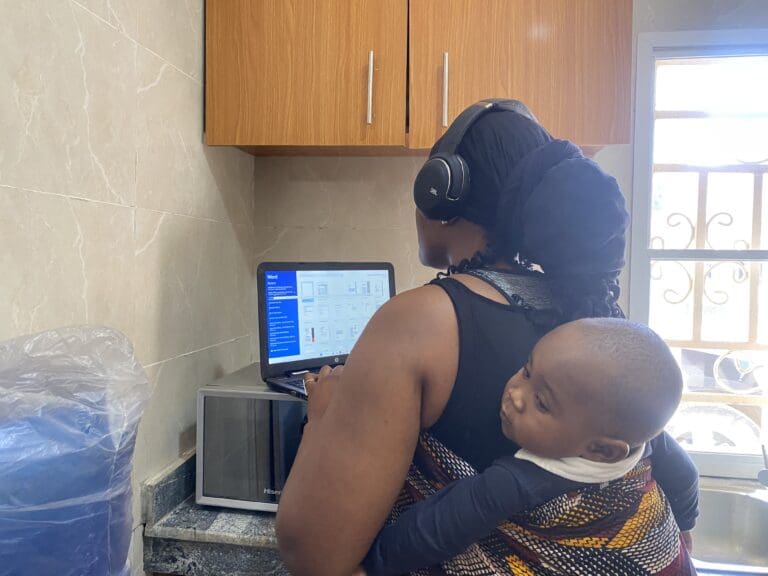
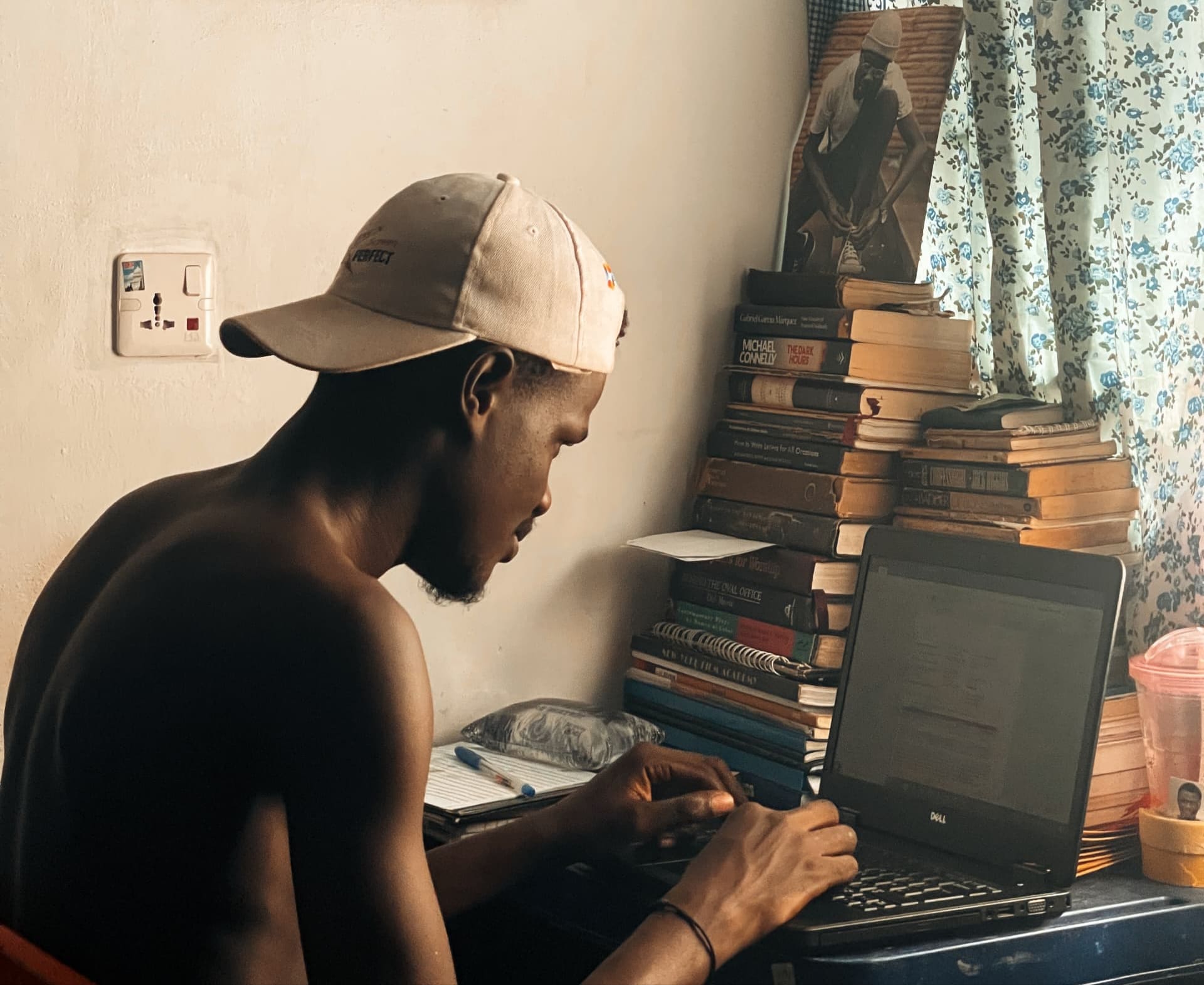
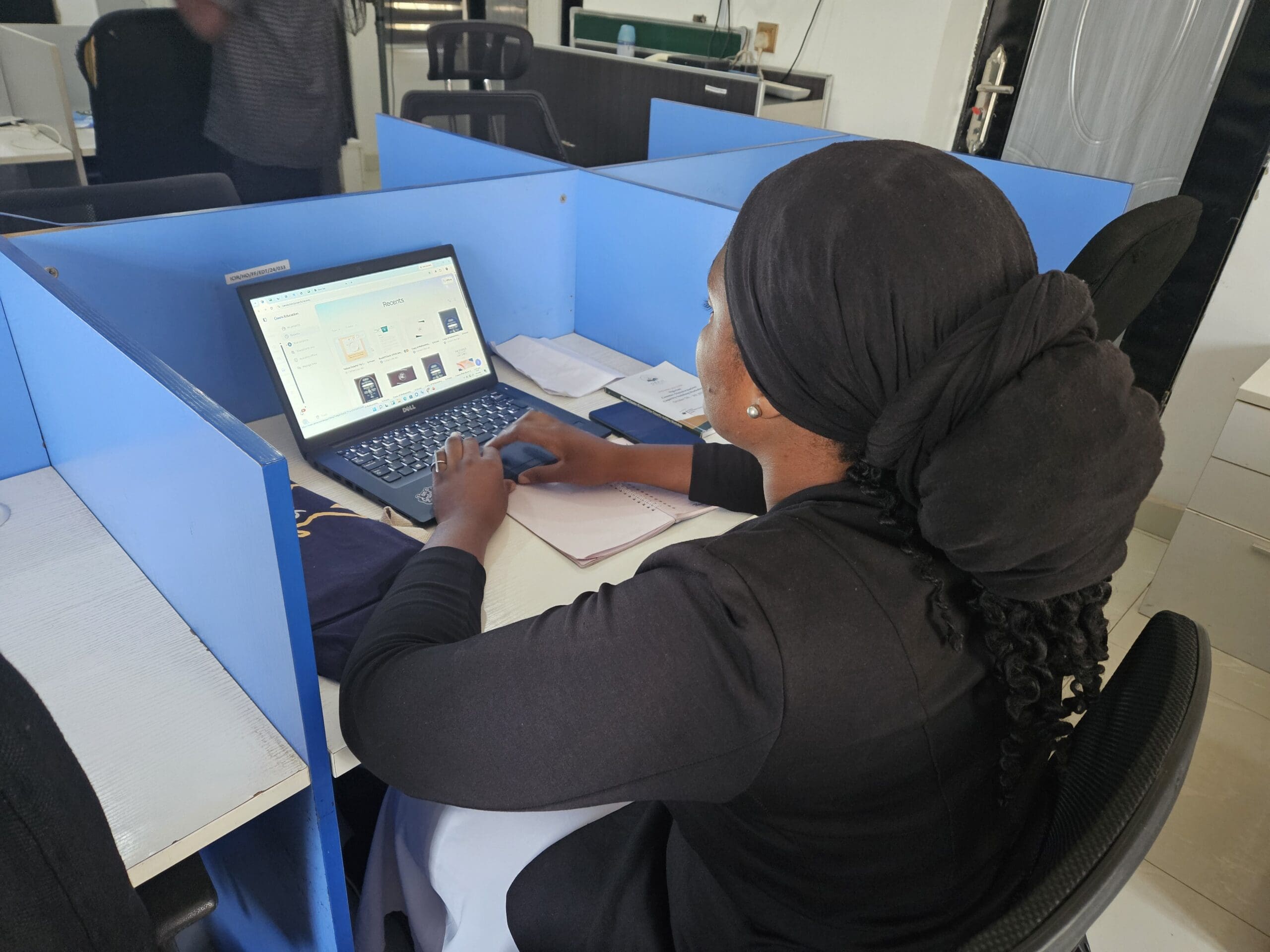
Ethan Abanikannda, a hybrid worker, working remotely.
Philip Obaji, a journalist and a correspondent for The Daily Beast in Nigeria, said working from home allows him more time to spend with his family. He does not commute to work and therefore, separating work time from family time is sometimes difficult because he frequently checks his emails or completes tasks even after work hours.
According to Obaji, his physical and eating habits have also changed since he started working from home.
“I snack more often because food is always nearby,” he said, adding that “I also drink more coffee to stay alert.”
Philip Obaji in a video interview conducted from his home.
Obaji is not the only one with challenging physical and eating habits. Joshua Akintayo, a data analyst who works hybrid, explained that while office days make him eat out of commuting stress, working from home leads to frequent eating and snacking throughout the day.
“In the office itself, you’re a bit more self-conscious and restricted, so you can’t just be grazing at your desk all day. At home, I’m completely in my comfort zone, and everything is right there in the kitchen. Because I’m relaxed and in my own space, I naturally find myself eating more regularly and snacking a lot more throughout the day,” he explained.
Mba Chinecherem Goodluck, a writer and a remote worker, said he often skips meals while engrossed in work and only eats when necessary.
Like Goodluck, Oluseyi Ogundipe, a UI/UX designer who works fully remotely, said irregular eating habits and heavy consumption of carbonated drinks eventually forced him to start taking dietary supplements.
Beyond diet, eight out of 10 people that The ICIR spoke with acknowledged that they move around less and do less physical activity when working from home.
“I have gained almost 10kg in less than two months simply because of the carbonated drinks and food that I take,” Jonathan Shekwonuzhibo, a remote social media manager, noted.
Goodluck, however, says he created a routine around his work style. “So what I do is this: when I happen to leave the house, maybe for church service or something that requires my physical presence and it is a walkable distance, I do the trekking instead of entering keke. I do this to retain my physical fitness,” he said.
In February 2022, the World Health Organisation and the International Labour Organisation called for measures to protect workers’ health while teleworking. According to the report, teleworking without proper planning and organisation of the workers might lead to isolation, burnout, depression, home violence, musculoskeletal and other injuries, eye strain, increased smoking and alcohol consumption, prolonged sitting and screen time and unhealthy weight gain.
Furthermore, a 2023 neurological analysis published in The International Journal of Business and Management highlighted Gallup data showing that 40 per cent of employees worldwide now work at least part of the time remotely, marking a 10 per cent increase from 2020. While this shift offers autonomy, the paper cited Microsoft research showing that remote work led to a 25 per cent drop in the size of employee collaboration networks and a 5 per cent decrease in cross-team communication.
The analysis also noted that constant digital notifications and back-to-back video calls force the brain to work harder to process virtual cues, triggering Zoom fatigue and releasing stress hormones like cortisol and adrenaline. According to the analysis, when workers check messages late at night or early in the morning, screen light and mental stimulation also suppress melatonin, disrupting sleep cycles and leaving employees mentally exhausted the next day.
It further explained why remote workers often feel disconnected. Without regular face-to-face interaction, the brain produces less oxytocin, a hormone that supports social bonding and reduces feelings of loneliness. However, the analysis noted that hybrid work can help balance these effects, as combining occasional in-person collaboration with the autonomy of working from home stimulates both social bonding and motivation.
Ibukun Oguntola, a public health expert and Senior Programme Manager at Nigeria Health Watch, said remote work carries hidden health risks that affect both the body and the mind. He explained that sitting at a desk all day promotes a sedentary lifestyle, which increases the risk of obesity, cardiovascular diseases, diabetes, and other non-communicable diseases as remote workers snack on junk food and skip exercise.
Ibukun Oguntola
Oguntola pointed out that remote work cuts people off from daily social contact, from casual chats with colleagues to simple public transit interactions, which can fuel loneliness and depression.
To combat these risks, he advised remote workers to be intentional about carving out time for physical activity and staying connected with family and friends.
“Make sure you take one hour out of your day to do exercise, to walk around, to run. Make sure you go out, talk to people. Make sure you connect more with your family, call your family if you live alone, speak to people around you. All these things could potentially help you avoid some of these big falls of remote work,” he stressed.
Despite the health challenges, most of the hybrid workers who spoke with The ICIR said they get more work done at home than in the office. Out of the five hybrid workers interviewed, three said they are more productive on their remote days, and only one said she gets more done in the office, while the last one could not say for sure.
Maryam Afolabi, a video editor, said working in the office comes with too much idle chatter and distractions.
“At home, I have the flexibility to work whenever I want, and as a morning person, I can wake up early to get work done and finish working by 12 noon. The flexibility makes me work more when I’m at home, because there’s no routine,” she said.
Vincent Lubemshima, an ICT officer, said the same thing. He explained that not having to commute to and from work makes him more relaxed and focused on finishing his tasks.
Ethan Abanikannda, who works in project management, also said he gets more work done at home than at his workplace.
On the other hand, Joy Oke, partnership and operations manager with Asviol Support Initiative, was the only hybrid worker who said she gets more done in the office, explaining that living with her family means she deals with constant distractions at home.
A 2024 study published in Nature tracked 1,612 employees across engineering, marketing, and finance over six months, comparing staff working full time in the office with those working from home two days a week. Led by Stanford economist Nicholas Bloom, the researchers found that splitting time between home and the office caused zero drop in performance reviews, promotions, or the lines of code written by computer engineers, while staff resignation rates dropped by one third.
According to the study, the 395 managers involved before the trial predicted that hybrid work would reduce productivity by 2.6 per cent, but by the end of the experiment, their assessment shifted to a 1 per cent gain.
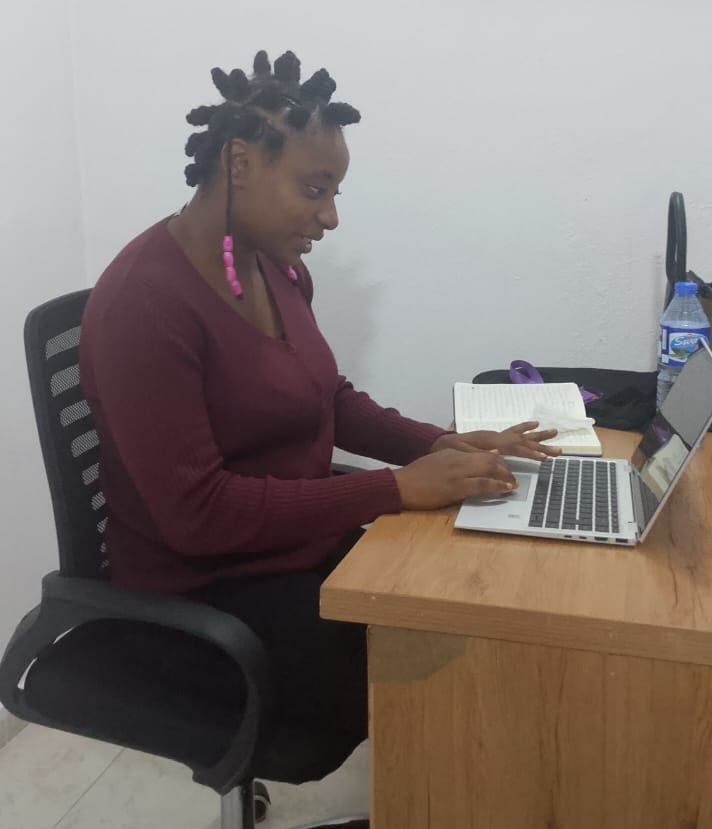
Illustrative image of a hybrid worker in the office. Photo Credit: ICIR
The financial advantage of working from home
Every worker who spoke with The ICIR said staying at home generally saves them money, even after factoring in extra household bills.
Oluseyi Ogundipe, a remote worker, explained that cutting out daily transport more than covers his monthly unlimited Internet plan, while using a power station keeps him from spending money on fuel. Philip Obaji agrees, saying he spends more on electricity, internet, and groceries, but still saves money overall because he no longer pays for transport or work clothes.
Joy Oke at the office
Image of Joy Oke at the office for illustrative purposes. Joy Oke, a hybrid worker, said she spends more on office days because she has to buy food, whereas working from home allows her to cook her food, which is cheaper. Akintayo corroborated this, adding that stepping out for the office triggers extra expenses.
“The moment I step out for an office day, the expenses pile up. First, there’s the cost of commuting, and because the commute itself is so stressful and draining, I end up spending even more money buying extra food and drinks outside just to keep my energy up,” he said.
Chris Kaka, an economist and national programme coordinator at Trade Network Initiative, said working fully remote is more cost-effective for the average Nigerian worker than a hybrid schedule. He noted that removing daily commutes prevents employees from losing half their income to transportation, while eliminating the pressure to buy corporate clothes and saving hours previously lost in traffic.
“Working remotely is more cost-effective. For simple reasons, you get to save on transport, which is about 50 per cent of a monthly pay cheque. Secondly, savings on wardrobe spending in an attempt to look corporate and presentable,” Kaka said.
While inflation has driven up the cost of groceries, data, housing, electricity, and cooking gas in Nigeria, Kaka noted that rising living expenses affect hybrid and office workers just as much as remote staff, meaning working from home still preserves a clear financial edge.
For companies, Kaka explained that moving away from traditional office setups reduces heavy operational expenses, though the exact benefit depends on the nature of the business.
“Remote work models promote savings on office rent, overtime pay, and other office running costs, including but not limited to the cost of energy, which is a big deal in this part of the world,” he concluded.
AS journalists around the world face increasing pressure, threats, censorship, and intimidation, the International Press Institute (IPI) and International Media Support (IMS) invite nominations for the 2027 IPI-IMS Press Freedom Laureate and Free Media Pioneer awards.
The awards recognise journalists and media organisations making critical contributions in the fight for free media. They will be presented at a special ceremony during the 2027 IPI World Congress and Media Innovation Festival in Budapest, which will take place May 12 to 14. The award recipients will be announced prior to the event.
Nominations for the 2027 awards must be received by December 15, 2026 (23:59 CET). The award winners will be selected by the IPI and IMS teams, and an international advisory committee.
The IPI-IMS Free Media Pioneer Award is presented to organisations or media communities meeting the demands of the moment through innovative models of journalism, media, or press freedom defence. They are opening up new ways of thinking about the free flow of information to strengthen independent journalism and meet the needs of their communities.
Nominations for the Press Freedom Laureate award must be individuals. Nominations for the Free Media Pioneer award can be teams, news outlets, or other media-related organisations, including organisations that defend press freedom. Please note that self-nominations are not permitted, though you may nominate someone within your own organisation.
The deadline for applications is December 15, 2026. interested applicants can apply here.
ENUGU State House of Assembly has passed an amendment to the Landlord and Tenant Law aimed at protecting tenants from arbitrary rent increases, excessive agency charges and unfair eviction.
The passage followed the adoption of a report presented by the Chairman of the Joint Committee on Housing and Foreign Investment, Judiciary, Public Petitions, Ethics and Privileges, Anthony Mbah, during plenary on Tuesday in Enugu.
The decision comes nearly a year after an ICIR investigation into how spiralling agency and legal fees, coupled with arbitrary charges imposed by landlords, pushed accommodation beyond the reach of ordinary citizens and deepened housing crisis in the state.
The investigation, published in December 2025, found that some housing agents charged as much as 30 per cent of rent paid while landlords charged arbitrary legal, management, and caution fees.
For instance, a one-bedroom apartment in New Haven was advertised with a rent of N700,000 but with additional demands amounting to N650,000 including N150,000 legal fee, N150,000 caution fee, N150,000 management fee, and N200,000 agency fee.
The report found that a bill seeking to regulate these exploitative practices, which was introduced at the Enugu State House of Assembly, had yet to be passed at the time, leaving tenants vulnerable and the housing crisis unchecked.
In July 2024, a civil rights activist and member of the Civil Liberties Organisation (CLO) in Enugu, Kindness Jonah, led a protest against the hike in house rent in the state, calling on the Assembly and the state government to regulate the activities of lawyers and other agents whom they blamed for the development.
Meanwhile, presenting the report in Enugu on Tuesday, Mbah, the bill’s sponsor, said the proposed amendments were informed by widespread complaints from residents about exploitation and extortion in the process of securing rented accommodation.
He disclosed that the law stipulates a four-year interval before landlords can increase rent, with any subsequent increase capped at two per cent of the annual rent. According to him, where an increase is justified by modifications or renovations to a property, it must not exceed 10 per cent of the annual rent.
“We have a bond account to be managed by the office of the Attorney-General, where tenants will deposit 10 per cent of the annual rent. This money will be refunded to the tenant without interest after vacating the property,” he said.
Speaking further, he noted, “A tenant must be properly served before being charged in court. Without proper service, no case should be established or treated in the first instance.
He explained that the bill would address over 60 per cent of what residents suffer or pay in the course of trying to secure rented accommodation in the state.
He commended the Speaker and the members of the House for their support, while also acknowledging the contributions of Governor Peter Mbah, particularly his personal recommendations on security-related provisions and the protection of tenant’s rights.
In his remark after the passage, the Speaker, Uche Ugwu, said the new law would improve the welfare of tenants while creating an enabling environment for continued investment in the state’s housing sector.
The Speaker expressed optimism that residents would benefit from improved protection and fairness in landlord-tenant relationships, while investors would remain encouraged to participate in the housing industry.
THE International Center for Journalists (ICFJ), the ONE Campaign, and the Elliott family are pleased to announce a call for entries for the Michael Elliott Award for Excellence in African Storytelling.
The programme is entering its eleventh year and is widely considered to be one of the most prestigious journalism awards in Africa.
The award honours up-and-coming journalists in Africa who strive to strengthen people’s voices and illuminate the transformational change taking place on the continent.
Submissions may be investigative pieces on a wide range of topics, including business and politics, as well as solutions-oriented stories.
The award entries must represent groundbreaking journalistic work published between December 1, 2025, and December 1, 2026.
Winners will be selected on the quality of their piece and the impact their work has had in communities.
The organisers welcome excellent submissions in all media, especially those that demonstrate analytical skills in addition to outstanding writing ability.
The winners will receive a $5,000 cash prize and a personalised award certificate. The winners will have an extraordinary opportunity to complete a two-week internship at The Economist in London, UK, from June 14, 2027, to June 25, 2027.
The organisers say, “The Award was established in honour of Michael Elliott, an outstanding editor, philanthropist, and former ICFJ director, whose life was a testament to the power of storytelling to bear witness to and improve the human condition.
“Elliott served as a distinguished editor at The Economist, Newsweek, and Time before becoming CEO of ONE. In 2016, he had spoken of his dream to establish an award that would bring together his belief in great journalism with his commitment to progress in Africa.”
The contest is open to English-speaking journalists working in Africa for print, broadcast, and online news media. Applicants must have no more than 10 years of journalism experience.
The application form for the 2027 cycle is available here. The deadline for applications is Friday, January 8, 2027.
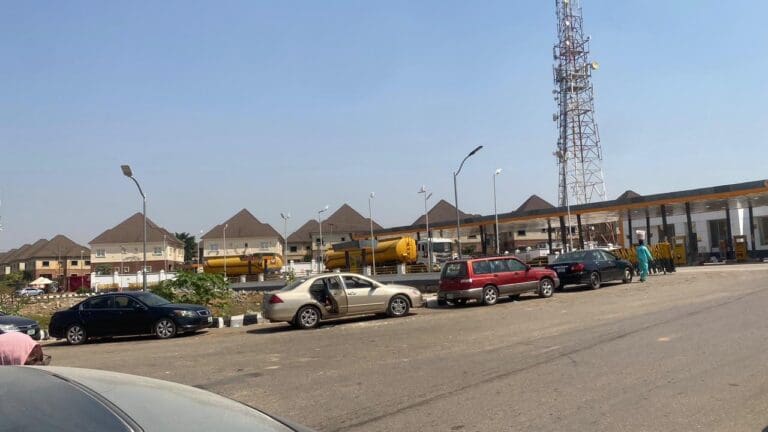
DESPITE spending hundreds of thousands of naira converting their vehicles to run on compressed natural gas (CNG), motorists in Abuja say unreliable supplies and lengthy queues at refuelling stations are undermining the benefits of the cheaper fuel.
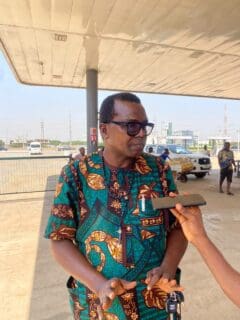
It was a sunny Tuesday, with temperatures hovering around 33 degrees Celsius, but the heat was the least of Chris Emeka’s concerns. He had spent more than seven hours waiting in a queue at the NNPC filling station in Aleita, along Airport Road, Abuja, hoping to refuel his vehicle with compressed natural gas (CNG).
Emeka told The ICIR that the long queues had become an additional cost of using CNG, a fuel he had switched to after converting his vehicle to reduce his dependence on petrol, which currently sells for slightly above ₦1,400 per litre.
He explained that although CNG was considerably cheaper than petrol, accessing it was often difficult, forcing him and other motorists to spend several hours at filling stations and, sometimes, wait until the following day before supplies became available.
“On average, if you are able to buy CNG within two hours, you will be celebrating that you bought it on time,” Emeka said, adding, “Unlike petrol, which I can easily buy at any filling station, accessing CNG is difficult. Even when you have the money, you still have to queue.”
Chris Emeka, speaking with The ICIR.
Emeka’s experience was not unusual among CNG users interviewed by The ICIR at filling stations along Airport Road. Several motorists said irregular supplies and limited dispensing points made refuelling increasingly difficult.
Olisa Onwuatuegwu, another CNG user, said he arrived at a filling station around 4:30 am on Tuesday, November 17, but was still waiting several hours later. He said some motorists sometimes slept at stations while waiting for gas, with a few spending as long as two days.
The challenges of accessing CNG extend beyond vehicle owners, affecting their families and homes. For instance, Oluwayemisi Adebayo rarely sees her husband, a commercial driver, during the day because he leaves home before 5am daily to queue for CNG. He often works until late in the evening before returning home.
“I hardly see my husband except at night. This is really affecting our intimacy. Even his children may not see him throughout the week because they would have gone to bed before he returns home. By the time he leaves for work in the morning, the children are still asleep,” she said.
According to her, queue for CNG has kept her husband away from home than ever.
CNG to cushion effects of fuel subsidy removal
The ICIR reports that the Presidential Compressed Natural Gas Initiative (Pi-CNG) was introduced in August 2023, following the removal of the petrol subsidy by President Bola Tinubu on May 29, 2023, the day he assumed office.
The decision triggered an immediate increase in petrol prices, with the NNPC raising the pump price from ₦184 to ₦488 per litre in Lagos and from ₦194 to ₦537 in Abuja on May 31, 2023, according to S&P Global.
The National Bureau of Statistics (NBS) reported that the national average retail price of petrol subsequently rose by 129.23 per cent, from ₦238.11 per litre in May to ₦545.83 in June 2023. The sharp increase heightened the financial burden on households and businesses, particularly through higher transportation and operating costs.
The PCNGI was designed to encourage the use of CNG as a cheaper alternative to petrol, support vehicle conversions and expand the infrastructure needed to distribute the fuel.
In March 2026, Tinubu expanded the initiative’s mandate to include electric vehicles and directed the deployment of mobile refuelling units to improve access while permanent infrastructure was being developed.
The initiative has reported 105 operational CNG stations across 24 states and the Federal Capital Territory as of October 15, 2026.
However, motorists interviewed by The ICIR in Abuja said the availability of stations on a national scale did not necessarily translate into reliable access. They complained that some stations along their routes either did not dispense gas or frequently ran out of supply.
Cheap fuel, expensive conversion
The high cost of converting vehicles to run on CNG is another concern for motorists, despite the savings they make on daily fuel expenses.
Emeka said he spent about ₦750,000 to convert his vehicle, with 75-litre iron cylinder.
He added that the investment was worthwhile because of the savings he made on fuel, but the frequent queues had reduced the convenience and satisfaction he expected.
On his part, Onwuatuegwu disclosed that he spent about ₦1.2 million on his conversion, noting that he initially paid ₦700,000 to install one cylinder before spending another ₦500,000 to add a second.
Despite the high conversion cost, he said CNG remained a cheaper option for his daily shuttle service between Lugbe and Abuja’s Central Area.
“With ₦18,000 worth of CNG, I can use my vehicle for at least four days. But if I buy petrol worth ₦18,000, it will not last up to two days,” he said.
Olisa Johnbosco Onwuatuegwu, speaking with The ICIR
This was the same experience for Kofoworola Adejobi, a trader who uses her vehicle to deliver foodstuff.
Adejobi told The ICIR that CNG had reduced her cost of serving customers. She explained that a delivery that previously cost her about ₦7,000 using petrol now costs approximately ₦2,000 with CNG.
Adejobi said she initially spent ₦450,000 converting her first vehicle, before later paying ₦750,000 to convert the one she currently drives.
She said her vehicle’s tank holds about 17 standard cubic metres (SCM) of gas and that a full tank could take her approximately 170 kilometres, depending on usage.
At the Bovas filling station in Chika, a driver who simply gave his name as Tanko said he had spent hours searching for gas after arriving at about 11 am. He said he had visited other stations but was repeatedly told that supplies were expected.
Despite the frustration, Tanko said he continued using CNG because it remained more economical for his business than petrol.
He said ₦15,000 worth of CNG could help him generate between ₦40,000 and ₦50,000, while spending a similar amount on petrol might barely fetch him ₦20,000.
Tanko, who converted his vehicle in June 2026 at a cost of ₦1.2 million, said he had initially been discouraged by warnings that CNG could damage vehicle engines. However, he said his experience so far had not confirmed those fears.
He explained that the main challenge was getting the fuel whenever he needed it. At private stations, he pays between ₦500 and ₦600 per SCM, compared with about ₦380 at government-linked outlets.
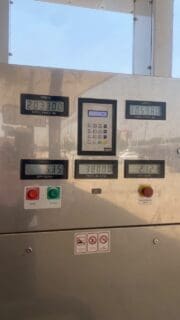
A CNG dispensing pump at a filling station in Abuja
Some of the motorists interviewed said they had missed out on government-supported vehicle conversion opportunities that could have reduced their expenses.
Long queues, limited dispensing stations
CNG users interviewed by The ICIR attributed the long queues largely to the limited number of CNG stations in the nation’s capital.
According to figures presented by the Presidential Initiative on Compressed Natural Gas and Electric Vehicles at a stakeholders’ dialogue in Abuja on November 17, 2026, the Federal Capital Territory had 25 CNG refuelling stations as of November 12.
Speaking at the event, the Executive Chairman of the PICNG, Ismaeel Ahmed, said Nigeria had 116 operational CNG refuelling stations and 415 conversion centres, compared with about seven of each when the programme commenced in 2023. He added that the government planned to expand the infrastructure to 2,500 refuelling stations and 2,000 conversion centres.
The Head of Gas Supply Integration at the PICNG, Tare Mayor Bright, disclosed at the event that the South-West currently leads the number of available stations with 41, followed by the North-Central with 33, South-South with 17, North-West with 15, North-East with four and South-East with three. Of the total, 25 are located in Abuja, he noted.
Differences in CNG prices across Abuja
Meanwhile, The ICIR gathered that CNG prices vary across stations. Some government-linked outlets sell the fuel at about ₦380 per standard cubic metre (SCM), while private operators charge between ₦500 and ₦600, according to motorists interviewed by this organisation.
Although the lower prices make government-linked stations more attractive to motorists, users said the queues at these outlets are often longer.
Eze Sam, a businessman and teacher, said he had to leave a filling station queue to attend to his students before returning to continue waiting. He said only about two stations along his route dispensed gas when he visited.
Another user, Newday Ademola, said his experience with CNG had generally been good, but access remained a major challenge. He said motorists sometimes spent the night at filling stations because they could not get gas during the day.
Adejobi said the number of CNG outlets in the nation’s capital was insufficient to serve the growing number of CNG users and called for more dispensing points.
She added that she spent less time queuing because attendants gave priority to women.
Tricycle operators express concerns
Meanwhile, for commercial tricycle operators, getting CNG could be very challenging despite the affordability.
Muhammad Saidu, a tricycle operator who received his CNG-powered vehicle through a government empowerment programme, said he usually spent about ₦3,000 to refill it. Before the supply difficulties became more pronounced, he said he refilled two or three times a day.
However, living around Galadimawa and Kabusa means Saidu has to travel to Airport Road to access CNG because there is no outlet in his area. The journey, combined with the time spent waiting at filling stations, sometimes disrupts his work.
He said CNG remained cheaper than petrol, but the difficulty of accessing the fuel made it difficult for him to plan his daily operations around its availability.
Other tricycle operators interviewed by The ICIR also expressed simlar concerns.
One of the tricycle riders who spoke with The ICIR
Expert reacts
The National Programme Coordinator at Trade Network Initiative, Chris Kaka, described the shortage of CNG refuelling outlets in Abuja as an untapped business opportunity for private investors. He noted that expanding access requires multiplying stations across strategic locations in the city, adding that authorities can speed up the process by offering sites to investors at discounted rates.
“The deficit is a profitable investment opportunity. They need to multiply the stations across strategic locations in the city. The government can facilitate this through the provision of locations at concessionary rates to investors,” Kaka said.
Responding to motorists’ complaints about the suspension of government support for vehicle conversions, Kaka said halting the assistance amounted to breaking a public pledge. However, he noted that government officials needed to clarify why the support had been suspended, adding that the free conversion programme was never intended to last indefinitely.
“It is simply a breach of social contract, but before I call out the president, it is important to ask for the underlying reason for the stoppage. I must add that the government never promised an indefinite provision of the service to vehicle owners,” he stressed.
The Federation of Muslim Women Associations of Nigeria (FOMWAN) has raised concerns over low turnout to antenatal care among pregnant women in Niger State. It identified financial constraints and lack of spousal support for pregnant women as some of the factors limiting access to maternal healthcare.
FOMWAN, the civil society umbrella body for Muslim women associations in Nigeria and established in 1985, called for attitudinal change among couples and healthcare workers as a way to improve access to maternal healthcare and address the high rate of maternal mortality.
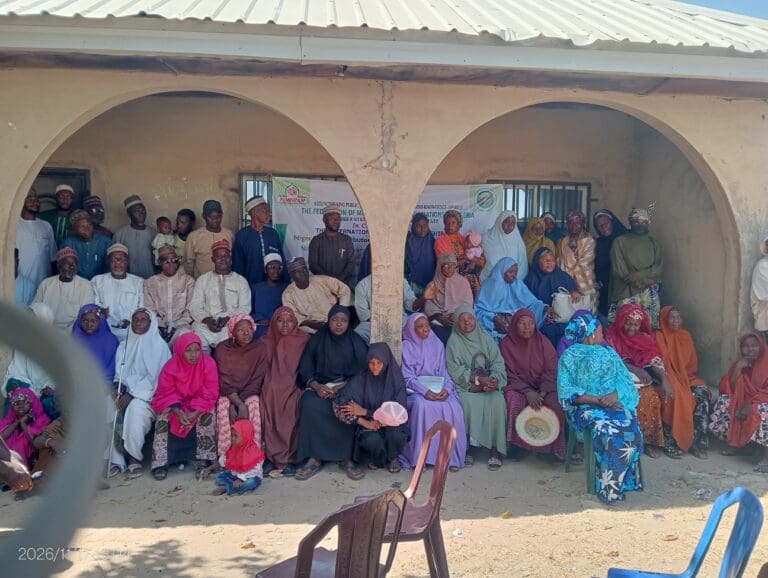
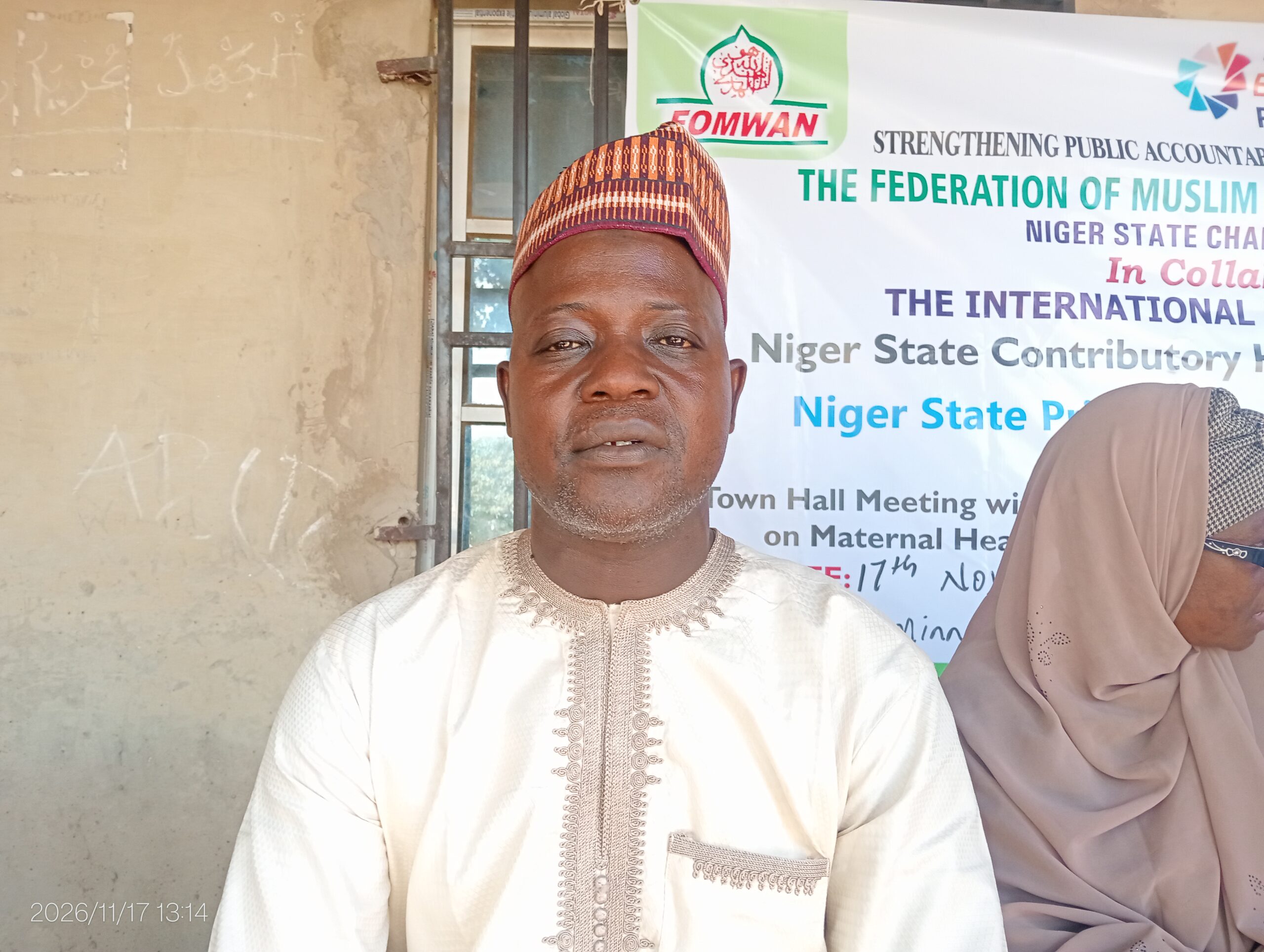
The organisation’s Programme Officer, Hajiya Gogo D. Abubakar, who made the call on Tuesday, November 17, 2026, at the second town hall meeting with Ward Development Committees (WDCs) in Minna, the Niger State capital, said the meeting was aimed at bringing together WDC leaders and Primary Healthcare (PHC) representatives to identify challenges affecting maternal healthcare and work towards reducing maternal deaths.
Organised under the Strengthening Public Accountability and Results in Knowledge (SPARK) 2 project, Abubakar said the meeting would present feedback on maternal health services and reports on PHC financing to the Niger State Primary Health Care Development Agency (NSPHCDA).
She said studies show that some pregnant women do not attend antenatal clinics regularly, with some husbands discouraging their wives from seeking medical care. Abubakar also cited financial constraints as a barrier to accessing antenatal services and urged families to support pregnant women in seeking professional healthcare.
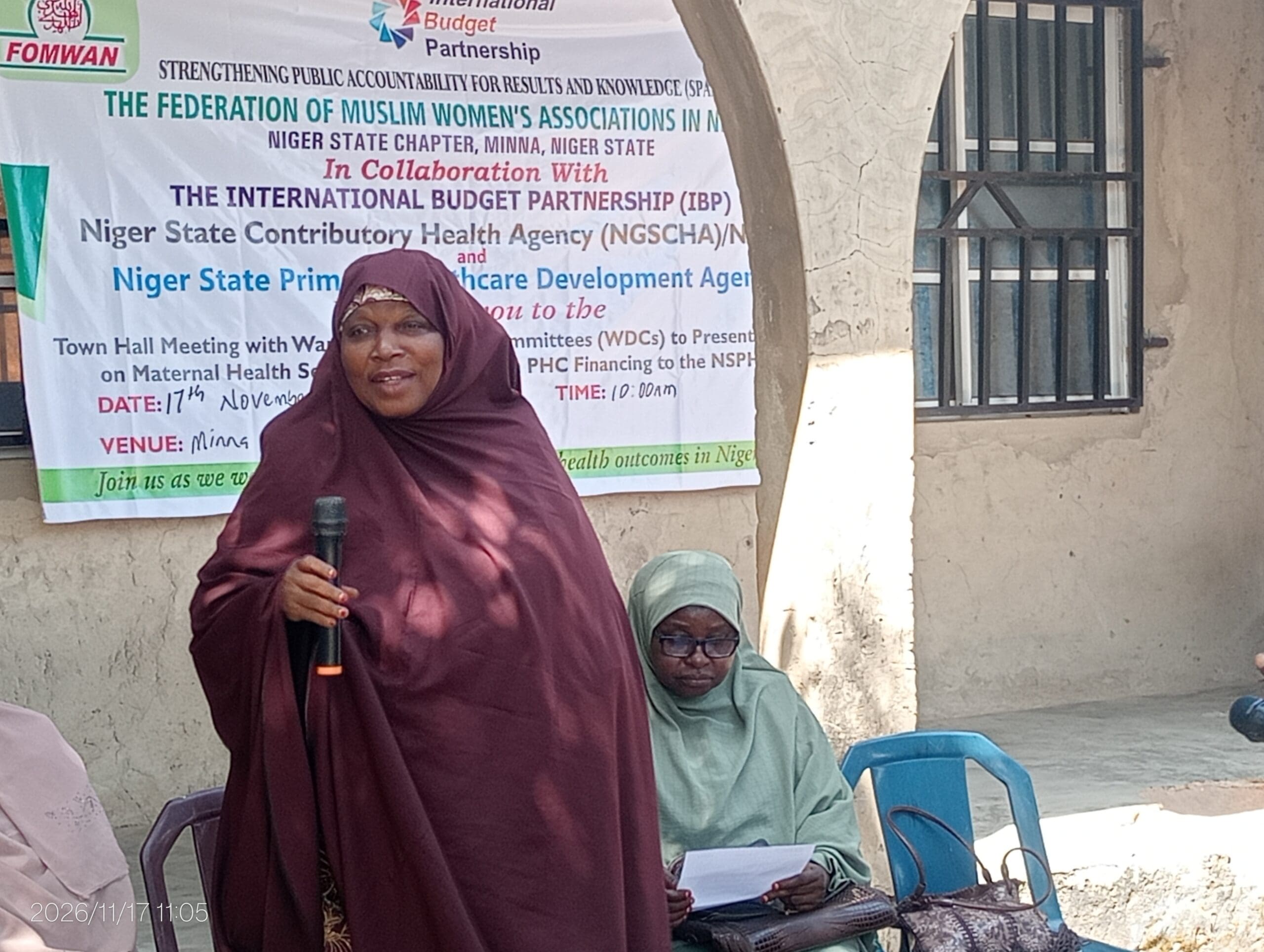
In her remarks, the State Coordinator of FOMWAN’s SPARK 2 Project, Aisha Ibrahim Lemu, urged healthcare providers to treat patients with respect and compassion and provide them the necessary mental and physical support.
State Coordinator of FOMWAN’s SPARK 2 Project, Aisha Ibrahim Lemu
“Be patient and always treat your patients with care, respect and love,” Lemu said.
Meanwhile, the Director of Standards and Quality Assurance Services at the Niger State Contributory Health Agency, Dr Salihu Saidu, identified community participation and attitudinal change among healthcare workers as critical to improving access to quality healthcare.
Saidu said involving residents in decision-making would help government agencies understand community needs, gather feedback and address service delivery challenges. He added that it would move away from a system where officials made decisions without adequately consulting the communities they serve.
The director added that the state government was training and retraining health workers to improve their attitudes toward patients but stressed that improving healthcare access required change from both healthcare workers and community members.
According to Saidu, some older women sometimes discouraged younger women from seeking professional maternal healthcare, relying on their own experiences of delivering children without hospital assistance. He also expressed concern that some pregnant women received money for antenatal visits from their husbands but failed to attend health facilities.
He urged residents to embrace hospital-based maternal healthcare, noting that primary healthcare centres are now available in wards to bring services closer to communities.
Director of Standards and Quality Assurance Services at the Niger State Contributory Health Agency, Dr Salihu Saidu
At the community level, Chairman of the Limawa ‘A’ Ward Development Committee, Bawa Ibrahim, said the committee had executed several development projects. He noted that mobilising community support was initially difficult because some residents believed the government alone was responsible for providing basic amenities.
“Several times when we meet some people to seek assistance to execute some projects in the community, they will say it is the duty of the government, not theirs,” he said.
He said persistent engagement and persuasion had gradually changed residents’ attitudes, with more people now willing to support community initiatives.
Similarly, a member of the ward, Danjuma Mohammed, said the Niger State Contributory Health Scheme (Ni-CARE) had improved several healthcare facilities in the community. Mohammed said they participated in critical decision-making processes, including recruiting casual workers and setting their salaries, and that this involvement strengthened community participation in managing healthcare services.
While testifying to the benefits of the Ni-CARE scheme, Aisha Usman, a resident, said she received eyeglasses for free through the intervention, noting that the scheme had reduced cost-related difficulties she previously faced in seeking medical attention.
Meanwhile, Hajiya Kulu Abdullahi, the Ameera of FOMWAN, urged the Niger State Government and Ni-CARE to extend healthcare interventions to rural communities, noting that many of the testimonies and reported benefits presented at the meeting came from urban areas.
She called for greater attention to underserved communities and urged WDCs to organise regular meetings with residents to educate them about their activities, achievements and challenges.
The Ameera said sustained community engagement would improve public understanding of the committees’ responsibilities and encourage more residents to participate in community healthcare initiatives.
FROM claims about the minimum wage and public debt to misleading health advice and recycled political videos, several statements by prominent Nigerian public figures have come under the scrutiny of factcheckers ahead of the 2027 general elections.
As political discussions intensify, statements and social media posts by politicians, government officials and other influential figures continue to shape public conversations. However, fact-checks have found that some of these claims contain inaccurate information, lack context or misrepresent available evidence.
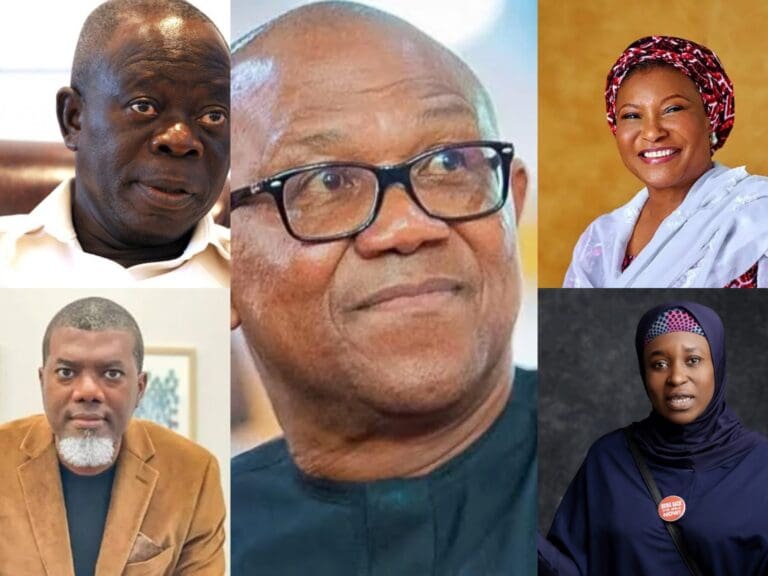
The FactCheckHub examines eight cases involving public figures and the findings of investigations into their claims. The individuals are listed in no particular order.
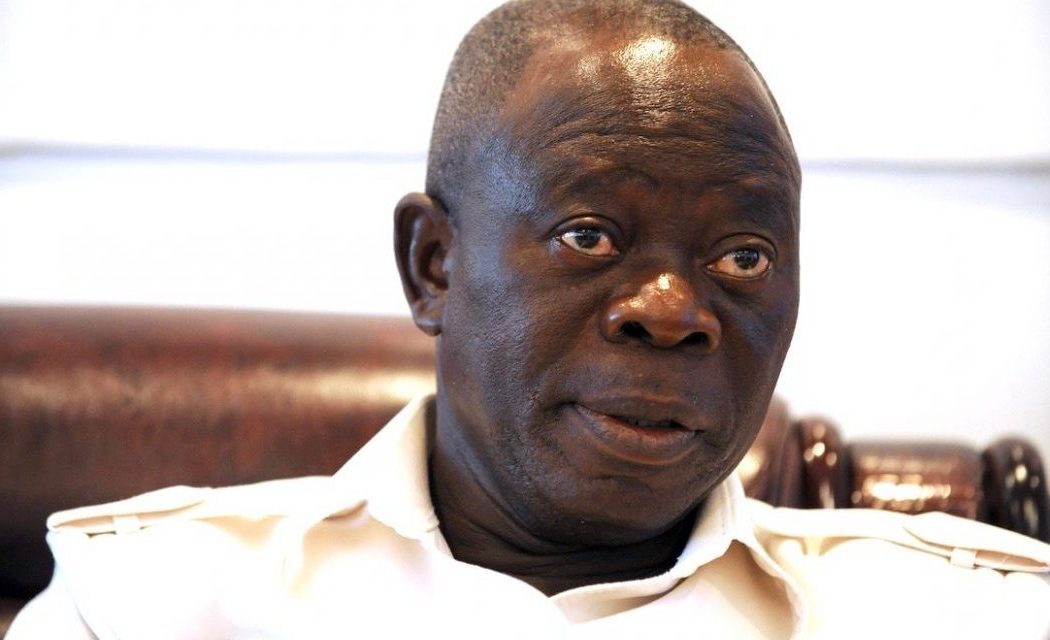
(1) Adams Oshiomhole: Claim that minimum wage had risen to ₦140,000
On 5 November 2026, Senator Adams Oshiomhole claimed that Nigeria’s minimum wage had increased to ₦140,000. He made the claim during an All Progressives Congress (APC) presidential campaign event in Ado-Ekiti, Ekiti State.
However, a fact-check by The FactCheckHub found the claim to be MISLEADING.
The investigation established that the statutory minimum wage remained ₦70,000 under the National Minimum Wage (Amendment) Act, 2024. The additional ₦70,000 was a temporary monthly transport intervention agreed upon by the Federal Government and the Nigeria Labour Congress (NLC) for public-service workers for six months, beginning in November 2026.
File Photo: Adams Oshiomhole
Although the government and organised labour agreed to begin discussions on a new minimum wage, no new wage agreement had been concluded at the time of the fact-check.
The distinction is important because the minimum wage is a legally established amount employers are required to pay eligible workers, while a temporary allowance does not automatically become part of the statutory wage.
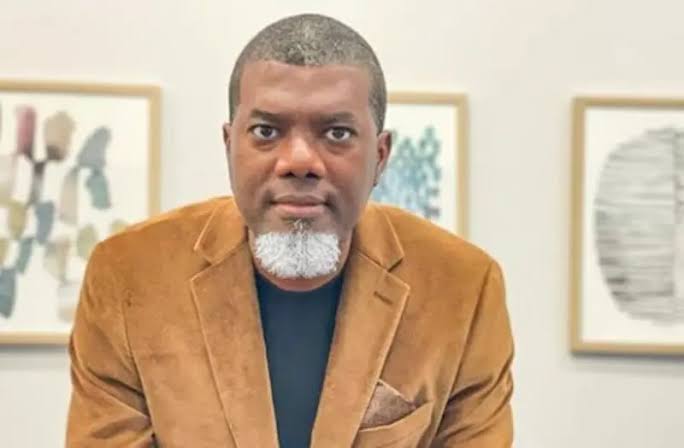
(2) Reno Omokri: Claim that Nigeria’s public debt fell by $10 billion
Former presidential aide and Nigeria’s ambassador to Mexico, Reno Omokri, claimed that Nigeria’s public debt had reduced by $10 billion under President Bola Tinubu’s administration.
The investigation examined figures published by the Debt Management Office (DMO), which put Nigeria’s total public debt at $110.97 billion, or ₦159.28 trillion, as of December 2025.
Omokri’s claim relied on an earlier debt figure of $103.94 billion from September 2025. However, the debt had increased by the end of December that year.
Comparing the June 2023 debt figure of $113.42 billion with the December 2025 figure showed a reduction of approximately $2.45 billion, not $10 billion as claimed.
The investigation therefore found that the figures did not support Omokri’s assertion of a $10 billion reduction.
(3) Ireti Kingibe: Claim that Nigerians would pay 25 per cent tax on their earnings
The senator representing the Federal Capital Territory (FCT), Ireti Kingibe, claimed that Nigeria’s new tax law would require citizens to pay 25 per cent of their earnings as tax.
A fact-check by The FactCheckHub found the claim to be MISLEADING.
File photo: Ireti Kingibe
The investigation explained that the 25 per cent rate applies to the portion of an individual’s annual taxable income exceeding ₦50 million. It is not a flat rate imposed on every Nigerian or on all earnings.
Under the progressive tax structure, different portions of an individual’s taxable income are subject to different rates. This means that the 25 per cent rate applies only to the portion of taxable income within the relevant band, rather than the individual’s entire earnings.
The Nigeria Tax Act 2025 took effect on 1 January 2026.
(4) Peter Obi: Claim that Nigeria’s debt had reached ₦200 trillion
FIJ’s investigation found that the DMO put Nigeria’s public debt at ₦159.28 trillion as of December 2025. The organisation estimated that the figure would rise to approximately ₦164 trillion when about ₦4.6 trillion in verified 2026 borrowings and loan approvals were considered.
The DMO subsequently reported that Nigeria’s total public debt stood at ₦166.79 trillion as of 30 June 2026.
Although the debt had increased from the December 2025 figure, the latest official data available at the time of writing remained below ₦200 trillion.
(5) Babatunde Gbadamosi: Claim that bitter kola and vitamin C can prevent Ebola
Babatunde Gbadamosi, the African Democratic Congress (ADC) deputy governorship candidate in Lagos State, suggested that bitter kola and high doses of vitamin C could prevent or treat Ebola.
A fact-check by FIJ described the claim as misinformation.
The investigation found that preliminary laboratory research on compounds in bitter kola did not establish that the substance could prevent or treat Ebola in humans. It also found no reliable evidence that high-dose vitamin C was responsible for the recovery of a nurse referenced in Gbadamosi’s claim.
While hydration is an important part of supportive care for Ebola patients, this does not establish that bitter kola or vitamin C can prevent or cure the disease.
Public health misinformation can have serious consequences, particularly when it encourages people to rely on unproven remedies instead of seeking appropriate medical care.
(6) Dada Olusegun: Misleading comparison of water transport in Anambra and Lagos
Dada Olusegun, a media aide to President Bola Tinubu, shared an image of Peter Obi in a canoe to compare water transportation in Anambra State during Obi’s administration with developments in Lagos under Governor Babajide Sanwo-Olu.
The fact-check established that the image of Obi in the canoe was taken in October 2022, when he visited communities affected by flooding. This was about eight years after he left office as governor of Anambra State in 2014.
The image was therefore not evidence of the state of water transportation infrastructure during Obi’s tenure as governor. Using it to compare the two administrations gave a misleading impression of the circumstances in which the photograph was taken.
(7) Aisha Yesufu: Video suggesting the former national anthem was sung at FEC meeting
Nigerian activist and politician Aisha Yesufu shared a video suggesting that Nigeria’s former national anthem was sung at a Federal Executive Council (FEC) meeting in 2026.
A fact-check by TheCable found that the footage was not from a 2026 meeting.
file photo : Aisha yesufu
The investigation traced the video to an earlier FEC meeting held between 2023 and 2024, before the national anthem was changed in May 2024. The footage therefore did not establish that the former anthem was sung at a 2026 meeting.
The case illustrates how old footage can be recirculated on social media and presented as a recent event, potentially misleading audiences who are unfamiliar with its original date and context.
(8) Rufai Oseni: Old video of Isa Pantami shared without context
Arise Television presenter Rufai Oseni shared an old video showing former Minister of Communications and Digital Economy, Isa Pantami, crying. The post suggested that Pantami was reacting to being denied the APC governorship ticket in Gombe State.
File Photo: Oseni Rufai.
However, The FactCheckHub found that the video was not connected to the political development suggested in the post.
The footage was originally posted by Pantami on 18 April 2024 and showed him delivering a religious lecture during a Ramadan sermon at Al-Noor Mosque in Abuja.
It was therefore unrelated to the APC’s decision on its governorship ticket. Without the original context, viewers could get a false impression of when and why Pantami was crying.
The case highlights how old videos can be repurposed to support claims about current political developments, particularly when they involve prominent public figures.
Why public figures’ claims matter
Speaking with The FactCheckHub, disinformation researcher Omolola Pedro warned that the circulation of false and misleading claims by public figures ahead of the 2027 general elections could undermine informed political participation.
She said, “Public figures occupy influential positions in society, and their statements often carry considerable weight among their followers. When politicians, government officials and influential commentators share false or misleading information, they lend credibility to such claims and make it easier for misinformation to spread.”
Pedro explained that social media allows public figures to circulate claims without the editorial scrutiny associated with mainstream media. She noted that misleading statements could go viral within minutes, while corrections often receive less attention.
“Sometimes, the information being circulated is not entirely fabricated. It could be an old video presented as a recent event, an accurate statistic interpreted wrongly, or a genuine statement stripped of its original context,” she said.
She urged Nigerians to verify political claims before sharing them and called on public figures to communicate responsibly.
FOLLOWING the remand of FIJ journalist Daniel Ojukwu over reports concerning projects linked to the Office of the Senior Special Assistant to the President on Sustainable Development Goals (OSSAP-SDGs), The ICIR revisits investigations by media organisations across five states between 2023 and 2026, which exposed questionable contracts running into billions of naira in public funds and projects that were either not executed, diverted from their intended locations or left unused under the office headed by presidential aide Adejoke Orelope-Adefulire.
At Hammadu-Kafi Primary School in Akko Local Government Area of Gombe State, 11-year-old Khalid Adam learnt to arrive early if he wanted a seat in class.
The Primary V pupil was among about 2,000 children attending a school with only seven classrooms and 22 teachers. Those who arrived late often had to sit on the bare floor.
“Most of us do not have seats. We sit on the floor because there are not enough seats in the school,” Khalid told WikkiTimes during a visit in May 2023.
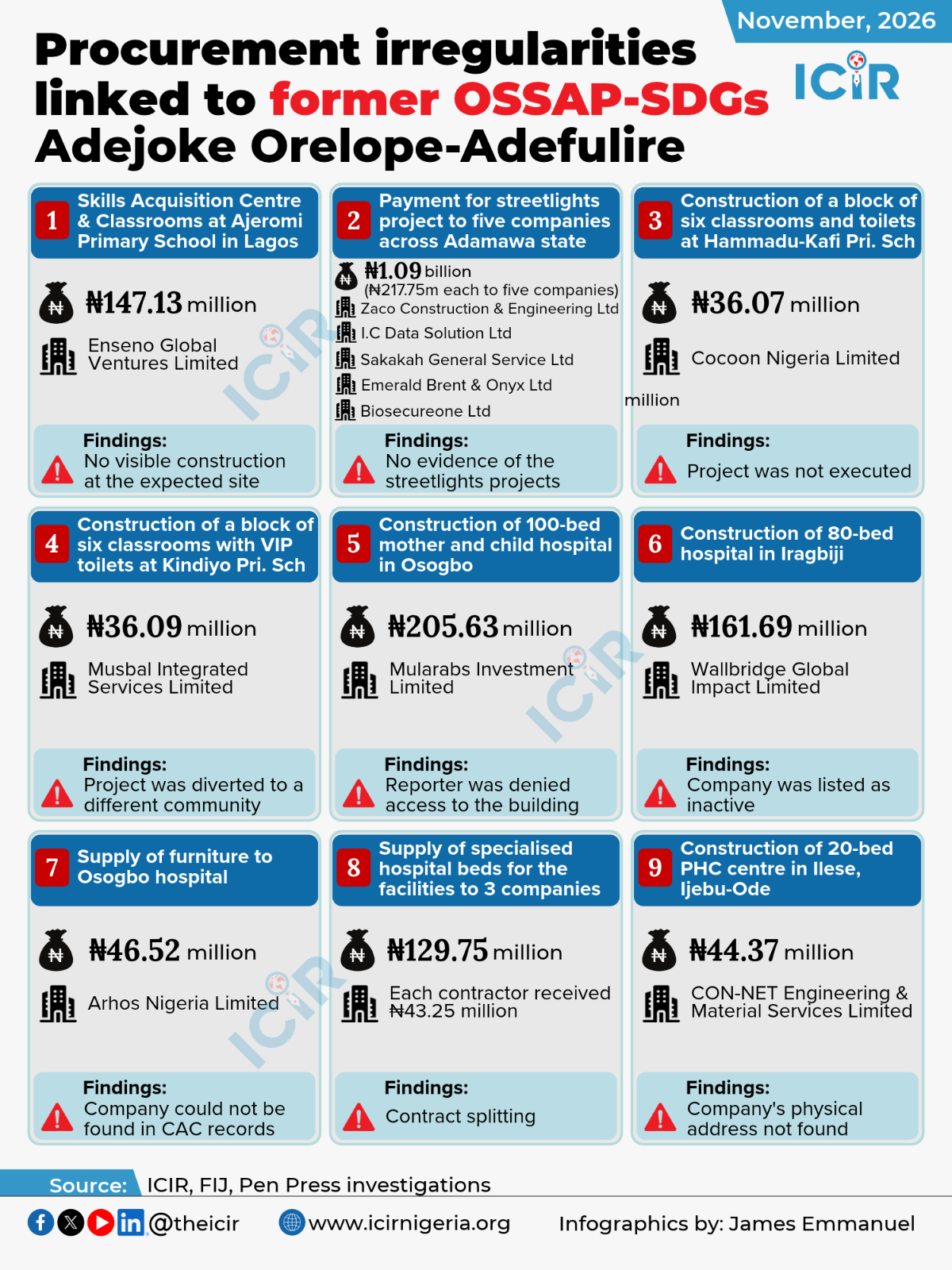
Procurement irregularities linked to former OSSAP-SDGs Adejoke Orelope-Adefulire
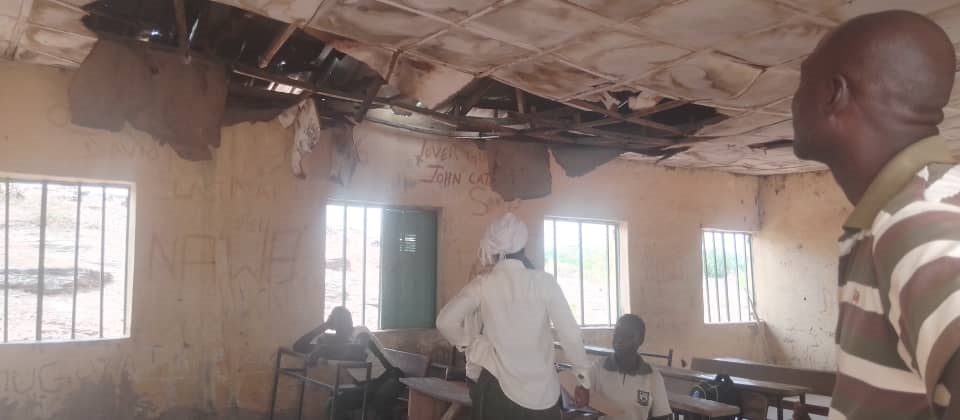
Findings showed the school had been operating morning and afternoon shifts to accommodate its pupils, with some classrooms holding at least 160 children. While three or four pupils shared desks designed for two, more than half of the pupils in some classes sat on dusty floors.
The ICIR gathered that two years earlier, the Nigerian government paid more than ₦36 million for a block of six classrooms and VIP toilets at the school. But the classrooms were never built as at the time of reporting.
The headteacher, Sani Ahmed, told the reporter that the school had not received chairs from the government since it was established in 2007. He said he had to spend his salary buying chairs and other materials for pupils.
“Since the establishment of this school in 2007, we have not received chairs from the government. I have to use my salary to buy chairs and seats for the school,” he said.
The experience at Hammadu-Kafi was one of several documented by The ICIR and other media organisations in investigations into projects linked to the Office of the Senior Special Assistant to the President on Sustainable Development Goals (OSSAP-SDGs) headed by Adejoke Orelope-Adefulire during the periods examined.
Across Adamawa, Gombe, Osun, Ogun and Lagos states, the investigations uncovered projects that could not be found at their designated locations, facilities reportedly built in the wrong communities, hospitals left unused after commissioning and contractors whose corporate records or addresses raised questions.
The findings brought renewed attention to the office after the remand of Daniel Ojukwu, a journalist with the Foundation for Investigative Journalism (FIJ), over reports concerning Orelope-Adefulire and projects linked to her tenure.
Ojukwu was remanded at the Kuje Correctional and Custodial Centre in Abuja on November 10, 2026, after pleading not guilty to 12 counts of alleged cyberstalking and criminal defamation arising from five FIJ reports published between November 2023 and January 2024, instituted by Orelope-Adefulire through the Inspector General of Police.
One of the reports questioned an alleged payment of ₦147,127,467.58 to Enseno Global Ventures Limited for a skills acquisition centre and classrooms at Ajeromi Primary School in Lagos. The FIJ investigation reportedly found no visible construction at the expected site and raised questions about the contractor’s corporate records.
But the questions surrounding the office did not begin with the prosecution of Ojukwu. Years before the charges, investigations had documented a pattern of discrepancies between payments recorded by the government and the conditions reporters encountered at project sites.
Unverified streetlights project in Adamawa
On December 31, 2019, OSSAP-SDGs under Adejoke Orelope-Adefulire made five payments of ₦217,749,257.14 each to contractors for solar streetlight installations across Adamawa State.
The total amount at the end of the award was more than ₦1 billion.
The projects were also not captured in the federal government budget of 2019, but the contractors were paid in full, all at once on December 31, 2019.
Records fromGovspend.ng, an open contracting portal, show that the companies received the sum of N217,749,257.14 each for the projects. The contractors were Zaco Construction and Engineering Ltd, I.C Data Solution Ltd, Sakakah General Service Ltd, Emerald Brent and Onyx Ltd and Biosecureone Ltd.
However, an investigation by WikkiTimes, published in January 2022, found that four of the five companies were linked to the same individuals. Some of the contractors shared addresses or had overlapping directors, while the corporate records of one contractor, I.C Data Solution Limited, showed it was registered as an information technology business.
The reporters visited locations where streetlights were supposed to have been installed but found no evidence of the federal projects. There were solar streetlights in parts of the state, but residents said they had been installed by the Adamawa State government.
At Zango Street in Yola, the reporter observed four solar streetlights, two of which were no longer working. Other installations were sighted around Dobeli Junction and Federal Housing Estate. But residents said they were not projects funded through the SDGs office.
Yahaya Allhassan, a resident of Federal Housing Estate, said he could not recall any streetlight project from the Presidency.
“The Adamawa State Government carried out this project. If this is an SDG project from the Federal Government, there will be an indication to show, and you can see for yourself there is none. It might have been done somewhere else, definitely not here,” he said.
Further findings by Wikitimes also showed that the Adamawa State Planning Commission had no record of the projects. A BudgIT monitoring officer, Musa Anthony, said the projects were not reflected in the state’s 2019 and 2020 appropriation records.
The investigation further found that the purported address of Sakakah General Service Limited in Kano could not be located. The address led the reporter to a Mosque and an empty plot of land.
The OSSAP-SDGs rejected the findings and maintained that the projects had been executed. Its media aide at the time of the reporting, Desmond Utomwen, said the office had supplied about 150 photographs showing the streetlights and their locations.
Fake pictures shared by the office of the Senior Special Assistant to the President on SDG
But WikkiTimes challenged the photographs, saying they depicted streetlights installed by Senator Aishatu Binani rather than the federal projects under investigation.
In a January 12, 2022, follow-up published by The ICIR, WikkiTimes publisher Haruna Mohammed Salisu also disputed the office’s claim that it had offered to take the reporter to inspect the projects.
He said one of the contractors, Emeka Ebo, later contacted the reporter and offered to take him to Adamawa but failed to provide further details.
Osun hospitals commissioned but left unused
In Osun State, an investigation published by The ICIR in October 2023 uncovered how a multi-billion naira hospital project, awarded during Adejoke Orelope-Adedulire’s tenure, was completed and commissioned but remained unused, leaving questions about its usefulness and judicious spending of public funds.
The transit home for abused women. Credit: LAWAL Sofiyyat Bolanle, PEN PRESS
The report, published under an ICIR-funded program, examined a 100-bed mother and child hospital in Osogbo, an 80-bed hospital in Iragbiji and a transit home for abused women, all funded through OSSAP-SDGs.
GovSpend records cited in the investigation showed that ₦2.53 billion was released for the projects between 2021 and 2022. They were commissioned on June 29, 2022, and reportedly handed over to the Osun State Government.
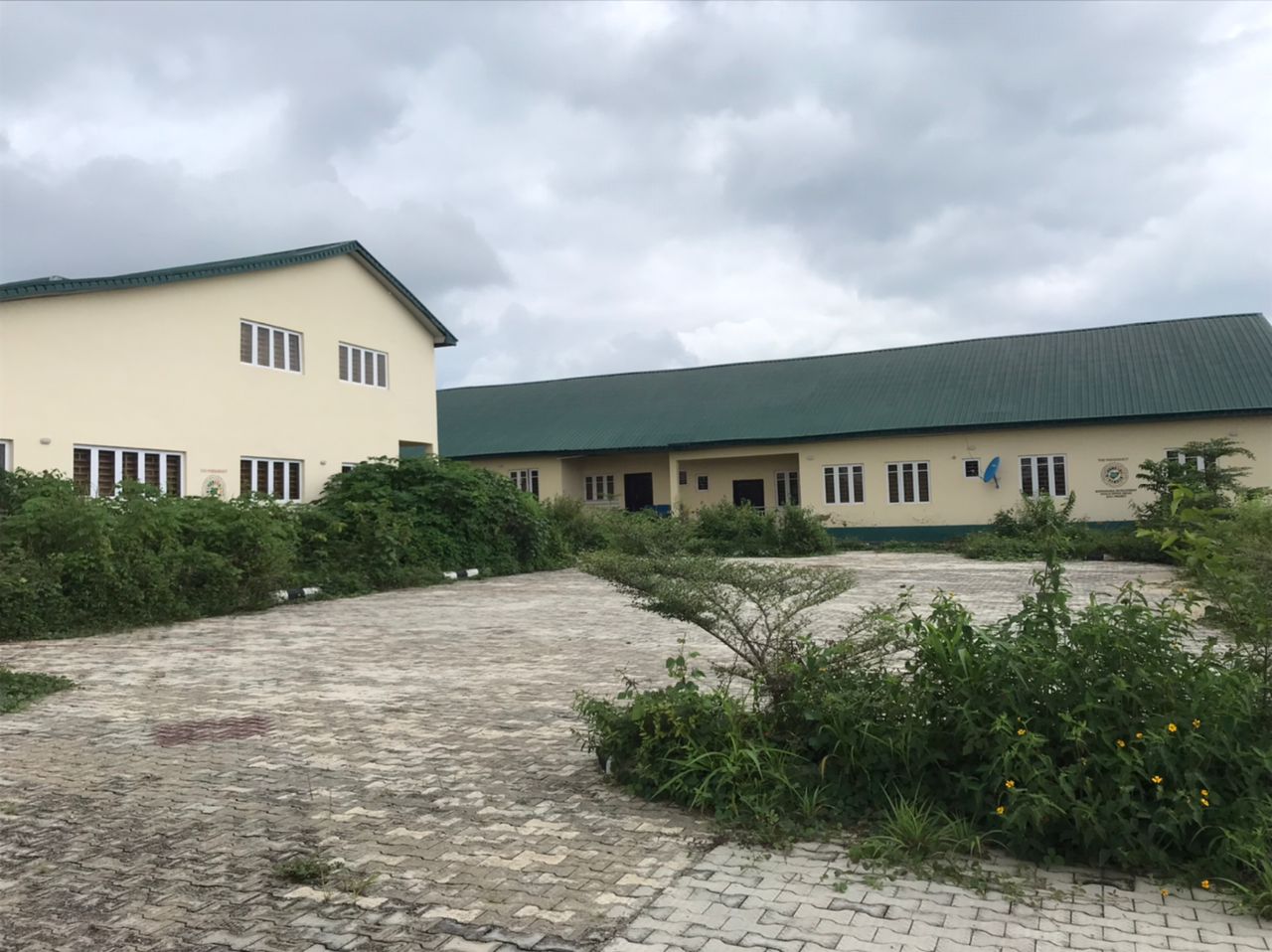
But when the reporter visited the facilities in July 2023, the hospitals and transit home were locked, with bushes growing around parts of the premises.
The 100-bed hospital in Osogbo had a signboard identifying it as the mother and child section of the University of Osun Teaching Hospital. Security officers prevented the reporter from entering the building.
Residents said the hospital had not started serving patients despite its commissioning. A similar situation was observed at the 80-bed hospital in Iragbiji.
The investigation also examined the contractors and payments associated with the projects. The construction of the Osogbo hospital was awarded to Mularabs Investment Limited for ₦205.63 million, while Wallbridge Global Impact Limited received a ₦161.69 million contract for the Iragbiji hospital.
Checks on corporate records showed that the status of some of the contractors was ‘inactive’ while registered addresses were ‘not traceable.’ The report found that Wallbridge Global Impact Limited was listed as inactive and that its registered address in Victoria Island, Lagos, could not be traced.
Other contracts linked to the projects also raised procurement questions. The investigation reported that some companies had questionable or untraceable addresses, while others were listed as inactive on the Corporate Affairs Commission portal.
It also identified concerns about possible contract splitting. Three companies were reportedly awarded contracts to supply specialised hospital beds for the facilities, each receiving ₦43.25 million for similar supplies.
The investigation further found that the contract for the supply of furniture to the Osogbo hospital, valued at ₦46.52 million, was awarded to Arhos Nigeria Limited, which the reporters could not find in the Corporate Affairs Commission records they checked.
Although the facility had been equipped, its compound was overgrown with bushes, and parts of the interlocking work remained incomplete.
Reacting to this, the spokesperson for the Osun State governor, Olawale Rasheed, said the previous administration had not properly handed over the transit home. He said the state government had only recently taken possession and was conducting an inventory of the equipment.
The Chief Medical Director of the University of Osun Teaching Hospital, Professor Peter Olaitan, confirmed that the two hospitals had been handed over to the institution in August 2022. However, he said the facilities were not ready for use because of structural deficiencies and inadequate infrastructure.
He cited the absence of proper electricity connections, an undersized laboratory, a lack of laundry facilities, a kitchen and an ambulance. He also said the hospital had spent its own money repairing damage to the buildings after contractors failed to respond to complaints.
Olaitan estimated that about ₦400 million would be required to make the hospitals functional.
Classrooms paid for, but pupils still learn in overcrowded conditions
The questions about project execution resurfaced in Gombe State, where another investigation examined federal-funded classroom projects at Hammadu-Kafi Primary School and Kindiyo Primary School.
A July 2023 report republished by The ICIR from WikkiTimes found that a project for a block of six classrooms and toilets at Hammadu-Kafi Primary School had not been executed, despite a payment of ₦36,071,552.18 to Cocoon Nigeria Limited in May 2021.
The school, located along Biu Bypass in Akko Local Government Area, reportedly had about 2,000 pupils and 22 teachers. Some classes had more than 160 pupils, with many children sitting on bare floors because of inadequate classroom space.
The investigation found that the school had only seven classrooms, with the last classroom reportedly constructed in 2013. It also had only one pit latrine for pupils and staff.
According to the report, surveyors from the Gombe SDGs office had demarcated the site for the project in September 2021, but construction did not follow.
The office disputed the finding that the project had not been executed. Its media aide, Desmond Utomwen, said the project had been completed and sent photographs to support the claim.
However, the reporters found that some of the photographs supplied as evidence of the classrooms depicted a different skills acquisition centre project in the same area.
The investigation also examined a similar six-classroom project at Kindiyo Primary School, for which ₦36,093,998.75 was paid to Musbal Integrated Services Limited.
A collapsed classroom block in Kindiyo Primary School (credit: WikkiTimes)
The OSSAP-SDGs awarded the contract for the construction of one block of six classrooms with VIP toilets in June 2021
Unlike the Hammadu-Kafi project, the classrooms were built, but the investigation found that the project had been diverted to Kolu, a nomadic school outside the original beneficiary community.
44 million naira paid for a 20-bed PHC that could not be found
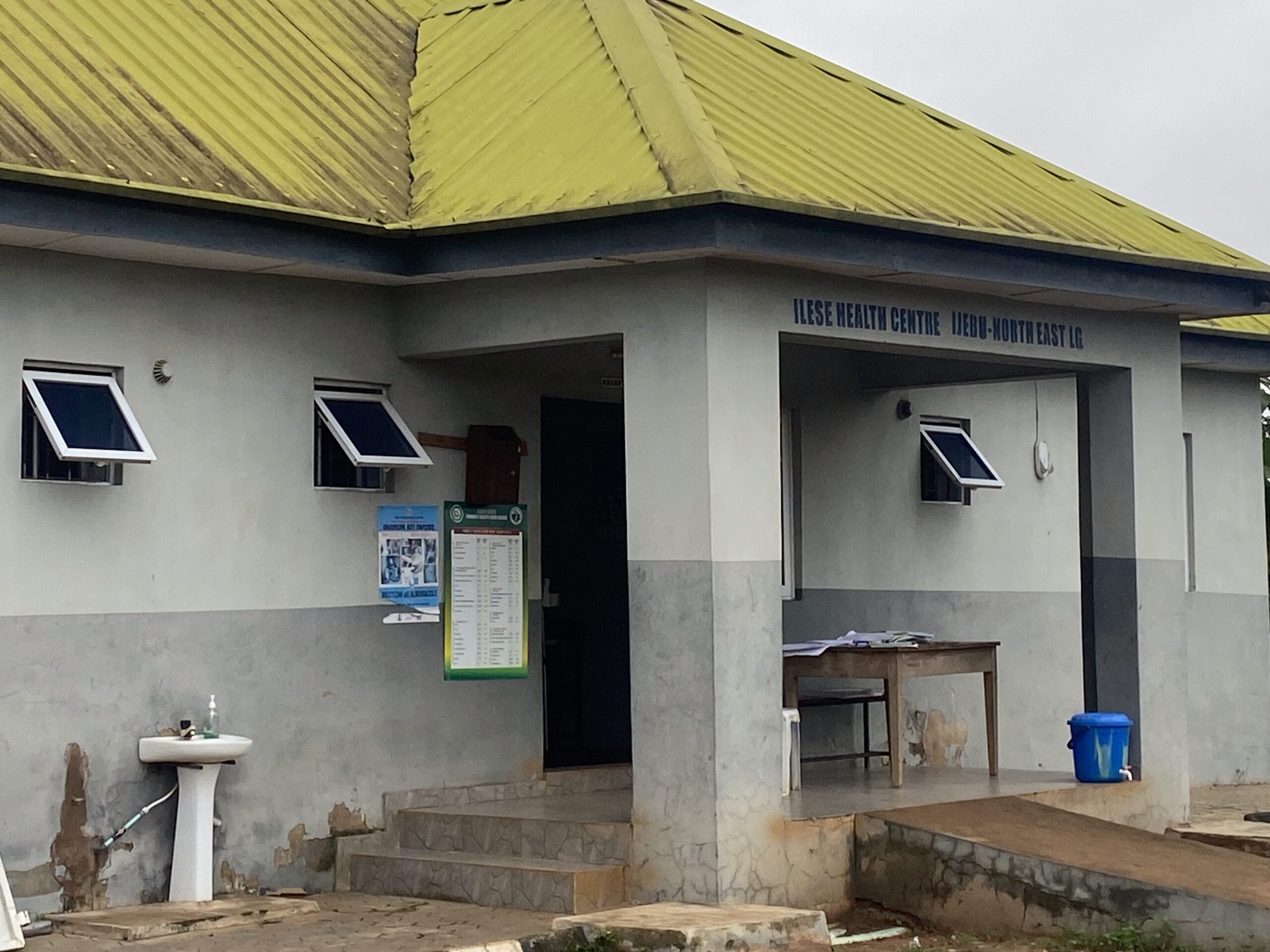
Also, in October 2026, The ICIR published an investigation titled ‘Questions trail missing 20-bed PHC project in Ogun State exposing a purported 20-bed primary healthcare centre in Ilese, Ijebu-Ode.
GovSpend records showed that ₦23,570,316.25 was paid in 2022 and another ₦20,796,335.25 in 2023 to CON-NET Engineering and Material Services Limited for the project.
The payments amounted to ₦44,366,651.50.
The implementing office was recorded as the Office of the SSAP on Millennium Development Goals.
However, the investigation could not locate the purported 20-bed facility in Ilese or its vicinity.
Instead, the reporter found an existing eight-bed government health centre serving Ilese and neighbouring communities, including Idomila, Idomowo, Odomolasa and Isade.
The eight-bed facility in Ilese, Ijebu-Ode, Ogun State
A health worker at the facility, Nurse Kuye Bello, said at the time that the centre could not accommodate the capacity of a 20-bed primary healthcare facility described in the official records.
The existing centre had no ambulance and reportedly attended to about four to five patients weekly, excluding deliveries. Residents and health workers also described shortages of medicines and inadequate infrastructure.
The investigation further showed that CON-NET Engineering and Material Services Limited was incorporated in December 2014, with its registered address listed as 49 Oda Crescent, Wuse II, Abuja.
But a visit to the address did not establish the company’s presence there. A resident reportedly said the address was wrong or non-existent, while nearby properties were residential buildings.
The ICIR also sought information from the Ogun State Primary Health Care Development Board through a Freedom of Information Act (FOIA) request, asking for records relating to the project’s implementation, supervision, completion and handover. Although the request was acknowledged, the board had not provided the requested information at the time of publication.
The reporter also contacted Orelope-Adefulire’s office at the time of filing the report, but did not receive a substantive response.