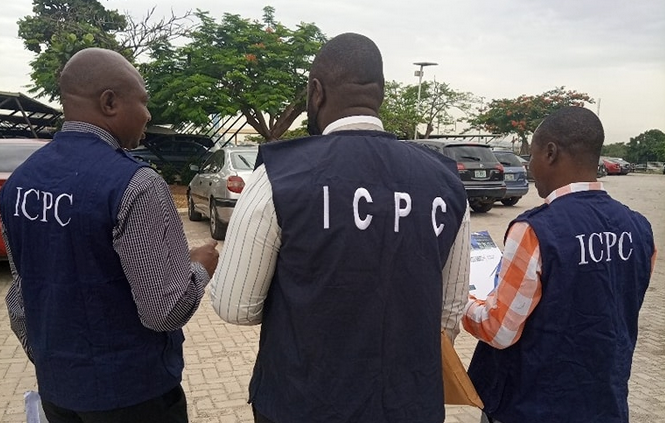
THE Independent Corrupt Practices and Other Related Offences Commission (ICPC) has pledged to periodically publish recovered assets, their status and owners, to promote transparency and accountability.
Hassan Mohamed, Chairman, Local Organising Committee (LOC) of the maiden General Assembly of the African Asset Recovery Practitioners’ Forum (AARP-F), gave the assurance during a pre-conference media briefing in Abuja on Saturday.
Mohamed, also Director of Special Services at ICPC, said nothing concerning recovered assets was hidden, emphasising that the information would remain accessible to the public.
The assurance comes as 54 countries prepare to converge on Abuja to discuss strategies for preventing the loss of billions of dollars through corruption and illicit financial flows.
He spoke during a question-and-answer session ahead of the assembly, scheduled to hold from November 17 to November 20 in Abuja.
The chairman said the commission would ensure transparency in its asset declaration exercise, adding that recovered assets belonged to the public and should be accounted for.
“Definitely, ICPC will do that. Nothing is hidden. It is a public document. Anything recovered is for the public. And so, ICPC will definitely declare anything and whatever has been recovered,” he said.
Speaking on the conference, Mohamed said the assembly would bring together virtually all African countries to harmonise efforts towards combating corruption, particularly in asset recovery.
“We have virtually all African countries, 52, 54, thereabouts. Yes, they will be attending,” he said.
Mohamed said asset recovery had become an integral part of anti-corruption agencies’ operations worldwide, while the African Union was advancing efforts to ensure recovered assets benefited citizens.
“The purpose of the programme is to harmonise, to synergise, synthesise, come up with strategies, common ways to deal with this menace. Essentially, that is what we are doing,” he said.
On whether Nigeria had figures of recovered assets to present at the assembly, Mohamed said he did not have the relevant information available during the briefing.
He lamented that Africa continued to lose resources critical to its development through corruption and illicit financial channels, undermining efforts to improve citizens’ welfare and strengthen institutions.
“Every successfully recovered public asset represents an opportunity to redirect resources towards the needs of citizens, improve public service delivery, strengthen institutions and rebuild confidence in governance systems,” he said.
He emphasised that no single country could tackle transnational financial crimes independently, calling for stronger partnerships, improved information exchange and more effective international cooperation.
Mohamed also urged African governments and stakeholders to ensure that CAPAR became more than a policy document, but a practical instrument guiding national and regional action.
“The message we are taking to Abuja is that Africa must not only demand the return of its stolen assets; it must build the institutional capacity, partnerships and collective determination required to recover them,” he said.
Asked whether any African country was ahead of Nigeria in asset recovery, Mohamed said comparisons were difficult because some countries recovered assets without making the information public.
“Some of these countries recover their assets and you don’t know what they have recovered. We don’t know whether they are doing their recoveries or not.
“But when we meet like this, we have the opportunity to discuss in forums like this what has been recovered,” he said. (NAN)
SOUTH Sudan has postponed its first national elections since gaining independence in 2011 by nearly two months, moving the presidential and parliamentary polls from December 22, 2026, to February 11, 2027.
The National Elections Commission announced the revised date in a new electoral timetable released on Saturday, November 14, amid growing political divisions, insecurity and concerns over the country’s preparedness for a credible election.
According to Reuters, a commissioner and spokesperson for the National Elections Commission, Josephine Achiro Fortelo, confirmed the postponement, saying the new date was reached after consultations with stakeholders.
Fortelo did not provide a specific reason for the postponement.
The ICIR reports that the decision comes amid escalating tensions between forces loyal to President Salva Kiir and supporters of his long-time political rival, Riek Machar, the country’s former first vice-president.
Machar has been under house arrest since March 2025 and is facing trial on charges including treason and murder, which he denies.
The United Nations has repeatedly expressed concerns about the country’s readiness to conduct peaceful and credible elections. In September, the UN Commission on Human Rights in South Sudan warned that the necessary safeguards and conditions for credible elections were lacking.
The commission also warned that the country’s deteriorating security situation, political divisions and continued violence could undermine the electoral process and trigger renewed conflict.
South Sudan became the world’s youngest independent country in July 2011, following its separation from Sudan after decades of conflict.
However, the country has yet to conduct its first national general election since independence.
A power struggle between Kiir and Machar plunged the country into a devastating civil war in December 2013, which lasted until a 2018 peace agreement formally ended the conflict. The war killed hundreds of thousands of people and displaced millions.
The peace agreement established transitional arrangements intended to reunite the rival political factions and pave the way for democratic elections.
However, disagreements over implementing the agreement, insecurity, political rivalries and delays in completing key transitional responsibilities have repeatedly stalled the electoral process.
In September 2024, Kiir’s administration postponed the elections scheduled for December that year by two years, moving them to December 22, 2026. The presidency said additional time was required to complete outstanding preparations, including the permanent constitution and national census.
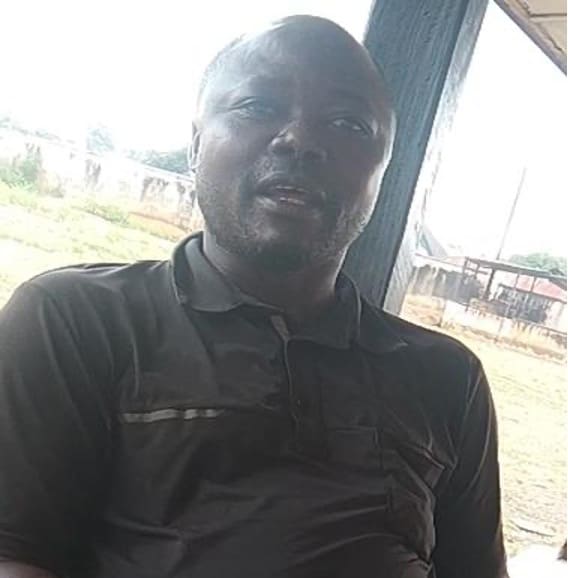
“At first, I thought my child would not survive,” a solemn Sani Idi said, describing the ordeal that began with his son Shaibu’s diagnosis of childhood tuberculosis (TB) at age three.
It was at Angwan Abuja, Katsina-Ala Local Government Area (LGA) of Benue State and barely weeks after birth, when Shaibu had a cough which later progressed into fever. “I met a nurse who prescribed cough syrup, but the cough persisted,” Idi recalled, adding, “I never knew what was exactly wrong with my son other than cough and fever.”
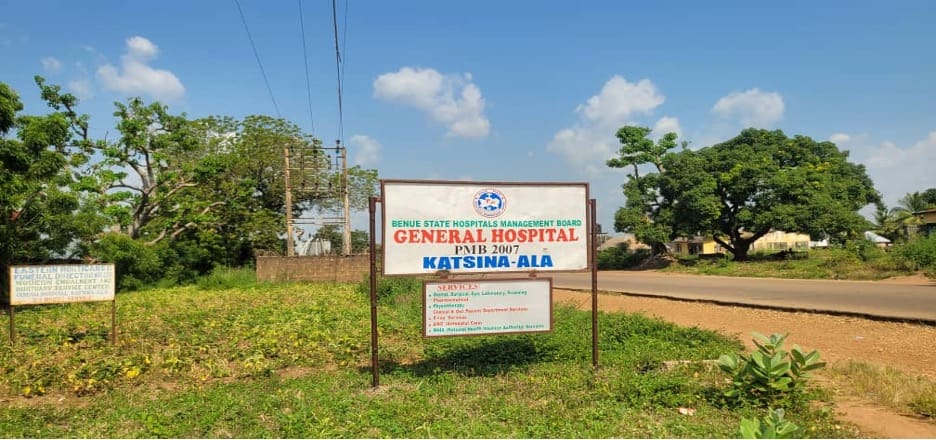
Signpost of Katsina-Ala General Hospital, Benue State. Photo: Moses Ngufan
He had tried to manage his son’s health challenge for three years while spending a lot of money on what he thought was malaria.
But by May 20, 2022, the symptoms had progressed, and two weeks later, a medical team from the Katsina-Ala Local Government Health Authority (LGHA) visited Shaibu’s school for a routine TB sensitisation campaign. A team member noticed the three-year-old coughing profusely; his sputum was taken for laboratory examination, and the result was later disclosed to his father, confirming tuberculosis.
Tuberculosis or TB is an infectious disease caused by bacteria that most often affects the lungs. It affects people of all ages, but children remain vulnerable to the disease, which is transmitted when a person with TB expels Mycobacterium tuberculosis, the TB-causing bacteria, into the air through coughing, sneezing, and spitting. Common symptoms include cough, chest pain, weakness, weight loss, and fever.
Sani Idi. Photo: David Arome
Discovering his son had TB came as a shock to Idi. “My initial thought was that TB only affects adults, not until my son was diagnosed with it,” Idi said. He was disturbed by the test result, but financial constraints had delayed his son’s treatment for a month. Within this period, he rallied around taking up mason work to raise money for the treatment, which required daily hospital visits.
When he couldn’t afford the daily N2,000 transport fare to the hospital, he said his wife trekked for hours with Shaibu to reach the hospital.
Idi is one of several parents confronted with this child-killer disease. According to Okila Moses, a tuberculosis and leprosy focal person at the Katsina-Ala Local Government Health Authority, TB has become prevalent in the area and accessing treatment remains a challenge for many parents due to poor finances.
“Most parents complain of not having money to bring their children to the facility for TB drugs,” he said, adding that this often leads to skipping treatments, an assessment he said raises concern about the need for more TB diagnostic facilities in hinterlands for prompt detection and treatment.
Fortunately, Shaibu is now six years old and has recovered from childhood TB after completing his treatment. His father, Idi, has become an active champion of childhood TB screening in rural communities.
The cost of care
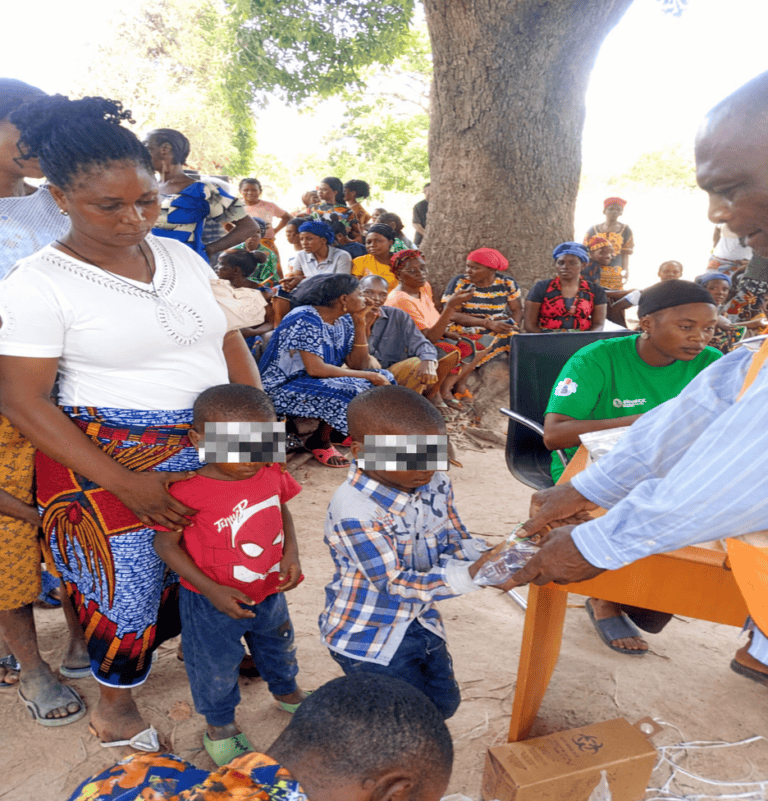
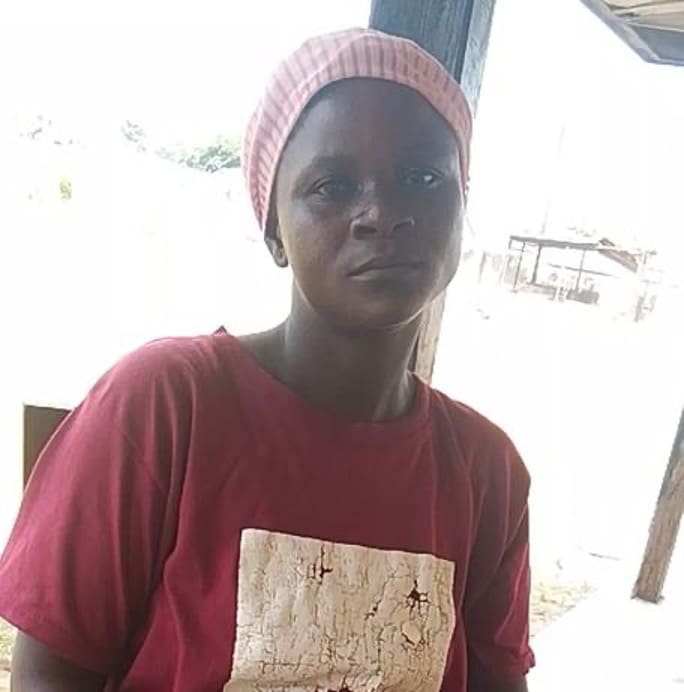
In 2023, Charity Aligye, a resident of Otsaazi Etulo village in Benue State, noticed her 10-month-old infant son, Eskawa, had a cough and fever. She didn’t know what the symptoms represented until she got a TB diagnosis.
Before the diagnosis, Aligye had relied on local chemists for her son’s drugs, but his health had deteriorated. She said her friend, Angelina Terkaa, later advised her to take Eskawa to the general hospital for a proper check-up. Though she obliged, Aligye said financial constraints delayed treatment because the testing and enrolment centre was far from her community.
Charity Aligye. Photo: David Arome
At the General Hospital Makurdi, she said her son was examined and recommended for a TB test. His stool sample was collected and tested using a TB diagnostic machine called GeneXpert, which confirmed TB.
“Neither I nor any member of the family had TB,” said Aligye, expressing shock over the test result but recalling that at 10 months, in 2023, Eskawa had been exposed to a woman with suspected clinical symptoms of TB.
Aligye said she sat close to the woman in a commercial vehicle while holding her infant son and added that throughout the journey, the woman coughed blood and sneezed ceaselessly. Now three years later, Aligye suspects that encounter may have exposed her son to TB.
When treatment for her son was initiated, it required a daily bill of ₦1500 for hospital transportation to get the drugs. The World Health Organisation (WHO) recommends taking TB medications daily for four to six months, warning that stopping medications early could cause the bacteria to become resistant to antibiotics.
Similarly, as of April 2023, the Desk Guide for Prevention, Diagnosis and Treatment of Tuberculosis in Children and Adolescents in Nigeria prescribes a minimum of four months of medication for children and adolescents, depending on the type of TB.
Aligye, who struggled to meet the transportation costs for the daily drug regimen, said she sometimes had to skip treatment days.
Her situation reflects a growing challenge in combating the disease in Nigeria, says Moses, who explained that treatment interruptions have become popular among TB patient caregivers. He added that in the case of children, such interruptions increase vulnerability and heighten the spread of the disease to other children and adults.
For Marker James, a teacher who also lives in Katsina-Ala, the diagnosis of his son, Joseph, with tuberculosis at the age of two brought new responsibilities, extending his role beyond the classroom to caring for his child.
Born on June 14, 2021, Joseph showed no signs or symptoms of TB until he turned two. According to his father, the illness began with a fever, for which he received treatment, but his condition did not improve.
Two months after being treated at a private clinic, Joseph developed a persistent cough and began losing weight. Concerned about his son’s worsening health, James returned to the same clinic, where Joseph was prescribed the same medication, along with a cough syrup.
However, in September 2023, an encounter with a TB medical team from the LGHA encouraged James to take his son to a medical outreach stand where he was examined and his stool sample collected. He said a week later, a phone call from the medical team confirmed his son had TB.
Joseph Marker. Photo: David Arome
Even though treatment began for his son at the General Hospital in Katsina-Ala, James said he was subsequently asked to bring Joseph to the hospital for daily TB medication, a situation that became a challenge as he could not sustain the six months of daily transportation.
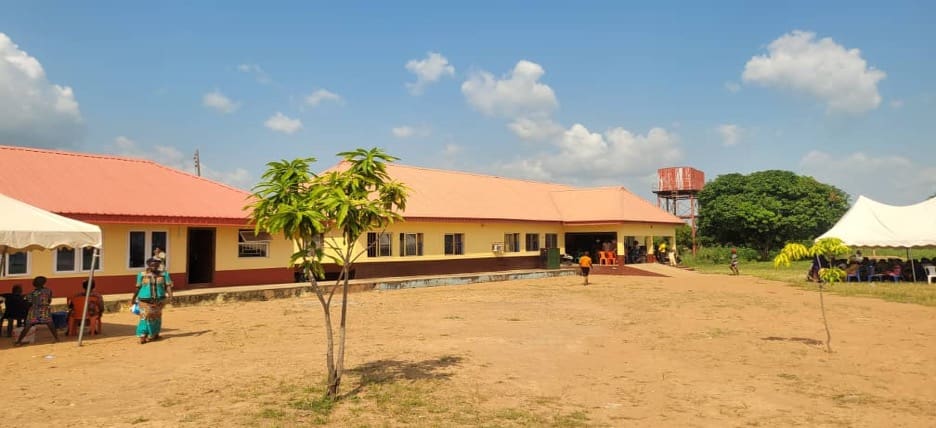
General Hospital, Katsina Ala, Benue State. Photo: Moses Ngufan
“The financial demand for travelling for treatment stopped me at some point in taking Joseph to the health facility,” James said. However, determined to see his son recover from TB, he said he sought ways to overcome the financial challenge.
What the data says
Nigeria bears the highest burden of TB cases in Africa, with 9% of 361,000 TB cases linked to children. This suggests substantial under-detection, although lawyer and child rights advocate in Kano State Niima Magaji Suleiman insist that notification figures alone cannot establish the precise number of children whose TB remains undiagnosed.
“Stigma, transportation costs, inadequate follow-up, medicine availability, and limited resources can interrupt this process,” Suleiman noted, adding that the inability to identify eligible children or offer appropriate preventive treatment raises concerns about implementing children’s health rights and the effectiveness of public health safeguards.
According to the National Tuberculosis, Buruli Ulcer and Leprosy Control Programme (NTBLCP), 458,534 TB cases were notified nationwide in 2025, representing about 89.9% of the estimated national TB burden. The data show children under 14 account for 10% of all notified TB cases.
However, the 2025 Global Tuberculosis Report estimate approximately 61,000 annual new pediatric TB cases in Nigeria, indicating nearly 23% of childhood TB cases are undetected within the health system.
Childhood TB falls under the global commitment to end the TB epidemic by 2030, as captured in the Sustainable Development Goals (SDG) target 3.3. The WHO End TB Strategy aims to reduce TB incidence by 80% and TB deaths by 90% by 2030.
Despite Nigeria adopting the SDGs on September 25, 2015, as part of the UN Agenda 2030, medical experts say meeting this target remains an uphill task.
“This looks unrealistic to achieve in the next four years,” said Dr Dasola Omolara Amusat, a general medical practitioner at Obafemi Awolowo University Teaching Hospital, Oyo State.
Experts highlight factors responsible for why Nigeria is lagging. The country’s TB burden is linked to multiple factors, with the disease thriving in low-income communities marked by poverty, malnutrition, and overcrowding. According to the Multi-dimensional Poverty Index 2025 report of the United Nations Development Programme, 33% of Nigerians live in multidimensional poverty, and poverty contributes to childhood TB through exposure, delayed care, and incomplete access to diagnosis, says Uju Onuorah, nutritionist and program manager at Nutrition Drive for Healthy Diet Initiative (NDDI) Africa.
“Overcrowded and poorly resourced households increase the opportunity for prolonged exposure, while malnutrition can increase vulnerability and complicate clinical recognition,” she added, stressing that malnutrition weakens a child’s immune system, making it difficult for the body to fight against infectious diseases.
“Once a child is malnourished, the immune system is down, and this increases the child’s vulnerability to infection, including TB,” Onuorah noted.
“A malnourished child with TB is fighting a two-front battle against infection and complications of malnutrition,” she said. The nutritionist added that for many children, TB is worsened by poor access to nutritious food and economic difficulties confronting their families.
Delays and missed diagnosis
Nigeria is still behind in early diagnoses as many cases of childhood TB remain undiagnosed. In several cases, childhood TB is mistaken for other childhood illnesses because of similar symptoms, says an infectious disease physician, Dr Tyler Evans, who explained that the “presentation overlaps almost entirely with pneumonia, severe acute malnutrition, and advanced HIV.”
“Health workers may sometimes overlook these symptoms in children without suspecting TB, with the assumption of the child being immunised at birth with BCG, a vaccine against TB,” Talatu Abdullahi, lecturer at Niger State College of Nursing and Midwifery, explained.
She said most children with suspected TB first present at primary healthcare facilities, but many PHC workers have limited training, confidence, and resources for diagnosing pediatric TB.
“TB screening is also not consistently integrated into routine child-health services, consequently resulting in children being treated repeatedly for other common childhood illnesses before TB is considered,” she added.
This, according to Dr Evans, is complicated by the fact that it is difficult to get a child’s sputum for laboratory analysis because children hardly cough up sputum on demand. “An adult coughs up sputum dense with organisms, while the children are the opposite,” he said.
But beyond these diagnostic challenges, childhood TB is sometimes seen as a spiritual problem in some local communities, said Dr Amusat, who explained that some parents resort to spiritual solutions instead of a medical approach.
“Seeking help from a native doctor worsens the situation and delays diagnosis of childhood TB,” she noted.
Closing gaps in household contact tracing
Household contact tracing is essential because children exposed to an adult with infectious TB may be at increased risk of developing the disease, said Dr Evans, who is also the Chief Executive Officer of Wellness Equity Alliance, in the United States of America.
He explained that “case-finding has to move out of the facility into the household,” adding that identifying exposed children allows healthcare workers to screen for active TB and offer preventive treatment to eligible children when appropriate, even though it does not guarantee that they complete screening or receive and finish preventive treatment.
Evidence from rural Uganda found that household-contact screening has a higher diagnostic TB yield (5.8%) than passive case finding (0.52%). Odongo et al., 2023 highlighted that household investigation effectively identifies children and should be prioritised.
Similarly, a scoping review study conducted by Chen et.al., 2026, found that home visits, community-health-worker support, transport subsidies, and free medication improved screening or treatment completion in several high-burden settings, though implementation varied substantially.
Nigeria has introduced shorter regimens such as 3HR (three months of daily isoniazid plus rifampicin) for eligible contacts, including children. These shorter, child-friendly regimens can improve adherence and reduce the burden of prolonged preventive treatment.
While these achievements are commendable, experts call for sustained efforts to move household contact TB preventive treatment coverage from 29% in 2023 to the 90% global target by the end of 2027.
Despite initiatives, funding gaps exist
There are no specific funds set aside for childhood TB intervention in the national health budget, but the interventions are integrated into broader TB interventions for adults. “Childhood TB has been poorly funded for some years now,” said Kenneth Ojobor, Project Hope Program Manager, Monitoring & Evaluation for the TB REACH Project in Nigeria.
He said this lack of dedicated funding means that even when TB services are covered under the health budget, children’s specific needs may not be clearly budgeted for and given enough priority.
Buttressing this point, Suleiman, the lawyer and child rights advocate in Kano, explained that “without a dedicated and predictable allocation, childhood TB activities risk competing with other health priorities and becoming heavily dependent on external donor funding.”
She said the government must do more than recognise children’s right to health and take practical steps to fulfil its obligation. The lawyer and child rights advocate urged the Nigerian government to ensure childhood TB interventions are appropriately costed within national and state health budgets, with transparent expenditure reporting and measurable outcomes.
However, Nigeria’s participation in the WHO/TDR supported TB Treatment Decision Algorithms for Children (TDA4Child) study contributed significantly to improvements in childhood TB detection, with WHO reporting a 258% increase in TB notifications among children aged 0–nine at participating Nigerian sites compared with the previous three years.
The findings show the potential of structured diagnostic decision-making to improve childhood TB detection.
Likewise, state-level initiatives demonstrate that effective approaches are pivotal to childhood TB detection. In Anambra State, for example, screening of children in orphanages helped identify 61 children with TB, while targeted intervention in Sokoto expanded access to diagnostic services such as chest X-rays and stool-based testing.
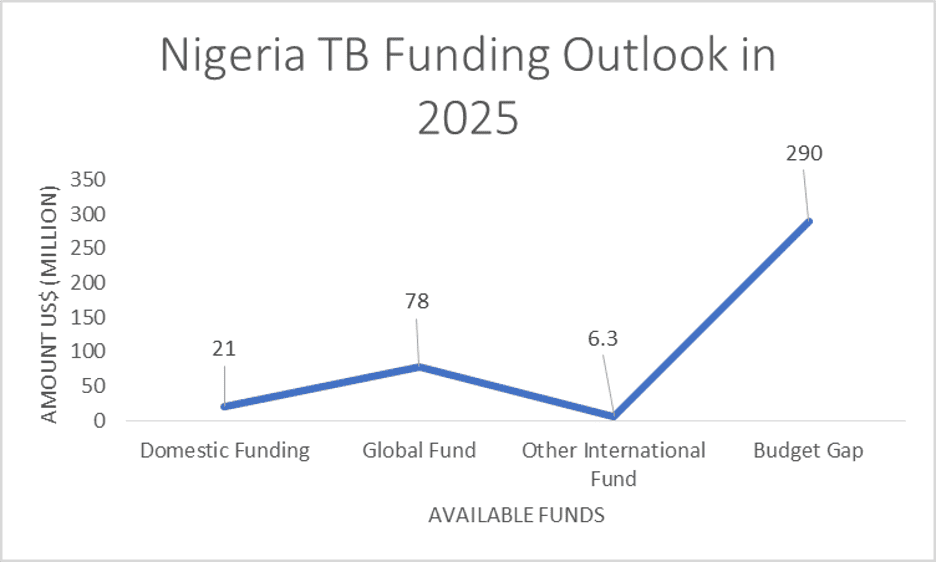
However, sustaining the gains requires adequate funding. The WHO report in 2025 identified Nigeria as having a US$290 million TB funding gap, representing 73% of the estimated US$395 million needed for its TB services.
Sources of expected funding, Source: WHO Global Tuberculosis Report, 2025Sources of expected funding. Source:WHO Global Tuberculosis Report, 2025
Policy implementation gaps
The National Health Act 2014, particularly sections 3 and 11, provides access to a basic minimum package of health services and establishes the Basic Health Care Provision Fund (BHCPF) to finance basic health services, including at primary health care.
But the BHCPF remains consistently underfunded and under-disbursed. “Parents currently have no legal recourse to compel the government to provide vital services such as GeneXpert,” said Testimony Akinkunmi, a Nigerian health law and constitutional rights lawyer.
He said the proposed TB Rights Bill seeks to protect people affected by TB from discrimination, ensure access to health services, legal aid, and enforceable remedies when their rights are violated.
He added that despite these policies, implementation remains abysmal, raising concern about the extent to which children in Nigeria can access timely TB diagnosis and treatment.
While communities can help identify symptoms and encourage early treatment, the responsibility for providing accessible and adequately funded health services rests with the government, said Dr Amusat, who stressed that “Healthcare is not about charity. Charity alone cannot sustain healthcare.”
For children like Shaibu and Eskawa, ending childhood TB means more than policies and commitments on paper. It means timely diagnosis, accessible treatment, and support that prevents poverty from standing between a sick child and recovery.
Without sustained investment and effective implementation, Nigeria risks leaving more children behind in its pursuit of ending TB by 2030.
This report was supported by Moxii Africa as part of the Isu Elihle Awards.
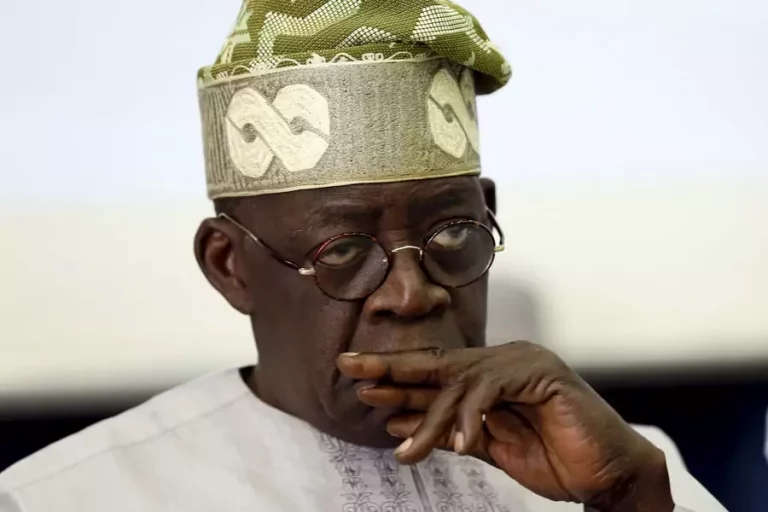
SOME Nigerians on Friday chanted “Ba ma so” and “Ba ma yi”, meaning “we do not want you”, and threw stones at President Bola Tinubu’s convoy after he attended Juma’at prayers in Abuja.
The incident occurred shortly after Tinubu attended Juma’at prayers at the Shagari Mosque in Area 1, Garki, Abuja, on November 13.
Videos circulating on social media (here, here, here, and here), showed groups of angry youths chanting the Hausa expressions of rejection as vehicles in the convoy attempted to leave the mosque.
Some of the people in the videos were seen shouting “Ba ma so” and “Ba ma yi” while throwing stones at the vehicles and security operatives from behind an iron barrier.
Security operatives accompanying the convoy were also seen drawing their weapons as the situation became tense.
In another video, some youths were seen destroying posters bearing the insignia of the All Progressives Congress (APC), the ruling party, while expressing opposition to Tinubu.
One of the videos showed what appeared to be the president’s official vehicle, identifiable by two flags mounted on it, being escorted by security operatives as it made its way out of the area.
However, The ICIR could not independently establish whether Tinubu was inside the vehicle targeted by the stone-throwing or determine the exact sequence of events depicted in the different videos.
The videos also did not establish whether the incident resulted in injuries, arrests or damage to vehicles.
Presidential aide disputes accounts of incident
Following the circulation of the videos showing the hostile reception, the President’s Senior Adviser on Digital and New Media, O’tega Ogra, released a 14-second video showing Tinubu greeting some worshippers after the Friday prayers.
The aide shared the footage to counter what he described as a misleading narrative being promoted by opposition supporters about the president’s visit to the mosque.
“Contrary to the narrative being pushed by the opposition, with videos of their alleged paid thugs at the Central Mosque today, here is footage of Mr. President leaving the mosque after Friday prayers this afternoon,” the aide said.
The footage showed Tinubu greeting a section of the worshippers, but The ICIR could not independently establish whether it was recorded as the president arrived at or departed from the mosque.
Tinubu directs security agencies to use ‘full force’ against thuggery ahead of 2027 elections
However, later that evening, Tinubu issued a statement condemning violence at political events and urging political leaders and their supporters to avoid actions capable of undermining peaceful political activities ahead of the 2027 general elections.
The president said political campaigns should focus on competing ideas and policies that improve the lives of Nigerians.
“Violence should never have a place in our political campaigns as we move toward the 2027 general elections.”
Tinubu said he was committed to ensuring a peaceful, free and fair election, urging political leaders and supporters across party lines to conduct themselves responsibly.
He argued that political differences and competing ambitions should not turn Nigerians into enemies.
“As Nigerians, we are members of the same household living in different rooms. Therefore, our politics must elevate human conditions and focus on national progress and development,” he said.
The president also reiterated his directive to security agencies to deal firmly with individuals involved in activities capable of disrupting public order.
“Security agencies are therefore authorised to confront thuggery and other anti-social and anti-democratic activities with full force,” he said.
THE Federal Character Commission (FCC) has filed a four-count criminal charge against the Nigeria Customs Service (NCS) and its Comptroller-General, Bashir Adeniyi, over alleged breaches of federal character requirements in the Service’s 2025/2026 recruitment exercise.
The charge, reportedly filed on Thursday at the Federal High Court in Abuja, according to Punch, accused the Customs Service and Adeniyi of obstructing the commission’s oversight of the recruitment exercise by withholding relevant records, disregarding monitoring requirements and proceeding with the recruitment despite a suspension directive.
In the first count, the commission alleged that the NCS failed to submit its nominal rolls for the recruitment exercise despite receiving a formal request in a letter dated March 25, 2026.
It also accused Adeniyi of allowing the Service to disregard the commission’s request, an alleged violation of Section 14(3)(b) of the Federal Character Commission (Establishment, etc.) Act, 2004.
“That you Bashir Adewale Adeniyi, being an officer of the 1st Defendant, recklessly, negligently or willfully acquiesced in the 1st Defendant’s failure to comply with the directives of the Commission, thereby committed an offence contrary to Section 14(3) (b) of the Federal Character Commission (Establishment, etc.) Act, Cap. F7, LFN 2004 and punishable under Section 15 of the Federal Character Commission (Establishment, etc.) Act, Cap. F7, LFN 2004,” the first count read.
The second count accused the defendants of failing to submit themselves to the commission for monitoring at relevant stages of the recruitment exercise between September 14 and October 7, 2026.
The Commission further alleged that the Customs Service continued its recruitment and training activities despite receiving a letter dated October 23, 2026, directing it to suspend the exercise pending a review.
According to the third count, the Service ignored the directive and failed to preserve relevant recruitment records or provide the commission access to monitor the process.
In the fourth count, the commission accused the defendants of failing to provide clear eligibility requirements and comprehensive recruitment guidelines despite repeated requests between January 30 and October 20, 2026.
It said the failure prevented it from determining the distribution of vacancies across states and geopolitical zones, as required under the federal character principle.
The charges were filed under Section 14(3) of the Federal Character Commission Act and are punishable under Section 15 of the legislation.
The commission listed three witnesses for the trial: Abdulwasiu K. Bawa-Allah, chairman of its Committee on Financial Services; Isa Jibrin Bida, a committee member; and Usman Yaruwa, the committee’s clerk.
The court action followed a disagreement between the two agencies over the Customs Service’s recruitment process, particularly complaints by applicants who said they were shortlisted but subsequently excluded from the training programme.
On October 23, the commission directed the NCS to suspend its recruitment training, alleging irregularities in the selection process.
It claimed that hundreds of applicants who had completed screening and medical examinations were excluded from the training, while some candidates whose names were absent from the published final list allegedly received invitations.
The commission also questioned whether the recruitment exercise had been adequately monitored and whether the Customs Service obtained the required certificate of compliance before inviting successful candidates for training.
Its reactions followed the Custom Service’s announcement that over 3,000 applicants were successful in the recruitment exercise out of 573,680 applications received.
MALAYSIAN immigration authorities have arrested 59 foreign nationals during raids on eight business premises in Selangor, a day after a Nigerian man reportedly attacked a police officer with two machetes, severing the officer’s right hand before he was shot dead.
The Immigration Department said the arrests followed two weeks of intelligence gathering and complaints that some foreigners were using business premises as accommodation and hiding places to evade detection.
The operation, which began at 1pm on Thursday, November 12, involved 17 immigration enforcement officers.
According to the department’s Director-General, Datuk Zakaria Shaaban, 152 people were screened during the operation, comprising 75 Malaysians and 77 foreign nationals.
Of the foreigners screened, 59, comprising 53 men and six women, were arrested over suspected immigration offences.
The offences included failure to possess valid travel documents, overstaying and misuse of immigration passes.
The immigration authorities said the arrested foreigners had been transferred to detention depots for further investigation under Malaysia’s Immigration Act 1959/63 and Immigration Regulations 1963.
The department did not disclose the nationalities of those arrested.
The operation came a day after a Nigerian man allegedly attacked Malaysian police officers and other emergency responders with two machetes in Desa Aman Puri, Kepong, on Wednesday, November 11.
According to Malaysian news agency Bernama, the incident occurred after police received a report around 4pm about a man behaving aggressively at a residential property.
When police officers, firefighters and health personnel arrived and attempted to assess the situation, the suspect allegedly attacked them with two machetes.
A 26-year-old police lance corporal attached to the Gombak District Police Headquarters’ Mobile Patrol Vehicle unit suffered a severed right wrist and injuries to his head and body.
Several firefighters and health personnel also sustained minor injuries.
The suspect fled the scene but was later located at a nearby playground between 7pm and 8pm.
Police said he attacked officers again with a machete when they attempted to arrest him, prompting them to fire several shots.
He was subsequently taken to hospital but died from his injuries.
Malaysian media later identified the suspect as a Nigerian national.
The injured police officer was transferred to Kuala Lumpur Hospital, where surgeons successfully reattached his severed hand following a seven-hour operation.
On Friday, November 13, Selangor Police Chief Datuk Shazeli Kahar said an acquaintance of the suspect had previously lodged a report indicating that he was believed to have a mental disorder.
53 Nigerians arrested between January and October
Meanwhile, Malaysia’s Immigration Department has disclosed that 53 Nigerians were among 112 African nationals arrested for immigration offences between January and October 2026.
The figures were disclosed by Immigration Director-General Zakaria Shaaban in an interview with Malaysian newspaper Utusan Malaysia, published on Friday, November 13, 2026.
According to the report, Nigerians recorded the highest number of arrests among African nationals during the period, followed by Uganda with 13, Kenya with 10 and Ghana with eight.
Other nationals arrested included six Somalis, six Tanzanians, four Senegalese, three Algerians, two Burkinabes, two Togolese and two Gambians, while Guinea, Zimbabwe and Libya recorded one arrest each.
Shaaban said the most common offence was entering or remaining in Malaysia without a valid pass or permit, contrary to Section 6(1)(c) of the Immigration Act 1959/63.
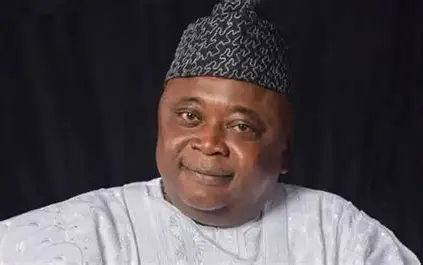
THE Federal High Court in Abuja on Friday ordered the Independent National Electoral Commission (INEC) to, within 24 hours, publish Oladipupo Adebutu’s name as Peoples Democratic Party (PDP)’s candidate for the 2027 Ogun governorship election.
One of the court’s justices, Peter Lifu, in a ruling, held that INEC had no powers to unilaterally remove the name of a validly nominated candidate by a political party.
Lifu held that the commission’s action was unconstitutional, unlawful and was of no effect.
He said only the Federal High Court or the state’s high court that has the power to declare a candidate invalid and not the commission.
He held that INEC breached Adebutu’s right to fair hearing. The judge, who dismissed the preliminary objection filed by INEC, declared that the suit was competent.
The News Agency of Nigeria (NAN) reports that the PDP and Adebutu had, on October 22, filed the suit following the removal of Adebutu’s name from the list of contestants of governorship seat in Ogun.
The plaintiffs sued INEC as sole defendant in the suit filed by their lawyer, Ahmed Raji, a senior advocate. The plaintiffs, who sought six questions for determination, prayed the court for 11 reliefs.
They sought an order setting aside the commission’s decision to omit, remove or refuse to publish Adebutu’s name in the final list of candidates published on October 10 for denial of fair hearing and violation of the provisions of Section 29 and Section 32 of the Electoral Act, 2026.
They also sought an order directing or compelling “the defendant to, within twenty-four (24) hours of the order/orders of this honourable court, include and/or publish the name of the 2nd plaintiff as the 1st plaintiff’s governorship candidate for Ogun State in the forthcoming 2027 General Election,” among other reliefs.(NAN)
The ICIR reports that the major contenders for the Ogun State governorship seat include Solomon Olamilekan Adeola, a serving senator and candidate of the All Progressives Congress (APC), and Lawal Jimi Adebisi of the African Democratic Congress (ADC). The election is scheduled for February 6, 2027.
MICROSOFT says efforts to repair a major outage of Outlook were not going as expected and that the firm was seeking alternative solutions as users worldwide were left without its crucial services.
According to an AFP report on Thursday, the hours-long disruption, which Microsoft attributed to “elevated load” on its infrastructure, has hit email as well as products such as Teams and the AI assistant Copilot.
The outage has had a global impact, with users ranging from companies to governments reporting that they were unable to communicate via Outlook.
“We’ve monitored the status of the changes applied to improve serviceability and confirmed they’re not taking as expected.
“We’re identifying alternate workstreams that can be applied to increase capacity,” the tech giant added, without saying when service was expected to be fully restored.
The disruption went global within an hour, knocking out Microsoft products in 74 countries and territories, outage tracker Downdetector reported.
A Downdetector map posted on X showed the outage affected users across the Americas and parts of Europe, Asia and Africa.
One of the impacted countries was New Zealand, where the foreign ministry sent a notice saying its “ability to receive emails has been affected by the global Microsoft outage.
This also impacts all New Zealand Embassies, Consulates and Representative Offices around the world.”
Microsoft initially said it was investigating outage reports “in the Americas,” but later confirmed that the issue apparently affected “Microsoft 365 service connectivity for users in any region.”
Microsoft 365 is the company’s cloud-based subscription service that includes popular applications such as Outlook and Teams, said the AFP report.
“We’ve determined a portion of infrastructure is experiencing elevated load across multiple regions, which is likely contributing to the connectivity errors,” the company wrote on X.
“We’re aggressively pursuing all pathways to reduce impact,” it added.
Downdetector, which tracks online outages, showed a sharp decline around 0450 GMT in users’ reports of disruptions in Washington and Hong Kong.
Thousands of users also reported issues with Teams and Copilot, according to Downdetector.
As the outage dragged on for hours, Microsoft posted a series of updates on X, detailing continued but unsuccessful efforts to restore full service.
In one update shortly after 6 pm Eastern Time (2300 GMT), Microsoft said it was “observing limited recovery” as it sought to route user traffic away from affected servers.
“As capacity is restored, users may experience a gradual recovery as their clients reconnect,” the company added. (NAN)
THE founder of the Foundation for Investigative Journalism (FIJ) Fisayo Soyombo, has announced plans to appear before the Federal High Court in Abuja on December 1, 2026, for his arraignment in a criminal case involving investigative reports published by the organisation.
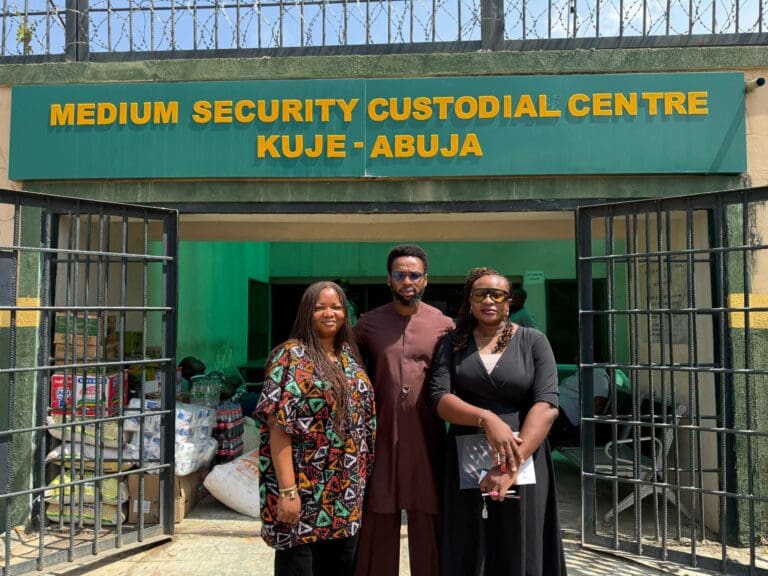
Soyombo disclosed this on Thursday, November 12, after visiting Daniel Ojukwu, an FIJ journalist who authored the reports, at the Kuje Correctional Centre in Abuja following his remand over the publications.
He said he had decided to appear in court as the second defendant in the case, despite not having been personally served with the criminal charge or proof of evidence.
“I understand that the Inspector General of Police deemed me ‘at large’ and asked for a bench warrant to arrest me and bring me to court. That won’t be necessary; I’ll be in court,” he said.
He, however, said he had not received any criminal charge or proof of evidence, either personally or through substituted service.
He said he would nevertheless attend the December 1 proceedings out of respect for the court.
“The law requires the IGP to ensure personal service of the Criminal Charge and proof of evidence on me; this has not been done but I will appear in court as a show of respect for the court. A truthteller has nothing to fear or any reason to run,” he said.
Soyombo also described Ojukwu as being in good spirits during his visit to the Kuje Correctional Centre, saying the journalist remained cheerful, smiled throughout their interaction and joked despite his continued detention.
Nevertheless, Soyombo expressed concern about Ojukwu’s health, particularly his longstanding battle with asthma.
The visit was also attended by Funke Adeoye, founder of Hope Behind Bars Africa, and Busola Ajibola, deputy director of journalism at the Centre for Journalism Innovation and Development (CJID).
Backstory
The ICIR reports that Ojukwu is being prosecuted alongside Soyombo over five investigative reports published by FIJ between November 2023 and January 2024, questioning expenditure by the Office of the Senior Special Assistant to the President on Sustainable Development Goals (OSSAP-SDGs), then headed by Adejoke Orelope-Adefulire.
The Inspector-General of Police filed a 12-count charge dated September 19, 2024, accusing the journalists of conspiracy to commit cyberstalking and criminal defamation against Orelope-Adefulire, a former aide to the late President Muhammadu Buhari.
One of the investigations, published on November 7, 2023, was titled, “Special Report: 2 Weeks Before End of Buhari’s Tenure, Special Assistant, Adefulire Paid a Restaurant N147.1m to Build Classrooms in Lagos. A Lot Was Amiss.”
The report examined an alleged payment of ₦147.1 million by OSSAP-SDGs to Enseno Global Ventures Limited for a skill acquisition centre and classrooms at Ajeromi Primary School in Lagos.
During a visit to the school in October 2023, FIJ reportedly found the facility dilapidated and understaffed, with no visible evidence of the reported construction. A mosque also stood on the site where the school was expected to be built.
Corporate Affairs Commission records cited in the investigation showed that Enseno Global Ventures was registered in 2019 as an inactive company without tax filings. Its registered address reportedly operated as a restaurant, whose owner denied knowledge of the contract.
Another FIJ investigation questioned a ₦47.5 million payment for classroom construction projects and reported that solar panels installed at some of the projects stopped working shortly after completion.
The police charge alleged that the publications exposed Orelope-Adefulire to danger, violence or bodily harm. The prosecution is relying on provisions of the Cybercrimes (Prohibition, Prevention, etc.) Act 2015, as amended in 2024, and the Criminal Code Act.
Ojukwu pleaded not guilty to all 12 counts when he was arraigned before a judge ,Joyce Abdulmalik, of the Federal High Court in Abuja on November 10.
The judge ordered his remand at the Kuje Correctional and Custodial Centre and adjourned the case until December 1 for the hearing of his bail application.
During the proceedings, the prosecution also requested a bench warrant against Soyombo, claiming he was at large. The judge rejected the request, ruling that a bench warrant could not be issued against a defendant who had never been brought before the court.
The ICIR reported that the journalist’s current detention comes more than two years after police officers arrested and detained him for 10 days over the same investigative reports.
SUSPECTED thugs have attacked supporters of the Nigeria Democratic Congress (NDC) during a town hall meeting organised for the party’s presidential candidate, Peter Obi, in Lagos State.
The attack, which occurred around 11am on Thursday, November 12, at Oregun, Ikeja, disrupted proceedings and forced participants to flee as the attackers invaded the venue with weapons.
The hoodlums, armed with cutlasses, cudgels and stones, attempted to gain access to the main hall but were initially resisted by NDC supporters, TheCable reported.
The newspaper reported seeing the attackers approach from Kudirat Abiola Road in Oregun.
The assailants were reportedly heard discussing how to overpower the NDC supporters, with some asking their superiors for permission to invade the venue with guns.
However, the NDC supporters fought back, confronting the aggressors and preventing them from taking over the venue.
Videos shared online showed the NDC supporters resisting the suspected thugs, while one of the alleged attackers was apprehended by party members and beaten.
In another video reported by News Central, the arrested suspect denied being sponsored by anyone to attack the gathering, saying that he only came to the venue to beg for money.
NDC supporters take to streets
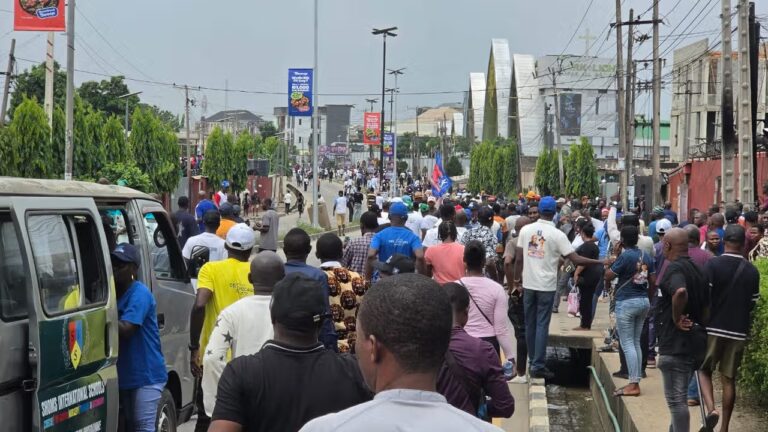
Following the attack, videos circulated online showing groups of NDC supporters gathering on the streets around the venue.
Some of the supporters said they would protect Obi ahead of his expected visit to the town hall, while others vowed to resist further attempts to disrupt the gathering.
The videos showed NDC supporters remaining in the area despite the earlier violence, amid persistent concerns about the safety of the party’s presidential candidate and other members.
In another video shared by The Cable, some of the party backers were seeing repelling the machete-wielding thugs with stones and planks.
The Lagos State chapter of the NDC also shared a video showing the chaos at the venue and the confrontation between its members and the suspected assailants.
The party has, however, yet to issue an official statement explaining the circumstances surrounding the incident.
The ICIR reached out to the Lagos State Police Command spokesperson, Abimbola Adebisi, for comments on the incident, the reported arrest and the alleged assault on the suspect. However, she neither answered calls nor responded to a WhatsApp message sent to her as at the time of filing this report.
Obi influence in Lagos
The ICIR reports that the attack comes as political activities gather momentum ahead of the 2027 general elections, with the NDC presenting Obi and Kwankwaso as its presidential and vice-presidential candidates.
Obi, a former governor of Anambra State, was the Labour Party’s presidential candidate in the 2023 election. He secured more than six million votes nationwide, finishing third behind the Peoples’ Democratic Party’s (PDP) Atiku Abubakar and the All Progressives Congress’ (APC) Bola Tinubu, who won the poll and is now seeking re-election.
Kwankwaso, a former governor of Kano State, contested the 2023 presidential election under the New Nigeria People’s Party (NNPP), polling about 1.5 million votes nationally.
The NDC subsequently adopted Obi as its presidential candidate for the 2027 election, with Kwankwaso as his running mate.
The tension in Lagos is heightened by Lagos State’s historical association with Tinubu, who governed the state from 1999 to 2007 and built a formidable political structure there before becoming president.
Lagos has traditionally been regarded as one of Tinubu’s strongest political bases and an APC stronghold.
However, Obi defeated Tinubu in Lagos in the 2023 presidential election, polling 582,454 votes against the APC candidate’s 572,606 votes, according to results declared by the Independent National Electoral Commission (INEC).
Recent attacks raise concerns ahead of 2027
Thursday’s attack comes amid a series of violent incidents involving political gatherings and opposition figures in different parts of the country within the past week.
On November 4, suspected hoodlums attacked Obi’s convoy around Watt Market Roundabout in Calabar, Cross River State, as he returned from a visit to the palace of the Obong of Calabar.
The attackers, reportedly armed with machetes and sticks, smashed the windscreens of vehicles in the convoy.
The Cross River State Police Command subsequently announced the arrest of a 27-year-old suspect, identified as Victor Edet Yellow Duke, in connection with the incident. The police said efforts were ongoing to apprehend other suspects.
On November 7, violence also disrupted an NDC supporters’ rally organised by the Obidient/OK Movement along Nnebisi Road in Asaba, Delta State.
The incident left one person dead and several others injured, according to the Delta State Police Command, which said it had commenced an investigation to establish the circumstances surrounding the violence and identify those responsible.
On November 11, the convoy of the Peoples’ Democratic Party’s (PDP) governorship candidate in Gombe State, Isa Ali Pantami, was also attacked by suspected political thugs.
The incident occurred around Jekadafari Road in Gombe as Pantami arrived in the state for a reception organised by the PDP following his emergence as the party’s governorship candidate.