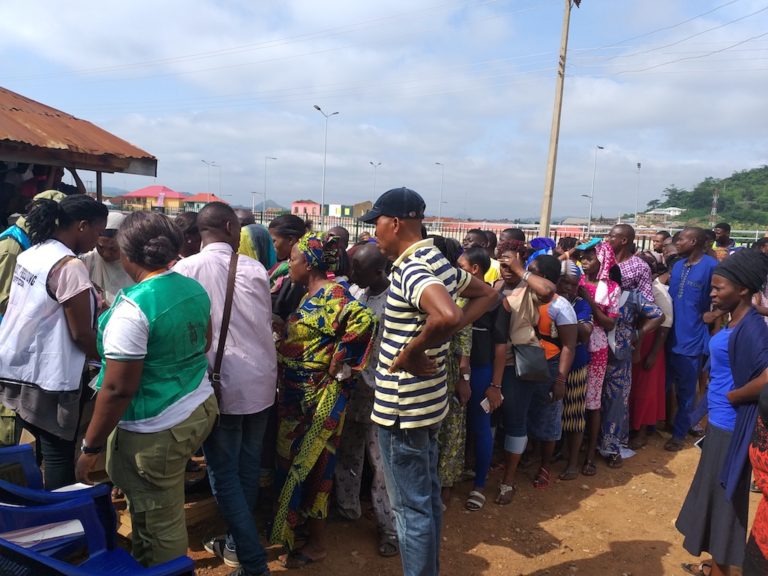
AHEAD of Nigeria’s general elections in January and February 2027, Africa Confidential warns that “turnout in the elections is likely to be even lower than the average 26.7 per cent four years ago. Nigerian voters are among the least enthusiastic in the world…. Out of more than 93.4 million registered voters, 24.9 million total votes were cast. This represented an 8.03-point decline from the 2019 elections and was the lowest voter turnout since Nigeria’s return to civilian rule in 1999.”
Complaints about “voter apathy” are the staple of Nigeria’s electoral commentariat. The numbers and patterns seem to bear this out. In 1999, turnout was 52.3 per cent. Officially, it grew to 69 per cent in 2003; and has fallen since then to 57.5 per cent in 2007; 53.7 per cent in 2011; 43.7 per cent in 2015; and 34.8 per cent in 2019, before cratering to 26.7 per cent in 2023.
These claims require us to accord credibility to the underlying numbers from the Independent National Electoral Commission (INEC). That begins with belief in the baseline of INEC’s electoral register against which turnout is judged. If that register is flawed, then all calculations hinged on it also suffer.
Yet, the foundational affliction underlying of Nigeria’s elections is not in INEC’s numbers. Rather, it is an absence of credible demographic management system against which to verify INEC’s claims.
The National Population Commission (NPoPC) claims 53 per cent of births in the country are registered and only 10 per cent of deaths are. The implications of this for the credibility of the electoral register should worry everyone.
To be sure, electoral rolls are ambulatory. People are not static: we move; relocate, and die too. This is why a demographic management system is essential. In Nigeria, this does not exist.
A register of voters does not automatically change because a person whose name is on it has died. But a person should also not be on the register one decade after their death. In Nigeria, there is no way of stopping this.
These define the many curiosities about Nigeria’s voting numbers. First, they bear no rational relationship to wider demographic trends. Nigeria’s pattern of supposedly precipitous collapse in voter turnout, for instance, is inversely proportional to both baseline population and civic gripe.
In 1999, Nigeria’s population was estimated to be 115,766,000. Nigeria’s current population is estimated at 244 million. That means the country has more than doubled its population since 1999 by 128,234,000 or 110.77 per cent.
Over the same period, the voting roll has grown by 81.4 per cent, even as life expectancy in the intervening quarter century has increased by about nine years. If life expectancy is growing with the population and crude death rates falling, then the rate of growth in the voting population should ordinarily outstrip the underlying population growth rate.
In over 20 years from 1999 to 2023, Nigeria’s population rose by about 87 per cent but the register of voters grew by 36,530,063 or 63.05 per cent. The mismatch between the two trendlines is significant.
In 1999, Nigeria had 57.94 million registered voters. This rose by 2.88 million or 4.97 per cent to 60.82 million in 2003 and then by a mere three-quarters of a million or 1.23 per cent to 61.57 million in 2007. By 2011, the number of registered voters climbed by over 12 million (20.5 per cent) to 73.53 million, representing an average yearly growth rate of nearly 5.12 per cent, where previously it had grown by 1.24 per cent in 1999-2003 and 0.3 per cent between 2003-2007.
By 2015, the population of registered voters fell to 68.83 million, a deficit of 4.7 million voters or 6.39 per cent, representing an annualised rate of reversal of 1.6 per cent. Yet, over the same period, Nigeria, a country with a median age of just under 18 years, had grown in population from an estimated 162.9 million to 181.2 million, an increase of 15.174 million or 11.23 per cent, representing an annual growth rate of 2.8 per cent.
The patterns from these numbers do not lend themselves to easy explanations. It is possible to speculate about what may explain this significant delta in growth between the general population and register of voters. Rational factors such as migration; agency dysfunctions in INEC; civic inertia or disaffection; or high transaction costs may be relevant. But there remain worrying patterns that are not easily accounted for even by all these.
This leads to a second issue: Nigeria’s register of voters has always had invalid voters. The current register of voters in Nigeria dates back to November 2010 when the Attahiru Jega-led INEC set about establishing a credible register of voters for the country. The commission had limited time to authenticate the raw data before the 2011 general election.
When the Automatic Fingerprint Identification System (AFIS) finished its work on the 2011 register nearly four years later, INEC invalidated 4.7 million entries, which reduced the number of registered voters from 73.53 in 2011 to 68.83 in 2015 but not before these invalid 4.7 million were eligible to vote in 2011.
Third, the biggest problem may be dead voters. That’s an oxymoron because the dead should not vote. In 2022, INEC explained that it could not expunge the dead from the register because “the country does not have reliable data of births and deaths and the commission cannot engage in arbitrary removal of the names of individuals it suspects are deceased.”
This has not changed. It means we have no way of knowing how many ghosts there are among the 103.4 million on INEC’s current register. By failing to display the register as required by law, the commission does not even care to disabuse suspicions that its register may be bloated. Its response to non-compliance is institutional insouciance.
Nigeria’s register of voters is the classic Hotel California: it is “programmed to receive” and, for anyone with their name on it, “you can check out any time you like but you can never leave.” The implications of this for electoral integrity are staggering.
An illustrative exercise may help. Nigerian law allows adults alone to vote. The World Bank estimates the country’s crude mortality rate at 11.64 per 1000. Applied to a baseline from 2011, that is about 34,748,845 dead in 15 years.
But not all these will be adults. Mortality rate for under-5s is 117 per 1000 live births. That’s 700,000 to 855,000 under-five child deaths yearly. To 2025, that could be about 12 million dead under-fives since 2011.
Adjusting the crude death rates for mortality among infants, children, and adolescents, there could be about 18-20 million people liable to be lanced from the electoral register since 2011. Applying the same methodology to a baseline of the 2023 register, that could be up to five million dead people alone on the register since the last election.
In its latest announcement, however, INEC said it captured a total of 10,772,421 new voters. It has not accounted for deaths or natural attrition.
Almost assuredly, INEC’s 103.4 million voters is corpulent. When you look at the numbers on INEC’s register and account for the fact that the baseline data goes back to 2011, there is a reasonable likelihood that up to about 25 per cent on it could be dead or dud. That should put all the talk about voter apathy in perspective. But this story has a uniquely Nigerian sting: our diaspora on earth may not have a vote, but we may have a diaspora in Heaven with a veto.
THE Socio-Economic Rights and Accountability Project (SERAP) have dragged the Tinubu Administration before the ECOWAS Community Court of Justice over alleged financial irregularities involving more than N78.8 billion earmarked for federal cash-transfer and social protection programmes.
In a statement released on Sunday, the suit follows findings in the Auditor-General of the Federation’s 2024 Annual Report, published on August 7, 2026, which flagged billions of naira in questioned payments involving the Ministry of Humanitarian Affairs and Poverty Reduction, the National Cash Transfer Office (NCTO) and the National Social Safety Nets Coordinating Office (NASSCO).
“The failure to investigate the ₦78.8 billion cash-transfer scandal, account for the questioned funds and recover any unlawfully spent amounts violates Nigeria’s obligations to protect the human rights of vulnerable households,” the statement read.
In the suit, numbered ECW/CCJ/APP/42/26 and filed last week in Abuja, SERAP is asking the court to compel the government to account for the funds, investigate the alleged irregularities, recover any money found to have been improperly spent or diverted, and hold those responsible accountable in accordance with due process.
The organisation is also seeking an order directing the government to strengthen financial oversight and beneficiary verification mechanisms to ensure that vulnerable households receive the assistance intended for them.
According to SERAP, the questioned funds were meant to support more than 3.2 million households across 35 states and the Auditor-General questioned approximately N33.751 billion reportedly transferred to more than 3.2 million households across 35 states in 2023, citing the absence of adequate records to verify the payments and reconcile beneficiary information.
The report also identified N36.744 billion in payments allegedly made without prepayment audits and N4.616 billion in expenditures without adequate supporting documents, including other questionable transactions like N350.182 million reportedly spent on enrolment, N89.511 million for store purchases and N17.422 million in diesel advances.
The findings raise questions about the adequacy of financial controls, documentation and monitoring within the agencies responsible for administering the cash-transfer programmes.
SERAP argues that the failure to account for the funds and adequately investigate the identified irregularities could undermine the rights of vulnerable Nigerians to social security and an adequate standard of living, including access to food, clothing and housing.
The organisation contends that the government’s human rights obligations extend beyond establishing social protection programmes to ensuring that public funds allocated to them are properly managed and reach eligible beneficiaries.
SERAP further argues that inadequate beneficiary records, weak financial reconciliation and the absence of effective oversight could expose intended beneficiaries to exclusion from assistance designed to meet their basic needs.
It is relying on provisions of the African Charter on Human and Peoples’ Rights and the United Nations Convention against Corruption, which address human rights protection, the safeguarding of public resources and transparent public financial management.
The organisation is also invoking Article 9(4) of the ECOWAS Court Protocol as the basis for bringing the public-interest action.
According to the suit, SERAP had earlier urged President Bola Tinubu and relevant authorities to address the Auditor-General’s findings.
In a letter dated September 5, 2026, the organisation requested a comprehensive account of the questioned funds, publication of relevant audit records, investigations into irregular expenditures and the recovery of any funds established to have been unlawfully spent or diverted.
It also requested payment and beneficiary records, verification documents and an explanation for the missing REMITA records, noting that the deadline it gave the government to respond had expired without adequate action, prompting the litigation.
The organisation maintained that the failure to investigate the findings and provide effective remedies could constitute a continuing breach of Nigeria’s international human rights obligations.
Beyond seeking a declaration that the government’s failure to address the financial irregularities violates its international obligations where protected rights are impaired or placed at risk, SERAP wants the court to order the relevant agencies to provide a comprehensive and verifiable account of the questioned funds.
It is also asking the court to direct an independent, prompt and effective investigation into the alleged irregularities, the recovery of public funds found to have been improperly spent or diverted, and appropriate legal or administrative action against anyone found responsible.
Other reliefs sought include stronger financial accountability, auditing, beneficiary verification, reconciliation and oversight mechanisms across federal cash-transfer and social protection programmes.
SERAP is further asking the court to compel the government to take effective measures to ensure that eligible vulnerable individuals and households receive their intended benefits and that any established harm to their protected rights is remedied.
The organisation argues that public funds allocated to social protection must be managed transparently and in accordance with Nigeria’s human rights obligations, particularly where millions of vulnerable people depend on the programmes for financial assistance.
No date has been fixed for the hearing of the suit.
NURSING professionals have called for improved welfare, increased training opportunities and greater inclusion in health sector decision-making, warning that the shortage of oncology nurses is undermining cancer care in Nigeria.
They made call in separate interviews with the News Agency of Nigeria (NAN) in Abuja.
According to the National Institute for Cancer Research and Treatment (NICRAT), Nigeria records 102,000 to 127, 763 new cancer cases and approximately 72,000 to 79,542 cancer related deaths annually.
They noted that the country lacked sufficient specialists to meet the increasing demand for cancer care, added that the migration of trained nurses to other countries further worsen the situation.
Khadijat Musah, a professor and Dean of the Faculty of Nursing Sciences, Federal University Otuoke, Bayelsa State, estimated that Nigeria had about 300 oncology nurses.
Musah expressed concern over the migration of trained nurses and urged the government to address their welfare.
“I am using this opportunity to thank the leadership of Nigeria and everybody in government. But they should try and look into the welfare of oncology nurses,” she said.
She said only two institutions in Nigeria trained oncology nurses, with each admitting up to 50 candidates depending on available resources and capacity.
According to her, some universities have introduced postgraduate programmes in oncology nursing, including masters and doctoral degrees.
“Our voices need to be heard because we are patient advocates. We see them go through the pain,” Musah said.
She said nurses’ close contact with patients gave them first-hand knowledge of the challenges people faced during cancer treatment and recovery.
Also speaking, an oncology nurse, Ann Joachim, described the shortage of trained specialists as a major challenge.
“We are short-staffed. We have limited number of trained oncology nurses.
“You find out that a nurse will sacrifice her time, her talent, her skill just to acquire the specialty she needs as an oncology nurse,” Joachim said.
She said oncology nurses were not adequately rewarded for their specialised skills and also faced occupational risks associated with cancer care.
In spite of the challenges, Joachim encouraged young nurses to specialise in oncology.
“I will advise them to come into the profession. If not for anything, for the love, for the compassion, for the ability to participate in curtailing this disease called cancer,” she said.
The Vice President of the Oncology Nursing Society of Nigeria, Fatima Adam, underscored the critical role oncology nurses played in cancer treatment.
Adam, who works at the Federal Teaching Hospital, Katsina, said no multidisciplinary cancer care team was complete without an oncology nurse.
“In cancer care today, we talk about the multidisciplinary team (MDT), which is never complete without an oncology nurse, who is always at the bedside of the patient 24/7,” she said.
She also advocated early exposure of nursing students to oncology to encourage more young professionals to specialise in the field.
“Catch them young,” Adam said.
Similarly, Nanre Mampak, an oncology nurse and educator with more than 20 years of experience, called for nurses to be included in decisions affecting healthcare delivery.
“People who know nothing about nurses go to take decisions and ask nurses to implement.
“My advice for Nigerian government is that let us make nurses fully inclusive in decision-making in the health sector,” she said. (NAN)
PUBLIC health physicians have warned that El Niño-related weather changes could increase Nigerians’ risk of heat-related illnesses, waterborne diseases and malnutrition.
El Niño is a natural climate phenomenon characterised by unusually warm sea-surface temperatures in the central and eastern tropical Pacific Ocean, which can influence weather patterns worldwide.
The World Health Organisation (WHO) on August 12, identified heat-related illnesses, waterborne and vector-borne diseases, malnutrition and disruptions to essential health services among the potential health risks associated with El Niño.
Similarly, the Nigerian Meteorological Agency (NIMeT), in its 2026 Seasonal Climate Prediction, presented in Abuja on February 10, forecast above-normal temperatures across most parts of Nigeria, alongside variations in rainfall patterns.
A consultant public health physician at the Ikorodu General Hospital, Lagos State, in an interview with the News Agency of Nigeria, said prolonged heat could cause dehydration, heat exhaustion, heatstroke, cardiovascular strain and kidney complications.
She explained that changes in temperature, rainfall and humidity could affect mosquito breeding patterns, potentially increasing or decreasing malaria transmission in different locations.
The physician said that flooding could contaminate drinking water and food supplies, increasing the risk of cholera, acute watery diarrhoea and other waterborne diseases.
She added that prolonged dry spells and water shortages could reduce crop production, increase food prices and worsen malnutrition, particularly among children and pregnant women.
“Infants, young children, older adults, pregnant women and people with chronic illnesses are particularly vulnerable to extreme heat and its associated health complications,” she said.
Odusolu advised Nigerians to drink adequate safe water, wear lightweight clothing, improve indoor ventilation and reduce strenuous outdoor activities during the hottest periods of the day.
“Heatstroke is a medical emergency, especially when a person develops confusion, collapse or altered consciousness. Seek emergency care immediately and begin safe cooling while help is arranged,” she said.
She urged employers to provide drinking water, shaded resting areas and regular breaks for outdoor workers, including farmers, market traders, construction workers and sanitation workers.
The physician called on the Federal Government to strengthen climate forecasting, disease surveillance, emergency preparedness and nutrition programmes to protect vulnerable communities from climate-related health risks.
She also urged state governments to improve drainage, ensure access to safe water, establish heat-health alerts and strengthen healthcare facilities’ preparedness for disease outbreaks.
Sharing similar views, Naomi Dongo, Medical Officer and Director of Advocacy, Cancer Advocacy Nigeria, said El Niño could influence global temperatures and rainfall patterns, with varying effects across regions.
She said extreme heat could cause heat exhaustion, dehydration and potentially fatal heatstroke, while worsening existing cardiovascular, kidney, diabetic and respiratory conditions.
“Ultimately, the people with the fewest resources to protect themselves are often the ones who experience the greatest health consequences,” she said.
Dongo said children under five, older adults, pregnant women, people with chronic illnesses and outdoor workers were particularly vulnerable to extreme heat.
She advised people to drink water regularly, reduce outdoor activities during the hottest periods, wear lightweight clothing and seek shade or stay in cooler environments.
She said prolonged dry spells could reduce agricultural productivity, increase food prices and make nutritious meals less affordable, worsening malnutrition among vulnerable groups.
“Water shortage can make households obtain water from unsafe sources, increasing the risk of diarrhoeal diseases,” she said.
Dongo said that flooding could contaminate water sources with sewage, faecal matter and refuse, facilitating cholera and other diarrhoeal diseases.
She urged governments to strengthen early-warning systems, healthcare facilities, safe water supply, sanitation and drainage infrastructure to protect vulnerable communities.
She said preparedness should be adequately funded, coordinated and evaluated to prevent avoidable illnesses, protect livelihoods and ensure vulnerable populations could access essential services during extreme weather.
Another public health physician, Lilian Ochayi, warned that prolonged heat linked to El Niño could cause dehydration, heatstroke and worsen existing illnesses.
Ochayi, Public Relations Officer, Association of Public Health Physicians of Nigeria, Lagos Chapter, said changes in rainfall could also increase flooding, water contamination and infectious diseases.
She said prolonged dry spells could affect food production, increase food prices and worsen malnutrition, particularly among children and pregnant women.
According to her, infants, older adults, pregnant women, people with chronic illnesses and outdoor workers are particularly vulnerable to extreme heat.
“Early preparation, reliable public information and protection for our most vulnerable populations can prevent illness and save lives,” she said.
Ochayi urged governments to strengthen early warning systems, disease surveillance, flood preparedness, access to safe water and public education to protect vulnerable communities. (NAN)
In 2013 the Central Bank of Nigeria set up tiered KYC so that Nigerians without documents could still open a savings account. A 2026 field study of 100 branch visits across 18 banks found that what a first-time saver is asked for and told still depends on which branch they walk into.
Adepeju Toromade, Liners leadership team
IN January 2013, the Central Bank of Nigeria (CBN) told banks it had taken steps to ensure that “the socially and financially disadvantaged persons should not be precluded from opening accounts or obtaining other financial services for lack of acceptable means of identification.” The circular that said so introduced the three-tiered Know Your Customer (KYC) regime, and its lowest level asks for basic personal details with no documents to back them up.
Thirteen years later, the counter does not always follow the circular. In 2026, Liners researchers walked into 100 bank branches across 18 Nigerian banks to open the account most people open first, an individual savings account, using valid Bank Verification Numbers (BVN) and National Identification Numbers (NIN). At 54 of those 100 visits, they were asked for proof of address.
That number alone proves little, because a bank may open a higher-tier account that lawfully needs more paperwork. The more useful question for a customer is whether a request comes from the rule or from the branch, and whether anyone at the desk says which.
Methodology, scope and limitations of the branch study
The study was built to record what an ordinary first-time customer meets at the counter, using the same checks at every visit. Its full counts are published in the bank-by-bank tables on the study page. Every study figure in this article can be checked against them or worked out from them.
Method: Liners researchers opened individual naira savings accounts in person at bank branches, using valid BVNs and NINs. Most banks were visited by several independent researchers. At each visit, they logged:
The BVN and NIN status asked for, and every document requested.
How identity was verified, and whether the KYC tier was explained.
Costs, from opening deposits to card and account fees.
Whether transaction limits were explained and whether a fraud warning was given.
Access to the branch and how usable the forms were.
Sample: 100 logged walk-in visits across 18 banks, in branches in Lagos and Ibadan, with a few in Ogun and Ondo. Visits per bank ranged from 10 at Polaris Bank to one at Keystone Bank. Branches were not picked at random; in the study’s own words, “Sample sizes are uneven by design; we went where a first-timer would go.” The study also logged 31 online openings at five digital banks; this article uses only the walk-in visits.
Scope: Walk-in opening of an individual naira savings account. It did not cover:
current accounts or any account type above a basic savings account.
branches outside the south-west states where the visits took place.
customers without a BVN or NIN.
Limitations: In the study page’s own words, “This is a field study, not a statistically representative survey… it is not enough to claim a precise national rate for any single bank.”
Counts, not rates: Every bank figure below is a count out of that bank’s own visits.
Uneven sample: Three banks had three visits or fewer, so the study itself reads those smallest cells as anecdote rather than rate.
Documented researchers only: Every researcher had a valid BVN and NIN, so anything said here about people without documents is inference, not observation.
What was published: The study’s tables show whether the researcher was told the KYC tier, not which tier each bank opened behind the desk.
Self-reported: Findings come from the researchers’ logged responses, and quotes are reproduced from them.
Who ran it: The study was run by Liners, a software review and discovery platform, not by a regulator or a university.
CBN tiered KYC rules for first-time savers
For a Level 1, low-value account, the CBN’s three-tiered KYC circular asks only for basic customer information, such as a passport photograph and personal details, and adds: “Evidence of information provided by customer or verification of same is not required.” It also states that “No amount is required for opening of accounts”, and the same line appears at Levels 2 and 3.
Evidence starts at Level 2, which requires “Evidence of basic customer information” such as the customer’s name and address, with a passport photograph. Full documents come in at the top tier. For a Level 3, high-value account, “Banks are required to obtain, verify and maintain copies of all the required documents for opening of accounts”, and the account “is to be opened at the bank branches by physical presence of the prospective customer.”
The identity step has tightened since then. In December 2023, the CBN required Tier 1 accounts and wallets to have either a BVN or a NIN, with account opening to start by “electronically retrieving BVN or NIN-related information”, which becomes “the primary information for onboarding of new customers,” as The ICIR reported at the time.
On paper, then, a Tier 1 customer with a BVN or NIN needs no document to prove an address. So what were branches asking for?
Proof of address demands at Nigerian bank branches
Proof of address was requested at 54 of the 100 visits, and a utility bill in particular at 13. Nine of those 13 utility-bill requests came from just three banks.
The sharper pattern is inside individual banks. Of the 17 banks visited more than once, 14 asked for proof of address at some visits and not at others. Two banks asked at every visit (six of six, and five of five), and one never asked in five visits.
At least 27 of the 100 visits asked for proof of address without the customer being told which tier the account was on. In those cases, the customer had no way to know whether the paperwork belonged to a higher-tier account, which the circular allows, or to the branch’s own practice. Across all 100 visits, the tier was explained at 29.
The study’s published tables do not show which tier each bank opened, so they cannot show that any single request differs from what the 2013 circular requires of a Tier 1 account. What they can show is that the customer was not told.
Opening deposits against the 2013 KYC circular
The circular is just as plain about money. At 87 of the 100 visits, researchers were not asked for an opening deposit, in line with the circular’s “No amount is required” line.
At the other 13, a deposit was requested. Five of those requests came from a single bank, which asked at every one of its five visits for between ₦1,000 and ₦3,000. Two came from one branch, and six were one-off requests at six other branches.
Most branches matched the rule. The exceptions matter because they fall on the first-time saver the tiered system was written for.
Disclosure gaps under the CBN consumer protection regulations
The CBN’s Consumer Protection Regulations of December 2019 are clear about what a customer should hear before signing. Section 4.3.1 requires institutions to “Disclose all terms and conditions of a product or service on offer, as well as the features, risks, benefits, fees and other associated charges.”
For deposit products, section 4.5.2 adds the “minimum balance requirement and other limit on account balances or transactions where applicable” and the “monthly maintenance fee” to what the contract or letter of offer must disclose. In the study, transaction limits were explained at 16 of the 100 visits. At eight of the 18 banks, covering 41 visits, no researcher was told their limits.
Fees fared worse. Maintenance or SMS-alert fees came up at nine visits, and at the other 91 the researcher was told nothing about them.
In April 2026 the CBN circulated a draft revised Guide to Charges by Banks and Other Financial Institutions which, according to Nairametrics, would replace the 2020 guide once final and would require institutions to “draw the attention of customers to their rights to negotiate” where a charge is negotiable. The duty to disclose already exists in the 2019 text; the gap is delivery at the desk.
Who gets shut out when branch practice varies
The researchers were documented adults, so this section leans on other evidence too. EFInA’s Access to Financial Services in Nigeria 2023 survey found that “approximately 40million adult Nigerians remain formally excluded.” Among adults without a bank account, the reasons given include these:
Too much documentation involved or required: 6 per cent.
No identity document: 6 per cent.
Cannot read or write: 7 per cent.
The barrier EFInA groups as institutional exclusion rose from 22 per cent in 2020 to 29 per cent in 2023. The 2019 Regulations already tell institutions to “Consider the needs of the financially excluded”, and the vulnerable groups they name include the “physically challenged and the non-literate”.
At one Lagos branch, a researcher described the account-opening form like this: “Someone who is not used to filling bank forms may find this one frustrating. The texts were tiny, and you may not know which sections to fill unassisted.” At 10 of the 100 branches, the entrance had steps and no ramp.
For a customer without a utility bill, or one who cannot read small print unaided, a proof-of-address request that changes from branch to branch is a bigger obstacle than it was for the researchers. That is an inference, since no such customer was in the sample.
Why Nigerian banks want more than tier 1
Banks have a case. A bank official told Zikoko in 2022 that “The accounts that require a utility bill are the tier 3 accounts,” the highest level, and that a person without a home “can have a tier 1 account,” in which case “the bank marketers may just write down the address of the place they met the customer.”
Identity checks have also become stricter since December 2023. Asking for documents is lawful for a higher-tier account, and a bank may reasonably prefer to open one.
That case holds when the customer is told it is a choice. The 2013 circular allows a Tier 1 start, and a customer who hears that at the desk can decide whether to come back with a utility bill or begin without one.
What Nigerian banks and the CBN could publish
The fixes the evidence supports are about saying the rule out loud. Banks could print the Tier 1 requirements at every account-opening desk, and write the tier and its limits on the confirmation a new customer takes home.
The CBN, which already sets the disclosure duty in its 2019 Regulations, could test branch practice through mystery shopping and publish the results by bank.
Thirteen years after the CBN wrote that no one should be shut out “for lack of acceptable means of identification,” a first-time saver still has to be told the rule exists before it can help them.
The author works at Liners, where people find software built for Africa; the company ran the study described in this article.
In August 2024, Angel Innocent, her 18-year-old son, Heroe, and her son’s friend were asleep in her apartment in the Central Bank of Nigeria quarters in Wuse II, Abuja. Her son’s friend was rounding out a weekend sleepover with Heroe.
But their peaceful sleep was interrupted by a convoy of special security vehicles filled with armed men wearing black hoods. Despite Heroe’s and his friend’s appeals and cries, the security men, attached to the Office of the National Security Adviser (ONSA), remained unperturbed. Instead, they whisked the mother and participant in the #EndBadGovernance protest off to a cold prison cell, refusing to honour either her first or last name.
“I had only one cloth on. No underwear, no bra,” she said.
ONSA did not respond to the request to confirm or deny this claim.
Days earlier, Innocent and other protesters had watched as helicopter drones hovered overhead, photographing and filming the people who had taken to the streets to voice their opposition to President Tinubu’s administration, whose economic policies, in their view, had triggered an unprecedented rise in the cost of living across the country. Inflation had since reached a 28-year high in June 2024.
However, like many other protesters, she had no idea how the government would use the footage until the security agents appeared at her doorstep one week into the demonstrations.
Two days before her arrest, security men had been tracking her movements and phone calls, she learned later. She told the Center for Collaborative Investigative Journalism (CCIJ) that the men who arrested her had bragged about how digital technology helped them pinpoint her location and track her home, where she was apprehended.
After weeks of frantic searching, Heroe and some of his mother’s friends located the facility in Abuja where she was being detained. Her ordeal lasted nearly two months, she said.
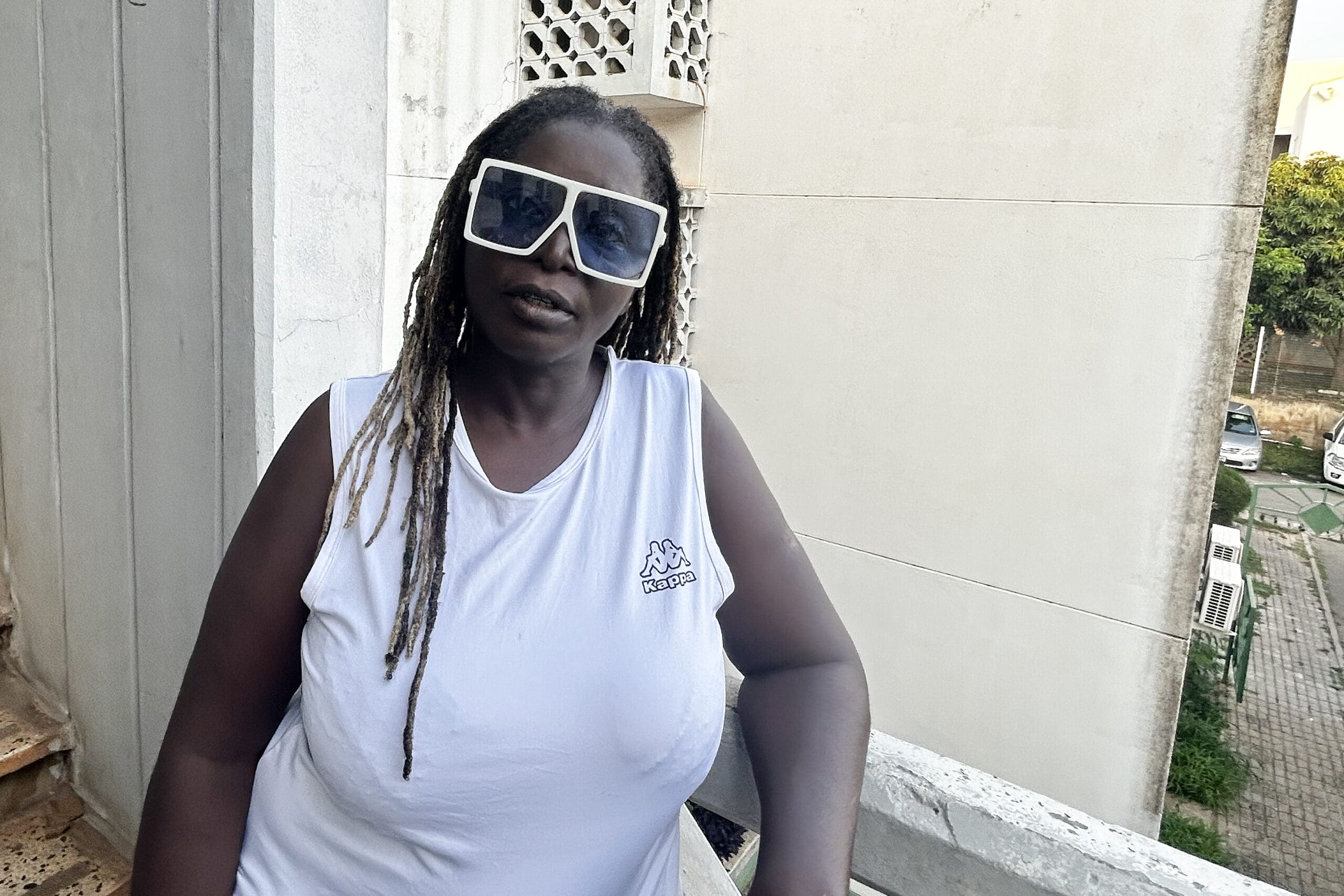
Angel Innocent at her house where security men arrested her for participating in the #EndBadGovernance protest in CBN Quarter, Abuja, Nigeria on 7 June, 2026. Photograph by Ajibola Amzat/CCIJ
She was released on bail in October, outraged by her treatment yet grateful to be alive.
Amnesty International, Nigeria, reported that the police killed at least 24 youths across the country using excessive force against protesters.
Innocent’s case is not an outlier.
CCIJ conducted a six-month investigation into how Nigerian government agencies have built what researchers call one of Africa’s most aggressive surveillance apparatuses. Critics say many of these invasive technologies, funded with billions in taxpayer money, have been acquired secretly and deployed with minimal oversight and transparency.
CCIJ’s exclusive analysis of more than a decade of governmental data has found explosive growth in security spending. Allegedly designed to counter terrorism and curb insecurity, the surveillance regimen instead has bolstered apparent violations of constitutional promises of privacy and free speech that are cornerstones of a thriving democracy.
Officials from multiple agencies declined repeated requests for comment from CCIJ.
But for human rights advocates and opposition politicians, the message is unmistakable. Constitutionally guaranteed dissent is being watched and increasingly hunted while the terrorists and bandits freely operating in several corners of Nigeria’s 36 states remain elusive.
“And no one knows what’s happening except you become a victim of surveillance in itself because the whole operation is shrouded in secrecy,” said Ridwan Oloyede of the AI Skills and Compute Africa Foundation (AISCA), an African AI policy think tank.
Innocent took part in the 10-day street protest that began on August 1, 2024.
The approximately 34 per cent average inflation rate and the 41 per cent food inflation rate in June 2024, according to the National Bureau of Statistics (NBS), together with the floating of the Naira, following the Central Bank of Nigeria’s (CBN) unification of the foreign exchange market under President Tinubu’s administration, were too unbearable for many Nigerians. As a result, people took to the streets to protest Tinubu’s policies.
The protest set the government on edge.
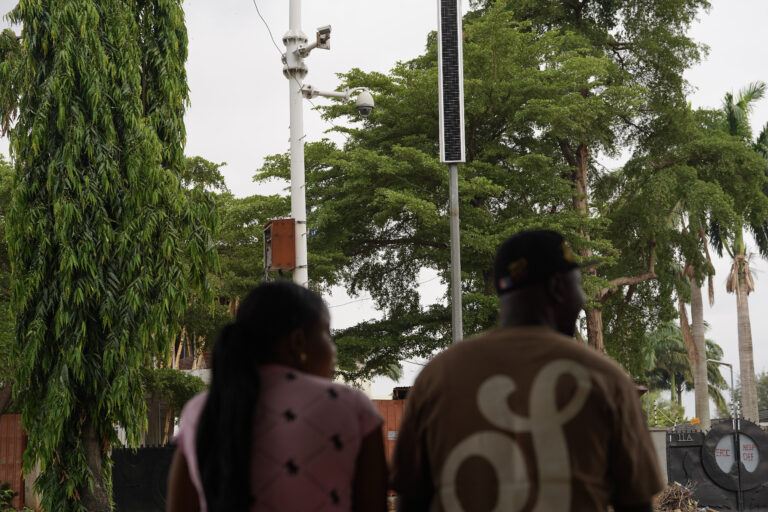
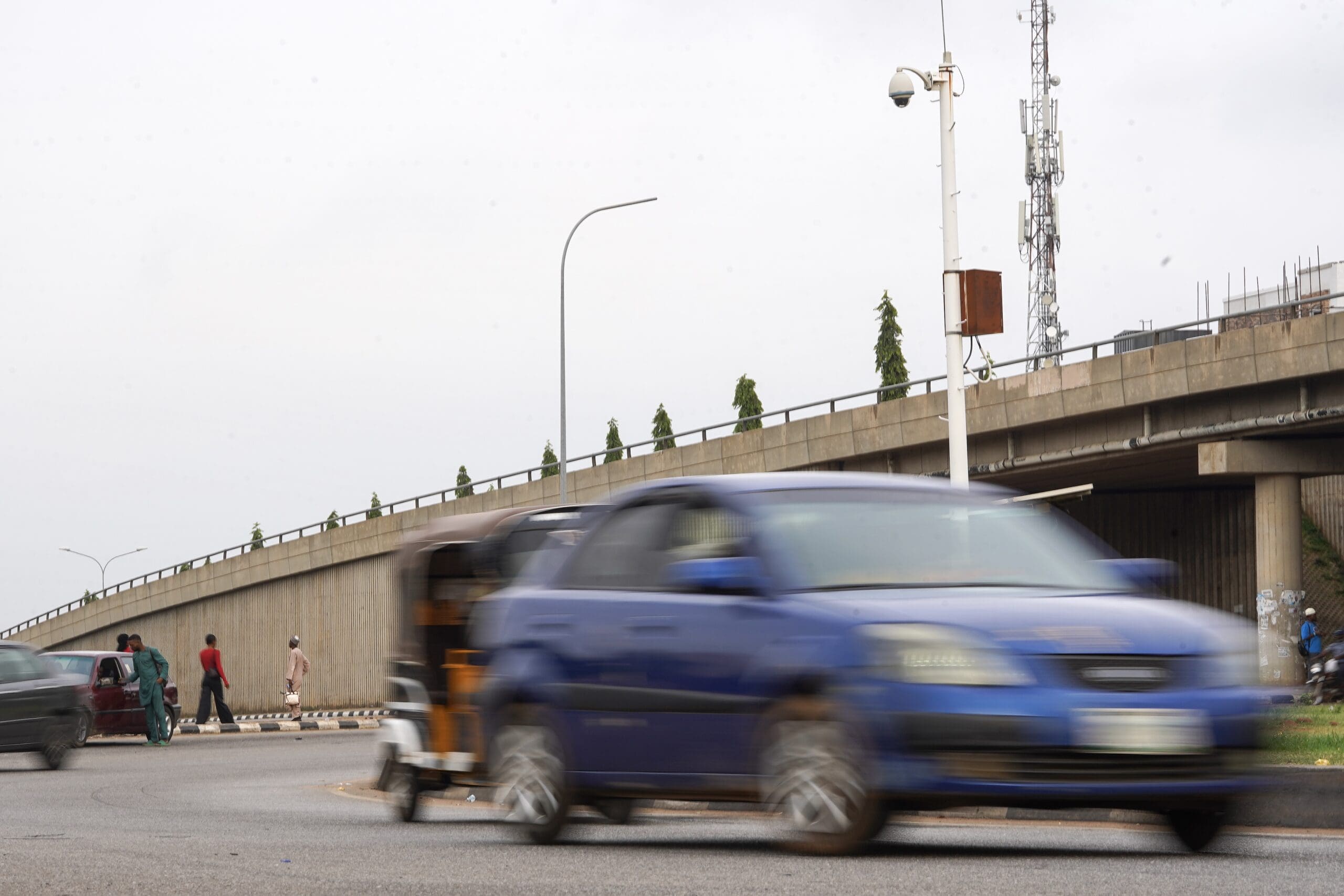
Traffic moves along a road under CCTV surveillance cameras in Abuja, Nigeria on 07 May 2026. The Jonathan administration spent billions of Naira on digital surveillance among them was a controversial $470 million closed-circuit television (CCTV) project. Photograph by Marvellous Durowaiye/CCIJAmid concerns that the protests could escalate, President Tinubu called for their suspension and warned that his government would not allow those with a clear political agenda to tear the country apart.
“In line with my constitutional oath to protect the lives and property of every citizen, our government will not stand idly by and allow a few with a clear political agenda to tear this nation apart,” the president said to the nation in his address on August 4, 2024.
Within the first few days, media reports confirmed that the police had tracked and apprehended over 800 protesters. By the end of the 10-day protest, security forces had arrested and detained 1,200 people across the country, according to the National Human Rights Commission (NHRC). Many of them were tracked down to their homes and places of worship with the assistance of advanced surveillance technology, according to the protesters interviewed for this report.
To spy on Nigerians daily, the government spends a huge amount of taxpayer money to procure these technologies.
According to the Institute of Development Studies (IDS), Nigeria has acquired more surveillance technologies than many other African countries, including mobile and internet interception, social media monitoring, biometric ID data, and ‘safe city’ monitoring of citizens in public spaces. They also found that Nigeria permits far more government agencies to conduct surveillance than several other African states.
“Nigeria is a far bigger market for digital surveillance technology than any other country on the continent,” says Dr Tony Roberts, Research and Emeritus Fellow at the Digital and Technology cluster at IDS.
CCIJ sighted a national security strategy document (archived here) from the immediate past administration of Muhammadu Buhari, in which the government clearly stated its objective of promoting “deliberate programs to develop advanced communications and surveillance capabilities.” It was version 2.0 of the Goodluck Jonathan administration’s national security strategy document.
This capability has enabled state security agencies such as the Office of the National Security Adviser, the State Security Services (SSS), the National Intelligence Agency (NIA), the Nigerian Police Force, the Defence Intelligence Agency, and the Economic and Financial Crime Commission (EFCC) to routinely intercept calls and listen to citizens’ conversations in gross violation of the privacy laws and international treaties to which Nigeria is a signatory.
CCIJ reached out to the Office of the National Security Adviser through its contact details, but it has not yet responded. An attempt to get an interview appointment was also unsuccessful.
Meanwhile, a 2021 report shared with the Centre for Collaborative Journalism, CCIJ, by Spaces for Change titled “Security Playbook of Digital Authoritarianism in Nigeria” confirms the government surveillance.
“The massive financial resources, equipment, and technologies originally procured in the name of counterterrorism and curbing insecurity have been diverted to monitor the movement of citizens, to track activities of civic actors online, to intercept private communications, to restrict online civic space, and to limit the ability of civic actors to organise, associate, and assemble freely,” the report stated.
In addition, CCIJ found that Nigeria allocated at least N127 billion to surveillance and security systems between 2014 and 2017, with about N46 billion allocated specifically to surveillance capabilities in 2017 alone.
BudgIT, a civic-tech organisation that facilitates budget reform, reports that the Nigerian security budget grew by more than 300 per cent from N1.5 trillion to N6.85 trillion between 2021 and 2025.
Part of that budget is spent on surveillance technology to fight against terrorism and banditry, though the result is marginal, considering the rising insecurity in Nigeria, the Afrobarometer survey confirms. Rather, the technology is used more to eavesdrop on private conversations and spy on ordinary citizens in their homes, especially civil rights activists, journalists, and opposition politicians who criticise the government, said Gbenga Sesan, executive director of Paradigm Initiative, a nonprofit organisation that builds capacity and defends the digital rights of Africans.
Organisers of the 2024 national protest came to this rude shock during the #EndBadGovernance campaign, which Amnesty International described as “bloody August.”
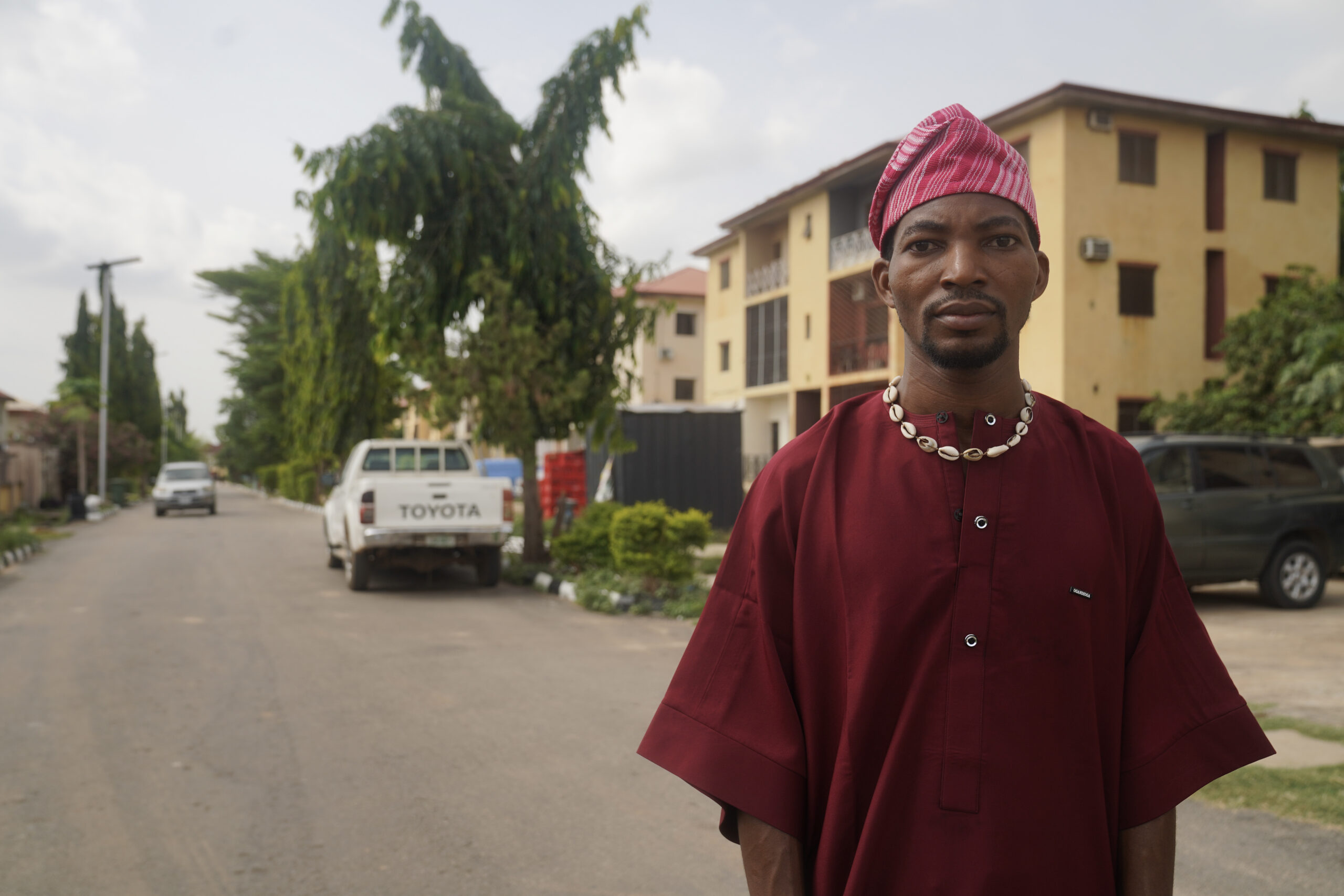
Adaramoye Michael Lenin, Coordinator of the Democratic Socialist Movement (DSM), Abuja chapter and one of the key leaders of the #EndBadGovernance protest, stands on a street where he used to live, where he said he was arrested by security operatives in Abuja, Nigeria, on 06 May 2026. Photograph by Marvellous Durowaiye/CCIJ
“When the security agents arrested me, they showed me all the phone calls I had made about the protest,” said Adaramoye Michael, popularly known as Lenin, the coordinator of the Democratic Socialist Movement (DSM), Abuja chapter. Michael, one of the key leaders of the #EndBadGovernance protest, realised while he was in detention that both his WhatsApp messages and phone conversations had been secretly harvested by the security agents.
The Police Force public relations officer, CSP Anietie Iniedu, has not granted an interview request as of publication. His assistants, who were also copied in the request, have not responded.
Ten other activists charged with demonstrating, along with hundreds of youths across the country, including minors, were arrested at different times by armed men from the Special Intelligence Response Team of the Nigerian Police Force (IRT), the State Security Services (SSS), and the National Intelligence Agency (NIA). The charge sheet obtained by CCIJ listed them as Michael Tobilola Adaramoye, Adeyemi Abiodun Abayaomi, Suleiman Yakubu, Opaluwa Eleojo Simon, Angel Love Innocent, and Buhari Lawal. Others are Mosiu Sadiq, Bashir Bello, Nuradeen Khamis, Abdulsalam Zubairu, and Daniel Akande.
Each of the protesters was tracked down with the aid of advanced surveillance technology procured from various countries such as China, Israel, Italy, the UK, the US, and Germany.
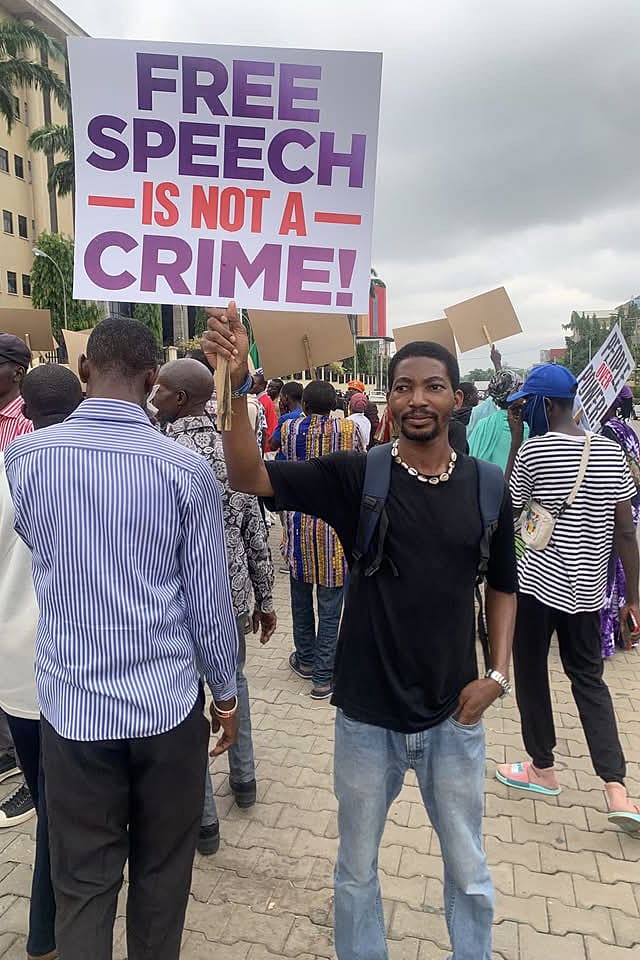
Adaramoye Michael aka Lenin, one of the organisers of the #EndBadGovernance protesters at the Federal High Court Abuja during protest against the re-arrest of Omoyele Sowore by the DSS in Abuja, Nigeria on 01 July 2026. Photograph by Ajibola Amzat/CCIJ
How Nigerian security agencies track citizens
According to the Paradigm Initiative, surveillance often targets specific individuals and may rely more on account access than on sophisticated spyware. These could include SIM‑based monitoring or IMSI catchers, telephone eavesdropping devices used to intercept mobile phone traffic. Another targeting approach could be account compromise (email, iCloud, or Google) or spyware infections via malicious links or files. But most journalists, civil rights activists, and opposition politicians in Nigeria experience more SIM‑based monitoring that allows the security agents to listen to calls and read messages, said Sesan. Those monitoring methods match the surveillance technologies Nigeria has continued to procure over the years, he added.
According to the IDS report obtained by CCIJ, Nigeria regularly imports surveillance technologies such as internet interception technologies, mobile phone interception technologies, social media surveillance technologies, safe city technologies for surveillance of public space, and biometric ID surveillance technologies.
For instance, Daniel Akande, a member of the Network of Abuja Left Groups who participated in the #EndBadGovernance protest, had his mobile phone intercepted. He told CCIJ that police tracked him to his church in the Guzape District in the Federal Capital Territory, Abuja, after several days of hide-and-seek. Men from the IRT unit, led by an officer named Moshood, showed up during the church dedication ceremony for his four-year-old son. And before anyone could understand their mission, the men confiscated phones belonging to Akande and his wife at gunpoint and led him away.
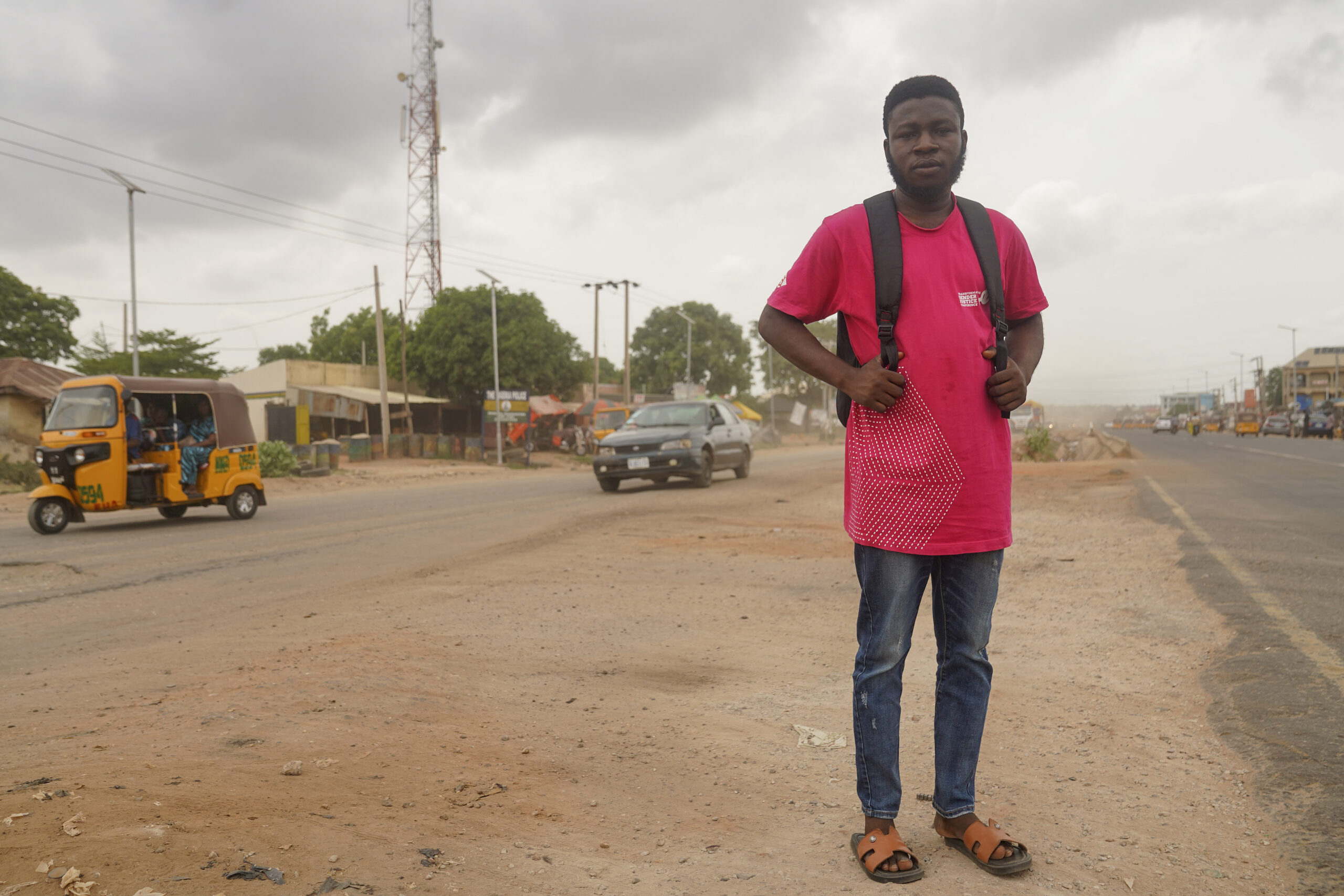
Akande Daniel Babatunde poses for a portrait along a roadside near the police station where he said he was first detained in Nasarawa, Nigeria 0n 07 May 2026. Photograph by Marvellous Durowaiye/CCIJ
For weeks, the police had monitored his phone calls with several others, including those who had nothing to do with the protest, before they were arrested. One was Chinedu Stanley, a driver who had worked with him seven years ago at a company in Abuja. He was apprehended three days before Akande’s arrest after investigators tracked him through their phone conversations. Investigators also tracked a female student and a pastor he interacted with during that time through their conversations. The pastor provided information that led to Akande’s arrest, he said.
“While in custody, I was constantly asked about my comrades. Although I denied knowing who they were, a policeman later told me that my call with Macaulay [another protester] was tracked two days before my arrest and that they were sure we knew each other. They tracked all of us using digital technology funded with taxpayer money, but terrorists are walking free in many parts of the country,” Akande said, highlighting the contradiction of government hypocrisy in the fight against insecurity.
General Tukur Buratai (Retd.), former Chief of Army Staff, in what seems like a Freudian slip, confirmed this claim in a recent TV interview: “If security agencies can locate ordinary citizens and influencers on social media, I don’t think they would not be able to find bandits.”
Indeed, he was right.
The Buhari government, under which Buratai served, allocated N4.8 billion to the NIA in 2021 to monitor WhatsApp messages, phone calls, text messages, and other communications. Of this amount, the government allocated N1.93 billion to the “WhatsApp Intercept Solution” and N2.93 billion to the “Thuraya Interception Solution,” a communications surveillance system that can monitor voice calls, call-related information, SMS messages, and data traffic, among other forms of communication.
In the same year, a sum of N11 billion was allocated to the Defence Intelligence Agency (DIA) to purchase voice and advanced data monitoring devices and subscribe to the tactical mobile geolocation platform, according to the Nigerian Budget Office, while N1.2 billion was allocated to the police for air support drones, among other digital surveillance technologies. Over N2 billion was approved for the SSS for the purchase of covert surveillance equipment and jammers, installation, and annual subscriptions.
The spending came less than a year after the October 2020 #EndSARS protests, when millions of young Nigerians mobilised largely through social media and encrypted messaging platforms. Researchers found that the surge in surveillance spending is the Nigerian government’s response to that protest.
The reaction reflected the state’s determination to strengthen its ability to monitor digital communications and track future dissent, wrote Chibuzo Achinivu, a visiting assistant professor of political science at Vassar College in New York, in The Conversation. “Foreign suppliers of these technologies are motivated by both economic gain and influence in the region,” he added.
Government officials, however, denied the claim in 2017, presenting surveillance investments as part of broader efforts to improve intelligence gathering and address Nigeria’s growing security threats.
Roberts challenged this claim. “Maybe it’s time we started asking: In how many court cases does prosecution rely on surveillance data to secure conviction? Because governments tell us that these systems are necessary for our own safety, and we should be grateful because they’re going to reduce crime and catch terrorists.
And I think we need to hold them accountable for that claim. And the way to know whether it’s true or false is to see whether the use of digital surveillance tools, in fact, leads to the conviction of terrorists or serious criminals. The evidence that exists doesn’t support that thesis.”
Pedestrians walk along a street beneath CCTV cameras in Abuja, Nigeria on 07 May 2026. The Jonathan administration spent billions of Naira on digital surveillance among them was a controversial $470 million closed-circuit television (CCTV) project. Photograph by Marvellous Durowaiye/CCIJ
Earlier, the Jonathan administration similarly spent billions of Naira on digital surveillance. Among them was a controversial $470 million (N75.2 billion) closed-circuit television (CCTV) project, which was widely reported in the media. The federal government contributed 15% ($70.5 million) in counterpart funding, while external borrowing covered the remaining 85% ($399.5 million).
The project, designed to support the Nigeria Police Force with nationwide surveillance and video conferencing infrastructure in Abuja, was contracted to two Chinese firms, ZTE Corporation and Hikvision, recently blacklisted by the US Department of War for posing a threat to America’s national security. But the project was hatched in secrecy to avoid public scrutiny. The former Director General of the Bureau of Public Procurement, Mr Emeka Eze, later confirmed to the National Assembly’s House Committee that the contract was awarded without due process.
Yet Jonathan’s administration spent more on security than initially discovered. As it later turned out, his national security adviser, Colonel Sambo Dasuki, was arrested over a $2 billion (N380 billion at the exchange rate of N190/$) arms deal scandal, with additional budget funding of $2.2 billion (N413 billion) and N643.8 billion.
This transaction is often a major source of corruption because of its opaque nature, Edeatan said. “An amount can be claimed as a cost, and that amount turns out to be heavily inflated. So there are again issues of corruption as officials use this contract as a means of siphoning resources.”
In January 2013, Citizen Lab researchers found installations of Blue Coat and PacketShaper appliances, both spying devices, used in government networks in Nigeria alongside other countries with a history of concerns over human rights, surveillance, and censorship. The list includes Egypt, Kuwait, Qatar, Saudi Arabia, and the UAE. Others include Afghanistan, Bahrain, China, India, Indonesia, Iraq, Kenya, Lebanon, Malaysia, Russia, South Korea, Singapore, Thailand, Turkey, and Venezuela. These devices have specific functionality permitting filtering, censorship, and surveillance.
A CCIJ analysis of the Nigerian budget from 2016 to 2026 shows the Nigerian government allocated N1.4 trillion in capital budget to four key agencies that reportedly spy on citizens. They are the SSS (N218.4 billion), NIA (N117.2 billion), DIA (N117.4 billion), ONSA (N551.4 billion), and the police (N386.5 billion).
An earlier IDS report found that Nigeria spent more than $2 billion (N990 billion at an exchange rate of N495/$) on surveillance technologies between 2013 and 2022, making it one of Africa’s largest purchasers of digital monitoring tools. The technologies acquired over that period include systems capable of intercepting communications, analysing digital data, and identifying the location of mobile devices.
During the #EndBadGovernance protests, security agencies used some of these capabilities to identify and locate protest organisers and participants, according to security officials and documents reviewed by CCIJ. The Nigerian government often justifies the heavy spending as a national security measure.
But for many Nigerians, billions invested in surveillance systems have not improved security. Parents still worry when their children go to school; farmers fear attacks on their fields, and commuters remain vulnerable to kidnappers on major highways. Nigeria ranks high among the countries most severely affected by terrorism, according to the Global Terrorism Index (GTI).
Terrorist attacks rose from 120 incidents in 2024 to 171 in 2025, even as government security spending reached record levels. Yet the security agents are often swift to monitor and arrest activists, journalists, opposition politicians, or ordinary people who dare to criticise the government. Omoyele Sowore’s case is a typical example.
This story was supported by the Pulitzer Center on Crisis Reporting.
UGANDA Ministry of Health has maintained that the country remained free of Ebola, as it strengthens surveillance and investigations are ongoing.
In a statement, Uganda’s Director-General of Health Services, Charles Olaro, said that travellers with a history of travel to the Democratic Republic of the Congo (DRC) are restricted from transiting through the country as authorities strengthen measures to prevent the spread of Ebola.
“The Ministry of Health wishes to assure the country that Uganda remains Ebola-free,” Olaro said, noting that the measures were precautionary and intended to strengthen surveillance and prevent the possible spread of the disease.
The restriction follows an investigation into a female traveller who arrived in Nigeria from Uganda and tested positive for Bundibugyo virus disease, a strain of Ebola virus.
The patient, identified as the wife of a Swiss diplomat, arrived in Nigeria and sought treatment at a private health facility in Abuja before testing positive for the disease on October 20. Her travel history, the source of her infection and how she contracted the virus remain under investigation.
In its latest statement, Uganda said available information indicated that the woman had no symptoms when she left the country.
Olaro said investigations were ongoing to determine when her symptoms began and the circumstances surrounding her infection.
The ministry added that it was working with Nigerian authorities to establish the traveller’s complete travel history, movements and possible exposure to the virus.
It has also requested additional information, including detailed travel records and genomic sequencing results, where available, to support the investigation.
As part of its enhanced precautions, Uganda has reinstated traveller locator forms for all incoming passengers, regardless of their country of origin, to facilitate contact tracing if necessary.
The government also said it had strengthened infection prevention and control measures at all points of entry and exit, as well as at health facilities, while maintaining surveillance across the country.
Meanwhile, the World Health Organisation (WHO) has advised against imposing travel or trade restrictions on countries affected by the Ebola outbreak.
The organisation said it was closely monitoring measures introduced by countries in response to the outbreak and would verify reports of travel and trade restrictions where necessary.
The ICIRreported that Switzerland confirmed that the Nigerian Ebola patient was its national married to a staff member of its embassy in Abuja.
Switzerland’s Ministry of Foreign Affairs said the woman and her husband recently travelled to Uganda did not visit the Democratic Republic of Congo (DRC), where the current outbreak of the Bundibugyo strain of Ebola originated.
The Swiss foreign ministry said the woman had been hospitalised at a private clinic in Abuja for about a week after developing symptoms of the disease, adding that her husband was in isolation but had not developed any symptoms.
The ministry also disclosed that the other 25 members of staff at Switzerland embassy in Abuja, comprising eight Swiss nationals and 17 local employees, were doing well.
Following consultations with Nigeria’s health ministry and the WHO, the embassy staff were not required to undergo isolation, according to the statement.
Switzerland is also considering the possible repatriation of the patient to the country for further medical care.
CHINA has called for a permanent African seat on the United Nations Security Council to strengthen the continent’s representation in global decision-making.
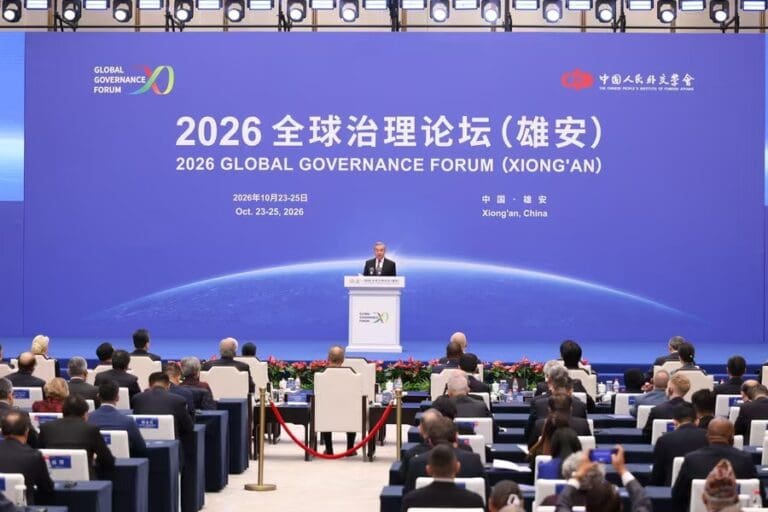
Chinese Foreign Minister Wang Yi made the appeal at the ongoing 2026 Global Governance Forum in Xiong’an New Area, Hebei Province.
Wang said the security council reform should prioritise developing countries, particularly Africa, while creating greater opportunities for small and medium-sized nations to influence international affairs.
He said the reform should address Africa’s aspirations through special arrangements, reflecting the growing influence of developing countries in global governance.
According to him, giving greater participation to developing countries will help correct historical imbalances and introduce broader perspectives into international decision-making.
China’s position aligns with its advocacy for a more inclusive international order, although Wang did not identify prospective African permanent members or explicitly address the extension of veto powers.
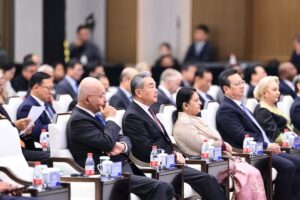
Participants drawn from across the world at the event (NAN)
The News Agency of Nigeria (NAN) reports that security council has 15 members, comprising five permanent members and 10 non-permanent members elected by the UN General Assembly for two-year terms.
China, France, Russia, the United Kingdom and the United States currently hold the permanent seats and possess veto powers, while Africa currently has three elected seats without permanent representation.
Substantive resolutions require at least nine affirmative votes and no veto from any permanent member, giving the five countries considerable influence over international peace and security decisions.
Africa’s common position seeks at least two permanent seats with the same prerogatives as existing permanent members, including veto rights if retained, alongside five non-permanent seats.
The continent’s advocates cite its geographical size, development needs and strategic resources, including approximately 30 per cent of global mineral reserves, as reasons for stronger representation.
Reforming the security council requires a UN Charter amendment approved by two-thirds of general assembly members and ratified by two-thirds of UN member states, including all five permanent members.
The three-day forum, hosted by the Chinese People’s Institute of Foreign Affairs, attracted international participants from more than 90 countries, with Xiong’an showcasing China’s approach to long-term planning, innovation and green development. (NAN)
THE African Democratic Congress (ADC) has urged Nigerians to reject the 90-day economic action plan of President Bola Tinubu’s administration, describing it as election bait and questioning its timing ahead of the 2027 presidential election.
The ADC’s position was conveyed on Friday by the Director of Strategic Communications of its Presidential Campaign Council, Phrank Shaibu, during a press briefing at the party’s headquarters in Abuja.
“The presidential election is 86 days away. Yet President Bola Tinubu’s National Economic Council has announced a cost-of-living plan that will run for 90 days,” he said.
The criticism followed the National Economic Council’s (NEC) endorsement of the plan, which the Federal Government said was intended to consolidate the economic reforms of Tinubu’s administration and improve living conditions.
Presented by the Minister of Finance and Coordinating Minister of the Economy, Taiwo Oyedele, the plan focuses on five priority areas: food affordability, tax harmonisation, completion of high-impact projects, removal of investment bottlenecks and regulated household support.
However, Shaibu in his latest statement, questioned the initiative’s timeline, arguing that its 90-day implementation period could extend beyond the presidential election.
“This is election bait. Tinubu is offering hungry Nigerians the promise of affordable food, but the promised relief comes with a deadline that outlasts the election,” he said.
Shaibu argued that Nigerians were being asked to wait for economic relief after enduring years of hardship.
“Economic policy should be judged by what families can afford, not by how many deadlines a government announces,” he said.
He urged voters to assess the administration based on its economic record rather than promises of future relief.
The ADC campaign council also criticised the government’s response to the rising cost of living, citing the pressure of increasing prices on households struggling to afford basic necessities.
Shaibu further questioned the implementation of a petrol discount initiative announced by the Nigerian National Petroleum Company Limited (NNPC), which was expected to commence on October 1.
He alleged that visits to NNPC filling stations did not yield the advertised discount, claiming he paid N1,405 per litre for petrol.
The campaign council called on the government to disclose how many motorists had benefited from the initiative and provide evidence of its impact on transportation costs.
It maintained that Nigerians needed verifiable evidence of economic relief rather than announcements of new programmes.
The council urged the government to prioritise policies that reduce production and transportation costs, support manufacturers and provide targeted assistance to vulnerable households.
“Atiku Abubakar has pledged to make Nigeria affordable again through disciplined public spending, targeted relief for households, lower costs of producing and moving essential goods, and an economy where Nigerian manufacturers can expand and employ more people,” Shaibu said of the ADC presidential candidate for the January 16, 2027, poll.
The campaign council also demanded greater transparency regarding the proposed household support programme, including its eligibility criteria, implementation arrangements and accountability mechanisms.
NIGERIA’S confirmed Ebola patient is a Swiss woman married to a staff member of Switzerland’s embassy in Abuja, Agence France-Presse (AFP) reported, citing Switzerland’s Foreign Ministry.
The report said the woman and her husband recently travelled to Uganda but had not visited the Democratic Republic of Congo (DRC), where the current outbreak of the Bundibugyo strain of Ebola originated.
“The infection may have occurred during a trip to Uganda approximately two weeks ago,” the Swiss authorities said, raising questions about the Ugandan government’s position that the country had not recorded any Ebola cases this year.
The Swiss foreign ministry said the woman had been hospitalised at a private clinic in Abuja for about a week after developing symptoms of the disease, adding that her husband was in isolation but had not developed any symptoms.
“Neither individual travelled” to the DRC, the statement reportedly added.
The Swiss foreign ministry also disclosed that the other 25 members of staff at its embassy in Abuja, comprising eight Swiss nationals and 17 local employees, were doing well.
Following consultations with Nigeria’s health ministry and the World Health Organisation (WHO), the embassy staff were not required to undergo isolation, according to the statement.
Switzerland is also considering the possible repatriation of the patient to the country for further medical care.
The ICIRreported that Nigeria announced its first recorded Ebola case on Tuesday, identifying the patient as a woman who arrived in Abuja on a flight from Uganda. Authorities have identified 44 contacts linked to the case.
On Wednesday, Nigerian authorities confirmed that the patient was infected with the Bundibugyo species of Ebola, for which there are currently no specific vaccines or treatments.
Meanwhile, the Ugandan government in a statement issued on Tuesday said preliminary information indicated that the woman had travelled to the eastern Democratic Republic of Congo (DR Congo) for business and passed through Uganda without showing symptoms.
The country said it has not confirmed active Ebola cases, urging the public to remain calm as authorities investigate the travel history of the woman.
The Ugandan government said it would strengthen screening and public health controls at its points of entry, while maintaining limited provisions for humanitarian and diplomatic movements.
Nigeria is the fourth African country affected by the current Bundibugyo Ebola outbreak, following the DRC, Uganda and Kenya.
The outbreak began in northeastern DRC in May before spreading to neighbouring Uganda, where 20 confirmed cases, including two deaths, were recorded before the outbreak was officially declared over in August.
According to WHO figures cited by AFP, the epidemic had recorded more than 9,700 confirmed cases and 4,690 deaths as of October 20.