Home Blog Page 1924

How Delta State Government spent over N20bn on two IPP projects that are yet to generate power

1

By Isaac MARSKSON


THE idea of building an Independent Power Plant, IPP, for Delta State to address its power problems was first mooted in 2000, during the administration of Governor James Ibori. During his tenure, Ibori appointed a consortium of engineering firms to undertake a power survey of Delta State. The consortium was made up of three companies: Engineering Management Support Limited, Optimal Power & Control Engineering Limited, and George Spiropoulus & Associates. At the conclusion of its assignment, the consortium submitted a report that estimated that the power demand for Delta State would be between 440MW and 570MW.

However, Ibori, who left office in May 2007, did not take on the IPP project, but Emmanuel Uduaghan who took over from him did.
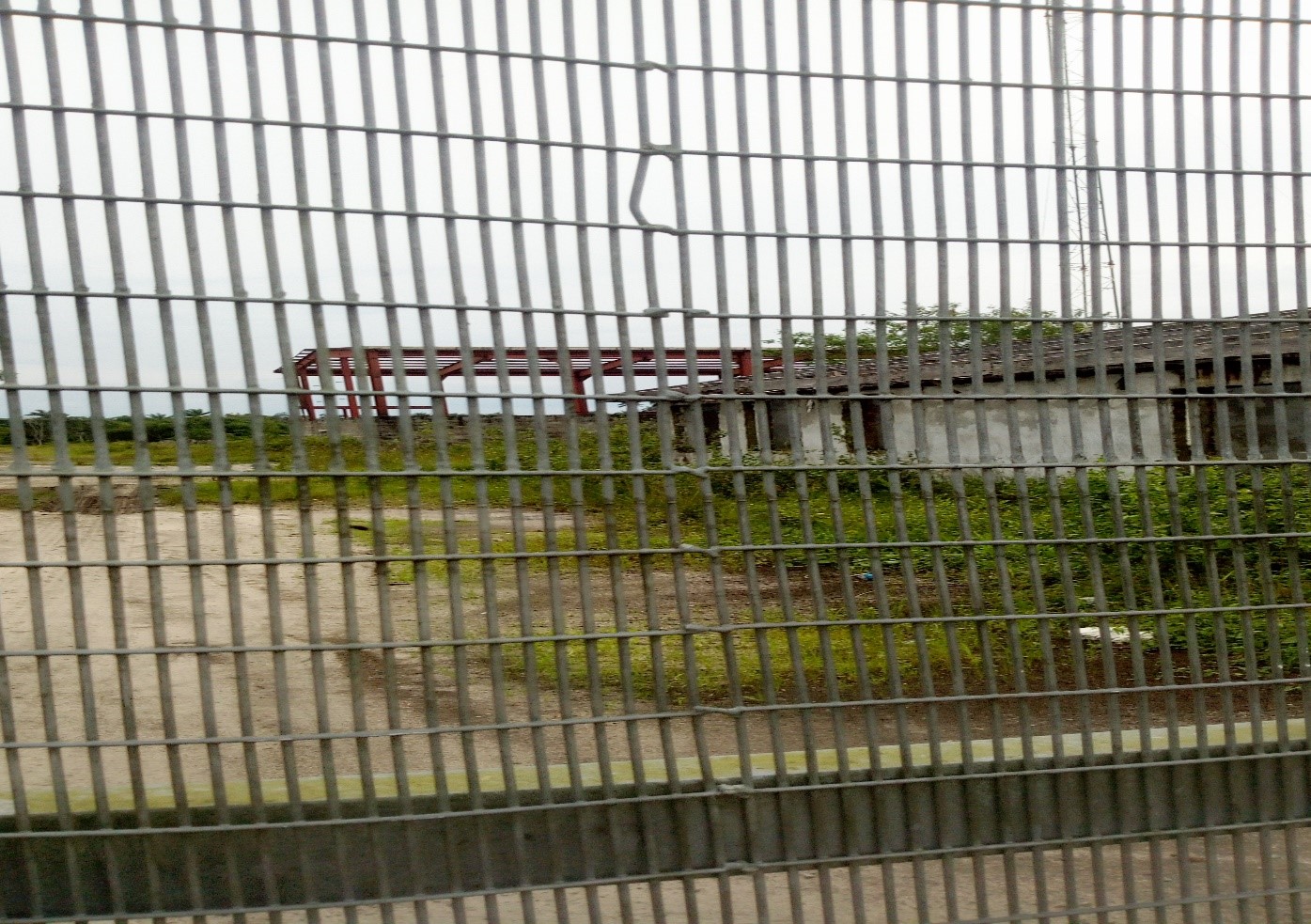
IPP Project
Entrance of abandoned IPP project, Oghara

The N23B IPP Project in Oghara.

In an executive council meeting held in May 2009, Governor Uduaghan approved the contract award for the acquisition and installation of two Open Cycle Rolls Royce Trent 60wle phase 111 Gas Turbine generators capable of being fired by natural gas and diesel oil.

The turbines were to have an installed capacity of 116MW and expected to generate 100MW of electricity for the State Independent Power Plant (IPP) project.

The contract was awarded to Davnotch Nigeria Limited, in partnership with an American firm, Southern Integrated Energy Limited, at the cost of $125million (one hundred and twenty five million dollars). The dollar exchange rate used for the contract was N176 to a dollar, which translated to N21,750,000,000.00 (twenty-one billion, seven hundred and fifty million naira).

In 2010, Ovuozorie Macaulay, the then Commissioner for Energy, in his brief to the state’s Economic Management Team, disclosed that the government paid 60% of the contract sum to Davnotch that same year. At the time the contract was awarded, one of its owners of the company was Victor Ochei who was at that time the Speaker of the Delta State House of Assembly.

Further investigation revealed that the contract sum of N21.7 billion did not include land acquisition, appointment of Prime/Resident Consults, Insurance coverage, Environmental Impact Assessment (EIA), construction of 132/33KVA transmission line to evacuate power to be generated and construction for gas supply for the IPP project, a development that led to the upward review of the contract sum in 2010 to N23.2 billion.

Governor Uduaghan Fails to Complete IPP Project.

On July 26, 2011, Uduaghan boasted to journalists during a briefing that work on the power project would be completed before he leaves office in May 2015, noting that with the successful completion of the turbines in Europe, work had reached an advanced stage. He added that he was optimistic that the turbines would be shipped into the country by August 2011.

But his promise to complete the project before he leaves office was never fulfilled.
Our reporter gathered that in line with the contract agreement Davnotch Nigeria Limited supplied the two Rolls Royce Gas turbines at the stipulated time, but the turbines were still awaiting installation when the contractor demobilized from site in Oghara, in 2014.

The lPP project was aimed at providing adequate, stable electricity for the people of Oghara, the hometown of Chief James Ibori and other parts of Delta State, however ten years later the project remains uncompleted and abandoned.

Governor Okowa’s government inherits IPP Project in May 2015.

The state Independent Power Project (IPP) was among the many projects inherited by Ifeanyi Okowa, when he assumed office on May 29, 2015. In 2016, to ascertain why the IPP project was abandoned, Okowa set up a 16 – man committee headed by David Edevbie, then commissioner for Finance, to investigate, proffer solutions and advise his administration on what could be done to revive the moribund multi-billion naira project. While inaugurating the committee, Governor Okowa also said his administration would prosecute anyone found culpable considering the huge resources that the project had gulped.

Edevbe’s Committee Swings into Action.

In 2016, Edevbe and members of his committee went on an on the spot assessment tour of the IPP facility. The delegation included the project consultants, A & A Global, officials of Access Bank, the financial advisers on the project, and representatives of the state’s Attorney-General and Commissioner for Justice.

Since the IPP project remains completely abandoned, frantic efforts was made by this reporter to obtain Edevbe’s panel report but all efforts hit a brick wall. Not deterred Sunreporters wrote a Freedom of Information Act, FOIA, request to the office of the state governor, copying the Chief of State to the Governor, now incidentally occupied by Edevbe and the Honourable Commissioner, Ministry of Power and Energy but there was no response until October 12, 2020, when the newspaper got a letter from the office of the Attorney-General and Commissioner of Justice notifying it that the Delta State Government cannot release such documents under this federal Act and advised it to apply for the information under the Delta State Freedom of Information Act 2019, an advise the newspaper acted upon.

However, Edevbie, who spoke to this reporter on phone, explained that his committee submitted its report in 2017 but refused to disclose the recommendations in the report, stressing that government does not disclose internal reports to journalists.
“The committee report was submitted to the governor, we do not disclose contents of internal reports to reporters,” he stated.

Okowa’s Commissioner for Power and Energy Evades Interview

Okowa’s commissioner for power and energy, Basil Ganagana

Also all attempts made to speak with the state’s Commissioner for Power and Energy, Basil Ganagana, proved abortive as calls, and text messages sent to obtain comments from him on the said project were ignored. Our reporter also visited his office on several occasions, booked appointments through the ministry’s spokesperson but all efforts hit a brick wall.

Sources in the ministry also told our reporter that from 2016 to 2020 it has not made any budgetary provision for the completion of the moribund multi-billion naira project.

Contacted on phone Ovuozorie Macaulay, who was the Commissioner for Energy in 2010, declined to comment saying that the Economic and Financial Crimes Commission, EFCC, is investigating the project. He, however, said that the turbines were ready for installation before he left office as Commissioner.

Governor Okowa & CPS contradict each other.

Contacted to ascertain Okowa’s readiness to complete the abandoned project before the end of his administration, Chief Press Secretary to the Governor, Olisa Ifeajika, expressed his principal’s readiness to complete it before the end of his administration, stating that the project was never abandoned.

“The IPP project was never abandoned by His Excellency. I know it’s one of the projects inherited by this administration, I can tell you no inherited project will be abandoned, we are not known for abandoning projects.”

Ifeajika called for patience with his principal, just as he averred that the governor is taking his time to study the report submitted by the David Edevbe’s committee.

However, Governor Okowa earlier said in 2017 at a town hall meeting at the James Ibori Civic Center, in Oghara, that the Delta State government can no longer continue with the multi-billion IPP project as the project would still gulp over N200 billion.

On the Spot Assessment of Project site by our Reporter.
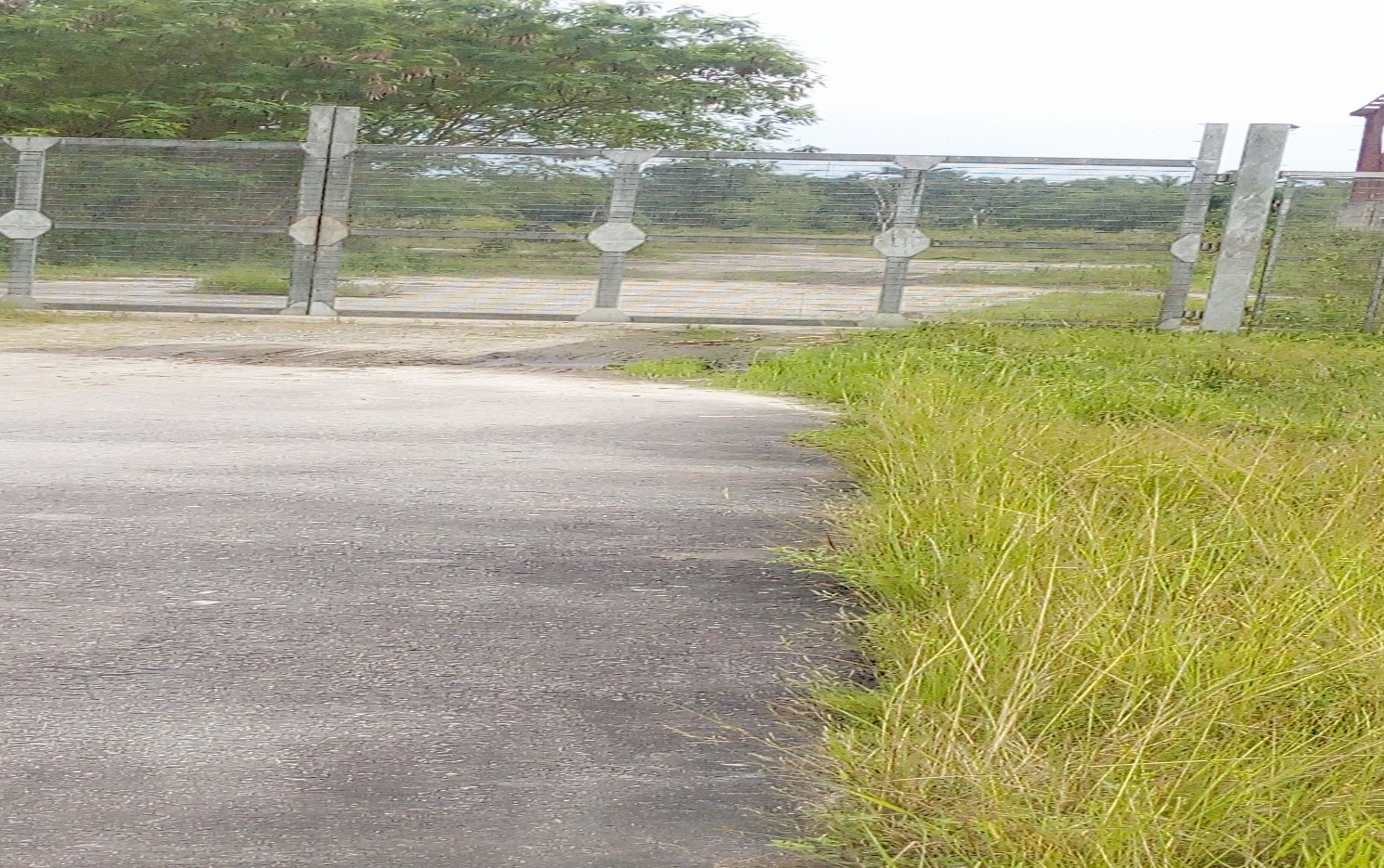
Entrance Gate of the abandoned IPP project in Oghara

When our reporter arrived the project site at Oghareki-Oghara in Ethiope West local government area, on August 25, 2020, for an on the spot assessment, he observed that the project site gate was locked. The site had a perimeter fence, three uncompleted buildings, a gantry and an access road constructed by Levant Construction Company. Looking at the site, it was obvious that what is on ground does not justify the huge amount expended on the project.

Devoid of human activities, the site was deserted and overtaken by weeds, with grasses as tall as1.2 meters covering the entire landscape. The current surroundings presents a conducive habitat for dangerous reptiles to breed. Also, the 1800 by 600 hectares of land acquired lies waste, a resource that could have served as farms to produce food for the host community. In addition, the access road to the IPP project site awarded to Lervant Construction Company has not been completed.

Our reporter also visited the rented warehouse where the two gas turbines and other equipment for the project are believed to be kept. The facility was also locked but a community source told this reporter that the turbines, among other machines purchased, are still lying there fallow. He disclosed that in January 2015, fire broke out on a nearby farm which spread due to the harmattan winds burnt the warehouse but he believes the fire did not do damage to the turbines.
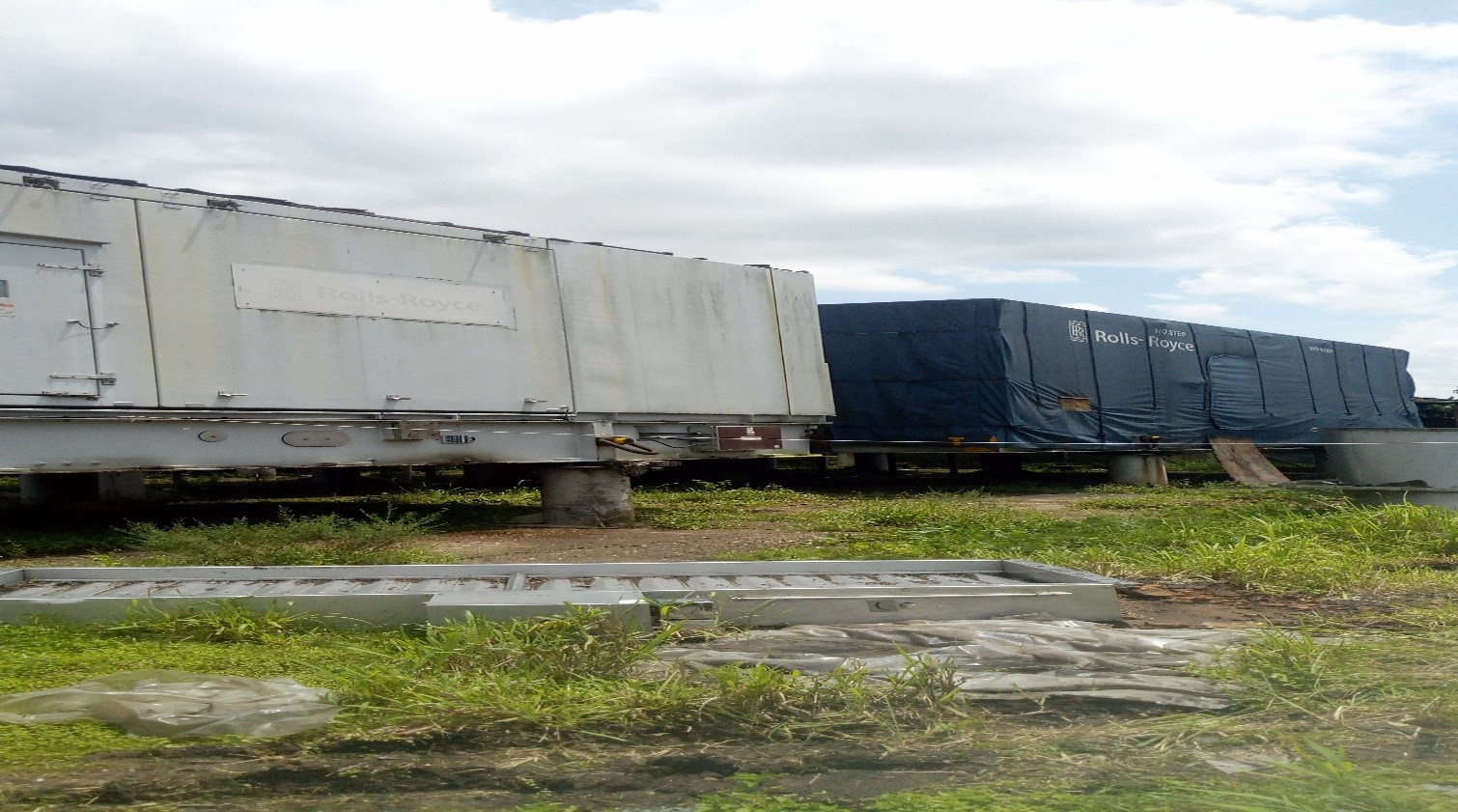
Delta IPP projects
Gas Turbines laying fallow waiting installation. Photo by Markson

The community source stated that Oghara, the host community for the abandoned IPP project, currently suffers epileptic power supply, a development that has slowed down business activities in the area. He hinted that part of Edjemuoyavwe community, the host community to Delta State University Teaching Hospital, Oghara, has been in total darkness for over three years, a development that made staff of the institution to relocate to as far as Edo State and other neighboring cities.

A welder, Mr. Esemedafe Oviri, disclosed that his marriage cashed because he could not afford to buy a generator plant to stay in his welding business. He said, since getting electricity in Oghara community has become a mirage, he was no longer able to provide for his wife and two kids.

Also the Oghareki Chief Priest, Prince Scout Akpoteheri Tegbeje, while speaking to our reporter at his residence, disclosed that for over three years, the community has suffered total blackout, noting that the IPP project if functional would have boosted economic activities and improved the standard of living of the people.

Akpoteheri also said the community lacks portable water as there is no electricity to power the community’s water system. Thus, people have resorted to water from River Ethiope to drink, cook and bath, a development that has caused them to continuously suffer from all kinds of water – borne diseases.

Delta IPP projects
Abandoned Ago lane-Oghareki water system occasioned by no electricity to power it.

At the Oghara General Hospital, Oghareki and Ejemuoyavwe Health Center, our reporter observed that the health facilities had no power supply, but staff on duty declined to speak saying they were not authorized to speak to the press.

However one of the health officers lamented that the health center had no running water and electricity two important elements that will enable them function effectively.

Hotelliers and business owners also suffer the same ordeal. One of the hotel managers said they spend between N30,0000 to N40,0000 to buy diesel daily, a situation that has always made them run at a loss.

Another hotelier said he is set to sell off his hotel located at the heart of Oghara because of the huge cost of powering its operations.

In Asaba, capital of Delta State, residents and business owners have also decried the continuous power outage in the capital city.
At Infant Jesus, Anwai , Nnebisi, DLA, DBS and NTA roads in particular they lamented the frequent power blackouts in the capital city, appealing to Governor Okowa to look beyond his personal interests and give Deltans stable power.

Ogbolu Nneka, who owns a provision store along DLA Road lamented that she spends additional money to buy ice blocks to sell her water and drinks, which makes her profit almost zero. She noted that the power outage in the area spanning over four months with unpredictable rationing had crippled many businesses in the capital city while others have resorted to using generators.

She wondered why the Okowa-led government signed an MoU with a private power company to power only government facilities leaving most Deltans to suffer total blackouts.

The situation is, perhaps, worse at Delta Broadcasting Service, DBS road where hotelliers and residents said that the blackout has lasted over nine months because of a faulty transformer feeding that axis of Asaba.

Ifeoma, a fashion designer, said since there was no electricity to iron and sew clothes, her customers have all deserted her, leading to a downturn in her business.

Our reporter observed that hoteliers along DBS Road have increased their room rates considering the high cost of using generators. A visit to some of the hotels along DBS Road and its environs revealed that the average room which would normally cost N10,000 per night now costs about N15,000 per night, leaving lodgers at the receiving end.

N16B Asaba Integrated Power Project
In an effort to improve the power situation in Asaba, Governor Okowa’s government on August 15, 2016, signed an MOU with Bastanchury Power Solutions Limited, to build the Asaba lntegrated Power Plant expected to generate 8.5 megawatts of electricity at the cost of N16 billion.
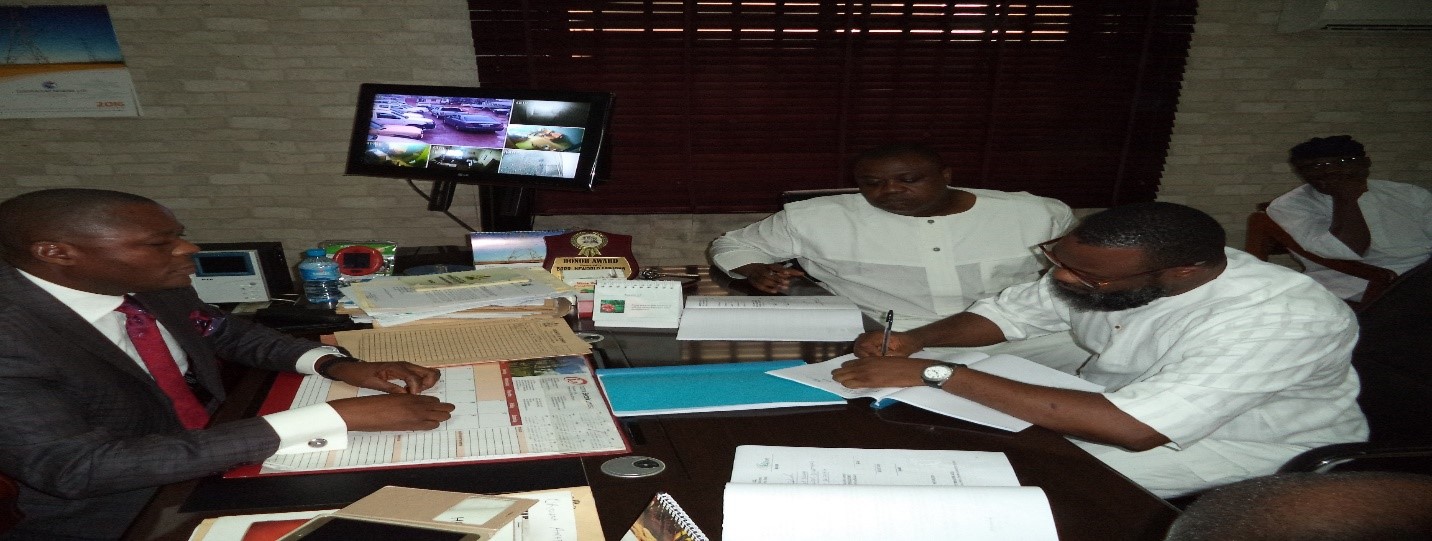
Delta IPP projects
Bastanchury Ltd MD/CEO, Mr. Goziem Chidi signing MOU with Delta State Government, represented by Mr. Newworld Safugha.

On March 28, 2017, the governor sent a letter to the State House of Assembly to ratify an earlier approval of the State Executive Council for the building of the Asaba Independent Power Plant Project (AIPPP) by Banstanchury Power under a Power Purchase Agreement (PPA). The project, which is a public/private partnership (PPP) will require the State Government to pay one hundred and N134 million monthly for ten years to Banstanchury Power Limited. The State House of Assembly on March 29, 2017, ratified the agreement and the financial implications for the State over the next ten years.

According to Okowa, the PPA required government to issue an Irrevocable Standard Payment Order (ISPO) in support of monthly power tariff and a related bank guarantee covering the cost of the project as required by Banstanchury Power financiers.

The governor also stated that he approved an additional N30 million monthly gas fuel pass-through charge bringing the total monthly cost to a maximum N164 million.

Government offices, to be covered by the Asaba power plant include New Government House, Old Government House, Felix Ibru Secretariat, House of Assembly Complex, Customary Court of Appeal, Office of Deputy Governor, Office of the Secretary to State Government, Ministry of Works/ Energy and Housing, Cabinet Office, Old Secretariat and Ministry of Information.
Okowa IPP projects
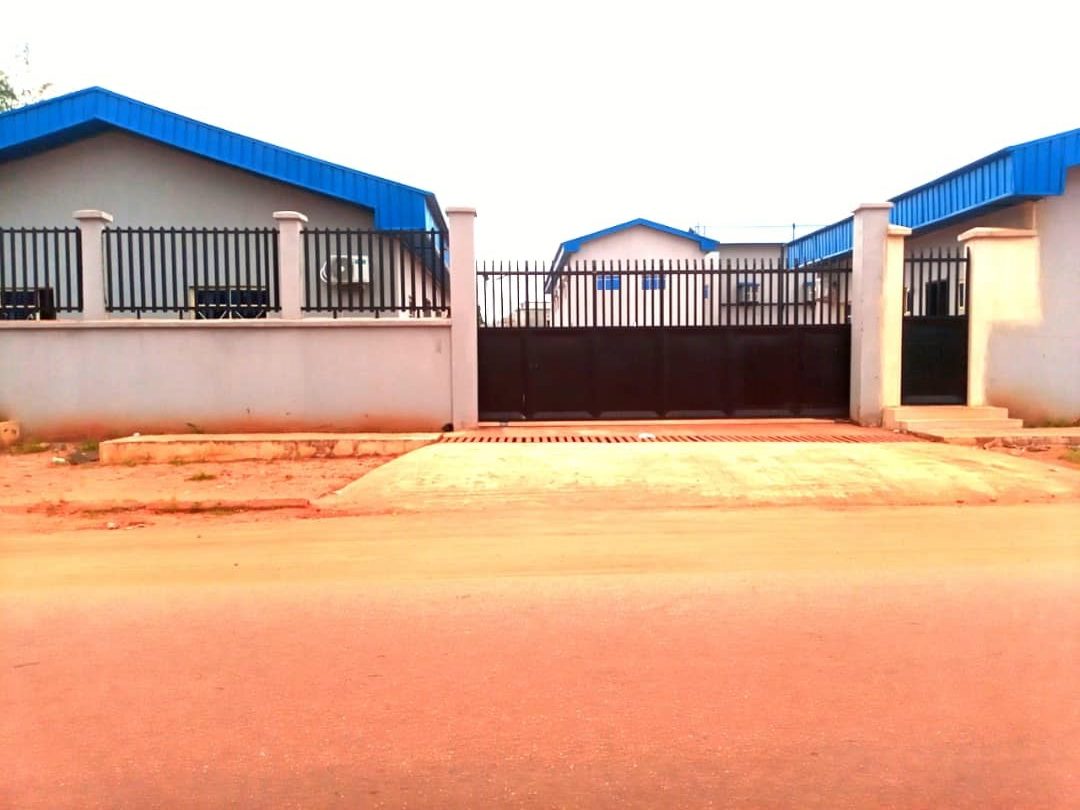
Entrance Asaba IPP

Some of the residential estates/ quarters to be covered include Fine Homes, commissioners Quarters, Permanent Secretaries Quarters, VIPs and New VIP lodges, VIP lodge Annex, House of Assembly Quarters, SSGs residence and others, Chief of Staff’s residence, Deputy Governor’s residence, Chief Justice’s residence and the Presidential lodge.

Investigations as to why the initial IPP project in Oghara remains uncompleted have raised more questions than answers. How come a project that was to cost about 23billion naira in 2011, now requires an additional 200 billion naira to complete? Why has Okowa’s government preferred to initiate another N16 Billion naira IPP project that will only serves some areas in Asaba rather than complete the 116 MW IPP in Oghara?

Interestingly, after the State Assembly ratified the agreement between the State Government and Bastanchury Power in 2017, the then Commissioner for Power and Energy, Newworld Safugha, stated that the project would be completed in 2018.Two years after with N164 million being paid monthly for the said project, it is still not completed.

A visit to the site revealed that the project is still ongoing. An insider in the ministry told our reporter that the project would soon be commissioned for use. However, a top government official who prefers to remain anonymous described the AIPPP as a covert scam being used to settle some persons in the Governor’s kitchen cabinet, adding that irrespective of all the payments being made the project will remain uncompleted.

Delta state gov’t has no investment in N16b Asaba power project, says contractor

CHAIRMAN of Bastanchury Power Solutions Limited, Goziem Chidi has debunked speculations that the Delta State Government has invested huge funds as a contribution in the N16 billion 8.5MW Independent Power Project under construction in Asaba, the state capital.

The chairman has also denied that the state has been paying Bastanchury Power 164 million Naira monthly for the past three years, revealing that the company was not entitled to receiving any money until it had supplied power to the government.
Speaking at the site of the IPP with our reporter, Chidi said allegations that the project was a drain pipe were totally unfounded, pointing out that Bastanchury ought to be commended for initiating and executing the 8.5MW scheme at no cost to the government.
“The real challenge is that our people are convoluted in their understanding of how embedded independent power is funded. This is not a contract. So, no money is paid to a contractor. ASABA IPP is funded through a consortium of financial institutions. The process is transparent and the are internationally recognised standards for sourcing such funds,” he explained.
Chidi revealed that the Power Purchase Agreement (PPA) signed between the Delta State Government and Bastanchury, backed by an Irrevocable Standing Payment Order (ISPO) was the guarantee needed to source for funds, adding that as result, the project has been concluded under the estimated 18 months period.
Rather than condemn the Asaba IPP, or speculate that the project was a drainpipe, the Bastanchury boss said the state, especially, Ifeanyi Arthur Okowa, the state governor should be specially commended for foresight and exceptional courage to see the project to the end at no cost to the government.
“Governor Okowa should be commended for exhibiting foresight and exceptional courage for this project at no cost to the Delta State Government. There are no scams anywhere. Once we takeoff, all our traducers will shut their mouths,” he declared.


* This report was done with is support from the John D. and Catherine T. MacArthur Foundation and the International Centre for Investigative Reporting.

*The report was updated on Friday, January 15 to reflect the viewpoint of   Goziem Chidi, chairman of Bastanchury Power Solutions Limited.
Abdulrasheed Maina arrested in Niger Republic

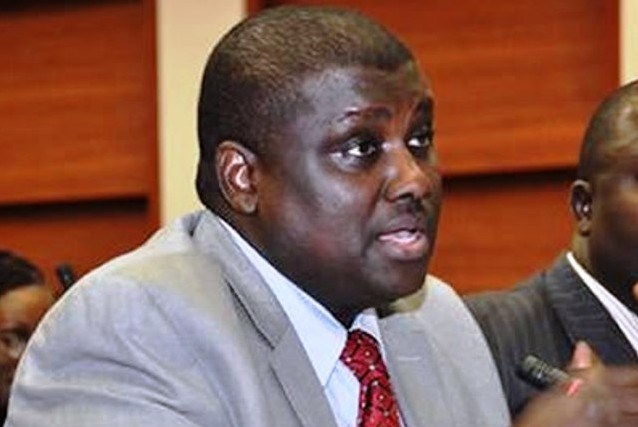
Abdulrasheed Maina, the wanted former chairman of the Pension Reform Task Team (PRTT) was on Monday evening arrested in Niger Republic by the operatives of Niger Republic intelligence service in collaboration with Nigeria’s anti-corruption agency, the Economic and Financial Crimes Commission, EFCC.

According to PR Nigeria, the arrest was made possible due to an existing mutual relationship and security agreement between the two neighbouring countries. According to sources in the EFCC, its operatives learnt of Maina’s escape to Niger about two weeks ago and have been working with that country’s security forces to effect his arrest.

Maina is facing a 12-count money laundering charge levelled against him and a company by the prosecuting EFCC.

The agency alleged that Maina, as chairman of the defunct Pension Reform Task Team, used the account of the firm for money laundering to the tune of about N2 billion, part of which he used to acquire landed properties in Abuja and elsewhere

He, however, has not been attending trial since the September 29, 2020 proceedings, a development that Monday prompted Justice Okon Abang of the Federal High Court to order the arrest of Senator Ali Ndume’s who stood surety for Maina.

But the Federal High Court in Abuja on Friday granted bail to the Borno South Senator, over his suretyship for Maina, believed to have jumped bail.

Justice Abang, in a ruling, said he chose to grant the senator bail based on his record of good behaviour before the court, notwithstanding that the other grounds of his bail application failed.

How ICPC forfeited $919,202.07 criminally hidden by court officials since 2014

AS part of its mandate, the Independent Corrupt Practices and Other Related Offences Commission (ICPC), on Monday says it has secured an interim order to forfeit a sum of $919,202.07 fraudulently kept in a bank by some officials of the Federal High Court, Port Harcourt.

The sum which is about 450 million Naira was discovered after the Commission received a petition against the suspected officials.

According to the ICPC, its investigators at the Rivers State Office traced the money to an interest yielding account kept secretly since 2014.

Upon discovery, the Commission stated that its lawyer, Dr. Agada Akogwu filed an Ex-parte Motion for an Interim Order of Forfeiture of the money.

The presiding judge, Justice Mohammed Sani of the FHC in Port Harcourt, however, granted the Commission’s prayers for interim forfeiture of the disclosed sum pending the final hearing on the matter.

Part of the ruling by judge says “the interim forfeiture shall be published in any daily newspaper within 14 working days for any person interested in the said property sought to be forfeited to appear before the court.”

Whoever claims responsibility, according to the ruling should be willing to prove to the court why the final forfeiture orders should not be made in favour of the Federal Government.

The matter was adjourned to December 14, 2020 for reports and final forfeiture hearing.

Meanwhile, the above incident is one of similar discoveries made by the anti-graft agency.

The most recent was the case of the Acting Director-General (DG) of the National Biotechnology Development Agency (NABDA), accused of allegedly defrauding the federal government of N400 million.

ICPC intelligence-led investigation revealed the money, which the Acting DG claimed to be an intervention fund for the biotechnology agency was diverted into private pockets.

The unnamed professor of Microbiology and Biotechnology was alleged to have shared the huge sum with some other top management staff of the agency.

He was therefore arrested by operatives of the Commission to answer questions on how the said amount belonging to the government could disappear under his watch. The Acting DG is also facing questions bordering on conspiracy and abuse of office.

The commission says the Prof’s actions are contrary to and punishable under sections 19 and 26 of the ICPC Act, 2000.

“Further investigations into the Acting DG’s alleged fraudulent activities are still ongoing and the Commission will take appropriate action once they are concluded.”

FG blames failure to prosecute war against Boko Haram on global partners

0

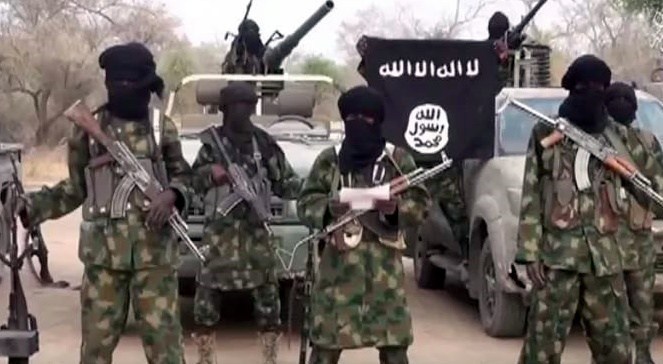
THE Federal Government has blamed international partners for the reason it is yet to successfully prosecute the war against Boko Haram insurgency in the northeastern region.

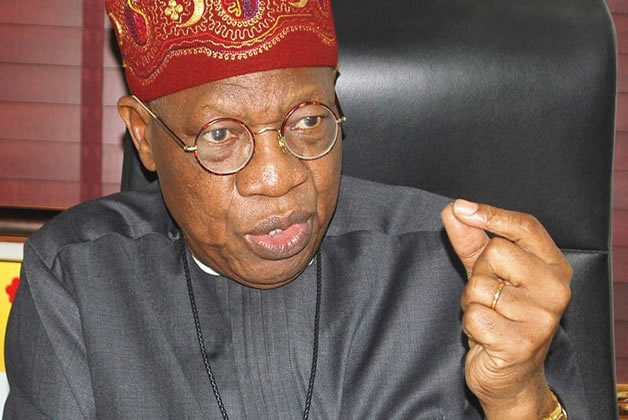
Lai Mohammed, the Minister of Information, Culture and Tourism, said this on Monday in Makurdi while reacting to issues of insecurity and the killing of 110 rice farmers in Borno State during the weekend.

Mohammed said the Buhari administration has made an attempt to acquire a better platform to prosecute the war but it has been denied this support for some unknown reasons.

While stressing that there is a need for more global support to tackle terrorism, he stated that without adequate weapons, the nation will remain at the mercy of terrorists.

“But you must also note that we are dealing with terrorists who are financed globally and we also need more support from global partners. For instance, Nigeria has made an attempt to acquire a better and more effective platform to deal with terrorists but for one reason or the other we have been denied this platform, these weapons and without adequate weapons or platform we remain at the mercy of terrorists,” he said.

“You see fighting terrorists is not a joke because what actually happened in Borno State is unfortunate but you must also look at the strategy of the terrorists.

“Terrorists use media and publicity as oxygen, so when they go on this kind of mindless killing of people. It is not that the government is not doing enough. Terrorism whether in Afghanistan or anywhere in the world has the same concept, a group of people who are extremist in their thoughts who don’t think that you and I should be alive.

“When we talk about terrorism, people don’t seem to appreciate that terrorism is not a local issue, it is a global issue and there is no part of the world that doesn’t experience its own pocket of terrorism.”

Mohammed’s statement failed to acknowledge repeated and renewed calls by Nigerians and socio-political organizations that the president should create room for fresh ideas in the fight against terrorism and ravaging insecurity in the country by sacking his service chiefs who he appointed in 2015.

In July, the Nigeria Senate asked President Buhari to ask the service chiefs to step aside in a resolution moved by Ali Ndume who was ambushed by suspected bandits in Katsina State, leading to the death of 16 soldiers and 28 others, wounded.

But in a swift response, Femi Adesina, Special Adviser, Media and Publicity, then said the presidency noted  the “resolution and the president as Commander-in-Chief of the Armed Forces, will do what is in the best interest of the country at all times.”

Adesina reminded the senate how it is only in the prerogative of the president to appoint and sack his service chiefs.

Obasanjo to Akufo Addo, Mahama: Your actions will determine fate of Ghana election

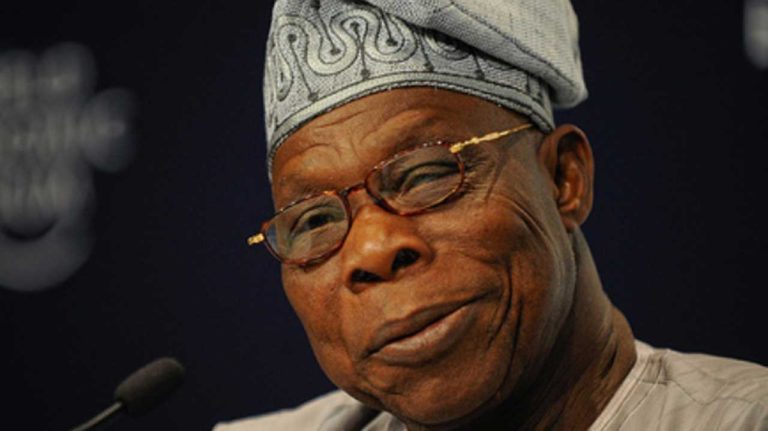
OLUSEGUN Obasanjo, Nigeria’s former President, says the action exhibited by leaderships of Ghana’s New Patriotic Party (NPP) and National Democratic Congress (NDC) will determine the fate of the country’s general election.

In a letter personally signed by Nigeria’s former Head of State, he told the political actors to do everything possible to ensure the election scheduled to hold on December 7 is peaceful and credible.

Nana Akufo-Addo, the incumbent President is the flag bearer of the NPP while John Mahama, former Ghanaian president is contesting under the NDC.

“I write to you, leaders of the two main political parties in Ghana, to urge you to do all you can to ensure a peaceful conduct of the general elections,” Obasanjo said.

“My concern about the elections in Ghana is not only as an African but also because of our shared colonial history, our anthropological background…”

“…the success or failure of the elections, a key aspect of democratic consolidation in Ghana will largely depend on the posture of the NPP and NDC leadership and how that is manifested by the actions of their supporters.”

He acknowledged the ‘significant’ contributions of both parties to developing the socio-economic and political growth of Ghana. The legacy, he noted, should be sustained irrespective of the political differences.

Other major candidates in the presidential election are Nana Konadu Agyeman-Rawlings, wife of the late president John Rawlings, Christian Andres of Ghana Union Movement, Ivor Greenstreet (Convention People’s Party), Akua Donkor Ghana Freedom Party), Henry Lartey (Great Consolidated Popular Party) and Hassan Ayariga (All Peoples’ Congress).

There is also an independent candidate, Asiedu Walker who is contesting in the poll.

33, 367 polling units have so far been approved by the Ghana Electoral Commission for the 17, 027,655 registered voters in the country.

Obasanjo, however, campaigned for the unity, peaceful conduct of the poll. He charged the electorate to respect democratic values and preserve democratic gains the country had witnessed since the advent of democracy in Ghana.

“The NPP and NDC must constructively engage with all national institutions to identify, address or mitigate any potential threats to the smooth organisation of the electoral process,” the letter reads in part.

Both Frederick Blay, NPP Chairperson and Samuel Ofosu-Amofo, NDC Chairperson and their members of executive committees were copied in the letter.

Borno Farmers: We are still searching for more corpses, says Defence Headquarters

0

IN response to reports by the United Nations that no fewer than 110,  were killed by Boko Haram terrorists in Maiduguri, Borno State as against 43 persons earlier reported, the Nigerian Defence Headquarters has said that military operatives are still searching for more bodies.

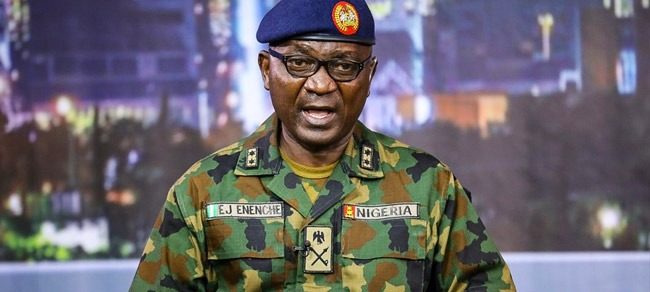
The Defence Headquarters said this on Monday when the military spokesperson, John Enenche featured on Sunrise Daily programme on Channels television to discuss the rate of insecurity in the country.

“I had to contact the people in the theatre, right from the commander, the UC and then the media operation officer and then they gave me a synopsis of what happened. When the governor was to go and after they had recovered the dead, the troops had to move in there and they counted 43.

“Of course, some people ran into the bush and they started coming back and trickling in.

“As at 2 pm yesterday (Sunday), I called them and they got back to me at about 7 pm yesterday, still counting, looking if they will recover (more corpses). We call it Exploitation After Action Review,” said Enenche.

He added that the military may eventually count up to the figure quoted by the United Nations but only 43 has been counted so far.

“Probably we may count up to the figure he (UN officer, Kallon) gave in the future but as it is now, what we have counted with the locals is still 43 and we are hoping that we don’t get beyond that.

“This is the real situation. I did not sleep, we had to follow it because this is very relevant coming from the United Nations,” he stated.

According to reports, Edward Kallon, the United Nations Resident and Humanitarian Coordinator had said the at least 110 were killed in the attack by Boko Haram.

However, in a telephone conversation with The ICIR, Eve Sabbagh, the Head of Public Information, United Nations Office of Coordination of Humanitarian Affairs (OCHA) Nigeria said the 110 figures have been retracted.

“We got initial numbers that there were more bodies being recovered on Sunday and it could be up to 110 people killed but we can’t confirm these numbers. So on the official statement, we are saying 110 because all we can confirm so far are the 43 recovered bodies.

“However, there was an initial version that had gone with the initial numbers, so that is why the press is reporting that (110) but we have retracted it and the official statement that we published online says tens of civilians,” Sabbagh told The ICIR.

Over 600 deaths recorded in North-East within six months, Borno ranks top

NORTH-EAST Nigeria has recorded at least 612 deaths from the month of June to November 27, data gathered by the Nigeria Security Tracker, NST, has shown.

The deaths from the affected states – Borno, Adamawa, Yobe, Bauchi, Gombe and Taraba were as a result of banditry, kidnapping, communal clashes and Boko Haram insurgency in the region.

While 233 state actors such as security operatives and government officials were killed within the six months period, 379 civilians from the region lost their lives to insecurity.

Based on data gathered from the Nigeria Security Tracker (NST), an initiative of the Council on Foreign Relations (cfr), Borno state recorded the highest mortality with 534 total deaths (231 state actors and 303 civilians).

From the figure, Boko Haram insurgency was responsible for more than 50 percent of the casualties put at 534 deaths.

In Bauchi, only 13 deaths were recorded. Though none of the killings was attributed to the insurgency, they were a result of the communal crisis and political clash.

Gombe recorded no deaths within the period.

Data on Deaths in the North East

However, Yobe, Adamawa and Taraba recorded multiple deaths due to insurgency, banditry and kidnapping.

In Adamawa for instance, a total of 27 people were killed in six months due to insecurity.

One of such killings in Adamawa occurred in June. On June 9, about 23 bodies were recovered after a communal clash between the Lunguda and Waja tribes in Zakawon community, Lamurde Local Government Area of the state. Houses were burnt and domestic animals and foodstuffs were also destroyed.

Suleiman Nguroje, former spokesperson of the state police command later confirmed the arrest of 32 persons accused of the crime.

While death was recorded in Yobe state within the period, Taraba had a much higher casualty figure of 37 civilian deaths.

One of the Taraba killings involved the attack on Emmanuel Bileya, a clergy at Christian Reformed Church-Nigeria (CRC-N) and his wife, Juliana while the two were working on their farmland in Mararaba, Donga LGA.

“killings of this nature have happened too often recently in Southern Taraba communities…,” Bala Dan Abu, Media aide to Darius Ishaku, the state governor,  stated while reacting to the incident.

Killings too many

The series of reported killings in the country has sadly become a source of worry to Nigerians and the international community. However, the above casualty data excludes the slaughtering of over 40 farmers in Jere Local Government Area of Borno State, as widely reported last Saturday. The United Nations Humanitarian Coordinator in Nigeria, Edward Kallon later pegged the casualty figure to 110 victims.

Despite the public reactions the incident generated, no official statement has been issued by the security authorities.

The ICIR earlier reported the silence of the Nigerian Army and the Police over the incident. But hours after the incident, President Muhammadu Buhari reacted, describing the killings as insane and senseless.

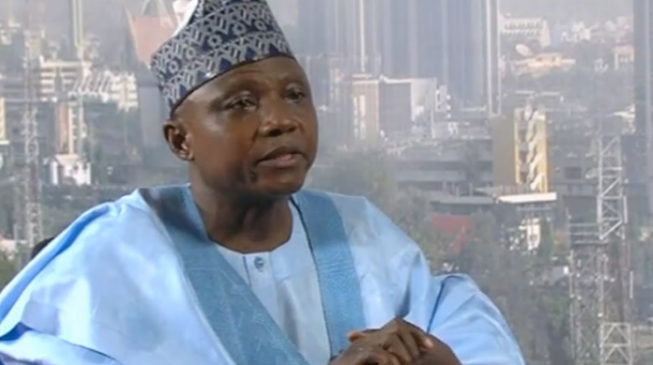
“I condemn the killing of our hardworking farmers by terrorists in Borno State. The entire country is hurt by these senseless killings. My thoughts are with their families in this time of grief. May their souls Rest In Peace,” Buhari stated in a statement released by Garba Shehu, his spokesperson.

Meanwhile, beyond attacks on civilian populations in the country, the military is not excluded in the seemingly continued attacks that have led to the deaths of several military personnel.

The Federal Government has continued to insist it is winning the battle over the insurgents but the current reality cast doubts on this claim.

Beyond the North-East area, other regions in the country have witnessed one form of insecurity or the other.

The most recent in the South-West, for instance, is the killing of Oba Gbadebo Ogunsakin, the traditional ruler of Odo-Oro in Ikole Local Government of Ekiti State.

Slain Borno farmers had no clearance to resume activities in that area, says Garba Shehu

0

GARBA Shehu, the spokesperson to the Nigerian President, Muhammadu Buhari has said that the slain farmers in Zabarmari, a community in Jere Local Government Area were not cleared by the military to resume operations.

Shehu said this in an interview with BBC on Monday while answering questions over the killing of about 43 farmers in Borno State.

“Much of those areas have been liberated from Boko Haram terrorists but there are a number of spaces that have not been cleared for the return of villagers who have been displaced. So, ideally, all of these places ought to pass the test of military clearances before farmers or settlers resume activities on those fields,” Shehu said.

Following his comment, the BBC interviewer asked if he is blaming the deceased farmers for getting killed, Garba said ‘not exactly but the truth has to be said’.

“Not exactly but the truth has to be said. Was there any clearance by the military which is in total control of those areas? Did anybody ask to resume activity? I have been told by the military leaders that they had not been so advised and certainly, therefore, it was a window that the terrorists exploited,” Shehu responded.

Although in March 2015, during the administration of Goodluck Jonathan, the Nigerian Army had claimed that all but three local governments had been recovered from Boko Haram, Shehu said on Monday that the military is not present in all of that area where the attack took place.

Also in December 2015, President Buhari said Nigeria has “technically won the war” against Boko Haram militants. 

He told the BBC that the militant group could no longer mount “conventional attacks” against security forces or population centres.

Five years later, the Buhari administration is now doing a 360-degree turnaround with the new claim.


“The military is not present in every inch of space in that area. Even if the people are willing to go back, a lot of those areas have been mined and mine clearance needs to be carried out and those areas must be cast as being ok for human habitation or agricultural activity,” Shehu said.

As at the time of filing this report, there has not been a definitive number of the casualties beheaded by Boko Haram terrorist, while the Nigerian Army said 43 bodies have been counted, the United Nations said apart from the 43, some bodies were reported to have been recovered on Sunday.


Lawan leads FG delegation on condolence visit to Borno over killing of farmers

0

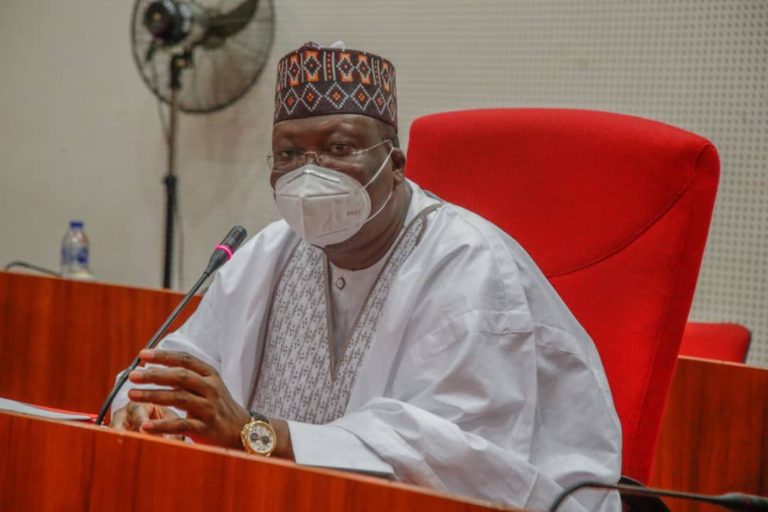
AHMAD Lawan, Nigerian Senate President, on Monday, led a delegation of the Federal Government on a condolence visit to Borno state over the killing of rice farmers by Boko Haram at the weekend.

According to Ola Awoniyi, Special Adviser to the Senate president on media, the delegation is in Borno, on behalf of President Muhammadu Buhari and the Federal Government, to commiserate and identify with the family of the victims, the government and the people of Borno State over the incident.

Members of the delegation include the chief of staff to the president, Ibrahim Gambari, Ministers of Federal Capital Territory, Mohammed Bello, Communications and Digital Economy, Ali Pantami and the Minister of State for Agriculture, Mustapha Baba Shehuri.

Other members are the National Security Adviser, Major General Babagana Monguno(rtd) and Senior Special Assistant(Media and Publicity) to the President, Mallam Garba Shehu.

The ICIR had reported on Saturday how about 43 rice farmers were brutally murdered in Kwashebe Zamarmari axis of Jere Local Government Area of Borno State.

A BBC report says the deceased were attacked, tied and beheaded by the Boko Haram insurgents while they were harvesting rice on their farms.

However, the United Nations’ humanitarian coordinator in Nigeria, Edward Kallon, said in a statement on Sunday that the numbers of people that were killed were 110. He also added that many others were wounded with several women being kidnapped by the insurgents.

While describing that the incident was the most “violent direct attack against innocent civilians this year, he called that the perpetrators be brought to book.

President Muhammadu Buhari, in a statement issued by Garba Shehu, his Senior Special Assistant on Media and Publicity on Sunday, described the incident as senseless and insane.

He said the government has given all the needed support to the armed forces “to take all necessary steps to protect the country’s population and its territory.

Niger Delta Power Holding Company to audit Nigeria’s abandoned gas power projects

0

THE Niger Delta Power Holding Company, NDPHC is set to conduct a comprehensive audit of all existing National Integrated Power Projects, NIPPS littered across the country.

The audit is aimed to ensure that all idle gas turbines abandoned in the country were restored and put to use so as to improve electricity generation and supply.

This was disclosed by Abdullahi Kassim, Executive Director, Generation, NDPHC, during a tour of three power plants namely Omotosho, Ogorode, and Ihovbor generation companies.

He said the move to audit the plants was spearheaded by the Vice President, Prof. Yemi Osinbajo, who had ordered the management of NDPHC to revive all gas turbines that were not in good condition.

“We are going to commence an audit of all the power plants. The audit will give us an overview of critical issues.

“Also, the security audit will expose the challenges around security, the mapping of all those security personnel around the power plants and the manpower gap, which was an issue raised by some of the chief operating officers,” he said.

A 2019 investigation carried out by The ICIR, revealed that Omotosho, Benin, Ogorode and Egbema gas plants which were managed by the NDPHC had been shut down due to power rejection to the national grid.

In September 2019, President Muhammadu Buhari had instructed the Economic and Financial Crimes Commission, EFCC to prosecute two officers of NDPHC involved in an alleged $16 billion failed gas plant project.

The combined electricity generated from the eight NIPPS across the country was pegged at 468.7MW as of October 2019 but about 300MW gets to the consumers.

However, the Federal Government announced on Sunday the inauguration of the Gagarawa 2x60MVA, 132/33KV substation in Jigawa State after the facility had been abandoned for 20 years.

Sale Mamman, Minister of Power who inaugurated the substation, said the project was designed to upgrade the power supply to the industrial hub of the area in order to promote economic activities and increase revenue generation in Jigawa.