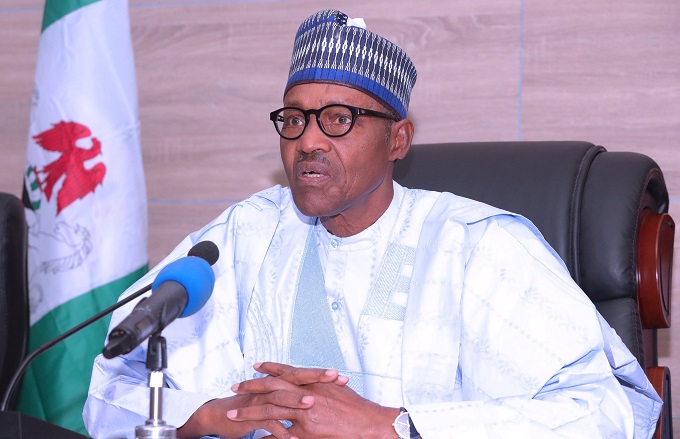
NIGERIAN Presidency on Tuesday night denied reports that President Muhammadu Buhari has cancelled appointments and memos approved by his former chief of staff late Abba Kyari
Reacting to the report the Senior Special Assistant on Media and Publicity to the president, Garba Shehu, described the reports as false.
Garba urged Nigerians to disregard the reports, adding that Buhari has not given anyone such power.
In a series of tweets on his official Twitter page, he stated that “The attention of the Presidency has been drawn to media reports alleging that President Muhammadu Buhari has cancelled a number of memos and appointments signed off by his former Chief of Staff. Not surprisingly, these reports have quoted unnamed sources.
Reports had over the weekend emerged that the President directed his new Chief of Staff, Professor Ibrahim Agboola Gambari, to cancel all appointments and approvals made by the late Chief of staff Abba Kyari.
The reports claimed that 150 memos were signed without Buhari’s permission.
Garba assured that there is not a grain of truth in these reports and pleaded Nigerians that should ignore the insinuations behind them.
He said President Buhari was duly re-elected by Nigerians in February 2019 and he has not and will never cede to anyone else, that power and trust given to him by the Nigerian people.
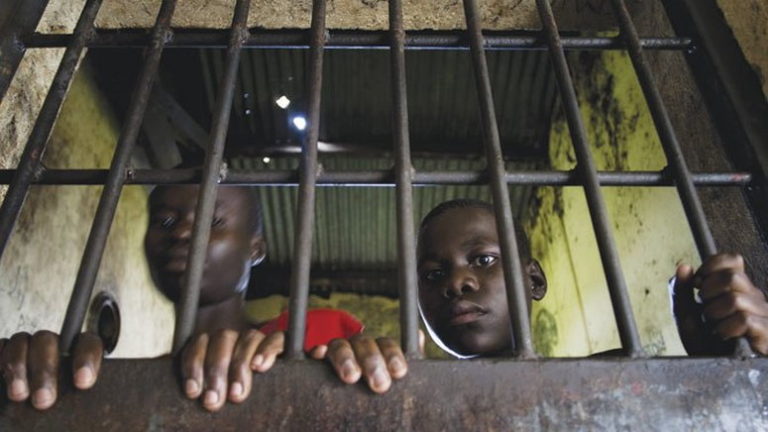
FOR children fleeing from Boko Haram attacks in northeast Nigeria, their struggle for survival suffers setbacks from arbitrary detention to gross violations at the hands of the military.
This revelation is contained in a new report published on Wednesday by the Amnesty International.
Titled “We dried our tears: Addressing the toll on children of Northeast Nigeria’s conflict,” the report chronicles the activities of the Nigerian Army as soldiers engaged in widespread detention and torture of children who had escaped after been recruited or abducted by Boko Haram insurgents.
Joanne Mariner, Acting Director of Crisis Response at AI said in a statement that the military’s continued brutality is exposing children in the region to psychological trauma, an act that contradicts their role as protectors of children.
“The past decade of bitter conflict between Nigeria’s military and Boko Haram has been an assault on childhood itself in Northeast Nigeria.
“The Nigerian authorities risk creating a lost generation unless they urgently address how the war has targeted and traumatised thousands of children,” she said.
According to her, the Nigerian military’s treatment of those who escape brutality of the Boko Haram insurgent has been appalling.
“From mass, unlawful detention in inhumane conditions, to meting out beatings and torture and allowing sexual abuse by adult inmates – it defies belief that children anywhere would be so grievously harmed by the very authorities charged with their protection,” she said.
She said the traumatised children would more likely heal, if soldiers refrain from brutality.
AI had interviewed more than 230 people affected by the conflict including 119 children that had suffered dehumanisation by Boko Haram, the Nigerian military, or both.
“Of this number 48 children were held in military detention for months or years, as well as 22 adults who had been detained with children,” the report noted.
The report accuses the Nigerian authorities of a flagrant breach of international law by causing irreversible harm to children.
A 17-year-old girl featured in the report said she was abducted by Boko Haram insurgents from Michika town, when she was 12, after being tortured and imprisoned by the fighters who separated her from her grandmother, despite having a psychosocial disability.
“There, they made us recite the Qur’an and would lash those who couldn’t because I stammer in my speech, it was difficult to cope, and they beat me every day—60 lashes,” she said.
Accounts of several survivors show that Nigerian military did as much damage to the victims of insurgency as Boko Haram.
The United Nations, UN, has documented more than 3,600 cases of children being detained between January 2013 and March 2019 for alleged involvement with Boko Haram, including 1,617 girls.
Another 18-year-old man identified in the report said he was recruited by Boko Haram at 13 and trained as a fighter but grew tired of the “disunity” between factions and the group’s violence against civilians which led to his escape from the group and surrender to the military.
He said he was taken to Giwa Barracks in Maiduguri, where, he experienced horrific torture at the hands of the soldiers.
“The conditions in Giwa are horrible. They could make you die. There’s no place to lie down… It’s hot, all your clothes were wet like they put you in a river. Up to now, nobody has told me why I was taken there, what I did, why I was in detention. I wonder, why did I run from [Boko Haram]?” he said.
Hundreds of interviews featured in the report revealed that men and children detained in Giwa barrack are sometimes kept together in a cell, where sexual abuse of the minors thrives.
Osai Ojigho, Director of AI Nigeria also blamed international donors for bankrolling a flawed military programme ” Safe Corridor” that claims to reintegrate former fighters but allows unlawful detention of children and adults.
“None of the major donors to ‘Safe Corridor’ would sanction such a system of prolonged and unlawful detention for its own citizens, so why do they do so in Nigeria?” she said.
Urging the Nigerian military to release children who were detained arbitrarily saying they had also experienced such inhumane conditions in the hands of Boko Haram insurgents.
“Nigeria’s armed forces must release all children being arbitrarily detained and halt other violations that appear aimed at punishing thousands of children, many of whom were also victims of Boko Haram’s atrocities,” she said.
Reacting to the accusation of the global rights body, Sagir Musa spokesperson of the Nigerian Army told The ICIR that the operations of the rehabilitation programme “Safe Corridor” should not be blamed on the Nigerian Army since it was a programme coordinated by the Defence headquarters.
“The army does not carry not run the operations “Safe Corridor” so it is not fair to say the army is involved in illegal detention of minors when that programme is entirely run by the Defence headquarters. I think you should direct that question to the Defence headquarters,” he said.
In addition, the intractable problem of Boko Haram and Islamic State, coupled with kidnappings, have created a security crisis. All continue to shatter the myth of military invincibility and the might of the Nigerian state.
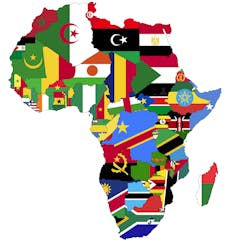
In the beginning, it was not so. From independence in 1960, Nigeria took upon itself the role of uniting Africa against western recolonisation. The continent, from then on in, became the centre-piece of its foreign policy. The fact that nations were living under foreign rule made it possible to galvanise them around a common cause. This led to the creation of the Organisation of African Unity – now the African Union – in 1963 and Economic Community of West African States in 1975.
Nigeria assumed a leading role in these events as it forged a foreign policy with a strong Afrocentric posture. In fact, so frenetic was its involvement in this role that it sometimes paid little attention to the home front.
Nigeria’s leadership role on the continent was a product of the vision, dreams and, sometimes, whims of the founding fathers. They were nevertheless premised on real national capacity. Jaja Wachukwu, Nigeria’s first external affairs minister noted in 1960 that:
Our country is the largest single unit in Africa… we are not going to abdicate the position in which God Almighty has placed us. The whole black continent is looking up to this country to liberate it from thraldom.
This defined the country’s behaviour and continental outlook and has continued to influence successive administrations – weak or effective.
Assuming a leadership role
The sheer size of Nigeria’s population – the largest on the continent which rose from 48.3 million in 1963 to over 200 million in 2020 — gave the country the idea that Africa was its natural preoccupation.
In addition, its colonial experience and the abundance of its oil resources and wealth have empowered Nigeria economically. This made it possible for the country to pursue an ambitious foreign policy. It also permitted Nigeria to finance its Civil War, strengthening its international independence. And oil made possible an unparalleled post-war recovery.
Nigeria has used its influence to good effect and to good ends. For example, it worked with other countries in the West African sub-region to establish the Economic Community of West African States in 1975. It went on to push for the prevention and resolution of devastating conflicts that engulfed Liberia in 1992. The conflict spilled over into Sierra Leone and other countries in the region. Nigeria spearheaded the cessation of hostilities and created the cease-fire monitoring group to bring a total end to the civil strife and restore democracy in both countries.
Many observers agree that the sterling performance of the monitoring group is unparalleled in the history of regional organisations the world over. It has now become a model to emulate for its operational efficiency and for giving regional actors pride of place in the resolution of regional conflicts.
It spent over US$10 billion in these peace campaigns and also lost soldiers in the process.
Nigeria has not limited its peacekeeping role to West Africa. It has also been engaged in Burundi, Democratic Republic of the Congo, Zimbabwe and Ethiopia-Eritrea.
The country also played the most important role in fighting apartheid in Southern Africa and supporting liberation movements on the continent.
Disappointments
But Nigeria has not been immune to challenges facing countries on the continent. Corruption, misappropriation of public funds, electoral malpractices, insurgency and terrorism have devastated its capacity and weakened its moral fortitude to lead the continent.
Amidst enormous wealth, poverty in Nigeria is endemic . It could even become the poverty capital of the world, according to The World Poverty Clock. Nigerians have been reduced to the behest of the politicians that tie them to gridlock of “stomach infrastructure”. This is a new trend which reflects institutionalised and structural poverty. Deprivation puts people in a vulnerable and compromised position where the desperation for survival makes them sell their votes and conscience.
The slow movement of the current administration is also killing the Nigerian spirit and leadership posture. South Africa, Ghana and even Madagascar have acted faster in continental and global politics, including during times of emergency such as the current COVID-19 pandemic. But Nigeria seems content with a spectator position.
What next?
Nigeria has been relegated to the background of international affairs. To turn this around requires a revisit to the roots – and mowing the lawns afterwards. Nigeria must take stock of its own performance and capacities and re-position itself – first from within.
If Nigerian leaders are increasingly determined to proffer African solutions to their problems, then political structures and institutions must be reformed to reflect conditions suitable for sustainable development. Without a formidable political base, the economy will remain weak and fragile. The political base is crucial, because, the state is the repository of all ramifications and dimensions of power – political, economic, technological and military. And the purpose of the state is to authoritatively allocate these resources.
There is also a need to empower people to mobilise their local resources and to use them for development. And, of course, public funds should not be concentrated in the hands of few individuals, who may be tempted to steal them. An accountable system is one in which money management has several checks.
Oil wealth has been the country’s nemesis, a curse that has promoted corruption and blatant bleeding of the economy. But it is declining in value and as source of national revenue. Now is the time for Nigeria to make good its repeated and well-advertised intentions to diversify the economy.
A de-emphasis on oil would open the door to smarter ideas about how to create wealth. It would also herald in getting rid of a great deal of the phlegm of corruption which has played such a central role in Nigeria’s infrastructural decay, eroded its influence and given it such a negative image.
Added to this is the succession of weak rulers since 2007.
African leaders do not look towards Nigeria anymore for counsel, inspiration and help. They think Nigeria has a lot on its plate already and needs help. The potential is still there for Nigeria to return to power; but it takes leadership to (re)build the auspicious atmosphere and to activate the country’s potential – the two steps required to regain that enviable frontliner spot on the continent.
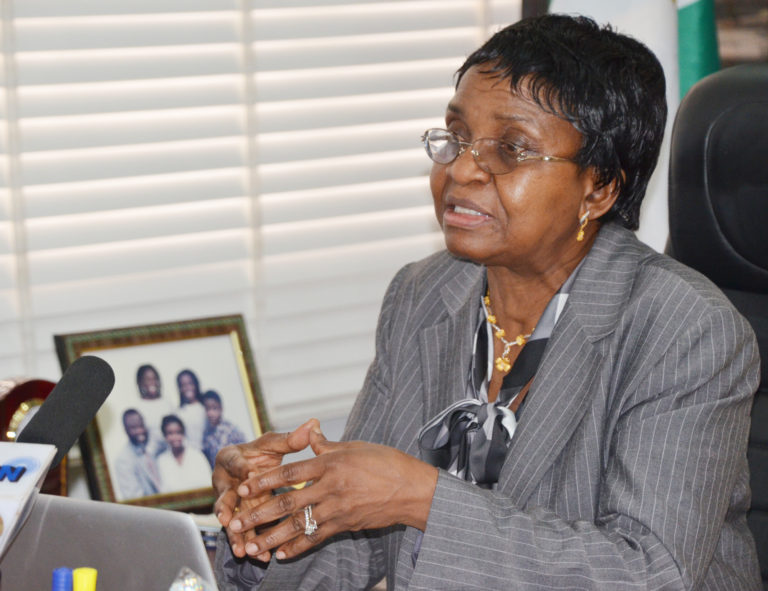
ON Tuesday, the National Agency for Food and Drug Administration and Control, NAFDAC, announced it would proceed with hydroxychloroquine clinical trials for the treatment of COVID-19 in Nigeria after the World Health Organisation, WHO, suspended testing following a study on its effects on COVID-19 patients.
In a report, the NAFDAC Director-General, Mojisola Adeyeye, said there are proven records that hydroxychloroquine had been effective in the treatment of COVID-19 patients, especially those at the “mild stage” of the virus.
“There is data to prove that hydroxychloroquine worked for many COVID-19 patients. Therefore, we would continue our own clinical trials in Nigeria. Hydroxychloroquine has been proved to work at a mild stage. So the potency depends on the severity of the disease in the patient’s body,” she said.
Mojisola stated the hydroxychloroquine clinical trials had begun in earnest, but its conclusion depends on the speed of work which could be in three to four months.
“If medical doctors, research scientists, pharmacists, herbal experts work together, we should conclude the clinical trial in three to four months. The narrative might change afterward but for now, we believe in hydroxychloroquine,” she said.
In a study published in the Lancet, peer-reviewed journal over 96,000 virus patients were examined and most of them had a higher risk of abnormal heartbeats, or arrhythmias, that could cause a heart attack in those treated with hydroxychloroquine or chloroquine.
WHO announced that it was “temporarily” suspending the clinical trials of chloroquine as a potential treatment for COVID-19 saying the decision was a temporary measure.
The global health body said other arms of the so-called ‘Solidarity trial’ – a major international initiative to hold clinical tests of potential treatments for the virus – were continuing.
Director-General of the WHO, Tedros Adhanom Ghebreysus hinted its safety board was still reviewing the drug until a final position is taken.
“The executive group has implemented a temporary pause of the hydroxychloroquine arm within the Solidarity trial, while the safety data is reviewed by the data safety monitoring board. The other arms of the trial are continuing,” he said.
He emphasised that hydroxychloroquine and chloroquine “are accepted as generally safe for use in patients with autoimmune diseases or malaria,” noting that the suspension was a temporary measure.
The Lancet study looked at patient medical records in 671 hospitals across six continents, making it the most extensively published evaluation of the drug’s impacts on coronavirus patients.
NIGERIA’s Gross Domestic Product (GDP) has dropped to 1.87 percent in the first quarter of 2020, the latest GDP report by the National Bureau of Statistics (NBS) reveals.
According to the report, the drop in the GDP figure is as a result of the significant global disruptions resulting from the Coronavirus disease (COVID-19) public health crisis, a sharp fall in oil prices, and restricted international trade.
This has led the GDP to a drop by 0.23 percent when compared to the GDP of quarter one in 2019 (2.10 percent) and a contraction of about 0.68 percent when compared to the last quarter of 2019 (2.27 percent).
“The performance recorded in Q1 2020 represents a drop of –0.23 per cent points compared to Q1 2019 and –0.68 per cent points compared to Q4 2019,” stated in the report.
The COVID-19 pandemic is ravaging the world and its economies, leading many into recession.
Nigeria as Africa’s largest economy may be facing a recession that could last until 2021, which may be her worst in 30 years.
The minister of finance, Zainab Ahmed had said last week that Nigeria’s economy would soon go into a recession.
Ahmed also disclosed that the economic growth in Nigeria could contract by as much as -8.94 per cent in 2020 in the worst-case scenario and could be a contraction of -4.4 per cent in the best-case scenario if there was no stimulus and 0.59 per cent contraction if there was a fiscal stimulus package.
By International Monetary Fund (IMF)’s estimation, Nigeria’s economy is expected to shrink by 3.4 percent this year.
THE Global Initiative for Food Security and Ecosystem Preservation (GIFSEP) and 350Africa on Monday asked the Federal Government to probe reported human right abuses on coal mining communities, particularly attributed to the Dangote Coalmine in Kogi State.
The group also urged government to stop issuance of coal mining licenses to private investors to reduce environmental degradation.
In a report released today to commemorate the 2020 AfricaDay, Kogi leads with eight coal blocks while Enugu state has six from 28 coal blocks across 12 states in the country.
Though, coal mining is currently active in Kogi and Gombe, the government has intensified the exploration of the raw material to generate 30 per cent of its energy mix despite its commitment to the Paris Agreement to reducing carbon emission.
The power shift arrangement was agreed upon in 2016 by the Federal Ministry of Power and Ministry Mine and Steel Development.
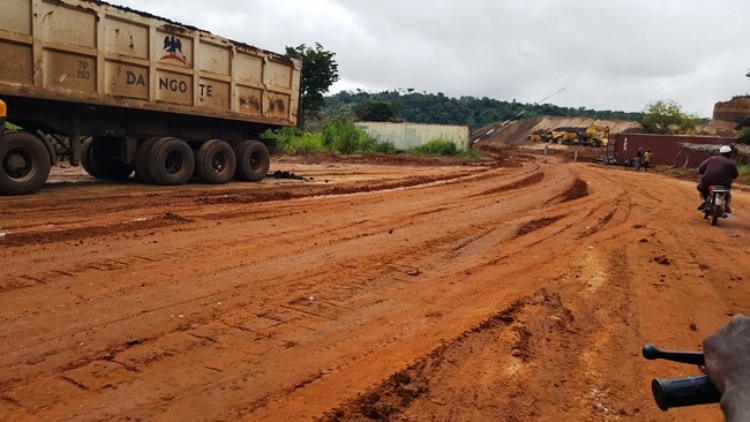
Coal laden vehicle (Left) on the main access road to Dangote Coal Mine in Onupi Village. Photo Credit: Olugbenga Adanikin, The ICIR
But the Non-profit organisations insist that the extractive exercise was contributing to emissions of greenhouse gases, stressing that Dangote Cement runs one of the largest coal mines in Africa to generate over 50 per cent of its energy need to power the cement factory, located in Kogi.
The report identified some of the concerns to include lack of an Environmental Impact Assessment (EIA), flawed Community development agreement, polluted water of host communities, land and land degradation, air pollution through clouds of dust and smokes.
“The FG should immediately investigate and correct the human rights violations in coal mining communities in Nigeria, particularly in Onupi, Okobo and Maiganga.
“There is an urgent need to review the CDA signed between the coal mining communities…and to urgently develop one in communities where there is none,” the report stated.
The ICIR had earlier written a two-part report on the operation of the mining company.
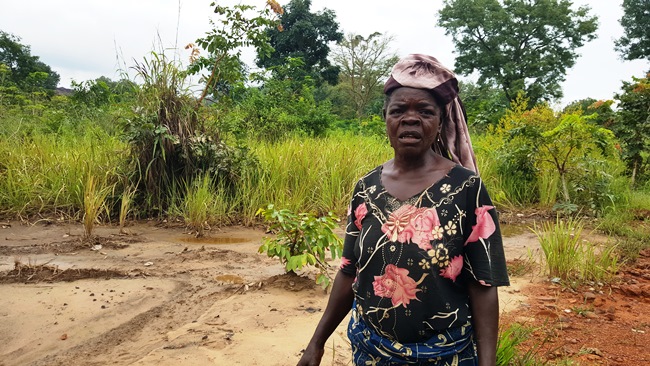
The report exposed several pollutions of the ecosystem and farmlands, causing harms to the rural dwellers.
The Federal Ministry of Environment, however, directed its regulatory agency to investigate the matter but as of today, no formal report has been published.
The report also urged the environment ministry to conduct an immediate EIA on all coal mining sites in the country.
“Dangote industries should urgently review its operations and ensure its operations adhere to the United Nations Guiding principle on Business and Human Rights,” the group insists.
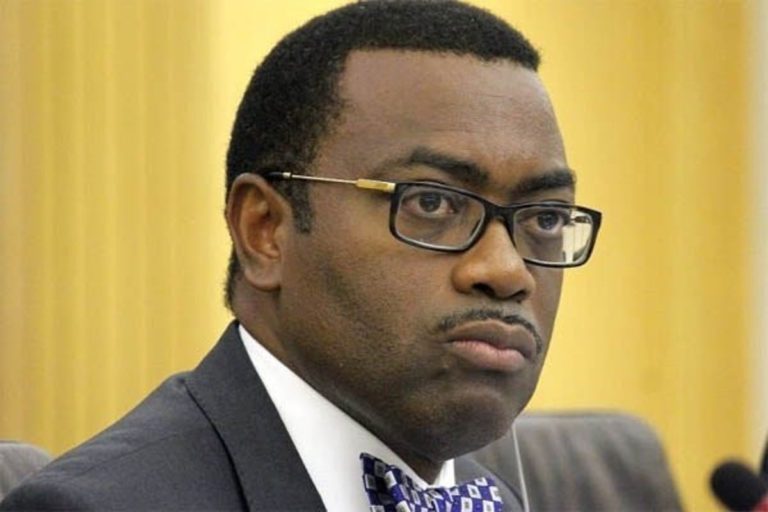
PRESIDENT of the African Development Bank (AFDB) Akinwumi Adesina has been accused by a group of anonymous whistleblowers of handing contracts to acquaintances and appointing relatives to strategic positions at the bank, a Bloomberg report has revealed.
According to the report, U.S. Treasury Secretary Steven Mnuchin turned down plans by the AFDB’s board to end an investigation into Adesina, and called for an independent probe into allegations against him.
Mnuchin said the Treasury disagrees with findings by the bank’s ethics committee that totally exempt Adesina.
Adesina who has repeatedly denied the allegations is the only candidate up for election as president at the Annual General Meeting (AGM) scheduled for August, the report revealed.
Mnuchin said; “We have deep reservations about the integrity of the committee’s process.”
“Instead, we urge you to initiate an in-depth investigation of the allegations using the services of an independent outside investigator of high professional standing,” he added.
The ethics committee also wrote to the governors saying Adesina has been exonerated of all the charges alleged against him, thereby seeking the consent of all the governors to dismiss the issue accordingly.
The AFDB earlier scheduled the AGM for May but was rescheduled to August due to the COVID-19 pandemic.
Mnuchin, however, believes that further investigation is necessary to ensure that the AfDB’s president has wide support, confidence, and a clear mandate from shareholders.
AFDB shareholders are Africa’s 54 nations and 27 countries in Europe, Middle East and Asia.
Adesina, a former Nigeria’s Minister of Agriculture and Rural Development, was elected as the 8th President of the AFDB on Thursday, May 28, 2015.
He succeeded Donald Kaberuka of Rwanda, and assumed duty on September 1, 2015 in Abidjan.
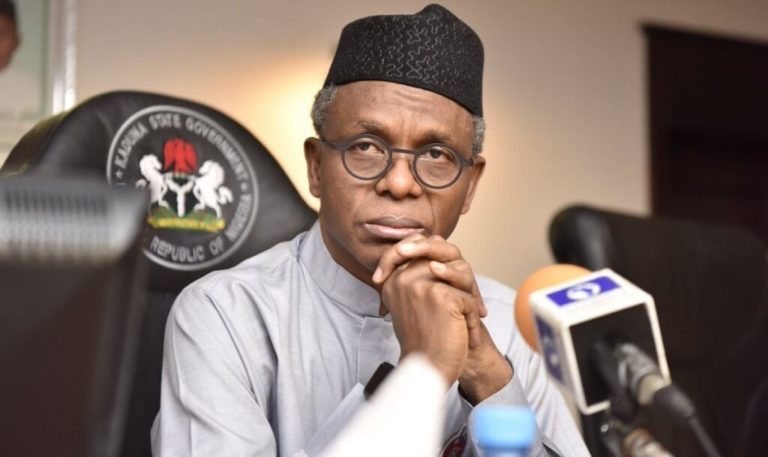
THE Kaduna State goverment has remained quiet since the health workers in the state announed the plan to commence 7-day warning strike action in protest against the deduction of their salaries.
The health workers under the umbrella body of Kaduna State Health Care Workers Union and Associations had earlier criticised the state government for allegedly deducting 25 per cent from their salaries.
This is away from the 10 per cent incentive Mallam Nasir El Rufai promised the Health Care Workers (HCW) who had been at the forefront of the Coronavirus Disease (COVID-19) but reportedly failed to fulfil.
“Kaduna State government deducted 25 per cent of the salaries from about 11, 000 of healthcare workers in the midst of COVID-19 (April and May).
“This action was done in violation of Section 5 of the Labour Act…,” the workers stated in a communiqué jointly signed by Dr Danjuma Sale, Dr Emmanuel Joseph, Ibrahim Abashe and Dr Stephen Kache.
“Kaduna State Government paid between N150, 000 to N450, 000 as occupational safety incentives to about 300 selected HCWs and non-HCWs working as staff or volunteers in the IDC and isolation centre or serving in some of the COVID-19 pillars. Less than 2 per cent of the HCWs in the State benefited from the packages.”
As a result, the workers threatened a seven-day warning strike except the government rescinds its decision and meet workers’ demands.
In his reaction, Muyiwa Adekeye, Special Adviser on Media and Communication to el-Rufai, criticised the move by the workers, describing it as blackmail.
He warned that the proposed strike would lead to sack.
“Government rejects the strike threat and will regard persons who fail to show up at their assigned places of work as having forfeited their employment,” Adekeye stated in a press statement.
“To declare strike action amidst the COVID-19 pandemic is naked blackmail,” he added.
It has been two days since the strike action was reported in the media but the state government has remained quiet on the threat.
The ICIR repeatedly contacted Adekeye on Sunday to find out the government’s next plan but he did not respond to the phone calls.
Text message sent to him to find out if the state would consider the health workers’ demands or still sack the group of medical workers was not returned.
Meanwhile, the aggrieved workers disclosed that despite being at the frontline of the pandemic, their members still personally procure their face masks and protective goggles, among others.
They complained of inadequate Personal Protective Equipment in the state hospitals while patients allegedly bought their gloves.
“None of our members working in hospitals has been contacted to give their details for the widely publicised N5m and N2m life and disability insurance, respectively.
“All health workers are exposed to varying degrees of risk of infectious diseases such as COVID-19, tuberculosis, HIV/AIDs, Lassa fever, Ebola fever among others,” they stated.
MUHAMMAD Bello, Minister of the Federal Capital Territory (FCT), Abuja on Thursday directed that markets in the territory will now only operate three times weekly on Mondays, Wednesdays and Saturdays, from 8:00 am to 2:00pm.
A statement issued by Anthony Ogunleye, the Chief Press Secretary to the Minister explained that this was part of efforts to curtail the spread of the Coronavirus disease (COVID-19) pandemic in the FCT.
The joint meeting of the FCT COVID-19 Emergency Response Team and the FCT Security Committee, deliberated on the second phase of the ease of lockdown guidelines issued by the Presidential Task Force on COVID-19 generally and as they affect the operations of markets in particular.
Consequently, the meeting came up with the following guidelines for the operations of markets in the FCT from Monday May 25th 2020.
With effect from Monday, May 25th, 2020, the number of days that markets are allowed to operate in the FCT has been increased from 2 to 3 days in a week. Accordingly, all markets will now be opened on Mondays, Wednesdays and Saturdays from 8.00am to 3.00pm.
In addition to sale of foodstuff the following additional sections of the market will now open: Agricultural inputs for farm activities such as sale of fertilizer, herbicides, seeds and agricultural implements; building, construction materials and electrical items specifically for construction; neighborhood selling points managed by the Abuja Markets Management Ltd which are restricted to selling only foodstuff, are to operate daily; all new sections of the market to be re-opened as indicated above must ensure decontamination of their premises prior to commencement of business.
The FCT authority has also warned market operators and customers always to observe established protocols of handwashing, facial coverings and social distancing.
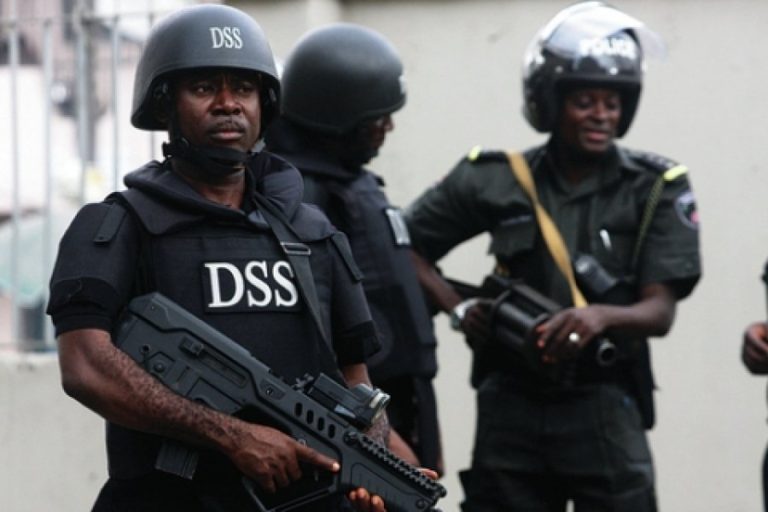
INIBEHE Effiong, the lead counsel to detained Akwa-Ibom based Journalist, Kufre Carter, said the State Security Services has disregarded a court order in service of governor Emmanuel Udom’s interest.
Effiong, in a press statement stated that after he had fulfiled all bail conditions on behalf of his client, SSS still has not released him.
The ICIR had reported how Carter was arrested by men of the SSS over a viral audio message criticising the State governor and the commissioner of health.
Effiong added that following an order application granted by Justice Archibong Archibong of the High Court of Akwa Ibom State, he went to the SSS quarters with relevant documents.
After waiting for several hours at the SSS office, men of the security agency told Effiong that the Attorney General of the state had written them not to grant the court order.
Effiong noted that from his discussion with the SSS officials, they were bent on not obeying the order until they get a directive from the governor.
“From my discussion with the SSS official on Friday, they ostensibly made it clear that they will not obey the Court Order for the release of our client except and until Governor Udom Emmanuel gives them directive to that effect,” Effiong wrote.
He said the SSS has no right to determine the effect of a bail order.
“By insisting that our client will only be released from their custody on the directive of the Governor of Akwa Ibom State, the SSS has flagrantly flouted the Order of Hon. Justice Archibong Archibong which commanded the immediate release of our client upon the perfection of his bail conditions without any further condition(s),” the statement further read.
Effiong noted that on behalf of Carter, a petition would be sent to the Body of Benchers, the Legal Practitioners Privileges Committee (LPPC) and the Legal Practitioners Disciplinary Committee (LPDC) and other regulatory bodies in the legal profession to sanction the SSS for its action.
He called on the Federal Government, the Director-General of the SSS, the National Human Rights Commission, civil society, international community, the media and Nigerians to urgently prevail on the SSS Command in Akwa Ibom state to obey the valid and subsisting order of the High Court, and release Carter.