Home Blog Page 2106

Ayade orders arrest of civil servants leaking information to media

THE Governor of Cross River State, Ben Ayade has ordered the arrest of some civil servants for leaking information to CrossRiverwatch, an online news outlet.

The news website reported about the arrest of the civil servants on Tuesday.

One of the CrossRiverwatch publishers,  Charles Kalu told The ICIR  the arrest was in connection with what the news outlet has been reporting lately about Ayade government.

He added that the identity of those arrested is yet to be established

“We have reported about how Ben Ayade has been collecting money from local government, how he has been asking them to raise money for Coronavirus disease (COVID-19) pandemic, and to also raise money for the Obudu Airport he’s planning to build,” he said.

Kalu said Ayade ordered the arrest because he knew that information reported by CrossRiverwatch are accurate.

“We knew something like this would happen because there was a time some of the stories we carry led to the arrest of our publisher Agba Jalingo,” Kalu said to The ICIR.

It will be recalled that in  August 2019, the publisher of CrossRiverwatch, Jalingo was arrested and charged with treason for his writing and social media posts about Ben Ayade before he was later released on bail after spending 179 days in custody.

Meanwhile, the Cross Rivers Chief Press Secretary, Christian Ita has confirmed to The ICIR in a text message that some civil servants have been arrested, but  he added that they will be released very soon so that they can go through the civil service disciplinary proceedings.

Ita said leaking privilege government documents is a crime.

When The ICIR asked him to name the civil servants arrested, Ita said he doesn’t have the details yet.


Banks add to worry of Nigerians with stamp duty deductions

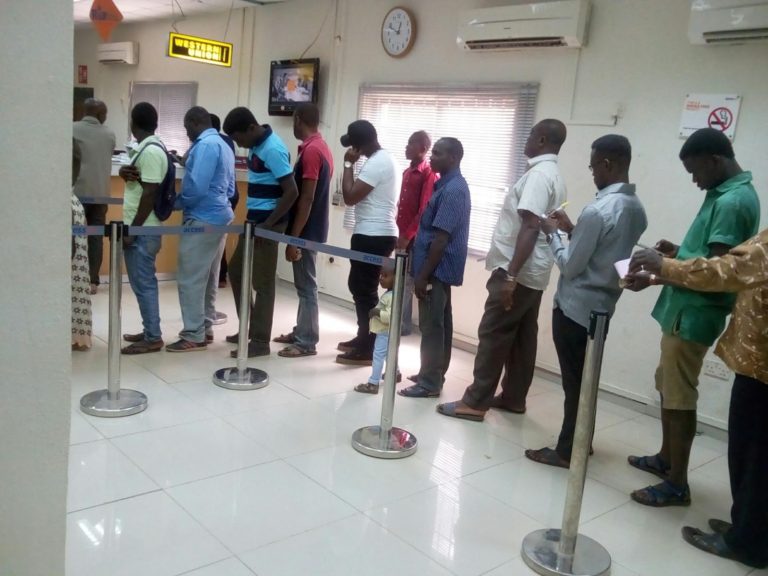
BANKS may have added to the worry of Nigerians who are already struggling to make out a living during the period of COVID-19 crisis as payment of stamp duty takes effect. 

The Finance Act, 2019 resolved the controversy over the legality of the N50 stamp duty on electronic receipts and transfer of funds by setting the threshold for the charge at N10,000 for all types of accounts.

But Nigerians have expressed frustration on various platforms over this deduction and its impact on their finances.

Adeoye Martins a  sales boy in Abuja who spoke to The ICIR said: ” UBA has deducted about N1,500 from my account in the name of stamp duty and the money in my account is not mine, I have to look for the money back.”

Silas Mathias said, “These banks are just ripping us off, I would take my money away from the bank and keep at home before I wake up one day and they have deducted all I have.”

A Twitter user @Prisielebz and an Access Bank customer tweeted, “I don’t understand the debits made by Access Bank on customers’ accounts in the name of stamp duty. What exactly is going on?”

Another twitter user @banadvinice117 posted: “@UBAGroup @UBAFoundation You guys deducted about 900(50naira x18) between March and April. You’re charging 1,100 for March and Feb AGAIN .. what the hell is stamp duty. I need explanation abeg!!!!!!!!! #DAYLIGHTROBBERY #COVID19.”

According to Price Waterhouse and Coopers (PWC), under the Stamp Duty Act, stamp duty is payable on any agreement executed in Nigeria or relating, whatsoever, to any property situated in or to any matter or thing done in Nigeria.

Instruments that are required to be stamped under the Stamp Duties Act must be stamped within 40 days of first execution.

All deposit banks and financial institutions are required to charge stamp duties of NGN 50 on every eligible transaction above NGN 10,000.

There are exemptions for transactions between accounts held by the same bank customer and for salary accounts.

Guaranty Trust Bank sent out emails to customers saying “Please be informed that in line with Central Bank of Nigeria (CBN) new directives, stamp duty now applies to all accounts.”

N50 will be charged on our savings account on all deposits and electronic transfers from N10,000 and above, while N50 will be charged on current account on all deposits and electronic transfers from N1000 and above

However, please note that deposits made to self and transfers within the same bank are exempted from the charge.

United Bank of Africa (UBA) also sent emails to customers saying “On February 1st 2020, the Federal Government of Nigeria (FGN) released a policy directing all banks to apply a stamp duty charge of ₦50 to all inflows of ₦10,000 and above.”

“You may have noticed this charge on a few of your transactions from April 1st 2020. The charges for February and March 2020 will be deducted from your account on May 9th,” the email revealed.

Peter Egun the ATM officer for Zenith Bank who spoke to The ICIR said: “If any customer receives cash deposit and not via online transfer the bank would take out stamp duty from N10,000 above.”

Charles Adepoju a cash officer with Access Bank said it is a directive from CBN, “and the banks have to take the charges for stamp duty, who would bear the cost if not deducted.”

Seyi Kolawole a Research Analyst at NASD PLC said stamp duty is important, but he thinks CBN should not have started now.

“They should have waited till when the current hardship has reduced in the country,” he said.

Buhari orders airlifting of Nigeria’s allocation of COVID-19 Syrup from Madagascar

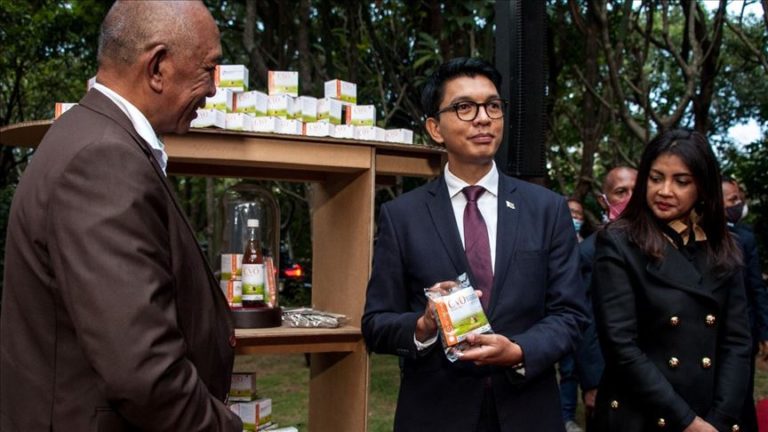
PRESIDENT Buhari has approved the airlifting of Nigeria’s allocation of the Madagascar COVID-19 Syrup into the country.

According to the presidential taskforce chairman, Boss Mustapha on Monday, the president also directed that the drug  must be subjected to the standard validation process for pharmaceuticals.

“There  will be no exceptions for this,” Buhari has said.

Boss in the PTF’s daily briefing revealed that Madagascar had made allocations to various countries, and sent them to Guinea Bissau.

“We‘re supposed to make arrangements to freight Nigeria’s allocation from Guinea Bissau; it‘ll be subjected to the standard validation process for pharmaceuticals,” he added.

According to him, Nigeria has only one National Response to the COVID-19 pandemic where there are differing strategies is in the implementation of non-pharmaceutical interventions.

But as far as the (Health) Response is concerned, there is only one national response.

Similarly, South Africa on Saturday had agreed to helping Madagascar put the remedy through clinical trials.

Meanwhile, ECOWAS as well as its health Institution, West Africa Health Organization (WAHO), in a statement has disassociated itself from claims that it ordered a package of Covid Organics (CVO) medicine from Madagascar.

The regional body informed the general public that it has not ordered the said CVO medication.

Similarly, the World Health Organization, African region has  advised and cautioned countries from adopting the use of a product that has not gone through clinical tests for safety and efficacy.

Matshidiso Moeti Director of the WHO African region tweeted, “we are prepared to collaborate with the government of Madagascar to take the product through a clinical trial.”


Nigerian court freezes $300,000 belonging to Chinese over money laundering

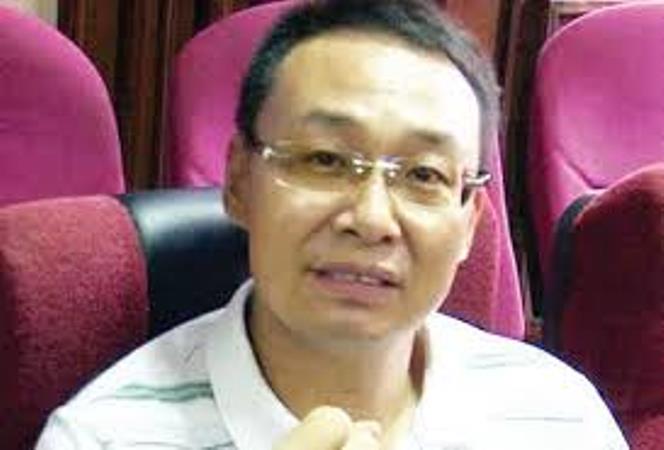
THE Economic Financial Crimes Commission (EFCC) has secured the conviction of Li Yan Pin, a Chinese man involved in money laundering worth $300,000.    

Justice Babatunde Quadri of the Federal High Court, delivered the verdict today in Abuja after two years of trial.

“The judge had earlier ordered the interim forfeiture of the money following an ex-parte application filed by the EFCC,” Dele Oyewale, the EFCC Head of Media and Publicity said in a statement.

Justice Quadri in his judgement stated that the EFCC had proven its case beyond reasonable doubt and found the accused guilty of the offence.

According to the judge, Pin flouted Section 2, sub-Section 5 of the Money Laundering (Prohibition) Act, 2011, as amended in 2012.

The defence counsel pleaded that his client who is battling with health challenges had invested in the country, so the judge pardoned him and was exempted from serving jail term but he forfeited the large sum.

“While ordering that the said sum be forfeited to the federal government, justice Quadri, saved the convict a jail term on the ground that he had earlier filed a medical leave over alleged Coronavirus Disease (COVID-19) symptoms that included persistent headache, insomnia and fatigue.”

Pin has been standing trial since 2018 when he was arrested by the Presidential Task Force on Trans-border Cash Movement on 15th March, 2018 for concealing the large sum of N129 million at an exchange rate of N430, without declaring the money to the Nigeria Customs Service (NCS).

His arrest was made at the Nnamdi Azikwe International Airport, (NIA) Abuja for failing to declare the money in his possession as he attempted to board an Emirates flight EK 8786 en route Dubai.

In the charge earlier read against Pin, the EFCC stated that “you, Li Yan Pin, on or about the 15th day of March, 2018 at NAIA, Abuja, within the jurisdiction of the Federal High Court, had in your possession cash in the sum of $300,000 during your outbound clearance for travel to Dubai and failed to declare the said sum of $300,000 to the officers and men of the NCS as required under the provision of Section 2 (3) of the money laundering (Prohibition) Act, 2011 ( as amended by Act No. 1 of 2012) and thereby committed an offence punishable under Section 2(5) of the Money Laundering (Prohibition) Act, 2011 (as amended by Act No. 1 of 2012).”

In March, 2018, he was granted a N10 million bail with two sureties while the case was adjourned to 17th April the same year.

All through the prosecution period Pin was held at the EFCC custody except for the period he requested access for treatment in China.

Li claimed to have secured the medical request and also got a reference letter from Nisa Premier Hospital in Abuja to travel abroad for the treatment.

But a disclaimer was issued by one Dr O. Adamu, the Medical Director of Nisa Premier, who denied the hospital issue such reference letter.

REPORT: How a 65-year-old malaria patient was neglected, died at Kaduna Isolation centre

MARYAM,  a 65-year-old woman (not real name) fell sick on Monday, May 4, but there were little signs that she would die in a couple of days later.

And if anyone had told her son, Bulus that his mother had just 72 hours left and that the last moments would be traumatic, he would not have believed such a prophecy.

But the woman, a retired director at the Kaduna State Primary Health Care Agency, died on Wednesday at a Kaduna State isolation centre where she was taken because the nurses thought she had contracted the Coronavirus disease (COVID-19).

The news of her death threw the neighbourhood of Barnawa, Kaduna South Local Government where she lived into fear. For, many residents believed that the former nurse who was always in-door had died of COVID-19.

How it all began

Maryam, a mother of six, had a medical history of malaria typhoid, slight asthma, and pneumonia. And due to a road accident in the past, she had had a hip reconstruction surgery which limited her movement.

When she fell sick last week, Bulus took her for a test at a private hospital.

“The result came out that the malaria typhoid was very high,” he said.

By Wednesday afternoon, her condition did not get better although she was given treatment on Monday when she visited the hospital.

“So she went back to the same hospital which was Wednesday afternoon,” the son recalled.

A second test at the hospital revealed the malaria typhoid was still high and therefore another set of drugs was prescribed for her.

However, by 10 pm the same day, she had become so weak and was taken back to the hospital.

Death in isolation centre

According to a WHO document on the procedure for handling patients suspected to having COVID-19, patients with moderate, severe and critical conditions and risk factors should be instructed to self-isolate and call COVID-19 hotline for emergency referral as soon as possible.

It also recommends hospitalisation for isolation (or cohorting) and inpatient treatment.

The guideline also requires that suspect COVID-19 cases should be tested according to diagnostic strategy.  Known risk factors for severe COVID-19, the WHO disclosed in the document included: age over 60 years, hypertension, diabetes, cardiovascular disease, chronic respiratory disease, immunocompromising conditions.

When she was taken to the hospital, Bulus said the family tried to stabilise her but the doctor insisted that she should be taken to isolation centre.

He maintained that his mother could not have contracted coronavirus because she was always in-door, but they later agreed to take her to the isolation centre just to be sure.

“We wanted to follow normal procedure since they have their equipment there,” Bulus said.

“So we took her to the isolation centre, that is the one in Wharf Road in Kaduna near former Hamdalla Hotel, rather it was the motel that was converted to the isolation centre,” he added.

At about 11 pm, Bulus, in the company of the family doctor, arrived at the isolation centre with his mother in the car “conscious but weak.”

They were, however, shocked learning at the centre that the doctor on duty was not around.

While there were about five workers at the centre at that time, Bulus lamented that none of them came to bring his sick mother out from the car.

For almost three hours, the sick woman was in the car unattended to because the personnel at the isolation centre were scared of moving closer to her believing she had tested positive for COVID-19.

By this time, the son said it was already about 1 am and at about 2 am his mother died while he was struggling alone to carry her from the car into the isolation centre. There was no wheelchair or stretcher made available to take her inside the facility, and the health workers did not lend him helping hands.

He described the last moments of his mother as pathetic and traumatic as he watched her give up without support from the health workers.

“My uncle who is also a medical doctor came from Sabo GRA to join us at the Centre and the doctor on duty was not even around by then.  So when he came, I took the car near a room at the centre and I was panicking, asking the personnel there to come and pick her up.

“They were telling me to remove her myself from the car and the other guy was saying they could not do that,” he recounted his ordeal.

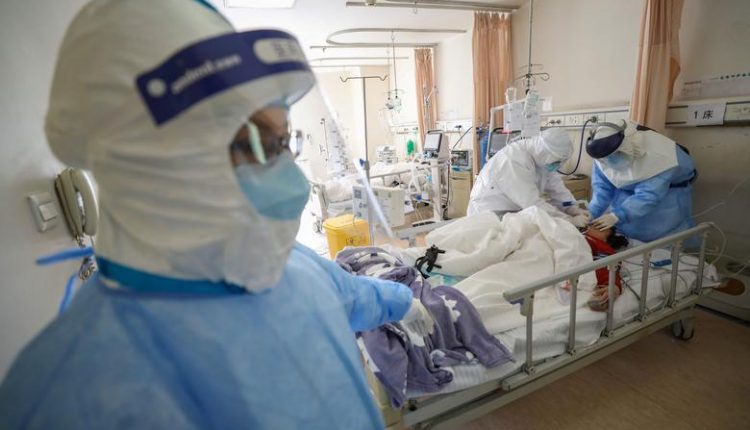
For him to be able to get his mother out of the car, Bulus said he was given a Personnel Protective Equipment (PPE) to wear.

“They brought the suit; she was a bit heavy but was still conscious. In the process of removing her, she was too heavy, I didn’t have enough support, and then there was no stretcher there, no wheelchair and in the process, she fell on the ground and gave up there,” he added.

This was contrary to the NCDC’s procedure for wearing PPE. The NCDC recommends risk assessment before donning the protective clothing.

“Risk assessment is critical for all activities,” NCDC said.

It explained that the choice and combination of  PPE  ensemble to be worn in dealing with COVID-19 patients should be based on a  careful risk assessment that considers the risk of exposure and extent of contact anticipated with respiratory droplets, blood, body fluids, and/or open skin.

None of these was observed by the personnel at the centre who gave Bulus PPE to wear in order to be able to evacuate his mother from the car.

But he would not forget the moment his mother laid lifeless on the bare floor of the centre outside for another 40minutes without the personnel moving an inch closer.

“And then they left her further for another 30 to 40 minutes on the ground there on the bare floor. They were not doing anything but just standing. There were about five workers there.”

After a nurse he had asked to give him a pair of gloves left it on the ground that he should pick, the doctor on duty arrived and disinfected her body.

“They disinfected her, covered her, the doctor on duty and two other guys and I assisted them to and put her in a body bag. We took her together with them to a room which does not look like a hospital room.”

Again in the room, she was taken to, her body was kept on the floor until it was conveyed to Barau Dikko Hospital Mortuary on Friday.

Her COVID-19 result and NCDC officials’ visit to the house

After Maryam’s  death, her sample was taken for COVID-19 test. The result was expected after five days.  While she was being taken away to the hospital and when the news of her death filtered to Barnawa, there was panic in the neighbourhood that she had died of COVID-19.

But on Saturday, May 9, the result of the COVID-19 test read negative.

Before that day, officials of NCDC had visited her home which also heightened panic in the area—to fumigate the house—which they ended not doing.

The WHO had noted in a document that human coronaviruses can remain infectious on surfaces for up to 9 days. It stated COVID-19 virus has been detected after up to 72 hours in experimental conditions. The world health body, therefore, recommended that cleaning the environment is paramount.

“They came for the fumigation and they asked questions and we told them she has not been out. They said no need for fumigation and then they drove off,” Bulus said.

“There were people that were sitting outside, one of them brought hand sanitizer and then was dripping it in people’s hands because there were some people under the trees outside the house. They said we should disinfect the lock of the doors and surfaces with hand sanitizers and they left.”

On their part, Bulus explained that he and his siblings locked her room after disinfected it with Hypo and other substances.

Amina Mohammed Balori, Kaduna State Commissioner for Health, was not available for comments when contacted. Calls to her mobile phone were not answered, while text messages sent were not replied.


Prominent individuals who have died in Kano in the past 2 weeks

DEATH of over a dozen prominent persons in Kano State in the last 10 days have made headlines in the Nigerian media.

There are also news of other 640 mysterious deaths since the state recorded its first coronavirus (COVID-19) disease case on April 17, according to Sabitu Shuaibu, Kano State Deputy Coordinator of COVID-19 Response Team

Though there is no evidence yet linking the death  to COVID-19, doctors and residents have reported that some of the deceased exhibited symptoms of Coronavirus.

Already, about 281,313 lives have been lost globally and over 4 millions people infected.

In Nigeria, there are 4,151 confirmed cases , while 128 deaths have been recorded, according to the National Centre for Disease Control, NCDC.

Kano State has contributed to this number in less than two weeks.

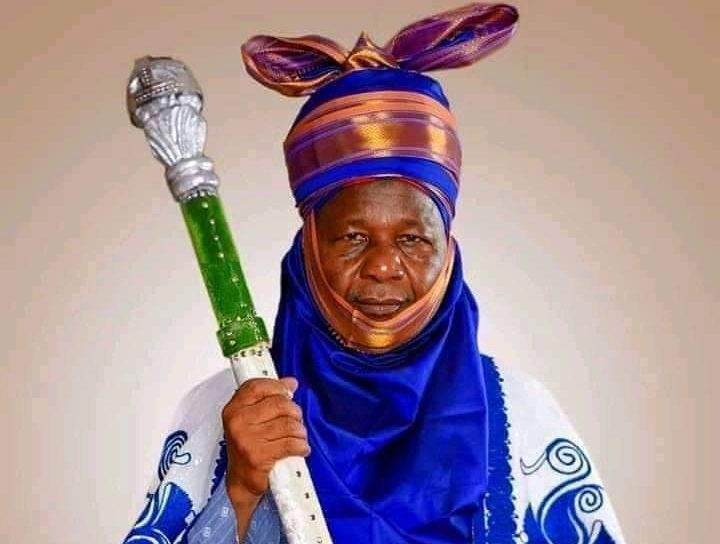
One of the most prominent persons who has been buried in Kano in the past few days is Tafida Abubakar Ila Auta Bawo, Emir of Rano.

Alhaji Tafida Abubakar Ila Auta Bawo – Late Emir of Rano
CREDIT: NigerianMonitor

The first class Emir of Rano Emirate died at Abdullahi Wase Specialist Hospital in Kano on Saturday, May 2, after a brief illness, according to local media.

The Rano Emirate Council on Sunday, May 3, confirmed that the emir was sick, but that his ailment was not related to COVID-19.

The septuagenarian was reportedly rushed to Aminu Kano Teaching Hospital and later  referred to the Nasarawa Specialist Hospital where he died.

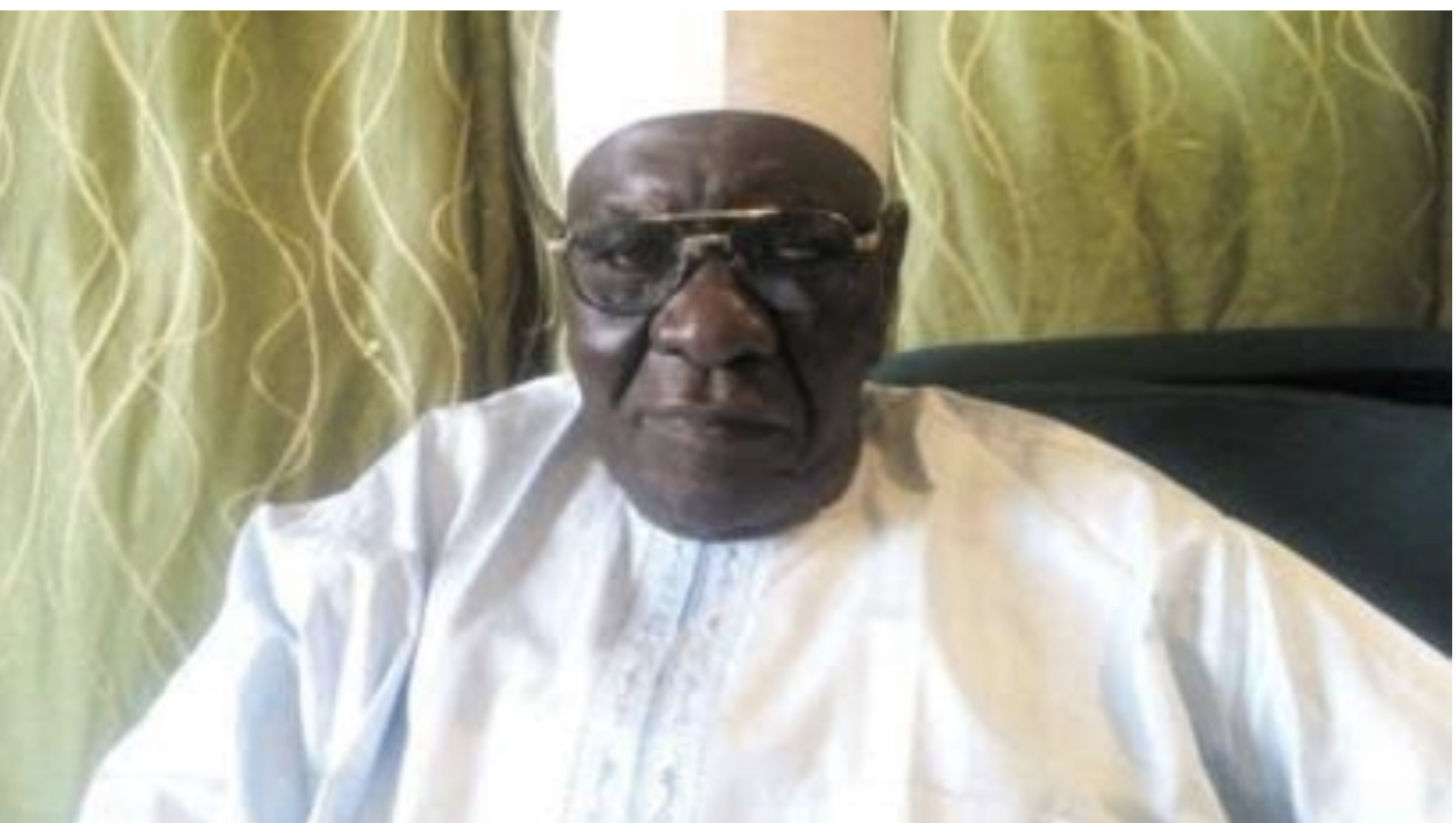
Mysterious death in Kano had also claimed lives of  university dons, the likes of  Professor Aliyu Dikko, a professor at the Department of Physiology, Professor Ibrahim Ayagi, Economic Department,  Professor Monsiru Lasun-Emiola,  Physical Health Education and  Professir Balarabe Maikaba, Mass Communication Department,  all of  Bayero University Kano (BUK).

Professor Aliyu Dikko and Balarabe Maikaba – Bayero University Kano
Credit: Collage.

Those who knew Dikko before his demise described him as a brilliant educator who rose to the rank of Deputy Vice Chancellor of BUK in the year 2000.

Dikko graduated from the Department of Biological Sciences, Ahmadu Bello University, Zaria in 1981 and moved on to serve as a lecturer in Usmanu Danfodiyo University, Sokoto before joining BUK.

He died of an ‘unknown illness,’  according to reports.

Also deceased, Maikaba – a professor of Mass Communication at BUK, known for his unconventional method of teaching, is revered as brilliant individual.

According to one of his students, Bilyaminu Gambo Abubakar, the late professor took his time to teach each topic and always had cerebral discussions with his students to enlighten them as well as keep them motivated.

Maikaba earned his Bachelor’s, Master’s and PhD degrees in Mass Communication) at BUK.

He died on Sunday, April 26, at a private clinic in Kano metropolis, after a brief illness. He was 75.

Late Professor Ibrahim Ayagi – Kano-born foremost economist
CREDIT: Abusites

Ayagi, described as ‘iconic’ by those who knew him,  built a reputation for criticising the the World Bank and International Monetary Fund (IMF) policies, preaching against their methods in developing countries.

In fact, Ayagi religiously authored a newspaper column to educate Nigerians on the ‘evils’ of the Bretton Woods Institutions – World Bank and IMF – and the damage they were doing to developing countries.

Before making his mark in governance, the deceased professor spent his early years getting educated in Kano, before he earning a degree at  Ahmadu Bello University (ABU) Zaria between 1963 – 1970. He then proceeded to University of Pittsburgh, Pennsylvania, USA in 1970 to earn a Master’s degree.

Ayagi worked with the Olusegun Obasanjo Administration, where he served as chairman of the National Economic Intelligence Committee (NEIC) before becoming a full time educator.

He was the proprietor of Hassan Ibrahim Gwarzo Secondary School (HIGSS) in Kano before his demise. Ayagi died at age of 80 on April 25.

Dahiru Rabiu, a friend of late Ayagi and a former Grand Khadi (judge of the Sharia Court of Appeal) in Kano, was also reported dead.

Throughout his lifetimes, Rabiu upheld the islamic laws and practiced his belief system.

Rabiu was sworn in as Grand Khadi in 2003 by Rabiu Kwankwaso, the former governor of Kano State.

Other recorded prominent persons who have been reported dead in Kano are Dr Musa Umar Gwarzo; Mallam Nasir Maikano Bichi; Musa Tijjani (Editor of Kano-based Triumph Newspaper); and Adamu Isyaku Dal, a former Executive Secretary of the State Universal Basic Education Board.

The list include Alhaji Salisu Lado, Hajiya Shamsiyya Mustapha, Hajiyaj Nene Umma, Alhaji Garba Sarki Fagge, Alhaji Aliyu Daneji, father of National Coordinator, Presidential Task Force, PTF On COVID-19 and Dr. Sani Aliyu, who died at the age of 96.

Though several causes have been attributed to the mass deaths in Kano, some reports say Coronavirus is responsible for the mass death.

And many have blamed the high morbidity rate  on the­ dysfunctional healthcare system in the state.

Wike orders demolition of two hotels for flouting lockdown directive

NYESOM Wike, the Rivers State Governor on Sunday supervised the demolition  of two hotels for flouting the Coronavirus Disease (COVID-19) preventive directive in the state.

The demolition of the hotels,  Prudent Hotel in Alode, Eleme and Etemeteh Hotel, Onne were carried out in the early hour of Sunday, May 10.

The governor infered in his statement that one of the hotels belongs to a  member of the People’s Democratic Party (PDP), the same party from which he emerged as governor.

The demolished hotel Photo Source: Social Media

Wike tweeted that his decision is not discriminatory because he had earlier ordered the shutdown  of hotel operations across the 23 Local Government Areas (LGAs).

“Government has no alternative but to apply the executive order which I signed before the lockdown of Obio/Akpor and Port Harcourt.  I called all the traditional rulers and council chairmen and told them to ensure that no hotel operates in the State,” he stated.

The governor emphasised that, though the order was meant to be temporal, it was designed to reduce the figure of confirmed cases and to check the virus spread.

According to him, the state government had warned that any hotel that flouts the directive would be pulled down.

The heavy-duty machine while demolishing the hotel Photo Credit: Rivers State Government

“Whether you are PDP or not, all we are saying is that nobody is above the law. If we can do this to a PDP person, then you know we are not discriminatory.  Everyone must obey. Whether you are in PDP, Social Democratic Party (SDP) or no party, you must obey the law. If any other person does the same thing, the same rule will apply,” he stated.

Since the disease outbreak in Nigeria, 4,151 cases have been recorded in the country. Though, 745 persons have been discharged, 128 deaths were already recorded as of 9th May.

The number of confirmed cases has also risen to 21.

As part of measures to curtail the pandemic, the River State University Teaching Hospital (RSUTH) Satellite Laboratory and University of Port Harcourt Teaching Hospital both in Port Harcourt were included among the three newly equipped testing centres in the country. University of Benin Teaching Hospital is the third.

This brings total number of COVID-19 test centres in the country to 23.

Governor Wike, however, reiterated his declaration that no hotel should operate in the state.

He attributed the virus spread in the state to a confirmed case who visited a hotel, stressing that his action was to ensure public safety.

“Look at the rate of infections, most of these people is found in hotels. Look at the man that died, he was at Mingi Hotel in Rumumasi. Due to that contact, we have had other seven cases,” he said.

The statement, signed by Simeon Nwakaudu, Wike’s Special Assistant on Electronic Media, advised the public to keep safe and adhere to the existing regulations.

“What we are doing is to tell the people that the State Government is serious.  This being led by me, people should know that the State Government is determined to ensure that we defeat coronavirus,” Wike added.

Covid-19: Bauchi Gov declares total lockdown On 3 LGAs as positive cases hit 181

By Haruna Mohammed SALISU


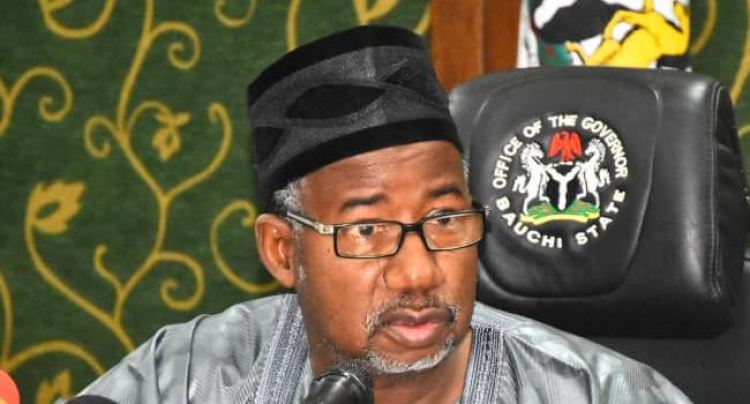
BAUCHI  State governor Bala Mohammed has enforced a total lockdown on Katagum, Giade and Zaki local government areas of Bauchi State were rumours of massive deaths and community transmission were reported to have risen.

The decision followed additional cases of COVID-19 where 66 cases have tested positive for coronavirus today, 42 of which were from the Azare, the headquarters of Katagum LGA.

With the development, Bauchi State has a total of 181 cases of Coronavirus, most of which according to the Governor were as a result of community transmission.

Briefing newsmen on Sunday evening at the banquet hall, government house Bauchi, the governor said the total lockdown of the three LGAs was necessary to curtail the rapid community transmission that was reported to have increased the number of confirmed cases.

“A Total lockdown on the 3 LGAs is necessary; we just got result of about 66 cases, 42 of which were from Azare alone.

“And we have found out that most of the cases from Azare is as a result of community transmission; people are not adhering to guidelines in that axis, because there has been transaction going on between the people of Azare and Kano were the covid-19 pandemic is high,” Governor Mohammed declared.

The governor directed the State Deputy Governor Senator Baba Tela to relocate to Katagum axis to properly coordinate response that will ensure massive contact tracing and testing to enable the state government establish the actual number of people who contracted the disease.

“We mean business and we are serious, that is why I asked the Deputy Governor to relocate to Katagum while I take charge at the centre. I had a conversation with the commissioner of Police to ensure total compliance.

We have already contacted the traditional leaders in the 3 LGAs and we have obtained their buy-in,” he added.

The governor also directed the committee on palliatives to ensure that the people of the affected LGAs are supported with food items to ease hardship during the lockdown.

He said the lockdown would be for a period of 10 days and would start on Tuesday, May 12.

Regarding the actual number of people that have died in Azare as reported in some section of the media, Governor Mohammed said “it’s 150 people that have died in the last 30 days, and not 300 people as reported in the media.”

The governor also said the state government will fumigate the 3 local government areas during the lockdown, which he hopes will reduce the reported community transmission.

Mohammed also appealed to the Jos testing centre at Vom to help Bauchi state intensify testing and timely release of results pending when the state’s test centre will be ready.

COVID-19: Lockdown to cost Africa about $65.7 billion per month – ECA

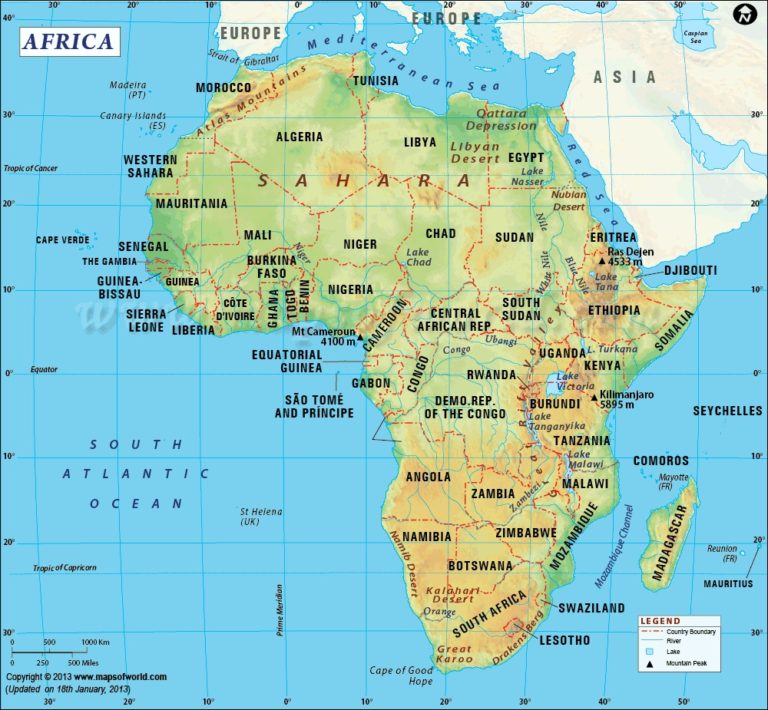
ECONOMIC Commission for Africa (ECA) estimates that a full one-month lockdown across Africa would cost the continent about 2.5 per cent of its annual GDP, an equivalent of $65.7 billion per month.

This is separate from the wider external impact of COVID-19 on Africa which includes lower commodity prices and slow investment flows, the commission stated.

ECA has released a new report proposing to African nations various COVID-19 exit strategies, following the imposition of lockdowns that helped suppress the virus but with devastating economic consequences.

At least 42 African countries applied partial or full lockdowns in their quest to curtail the pandemic.

According to the Commission, the lockdowns caused serious challenges for African countries, including a drop in demand for products and services, lack of operational cash flow, reduction of opportunities to meet new customers.

There are also issues with changing business strategies and offering alternative products and services, a decline in worker production and productivity from working at home.

Others are logistics and shipping of products and difficulties in obtaining supplies of raw materials essential for production.

The commission has proposed seven lockdown exit strategies which include improving testing, lockdown until preventive or remedy medicines are developed, contact tracing and mass testing, immunity permits, gradual segmented reopening, adaptive triggering and mitigation.

Companies surveyed by the ECA reported to be operating at only 43 per cent, 70 per cent of slum dwellers report that they are missing meals or eating less as a result of COVID-19.

The spread of the virus is still accelerating in many African countries on average at 30 per cent every week, the commission revealed.

The report urges African nations to take advantage of their situation.

This may be an opportunity to learn from the experiences of other regions and their experiments in reopening.

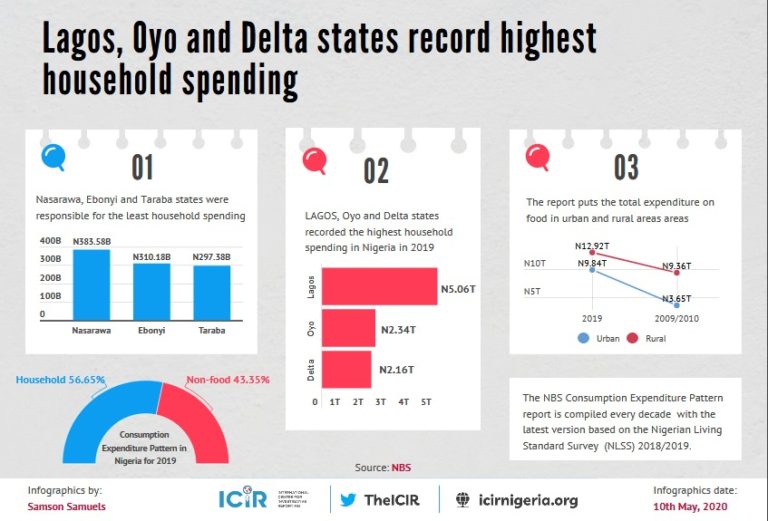
Lagos, Oyo and Delta states record highest household spending- NBS

LAGOS, Oyo and Delta states recorded the highest household spending in Nigeria in 2019, which accounts for N5.06 trillion, N2.34 trillion and N2.16 trillion respectively of the total household spending, the National Bureau of Statistics (NBS) has revealed.

While Nasarawa, Ebonyi and Taraba states were responsible for the least household spending, accounting for N383.58 billion, N310.18 billion and N297.38 billion respectively of the total household spending.

According to the NBS report, the more developed a society becomes, the less it spends on food and the more it spends on non-food items.

Through the recent report, Lagos has shown a clear indication of a state with an emerging economy. Lagos state’s expenditure on non-food items was more than its expenditure on food.

For a developing country like Nigeria, the consumption pattern is towards food. This means that people spend more on food than on non-food items.

The report puts the total expenditure on food in urban areas at N9.84 trillion in 2019 (N3.65 trillion in 2009/2010) and that of rural areas at N12.92 trillion (N9.36 trillion in 2009/2010).

According to NBS, in 2019, food consumed outside the home, followed by transportation and starchy roots, tubers and plantains, accounted for the biggest share of household spending.

This translates to a combined 24.16 per cent of total household expenditure.

Transport, health, education, services, rent, fuel and electricity jointly accounted for 79.40 per cent of non-food expenditure.

Consumption Expenditure Pattern in Nigeria for 2019 released showed that food had 56.65 per cent of the total household expenditure of more than N40.207 trillion in the period.

While 43.35 per cent which was N17.43 trillion went to transport, health, education, rent, fuel and other non-food essentials.

The NBS Consumption Expenditure Pattern report is compiled every decade with the latest version based on the Nigerian Living Standard Survey (NLSS) 2018/2019.

It aims to depict household consumption expenditure types by food and non-food items at the national, zonal level, and state level, and also the urban/rural divide.