Home Blog Page 2108

Nigerian court freezes $300,000 belonging to Chinese over money laundering

THE Economic Financial Crimes Commission (EFCC) has secured the conviction of Li Yan Pin, a Chinese man involved in money laundering worth $300,000.    

Justice Babatunde Quadri of the Federal High Court, delivered the verdict today in Abuja after two years of trial.

“The judge had earlier ordered the interim forfeiture of the money following an ex-parte application filed by the EFCC,” Dele Oyewale, the EFCC Head of Media and Publicity said in a statement.

Justice Quadri in his judgement stated that the EFCC had proven its case beyond reasonable doubt and found the accused guilty of the offence.

According to the judge, Pin flouted Section 2, sub-Section 5 of the Money Laundering (Prohibition) Act, 2011, as amended in 2012.

The defence counsel pleaded that his client who is battling with health challenges had invested in the country, so the judge pardoned him and was exempted from serving jail term but he forfeited the large sum.

“While ordering that the said sum be forfeited to the federal government, justice Quadri, saved the convict a jail term on the ground that he had earlier filed a medical leave over alleged Coronavirus Disease (COVID-19) symptoms that included persistent headache, insomnia and fatigue.”

Pin has been standing trial since 2018 when he was arrested by the Presidential Task Force on Trans-border Cash Movement on 15th March, 2018 for concealing the large sum of N129 million at an exchange rate of N430, without declaring the money to the Nigeria Customs Service (NCS).

His arrest was made at the Nnamdi Azikwe International Airport, (NIA) Abuja for failing to declare the money in his possession as he attempted to board an Emirates flight EK 8786 en route Dubai.

In the charge earlier read against Pin, the EFCC stated that “you, Li Yan Pin, on or about the 15th day of March, 2018 at NAIA, Abuja, within the jurisdiction of the Federal High Court, had in your possession cash in the sum of $300,000 during your outbound clearance for travel to Dubai and failed to declare the said sum of $300,000 to the officers and men of the NCS as required under the provision of Section 2 (3) of the money laundering (Prohibition) Act, 2011 ( as amended by Act No. 1 of 2012) and thereby committed an offence punishable under Section 2(5) of the Money Laundering (Prohibition) Act, 2011 (as amended by Act No. 1 of 2012).”

In March, 2018, he was granted a N10 million bail with two sureties while the case was adjourned to 17th April the same year.

All through the prosecution period Pin was held at the EFCC custody except for the period he requested access for treatment in China.

Li claimed to have secured the medical request and also got a reference letter from Nisa Premier Hospital in Abuja to travel abroad for the treatment.

But a disclaimer was issued by one Dr O. Adamu, the Medical Director of Nisa Premier, who denied the hospital issue such reference letter.

REPORT: How a 65-year-old malaria patient was neglected, died at Kaduna Isolation centre

MARYAM,  a 65-year-old woman (not real name) fell sick on Monday, May 4, but there were little signs that she would die in a couple of days later.

And if anyone had told her son, Bulus that his mother had just 72 hours left and that the last moments would be traumatic, he would not have believed such a prophecy.

But the woman, a retired director at the Kaduna State Primary Health Care Agency, died on Wednesday at a Kaduna State isolation centre where she was taken because the nurses thought she had contracted the Coronavirus disease (COVID-19).

The news of her death threw the neighbourhood of Barnawa, Kaduna South Local Government where she lived into fear. For, many residents believed that the former nurse who was always in-door had died of COVID-19.

How it all began

Maryam, a mother of six, had a medical history of malaria typhoid, slight asthma, and pneumonia. And due to a road accident in the past, she had had a hip reconstruction surgery which limited her movement.

When she fell sick last week, Bulus took her for a test at a private hospital.

“The result came out that the malaria typhoid was very high,” he said.

By Wednesday afternoon, her condition did not get better although she was given treatment on Monday when she visited the hospital.

“So she went back to the same hospital which was Wednesday afternoon,” the son recalled.

A second test at the hospital revealed the malaria typhoid was still high and therefore another set of drugs was prescribed for her.

However, by 10 pm the same day, she had become so weak and was taken back to the hospital.

Death in isolation centre

According to a WHO document on the procedure for handling patients suspected to having COVID-19, patients with moderate, severe and critical conditions and risk factors should be instructed to self-isolate and call COVID-19 hotline for emergency referral as soon as possible.

It also recommends hospitalisation for isolation (or cohorting) and inpatient treatment.

The guideline also requires that suspect COVID-19 cases should be tested according to diagnostic strategy.  Known risk factors for severe COVID-19, the WHO disclosed in the document included: age over 60 years, hypertension, diabetes, cardiovascular disease, chronic respiratory disease, immunocompromising conditions.

When she was taken to the hospital, Bulus said the family tried to stabilise her but the doctor insisted that she should be taken to isolation centre.

He maintained that his mother could not have contracted coronavirus because she was always in-door, but they later agreed to take her to the isolation centre just to be sure.

“We wanted to follow normal procedure since they have their equipment there,” Bulus said.

“So we took her to the isolation centre, that is the one in Wharf Road in Kaduna near former Hamdalla Hotel, rather it was the motel that was converted to the isolation centre,” he added.

At about 11 pm, Bulus, in the company of the family doctor, arrived at the isolation centre with his mother in the car “conscious but weak.”

They were, however, shocked learning at the centre that the doctor on duty was not around.

While there were about five workers at the centre at that time, Bulus lamented that none of them came to bring his sick mother out from the car.

For almost three hours, the sick woman was in the car unattended to because the personnel at the isolation centre were scared of moving closer to her believing she had tested positive for COVID-19.

By this time, the son said it was already about 1 am and at about 2 am his mother died while he was struggling alone to carry her from the car into the isolation centre. There was no wheelchair or stretcher made available to take her inside the facility, and the health workers did not lend him helping hands.

He described the last moments of his mother as pathetic and traumatic as he watched her give up without support from the health workers.

“My uncle who is also a medical doctor came from Sabo GRA to join us at the Centre and the doctor on duty was not even around by then.  So when he came, I took the car near a room at the centre and I was panicking, asking the personnel there to come and pick her up.

“They were telling me to remove her myself from the car and the other guy was saying they could not do that,” he recounted his ordeal.

For him to be able to get his mother out of the car, Bulus said he was given a Personnel Protective Equipment (PPE) to wear.

“They brought the suit; she was a bit heavy but was still conscious. In the process of removing her, she was too heavy, I didn’t have enough support, and then there was no stretcher there, no wheelchair and in the process, she fell on the ground and gave up there,” he added.

This was contrary to the NCDC’s procedure for wearing PPE. The NCDC recommends risk assessment before donning the protective clothing.

“Risk assessment is critical for all activities,” NCDC said.

It explained that the choice and combination of  PPE  ensemble to be worn in dealing with COVID-19 patients should be based on a  careful risk assessment that considers the risk of exposure and extent of contact anticipated with respiratory droplets, blood, body fluids, and/or open skin.

None of these was observed by the personnel at the centre who gave Bulus PPE to wear in order to be able to evacuate his mother from the car.

But he would not forget the moment his mother laid lifeless on the bare floor of the centre outside for another 40minutes without the personnel moving an inch closer.

“And then they left her further for another 30 to 40 minutes on the ground there on the bare floor. They were not doing anything but just standing. There were about five workers there.”

After a nurse he had asked to give him a pair of gloves left it on the ground that he should pick, the doctor on duty arrived and disinfected her body.

“They disinfected her, covered her, the doctor on duty and two other guys and I assisted them to and put her in a body bag. We took her together with them to a room which does not look like a hospital room.”

Again in the room, she was taken to, her body was kept on the floor until it was conveyed to Barau Dikko Hospital Mortuary on Friday.

Her COVID-19 result and NCDC officials’ visit to the house

After Maryam’s  death, her sample was taken for COVID-19 test. The result was expected after five days.  While she was being taken away to the hospital and when the news of her death filtered to Barnawa, there was panic in the neighbourhood that she had died of COVID-19.

But on Saturday, May 9, the result of the COVID-19 test read negative.

Before that day, officials of NCDC had visited her home which also heightened panic in the area—to fumigate the house—which they ended not doing.

The WHO had noted in a document that human coronaviruses can remain infectious on surfaces for up to 9 days. It stated COVID-19 virus has been detected after up to 72 hours in experimental conditions. The world health body, therefore, recommended that cleaning the environment is paramount.

“They came for the fumigation and they asked questions and we told them she has not been out. They said no need for fumigation and then they drove off,” Bulus said.

“There were people that were sitting outside, one of them brought hand sanitizer and then was dripping it in people’s hands because there were some people under the trees outside the house. They said we should disinfect the lock of the doors and surfaces with hand sanitizers and they left.”

On their part, Bulus explained that he and his siblings locked her room after disinfected it with Hypo and other substances.

Amina Mohammed Balori, Kaduna State Commissioner for Health, was not available for comments when contacted. Calls to her mobile phone were not answered, while text messages sent were not replied.

Prominent individuals who have died in Kano in the past 2 weeks

DEATH of over a dozen prominent persons in Kano State in the last 10 days have made headlines in the Nigerian media.

There are also news of other 640 mysterious deaths since the state recorded its first coronavirus (COVID-19) disease case on April 17, according to Sabitu Shuaibu, Kano State Deputy Coordinator of COVID-19 Response Team

Though there is no evidence yet linking the death  to COVID-19, doctors and residents have reported that some of the deceased exhibited symptoms of Coronavirus.

Already, about 281,313 lives have been lost globally and over 4 millions people infected.

In Nigeria, there are 4,151 confirmed cases , while 128 deaths have been recorded, according to the National Centre for Disease Control, NCDC.

Kano State has contributed to this number in less than two weeks.

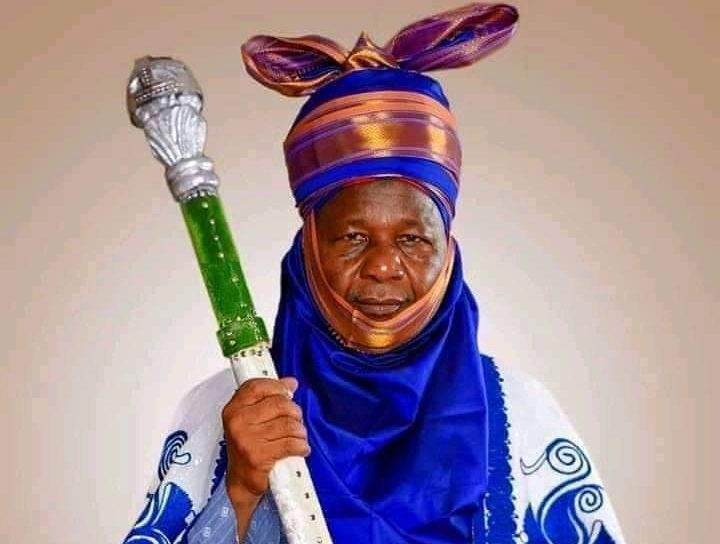
One of the most prominent persons who has been buried in Kano in the past few days is Tafida Abubakar Ila Auta Bawo, Emir of Rano.

Alhaji Tafida Abubakar Ila Auta Bawo – Late Emir of Rano
CREDIT: NigerianMonitor

The first class Emir of Rano Emirate died at Abdullahi Wase Specialist Hospital in Kano on Saturday, May 2, after a brief illness, according to local media.

The Rano Emirate Council on Sunday, May 3, confirmed that the emir was sick, but that his ailment was not related to COVID-19.

The septuagenarian was reportedly rushed to Aminu Kano Teaching Hospital and later  referred to the Nasarawa Specialist Hospital where he died.

Mysterious death in Kano had also claimed lives of  university dons, the likes of  Professor Aliyu Dikko, a professor at the Department of Physiology, Professor Ibrahim Ayagi, Economic Department,  Professor Monsiru Lasun-Emiola,  Physical Health Education and  Professir Balarabe Maikaba, Mass Communication Department,  all of  Bayero University Kano (BUK).

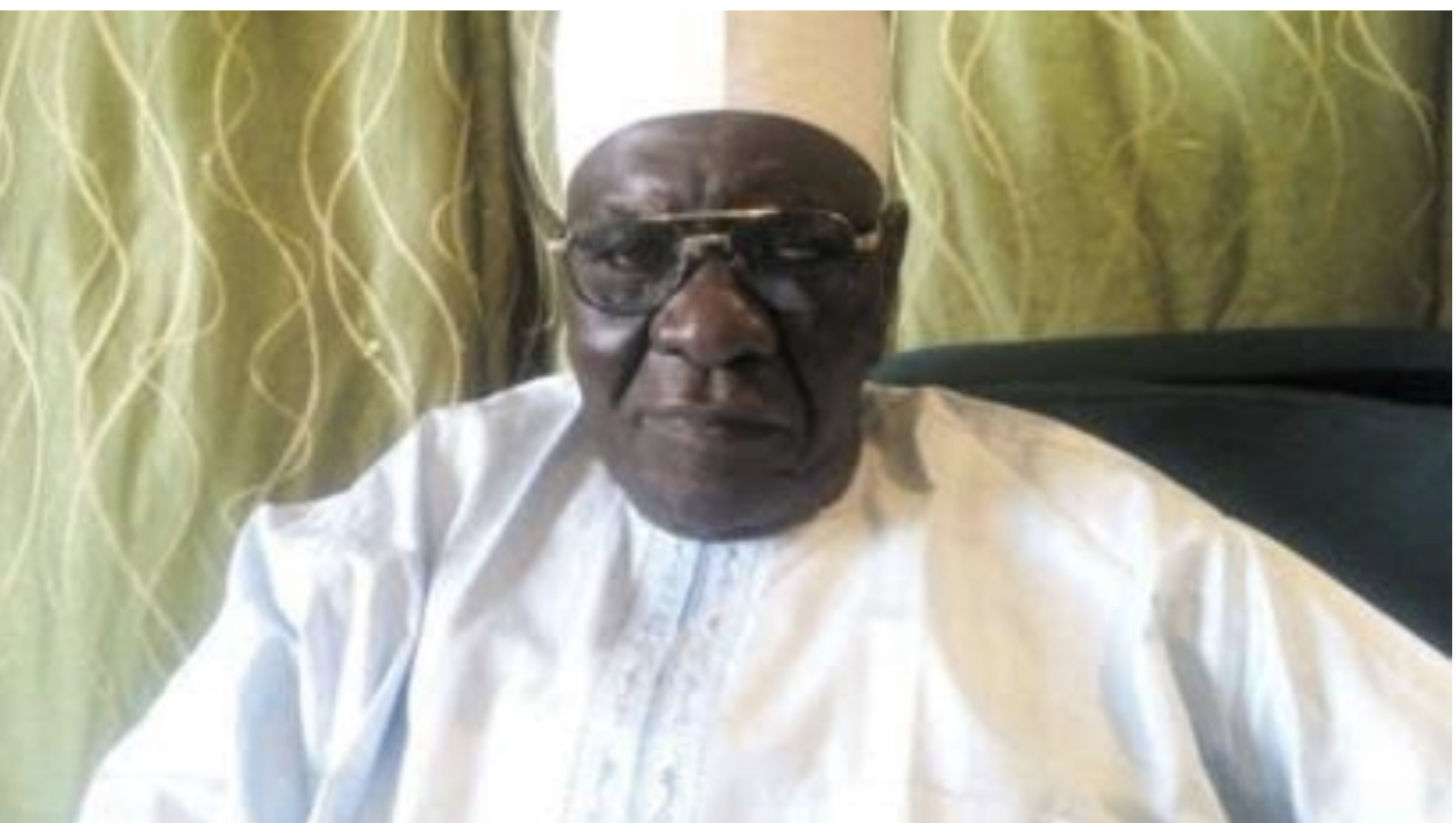
Professor Aliyu Dikko and Balarabe Maikaba – Bayero University Kano
Credit: Collage.

Those who knew Dikko before his demise described him as a brilliant educator who rose to the rank of Deputy Vice Chancellor of BUK in the year 2000.

Dikko graduated from the Department of Biological Sciences, Ahmadu Bello University, Zaria in 1981 and moved on to serve as a lecturer in Usmanu Danfodiyo University, Sokoto before joining BUK.

He died of an ‘unknown illness,’  according to reports.

Also deceased, Maikaba – a professor of Mass Communication at BUK, known for his unconventional method of teaching, is revered as brilliant individual.

According to one of his students, Bilyaminu Gambo Abubakar, the late professor took his time to teach each topic and always had cerebral discussions with his students to enlighten them as well as keep them motivated.

Maikaba earned his Bachelor’s, Master’s and PhD degrees in Mass Communication) at BUK.

He died on Sunday, April 26, at a private clinic in Kano metropolis, after a brief illness. He was 75.

Late Professor Ibrahim Ayagi – Kano-born foremost economist
CREDIT: Abusites

Ayagi, described as ‘iconic’ by those who knew him,  built a reputation for criticising the the World Bank and International Monetary Fund (IMF) policies, preaching against their methods in developing countries.

In fact, Ayagi religiously authored a newspaper column to educate Nigerians on the ‘evils’ of the Bretton Woods Institutions – World Bank and IMF – and the damage they were doing to developing countries.

Before making his mark in governance, the deceased professor spent his early years getting educated in Kano, before he earning a degree at  Ahmadu Bello University (ABU) Zaria between 1963 – 1970. He then proceeded to University of Pittsburgh, Pennsylvania, USA in 1970 to earn a Master’s degree.

Ayagi worked with the Olusegun Obasanjo Administration, where he served as chairman of the National Economic Intelligence Committee (NEIC) before becoming a full time educator.

He was the proprietor of Hassan Ibrahim Gwarzo Secondary School (HIGSS) in Kano before his demise. Ayagi died at age of 80 on April 25.

Dahiru Rabiu, a friend of late Ayagi and a former Grand Khadi (judge of the Sharia Court of Appeal) in Kano, was also reported dead.

Throughout his lifetimes, Rabiu upheld the islamic laws and practiced his belief system.

Rabiu was sworn in as Grand Khadi in 2003 by Rabiu Kwankwaso, the former governor of Kano State.

Other recorded prominent persons who have been reported dead in Kano are Dr Musa Umar Gwarzo; Mallam Nasir Maikano Bichi; Musa Tijjani (Editor of Kano-based Triumph Newspaper); and Adamu Isyaku Dal, a former Executive Secretary of the State Universal Basic Education Board.

The list include Alhaji Salisu Lado, Hajiya Shamsiyya Mustapha, Hajiyaj Nene Umma, Alhaji Garba Sarki Fagge, Alhaji Aliyu Daneji, father of National Coordinator, Presidential Task Force, PTF On COVID-19 and Dr. Sani Aliyu, who died at the age of 96.

Though several causes have been attributed to the mass deaths in Kano, some reports say Coronavirus is responsible for the mass death.

And many have blamed the high morbidity rate  on the­ dysfunctional healthcare system in the state.

Wike orders demolition of two hotels for flouting lockdown directive

NYESOM Wike, the Rivers State Governor on Sunday supervised the demolition  of two hotels for flouting the Coronavirus Disease (COVID-19) preventive directive in the state.

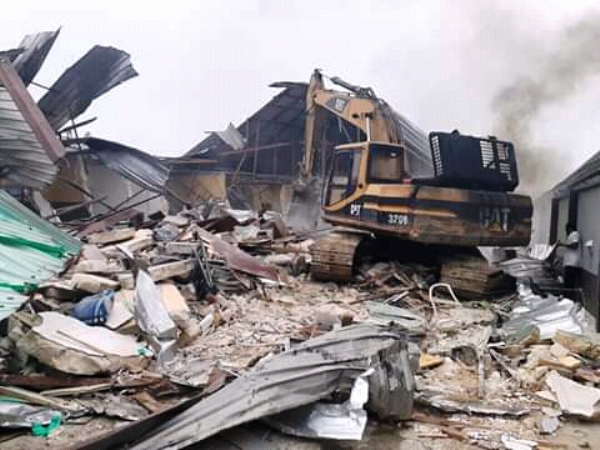
The demolition of the hotels,  Prudent Hotel in Alode, Eleme and Etemeteh Hotel, Onne were carried out in the early hour of Sunday, May 10.

The governor infered in his statement that one of the hotels belongs to a  member of the People’s Democratic Party (PDP), the same party from which he emerged as governor.

The demolished hotel Photo Source: Social Media

Wike tweeted that his decision is not discriminatory because he had earlier ordered the shutdown  of hotel operations across the 23 Local Government Areas (LGAs).

“Government has no alternative but to apply the executive order which I signed before the lockdown of Obio/Akpor and Port Harcourt.  I called all the traditional rulers and council chairmen and told them to ensure that no hotel operates in the State,” he stated.

The governor emphasised that, though the order was meant to be temporal, it was designed to reduce the figure of confirmed cases and to check the virus spread.

According to him, the state government had warned that any hotel that flouts the directive would be pulled down.

The heavy-duty machine while demolishing the hotel Photo Credit: Rivers State Government

“Whether you are PDP or not, all we are saying is that nobody is above the law. If we can do this to a PDP person, then you know we are not discriminatory.  Everyone must obey. Whether you are in PDP, Social Democratic Party (SDP) or no party, you must obey the law. If any other person does the same thing, the same rule will apply,” he stated.

Since the disease outbreak in Nigeria, 4,151 cases have been recorded in the country. Though, 745 persons have been discharged, 128 deaths were already recorded as of 9th May.

The number of confirmed cases has also risen to 21.

As part of measures to curtail the pandemic, the River State University Teaching Hospital (RSUTH) Satellite Laboratory and University of Port Harcourt Teaching Hospital both in Port Harcourt were included among the three newly equipped testing centres in the country. University of Benin Teaching Hospital is the third.

This brings total number of COVID-19 test centres in the country to 23.

Governor Wike, however, reiterated his declaration that no hotel should operate in the state.

He attributed the virus spread in the state to a confirmed case who visited a hotel, stressing that his action was to ensure public safety.

“Look at the rate of infections, most of these people is found in hotels. Look at the man that died, he was at Mingi Hotel in Rumumasi. Due to that contact, we have had other seven cases,” he said.

The statement, signed by Simeon Nwakaudu, Wike’s Special Assistant on Electronic Media, advised the public to keep safe and adhere to the existing regulations.

“What we are doing is to tell the people that the State Government is serious.  This being led by me, people should know that the State Government is determined to ensure that we defeat coronavirus,” Wike added.

Covid-19: Bauchi Gov declares total lockdown On 3 LGAs as positive cases hit 181

By Haruna Mohammed SALISU


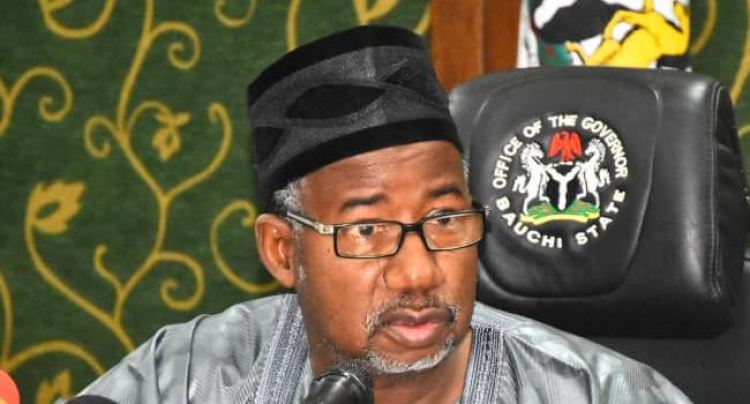
BAUCHI  State governor Bala Mohammed has enforced a total lockdown on Katagum, Giade and Zaki local government areas of Bauchi State were rumours of massive deaths and community transmission were reported to have risen.

The decision followed additional cases of COVID-19 where 66 cases have tested positive for coronavirus today, 42 of which were from the Azare, the headquarters of Katagum LGA.

With the development, Bauchi State has a total of 181 cases of Coronavirus, most of which according to the Governor were as a result of community transmission.

Briefing newsmen on Sunday evening at the banquet hall, government house Bauchi, the governor said the total lockdown of the three LGAs was necessary to curtail the rapid community transmission that was reported to have increased the number of confirmed cases.

“A Total lockdown on the 3 LGAs is necessary; we just got result of about 66 cases, 42 of which were from Azare alone.

“And we have found out that most of the cases from Azare is as a result of community transmission; people are not adhering to guidelines in that axis, because there has been transaction going on between the people of Azare and Kano were the covid-19 pandemic is high,” Governor Mohammed declared.

The governor directed the State Deputy Governor Senator Baba Tela to relocate to Katagum axis to properly coordinate response that will ensure massive contact tracing and testing to enable the state government establish the actual number of people who contracted the disease.

“We mean business and we are serious, that is why I asked the Deputy Governor to relocate to Katagum while I take charge at the centre. I had a conversation with the commissioner of Police to ensure total compliance.

We have already contacted the traditional leaders in the 3 LGAs and we have obtained their buy-in,” he added.

The governor also directed the committee on palliatives to ensure that the people of the affected LGAs are supported with food items to ease hardship during the lockdown.

He said the lockdown would be for a period of 10 days and would start on Tuesday, May 12.

Regarding the actual number of people that have died in Azare as reported in some section of the media, Governor Mohammed said “it’s 150 people that have died in the last 30 days, and not 300 people as reported in the media.”

The governor also said the state government will fumigate the 3 local government areas during the lockdown, which he hopes will reduce the reported community transmission.

Mohammed also appealed to the Jos testing centre at Vom to help Bauchi state intensify testing and timely release of results pending when the state’s test centre will be ready.

COVID-19: Lockdown to cost Africa about $65.7 billion per month – ECA

ECONOMIC Commission for Africa (ECA) estimates that a full one-month lockdown across Africa would cost the continent about 2.5 per cent of its annual GDP, an equivalent of $65.7 billion per month.

This is separate from the wider external impact of COVID-19 on Africa which includes lower commodity prices and slow investment flows, the commission stated.

ECA has released a new report proposing to African nations various COVID-19 exit strategies, following the imposition of lockdowns that helped suppress the virus but with devastating economic consequences.

At least 42 African countries applied partial or full lockdowns in their quest to curtail the pandemic.

According to the Commission, the lockdowns caused serious challenges for African countries, including a drop in demand for products and services, lack of operational cash flow, reduction of opportunities to meet new customers.

There are also issues with changing business strategies and offering alternative products and services, a decline in worker production and productivity from working at home.

Others are logistics and shipping of products and difficulties in obtaining supplies of raw materials essential for production.

The commission has proposed seven lockdown exit strategies which include improving testing, lockdown until preventive or remedy medicines are developed, contact tracing and mass testing, immunity permits, gradual segmented reopening, adaptive triggering and mitigation.

Companies surveyed by the ECA reported to be operating at only 43 per cent, 70 per cent of slum dwellers report that they are missing meals or eating less as a result of COVID-19.

The spread of the virus is still accelerating in many African countries on average at 30 per cent every week, the commission revealed.

The report urges African nations to take advantage of their situation.

This may be an opportunity to learn from the experiences of other regions and their experiments in reopening.

Lagos, Oyo and Delta states record highest household spending- NBS

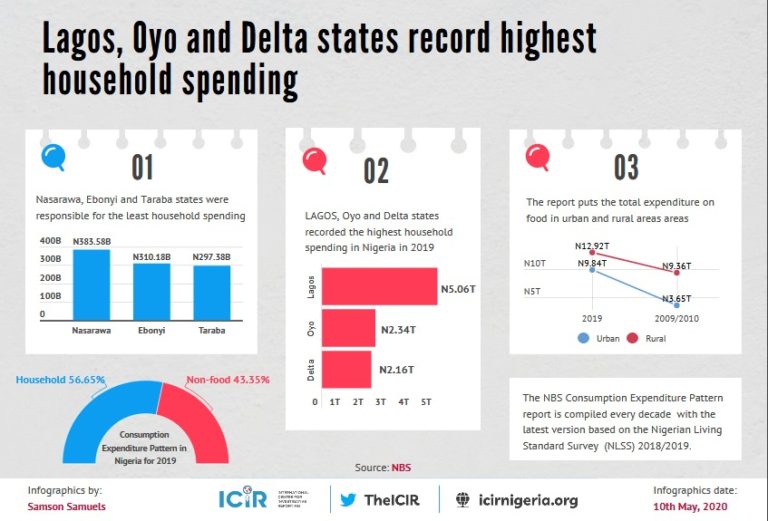
LAGOS, Oyo and Delta states recorded the highest household spending in Nigeria in 2019, which accounts for N5.06 trillion, N2.34 trillion and N2.16 trillion respectively of the total household spending, the National Bureau of Statistics (NBS) has revealed.

While Nasarawa, Ebonyi and Taraba states were responsible for the least household spending, accounting for N383.58 billion, N310.18 billion and N297.38 billion respectively of the total household spending.

According to the NBS report, the more developed a society becomes, the less it spends on food and the more it spends on non-food items.

Through the recent report, Lagos has shown a clear indication of a state with an emerging economy. Lagos state’s expenditure on non-food items was more than its expenditure on food.

For a developing country like Nigeria, the consumption pattern is towards food. This means that people spend more on food than on non-food items.

The report puts the total expenditure on food in urban areas at N9.84 trillion in 2019 (N3.65 trillion in 2009/2010) and that of rural areas at N12.92 trillion (N9.36 trillion in 2009/2010).

According to NBS, in 2019, food consumed outside the home, followed by transportation and starchy roots, tubers and plantains, accounted for the biggest share of household spending.

This translates to a combined 24.16 per cent of total household expenditure.

Transport, health, education, services, rent, fuel and electricity jointly accounted for 79.40 per cent of non-food expenditure.

Consumption Expenditure Pattern in Nigeria for 2019 released showed that food had 56.65 per cent of the total household expenditure of more than N40.207 trillion in the period.

While 43.35 per cent which was N17.43 trillion went to transport, health, education, rent, fuel and other non-food essentials.

The NBS Consumption Expenditure Pattern report is compiled every decade with the latest version based on the Nigerian Living Standard Survey (NLSS) 2018/2019.

It aims to depict household consumption expenditure types by food and non-food items at the national, zonal level, and state level, and also the urban/rural divide.

REPORT: One week after lockdown suspension; banks, customers violate rules on social distance in Abuja


A WEEK after the phased easing of lockdown  for residents of Abuja, Lagos and Ogun states to go back to their businesses, The ICIR can report that guidelines issued by Federal Capital Territory Administration (FCTA) to operate were not adhered to by banks and their customers.

Part of the guidelines was for banks to open between the hours of 8:00am and 2:00pm and to observe temperature checks, hand sanitizing protocols as well as the use of face masks for staff and customers.

The guidelines released by Muhammad Bello, Minister of the FCT included that banks limit access by customers in order to allow for safe distancing reasons and limit the number of staff working on their premises to between 30 percent and 50 percent.

Bello then said, residents were encouraged to patronize online banking services as much as possible.

Checks however, by The ICIR across Abuja where banks are located revealed flagrant violation of the guidelines.


From Mpape, one of Abuja’s densely populated satellite towns to Area 3 considered as the headquarters of banks in the nation’s capital, banks and their customers disregarded the laid down rules.

No hand sanitizer, no social distancing, customers flood banks in Mpape

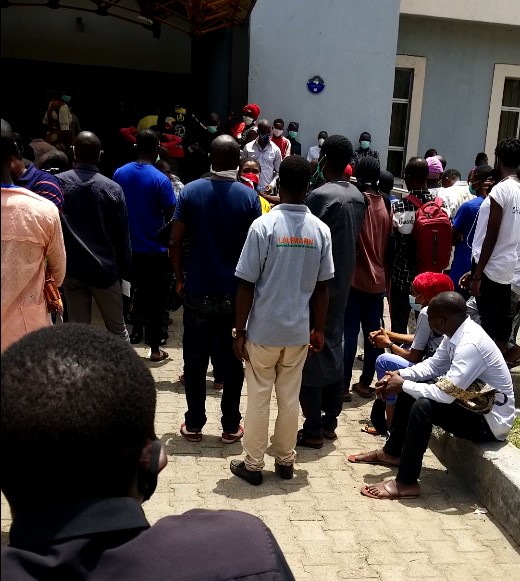
At a branch of Zenith Bank in Mpape, hundreds of customers were observed sitting and standing in front of the bank building, waiting for the security operatives to allow them in.

Customers were issued tally numbers in order to take turn to enter the banking hall and also to maintain the quorum stated in the guideline. The ICIR reporter was issued number 137th tag.

Though, the bank provided a mini tent for the customers with plastic chairs to sit, there was however no observance of social distancing in the sitting arrangement.

Those who could not find space under the tent stood under the scorching sun waiting for the security operatives to either give them tally or allow them in.

A customer who came out of the banking hall during the time of the visit and did not want his name in print disclosed that the laid down rule was that the security operatives should allow three persons to enter at the same time.

However, the crowd inside the banking hall, according to him, meant that majority of people among the hordes of customers waiting outside would have to visit other time.

” I can tell you most of this people need to come back tomorrow as the inside is full already,” he said.

While he confirmed that hand sanitizer was being dispensed before customers gain entrance into the banking hall, he declined to comment on the social distancing, because according to him, he did not  understand the meaning.

Security operatives at the bank’s entrance ensured that only customers with facemask  were allowed into the main building.

Those without facemasks were directed to use the Automated Teller Machine (ATM) gallery which was, at that moment, overwhelmed.  But the bank did not provide equipment to measure the temperature of customers going into the bank’s environment.

Meanwhile, a branch of First Bank at Mpape closed its doors to customers. They were only allowed to use the ATM gallery. But the breakdown of guidelines here was clear as many of the customers did not wear  facemask. Social distancing rule was also not adhered to and no bank’s security personnel to enforce it.

As observed, the bank has drawn over 60 square-like shapes on the floor of the gallery, expected to guide the customers to follow the 2 meters social distancing rule, the scorching sun and lack of orientation pushed many to defy the rule.

The bank did not also provide hand sanitizer at the ATM gallery which led to customers using bare fingers to operate ATMs.

A fact-check by The ICIR about the aerosol nature of the virus,  revealed that the COVID-19 is not airborne but can spend hours on stainless steel and plastic objects from which it can be contracted.

At about 10:57am when this reporter visited a Polaris Bank branch, he was issued number 97th tag and the security personnel detailed to call in customers just called a customer with tag number 42.

Other customers waited in the sun for their turn as only those with tags were allowed access to the banking hall. But to use the ATM at the gallery, there was no need for customers to wear facemask, sanitizer or hand gloves.

According to a male customer, the security operative allowed seven persons to enter the bank at a same when the bank first opened “but now it is two persons at a time.”

At Zone 3 and Area 3, no social distancing

While banks at Zone 3, Abuja managed to put certain things in place to follow the guidelines, it was lot difficult to enforce social distancing rule among customers.

A a branch of Access Bank, security operatives ushered this reporter into the bank premises with tally number. At that time, this reporter was 166th customer after having his temperature checked.

Aside from this, another important entry pass is your face mask.

But with all these, the bank failed to enforce social distancing-rule just as it did not provide chairs to all  customers after the few ones under a canopy provided were fully occupied. Those waiting to be called in were seen sleeping around the flower lawn of the bank while others rested on the tall Logo stand of the bank.

At Ecobank, two canopies provided by the bank were fully occupied by customers which made social distancing impossible.  Customers without facemask were seen leaving the bank as they were turned back by security operatives. Others were seeing lurking around the bank’s premises.

At Area 3 which is known as Abuja banking village due to the clusters of banks’ headquarters there, there was a total break down of guidelines for operation.

Customers were all concerned about finding their ways into the banking hall or to the ATM galleries.

There was a horde of customers forming a long queue at the entrance of the GTB branch there. The crowd, about a thousand of customers was beyond the control of the bank’s security personnel.

Though the bank had marked the two meter marks on the floor at the entrance, no one actually followed the marks. Frustrated customers who wanted to get tags to be able to gain entrance into the banking hall accused security personnel of collecting bribes to issue tag.

At a time, a security officer asked the crowd with tally numbers from 200 to 300 to move outside the barricade of the bank’s gate. This order made the customers rush out of the premises.

A customer who pleaded for anonymity,  said she had been on the queuefor three hours before the whole noisy situation, alleging that the security operatives were handling the issue based on favouritism.

An old man who also spoke wearing an Ankara fabric face mask said the bank had been negligent of what may cause community spread of COVID-19 as the bank failed to prepare for the enormous number of their customers that turned out.

“Can you see that these people are very very negligent? as old as I am, I came from a far place. They knew they would have hundreds of people coming here and they still fail to prepare for it,”  he said.

Checking the ATM gallery of the bank, it was a similar case as it was filled with customers without space for anyone to stand again. This was happening just the second day of the lockdown ease.

The story was no different at Zone 3 branch of UBA. No bank official or a security person was on duty during the time of the visit. Out of the six ATMs at the gallery, only two were active and dispensing. This led to overcrowding at the ATM section.

At the other side leading to the entrance of the bank, customers were provided with no hand sanitizer nor while there was no officer on ground to check their temperature.

Most of the customers interviewed  by The ICIR were at the bank to solve one problem or another requiring the attention of the Customers’ Service Officer.They argued that they had waited for the lockdown to be lifted so they could come to the bank and resolve the problems.

With the heavy crowds seen across Abuja banks,  the Central Bank Of Nigeria (CBN)’s vision 2020 goal of being among the top 20 economies by the year 2020 with the aim to drive development and modernization in Nigeria’s payment system through the means of cashless policy is far from being a reality.

What Nigerians should know about the Control of Infectious Diseases Bill

By, Kingsley Ogundu CHINDA


I should start this analysis by commending the sponsors of the Bill for the idea that there is need to review and update our public health laws as they relate to infectious diseases to meet the changing times. What I call the spirit behind the law is very laudable but the letters of the law are poorly couched or copied and should be re-drafted to suit our Nigerian realities. However, credit still goes to the sponsors of the Bill. This Bill, after the rushed 1st and 2nd readings, should be referred to the relevant committees of the House and subjected to rigorous public scrutiny (Public Hearing) for all stakeholders to make inputs, with the objective of coming out with a more comprehensive draft Bill that takes the concerns of all into account.

If we do otherwise and send it to the committee of the whole, we will end up with a bad law that cannot stand judicial scrutiny and invariably the test of time, or it would be killed in the Senate. For a Bill to suffer still birth, or to acquire some dubious reputation in the eyes of the public, raises fundamental issues about the standard and quality of law-making, and more importantly creates suspicion when the members of the public have a poor purchase on the Bill, it must seek to legitimise itself by possessing the consent of those whose behavior it seeks to regulate.

Law cannot exercise its authority and give life to its legitimacy and performative character without the public providing flesh, blood and consent to it and law-making.

So, my purpose here is to provide some clarity to the Bill, critique some of its provisions and pose alternatives, hoping that as the nation proceeds along, we will have the discernment to address some of the concerns that many Nigerians have raised about the Bill.

Bill with connection to a dubious history

The Bill is ninety-seven percent copied from the Singapore Infectious Disease Act,1977. While we concede that statutes and legislations generally are exempted from the legal burden of plagiarism, they are, however, not exempted from the moral burden of copious reproduction of a work. The copious reproduction of the Singaporean law leaves the impression of parliamentary laziness and clearly, the 9th House of Representatives is not that lazy. A lot of industry abound within and this has been demonstrated several times. Again, where Bills are imported, they are adapted to the local circumstances. It is interesting to note that Singapore was under the reign of a maximum ruler, Lee Kuan Yew, who operated a one-party socialist state.

Some of Lee’s famous quotes amongst others are: “Between being loved and being feared, I have always believed Machiavelli was right. If nobody is afraid of me, I’m meaningless. If you can’t force or are unwilling to force your people to follow you, with or without threats, you are not a leader.” This theory of leadership though moved Singapore forward, will be out of place in our Nigerian setting today. Thus, the Bill is draconian in a multi-party federal system democracy as practiced in Nigeria. We cannot domesticate the law of another nation. The Singapore Infectious Disease Act 1977 is not an international protocol that we should adopt wholesomely without any changes. While we can borrow the idea of the law from Singapore, we must adapt it to our local circumstances and bring it in line with existing local Statutes.

What Nigerians should know about the Bill

  1. The long title of the Bill is “A BILL FOR AN ACT TO REPEAL THE QUARANTINE ACT, CAP. Q2, LAWS OF THE FEDERATION OF NIGERIA, 2004 AND ENACT THE CONTROL OF INFECTIOUS DISEASES BILL, MAKE PROVISIONS RELATING TO QUARANTINE AND MAKE REGULATIONS FOR PREVENTING THE INTRODUCTION INTO AND SPREAD IN NIGERIA OF DANGEROUS INFECTIOUS DISEASES, AND FOR RELATED MATTERS (HB.836)”.
    While the short title is “Infectious Diseases Act 2020”, a closer look at the content of the Bill reveals that the title of the Bill is deceptive. Whereas it purports to regulate “infectious diseases’, it actually goes beyond infectious diseases and regulates diseases of any nature, depending on the discretion of the Minister – Section 5(1)(b) of the Bill.

The short title of the Bill should actually be Control of Diseases Bill 2020 rather than “Control of Infectious Diseases Bill, 2020” as contained in Section 81 of the Bill.

  1. The power to administer the Bill is vested in the Director General (DG) of Nigeria Centre for Disease Control (NCDC) under the directive of the Minister. Please note that the office of the DG was created by another Act, the Nigeria Centre for Diseases Control Act, 2018 with powers and functions bestowed on him under that law.

- The powers vested in these political appointees are humongous and bound to be abused. More so, they are accountable to their appointer and take instructions from him and not from the Nigerian people.
– The NCDC Act that created the office of the DG gave him powers and also gave some powers to the Board of NCDC. Some of the functions of the Board under the NCDC Act are given to the Director under this current Bill.

3.  The Bill as stated in the introductory paragraphs above, failed to take cognizance of our local circumstances, consequently, the Bill has some serious Constitutional and statutory contradictions. Several sections that are the life wire of the Bill conflict with existing laws and the 1999 Constitution.
- The federal system of government in Nigeria was not considered in the Bill, thus there are no role(s) for other tiers of government- (states and local governments), particularly the states as a federating unit. This is more serious, recognizing the fact that health is an item in the concurrent legislative list in the 1999 Constitution.

- The powers of governors to take steps and come up with executive orders in times of public heath emergencies contained in the Quarantine Act sought to be repealed were jettisoned. Thus, state governors have no role and are merely at the mercy of the DG, NCDC and the Minister for Health. This is abnormal and would be counter productive.

- All state governors are today relying on the Quarantine Act to come up with executive orders to manage the COVID-19 peculiar situations in their respective states. If this power is removed, it means that the DG, NCDC has to micro- manage all the states and local government areas in the country in times of health crises (as we have now). This will be most inefficient.

  • The Bill severally and frontal attacks the rights of citizens under Chapter 4 of the Constitution dealing with Fundamental Human Rights, and also the African Charter on Human and Peoples’ Right (Ratification and Enforcement) Act, Cap. A9 Laws of the Federation of Nigeria, 2004: the United Nations Declaration on Human Rights, 1948 and International Convention on Civil and Political Rights, 1976 which are ratified by Nigeria and are thereby local legislations.

- The Bill also conflicts with the Environmental Health Officers (Registration ETC) Act 2002. The DG is empowered in Section 2 of the Bill to determine who a Health Officer is against the clear provision of sections 13(1) and 14 of the Environmental Health Officers Act which outlaws any practice or provision of health services in Nigeria without certification by the Council – Health Officers are professionals and cannot be picked discretionally by any individual.

- The National Programme on Immunization Act, Cap. N.71, LFN 2004, Vol.9. Section 6 of the Act covers some contagious diseases like Tuberclosis (TB), Whooping Cough etc, with an omnibus clause in Section 6 (f) which empowers the Minister of Health to cover any other disease he deems fit. These are the same diseases the present Bill seeks to take care of. The Immunization Act is a specific law on immunization, whilst the present Bill has immunization as one of the items covered in the Bill.

- Nigerian National Health Act 2014 regulates health practice and practitioners in Nigeria, including the protection of the fiduciary relationship of medical practitioners and their patients.

  1. Section 3 of the Bill, which empowers the President to declare a public emergency and public health emergency zones in the country or any part thereof, did not state the method of publishing the declaration. Under Section 3(5) of the Bill, the method of publication is left at the discretion of the President and there is no time frame within which same should be sent to the National Assembly (NASS) for ratification. It only says “as soon as possible”, which is subject to interpretation of the operators.

  2. Section 6 of the Bill provides for compulsory testing based on mere suspicion by the DG, NCDC. Failure to test at one’s own cost, attracts legal sanctions, including a conviction. This provision can and would be abused by power drunk officers without an option of legal challenge to such abuses. There are people whose religion does not permit injections or blood test or transfusion. This could thus be a breach to the right to freedom of thought, conscience and religion in Section 38 of the 1999 Constitution.

  3. Section 7 of the Bill empowers the DG, NCDC to order a post-mortem test, based on suspicion. No exception was considered and it is entirely at the discretion of the DG. This could breach the right to freedom of thought, conscience and religion in Section 38, 1999 Constitution.

  4. Section 8 of the Bill removes the fiduciary relationship (the duty of confidentiality) between patients and their personal physicians on mere suspicion. The Nigerian Health Act still protects this relationship and is therefore in conflict with this Bill. This can only be reasonable after a test is carried out and the person is confirmed to be infected. A citizen can be subjected to inhumane treatment and denied his right to privacy by publishing his/her medical history without his/her consent and refusal is a crime.

  5. Section12 of the Bill empowers the DG on mere suspicion to stop a wake keep and prohibit the burial of a deceased by his/her family. This again violates Sections 34 and 38 of the Constitution on the Citizens’ Right to Human Dignity and Right to Thought, Conscience and Religion. Burial rites are mostly cultural or religious-based. This would be reasonable if it is confirmed that the corpse is infected. Even at that, the infected corpse does not need to be present at the wake-keep.

  6. Section13 empowers the DG on mere suspicion to detain a citizen as long as he wishes without an order of a competent Court of law and he, of course, cannot be sued even where his suspicion turns out afterwards to be false or wrong, as Section 70 protects the DG and his agents from personal liability.

This runs fowl of the victim’s fundamental Right to Liberty (S.35) and movement (S.41) of the Constitution. Also, note that Section 35 (e), which provides an exception only contemplates those suffering from a disease not “suspected” as provided in the Bill. Thus, the Bill tends to surreptitiously amend Section 35 (e) of the Constitution through the back door.

  1. Section 14 again gives the DG the power to place a citizen under surveillance on mere suspicion. The worry is that these encroachments on rights of citizens are done on mere suspicion and since no personal liability is incurred for any default, the DG or his representative could be careless. This contravenes Section 37 of the Constitution (Right to private and family life).

  2. Section 15 of the Bill empowers the DG to issue a notice to take over a citizen’s property and declare it an isolation center without the consent and permission of the owner. This provision is subject to serious abuses as perceived political enemies and or opposition party members could be easily targeted and/or abused in the guise that their property is declared an isolation center without recourse to a court of law. It runs foul of Section 44 of the Constitution (Right against compulsory acquisition of property). Again the section conflicts with the right of governors over lands in their states under the Land Use Act, as property can now be acquired in a state without the governor’s consent.

  3. Section16 of the Bill is a very potent instrument against religious and social organizations. Thus, if in the opinion of the DG any building is deemed overcrowded, the DG can make an order dispersing the crowd and anybody who goes in commits an offence. How do you opine or conclude that the gathering is likely to expose occupants to infectious diseases?
    Once a decision is taken, it becomes effective regardless of any protest or appeal. The appeal is to the Minister of Health whose decision is final and he is an interested party. Thus he is a final arbiter in his own matter. This again violates the citizens’ right to fair hearing in Section 36(2)(a) and (b) of the Constitution.

  4. Section 19 of the Bill gives the DG the power to stop any meeting or gathering as he deems fit on the ground that such activity is likely to increase the spread of infectious diseases for 14 days, renewable thereafter. The concern is the exercise of excessive discretion, which leads to abuse. Sections 35 and 40 of the Constitution which deal with Personal Liberty and Right to peaceful assembly and association are breached by this provision.

  5. Section 20 of the Bill talks about a carrier unlike other sections where a suspect is made to suffer

  6. Section 24 empowers an enforcement officer to get order from a court (magistrate) to destroy a building where infectious disease occurred. This is too draconian as fumigation or disinfection of such building will sanitize it rather than outright destruction. Also, note that the owner has no claim against the officer under S.70 of the Bill.

  7. Section 27 also allows the DG to exempt a vessel coming from an infected area from being deemed to be infected. There are no grounds for the DG to arrive at that conclusion, it is left to his discretion.

  8. Section 30 also gives the DG the discretion to determine any vaccine that will be compulsory for citizens to take before they can travel out of Nigeria. Note that vaccines are made from animal genes and it could be one made from a prohibited animals such as swine that are forbidden by Moslem and some Christian sects and citizens will be compelled to take it. This is most unconventional. What is obtainable is that countries, depending on their peculiarities request that visitors must be vaccinated against certain diseases so if you are travelling to such countries, it is one of the requirements, but not to impose on its citizens that you must be vaccinated before travelling out of the country.

  9. Sections 46 and 47 of the Bill provide for compulsory vaccination of children and adults with some specified vaccines. This should not be compulsory as in some climes, there are incentives given to encourage vaccination. There must also be an exception on health or religious grounds. Recall the Pfizer experience in Kano where vaccines turned a killer injection and in South Africa where HIV vaccines were deliberately administered on blacks. Vaccines sometimes have turned out to be dangerous.

To compel one to take a vaccine made of stuff that is against his belief is a breach of Section 38 of the Constitution (Freedom of thought, conscience and religion). More so, under Section 47(4) of the Bill, the DG is required to give notice of the order for vaccination as non-compliance is a crime under section 51, yet he still has discretion on the method of notice.

Thus, the DG could simply paste the order for vaccination on his office notice board and if you fail to vaccinate within the prescribed time, you commit and offence.

  1. Section 49, which provides exception to the vaccination, only allows medical grounds without the very important religious ground and the exemption is also at the discretion of the DG. He determines who will be exempted or not and issues exemption certificate.

  2. Section 53 provides for fees for vaccination, which the Bill makes compulsory. If compulsory vaccination is not free to all, it should at least be free to the vulnerable class as poverty is not defense under 51. Someone who cannot afford the vaccination commits an offence, as poverty will not be an excuse.

  3. Section 54 empowers the DG to enter any premises at anytime and without warrant and with such force as may be necessary. Note that the Bill did not even provide for use of “reasonable force” to enter, search or cease any book or material suspected to be connected to disease out brake. The force that is necessary is determined by the Enforcement Officers.

  4. In Sections 55, 56 and 57 of the Bill authorise the entry, search, arrest, seizure and disposal of any premises, thing, vehicle, document or person as the case may be without warrant based on mere suspicion and the private opinion of the DG of NCDC, Health Officers and Police Officers. These sections are wrong on every level, because they give the Police officers unfettered powers to cease, arrest and detain based on mere suspicion and without proof of guilt, thereby taking away the all important legal rule that an accused is deemed innocent until proved guilty.

Under the Bill, the reverse is the case as a suspect is deemed guilty until he proves otherwise. The DG’s power under Section 56(1) to seize information considered relevant to public health in his opinion may be abused to interfere with the Constitutional right to freedom of speech and press in Nigeria.

  1. The Bill also allows the executive officers to take extra-judicial decisions to the detriment of citizens’ Constitutional rights to freedom of movement and dignity of human person. This can be seen in Section 57, (7-8) of the Bill. Clearly, Subsection 8 of the Bill gives meaning to the measures referred to in Subsection 7 which include the entry into a place without warrant and the use of such force as maybe necessary. The question now is what force can be used by the police officers that will be deemed necessary? This is unconstitutional as section 34 of the 1999 Constitution as amended clearly stipulates that no person shall be subjected to torture, inhuman and degrading treatment.

  2. Section 62 is merely repetitive and superfluous as it is the primary function of Police to execute laws. It is not necessary to state that the “Inspector General of Police shall provide such Police assistance as may be necessary to carryout any of the provisions of this Act”.

  3. The reference to Section 64 is wrong as it should be actually be Section 63.

  4. The immunity provided in Section 70 of the Bill is unconstitutional because this effectively ousts the jurisdiction of the court to hear human rights abuse claims, as the Bill provides that no liability shall lie personally against the DG, health officer and police officers who does anything in the execution of the Act. Human rights abuses are usually personal.

  5. General remarks on the defense that Section 45 of the 1999 Constitution as amended allows derogation from certain fundamental rights pursuant to a law made for the purpose of securing public health cannot hold water in all the abuses or fundamental human rights derogations in this Bill, as follows:

a) The provisions of the Bill are so wide and not reasonably justifiable in a democratic society having been fashioned after a single party communist state.
The provisions of Section 45 of the 1999 Constitution as amended may not be sufficient to save the Bill from being declared unconstitutional if passed in its present state and tested in a court of law;

b) The derogation in Section 45 does not apply to infractions of sections 42, 43 and 44 of the Constitution (Freedom against discrimination: right to acquire private property and right against compulsory acquisition of property). Thus, all the sections of the Bill on compulsory acquisition of property are outside the exemption;

c)  By Section 45(2) derogation of of Sections 33 (Right to life) and 35 (Right to personal liberty) are allowed in an Act only during “emergency period”. This is only when the President under Section 305 of the Constitution declares a state of emergency. Even under such emergency period, the measures must be “reasonably justifiable in dealing with the emergency situation”. Even in a state of emergency, is it reasonably justifiable to demolish a property for the singular reason that an infected person was therein?

d) The derogation under Section 45 of the Constitution applies only during emergency period and so reliance on the section to breach the liberty of citizens is unconstitutional.

* Rep Ogundu Kingsley Chinda is the member of the House of Representatives representing Obio-Akpor Federal Constituency, Rivers State.

Over 300 people ‘mysteriously’ died in Azare within 14 days

By Haruna Mohammed Salisu


About 310 people have reportedly died of undisclosed ailments in Azare, the headquarters of Katagum local government area of Bauchi State.

In a letter written to President Muhammadu Buhari by Hon. Ibrahim Baba, a former lawmaker representing Katagum who was deposed of his position by an Appeal Court in Jos, the former lawmaker alleged that there was “massive outbreak of coronavirus in Azare town and environs in Bauchi State, which has already resulted in over 100 fatalities in the last one week.”

The former lawmaker attributed the mysterious death to COVID-19, saying the incident has “thrown the entire area into great mourning, panic and confusion.

Ibrahim in the letter indicated that the “centrality and proximity of Azare to Bauchi, Kano and some major cities of Jigawa State make the town’s large population susceptible to the virus due to the already existing large cases of the disease in those areas.”

An independent verification conducted by The ICIR to ascertain the authenticity of the claims made in the letter to President Buhari by the former lawmaker shows that not fewer than 310 people have died ‘mysteriously’ within a span of 14 days.

Muhammad Muktar MK, a resident of Azare told The ICIR that a total of 310 people whom he described as “aged” have died in Azare in the last 14 days.

Another resident, Salisu Azare said “of course what you heard is true, the deaths may be more than that even and most of them are within the range of 60 years and above.

“But no one would tell you what killed them for a fact, I think only scientific examination could prove the kind of ailment that killed them, but we are really scared”, he said.

The ICIR recalls that a pioneer Chief Judge of the Federal Capital Territory, Justice Muhammad Dahiru Saleh, who annulled the June 12 election, was among prominent people of Azare extraction that died during the period.

He died on Thursday at the aged of 83 and was since buried according Islamic rites.

When The ICIR placed a question to the Bauchi State Deputy Governor, Senator Bala Tela who is also the chairman of the state’s taskforce on COVID-19 and Lassa Fever regarding the actual figures of fatalities and the ailment that killed them, Baba Tela debunked the reported figures, saying the numbers have been exaggerated.

“I don’t know the exact number of casualties, but what I have gathered is that about six persons die every day for a period of 7 days”, Baba Tela said.

The Deputy Governor also said about 7 medical health personnel consisting of 5 doctors and 2 nurses have tested positive for the virus in Azare.

Baba Tela said the ailment that killed the people in Azare town were yet to be established by health workers in the state; “but we are liaising with the WHO and UNICEF to retrain our health care workers in Azare to boost their capacity to respond to the situation on ground”, he added.

The Deputy Governor also debunked the figures unveiled by Hon. Ibrahim Baba who wrote a letter to the Presidency alleging that about 100 persons have died of COVID-19.

“I’m sure he has not counted the deaths and he has not gone to the grave yard or had a conversation with people who buried the deaths, so how could someone come up with figures just like that”, he insisted.