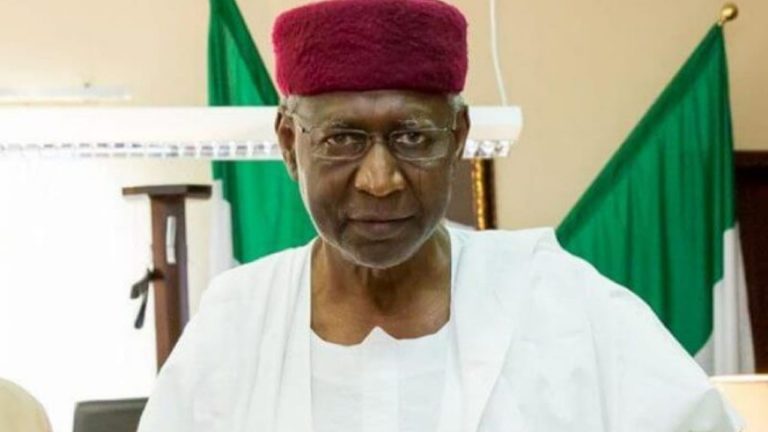
THE whereabouts of Abba Kyari, President Muhammadu Buhari’s powerful Chief of Staff, remains unknown, days after he announced that he had tested positive to the Coronavirus.
Very few people appear to have been able to speak to Mr.Kyari since he officially announced his Coronavirus positive status on Wednesday.
Even among his coterie of close friends, associates and family members, there is no certainty about exactly where Kyari is, though many believe that he is somewhere in Lagos.
A close family friend of the powerful Buhari aide said that although Kyari himself announced to the world that he was traveling to Lagos to receive adequate medical attention, “the truth of the matter is that anybody who tells you that he or she knows where he is just speculating, except if they are in the same room wherever he is”.
It was learnt that Kyari has shut down all his regular Nigerian phone lines and has communicated with only a very few people, including his wife and children, with “his UK number”.
The news of Kyari’s Coronavirus positive status was broken on March 24 when the result of a test carried out earlier was delivered to him at the Presidential Villa.
However, the presidency was silent on the matter until Kyari confirmed it in a statement on March 29, in which he announced that he would be going to Lagos “for additional tests and observation”.
“I have made my own care arrangements to avoid further burdening the public health system, which faces so many pressures,” he said further, adding that he was feeling well.
“Like many others that will test also positive, I have not experienced high fever or other symptoms associated with this new virus and have been working from home. I hope to be back at my desk very soon, Kyari stated.
Close family sources confirmed that Kyari was transported to the airport between 11.00 pm and midnight on the same day he released the statement, March 29.
However, no family member or friend could say for certainty that Kyari actually flew to Lagos from the Nnamdi Azikiwe International Airport, Abuja.
According to sources, no member of his family accompanied him on the trip.
In fact, one close family friend said that Kyari’s wife expressed concern that he was leaving for Lagos alone and offered that either she or one of their children accompany the sick politician, a suggestion which, according to reports, was quickly rebuffed by him.
However, a friend of the CoS told our reporter that he spoke to him during the week he traveled to Lagos, and that Kyari told him that he was doing fine.
The friend, who said he has not spoken to him since then, told The ICIR that he noticed that he coughed persistently. But, besides that, he said Kyari said he was feeling fine.
An associate of the powerful presidential aide, who has spoken with him frequently in recent days, said that his doctors had to take his phones away from him because he was receiving too many calls.
However, the aide said “he is allowed to use his UK line sparingly on a few occasions to call his family or pass instructions to key aides”.
Asked if he knew for certainty that Kyari is in Lagos, the associate said that he believed the CoS when he told him that he was in Lagos, adding that “ I believe even the President believes that the Chief of Staff is in Lagos”.
A family friend to the Kyaris, however, observed that only Kyari or an aide who traveled with him can say exactly where he is.
The family friend, who said he has tried but failed to speak with Kyari since Sunday when he is believed to have left for Lagos said that he knows that he had been under a lot of pressure and wanted to take a break from work, family and all the pressure associated with being a close aide and confidant of President Buhari.
“First, you know the CoS lives in a two bedroom chalet in Defense House, where he is always closeted with his family.
After he tested positive, he probably just wanted some space away from family friends and others who had been calling him after he tested positive.”
“Second, that going to Lagos might just be a decoy for him to get away from home and go stay alone somewhere in Abuja. So, even though he said he was going to Lagos, it might all just have been a decoy for him to go elsewhere, even in Abuja. I do not know but that is what I think.”
Kyari is believed to have been infected while on a trip to Germany where he went to meet with officials of Siemens, the multinational conglomerate headquartered in Munich. He left on March 7 and returned on March 15.
The World Health Organisation, WHO, and Worldometer estimate that Germany currently has over 85,000 cases of the Corona Virus, more than 1,100 deaths and 24,575 recoveries..
A day after he got back to the country, the CoS is said to have attended a meeting where he and those in attendance discussed containing the COVID-19 pandemic in Nigeria.
It was at the meeting, Kyari was said to have started showing symptoms of COVID-19 when he coughed intermittently.
BLANKET blackout, darkness, sweats and fatigue ruled and ruined the night before Tuesday, March 31, when life would grind to a halt and the curse, we, Abuja residents, feared most would be unleashed to drench and drown us.
Blackout, because electricity supply had become so unreliable that both government and the governed had since passed a vote of no confidence on actors in the electricity value chain. But the situation had taken a free fall, as if the drivers of the sector had lifted their fingers off the steering, leaving the sector to wobble from commotion to commotion before it crashes and dismembers. So it was, as reports confirmed that some electricity generating companies had actually shut down their machines, mumbling inaudible reasons.
However, with coronavirus pandemic wave thick in the air, blackout took a second or third place on the hierarchy of our worries. I didn’t wake up in my library on Tuesday morning; I woke up enraged, shouting and screaming at everyone in the house – except my wife – because all the transistor radios I had purchased in the past either mysteriously disappeared or died in the hands of my baby engineers who decoupled them to feed their curiosity.
Now, I needed to listen to news update on coronavirus, and feel the texture of the seriousness of the lockdown before venturing out. None of my radios was in view; the FM apps on my handset was not reliable as its sound appeared and disappeared as if it were a goddess that required constant sacrifices to make herself accessible. That sacrifice was internet connectivity, which was beyond my control.
Though I knew it would not resurrect my transistor radio from the garbage or junk house, I grumbled aloud about their disappearance. But it seemed everyone in my house ignored me, and thought about other existential matters.
“There’s no bread for breakfast,” my wife announced. “What’s your idea of breakfast this morning; the house is full and complete.”
Yes, all my children were indoors; we had wards as well. The house was full.
“I expected some loaves to be hiding somewhere in the refrigerators or in the kitchen,” I lamented. “Where can we buy bread now that Abuja is in lockdown?”
“Nowhere,” she replied. “My bread supplier claimed that producers were not certain if government would allow them to deliver bread to customers during the lockdown. They didn’t produce for today.”
“But, Buhari said food vendors are not affected by the restriction; they would go on with their businesses,” I interjected.
“No one is sure of anything,” my wife remarked.
Breakfast options? Fried yam with egg? Boiled yam? White rice?
As we voted for yam and stew, my wife warned, “If we do all that, our store will be empty before two weeks.”
I pulled my generator to life and switched on my television set. It was already 10.0am, and reporters were on the streets of Abuja ‘to monitor the situation’ of the lockdown. The roads were not just empty; they were clean, dry and eerie, as a ghost city where residents had escaped to safe grounds from an invading beast, like a lion. As shown of the television, the streets were idle, lonely and beautifully romantic for leisurely walk. The serenity was punctuated only by the sprinkling presence of security men at various intersections of the Federal Capital Territory.
“It’s now an opportunity to work from home,” I told myself. “We’ve mouthed the concept of working remotely or virtually; necessity would warrant putting into practice that ideal that we have preached to journalists and media executives.”
But I was wrong. There was hardly a consistent service to enable me engage in any meaningful task. One or two internet service providers would be promising, but get frozen at a very critical moment, destabilizing my workflow and quenching the enthusiasm that sustained the efforts. After two hours, I had to resign to fate and turned to my books, reading pages in between the fluctuation in internet connectivity.
At midday, my wife rushed to the house from her supermarket – with a crazy idea. A customer had bought all the tubers of yam on sale; she needed to urgently re-stock.
“How?” I asked.
“Let’s drive to Orange Market in Mararaba, Nasarawa State and buy some,” she told me.
I resisted the idea. There was lockdown and I didn’t want to flout the law. Already, I had read reports that soldiers had begun to brutalize some persons for violating the restrictions imposed by government.
“But as a journalist, you could pass,” she argued.
Yes, my ID card could open the multiple tyres barriers mounted by security personnel, but I hated taking an unnecessary risk, especially because I was not out to report the effectiveness of the lockdown. But I had to give in, as she had begun to grumble and mumble over what she called my lack of support for her business.
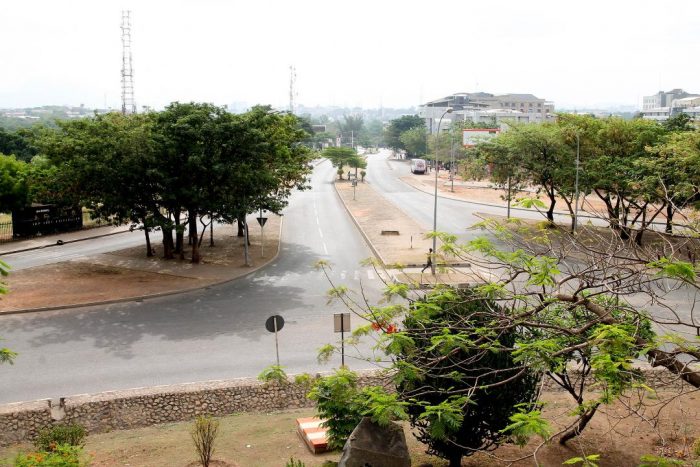
We drove out of the estate and connected the main road on Lokogoma area towards Galadimawa Roundabout. My heart sank at the emptiness I saw. The road was devoid of vehicles, and the shinning tarred road created the mirage of a lake that was non-existent at every distance. No trekker; no motorcyclists; no cars; no trucks. A ghost town, like Wuhan, as described by Fang Fang. Half-heartedly, I drove on, looking for an opportunity to convince my wife that we needed to return to the house.
Clean, idle Abuja road on first day of lockdown
Incidentally, we drove past Galadimawa Roundabout. Four tyres laid idly as if they had been used to divide the road and restrict driving, but there were no security personnel to restrict vehicular movement. Though unspoken, my wife felt triumphant that we had crossed the first hurdle. I turned right towards Games Village.
I noticed few vehicles on the road, some by police, some by health workers, but several others were private cars. I drove on, passed the Roundabout at Games Village towards Area One. I noticed some Vehicle Inspection Officers, Federal Road Safety Corps (FRSC) operatives and Civic Defense officers, but none of them asked me any question. I drove past.
At Area One, I turned towards Asokoro on my way to Nyanyan and ultimately Mararaba. No-one stopped to ask me why I was on the road. Rather, the security personnel waved at me, and I acknowledged their compliments.
I enjoyed a thoroughfare until I arrived at Mopol Junction at the entry point into Mararaba in Nasarawa State. There was a traffic snare that made my heart to jumped, not knowing what was in the offing.
I began to imagine how I would respond to it if the security personnel at the ‘border’ between FCT and Nasarawa insisted that I would not enter into Nasarawa State due to the lockdown. But I as drove closer to the ‘border post’, I noticed that the personnel were not interrogating motorists who were entering into Nasarawa.
Rather, they were taking the temperature of every occupant of vehicles, and then allowing them to drive on. When I arrived at the post, I noticed that they were health workers. They put the infrared digital thermometer gun to my forehead and took my temperature.
It measured 35 degrees. He cleared me, and turned to my wife, whose temperature was about 35.6 degrees. We were free to enter into Nasarawa State.
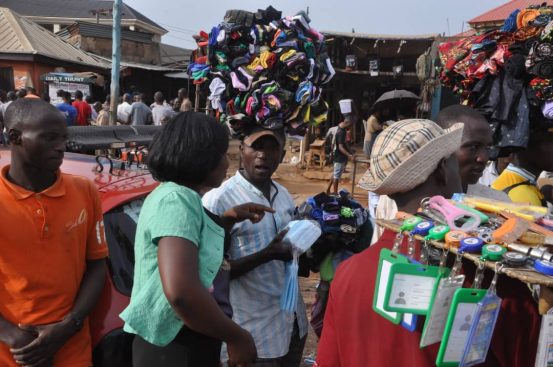
Mararaba was a different world; hawkers swarmed the highway; motorcyclists rode like hell; taxis and private cars; buses were all over the place, savouring the freedom that those in locked down Abuja have to wait for another 14 days to access. Social distancing? Apparently, that phrase meant nothing to those I found on the highway and neighborhoods in Mararaba while driving to Orange market.
Though the crowd there did not peak compared to previous times, I did not notice a conscious ‘social distancing’ among the people. Few persons wore funny face masks, then some used hand-gloves, but the majority of the traders and buyers were more bothered about their businesses than coronavirus pandemic. Perhaps, that was because Nasarawa State had not entered into the high-risk states register of the NCDC.
Hawkers doing their businesses
On our return journey to Abuja, the story at Mopol junction between Nasarawa and FCT changed to bitterness.
Security personnel had blocked the entrance into the FCT from Nyanyan, forcing a long winding traffic and army of confused drivers and passengers.
Apparently, the officers who manned the border post had the heart or mind of iron, ignoring appeals, by even gun-wielding military officers who drove siren-blaring vehicles that apparently conveyed VIPs or their wards.
As the prospect of softening the resolve of the officers faded, drivers diverted their vehicles into streets in Mararaba in order to snake through alleys that would take them into FCT through porous entry routes.
I joined in the adventure.
When I eventually connected Nyanyan and entered the highway back into the city, I noticed that many other vehicles had defied the lockdown. But at the Army checkpoint at Karu bridge many were stopped and asked to identify themselves.
Those who didn’t convince the officers were asked to park for more explanation. In minutes, the number of vehicles there spread into a lake of cars and buses. When I arrived at the judgement point, I flashed my complimentary card, bearing the name of my media organization. I had passed the test; the bar was lifted and I sped into the city, and to returned to a lockdown in my house.
Why are Nigerians not adhering to the lockdown measures? Perhaps, it’s because they did not appreciate it as an epidemic or a pandemic. The Nigerian Centre for Disease Control (NCDC) data said, as at Tuesday, 135 cases had been confirmed; eight had been treated successfully, two persons had died.
The data showed that most of the cases were in Lagos, some in Abuja, and trickles in several states. But an epidemic is defined as “a widespread occurrence of an infectious disease in a community at a particular time,” while ‘pandemic’ is defined as “an epidemic of disease that has spread across a large region, for instance multiple continents or worldwide. A widespread endemic disease with a stable number of infected people is not an epidemic.” In a way, the situation had not scaled to the height of an epidemic.
The remote argument among some was that the lockdown was Nigeria’s attempt to ‘copy’ and ‘paste’ other countries’ responses to coronavirus.
DANIEL Nnamdi is a butcher. He trades solely in goat meat at the popular Lugbe Market within the Abuja Municipal Area Council (AMAC). He strives to maintain social distancing as precautionary measures recommended against the raging novel COVID-19 disease which has held the world to ransom, as he engages in his daily business. Butthe more he tries, the more difficult it is to sustain.
When The ICIR visited his stall, as many others visited, he was not wearing hand gloves while buyers freely touch the red meat on the table before him.
He said it is rather tough practising social distancing, and so it is for his customers.
“Oga, how much is this goat head,” a middle-aged customer asked. “N1,000,” he responded even as he continued talking with The ICIR reporter.
Daniel Nnamdi, Butcher in Lugbe market Photo Credit: Olugbenga Adanikin, The ICIR
The two bargainers seemed oblivious of the close distance between them. The buyer keeps touching the piece of meats carefully arranged on the table. Though the health authorities recommend two meters distance, this advice is disregarded in many local markets in Nigeria.
The first buyer at Nnamdi’s shop eventually, left only to return about three minutes later.
Before he returned, another customer had visited his stall, touched the same piece of meat, unconcerned whether other customers had infected the meat or not. The buyer renegotiated, maintained closed contact and opted for a different piece of meat.
“But what can I do?” Nnamdi queries the reporter out of a clear state of confusion. “I don’t even know who is already infected,” he said.
“Once in a while, I wash my hands with soap and when I get home, I sanitise both hands before meeting my family. So, it is really a disturbing situation.”
Social distancing a tough choice in slums, markets
Since the COVID-19 outbreak broke out in Wuhan China, last December, infections and deaths have spread across the world, even those nations considered most powerful – record deaths virtually on a daily basis.
The infection is highly contagious and could be contacted easily via sneezing, coughing on any hard surface or once droplets from a confirmed case get in contact with uninfected persons.
As of 2 April 2020 the World Health Organisation (WHO) has recorded 827,419 confirmed cases, 40,777 confirmed deaths in 206 nations. It also warned the pandemic could spread to 1 million cases in few days.
In Nigeria, 174 cases have so far been recorded with two deaths while nine cases discharged.
Sadly, the situation is not only peculiar to Nnamdi but other traders involved in food commodities across most conventional markets within the federal capital territory and the neighbouring states.
For either economic or cultural reasons, social distancing appeared to be a tough choice for the less privileged masses.
Most families live in small apartments, dine together and so maintaining a social space in a room becomes a tough choice. Unfortunately for those whose source of livelihood is dependent on small scale businesses, they are rendered helpless in the face of the scourge as they are also required to avoid crowded places for safety.
What also comes to mind, is the religious, turned cultural belief of the al-majiri practice, mostly in northern Nigeria where children of school ages are sent out to the streets to fend for themselves.
Social distancing impossible for the poor – Motor mechanic spare part dealer
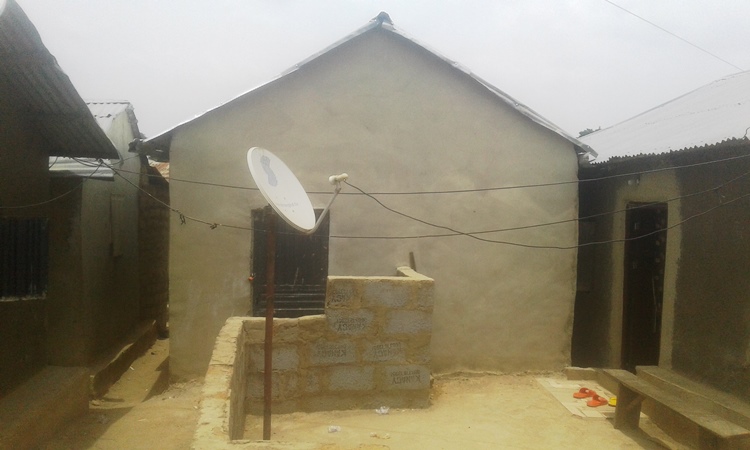
In Dape community, for instance, Rasheed Olawale (43) year-old father of four is a motor mechanic spare part dealer. He lives with his wife in a room apartment known as a ‘self-contain.’ To start with, he has never heard of the term ‘social distancing or self-isolation’ but the place he calls home is just a room which consists of toilet and bathroom merged together as a unit, with a small kitchen carved out.
Rasheed Olawale’s single-room apartment in Dape Community, Federal Capital Territory (FCT), Abuja Photo Credit: Olugbenga Adanikin, The ICIR
Yet, the rented apartment is far better than other families who reside in a popular face-me-and-face-you building which might as well be difficult to maintain a social distancing and good hygiene.
The structure would usually consist of at least 12 rooms apart, almost facing each other but residents still share at most two toilets and bathrooms – a toilet for each line of the structure, thus makes compliance a bit tough.
The WHO says maintaining a social distancing of a minimum of six feet or two metres apart is one of the vital preventive measures to prevent the spread of the highly contagious COVID-19 disease.
“How do you do that?” Olawale asked. “It is difficult to know who has it and it is normal that a child who sees his father’s friend would run to exchange greetings, so also to his friends across the streets.”
His most concern was how to comply with the social distance advice without palliative measures from the government. Taking care of his family is another worry and why he would be left with no choice to remain in the same room, with his family if peradventure, he or any of his family members gets infected.
“What do you expect? Are they not my family? I don’t even want to think about it,” he said as he prayerfully counters the disease – it will never near my household, he exclaimed.
“Aside, my wife does not go that far other than to purchase some commodities in the nearby market and supply the estates,” Olawale adds oblivious that his wife could get infected in the supply process.
But, one interesting quality about Olawale is that, despite his doubts, he strives to maintain a good hygiene in his family. As he speaks with The ICIR, he brought out his hand sanitizer, and called for more awareness.
“Aside from governors and other rich people, who else among the poor have contacted the disease?” He queried. “Please don’t be deceived. During the Ebola outbreak, we beat the disease. There is currently Lassa fever so we will beat this as well.”
Headache, flu normal occurrences so we are not bothered
In the course of this report, the spare part dealer also exhibited a similar mindset held by most individuals in the slums and local communities. People are used to coughing and flu from time immemorial, he argued.
He attempted to further paint a scenario of his everyday work demand, all to make the reporter understand rationale why developing a headache or flu would be a usual experience in his line of work.
He would struggle daily in the scorching sun to persuade clients to his automobile spare parts, so “you can’t comprehend the kind of stress I undergo daily.”
“I’ll be in the sun from dawn to dusk. Aside, developing headache, cough or sneezing has always been a norm. So why is it an issue?” he noted. “Though I learned the disease is dangerous. It won’t come near us.”
Literarily, Adewale’s case is not so peculiar. There are many other self-employed struggling entrepreneurs who have found themselves in a similar situation for either social or economic reasons.
They believed the lockdown order without any palliative would mean impoverishing the poor, as a result, would not make any preventive recommendation much effective.
“Sincerely, the government just wants to kill us with poverty,” he said with clear seriousness stressing that for so long they stay away from work, and remain at home, taking care of the home front would be a great challenge. So, to Adewale, for instance, meeting people is inevitable yet, staying out of business would come at a great cost.
It is a battle between the devil and the deep blue sea. “How long shall we stay at home to maintain social distancing,” he chuckled. And because he manages in a single room with his family of five, the social distance might only be a tale.
He emphasised that if for instance, he possibly gets in contact with a case unknowingly, where would he resort to? He queried, as he only has one-room apartment.
“Before nko? Why won’t I sleep with my wife and children? He said.
On 12 March, the WHO labelled the viral disease a pandemic due to its fast spread, claiming more lives. Sadly, more cases and casualties are still expected since the pandemic currently has no cure.
In Nigeria, confirmed cases keep rising with very limited testing centres for an estimated population of 200 million people.
But, notable among precautionary measures highlighted by the WHO and the Nigerian government through the Nigeria Centre for Disease Control (NCDC) and the Federal Ministry of Health are to remain indoor, engage in proper handwashing and the social distance directive.
Adopting these gestures, it is believed, would check further spread of the virus, particularly in cases of social gathering. But findings during this report revealed that awareness is still low and maintaining social distancing is difficult for the masses due to socio-cultural and economic reasons.
But to enforce the measures, the federal government had to shut down schools and the National Youth Service Corps (NYSC). Major civil service activities at Ministries, Departments and Agencies (MDAs) were subsequently put on hold except for those in essential services such as health workers, emergency and humanitarian services included the security operatives.
The federal government later suspended the Federal Executive Council (FEC) meeting and directed religious houses to restrict gathering to only 50 persons. It was later reduced to 20 while some states rolled out curfew to restrict movement.
Latest in the plan is the lockdown of two states – Ogun, Lagos and Federal Capital Territory (FCT) by President Muhammadu Buhari as a measure to stop further spread of the disease.
Our hope is in God, he will end COVID-19
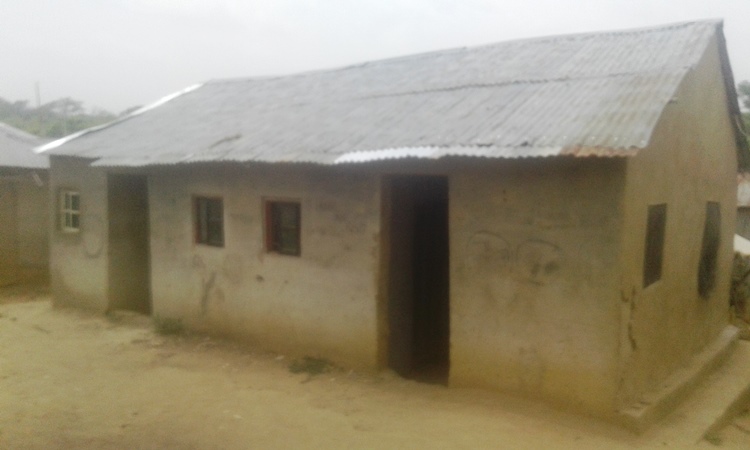
Like other respondents, Nojeem Akinwale, 37 year-old-plumber put his sole trust in God.
He strongly affirmed he cannot possibly adhere strictly to all the recommendations, except with divine help, as it is easier to unconsciously dip hands in the nose, the eye or the month, all in an effort to stay safe.
Nojeem Akinwale one-bedroom apartment in Dape Community, FCT Abuja Photo Credit: Olugbenga Adanikin, The ICIR
“I prevent my wards from going out and I try as much as possible to wash my hands even though I cannot afford hand sanitisers.”
“All we do now is to plead for God to divert whoever wants to bring it close to our dwelling,” Akinwale adds.
Mrs. Omotayo Abdulsalam, (35) mother of two resides in a two-bedroom flat with her husband in Jabi. She teaches in a public school along karmo-life camp axis, AMAC. But, unlike others, she has managed to maintain social distancing and good hygiene.
“I have been in-door since the lockdown announcement. We do not also entertain any visitor and we have maintained good hygiene,” Abdulsalam said.
“All I pray is for God to provide our needs to avoid hunger.”
Emmanuel Epete, in his opinion, said asking people to stay at home and their income comes from their daily businesses could cause more harm than the COVID-19 pandemic itself.
“There are people with many children with other expenses, how will they survive, so I believe it will be a difficult time to maintain social distancing.”
Oyin Komolafe, a lawyer also observed it might be difficult for the poor masses to maintain social distancing without government supports as they would need to survive. She added that people might die of starvation or forced to seek help from neighbours, thus defying the social distancing recommendation.
“For starters, a large number of Nigerians are living below the poverty line. Some, even less than a dollar and these meagre sums are gotten from their menial jobs,” Komolafe says.
“Most menial jobs only give daily wages. Simply put, no going out, no food. Many may die of starvation. We might even have cases of starved people raiding houses and not caring whether there’s a disease outbreak.”
However, she advised for more financial inclusion stressing that the poorest of the poor might not get any palliatives, even if the government decides to support citizens via the Biometric Verification Numbers (BVN).
An expert, Dr. Alero Robert, Public Health Physician, though acknowledged the importance of social distance, there is a need for more awareness.
“It is a behavioural change that needs to change and needs to change quickly,” she said during Channels television live television programme on Wednesday.
“We have to do it and we have to keep emphasising on it and creating awareness to it with all the jingles, announcements on televisions on what to do and what not do.”
She further mentioned handwashing, stressing that prior to now, handwashing was not so popular until consistent messages.
BOLAJI Owasanoye, Chairman, Independent Corrupt Practices and Other Related Offences Commission (ICPC), has been appointed a member of the United Nations high-level panel on International Financial Accountability, Transparency and Integrity for Achieving the 2030 Agenda (FACTI).
A statement issued in Abuja by Rasheedat Okoduwa, spokesperson of the ICPC, disclosed that the panel was launched on March 2, 2020.
Okoduwa stated that the FACTI panel was established jointly by Tijjani Muhammad-Bande, the President of the United Nations General Assembly, and Mona Juul, the President of the United Nations Economic and Social Council, against the background of escalating issues of tax evasion, tax avoidance, money laundering and corruption, especially in an era of digital economic activity; and the pressing need for the world to put more effort into preventing financial crimes, creating level playing fields, ending financial opacity, and mobilizing resources equitably.
She said the panel is tasked with making recommendations to address gaps, impediments and vulnerabilities in international institutional and legal frameworks related to financial accountability, transparency and integrity in the global financial system, which according to Panel Co-Chair, Dalia Grybauskaitė, former President of Lithuania, ‘is overdue for changes’.
“Dr. Grybauskaitė made this assertion during the recent inaugural meeting of the Panel, which was held on a virtual platform due to COVID-19 related restrictions,” she said.
Underscoring the significance of the panel’s task in facilitating such changes, she quoted the Co-Chair, Ibrahim Mayaki, former Prime Minister of Niger, as saying during the meeting that “In this time of global crisis instigated by the COVID-19 pandemic, the importance of robust, reliable public resources becomes especially clear. I look forward to working closely with fellow panel members to make recommendations toward a less porous, more equitable financial system.”
“In addition, Grybauskaitė expressed the hope that the FACTI panel would provide some of the building blocks for a more just and equitable financial system after the COVID-19 crisis,” Okoduwa said in the statement.
The FACTI Panel consists of 17 members drawn from policymakers, academia, civil society and the private sector. The other members include:
• Ms. Benedicte Schilbred Fasmer, Member, Executive Board of Norges Bank, Norway;
• Mr. Karim Daher, Managing Partner, Hadad Baroud Daher – Tria Law Firm and
Director, Lebanese Association for Taxpayers’ Rights and Information, Lebanon;
• Mr. Thomas Stelzer, Dean and Executive Secretary, International Anti-Corruption Academy, Austria.
• Ms. Annet Wanyana Oguttu, Professor at University of Pretoria, South Africa;
• Ms. Heidemarie Wieczorek-Zeul, former Minister for Development, Germany;
• Ms. Irene Ovonji-Odida, Former Member AU/ECA High Level Panel on Illicit Financial Flows from Africa (Mbeki Panel), and former Chair of the board of ActionAid International, Uganda;
• Mr. Jose Antonio Ocampo, Professor at Columbia University, Board of Governors of Banco de la República (central bank of Colombia), former Finance Minister, Colombia;
• Ms. Magdalena Sepulveda Carmona, Former UN Special Rapporteur on Extreme Poverty and Human Rights, Chile;
• Ms. Manorma Soeknandan, Deputy Secretary General, Caribbean Community (CARICOM), Suriname;
• Mr. Shahid Hafiz Kardar, Vice-Chancellor, Beaconhouse National University, former Governor, State Bank of Pakistan, Pakistan;
• Ms. Susan Rose-Ackerman, Professor of Law at Yale University, USA;
• Ms. Tarisa Watanagase, former Governor, Bank of Thailand, Thailand;
• Mr. Yu Yongding, Chinese Academy of Social Sciences, China; and
• Mr. Yury Fedotov, former Executive Director, United Nations Office on Drugs and Crime, Russia;
MOHAMMED Abubakar, son of Atiku Abubakar, the former Vice President of Nigeria has warned against adverse effects of fake news as it could possibly aggravate the health condition of confirmed cases of COVID-19 disease.
Abubakar in a 5 minutes 22 seconds footage narrated how his co-residents in the estate became purveyor of false information when he was announced as the index case of the pandemic in the Federal Capital Territory (FCT).
“Currently, I’m on my 12th day here. I hope to be out soon. Perhaps when my next test is taken and the results are favourable, I’ll hopefully be on my way out,” Abubakar said.
“One thing I will like to speak to Nigerians is that fake news is very bad. It compounds your problem if you are in a vulnerable situation. Perhaps, being from a political family, I didn’t really feel that pain as much but people who are more vulnerable it could really affect their health and their immune system as well,” he claimed.
“So, let me urge people out there to be very circumspect the way they treat information. Let them be careful in spreading information that is false. These things aggravate our health conditions. In my case, even people within the estate I live in were purveyors of fake news. It is quite unfortunate but I’m not here to talk about the specifics.”
His father, who was Peoples Democratic Party (PDP) Presidential candidate during the last 2019 election on Thursday, shared the video to seek how relevant stakeholders and other individuals could learn from his experience and team up to collectively work to end the scourge in the country.
“My son, Mohammed Atiku shares his experience with COVIDー19. Together, we can learn from his experience and work to defeat this pandemic for our common good,” he tweeted.
It could be recalled that Atiku broke the news of his son contracting the COVID-19 virus on his verified Twitter handle. Different reports were also published regarding claims that Abubakar visited clubs and spread the infection shortly after his arrival from abroad.
Abubakar, however, advised the public to desist from sharing unverified information and not to politicise the COVID-19 pandemic, in a time like this.
My son, @Mo_Atiku shares his experience with #COVIDー19. Together, we can learn from his experience and work to defeat this pandemic for our common good. pic.twitter.com/h4lJ7xIPsx
He said the essence of sharing the video was to encourage the public and see how the current medical challenge could be addressed.
The executive director in charge of business development, the Priam Group, emphasised need to give special recognition to medical workers as they often lay their lives at the frontline.
He said the workers deserve prayers from Nigerians and also require needed support.
“…thankfully, as you have seen the statistics, most people will be fine from this. But we can’t ignore the few that will not be fine. Let’s work hard, let’s support the government and comply with directives from the World Health Organisation (WHO), Federal and State governments so that they can overcome this challenging sooner or later,” he stated.
“Moving on, I’ll like us to pray and show our medical staff a lot of supports. They are on the frontline, they are risking their lives. I have seen it first-hand how close they get to patients and how exposed they are. We need to pray that none of them gets infected. Nothing befalls them and their families because they are our backbone.
“We have to be thankful to them and we have to be thankful to the authorities who are not necessarily on the frontline but playing a lot of roles in other aspects. In essence, Nigerians, let’s come together and put aside politics to defeat this pandemic. We can do it and we can do it very effectively if we work together.”
The Akwa Ibom State Government has rejected the coronavirus test results of five confirmed cases in the State, published by the Nigeria Centre for Disease Control (NCDC).
The NCDC had in a recent update shared on its official Twitter page, published that Nigeria now has 174 confirmed cases of COVID-19, out of which Akwa Ibom had recorded its first five cases.
However, the State government countered the result in a series of posts shared on Twitter, stating that a breach was observed in the results given by the NCDC and demanded that new tests be carried out on the five identified patients.
According to the Akwa Ibom State government, the Director General of NCDC, Chikwe Ihekweazu was unaware of the published report and the five supposed patients showed no symptoms of COVID-19.
It also submitted that the five cases which have been held in isolation in the state were previously tested by the state government and all tests returned negative.
“Several sample batches have been previously sent for testing from Akwa Ibom state and they all returned negative results.
“Owing to the irregularities observed in the testing and reporting procedure, Health Care Professionals in Akwa Ibom State have called for an immediate re-confirmation test on the five reported cases.
“Health Care Professionals in Akwa Ibom State have also appealed to the NCDC to ensure that all future tests are conducted following due process in order to maintain continued confidence in the process,” the statement read in part.
On Thursday, while speaking at the Presidential Task Force COVID-19 briefing, the DG of NCDC, Ihekweazu, explained that the Akwa Ibom tests were carried out at the Irrua Specialist Hospital, which he described as ‘oldest and most experienced test centre’.
However, Ihekweazu’s confidence in the test centre is not doing enough to convince the state government who has asked that all test be reconducted and the process transparent.
Meanwhile, the Director-General of the World Health Organisation, WHO, Tedros Ghebreyesus, at a press briefing in Geneva on March 16, said that without early testing of suspected cases of the coronavirus the chain of infection will not be broken.
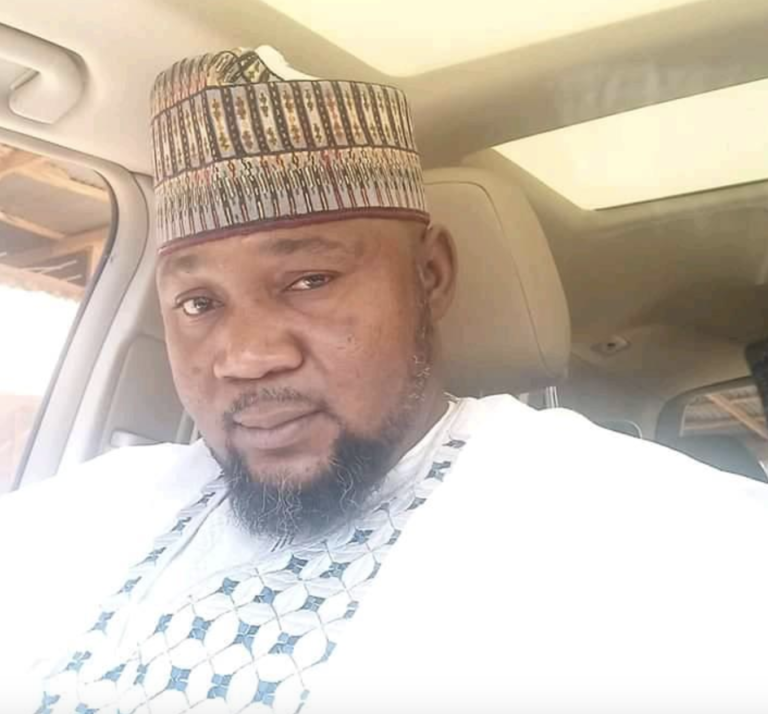
KOGI State Commissioner of Water Resources, Abdulmumuni Danga, accused of raping and battering a lady for calling him out on Facebook, has said that he wants the case to be left the way it is.
Danga who spoke to The ICIR on a brief phone call was asked what happened between he and the victim identified as Elizabeth Oyeniyi and in response, he said: “I don’t want to talk too much please, let’s just leave the case the way it is”
When probed further concerning the allegations made against him, he ended the call abruptly.
Danga was appointed a commisioner by the current Kogi State Governor, Yahaya Bello.
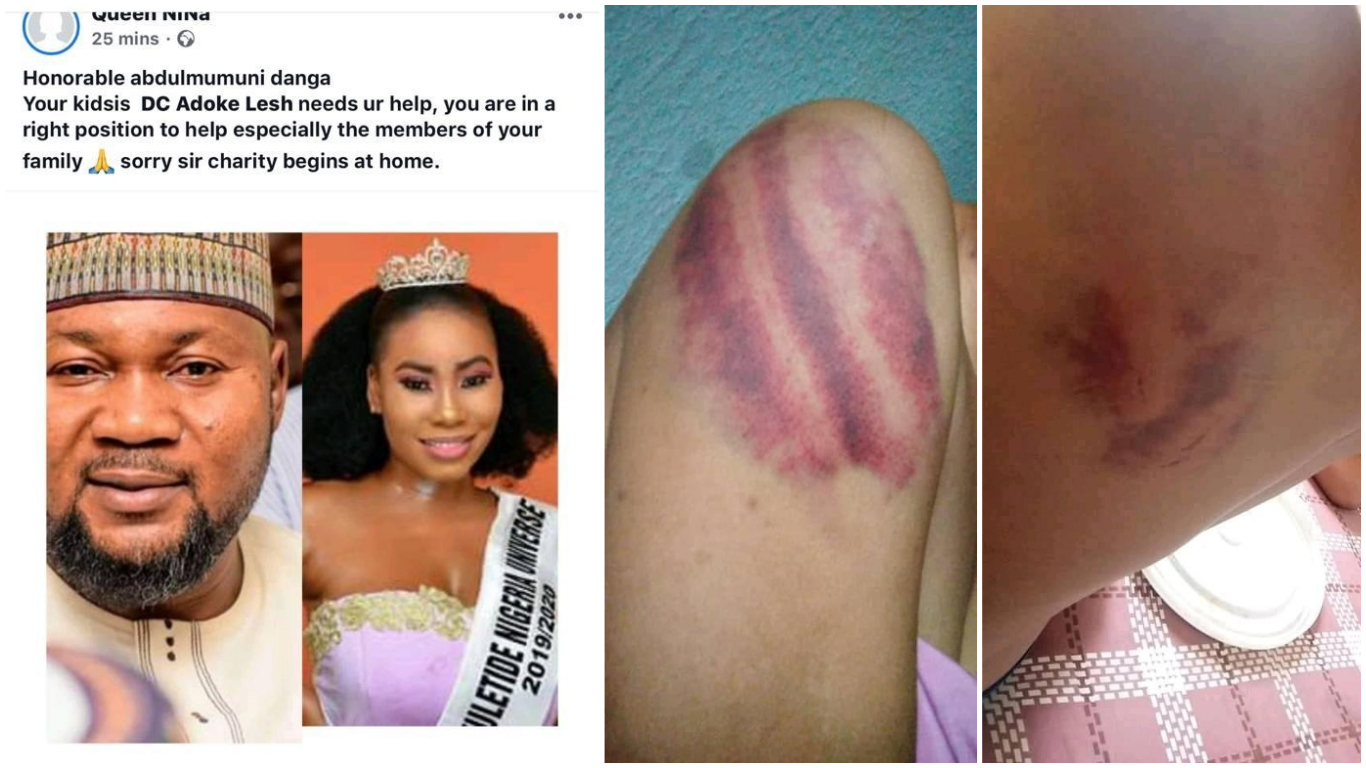
Oyeniyi had made a Facebook post asking the commissioner to help his sister and family financially the same way he has been helping others.
But Oyeniyi’s comment upset the commissioner.
According to her, the commissioner sent thugs to kidnap her and her three-year-old son from their home and they were whisked to an unknown location where she was striped naked and severely beaten.
The assault was recorded on video, and she was threatened to keep mute about it, else, her nude photos would be released on the internet.
Thereafter, Oyeniyi said she was raped by Danga who made sure she stayed overnight just to have his way with her.
By morning, she had several beating marks on her body and was forced to do another video praising the commissioner.
Elizabeth Oyeniyi was beaten because of her Facebook comment about the commissioner on Facebook Photo: Facebook/Dorothy Njemanze
“They flogged me. He flogged me himself, stripped me naked and made a video of me threatening to post it when next I make any public comment about it.
“They also made me apologise that what I said about him was not true under duress. I had to do so because they were all over me.
“He did not release me that day, rather he took me to a hotel nearby. Over the night, he made advances and raped me,” Oyeniyi recounted.
For safety, Oyeniyi said she had to run to Abuja from Kogi where the incident happened.
Leading the call for justice, Dorothy Njemanze of Dorothy Njemanze Foundation said the matter has been taken to the police and the victim has visited a hospital to get treated.
However, Njemanze and a coalition of human rights organisations have taken up the case and are determined to seek justice for the young mother.
The group has called for the immediate suspension of the commissioner.
Meanwhile, Governor of Kogi State, Bello, has ordered an investigation into the allegations of battery and assault against Danga.
In a statement released on Thursday by Kogi State Commissioner for Information and Communication, Kingsley Fanwo, it was disclosed that the governor ordered immediate investigation into the matter.
It was also highlighted in the statement that the governor would not stand for oppression and violence against women.
“The Kogi State government reaffirms its unalloyed commitment to the protection of everyone from all forms of oppression, and will not tolerate violence against women or children under any form or guise,” the statement read in part.
As at the time of filing this report, no action has been taken against Danga, and the victim, Oyeniyi, said she continues to live in fear.
AKIN Abayomi, the Commissioner for Health in Lagos State while reeling out the State’s progress report in managing the coronavirus scourge, disclosed that Lagos State had contained the virus spread better than Italy, Iran, and Spain.
But the claim is incorrect because the Commissioner distorted the fact.
At the media briefing held at the state secretariat, he confirmed that all the coronavirus confirmed cases in Lagos state were clinically stable as the health ministry’s strategy currently deployed by the state was effective in tackling the disease.
“Lagos has 27 general hospitals and almost 300 health practitioners and a teaching hospital. We are not struggling at the moment, we have health professionals and volunteers.
“The strategies we are deploying in Lagos is effective, we are only seeing between six and ten positive cases in a day, that is a very slow rate of increase compared to what we see in Europe and other countries where the increase is by hundreds and thousands,” he said.
Appraising the health ministry’s efforts, he said Lagos State had managed the number of infections when compared to other countries like Spain, Italy and Iran.
“After four weeks, it would appear that Lagos has fared better in managing the crisis, compared to the situation in Spain, Italy and Iran that got into the exponential phase after three to four weeks,” he said.
Is Lagos curtailing the spread of COVID – 19 compared to Iran, Spain and Italy?
Without increased testing for the virus, it will be difficult to effectively keep tabs on the spread of the disease, Cynthia Cox, director of the Peterson-Kaiser Health System Tracker and expert on developing health systems asserted.
“The testing failure is (going) to put additional strain on the already challenged health system,” she said.
However, Abayomi’s comparison with Italy is largely exaggerated considering the fewer number of tests carried out in Lagos State with an estimated population of 20 million people.
According to the latest records from the Nigeria Centre for Disease Control, NCDC, a total of 846 cases were tested as of March 26, across the country with Lagos accounting for only 250 of those tests.
Whereas, Italy’s most ravaged cities such as Lombardy, Veneto and Emilia-Romagna, have conducted tests as high as 121,000, 113,000 and 58,000 respectively.
In a report, Lombardy with 10 million people has endured 35,000 COVID-19 cases and about 5,000 deaths, while Veneto which is home to 5 million people, has seen just 7,000 cases and fewer than 300 deaths.
The size of the outbreak in both cities was limited to extensive testing and proactive tracing which was strictly enforced in Venato at the onset of the outbreak before the same measures were applied weeks later in Lombardy.
Italy currently has more than 53,000 recorded infections and more than 4,800 dead, and the rate of infections keeps increasing, with more than half the cases and fatalities coming in the past week.
Spain, alongside Italy, are the most-affected countries in the European Union, EU, having placed stiff restrictions in both countries as their response to the coronavirus outbreak the two together account for more than half of the world’s coronavirus death toll.
In Spain, its testing capacity is limited to 15,000 to 20,000 tests per day which have been able to identify a huge number of asymptomatic cases surpassing the entire tests carried out in Nigeria since the outbreak.
Iran’s death toll exceeded 3,000 with 138 new fatalities but the number of tests for the disease is over 80,000 with an estimated 6,000 tests carried out daily according to a statement by its health ministry.
Conclusion
Though Lagos has lower incident cases of coronavirus than Italy, Iran, and Spain, it is unable to conduct as many tests as any of these countries.
Hence the claim that Lagos manages the pandemic better than the three countries is an exaggeration and a distortion of fact.
THE AMNESTY International has called on the Nigerian authorities to take immediate actions to prevent the spread of the COVID–19 pandemic in correctional and detention centres.
The call made on Thursday in a series of tweet revealed that prisoners and detainees at police and military facilities across Nigeria are at risk of contracting the Covid-19 infection as they are held in overcrowded and unhygienic conditions that can be even more deadly in the hot weather.
Giving a statistic of some prison capacities across the country, AI revealed that most prisons are overly crowded with Kaduna prisons capacity: 473 and a Lock up of 1,480 inmates, Port Harcourt Maximum Prison: Capacity: 804 and a Lock up of 4,576 inmates,
While Enugu Maximum Prison with the capacity of 638 and has a lock up of 2077, and Warri Prison capacity 500 and a lock up of 1400 inmates.
The organization also advised that Nigeria must implement appropriate measures to ensure the protection of women and children from all forms of violence and the government must increase support for services and protection, including shelters, hotlines, online advice platforms and criminal justice processes especially during the covid-19 crises.
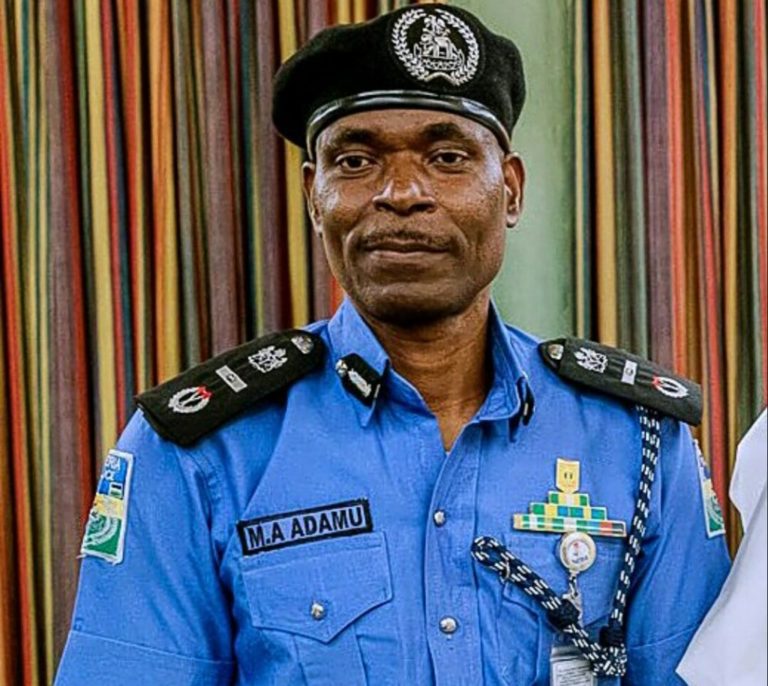
THE Inspector General of Police (IGP), Mohammed Adamu, on Thursday cautioned officers of the Nigerian police deployed to enforce the 14-day lockdown order issued by President Muhammadu Buhari, against trampling on the rights of citizens.
This was contained in a press release shared on the official Twitter page of the Nigerian Police, in which the IGP ordered officers to be “professional, humane and tactful and must show utmost respect to the citizenry.”
Adamu also charged Zonal Assistant Inspectors General of Police (AIGs) across the country to ensure adequate supervision of personnel under their watch, as well as due compliance with the Standard Operating Procedure guiding enforcement of the lockdown.
On the other hand, the Nigerian Army, also deployed to enforce the lockdown order in some areas, have kept mum.
In fact, in a recent post shared on the official Twitter page of the Nigerian Army, the phone number provided as a complaint line was tagged as fake.
In a press statement released on Wednesday, the National Human Rights Commission had shared the phone line of the Director Army, Civil Military Affairs: 08057750691 and directed citizens to call the number to seek redress if they happen to fall victim of any rights violation from the military.
But the army authorities have distanced itself from the phone number without providing an alternate phone line for citizens to lay complaints.
Since the lockdown took effect on Monday, citizens have taken to social platforms to report abuses perpetrated by security agents including officers of the Nigerian Army.
Several video clips of army officers exacting capital punishment on citizens under the guise of enforcing lockdown order have spread across social media, and the army keeps mum.

![[My Covid-19 Diary] Day 3 – Breakfast without bread in a blackout](https://www.icirnigeria.org/wp-content/uploads/2020/04/NCDC.png "[My Covid-19 Diary] Day 3 – Breakfast without bread in a blackout")