THE agitation was rife. It was a protest for women right, and more importantly, human rights. Women, who were arrested in a raid on an Abuja nightclub, were allegedly raped by policemen using pure water sachet as condom.
The raid, which occurred in April, was carried out by the Federal Capital Territory Administration (FCTA) Joint Task Team, comprising of the Department of Development Control, Abuja Environmental Protection Board (AEPB) and the Social Development Secretariat.
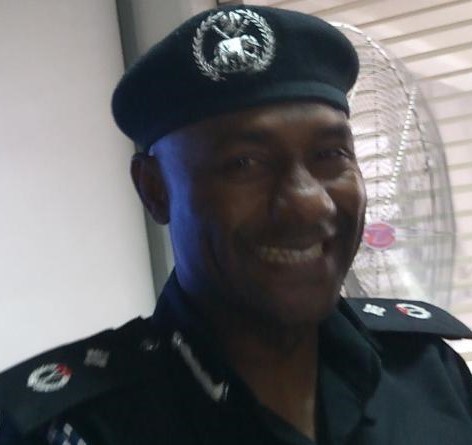
For that, Nigerians— men and womenalike— took to the roads of Abuja to vent their anger at the manner the raid was done, and women molested. With the tension high, and rage fierce, it was not the easiest of job to douse the running emotions in such situations. But one police chief, Usman Umar, a Deputy Commissioner of Police (DCP) did this with tact and finesse.
May this year, a Twitter user who tweets @aloinett shared a video of him pacifying the agitated protesters. Speaking in the video, DCP Umar was seen swarmed by the protesters, some of whom placed him on record.
“They should be paraded,” a section of his interlocutor demanded, referring to the policemen found culpable of the rape allegations. To that, he responded: “This will be done as soon as possible.”
With the assurance well received, Umar tabled his own demand: “I’m also urging you… yes, so far so good, you have been very very law abiding. I will urge you to continue this way: being law abiding. Don’t take the laws into your hands. We are here to serve you. After all, we are paid with your taxes.”
“What’s the assurance that it won’t happen again?” came the question he was to deal with this time around.
“There’s no more assurance better than this one. We are telling you that those that did what has happened, if at all, we are able to prove it, will be punished. And (inaudible) we’ll not allow others to do it. This we assure you, please.”
Those words did the magic. So much that the Twitter user who shared the video hoped everyone else in the police force was like him.
“This is the moment when the DCP addressed us. He appeared to be a very gentle, patient, and soft-spoken man. He listened to us and responded respectfully. If only everyone else in the Nigerian Police was like him. #SayHerNameNigeria #AbujaPoliceRaidonWomen,” the tweet reads.
However, this was not to be in July when another protest broke out between the Nigerian Police and members of Shiite Islamic Movement of Nigeria (IMN). The latter agitate the release of their leader, Ibrahim El-Zakzaky, who has been in confinement for four years.
The police boss was reportedly on the scene to, as usual, pacify the protesters before horror struck through his head. Pictures of him available on Twitter is gory, to say the least. It shows a man whose head was ruptured, from the rare to the fore.
On learning about this, one of the protesters who was impressed by the tact he used in handling the May protest and tweets @ibrahimu14, tweeted: “During our last protest regarding the arrest of some women by environmental task force in Abuja, DCP Umar was the one that received us at the command, gentleman to the core and a professional officer. Rest In Peace DCP Usman Umar.”
“The death of DCP Usman Umar really a sad one for me. He was a personal friend. He served as DPO Utako Division. Principal Staff Officer to the former Inspector General of Police, Head of Operations, FCT Command,” was how another described.
The late DCP Usman Umar has since been buriedTuesday, but Nigerians have not stopped wondering why the crisis is yet to be nipped in the bud.
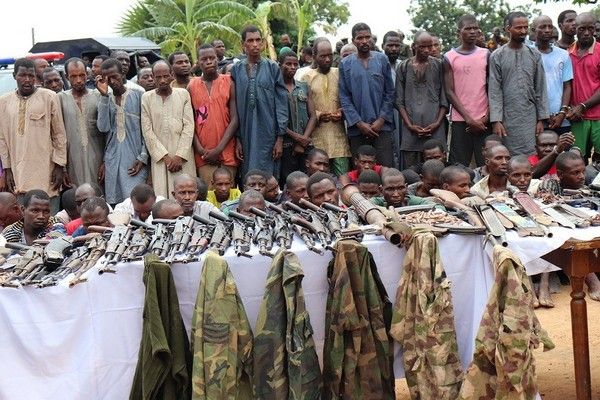
NIGERIAN Army has arrested some group of bandits dressed in military camouflage along Abuja-Kaduna highway.
The Defence Headquarters (DHQ) disclosedthis on Wednesday in a series of tweets on its official Twitter handle @DefenceInfoNG.
It said the suspected bandits were arrested during a patrol by the Joint Task Force Operation (JTF OPTS).
“Troops while on aggressive patrol along Abuja-Kaduna highway discovered a group of bandits dressed in military camouflage who would have been ordinarily perceived by unsuspecting members of the public as military personnel along the highway mounted an illegal road block,” the DHQ said.
The Defence Headquarters noted that the JTF OPTS has so far recorded some milestone successes, as several suspected kidnappers and bandits have been arrested, with arms and ammunition recovered from the criminals in the last two months of operation.
It added that Troops of JTF OPTS were able to identify a number of black spots along Abuja-Kaduna highway, such as Jere, Katare, Rijana, Kurmi-karshi, Gidan-mamman Black-gold and Gidan-guza where criminals unleashed attacks on unsuspecting and innocent road users.
The operations, the DHQ further stated operations led to the successful interception and arrest of 14 suspected kidnappers, while six bandits were neutralized.
Other recoveries made by the troops included seven motorcycles used by bandits and 695 cattle. The cows had been returned to their respective owners.
“The problems of insecurity orchestrated by kidnappers, bandits, cattle rustlers, and other criminal activities along major highways and adjoining villages around Kaduna-Abuja axis reached alarming proposition some few months back,” it said.
“This necessitated several security operations and exercises to assist the Nigerian Police in tackling these criminal menaces,” it added.
The Defence Headquarters under the leadership of the Chief of Defence Staff (CDS) Gen AG Olonisakin had constituted the Joint Task Force Operation (JTF OPTS) to address insecurities in the country.
“The operation had the mandate to reorganize and coordinate the existing security structures along the road and rail line in order to bring the situation under control,” said the troop.
“The JTF OPTS has recorded some milestone successes, as several suspected kidnappers and bandits have been arrested, with arms and ammunition recovered from the criminals in the last two months of operation,” it added.
So far, the Army has recovered a total of 38 firearms comprising, 11 AK 47 rifles, one Semi-automatic rifle, one Revolver Pistol, 23 Dane guns, two locally made pistols. Others are 157 rounds of 7.62 mm Special ammunition, eight cartridges, two AK 47 magazines, five Mobile phones and four solar panels.
The Defence Headquarters reassured Nigerians, particularly, inhabitants of Kaduna, Zamfara and the contiguous states that the military and the security agencies were fully committed to guaranteeing their safety and security.
THE Economic and Financial Crimes Commission (EFCC),says it has traced and marked some properties traced to the former governor of Imo State Rochas Okorocha as well as those of his family members and cronies.
The properties were marked on Tuesday July 23, 2019 by the Enugu Zonal Office of EFCC, a statement by the acting Head of Media and Publicity at EFCC, Tony Orilade said.
Okorocha governed Imo between 2011 and 2019 and is currently representing Imo West Senatorial District in the Senate.
Orilade said the marking of the properties was a fall-out of our painstaking investigation the Commission, adding that “it was as a result of the failure of the suspects to honour the Commission’s invitation for questioning on the propriety of their acquisition.”
The properties include: Dews of Hope Hospital traced to Dr. Paschal Obi, former Principal Secretary to ex-governor Okorocha; Market Square Super Market; All in One Shop; and premises belonging to Imo State Broadcasting Corporation now hosting Rochas Foundation College owned by Senator Okoroacha.
Other properties are: East High Academy and East High College, owned by Okorocha’s daughter, Uloma Okorocha-Nwosu; Royal Spring Palm Hotel and Apartment, a 16 block cum 96 flats and eight bungalow multi-million Naira estate traced to Okorocha’s wife.
The statement reiterated that the Commission at no time “raided” nor “harassed” anyone in the course of marking the properties as its operatives, in line with international best practices, informed the occupants of the facilities in good time, before taking the action.
It added that the anti-corruption agency also has pictorial and video evidences which put a lie to the claim that Rochas Foundation College was allegedly raided by the EFCC while in session.
“This could not be so because the school was not in session and could not have had its students harassed as was fed some online media,” Orilade said.
“The Commission would ordinarily not bother with any allegation coming from the camp of Senator Okorocha, having noted his penchant for frivolities and propaganda; but this refutal has become pertinent in other to clear doubts especially in these days of fake news.
“We urge all well meaning Nigerians to disregard the antics of some unscrupulous politicians and fraudsters who seek to distract the Commission from holding them accountable for their nefarious activities.”
The Acting Chairman of EFCC, Ibrahim Magu, in May, had confirmed that the commission is investigating the ex-governor for alleged mismanagement of funds while in office.
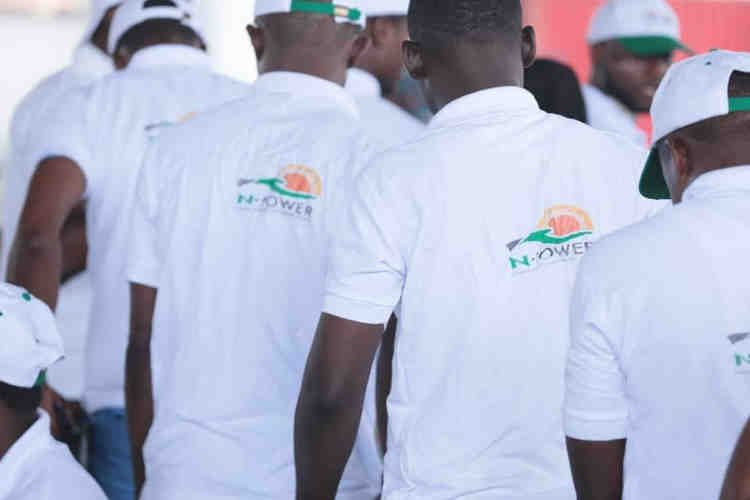
AT least 2,500 youths employed under the Federal Government National Social Investment Programme (NSIP) for youth empowerment known as N-Power have been sacked by the government.
Communications Manager of NSIP, Justice Bibiye explained in a statement that the affected 2,500 beneficiaries were dismissed following reports they were absent at their respective places of primary assignment (PPA) in a long time
“Instances have compelled the need for continued action against those who are seen to be undermining the smooth implementation of a well-thought-out federal government social intervention initiative,” Bibiye said.
The administration of President Muhammadu Buhari established NSIP in 2016 to address poverty and hunger across the country.
While reiterating that the N-Power is not a charity programme, he said everyone captured under the scheme is expected to justify their engagement by demonstrating diligence and hard work to duty at their PPAs.
“Acts of dereliction of duty, absenteeism and indiscipline on the part of volunteers would be dealt with decisively and “in line with the rules of engagement,” he said.
To ensure seamless execution of the programme in order to achieve the set goals, Bibiye said NSIO has increased the number of monitoring partners.
This, according to him, would enhance supervision and strengthening their monitoring for effective and efficient service delivery of all components of the NSIPs.
He urged the media and the public to report cases of absenteeism, adding that strict measures would ensure “fewer cases of misconduct”.
“The public and the media would only be supporting the efforts of the administration to reduce unemployment, by reporting the relatively few indolent, erring volunteers who were lucky to have been selected to serve under such a programme.”
There have been reports that most of the beneficiaries abscond from duty, after collecting a monthly salary of N30,000.
An estimated 500,000 youth across the country are currently enrolled, providing services in establishments spanning schools; primary healthcare centres; agricultural sector; local government offices, among others. Their take-home pay is N30,000 monthly.
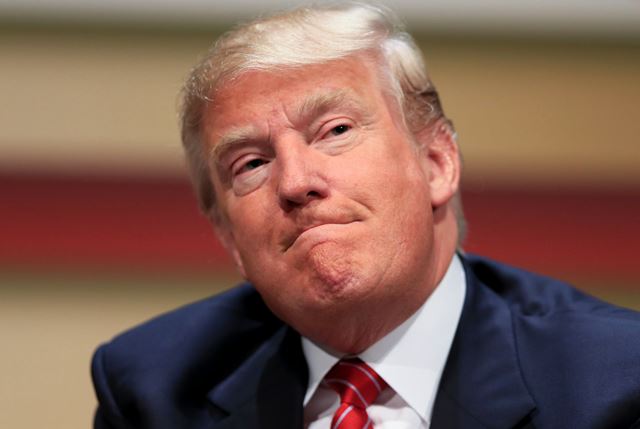
THE United States (US) would be imposing visa restrictions on Nigerians responsible for organising election-related violence during the just concluded 2019 general elections.
A statement by the Spokesperson of the Department of State, Morgan Ortagus revealed that the decision was taken by Michael Pompeo, US Secretary on behalf of US government .
“Secretary of State is imposing visa restrictions on Nigerians believed to be responsible for, or complicit in, undermining democracy in Nigeria,” the statement read in part.
The US government said that would be the consequences for individuals responsible for organizing election-related violence during the 2019 general election.
“These individuals have operated with impunity at the expense of the Nigerian people and undermined democratic principles and human rights,” it noted.
The US said the decision reflected its commitment to working with the Nigerian government to realise its “expressed commitment to end corruption and strengthen democracy, accountability, and respect for human rights”.
Nigeria’s general election held between February and March 2019. During the poll activities, Nigeria recorded cases of violence and killings across the state.
The European Union in its final report has included that there was poor violence prevention during the poll. “The elections became increasingly marred by violence and intimidation, with the role of the security agencies becoming more contentious as the process progressed.
Some groups and well-meaning Nigerians have called on the government to investigate the causes of violence that erupted during the period.
The US, describing itself as a “steadfast supporter of Nigerian democracy”, said it would deny visas to individuals who had caused violence in the country.
“As Nigeria marks the twentieth anniversary of a return to democratic rule this year, we remain committed to working together to continue to advance democracy and respect for human rights and achieve greater peace and prosperity for both our nations,” said US Department of state.
Meanwhile, it commended those that participated peacefully and worked to strengthen the country’s democratic institutions and processes.
The government emphasised that the actions would affect certain individuals, adding it was not directed at the Nigerian people or the newly elected government of the President Muhammadu Buhari.
RETAIL businesses owned by Nigerians in Ghana have been shut down by Ghanaian traders who feared Nigeria’s would take over their businesses in Accra.
The action is the second time in recent weeks that Nigerian traders at Opera Square have been assaulted by members of the Ghana Electrical Dealers Association (GEDA).
In June, about 20 shops owned by Nigerians were also closed by the same members of the association.
This latest confrontation came a few days after the Ghanaian Parliament in support of the traders insisted that foreigners must be barred from engaging in retail business in the country.
“These foreign retailers have found a loophole in our retail laws and are capitalising on that. We have failed as a country to preserve what to Ghanaians. We will not sit down and watch them take over our market.
“We don’t hate Nigerians, We just want the laws to work,” said Joseph Obeng, President of Ghana Union of Traders Association (GUTA), who has adamantly insisted that the ban on retail business by foreigners must be enforced.
Although, Kwasi Ofori, Chief Superintendent Accra Regional Operations Officer, Ghana Police reportedly said that: “Measures have been put in place to ensure sanity prevails. We have also invited both parties to work out the best ways to resolve the matter before it escalates.”
He said that the leadership of Ghana Union of Traders Association (GUTA) and executives of Nigeria Union of Traders Association in Ghana (NUTAG) has been invited by the police to help facilitate the mediation process.
According to GhanaWeb, shops of Nigerians at Suame Magazine at Kumasi in the Ashanti Region were shut down by their Ghanaian counterparts in June.
The newspaper reported that Nigerians who deal in vehicle spare parts complained that their Ghanaian counterparts shut down their shops preventing them from selling.
It said some of the Ghanaian retailers at the market accused the Nigerians of evading tax and selling substandard products which is a threat to the market.
The Ghanaian retailers added that the actions of these Nigerian shop owners are affecting their sales because most people do not want to buy the secondhand products anymore but the substandard new ones brought in by the Nigerians.
“People don’t buy from us anymore and they (Nigerians) are smart and fast, because of the Nigerians they don’t buy anything from Ghanaians, they have destroyed the market they bring in substandard parts because of that everybody wants new not the home used…”
President of the Nigerian Retailers Association Ike Chuku said they have lodged an official complaint with the police and they assured them that they will help deal with the situation.
“On Friday we came back and they continued the same thing and the police intervened, but after the police left they came back and continued with the same thing, we have decided to lodge an official complaint.”
In 2018, members of GUTA locked up the shops of about 20 Nigerians at the same Suame Magazine in the Ashanti region. Their grievance was that the law had made it was an offence for non-Ghanaians to own and run retail businesses in the country.
The law they were referring to is Act 865 of the GIPC law 2013 Section 27(1) which states ‘A person who is not a citizen or an enterprise which is not wholly owned by a citizen shall not invest or participate in the sale of goods or provision of services in a market, petty trading or hawking or selling of goods in a stall at any place.’
THE Nigerian National Petroleum Corporation, NNPC, on Tuesday closed a $3.15 billion deal with Sterling Oil Exploration and Energy Production Company Limited, SEEPCO, to develop the country’s oil and gas reserves from Oil Mining Lease, OML 13, it revealed in a Twitter post.
The Group Managing Director, GMD, of the NNPC, Mele Kyari, in his statement described the funding arrangement as “a game-changer to oil and gas project financing in Nigeria”.
“The project is expected to earn over $10.2 billion in royalties and taxes from the project over the next 15 years, while NNPC would earn over $5 billion after payment of the entire financing obligation,” he said.
Kyari, who was represented by the NNPC, Chief Operating Officer, Upstream, Roland Ewubare, praised President Muhammadu Buhari, for approving the transaction, adding that OML 13 held strong potentials both for the petroleum industry and the nation’s economy.
OML 13 is an onshore oil block on the eastern Niger Delta with an acreage of 1,923 square meters. It hosts the Utapate South and Ibibio fields, and several producing marginal fields.
Nigerian Petroleum Development Company, NPDC, an upstream subsidiary of the NNPC which acts as an operator on behalf of the NNPC had been seeking third party financiers to raise funds to develop its crude reserves and increase oil and gas production from Oil Mining Lease 13.
He disclosed that the acreage boasts of over 926 million stock tank barrels, mmstb, and 5.24 trillion cubic feet, tcf, respectively of oil and gas reserves.
He also, added that the financing and technical services agreement was for a period of 15 years while the $3.15 billion ceiling funding would be provided by SEEPCO with a 10-year capital investment period and five years for cost recovery.
“Crude oil of about 7,900 barrels per day,bpd, is expected from the project by 1st April 2020, while production is expected to peak at 94,000bpd and 542 million standard cubic feet day, mmscf, within four years. On local content, the project is expected to enhance participation by indigenous companies in the industry by providing over 2,000 direct and indirect job opportunities,” he said.
The NNPC has failed in delivering its promise on some of its projects in the past like the Egina Oilfield in OML 130, adjudged to be the largest in the world, measuring 330m in length and 61m breadth was designed to have an oil storage capacity of two million barrels.
The oil block was expected to have kicked -off in January with a 200,000 barrels per day crude oil supply but it has consistently failed to meet its target.
Nigeria with the highest burden of the sickle cell disease globally is still slow in curbing the preventable disorder. There is no legislation, no national coverage of the genotype screening, and no active policy to aid in controlling and managing the disease. People living with this inherited blood disorder are left to struggle with serious health complications, discrimination and high financial burden lifelong. Rebecca AKINREMI reports.
AFTER hours trying to endure the crippling pain in his bones, Ikechukwu Oleka needed to be rushed to a hospital. His agony was particularly high around the waist and he had to be quickly admitted at the medical emergency unit. Having lived with sickle cell disease for 25 years, he thought it was the usual crisis. But the pain did not subside, even after he was discharged three days later.
Sickle cell disease (SCD), also called SS genotype or sickle cell disorder, is a lifelong and serious inherited blood disorder but it is preventable. It comes with dreadfully painful complications commonly known as sickle cell crisis where patients’ bodies are afflicted with sudden episodes of severe pain. Not only do the patients experience pain, but they also suffer from other miserable complications.
“It can virtually affect every part of the body,” said Bello Ibrahim who is a Senior Registrar at the National Hospital’s Hematology Unit.
He noted that sickle cell disorder could lead to stroke, eye problems, protruding forehead, swollen gums, heart diseases and acute chest syndrome. “It can also affect the hip bone causing the patient to limp while walking,” he said.
Oleka learnt of his sickle cell status in 2011. “A series of tests, which include a genotype test was done after I became ill in my 100 level at the University. That was how I became aware I have SS genotype,” he said.
Now 28, Oleka noted that his parents later confessed that they got to know he was SS at age four, though it seemed they were ignorant of the disease.
“Whenever I’m in pain at my young age, my parents used hot water and Robb [ a popular ointment] to massage me and I will be given paracetamol tablets to swallow, then I cry myself to sleep. Sometimes, I wake up and the pain is gone. Other times, I wake up, still in pain,” Oleka narrated his painful life experience.
After the unforgettable pain refused to go in February 2016, he was asked to do a scan of his body which was later carried out at the National Orthopedic Hospital, Igbobi-Lagos. “They said I had Avascular Necrosis of the femoral head at the left leg and I required surgery,” Oleka said.
Simply, the disease had affected Oleka’s hip bone and has reached advanced stage. Avascular Necrosis (AVN) according to the WebMD, an American health information site, is a condition that happens where there is loss of blood to the bone. An interruption of the blood supply causes the bone to die. It most often affects the hip, but can also affect the shoulder, knees, and ankles.
“At that point, I was asked to start using a walking stick, pending the time of the surgery,” said Oleka.
Efosa Obamwonyi, Senior Registrar at Orthopedic and Traumatic Unit of the Obafemi Awolowo University Teaching Hospital said Oleka’s condition would cause him to have pain and difficulty in walking. He added that the length of two legs would become unequal thereby causing the patient to use crutches. To get back to health, Efosa said the painful “hip joint would be replaced surgically” with an artificial joint often made from metal and plastic components.
Oleka was troubled about his condition but was worried more when the hospital asked him to provide N1.7 million for the surgery. “I knew I don’t have such money. So I was worried more about how to raise it,” he said.
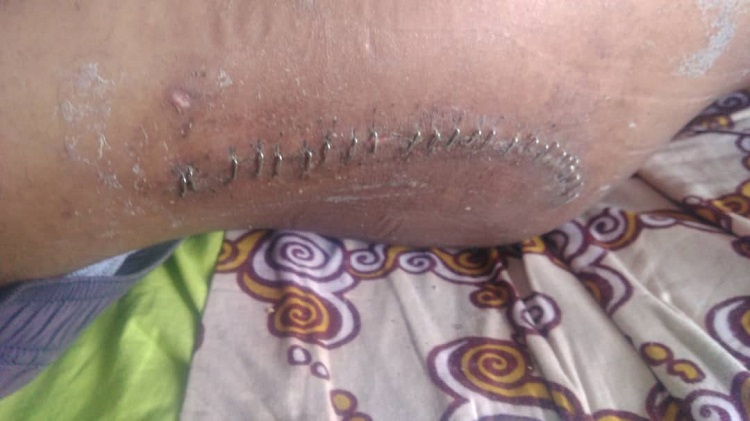
The sutured part of the waist of Ikechukwu Oleka where the hip replacement surgery was carried out in September 2017. Photo credit: Ikechukwu Oleka.
For 18 months, Oleka bore the burden of using crutches, and with excruciating pain on the hip.
“I was using walking stick between March 2016 to September 2017 when I had the surgery at Igbobi,” he said.
The hip replacement surgery was done twice.
“The first surgery was on a Tuesday. After the surgery, they discovered that there was a mistake in what was done. So I had to be moved back to the theatre for a correction surgery done on Friday of the same week,” Oleka recalled.
He is currently attending physiotherapy sessions four times in a month because he still drags his left foot after the surgery. Before the surgery, the young man also suffered from other complications. Earlier in 2012, he was diagnosed with Acute Chest Syndrome (ACS).
“I was having pain in my chest. I was not really doing fine,” he said with a sign of weakness in his voice.
Acute chest syndrome is one of the most serious problems that people with sickle cell disease can have, according to a journal by Joseph Maakaron, a UK-based Internal Medicine expert. He said adults with the ACS need a higher rate of blood transfusions and longer hospitalisation as it causes severe chest pain and breathing difficulty.
“ACS is an acute pulmonary illness and an important cause of death in SCD,” as stated in Nigeria’s National Guideline for the Control and Management of SCD published in 2013.
“The pains are very painful. Every time I stress myself, I just broke down with crises,” Oleka narrated adding that he spent not less than three days anytime he is hospitalised. “And I treat myself out-of-pocket.
“It is harsh. It is a great financial burden on me and my parents, and the effect is really telling on my parents especially,” he said, stressing his financial inadequacy.
Ikechukwu Oleka using a walking aid after the surgery. Photo credit: Ikechukwu Oleka.
Every month, Oleka’s priority is to set aside not less than N13,000 for his drugs. That will cover his daily medications and a four-time physiotherapy session per month. But in the case of emergencies, he seeks charities.
A disease that affects academic performance
The four people living with sickle cell disease that this reporter interviewed at different times all complained about their low academic performances in both their secondary and tertiary educations.
Mayowa Tijani, 28, who lives with the disorder told The ICIR he wrote both English and Mathematics papers on his sickbed during his Senior School Certificate Examination (WASSCE).
“I was brought in an ambulance from the medical centre to write the exam in the school sickbay. I wrote the exam in a poor state of health. And when the result came out, I didn’t do so well,” he recalled.
When he proceeded to the University of Ibadan for a degree, Mayowa said he would not try to read when semester exams were coming. “When the stress is too much, I break down,” he added.
Another SS-genotype person, simply identified as Greg, lamented the tough time he had at the university. Greg told this reporter his problem became complicated when he decided to stay in the halls of residence provided by the Obafemi Awolowo University, Ile-Ife where he obtained his bachelor’s degree.
“The hostel rooms were crowded. and my health status affects my academics terribly. There are lots of times I missed my exam, classes, assignments, and tests because I was not feeling fine,” Greg said. He recalled that his colleagues used to question his studentship due to constant absenteeism.
Oleka who finished from the University of Benin also had to extend a four-year course to five. “I didn’t graduate with my colleagues,” he noted. He missed two courses when writing the final year examination.
Stigmatising the victim of sickle cell disease
“Stigmatisation is what we are experiencing every day,” said 27-year-old Bukola who soon realised she was not like every normal kid in her childhood. She told The ICIR that her colleagues while in secondary school would not want to associate with her, considering that she could suddenly become sick.
Moving ahead in life, Bukola noticed people describe her directly or indirectly as a weak person. “Sometimes it is embarrassing. Why do I actually have to be this way?” Bukola queried.
“When I was in secondary school, my mates called me all sorts of names,” Tijani recalled his experience of the stigmatisation. He noted how he was usually called “a sickler”. He also said some romantic relationships for marital purposes could not succeed because of his genotype status.
Like Oleka, Mayowa, Greg, and Bukola, there are millions of other Nigerians living with sickle cell disease. The American Centre for Disease Control and Prevention (CDC)states that slightly above 300,000 babies globally are born with severe sickle cell disease (SCD). And Nigeria alone, according to the 2015 strategic plan to fight non-communicable disease in the country, has between 150,000 and 200,000 babies born each year with SCD. This indicates that the country bears more than 50 per cent of the global burden and has the world’s highest burden of SCD.
According to the World Health Organisation, African Region, SCD which is regarded as a black disease, causes the normal round shape of red blood cells to become a banana-like shape, sickled. With the primary function of the red blood cells to transport oxygen to body tissues and carbon dioxide to the lungs, the round type can move easily through the blood vessels. But in people with SCD, their new shape prevents the free movement of the blood cells. Thus, adequate oxygen is not transported in the body. This causes pain, extreme fatigue and damage to bones, muscles, and organs on any part of the body.
sickle cell shape vs normal round shape. By the left is the sickled shaped red blood cells already clogged in the bloodstream. And in the right, the normal round shape of the red blood cell moving freely in the bloodstream. Image credit:BBC.
A child born with SCD is birthed by parents who both carry a sickle-cell trait known as AS genotype. If both AS and AS marry each other, there is a higher prospect that their child will be born with the disease. And around one in four people in Nigeria has the AS genotype, according to the Ministry of Health.
There are over 100,000 babies that die before their fifth birthday due to sickle cell, as stated in Nigeria’s strategic plan.
No national coverage of genotype screening, no legislation
Joshua Datakun, Communication Officer at the Sickle Cell Foundation (SCAF) noted how many Nigerians are ignorant of their genotypes before marriage. He blamed the situation on the inadequate provision of the screening facilities for the haemoglobin test.
“There should be more centres where people could easily have their genotypes test done,” Joshua lamented about the testing facilities which do not have national coverage and cannot be found in the primary healthcare centres. And it costs about N3,000 in the few hospitals where available.
“It is important to know the genotype of a newborn baby,” said the NHA doctor, Bello Ibrahim. To reduce the mortality rate of children born with the disease and avoid any complications, he said Nigerians should be able to screen themselves to know their genotypes.
“Most of our patients only realise they have sickle cell when brought in sick to the hospital.” He said, unlike before, when genotypes testing is done two to three times to ascertain one’s genotype, there is a newer method to help determine the genotype correctly at once. But the “new method that gives accurate results is only found in the tertiary health centres”.
Nigeria with a high rate of the preventable disease is yet to have legislation for the disease. In 2017, there was a bill sponsored by Ahmed Salau Ogembe who represented Kogi Central Senatorial district in the eighth assembly and Ovie Omo-Agege, his colleague representing Delta Central. The bill has sought to provide mandatory haemoglobin-genotype screening test before marriage and before newborn babies can be registered. But the bill has never gone beyond the second reading.
The objectives of the suspended bill were threefold: “To establish a clear legislative framework for effective management of sickle cell disease; to avoid human anxieties, pain, and death associated with the disease and; to improve the lives of citizens who live with it”.
The bill did not pass into law despite campaigns held by some organisations, including Nigeria Health Watch. Senami Ohimokhare of the Jephthah Ohiomokhare Foundation also launched a campaign to raise awareness of the bill in 2017 titled “What’s Your Type?”
Only Anambra State succeeded in enacting a law on sickle cell. According to the law enacted in May, no religious body or marriage registry “shall perform solemnisation of Holy Matrimony”, without presentation of a sickle cell disease prevention certificate from the intending couple. As punishment, parents, guardians, as well as priests, pastors and marriage registries that perform the marriage without genotype test, risk going to jail.
Low budget hampers policy implementation—Ministry of Health
In a bid to reduce the prevalence of sickle cell disease in the country, the federal government in 2015 launched a strategic plan for non-communicable diseases, which included halting the rise in the prevalence of SCD in the country by 2025.
“Sickle cell disease (SCD) is another major NCD that is given priority in this plan of action as Nigeria has the highest burden of SCD in the world,” the plan stated.
However, Alayo Sopekan, National Desk Officer of SCD at the Federal Ministry of Health, confirmed to The ICIR that Nigeria has not even achieved five per cent reduction of SCD since 2015 when the plan was launched.
Sopekan blamed the implementation hitch on the inadequacy of funds obtained yearly from the federal government.
“The budgetary allocation is very far from what is expected of a country that is having the highest burden of the disease; that children are dying every now and then from the disease.
“And that is one of the things we have been shouting, talking, making noise about,” Sopekan said.
He said it was during the late President Musa Yar’Adua’s administration (2007-2010) that large amounts of money were approved for sickle cell through the Millenium Development Goals (MDGs).
“We were able to do a lot at that time. We developed a policy on non-communicable disease including sickle cell disease, a national guideline for the control, prevention, and management of the disease in the country, said Sopekan. He also said the government was able to establish six zonal sickle cell Centres which are found in Federal Medical Centres in Gombe, Nasarawa, Kebbi, Lagos, Bayelsa, and Ebonyi states.
“When Yar’ Adua died and Goodluck Jonathan came in, the programme was not funded. So there is nothing anybody can do.
“Even this government (Muhammadu Buhari administration) when they came in they have not really funded it. They have not. I think it is now they put little thing there for sickle cell in the budget. We are saying that is not even enough. That one is just like a drop in the ocean. So that is a challenge that we are having,” he narrated.
On the genotype screening, Sopekan informed the reporter that new technology has been presented to the government which can “actually screen people of their genotypes from anywhere, even if a child is born at home”. Sopekan said the government is undergoing an independent clarification to determine the functionality of the point-of-care testing of sickle cell disease.
When The ICIR checked through the budgetary allocation between 2015-2019, N146 million was provided to support the treatment of sickle cell disorder, though we cannot ascertain how much was released.
Only the 2017 and 2018 budgets included money for “awareness campaign on social-consequences of sickle cell disorder” only for the Northcentral region: N20 million in 2018 and N50 million in 2017. In 2019, no money was budgeted for the awareness of sickle cell in the country.
Other monies budgeted included the purchase of equipment to establish data repository and data registries for SCDs and also for tobacco. These monies were included in 2018 at N10 million and in 2019 for N16 million.
Going down to 2016, nothing was in the budget relating to sickle cell disease in the year. While in 2015, N50 million was accorded for a NIPRD special project for medicinal products for the management of malaria, sickle cell, diabetics, ebola, and Lassa fever.
Nigerian has developed drug to manage SCD, but it’s yet to be mass-produced
A made-in-Nigeria drug with the generic name, “Niprisan”, was developed at the National Institute for Pharmaceutical Research and Development (NIPRD) in 1998. The drug’s license was given to an international organisation for its mass production, with the brand name of NICOSAN, but it went bankrupt.
Meanwhile, last year April, Professor Isaac Adewole, former Minister of Health announced that the federal government has given NIPRD approval to license May and Baker Plc, Nigeria’s first pharmaceutical company, to mass-produce the drug.
“What we have done is to reactivate the product and it will now be marketed in Nigeria through this agreement and we believe that the marketing and production in Nigeria will bring a lot of comfort to millions of Nigerians who are infected with sickle cell gene,” said Adewole in 2018.
A year after, the drug is yet to be commercialised.
Olobayo Kunle, a professor and director of the institute told The ICIR that NIPRD is “providing all the intellectual, technical and logistics support required to ensure that the company is able to promptly make the drug available to the market”.
The institute can not provide reasons why the drug is yet to be on the market, and only May and Baker PLC knows why, he said.
If the drug had been in use, it will have reduced the frequency of crisis and pains, thereby improving the quality of life of the people living with the disorder, he added.
MEDIA and advocacy groups under the aegis of Coalition for Whistleblowers Protection and Press Freedom, CWPPF, on Tuesday, condemned the attack that led to the death of Channels TV’s reporter Precious Owolabi, and urged relevant authorities to investigate his death and ensure justice prevails.
In a statement, the coalition clamoured for safe spaces for journalists to effectively maintain their status in the society as the “fourth estate of the realm”.
“The death of the twenty-three-year-old Owolabi in the line of duty and the over 300 recorded cases of attacks on the press as reported by the Press Attack Tracker underscores the several demands that the coalition has made for better protection of journalists while performing their constitutionally guaranteed functions,” the statement reads.
Signatories to the statement include African Centre for Media & Information Literacy; International Centre for Investigative Reporting; The Cable; Sahara Reporters, Paradigm Initiative; Premium Times; Premium Times Centre for Investigative Journalism;OrderPaper; Daily Trust Newspaper; Media Rights Agenda; Civil Society Network Against Corruption;Civic Media Lab; International Press Centre; Socio-Economic Rights and Accountability Project and Wole Soyinka Centre for Investigative Journalism.
Precious Owolabi, a National Youth Service Corp member serving with Channels Television was killed by a stray bullet while covering the protest by members of the Shi’ites.
The group noted that the persistent attacks on journalists in the country constitutes a blight to press freedom and compromises the ideals of a democratic society
“The increasing attacks on journalists encroach on the freedom of the press and it behoves the government and other stakeholders to conscientiously work towards laws and provisions that will guarantee the safety and security of journalists in the line of duty.
“Failure to do this is a slight on any democratic society and a disservice to journalism, a profession that is fundamental to sustaining democracy,” the statement said.
Journalists in the line of duty, especially those covering conflict and humanitarian crisis should be provided with security kits.
The group, while commiserating with the bereaved family, urged relevant authorities to ensure justice is served in the case of the wrongful death Owolabi, and prosecute anyone involved to the full extent of the law.
ON Tuesday clashes between members of the Islamic Movement of Nigeria, IMN, and policemen resumed when the protesting members of the Shi’ite sect who had embarked on another round of protest were dispersed by security operatives.
The protesters who proceeded from the popular Banex Plaza, Aminu Kano Crescent, Wuse 2, were stopped when policemen fired several shots in an attempt to disperse the protesters.
Some of the Shi’ites were said to have fled into Banex complex where computers and tech gadgets are sold.
The policemen reportedly chased after them, while traders and bystanders ran into shops to avoid being caught in the crossfire.
The clash between the policemen and Shi’ites on Monday led to the death of a Channels Television reporter, Precious Owolabi, who was also a National Youth Service Corps member.
The Deputy Commissioner of Police in charge of Operations at the FCT, Usman Umar, was also killed while more than three Shi’ite members lost their lives.
Members of IMN have been protesting the prolonged detention of their leader, Sheikh Ibraheem El-Zakzaky and his wife, Zeenah who had been detained since November 2015.
President Muhammadu Buhari on his Twitter account commiserated with the bereaved families of the casualties.
“I most deeply commiserate with the families of Precious Owolabi, an NYSC member with Channels TV, and Deputy Commissioner of Police, Usman Umar, of the FCT Police Command, who died during the violent protest by members of the Islamic Movement of Nigeria (IMN) in Abuja yesterday.
I most deeply commiserate with the families of Precious Owolabi, an NYSC member with @channelstv, & Deputy Commissioner of @PoliceNG, Usman Umar, of the FCT Police Command, who died during the violent protest by members of the Islamic Movement of Nigeria (IMN) in Abuja yesterday.
“Condolences also to the management and staff of Channels TV, and the Police leadership, over the sad and regrettable loss. We salute their commitment to remaining steadfast and dedicated to their professional callings, even in this time of grief.
“I want to reassure residents of Abuja in particular and the country, in general, to go about their lawful activities without fear. The leadership of our security and law enforcement agencies are taking action to safeguard the nation against such mindless attacks,” he tweeted.
Human rights group, Committee to Protect Journalists in Africa, CPJ, has called on the federal government to commence an investigation into the Monday shooting, leading to the death of the Channels TV’s reporter.
In a statement signed by its media manager, Isa Sanusi, CPJ called on the police to always exercise restraint in carrying out their duties.
“The Nigerian govt must promptly investigate in an independent and impartial manner the police shootings and bring to justice all those suspected of criminal responsibility in fair trials. The police must exercise restraint at all times and use force only when strictly necessary,” the statement reads.