PRESIDENT Bola Tinubu has approved the immediate release of N50 billion to academic and non-academic staff unions of federal universities for the settlement of their earned allowances.
The Minister of Education, Maruf Olatunji Alausa, announced this on Wednesday, April 23. He described the payout as a signal of Tinubu’s resolve to end the cycle of strikes in the country.
A statement by the Director, Press and Public Relations in the ministry, Boriowo Folasade, said the N50 billion covers outstanding entitlements owed to both academic and non-academic staff.
The funds, according to the statement, have been at the core of previous industrial disputes between the government and unions such as the Academic Staff Union of Universities (ASUU), Non-Academic Staff Union of Universities (NASU), Senior Staff Association of Nigerian Universities (SSANU), and National Association of Academic Technologists (NAAT)
The minister noted that the president’s directive aligned with his vision of a quality education.
“This intervention is not just a financial transaction—it is a reaffirmation of our president’s belief in the capacity of Nigerian youth and the invaluable role that academic and non-academic staff play in nurturing them. By prioritising their welfare, we are laying the foundation for a future where every Nigerian child receives highly qualitative and globally competitive education,” the statement added.
The minister also applauded the current atmosphere of peace in federal universities, noting that Nigeria had been witnessing one of its longest uninterrupted academic sessions in recent times.
The minister further pledged to sustain collaboration with all education stakeholders to guarantee that every Nigerian child has access to globally competitive education.
The ICIR reported that since Tinubu emerged as president, ASUU hasn’t embarked on any industrial action. The union went on strike five times in five years under Buhari.
The group was on strike in 2016, 2017, 2018, 2020, and 2022. However, a hitch-free academic year was recorded in 2023.
In September 2024, ASUU issued a 14-day ultimatum to the Federal Government to meet its demands.
The warning followed a similar ultimatum it issued in May to the government. However, despite the warning, the union did not embark on a strike.
The ICIR reported ASUU’s demands to include renegotiating the 2009 Federal Government agreement with the union, providing revitalisation funds for public universities, paying all earned academic allowances and withheld salaries, and addressing promotion arrears.
The union is also demanding the payment of outstanding third-party deductions such as check-off dues and cooperative contributions.
Other issues raised by ASUU include the proliferation of public universities, the non-payment of arrears of earned academic allowances and non-release of owed salaries, and “creeping fascism” in some Nigerian universities.
NIGER State Governor Umar Bago has reversed his directive regarding the arrest of people with dreadlocks in Minna, the state capital.
Speaking at a stakeholders’ security meeting on Tuesday, the governor had directed security operatives to arrest individuals with dreadlocks, cut their hair, and impose fines.
The order sparked widespread reactions across social media and among civil rights advocates, who viewed the directive as discriminatory.
In a swift reversal on Wednesday, April 23, Bago clarified that the directive was not intended to target hairstyles generally, but rather to address security concerns related to cult activity in the state.
“Yesterday, we read a riot act on hooliganism and people misunderstood our words for people who have dreadlocks,” he said.
He added, “We don’t have a problem with dreadlocks but we have a problem with the cult here with dreadlocks.”
He also used the opportunity to encourage investors to consider state as a business destination, emphasising that the state remained open to all.
DELTA State Governor Sheriff Oborevwori has defected from the Peoples Democratic Party (PDP) to the ruling All Progressives Congress (APC)
Oborevwori announced his defection on Wednesday, April 23, through his Commissioner for Information, Charles Aniagwu.
Aniagwu said, “There is a need for us to adjust our drinking patterns. And in adjusting that drinking pattern, we needed to make a decision that would further help to cement the development in our state, to build the court of law that has existed in our state, to further advance the cause of security and the welfare of our people, and, to a large extent, ensure that development in Delta is not truncated.
“In taking that decision, we concluded that leaving the PDP was very necessary for us to be able to collaborate and build a state that every Deltan will be proud of. We believe that what is happening, and the state of the PDP, is akin to that palm wine whose taste has changed — and there was a need for us to change the drinking party.”
James Manager, a former senator, also announced the PDP members’ defection after a meeting that lasted several hours at Government House, Asaba, the state capital.
He said, “All PDP members in the state, including the governor, former Governor Okowa, the Speaker, the state party chairman, all the local government chairmen and others, have agreed to move to the APC. We cannot continue to be in a sinking boat,” he said.”
The governor led all PDP members in the state, including his predecessor, Ifeanyi Okowa, to the ruling party.
The ICIR reports that the defectors joined the list of politicians switching alliance with the ruling party ahead of the 2027 poll.
Okowa was the running mate to the PDP presidential candidate and former Vice President Atiku Abubakar in the 2023 election.
While many Nigerians are groaning that the APC government, led by President Bola Tinubu, has worsened hardship for citizens, the party’s membership has, however, been swelling in the past months.
US President Donald Trump has said a potential U-turn on his trade war with China was likely, amid continued market volatility.
He hinted specifically that the high tariffs imposed on Chinese goods will “come down substantially, but it won’t be zero” while remarking at a White House news event, CNN reported on Wednesday, April 23.
“145% is very high and it won’t be that high. It won’t be anywhere near that high. It’ll come down substantially. But it won’t be zero,” Trump was quoted as saying in a question-and-answer session with reporters in the Oval Office.
His recent comment appears to mark a rhetorical climbdown after weeks of tough imposing of tariffs on China and the later tit-for-tat retaliation.
Trump was also said to have expressed the hope of having China President Xi Jinping come to the negotiation table with him.
The report noted that Trump’s shift in tone also went viral on the Chinese internet on Wednesday, with the hashtag “Trump chickened out.”
The world’s two largest economies have slapped record tariffs on each other in a swiftly escalating fight that has roiled global markets, disrupted supply chains and stoked recession fears.
The trade war had seen China retaliate by raising tariffs on US goods to 125 per cent, adding more American companies to its export control list and unreliable entity list, and restricting the export of critical minerals used in everything from iPhones to missile systems.
Beijing also moved to exert pain on key US industries, restricting the number of Hollywood movies shown in the country and returning at least two Boeing jets intended for use by Chinese airlines to the US.
The US-China trade war is expected to hurt the global economy.
The ICIRreported that Trump’s tariff war has been widely criticised by global trade organisations, including the International Monetary Fund (IMF) and the World Trade Organisation (WTO) which see it as posing a significant risk to the global economy.
At the homefront, the Federal Government of Nigeria had decried the adverse effect the US tariffs would have on its oil and non-oil export businesses.
The Minister of Industry, Trade, and Investment, Jumoke Oduwole, had said it could potentially disrupt trade relations and affect the competitiveness of Nigerian products in the US market, especially in sectors reliant on market access and price competitiveness.
She noted a significant portion of over 90 per cent of Nigeria’s exports, comprising crude petroleum, mineral fuels, oils, and gas products, would be affected.
Another second-largest export category, accounting for approximately 2–3 per cent, includes fertilizers and urea, followed by lead, representing around one per cent of total exports, valued at approx $82 million, are also to be affected.
Nigeria also exports smaller quantities of agricultural products such as live plants, flour, and nuts, which account for less than two per cent of our total exports to the US.
Smaller businesses, particularly small and medium-sized enterprises (SMEs), that rely on the African Growth and Opportunity Act (AGOA) exemptions are also feeling the brunt of the new tariff.
NIGER State Governor Umar Bago has introduced a set of security measures aimed at tackling crime and improving safety in Minna, the state capital.
Among the directives he announced on Tuesday, April 22, was an order for the arrest, fining, and forcible hair-cutting of individuals wearing dreadlocks, a move the governor described as part of a broader effort to curb what he called ‘rascality.’
Speaking during a security stakeholders’ meeting at the Government House, Bago said the directive should be enforced immediately by security agencies.
“We will have zero tolerance for rascality. Anybody that you find with dreadlocks – arrest, barb the hair, and fine him,” he stated.
He added, “Nobody should carry any kind of haircut inside Minna. I have given marching orders to security agencies.”
The meeting, attended by security officers and traditional rulers, focused on enhancing security strategies across the state.
As part of the new measures, the governor also announced a ban on commercial motorcycles and tricycles operating between 6:00 p.m. and 6:00 a.m., with exemption only for vehicles handling medical emergencies.
Bago further urged parents to take more responsibility for their children’s behaviour, noting that the government would adopt a tougher stance on crime.
“Parents should warn their children. From this moment, it’s 100 per cent fire-for-fire,” he said, stressing that any property used to shelter criminal activity would face demolition.
Additionally, the governor directed traditional and community leaders, such as district, village, and ward heads, to document all residents within their areas, aiming to strengthen local intelligence-gathering and community policing.
The directives have generated debates among residents and advocacy groups, with some expressing concerns over potential human rights abuses and the risk of profiling based on personal appearance.
AMID a surge in attacks that have claimed about 70 lives in Benue State in recent weeks, the state Governor Hyacinth Alia has rejected calls for a state of emergency in the state as part of measures to curb the menace.
Fielding questions from Arise TV’s ‘Morning Show’ hosts on Wednesday, April 23, the governor agreed that the state was under siege but maintained that declaring a state of emergency was not the solution.
The ICIRreported that nearly 70 bodies were recovered from bushes in the state as of Monday, April 21.
Alia had initially confirmed the discovery of 56 bodies on Sunday, April 20, after his visit to the affected areas in the state.
The ICIRreported that gunmen attacked Gbagir community, Ukum Local Government Area (LGA) of the state. The assault occurred on Thursday on the Sankera axis of the LGA and simultaneously on the neighbouring Logo LGA.
The renewed attacks in Sankera came barely 48 hours after suspected herders launched brutal attacks on three communities, Emichi, Odudaje, and Okpamaju, in Otukpo LGA, southern Benue.
Speaking on the killings, Alia said the state was under siege and rapidly losing ground to armed herdsmen.
He said that rather than the Federal Government consider imposing a state of emergency because of the crisis, it should do more to support his government.
“We’ve reduced the number of conflict-ridden local governments from 17 to six. This is not a failure of leadership, it’s a call for reinforcements,” he said.
Alia outlined his government’s efforts to stop the killings, noting that since assuming office nearly two years ago, his administration had reduced the number of frontline conflict zones from 17 to six through a combination of tactical responses, including the deployment of 100 Hilux trucks, 600 motorbikes, and joint task forces such as Operation Zenda and Operation Ayem Akpatuma.
Despite these efforts, he stressed that the state resources were not enough. “We need more hands. We need help,” Alia stated, calling for additional federal military support, especially along volatile border areas with Nasarawa, Taraba, and Cameroon.
The governor also highlighted a perceived disconnect with federal security authorities. While the National Security Adviser recently claimed that no part of Nigeria was under non-state actors’ control, Alia countered him. “This is an empirical fact. People are being killed and displaced. These attackers don’t even speak Nigerian languages.”
The governor emphasised the need for a sustainable strategy to restore peace in the state and allow farmers to return to their ancestral lands.
IN January this year, a video surfaced online showing a woman being arrested for allegedly killing her newborn. Although the exact cause had not been confirmed, many social media users speculated that she might have been suffering from postpartum depression or postpartum psychosis.
While motherhood is often celebrated with joy, it can also come with serious mental health challenges. Postpartum Depression (PPD) and Postpartum Psychosis (PPP) are conditions that, if unaddressed, can profoundly impact mothers, infants, and the wider community.
According to Mayo Clinic, PPD is a mood disorder that affects women after childbirth and sometimes their partners. It’s marked by extreme sadness, anxiety, and exhaustion that may interfere with daily life. PPP, though rare, is more severe, involving hallucinations, delusions, and cognitive disturbances.
Maternal mental health in Nigeria is a critical but often overlooked issue, affecting both mothers and their children. While many new mothers experience “baby blues”—mild, temporary mood changes after childbirth—a significant number face more severe conditions such as postpartum… pic.twitter.com/hZBG82cWwL
A systematic review published on National Institute of Health reported that postpartum psychosis incidence ranges between 1 and 2 per 1,000 births, with one study noting a prevalence of 5 per 1,000 births.
Findings indicates that 57 per cent of women with a history of postpartum affective psychosis had no prior psychiatric history. For mothers who have had PPP and choose to have more children, over half are at risk of experiencing another perinatal mood episode.
Symptoms and diagnosis
Speaking on mental state examination, Zuliah Abdulazeez, a medical officer at the University of Ilorin College of Health Sciences, said, “The Edinburgh Depression Scale is used to assess women and monitor response to treatment. Treatment involves the use of antidepressants such as fluoxetine, Cognitive Behavioural Therapy, and supportive care.”
Sa’adatu Adamu, a mental health counsellor and founder of Secure-D-Future International Initiative (SDF), identified early warning signs as persistent low mood, overwhelming anxiety, fatigue, sleep disturbances, and loss of interest in activities.
“From my experience counselling women, postpartum depression (PPD) does not happen overnight, there are early warning signs that can be recognised such as persistent low mood. Many mothers report feeling persistently sad or emotionally numb beyond the normal baby blues,” she explained.
She added, “Extreme worry about the baby’s health or irrational fears about being a bad mother. Also worries about the new body shape or size and societal expectations are not exempted.”
Mental health advocate and founder of Secure-D-Future International Initiative (SDF), Saadatu Adamu.
Adamu also noted that mothers might feel disconnected from their babies, suffer frequent mood swings, or struggle to sleep. “Statements like; ‘I am failing as a mother’ or ‘My baby would be better off without me’ are red flags.
“In severe cases, some mothers experience suicidal thoughts or intrusive thoughts about harming their baby. Recently on social media I read about a woman who threw away her child through the window but with the help of her neighbours the baby was rescued and she was immediately removed from that space to also receive treatments.”
Barriers to treatment
Stigma, poor healthcare infrastructure, financial hardship, and cultural misconceptions make it difficult to address maternal mental health in Nigeria. Many women suffer in silence, afraid of being seen as weak or “possessed.” Misconceptions often lead to isolation rather than support.
Even when services are available, the cost of therapy and medication is high. Few hospitals are equipped for maternal mental health, and a widespread lack of awareness causes delays in diagnosis. Many families mistake PPD or PPP symptoms for normal exhaustion.
Traditional beliefs further complicate the issue. Women with postpartum mental health challenges are sometimes taken to prayer centres instead of medical facilities, delaying critical care. Adamu emphasised community-based approaches to diagnosis and treatment.
“Training midwives and traditional birth attendants to recognise and refer cases early is essential, given their role in childbirth. Additionally, community health workers… can be equipped to detect PPD symptoms and provide basic mental health support.
“Providing safe spaces through psycho-education, counselling, and peer support groups helps struggling mothers express their emotions and find validation. Effective treatments like Cognitive Behavioural Therapy (CBT) and Interpersonal Therapy (IPT) can be delivered by trained non-specialists,” she said.
For mothers who have had PPP and choose to have more children, over half are at risk of experiencing another perinatal mood episode. Photo:Imtiyaz Quraishi from Pixabay
Despite mental health policies in Nigeria, implementation remains weak. There are few government-backed postpartum mental health initiatives. The National Mental Health Act, enacted in January 2023, mandates mental health integration into maternal and reproductive health programmes, yet little progress has followed.
Lack of support from families and societal pressure on new mothers to resume daily activities immediately after childbirth compounds the issue. Many women don’t receive the care they need, leading to feelings of isolation and despair.
Local research on PPD and PPP is also limited, making it difficult to create effective, data-driven policies. Solutions must include public awareness, better healthcare access, and stronger policy enforcement.
“The family and society play a critical role in providing supportive care, both to the mother and newborn. Care to previous suicide and newborn harm is important,” Abdulazeez said.
Adamu stressed that early intervention through family support and community awareness could prevent PPD from escalating into PPP.
“Husbands and family members should recognise that PPD is a medical condition, not a sign of weakness, so they should be part of the client’s journey. Many mothers experience burnout because they lack help with the baby. Shared caregiving responsibilities reduce stress.
“Religious and traditional leaders – Churches, Mosques, and traditional institutions – should normalise mental health discussions and refer affected mothers to professional help. In fact I will suggest that clergy should also undertake the professional counselling and mental health courses to aid their respective jobs,” she emphasised.
Interventions and shifting the narrative
Despite the barriers, some programmes are making a difference or at least attempted too. The Abiye (Safe Motherhood) Programme in Ondo State, launched in 2009, provides free healthcare for pregnant women and young children, and has received global recognition. The Aisha Buhari Foundation’s Future Assured initiative also targets maternal health, and the Women’s Health and Equal Rights Initiative (WHER) works to promote mental wellness through training and advocacy.
To break the silence on PPD and PPP, a multifaceted approach is needed antenatal education, public awareness campaigns, training for healthcare workers, and effective policies. Sharing stories from recovered mothers can normalise these discussions, and involving husbands fosters a supportive environment.
By challenging stigma, enforcing mental health laws, and providing care early, Nigeria can ensure better outcomes for mothers and their families.
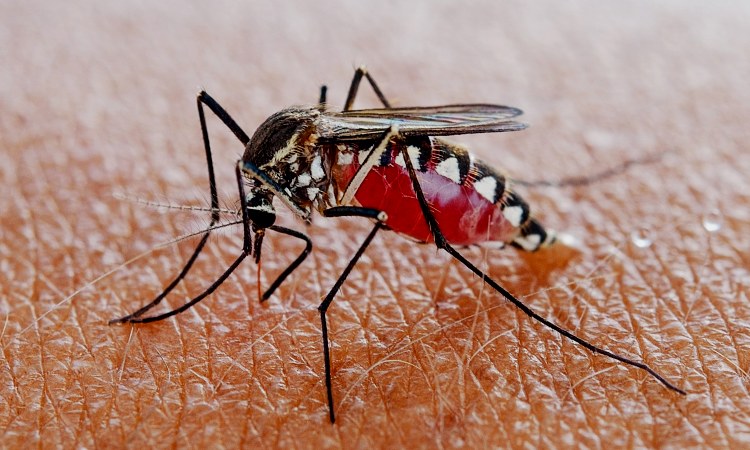
NIGERIA continues to lead the world in malaria cases and deaths, despite decades of global and domestic investments, according to the latest World Malaria Report 2024 released by the World Health Organization (WHO).
The report draws on 2023 data from 83 malaria-endemic countries, including the territory of French Guiana, while also presenting trends in malaria morbidity and mortality globally and by region.
The report, which highlighted the 2023 global malaria incidence, shows that Nigeria accounted for 26 per cent of global malaria cases, again making it the most malaria-affected nation worldwide.
Out of the estimated 263 million malaria cases recorded globally in 2023, Nigeria accounted for 68 million (68,136,000). DRC Congo followed suit with 33 million cases. Uganda had over 12 million people affected by the disease in 2023, while Ethiopia logged 9.5 million of the global reported cases of the disease.
This shows that the four countries are among the 11 ‘High Burden to High Impact (HBHI)’ countries, a group responsible for 66 per cent of global malaria cases and 68 per cent of deaths in 2023.
Others are Mozambique (9.2 million), United Republic of Tanzania (8.5 million), Angola (8.2 million), Mali (8.2 million), Burkina Faso (8.1 million), Niger (7.9 million), and Côte dʼIvoire (7.8 million).
Nigeria also ranked highest in malaria-related deaths, contributing significantly to the 597,000 global fatalities. The WHO African Region, which includes Nigeria, accounted for 94 per cent of the total global malaria burden and 95 per cent of deaths.
Four African countries accounted for just over half of all malaria deaths globally, with Nigeria having 30.9 per cent, and the Democratic Republic of the Congo having 11.3 per cent. Niger (5.9 per cent) and the United Republic of Tanzania (4.3 per cent) are the two other nations that accounted for 10 per cent of the cases.
While mortality from malaria has declined slightly over the past three years globally, from 622,000 in 2020 to 597,000 in 2023, according to the latest WHO report, Nigeria’s data remain high, especially among children under five and pregnant women.
According to WHO estimates, the country also recorded the largest number of under-five malaria deaths.
11 million more global malaria cases between 2022 and 2023
Meanwhile, the 2023 data shows a global increase of 14 million malaria cases compared to 2022. In 2022, the world recorded 249 million cases of malaria, with Nigeria accounting for 26.8 per cent of the cases.
Although Nigeria’s share slightly declined to 25.9 per cent in 2023, the country still recorded 66.7 million cases, representing an increase of over 1.4 million compared to the previous year. WHO noted that this rise might be mainly attributed to population growth.
DRC Congo, Uganda, Mozambique and Angola joined Nigeria as the most hit nations.
“Between 2000 and 2019, the number of annual estimated malaria cases remained stable, varying between 227 million and 248 million across the 108 countries that were malaria endemic in 2000.
“Since 2020, the number of estimated malaria cases has steadily increased, and most of this increase occurred in countries in the WHO African Region (89.7 per cent) and the WHO Eastern Mediterranean Region (15.5 per cent),” the report added.
Nigeria’s health infrastructure, compounded by the impacts of climate change and ongoing internal displacement due to conflict, is said to worsen the malaria crisis.
A missed target
The Global Technical Strategy for Malaria 2016–2030 (GTS), introduced by WHO, seeks a 75 per cent reduction in both malaria case incidence and mortality by 2025. However, the country, among many other African countries, remains far from the target.
The report warned that the 2023 malaria incidence globally was nearly three times higher than what was required to meet the GTS benchmark.
In 2023, 12.4 million pregnant women in 33 moderate to high transmission countries in the WHO African Region were estimated to be infected with malaria.
Despite interventions such as the intermittent preventive treatment of malaria in pregnancy (IPTp), uptake remains critically low, with only 44 per cent of pregnant women in 34 African countries, including Nigeria, receiving the recommended three or more doses of IPTp.
Global investment, local shortfalls
In 2023, global funding for malaria control and elimination totalled US$4.0 billion, with 75 per cent of that directed to the African region.
However, the WHO warned that despite these inflows, a US$4.3 billion global funding gap still existed, with only 48 per cent of the required investment for 2023 being met.
This has translated to under-resourced primary healthcare, delayed or unavailable malaria treatments, and gaps in preventive tools like insecticide-treated nets (ITNS)
The WHO emphasised that an effective malaria response in Nigeria and other affected African countries must address systemic inequities, strengthen health systems, and improve access to prevention and treatment tools for vulnerable populations, including children, pregnant women, indigenous peoples, and people with disabilities.
IN his bid to return to office, suspended Rivers State Governor Siminalayi Fubara reportedly met with President Bola Tinubu in London last week, according to Africa Report.
Two senior aides to the president reportedly confirmed that the two leaders met and discussed issues bothering on the Rivers State politics.
The ICIR reported that Tinubu suspended Fubara on March 18 following a political impasse in the oil-rich state.
Fubara and his predecessor, Nyesom Wike, have been at loggerheads over who controls the PDP structure in the state since 2023, with President Tinubu’s efforts to resolve the stalemate yielding no result.
The ICIR reported that the crisis deepened when 27 lawmakers loyal to the minister of the Federal Capital Territory (FCT) defected from the People’s Democratic Party (PDP) to the All Progressives Congress (APC), reigniting the power struggle between Governor Fubara and Wike.
The crisis further escalated after the suspended governor declared the seats of 27 lawmakers vacant and dismissed all 23 local government chairmen elected under Wike, stating that their tenures had ended.
He followed his action with the conduct of a local government election on October 5, affirming his authority on the state’s politics.
Amid the crisis, pro-Fubara thugs allegedly set the State House of Assembly on fire. The action was followed by an attempted impeachment of Fubara.
The suspended governor thereafter conducted the state affairs with a splinter group of four lawmakers loyal to him, including approval of appointments, lawmaking, and budget approval.
The crisis peaked with the Supreme Court’s ruling that ordered the recognition of the 27 lawmakers by the governor, including payments of all their withheld salaries and allowances, among others.
Wike, during a media chat on Wednesday, March 12, said Fubara should be impeached if he had committed an impeachable offence.
He insisted that for peace to return between the legislature and the state executive, Fubara must represent the 2025 budget to the State Assembly led by Martin Amaewhule, and also resubmit the names of his commissioners for clearance.
However, the drama escalated at the State House of Assembly complex on Wednesday, March 12, when Fubara arrived at the quarters for the presentation of the 2025 budget, only to find the entrance gate locked.
A few days after the unfolding drama, Tinubu declared a state of emergency, suspended Fubara for six months, and appointed a sole administrator to oversee the state.
Since then, the declaration of emergency rule has sparked protests and attracted condemnations from many Nigerians.
DESPITE the much touted economic reforms of the Bola Tinubu administration, International Monetary Fund (IMF) has downgraded Nigeria’s real gross domestic product (GDP) by 0.2 per cent from the 3.2 per cent it had forecast earlier.
The Bretton Woods institution says Nigeria’s economy will now grow by 3.0 per cent this year, citing lower oil prices as the reason for the downgrade.
It projected this in its April 2025 World Economic Outlook report released on Tuesday, April 22.
The latest projection is also below the 3.4 per cent growth estimated last year.
Nigeria’s revised economic growth projection reflects the impact of declining oil prices on Nigeria’s fiscal and external balances, the IMF stated.
Noting that energy exports remain Nigeria’s dominant source of foreign exchange earner and public revenue, the IMF further feared that the growth is expected to slow further to 2.7 per cent in 2026.
The International Financial institution also expects sub-Saharan Africa’s growth rate to decline to 3.8 per cent this year from four per cent last year.
It, however, sees a modest recovery in 2026, lifting to 4.2 per cent.
“Among the larger economies, the growth forecast in Nigeria is revised downward by 0.2 percentage points for 2025 and 0.3 percentage points for 2026, owing to lower oil prices, and that in South Africa is revised downward by 0.5 percentage point for 2025 and 0.3 percentage point for 2026, reflecting slowing momentum from a weaker-than-expected 2024 outturn, deteriorating sentiment due to heightened uncertainty, the intensification of protectionist policies, and a deeper slowdown in major economies,” it stated.
The IMF further stated that, even though Nigeria maintained a current account surplus, however, its external position is expected to weaken in the coming years.
It estimates its current account balance to shrink from 6.9 per cent in 2025 and further to 5.2 per cent in 2026, from 9.1 per cent of GDP in 2024.
The ICIR reports that the Central Bank of Nigeria (CBN) said Nigeria’s current balance of payments surplus stood at $6.83 billion for 2024, driven by a goods trade surplus of $13.17 billion. However, the IMF said the surplus might not be sustained.
This comes even as JP Morgan had also warned that Nigeria could slide into a current account deficit if oil prices remain below the country’s benchmark of $60 per barrel.
Nigeria’s inflation to hit 37% in 2026
In the same vein, the IMF expressed concern that Nigeria’s headline inflation will rise sharply to 37 per cent in 2026.
It stressed that the persistent price pressures and structural constraints would likely keep inflation elevated over the medium term.
It stated specifically that Nigeria’s inflation is expected to average 26.5 per cent this year before surging to 37.0 per cent in 2026.
The Nigerian inflation came down from an average of 33.2 per cent in 2024 after the National Bureau of Statistics (NBS) rebased the Consumer Price Index in January this year.
The NBS rebasing saw inflation ease to 24.48 per cent in January from 34.80 per cent in December 2024.
In February, it fell further to 23.18 per cent but rose to 24.23 per cent in March, signalling resumed upward pressure on consumer prices.
The IMF also flagged weak income growth among Nigerians.
It projects the country’s real output per capita to grow by just 0.6 per cent in 2025 and 0.3 per cent in 2026, reflecting limited gains in living standards.