Home Blog Page 616

UDUS first-class graduates disappointed over lack of public recognition

0

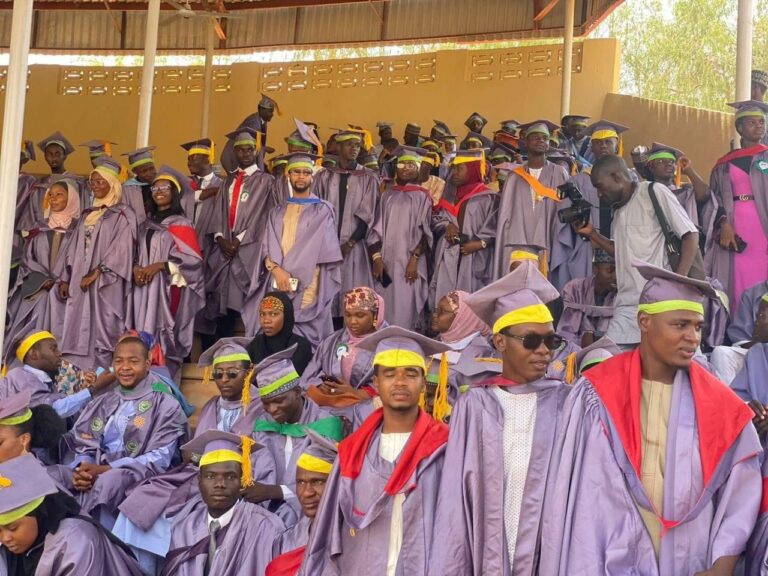
SOME first-class graduates of Usmanu Danfodiyo University, Sokoto (UDUS), have expressed their disappointment over what they described as the school management’s failure to acknowledge their outstanding academic achievements. 

This was despite many of them travelling to the university from various states, believing that they would be recognised and awarded prizes for topping their respective departments and faculties during the convocation.

The situation, which has now generated outrage among students, was tagged as a lack of oversight on the management side.

The ICIR reports that UDUS commenced its 38th, 39th, 40th, and 41st combined convocation ceremony on Monday, April 15, with a press briefing by the university’s Vice-Chancellor, Professor Lawal Suleman Bilbis, who is a professor of Biochemistry.


Read Also:


On Tuesday, April, the university also engaged in Convocation debate and drama. Following that, a novelty football match and convocation lecture were scheduled for Wednesday and Thursday as part of the program of events.

On Friday, April 19, the university presented certificates and diplomas, conferred bachelor degrees, and commissioned projects. The following day, Saturday, marked the university’s convocation grand finale, which was slated to include prize presentations, granting higher degrees, and awarding honorary degrees.

Given the lineup of events, many first-class graduates, especially the best-graduating ones, had hoped that the university would publicly acknowledge their achievement on Saturday.

However, they were shocked when the management failed to call upon them and instead announced that the top-performing students would be recognised later in the press, with instructions for claiming awards at the Student Affairs Office.

Apart from the Vice Chancellor and the Registrar’s announcement of the best graduates from 2018/19, 2019/20, 2020/21, and 2022/23 sessions both on Friday and Saturday, the university was said to have spent the whole day conferring honorary degrees and handshaking of postgraduate graduates.

This, the students believed was unfair and lack of oversight by the management.

Speaking anonymously, several first-class graduates expressed their frustration over the incident.

Management deprives us of life-changing opportunities – first-class graduates 

With the presence of several dignitaries, including the Sokoto State Governor, Ahmad Aliyu; the Sultan of Sokoto, Sa’adu Abubakar; other royals and the founder of Al-Qalam University, some of the graduates who spoke to The ICIR said that the university’s management had deprived them of opportunities that the dignitaries might have had for them.

A graduate who had spent over N30,000 on transport to attend the event said although he was not expecting something ‘big’ from the management, he was at least expecting a handshake.

“I felt so disappointed and bitter. I’ve never seen a convocation ceremony held like that. We see how other schools celebrate their best students in convocation. I believe convocation is a way to advertise the school’s achievements, and the most notable of all achievements is the production of excellent students. 

“Imagine giving prizes to best-graduating students behind doors instead of honouring them with the recognition they deserve. Even if it’s just the VC’s handshake they could get as prizes, I think it’s enough recognition. As the registrar said, I can agree that the names might be too tiring to call as there are more than 200 scholars over the 4 years combined. However, I believe the overall best students of each year were robbed of the honour and recognition they deserved, especially someone with a staggering 4.96-grade point,” a first-class graduate said.

Another first-class graduate explained to The ICIR that he had always believed convocations to be student-centred occasions where students are specially recognised, celebrated, and awarded. 

“Holding to my knowledge about how convocation should be, and experiences from convocation ceremonies by other progressive Universities in the country, I’m not without concerns for the development. It is so discouraging, and I’m not happy with the situation. Not only me, many graduates and students appear disappointed,” he added.

‘I travelled to Sokoto hoping to be rewarded for academic excellence’

Also, a 2022/2023 university graduate said he travelled over 500 km to the school, having heard about a possible reward for the best-graduating students, but was surprised when he and others were shunned by the management.

“All my life, I thought convocation was for the students, but that of UDUS seems otherwise — it was mainly for the dignitaries and elites.

“I travelled down here having heard that there’ll be a reward for efforts and the availability of the certificate, but as things stand now, the two seem unachievable. It’s quite unfortunate,” he said.

Meanwhile, when The ICIR contacted the university’s Dean of Students’ Affairs, Umar Aliyu, for his comment on the graduates’ claims, he explained that Saturday’s event was meant for the PhD graduates and conferment of honorary degrees while Friday was meant to celebrate the bachelor’s degree graduates, contrary to what was displayed on the event’s programmes.

When told that the management also failed to publicly call upon them on Friday, he claimed that he did not know the reason why that happened, noting that the students actually deserved proper recognition.

Kwara confiscates poisonous beef in Mandate market, begins probe

0

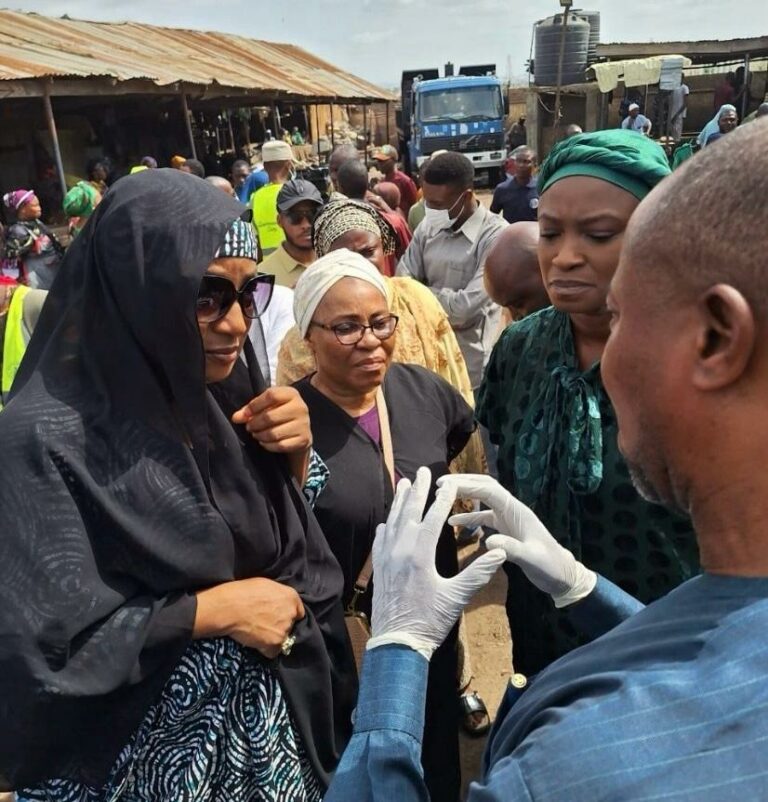
KWARA State Government has confiscated some of the beef being sold at the Mandate market, following allegations that they were gotten from cows that died after ingesting poison, whose meat is now being sold to unsuspecting members of the public.

This occurred on Sunday, April 21, following an alarm by the Kwara Monitoring Group (KMG) earlier the same day.

A statement by the government, co-signed by the Commissioner for Health Amina Ahmed El-Imam and Commissioner for Agriculture and Rural Development Toyosi Adebayo-Thomas on Sunday, called for calm while assuring members of the public that efforts were being made to verify the allegations.


Read Also:


“The government has immediately confiscated all the suspected meats for laboratory tests and confirmation of claims after initial engagements with the Mandate Market stakeholders. Further information will be given as may become necessary.

“The government urges members of the public to be calm while the team establishes the truth of the rumour of poisoned meat. It also commends the leadership of the market for their cooperation so far,” the statement read.

Earlier on Sunday, KMG issued a statement calling on the state government to act quickly and intercept the sale of poisoned beef to the public.

“Over 33 cows were suspected to be poisoned and died immediately, but surprisingly, the dead animals were slaughtered and distributed out to butchers to be sold. It happened along Atere Road (which leads to the Al Hikma campus) right inside the College of Arabic and Islamic Studies, Ilorin.

“It is our prayer that the concerned ministry and agency take appropriate action as nobody knows whose family the poisoned meat could be sold out to in the market,” the statement read.

Along with El-Imam and Adebayo-Thomas, officials of the state’s Ministries of Environment and Health were also present at the market on Sunday, including the Executive Secretary of the Kwara State Environmental Protection Agency, Mrs Folorunsho Idayat, and the Director of Public Health, Oluwatosin Fakayode, among others.

SERAP threatens legal action against governors over FAAC spendings

0

SOCIO-Economic Rights and Accountability Project (SERAP) has threatened to sue Nigeria’s 36 state governors if they fail to account for the trillions of FAAC allocations received by their state and the FCT since 1999.

The accountability organisation also asked the Federal Capital Territory (FCT) minister to provide them with a document of the FAAC allocations spending and to publish any such documents widely.

SERAP also urged them “to invite Independent Corrupt Practices and Other Related Offences Commission (ICPC) and Economic and Financial Crimes Commission (EFCC) to jointly track and monitor the spending of FAAC allocations by your state and the FCT and to probe any allegations of corruption linked the allocations.”


Read Also:

FAAC allocation to tiers of government increased by N59bn in July

FG, states, LGCs shared N786bn FAAC allocation in May, the highest this year

FG, states, LGCs shared N786bn FAAC allocation in May, the highest this year


The organisation, in a statement on Sunday, April 21, emphasized that without this information, Nigerians cannot monitor the actions of their states and the FCT in Freedom of Information (FOI) requests dated April 20, 2024, and signed by SERAP Deputy Director Kolawole Oluwadare.

SERAP requests followed reports that the Federation Account Allocation Committee (FAAC) disbursed N1.123 trillion to the federal, state, and local governments for March 2024 alone. 

According to SERAP, the alleged mismanagement of trillions of FAAC allocations received by Nigeria’s 36 states and the FCT poses a direct threat to the human rights of socially and economically vulnerable Nigerians, with significant human costs incurred as a consequence.

The statement quoted the FoI requests to read in part: “Secrecy in the spending of FAAC allocations received by your state and the FCT is entirely inconsistent and incompatible with the Nigerian Constitution 1999 [as amended] and the country’s international anti-corruption obligations.”

“Secrecy in the spending of FAAC allocations received by your state and the FCT also denies Nigerians the right to know how public funds are spent. Transparency in the spending would allow them to retain control over their government.”

“The documents should include the evidence and list of specific projects completed with the FAAC allocations collected, the locations of any such projects, and completion reports of the projects. The documents should also include details of the salaries and pensions paid from the FAAC allocations collected, as well as the details of projects executed on hospitals and schools with the FAAC allocations.”

It also noted that despite the increased FAAC allocations to states and the FCT, millions of residents in the states and the FCT continue to face extreme poverty and lack access to basic public goods and services. The removal of the petrol subsidy and the floating of the exchange rate by the Federal Government has translated into increased FAAC allocations to states and the FCT.

SERAP also stated that FAAC allocations received by each state and the FCT are reportedly characterised by mismanagement, diversion of funds, and abandoned projects. Additionally, FAAC allocations have allegedly been spent on other purposes, such as election campaigns and political patronage.

“We would be grateful if the recommended measures are taken within 7 days of the receipt and/or publication of this letter. If we have not heard from you by then, SERAP shall consider appropriate legal actions to compel you your state, and the FCT to comply with our requests in the public interest. 

“According to our information, the Federation Account Allocation Committee (FAAC) last week disbursed N1.123 trillion to the federal, state, and local governments for March 2024. State governments got N398.689 billion while local government councils got N288.688 billion. The mineral-producing states received an additional N90.124 billion (13% of mineral revenue). In February, states collected N336 billion,” the request added.

Ondo APC primaries inconclusive, to resume on Sunday

0

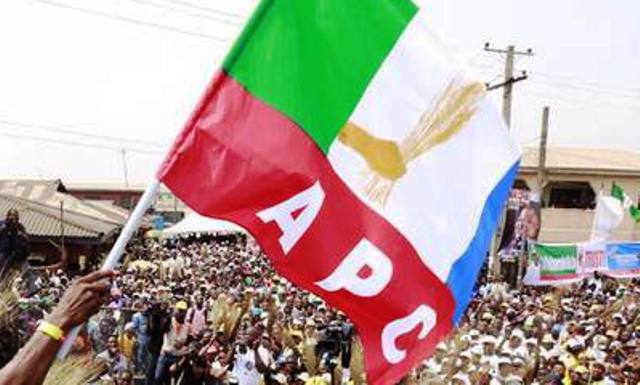
THE Ondo State All Progressives Congress (APC) governorship primaries, which commenced on Saturday, April 20, was declared inclusive by the Chairman of the electoral committee overseeing the exercise, Ahmed Usman Ododo.

In a statement late on Saturday, Ododo noted that the exercise would continue on Sunday, April 21, especially in Okitipupa, where violence by rival supporters within the party disrupted the process.

“Having received reports of the primary election from the 203 Wards in the 18 Local Governments of Ondo State, the Primary election Committee has decided that election will be conducted in all the 13 Wards of Okitipupa Local Government with total validated registered members of 9,515 because of validated reports that the exercise did not hold in the Local government due to late arrival of materials and personnel as a result of logistics challenges.


Read Also:


“Election in Okitipupa Local Government shall be conducted at noon on Sunday 21st April 2024. The final collation of the results will be done thereafter,” Ododo stated.

The ICIR reported that rival supporters of two party aspirants stirred up violence on Saturday at Ward 1, Stella Maris College, Okitipupa.

According to the News Agency of Nigeria (NAN), the violence between two groups of supporters disrupted the voting process, leaving voters who had gathered at the ward scampering for safety even before the accreditation process began.

Eyewitnesses also told NAN that a party agent had arrived on the scene, snatched accreditation documents, and run away, leading to the unrest in the area.

Other irregularities that occurred during the process also led some of the aspirants to call for a cancellation of the exercise.

They alleged that the APC Electoral Committee, led by Kogi state governor Ododo, was not transparent and asked the party’s leadership to replace the committee chairman immediately.

The Ondo state governorship election is scheduled for November 2024.

Police corporal arrested for alleged killing of Abia businessman

0

THE Abia State Police Command has apprehended an officer who killed an Abiriba-born businessman, Emmanuel Michael Okocha, in Aba.

According to reports, Okocha was shot dead along Aba-Owerri road in Aba, Abia, state for refusing to bribe some policemen at a checkpoint.

A statement by the Police Public Relations Officer, Maureen Chinaka, on Saturday, April 21, revealed that Njok was attached to the Abayi Police Division before the incident happened.


Read Also:

The Nigeria Police Force image-maker approach, a plus or a minus?

N80bn fraud: Police detain Yahaya Bello’s security details

Officer shot as Police foil Kidnapping of FCT council chairman’s family


While describing the incident as ‘unfortunate’, the command said the corporal was apprehended, and necessary disciplinary procedures had been initiated.

The statement read: “Preliminary Inquiries into the matter reveal that a Police Corporal Obagi Njok, attached to Abayi Police Division under Abia State Police Command, shot at Mr Emmanuel Okocha along Aba-Owerri Road.

“The officer has been apprehended, and necessary disciplinary procedures have been initiated. Appropriate disciplinary actions and sanctions will be effected soonest, and he will face the full course of appropriate administrative and legal consequences.

“In this regard, representatives of the bereaved family and stakeholders will be carried along as the proceedings progress.

One too many…

The tragic killing of Okocha is not an isolated incident but a troubling pattern of police brutality and misconduct that has plagued the country over time. 

Over the years, The ICIR has documented several instances of police brutality in the country and how it has led to the loss of lives and properties.

In December 2022, The ICIR reported how Nigerians expressed outrage over the death of a female lawyer, Bolanle Raheem, who was shot by an assistant superintendent officer in the Ajah area of Lagos State on Christmas Day.

The police officer was attached to Ajiwe Police Station, Ajah.

The unnamed policeman and his team were said to have tried to stop Bolanle and her family members as they drove back home from a Christmas Day church service.

Bolanle was shot when the car conveying her tried to make a U-turn under the Ajah Bridge.

The victim was rushed to a hospital but was confirmed dead.

Bolanle’s death also came barely three weeks after a young man, Gafaru Buraimoh, was shot dead by police officers attached to the same station in Lagos.

NAFDAC recovers fake products worth N50m in Abuja stores

0

THE National Agency for Food and Drug Administration (NAFDAC) said it recovered fake products worth N50 million during a raid on some stores in the Abuja area of Nigeria’s Federal Capital Territory (FCT).

NAFDAC conducted the raid in areas including Garki, Wuse, Utako, Kugbo, Nyanya, and Mararaba.

The agency disclosed this via a statement on its official X handle on Saturday, April 20, 2024.


Read Also:


Fake Nivea products comprised a huge part of the goods seized, valued at N45 million by NAFDAC.

“During the operation, counterfeit cosmetics were discovered and seized at Sahad Stores, H-Medix, and various markets, while fake drugs were confiscated at Utako market.

“Counterfeit NIVEA products, cosmetics, Jik bleach, Harpic toilet cleaner, and Airwick room freshener were all confiscated. The total value of the seized goods amounted to N50 million, with fake NIVEA products alone valued at N45 million,” the statement read.

According to the statement, NAFDAC Head of Investigation and Enforcement/Federal Task Force in Abuja Embugushiki-Musa Godiya stated that the fake goods, especially NIVEA products, were sold at higher prices than approved products and expressed concern over the development.

“He emphasised the health risks posed by such counterfeit goods, including the potential for cancer, kidney damage, and skin rashes. NAFDAC reaffirms its commitment to rooting out counterfeit syndicates and safeguarding public health,” the statement read.

The production and sale of fake products have raised concerns for many Nigerians, some of whom have blamed the recurring problem on economic realities in the country.

In March, NAFDAC uncovered illegal factories producing and distributing various brands of alcoholic beverages at the Trade Fair Complex in Lagos State.

Despite laboratory results, Nestle denies adding sugar to infant products in Nigeria

0

MULTI-NATIONAL food company Nestle has denied adding sugars to milk, cereal, and other infant products sold to some low and middle-income countries, including Nigeria, despite laboratory results to the contrary.

This was contained in a statement released on Thursday, April 18, following an investigation by Swiss investigative organisation Public Eye in collaboration with International Baby Food Action Network.

“Baby food and infant formula are highly regulated categories. We apply the same nutrition, health, and wellness principles everywhere in the world which are aligned with both international and local guidelines and regulations. This includes compliance with labeling requirements and thresholds on carbohydrate content that encompasses sugars.


Read Also:

How Nestle Nigeria contaminates water supply of its host community in Abuja

Bauchi underspends on therapeutic food despite losing many children to malnutrition

Why Nestle, Dangote Sugar, three other FMCGs post over N224bn loss in six months


“Regarding cereals, there may be slight variations in recipes around the world. In Europe, Nestle’s range of cereals comes with and without added sugars. Like everywhere in the world, in Nigeria, we do not add sugars (sucrose and glucose) to infant formulas for children aged 0-12 months. In Nigeria, our growing-up milks have no added sugars. Our milks and cereals for young children are fortified with vitamins and minerals such as iron to help tackle malnutrition,” the statement read.

Laboratory tests conducted on Nestle’s baby food sold in Asia, Africa, and Latin America during the investigations revealed added sugar in products like Cerelac and Nido.

However, baby food sold for children between one and three years in Europe had no added sugars, according to the results of the tests which were conducted in a Belgian lab.

“In Nigeria, one product tested had up to 6.8g, but in Nestlé’s main European markets, including the UK, there is no added sugar in formulas for young children. While some cereals aimed at older toddlers contain added sugar, there is none in products targeted at babies between six months and one year,” the report partly read.

This is contrary to the World Health Organization (WHO) guidelines against adding sugar to foods for babies.

The WHO warned that high levels of sugar in baby foods might result in chronic diseases, obesity and addiction to such additives.

The National Agency for Food and Drug Administration and Control (NAFDAC), responsible for the regulation of such products, also denied being aware of added sugar in the products being imported for children’s consumption on Thursday.

This is not the first time Nestle has been indicted in such activities in Nigeria.

In 2019, The ICIR reported that Nestle’s water factory in Manderegi, a community within Nigeria’s Federal Capital Territory (FCT) was contaminating the people’s water source, leading to a lack of potable water for the residents and environmental degaradation.

The company also failed to keep its promise of providing access to water, which it made to the residents upon commissioning the factory. This promise was later redeemed following The ICIR’s report.

Ondo APC primaries: Aspirants call for cancellation over violence

RIVAL supporters of two aspirants of the Ondo State All Progressives Congress (APC) stirred up violence on Saturday, April 20, 2024, at Ward 1, Stella Maris College, Okitipupa, during the party primaries being held ahead of the state’s governorship elections.

According to the News Agency of Nigeria (NAN), the violence between two groups of supporters disrupted the voting process, leaving voters who had gathered at the Ward scampering for safety even before the accreditation process began.

Eyewitnesses also told NAN that a party agent had arrived on the scene, snatched accreditation documents and run away, leading to the unrest in the area.

Meanwhile, some aspirants have called for a cancellation of the process over issues with the distribution of materials.

Some of the aspirants led by Gbenga Edema alleged that the APC Electoral Committee led by Kogi state governor Ahmed Usman Ododo was not being transparent in discharging his duties and asked the leadership of the party to replace him immediately.

“That they should come to BON Hotel to collect the materials and that accreditation will start by 10 a.m., to be completed by 1 p.m. while voting proper will start by 1 p.m. and end by 2 p.m., then the announcement of the results.

“As I am talking to you now, this is 10:40 a.m. We’ve been here since 6 a.m., believing that our people would collect the materials, but unfortunately, at about 9:30 a.m., His Excellency Governor of Kogi State, Usman Ododo, came out to tell us that materials had been distributed. At what time? In what places? We don’t know!

“Unfortunately, for him, the returning officers and electoral officers of my ward, Mahin Ward II in Ilaje local government are here and unable to collect any material. What we are asking for is a credible election. So, we are asking the leadership of the party to look into this. If they’re not ready for this election, they should postpone it and the right thing should be done,” Edema was quoted as saying.

The Ondo state governorship election is scheduled for November 2024. One of the aspirants under the APC is the incumbent governor Lucky Aiyedatiwa. He became governor four months ago following the death of his principal, Rotimi Akeredolu.

First Bank CEO resigns abruptly

0

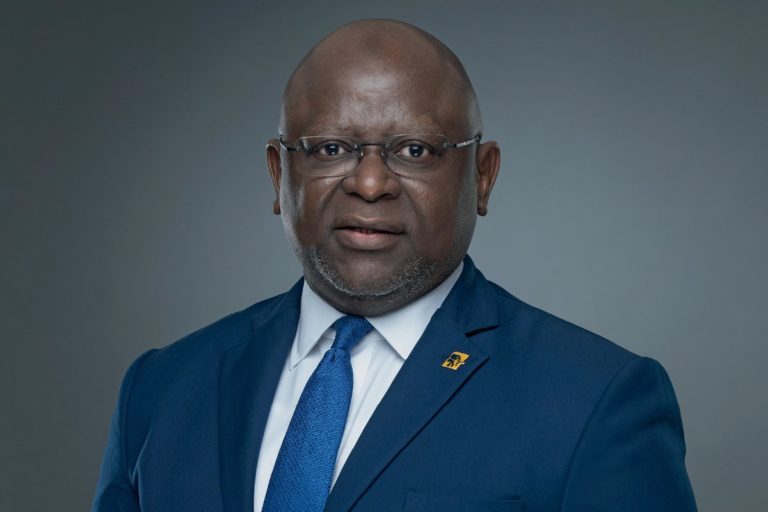
Managing Director (MD) and Chief Executive Officer (CEO) of First Bank of Nigeria (FBN) Adesola Adeduntan has resigned from his position at the organisation.

Adeduntan has occupied the position for the past nine years.

Although his tenure would be completed in December 2024, Adeduntan stated in his resignation letter that he was proceeding with retirement earlier than the date.


Read Also:


“As you are aware, my contract would be expiring on 31 December 2024, after which I would no longer be eligible for employment within the bank, having served as the Managing Director/Chief Executive Officer of First Bank for a record time of nine years.

“I have, however, decided to proceed on retirement with effect from 20 April 2024, to pursue other interests,” he noted in his resignation letter.

Adeduntan’s tenure should have ended in 2021.

Shortly before his tenure expired, former FBN Chairman Ibukun Awosika removed him from the position, a decision she described as being taken in the bank’s best interest.

The bank announced Gbenga Shobo as its new MD in April 2021, but the intervention of the Central Bank of Nigeria (CBN) under the leadership of its former governor Godwin Emefiele, cut Shobo’s regime short and led to Adeduntan’s reinstatement.

“We were not informed of any misconduct, neither were we informed of any query. We suspect –I like to use the word suspect –that it was because he had stood his grounds on certain decisions that are not in favour of major shareholders of the bank, that they felt and thought he should be removed,” Emefiele had said of his removal.

The CBN Governor ordered the removal of the FBN Chair and other directors and reinstated Adeduntan, who served as MD/CEO for a third time.

Aiyedatiwa, Ibrahim, 14 others battle for Ondo APC gov ticket today

THE All Progressives Congress (APC) in Ondo State is set for a significant showdown today, April 20, as 16 aspirants, including Governor Lucky Aiyedatiwa and the senator representing Ondo South, Jimoh Ibrahim, Olusola Oke, compete for the party’s governorship ticket.

On Saturday, April 13, the party cleared the 16 aspirants seeking their ticket to contest the November 20 Ondo State Governorship election.

The ICIR reports that the seven-man screening committee, led by a senator Joshua Lidani, gave all the aspirants the nod to contest the April 20 primary election.

They are Governor Lucky Aiyedatiwa; the Senator representing Ondo South, Jimoh Ibrahim; a Senior Advocate of Nigeria, Olusola Oke; former President of Nigerian Medical Association, a professor. Francis Faduyile; a doctor Funmi Waheed-Adekojo and the APC National Vice Chairman (South-West), Isaacs Kekemeke.


Read Also:


Others are Soji Ehinlanwo, Akinfolarin Samuel, Okunjimi Odimayo, Adewale Akinterinwa, Olugbenga Edema, Gen. Ohunyeye Olamide, Morayo Lebi, Garvey Oladiran Iyanjan, and Ifeoluwa Oyedele.

Following the clearance, the ruling party announced that 171, 922 members drawn from the 203 wards of the 18 local government areas of the state will take part in the primary election.

The party’s National Organising Secretary, Muhammad Argungu, disclosed that the Independent National Electoral Commission (INEC) had sent the party the Certified True Copy of the 173,181 membership register, and the party’s revalidation brought the number down to 171,922.

Governor Ahmed Usman Ododo of Kogi State is slated to chair a seven-member committee tasked with overseeing the electoral process, while the former Bauchi Governor Mohammed Abubakar is expected to lead the five-member Primary Election Appeal Committee.

As stated by the Organising Secretary, the duo will play a crucial role in maintaining fairness, transparency, and inclusivity throughout the process.

According to reports, Aiyedatiwa and Jimoh Ibrahim ace the contest due to the power of incumbency, and the latter banking on his relationship with President Bola Tinubu and two former senators from the state.

The ICIR reported that Aiyedatiwa was sworn in as Ondo State governor on Wednesday, December 27, 2023, following the death of his predecessor, Rotimi Akeredolu, who passed away in the early hours of the same day after a prolonged illness. 

Since then, he has garnered support from numerous party members and stakeholders despite Gbenga Edema, one of the aspirants, alleging certificate forgery against Aiyedatiwa.

The vetting committee headed by Abdulkarim Kana, a professor, dismissed the petition, noting that Aiyedatiwa presented a genuine academic certificate to the party.