
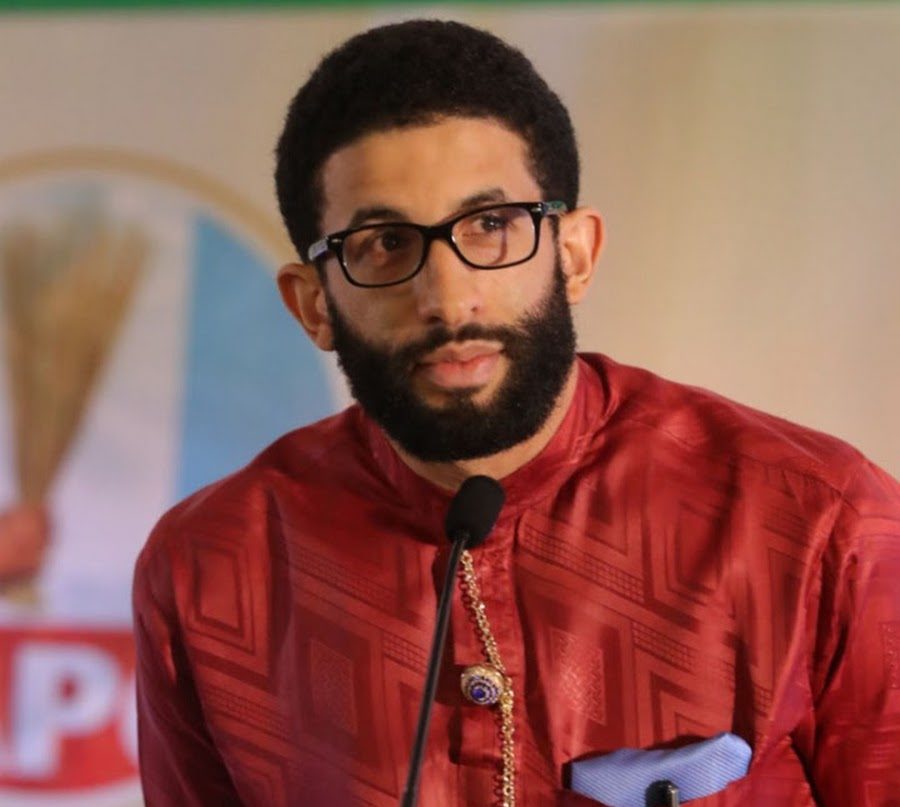
THE Nigerian government has admitted not reaching the required targets in the power sector improvement, pointing out some faultlines in the power sector privatisation of 2013.
The Senior Special Assistant to the President on Public Affairs, Ajuri Ngelale, who made the submission in a monitored broadcast, said the government is determined to correct most of the faultlines in the power sector through reforms.
“Effectively, we had a power sector privatisation in 2013 that handed over these distribution assets to people who got international bank facilities, filled their companies’ accounts with hundreds of billions of borrowed money from international banks, used those bank’s balanced sheets that are fraudulent to basically bid, promising investment after acquiring the assets.
READ ALSO:
Fulani herdsmen: Presidency tackles Ortom over claims in ICIR interview
[EXPLAINER] Here is why there is improvement in power supply
FG, AFD, EU sign €25m grant agreement to improve power supply in the North
Electricity consumers’ group kicks against proposed sale of five power projects
Ngelale noted that after acquiring these assets, many of them immediately paid back the acquired loans, meaning they couldn’t invest in the infrastructure they acquired, which left the sector with huge problems.
He said the government was left with a huge burden by bridging the gap through the Nigerian Bulk Electricity Trading Company (NBET), bailing out most of the power distribution companies, whom he said: “shouldn’t have had the power assets in the first place.”
“NBET did this by paying generation companies for the light that ought to get to Nigerian homes, but the distribution companies could not get it into people’s homes,” he said.
He stressed that to address this concern, the Central Bank of Nigeria had to escrow DisCos’ accounts to track electricity consumers’ payments in order to pay gas-generating companies.
“We are not where we want to be, but we are making progress. The truth is that if that privatisation process was not so fraudulent, we would have gone a long way.
He said the government would continue to encourage to investments in the sector to correct faultlines noted in the privatisation exercise.
The Nigerian power sector has been bedevilled by poor alignment of value chain players, comprising the generation, distribution, and transmission companies.
This development has led to several breakdowns of the grid and general system collapse on several occasions, plunging the country into darkness.
Ngelale, however, expressed optimism that the power sector reforms being undertaken by the current administration will see to the end of several crises confronting the sector.

Harrison Edeh is a journalist with the International Centre for Investigative Reporting, always determined to drive advocacy for good governance through holding public officials and businesses accountable.