
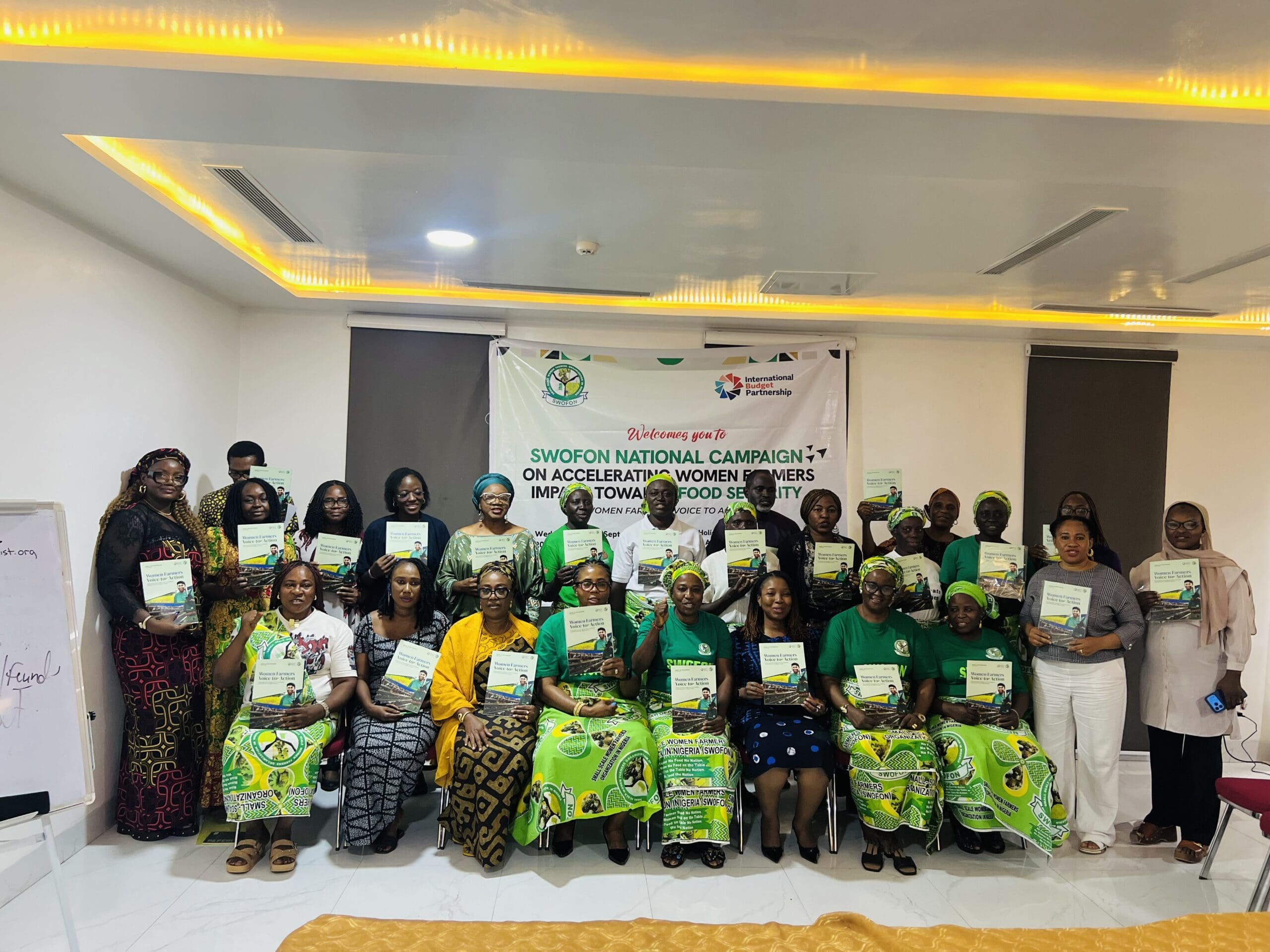
SMALLHOLDER women farmers in Nigeria have called for greater accountability in agricultural budget implementation, saying the government must move beyond acknowledging their demands to ensuring that funds allocated to agriculture translate into services, infrastructure and other resources that reach farmers.
The women made the demand on Wednesday, September 23, at a press conference held in Abuja as part of the Small-Scale Women Farmers Organisation in Nigeria (SWOFON) national campaign on accelerating women farmers’ impact towards food security.
The campaign, tagged “Women Farmers: Voice to Action”, brought together smallholder women farmers, government representatives, civil society organisations, development partners and other stakeholders to discuss challenges facing women farmers and push for more responsive agricultural policies and public spending.
The session includes a presentation of policy brief on women farmers’ priorities and a panel discussion on women farmers’ challenges and experiences, among others.
Agriculture spending falls short of benchmark
The call comes against the backdrop of findings in a SWOFON policy brief, which found that agriculture received only 8.46 per cent of approved state budgets across Nasarawa, Jigawa, Niger, Anambra and Oyo states between 2021 and 2025, below the 10 per cent benchmark under the Malabo Declaration.
The assessment also found that 48.68 per cent of approved agricultural capital spending was not implemented during the period. SWOFON said the findings showed a gap between women farmers’ participation in budget processes and the delivery of resources and services to them.
According to the policy brief, women farmers in the five states have increasingly participated in budget hearings and submitted annual Charters of Demands to government institutions. However, it said the demands were not consistently translated into identifiable budget lines, releases or documented delivery, except in Jigawa.
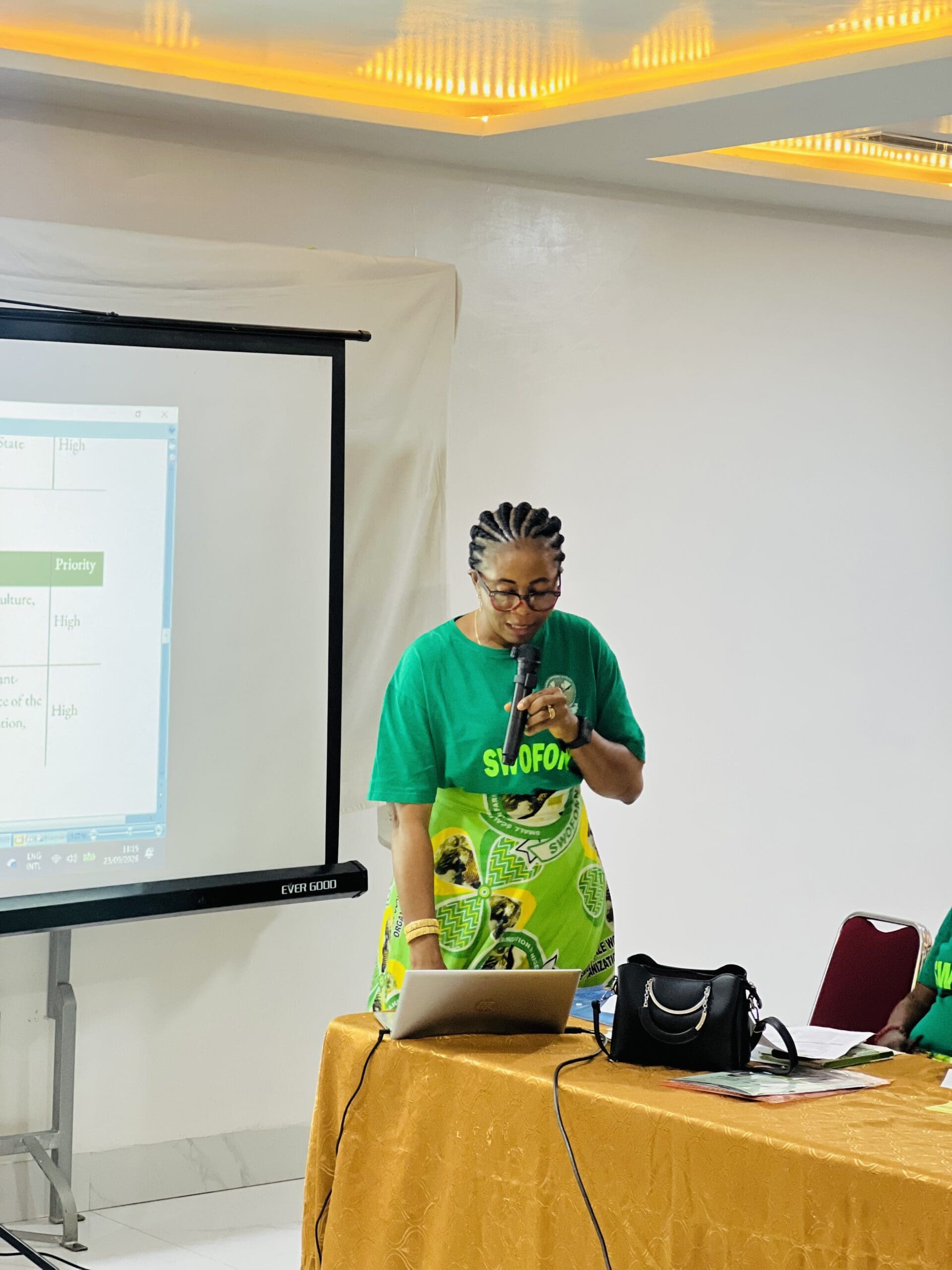
“What remains weak is delivery. Agriculture received only 8.46 per cent of approved state budgets between 2021 and 2025, a N136.78 billion shortfall against the 10 per cent Malabo Declaration benchmark, and nearly half (48.68 per cent) of approved agricultural capital spending was never implemented,” the group said.
Women farmers demand action beyond budget participation
The SWOFON national executives called for the institutionalisation of women farmers’ participation in state and local government budgeting, agricultural planning and policy processes.
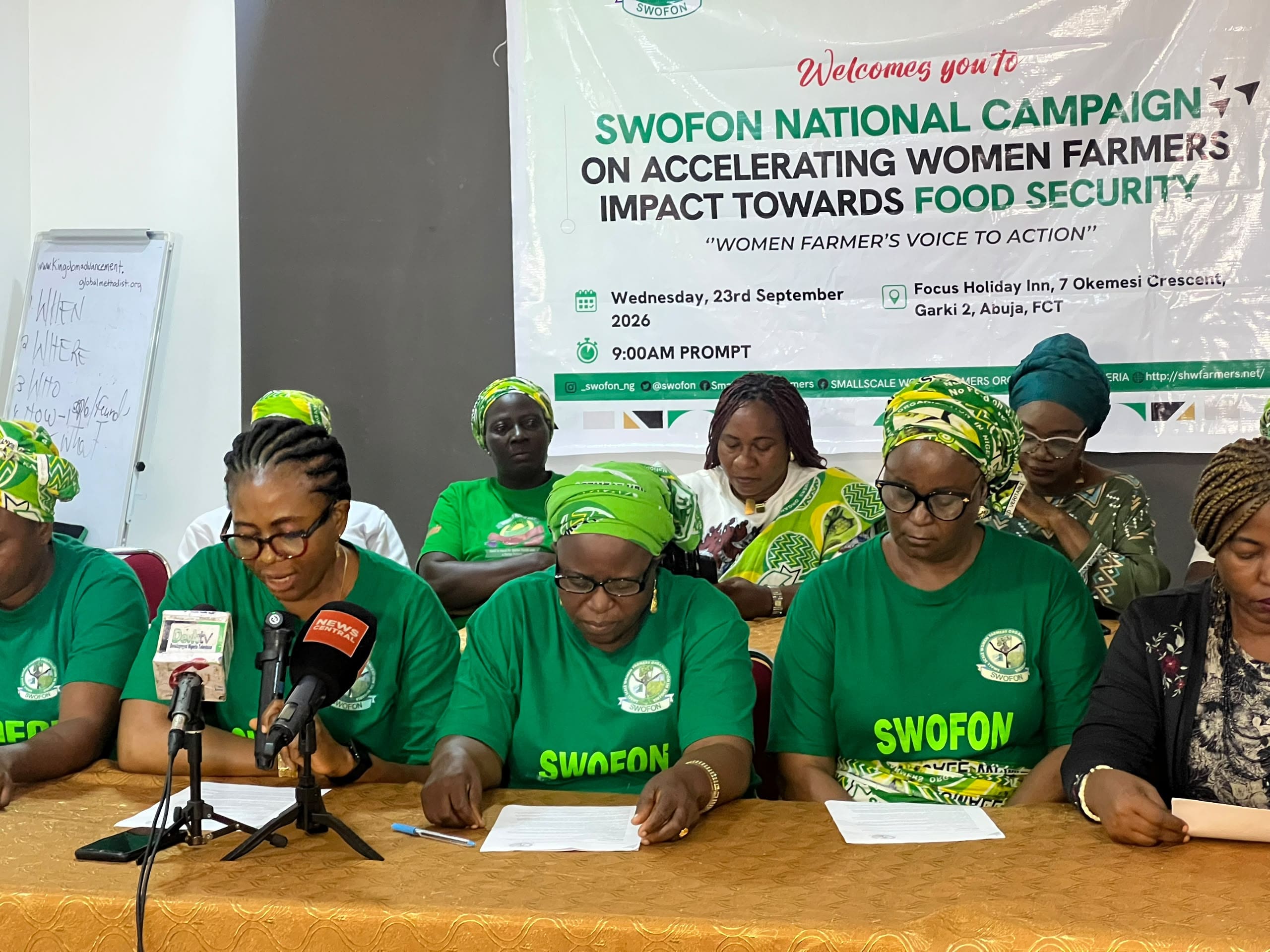
They also demanded that governments convert the priorities contained in its Charter of Demands into costed and identifiable budget commitments that could be tracked from allocation to implementation and delivery.
The organisation said women farmers’ participation in budget processes must go beyond attending hearings and submitting demands to ensuring that their priorities reflect in government budgets and translated into actual agricultural services.
It also called for stronger transparency in agricultural spending, including regular public reporting on budget releases, expenditure and project implementation.
According to SWOFON, the organisation’s 2019–2025 engagement with the International Budget Partnership across Nasarawa, Jigawa, Niger, Anambra and Oyo states helped increase women farmers’ participation in state budget processes.
The organisation said women farmers in the five states participated in budget hearings and submitted annual Charters of Demands to government institutions.
However, it said the process had not consistently resulted in identifiable budget allocations, fund releases or documented delivery of the demands.
The organisation therefore called for three to five priority demands to be selected from each state Charter annually and converted into costed budget commitments, in collaboration with the relevant ministries of agriculture and budget and planning.
It said the commitments should have specific budget lines, clearly identified beneficiaries, locations and implementation timelines, calling for mechanisms to track agricultural allocations, releases, expenditure, procurement, physical delivery and the number of beneficiaries reached.
The women farmers’ organisation also identified insecure land tenure, limited access to affordable finance, climate-related shocks, insecurity, inadequate infrastructure and unequal access to productive assets as barriers to effective use of agricultural investments.
It called for interventions to improve women farmers’ access to land, finance, agricultural inputs, mechanisation, extension services, irrigation, storage, markets and climate-resilient agricultural technologies.
SWOFON also wants women farmers’ participation extended to the local government level, arguing that local councils are closer to farming communities and should provide formal opportunities for them to influence agricultural priorities and budget decisions.
It called on the Federal Government, state governments, local government councils, the National and State Houses of Assembly, development partners, civil society organisations, private sector actors and the media to work with women farmers to build a more inclusive, accountable and responsive agricultural system.
“Smallholder women farmers are not only beneficiaries of agricultural development. They are producers, economic actors and critical stakeholders in Nigeria’s food security. Their voices must be reflected in the policies, plans and budgets that shape the agricultural sector,” the organisation said.
Women farmers’ voices have improved, service delivery has not – IBP, ActionAid
In her address, the Country Director of the International Budget Partnership (IBP) Nigeria, Yinka Babalola, said women farmers had made progress in gaining access to budget processes, but their increased participation had not translated into corresponding improvements in service delivery.
Babalola, who was represented by Nancy Weng Zi, said the partnership between IBP and SWOFON, which ran across the five states from 2019 to 2025, had helped women farmers participate in budget hearings and enable them to submit Charters of Demands outlining their priorities.
“Across the country, somewhere in Nasarawa, in Jigawa, in Niger, in Anambra, in Oyo, a woman rose before dawn today and walked to a farm she may not fully control, amidst insecurity, with limited tools and farm inputs, to grow food for a market she may struggle to reach,” she said. “That woman is the reason this Brief exists. She is the reason SWOFON exists. And she is the reason IBP considers this one of the most important pieces of work we do in Nigeria.”
“Women farmers voices have improved; service delivery has not,” she added.
Babalola said women farmers still struggled to access farm inputs including quality seeds and seedlings, fertilisers and agro-chemicals, small and flexible credit, improved farm tools and mechanisation, climate-resilient inputs, extension services and market infrastructure.
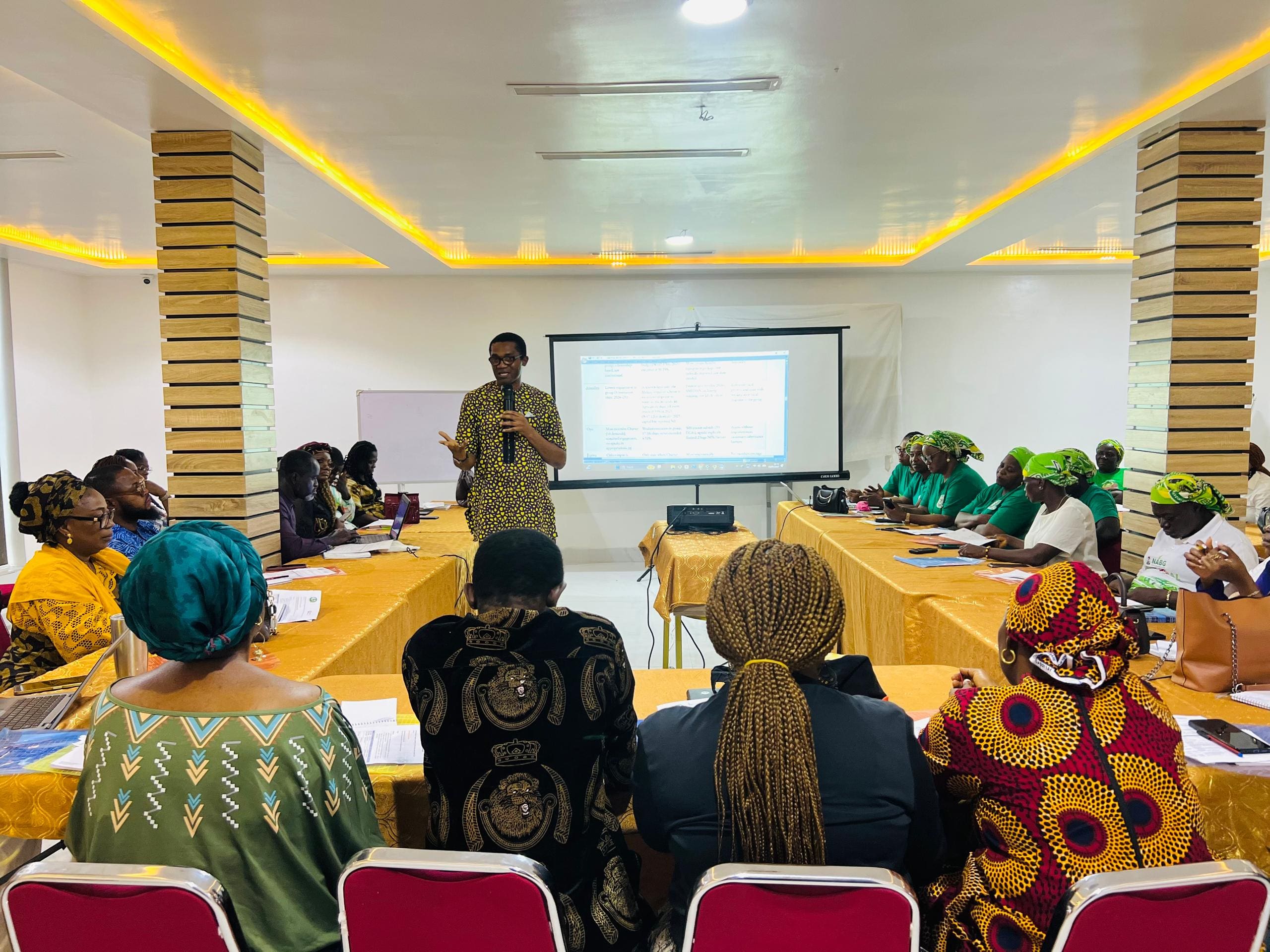
She said the gap between participation and service delivery needed to be addressed by ensuring that budget commitments are followed by releases, procurement and implementation.
“As we release this brief today, our hope is simple: that when we return to this conversation in the coming years, it will no longer be about gaps between voice and action, but about how service delivery has improved. That the next Charter of Demands is met not just with a warm reception, but with actual budget lines, timely releases, and implementation that reaches the women farmers.”
The Food Systems Advisor at ActionAid Nigeria, Blessing Akhile, noted that the essence of the policy was to achieve a country where smallholder women farmers produce, get necessary support, and policy implementation and budget allocation are released to them to guarantee food security and empowerment for all.
Lawmakers, Agriculture Ministry react
Speaking at the event, Chairman of the House Committee on Agricultural Production and Services, Bello Kaoje, acknowledged the challenges facing women farmers, including limited access to land, finance, inputs, technology, markets and extension services.
Kaoje, who was represented by Oluwabunmi Agbeke, said gender-responsive agricultural policies must not only be developed but also effectively implemented and adequately funded.
“The National Assembly recognises its role in legislation, appropriation and oversight, and we value platforms such as this that allow policymakers to hear directly from farmers and stakeholders,” Kaoje said.
He assured the women farmers that the committee was committed to listening to their concerns and supporting efforts to strengthen Nigeria’s agricultural sector and improve opportunities for women farmers.
Also speaking on behalf of the Permanent Secretary of the Federal Ministry of Agriculture and Food Security, the Deputy Director of the ministry’s Gender Unit, Chioma Amechi, said smallholder women farmers were critical to Nigeria’s agrifood systems, food production, nutrition and rural livelihoods.
She said the ministry remained committed to ensuring that Nigeria’s agrifood transformation was inclusive and gender-responsive, with women farmers having greater access to opportunities and resources across the agricultural value chain.
Amechi urged stakeholders to move from policy commitments to practical implementation, saying women farmers should not only be beneficiaries but active participants and decision-makers.

Nurudeen Akewushola is an investigative reporter and fact-checker with The ICIR. He believes courageous in-depth investigative reporting is the key to social justice, accountability and good governance in society. You can reach him via nyahaya@icirnigeria.org and @NurudeenAkewus1 on Twitter.