

By Nigeria Fact-checkers Coalition
Why vote-buying persists in Nigeria despite laws, arrests and repeated promises to stop it
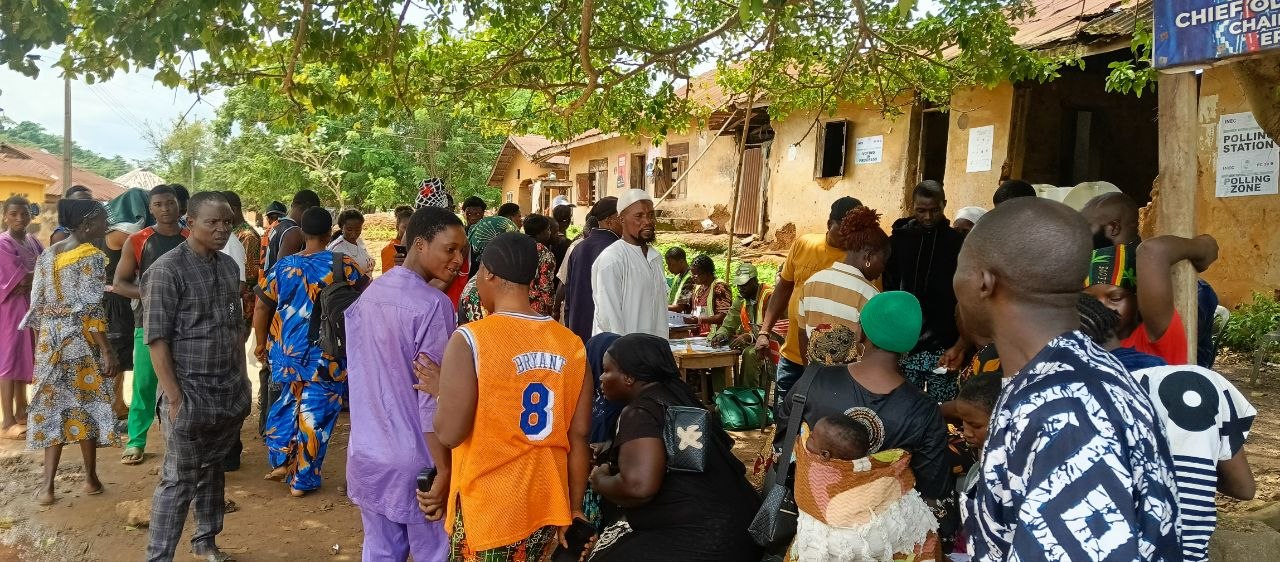
While voting was ongoing in some polling units across Ekiti State, allegations of voter inducement have resurfaced despite repeated assurances by the Independent National Electoral Commission (INEC) and the existence of laws aimed at curbing the menace.
Ahead of the governorship election in Ekiti State, INEC Chairperson, Professor Joash Amupitan, described vote-buying as one of the biggest threats to Nigeria’s electoral process and directed security agencies to arrest and prosecute offenders. Similar warnings were issued to the police, the Economic and Financial Crimes Commission (EFCC), and the Independent Corrupt Practices and Other Related Offences Commission (ICPC) to help effect arrests.
Despite these warnings, concerns about voter inducement have persisted. While vote-buying in Nigeria has traditionally been associated with cash payments made near polling units, developments during the Ekiti governorship election suggest the practice may be evolving into more subtle forms.
On election day, Saturday, 20 June, videos and photos circulating online showed bananas being distributed by supporters allegedly linked to the All Progressives Congress (APC), a campaign-branded truck allegedly used in sharing bread to residents, and security personnel receiving packs of cooked rice.
What does the law say?
Nigeria’s Electoral Act prohibits bribery, corruption and inducement during elections. Section 121 of the Electoral Act 2022 makes it an offence for any person to directly or indirectly give, lend, or provide money or valuable consideration to influence how a voter casts their ballot.
The law also criminalises receiving such inducements. Offenders risk fines, imprisonment, or both. Despite these provisions, arrests and successful prosecutions remain rare.
Why has vote-buying not been eradicated?
- Weak enforcement
One of the biggest challenges is enforcement. Election observer groups have repeatedly documented cases of vote-buying across Nigerian elections, yet prosecutions and convictions remain relatively limited compared to the scale of reported offences. Observers argue that weak accountability and the slow pace of prosecution reduce the deterrent effect of existing electoral laws and contribute to a culture of impunity.
- Poverty and economic hardship
Nigeria’s prolonged economic challenges have made many voters vulnerable to inducements. For citizens struggling with rising food prices, unemployment and declining purchasing power, immediate material benefits may appear more valuable than campaign promises.
- Difficulty in gathering evidence
Vote-buying often occurs discreetly. Transactions may happen away from polling units, through intermediaries, or after voters have shown evidence of voting. This makes it difficult for electoral officials and security agencies to gather sufficient evidence for prosecution.
- New and indirect methods
Political actors have become more sophisticated in how they engage voters. Instead of direct cash payments, inducements may be disguised as welfare support, food distribution, transportation assistance or other forms of material aid.
This evolution creates legal and ethical grey areas, especially when items are distributed during election periods and near voting activities.
Written By: Amarachi Onwuzulike, Fact-checker
Edited by: Opeyemi Kehinde, Lami Sadiq and Simbiat Bakare