THE International Center for Journalists (ICFJ) is hiring a monitoring and evaluation specialist to gather and consolidate the impact of investigative projects and fellowships, as well as exchange fellowships.
The monitoring and evaluation specialist will also design evaluation tools like pre-and post-surveys to gather information on knowledge gained from trainings and workshops.
Other responsibilities include measuring the use and proliferation of ICFJ’s secure online platform and dashboards, providing basic metrics on project data, and preparing high-quality quarterly reports highlighting compiled data.
Experienced journalists can apply for this contract position.
Applications are accepted on a rolling basis. Interested applicants can apply here.
THE Center on Global Energy Policy at Columbia University is calling for applications for the 2023 Energy Journalism Fellows program.
The program aims at offering journalists the opportunity to learn about the intersecting disciplines shaping the global energy sector, including finance and markets, climate change, science and technology, policy, and geopolitics.
The fellowship is open to journalists covering energy, climate and the environment, with preference given to journalists with five or fewer years of experience. The program is free for journalists, including transportation and lodging.
The 2023 seminar will be hosted in person in New York City from June 20, 2023, to June 23, 2023, with presentations and opportunities for small group discussions and networking. To promote an educational experience, Chatham House Rules will apply.
The organiser says, “Since its inception in 2017, EJF has enrolled 120 journalists from the US and around the world.
“EJF participants will gain a greater understanding of these topics, meet and learn from some of the world’s leading experts on these issues, and enhance their networks and reporting.”
The deadline for submission of applications is March 1, 2023. Interested applicants can apply here.
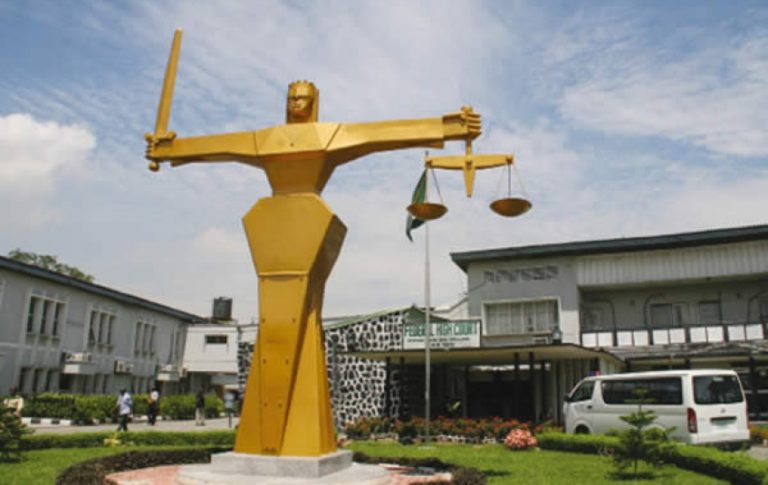
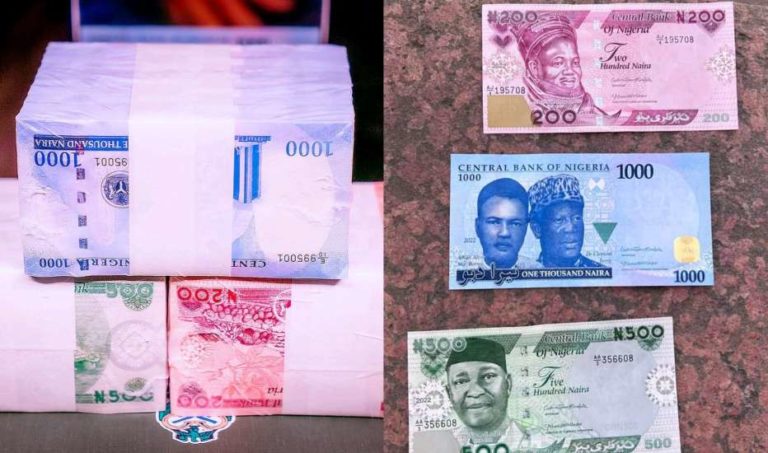
THE attempt by the Federal government to ban the use of the old naira notes from February 10 has been temporarily halted by the Supreme Court.
A seven-member panel of Justices of the apex court led by Justice John Okoro ordered the suspension of the plan while ruling on an exparte motion filed by the Kaduna, Kogi and Zamfara State governments.
The ICIRreported that three All Progressives Congress (APC) governors dragged the Federal Government before the Supreme Court in a bid to halt the full implementation of the naira redesign policy introduced by the Central Bank of Nigeria (CBN).
The governors of Kaduna, Nasir El Rufai; Kogi, Yahaya Bello; and Zamfara, Bello Matawalle, who filed the suit, expressed concern about the impact of the CBN policy on citizens of their states.
The Attorney General of the Federation (AGF) and Minister of Justice, Abubakar Malami, is the only defendant in the lawsuit.
Presenting the motion on Wednesday, the applicants’ counsel, A. I. Mustapha, pleaded with the Supreme Court to approve the request in the name of justice and the welfare of Nigeria.
He stated that the government’s policy is causing pain to citizens.
Mustapha cited Central Bank of Nigeria (CBN) statistics which put the number of people who don’t have bank accounts at over 60 per cent.
He also lamented that the few Nigerians with bank accounts couldn’t even access their monies from the bank as a result of the policy.
In his ruling on the motion, Justice Okoro held that after careful consideration of the motion exparte, the application is granted as prayed.
He therefore granted an order of Interim Injunction restraining the Federal Government through the Central Bank of Nigeria (CBN) or the commercial banks from suspending or determining or ending on February 10, 2023, the time frame with which the now older version of the 200, 500 and 1,000 denomination of the naira may no longer be legal tender pending the hearing and determination of their motion on notice for an interlocutory injunction.”
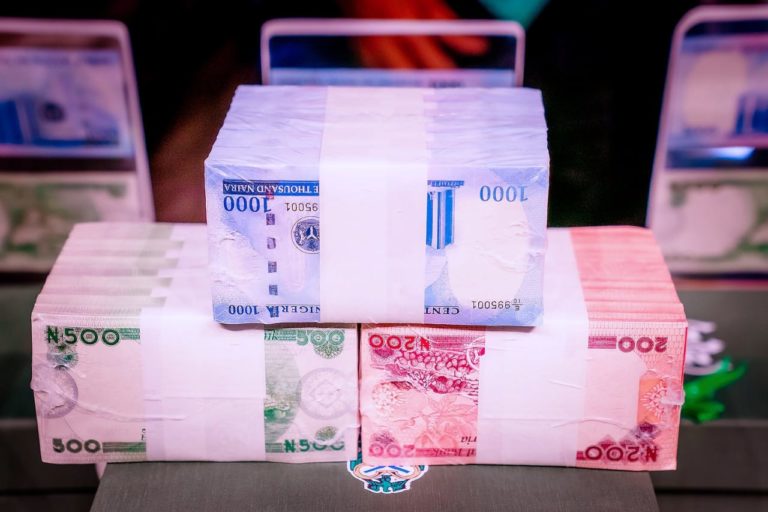
The CBN had fixed February 10 for the expiration of the older version of the N200, N500 and N1,000 banknotes.
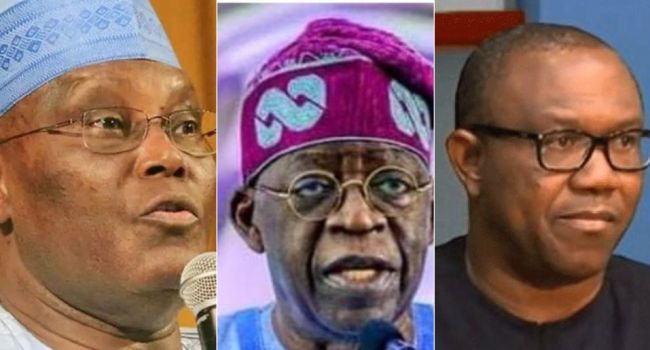
A clear winner is unlikely to emerge in the Nigerian presidential election of February 25, according to Nextier Poll, an Africa-focused consulting firm.
A statement by the firm said its prediction was based on the results of the opinion poll it conducted on January 27.
From the results, Nextier stated, the presidential candidate of the Labour Party, Peter Obi, is likely to emerge with the highest number of votes. The votes would, however, not be enough for him to emerge victorious in the first ballot and would have to face either the presidential candidate of the Peoples Democratic Party (PDP), Atiku Abubakar, or that of the All Progressives Congress (APC), Ahmed Bola Tinubu, in a run-off.
The firm stated that from the results of its survey polled on a sample size of 3,000 voters, Obi polled 37 per cent of the respondents, followed by Abubakar with 27 per cent, while Tinubu got 24 per cent.
The poll acknowledged that although Obi had the highest poll, it is unlikely to give him outright victory in the first ballot.
The founding partner of Nextier, Partner O. Okigbo, noted in the report that the presidential election was shaping to be one of the most keenly contested races in recent decades.
The current poll is the second Nextier had conducted on the 2023 presidential election.
The first poll released on November 20, 2022 conducted in rural communities in 12 states across Nigeria gave Obi 40.37 per cent of survey respondents.
Abubakar got 26.7 per cent, while Bola Tinubu got 20.47 per cent, with about 7.16 per cent of the respondents undecided, according to the first poll.
The Director of Media and Publicity of the APC Presidential campaign Council, Bayo Onanuga, however, questioned the methodology of the Nextier polls.
According to the official statement from Onanuga, the distribution of the sample neither reflected voter demographics nor variations in voter turn-out across states.
He pointed out that the sample of 3,000 used in the methodology was too insignificant in an election with over 93 million registered voters, and which admitted greater margins of error in the poll.
He also accused the consulting firm of being partisan, alleging that it was an active campaigner for the Labour Party presidential candidate.
“This is apart from the fact that the sample size of the so-called poll and methodology employed cannot stand any integrity test,” Onanuga stated.
THE Independent Corrupt Practices and Other Related Offences Commission (ICPC) has discovered the sum of N258 million stashed in the vault at the head office of Sterling Bank in Abuja.
The Commission said it made the discovery in the course of its ongoing efforts at ensuring that commercial banks comply with the Central Bank of Nigeria’s (CBN) directive on the distribution of the redesigned naira notes.
The ICPC, in a statement on Tuesday, February 7, signed by its spokesperson Azuka Ogugua, said the discovery was made last Friday.
“This discovery followed one of the Commission’s operations at ensuring that commercial banks and other interest groups do not flout the apex bank’s directive.
“When the ICPC monitoring team visited the bank and discovered the stashed new Naira notes in the bank’s vault, it was informed that the cash was the remnant of what the CBN had given the bank for onward distribution to its branches.
“The team, however, found out that only the sum of Five Million Naira (N5m) each was distributed to their various branches.”
The Commission said the regional and service managers of the bank were arrested and later granted administrative bail while investigations continue into the matter.
In a similar vein, the Commission said it had effected the arrest of the Head of Operations, Keystone Bank, Mararaba in Nasarawa State, for frustrating customers efforts at getting the new naira notes.
According to the Commission, a team of operatives, while on a routine operation, found out that the Automated Teller Machines (ATMs) at the branch were not dispensing to customers, while other bank customers were accessing only N1000.
“It was only after the arrest was made and clarification received from CBN that the position of the officers of the Bank was not correct that the ATMs started dispensing Five Thousand Naira to non-customers and Ten Thousand Naira to its customers.
“The team also arrested one Abdulkareem Shaibu, a Security Guard with Zenith Bank, 3rd Avenue Gwarimpa, as well as Ali Adam and Shafiu Umar,” the statement said.
The ICPC said one Shaibu, a security guard, was arrested for having five ATM cards which he was using to collect money for different unknown persons who were not within the bank premises at that time, while Adam and Umar were arrested in front of Zenith Bank, 1st Avenue Gwarimpa, for selling the new naira notes.
In another development, ICPC said two officials of FCMB Ogo-Oluwa, Osogbo, had been taken into custody for assaulting officers of the ICPC and CBN Cash Swap Monitoring Team.
The Commission last week arrested officials of some commercial banks within Abuja for alleged sabotage.
Since last week, the ICPC and other security organisations, including the EFCC, have been visiting banks to arrest hoarders of the new naira notes and end the current shortage.
The ICPC is a Nigerian Agency established on September 29, 2000, by former president Olusegun Obasanjo.
The Commission focuses on public sector corruption, particularly bribery, reward, graft, and abuse or misuse of office.
Its duty also includes investigation, prosecution, and prevention of corruption by assessing the operating procedures of Ministries, Agencies, and Parastatals.
Public awareness campaigns against corruption are also part of its responsibilities.
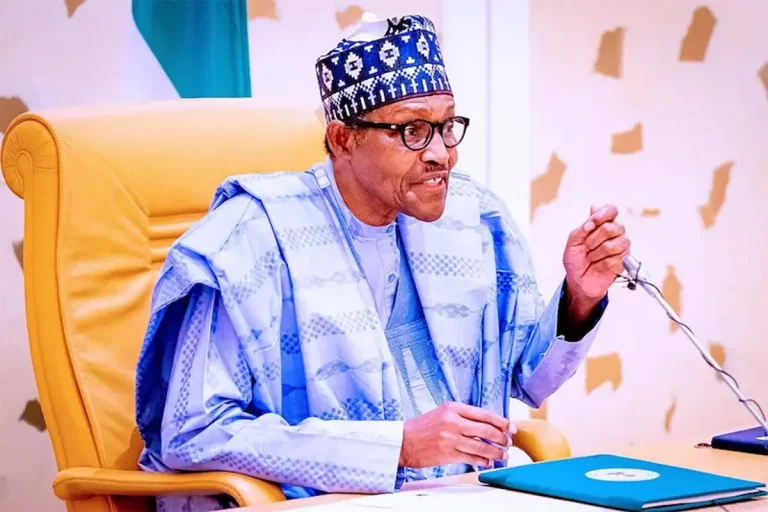
PRESIDENT Muhammadu Buhari has summoned an emergency meeting of the Council of State over escalating crises in the country ahead of the general elections.
The meeting will hold in the State House, Abuja, on Friday, January 9.
Those expected to brief the Council include the Chairman of the Independent National Electoral Commission (INEC), Mahmood Yakubu, the governor of the Central Bank of Nigeria (CBN) Godwin Emefiele and the Inspector General of Police (IGP), Usman Alkali Baba.
The meeting is coming on the heels of a national crisis that resulted from the scarcity of naira notes.
Fuel scarcity is also being experienced across the country.
The scarcity of naira notes and fuel have been identified as threats to the success of the forthcoming general elections.
It is expected that the meeting will come up with recommendations that will help to reduce tension before the elections and avert further escalation of the national crises.
One of the duties of the National Council of State is to advise the executive on policy decisions.
Membership of the Council comprises the President, the Vice President, Secretary to the Government of the Federation, the Chief Justice of Nigeria, former presidents, former heads of state, former Chief Justices of Nigeria, President of the Senate, Speaker of the House of Representatives, governors of the 36 states of the Federation and the Attorney General of the Federation, among others.
This is part of a transnational investigation spanning five countries – Nigeria, Kenya, Cameroon, Uganda and Zimbabwe.
Read the main story HERE. Read the Nigeria story HERE.
‘It is your man who is doing this’, shouts the woman, standing tall and pointing her finger.
She’s speaking at a community meeting in Mawanga, Nakuru County, in central-western Kenya, and the man she is talking about is a local political candidate for one of Kenya’s main political parties. She’s referring to a recent spate of rapes and murders of women in the neighbourhood.
In June 2022, three months before Kenyans went to the polls, five women were murdered in Mawanga in the span of two weeks. All suffered the same horrific fate; first raped, then killed and then their bodies set on fire. Those suspected of committing these crimes are known associates of the candidate in question. The woman whom she has been pointing at, a public supporter of the candidate, sits quietly in her chair.
Murder and rape
Both murder and rape have long been used to manipulate elections and intimidate the public in Kenya, targeting community activists and opponents of powerful candidates.
A count after the previous elections in 2017 suggested that 92 murders and 201 rapes could be linked to the polls in that year.
According to the Kenyan National Human Rights Commission, the Kenyan police force is accused of participating in these acts. A Human Rights Watch report said that there had even been “gang-rapes by men in uniform in opposition strongholds” in the run-up to the 2017 vote.
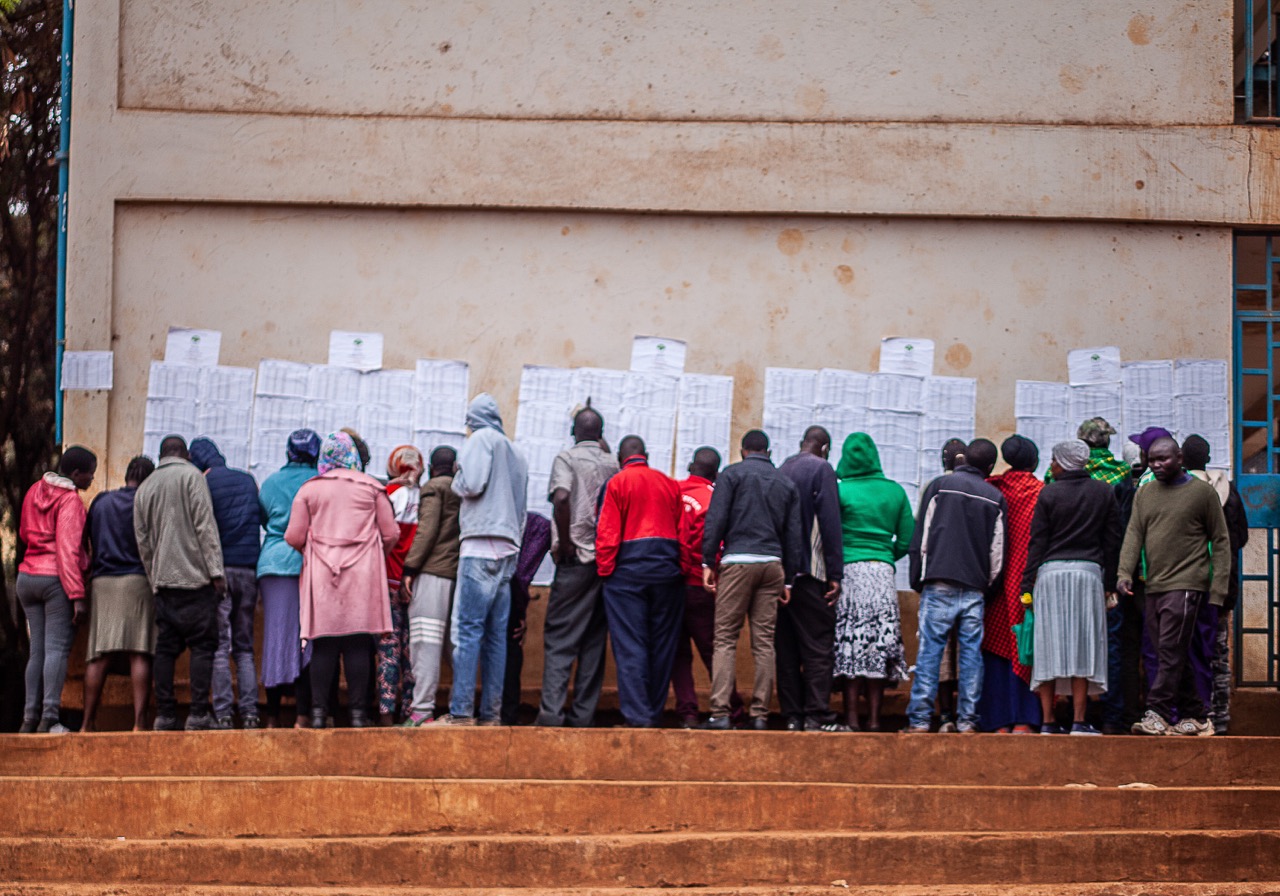
Voters look for their names on the voter’s roll at the Olympic Primary School polling centre in Presidential candidate Raila Odinga’s home constituency of Kibera ahead of the Kenyan general election. Photo by Samson Otieno
That allegation was strongly denied by police leadership as ‘utter falsehoods’, but many other reports also implicated the police in incidents of extreme violence at the time, with multiple journalists reporting cases of physical assault by police officers, politicians or political operatives.
The mysterious murder of Christopher Msando, ICT manager at the Independent Electoral and Boundaries Commission (IEBC) the parastatal tasked with overseeing elections in Kenya, also still haunts the memories of those elections.
Msando’s strangled body was found in a forest a few days before the voting, with one of his arms showing deep cuts. Before his death, he had often joked about having a chip in his arm which granted him access to the election’s digital systems.
Choosing ‘a caring and committed representative’ was risky
According to most observers, the 2022 elections have been more free and peaceful.
Speaking in an interview, Ramadhan Rajab of Missing Voices Kenya, an NGO that traces extrajudicial killings by the security forces, attributed this development to ‘various peace initiatives by civil society’ in communities. But some stories from voters, community activists and elections officials also indicate a growing trend among stakeholders and the public to ensure that democracy works.
The recent vote’s lower incidence of violence is in part attributed to citizens who kept their heads, exercised their duties, and remained peaceful even in the face of perceived fraudulent and repressive activities.
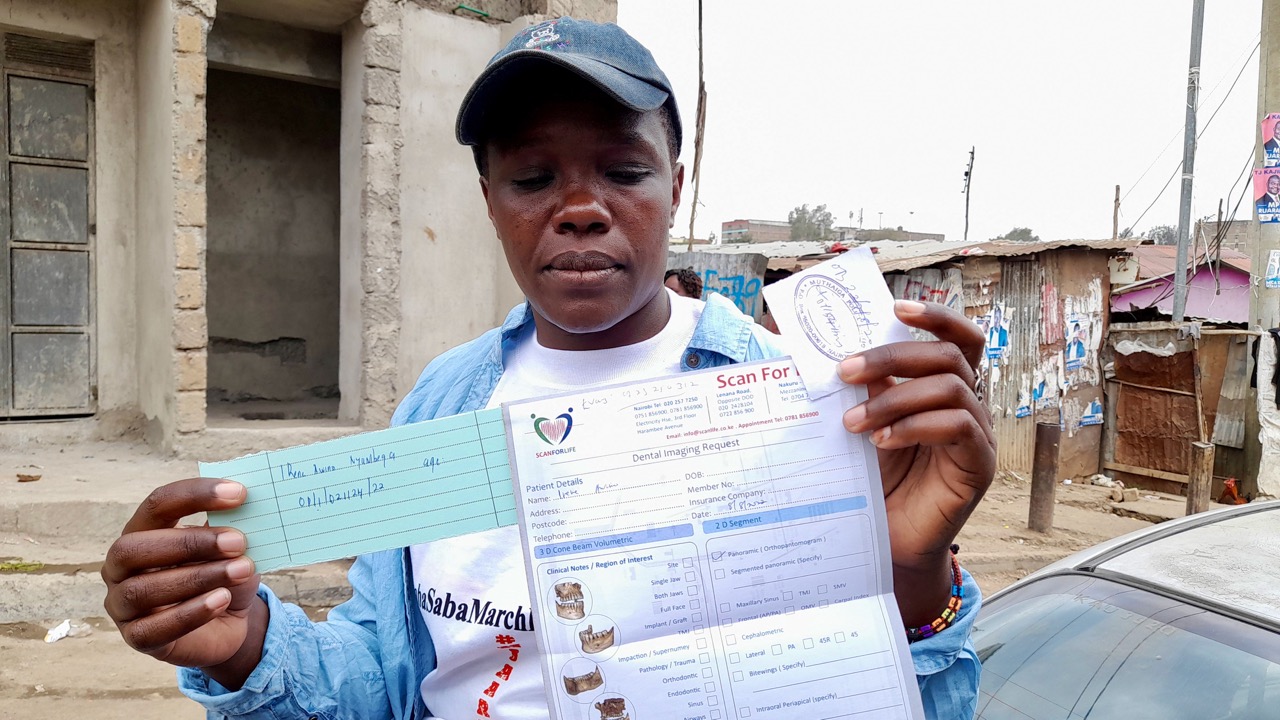
Nairobi resident and community leader Irene Nyambega, for example, stood firm despite being threatened and assaulted by a local neighbourhood watch group in her Mathare neighbourhood for displaying a poster of her preferred candidate in her window.
‘The group leader, whom I know as Abiola, asked me several times why I was supporting somebody “who does not come from the same tribe” and I said it is my right.’ Eschewing tribalism, Nyambega had chosen to support the candidate she felt would make ‘a caring and committed representative’. She refused to take the poster down.
A few nights later, she heard shouting outside her home, with a voice loudly stating that those supporting candidates ‘outside’ of the community’s dominant tribe needed to be ‘cleansed out of the neighbourhood’.
“When I came outside I found Abiola and his group. He said that tonight he would be beating somebody up. Before I could ask him what he meant, he slapped me while the other group of men held my arms so I wouldn’t fight back. My daughter was standing near me, crying.”
Fortunately, a group of female neighbours came to her rescue, and the men left. On the night before polling day, Nyambega could not sleep out of fear.
“People were hitting objects outside my door and sounding horns”, she recalls.
But the same group of women who had earlier come to her aid again came to help, and together they made a plan. “Instead of waking up early, as would have been routine, we gathered the strength later and then went as a group to the polling station, then dashed back home.’”
Irene Nyambega, who was a victim of violence during Kenya’s 2022 elections, displays the complaint forms she submitted to the police. Photo by Ngina Kirori
A request to alter forms
Similar bravery was displayed by Wajir County’s local IEBC presiding officer, Mohammed Kanyare, who was tasked with overseeing ballots in a remote area of north-eastern Kenya.
Writing in an official report to the IEBC, Kanyare describes how on August 10, 2022, while headed to the tallying centre on foot to submit the results from his polling station, he was stopped by somebody in a car. The driver, Kanyare wrote, asked him to get into the car with him. When the elections officer refused, the man then asked him to ‘just alter’ one of the forms he was carrying. Kanyare again refused and continued to walk.
He reached the tallying centre safely and was preparing to submit his results to the national returning officer when suddenly the lights went out. In a moment of chaos, he recalls glimpsing a person who ‘looked like a policeman’, who approached and shot him in the leg. The wound was so severe that Kanyare’s leg later had to be amputated, but his courage protected the integrity of the elections in Wajir County.
In Embakasi East, on the outskirts of Nairobi, a similar event would claim the life of elections officer Daniel Musyoka. On the eve of the final tally, on August 10, 2022, colleagues described Musyoka abruptly looking ‘disturbed’ before locking himself in one of the rooms in the polling station office. He would not emerge until 4 a.m., when he went home.
After returning to the office at 9 a.m., the elections officer went out to receive a phone call. CCTV footage shows him speaking to a motorbike operator nearby at around 9.50 a.m. This was the last time he was seen alive.
Herders found his body in a gulley while grazing their cows more than 50km away in Kajiado county, near the Kenya-Tanzania border. The post-mortem examination revealed the cause of death as strangulation.
The elections authority denounced the ‘forceful recruitment of voters’
In the words of the IEBC chief who spoke at his funeral, Musyoka was known to be a ‘competent professional’ who was ‘committed to free and fair elections’.
Whether he had been asked, like Kanyare, to alter election forms, and whether that was the reason for his ‘disturbed’ behaviour the night before, remains a mystery. But at a later press conference, the IEBC itself cited his death and Kanyare’s injury as examples of the 33 attempts it counted by politicians and their operatives to ‘either bribe, intimidate or threaten elections officials’ in the elections of 2022.
The total tally of attempts by individuals exerting ‘undue influence’ such as bribery or ‘forceful recruitment of voters’ during the same polls as recorded by the commission was 73.
Among these was one case of ‘unwarranted arrest’ of a voter education coordinator (held in a room at the national tallying centre by officers of an anti-terrorist police unit for three days), and several (unsuccessful) attempts to break into offices where computers with sensitive data were housed.
on August 15, during the unveiling of the general election results, the IEBC’s own leadership had also been attacked by political operatives who stormed the stage, punching officials and even hitting some with chairs.
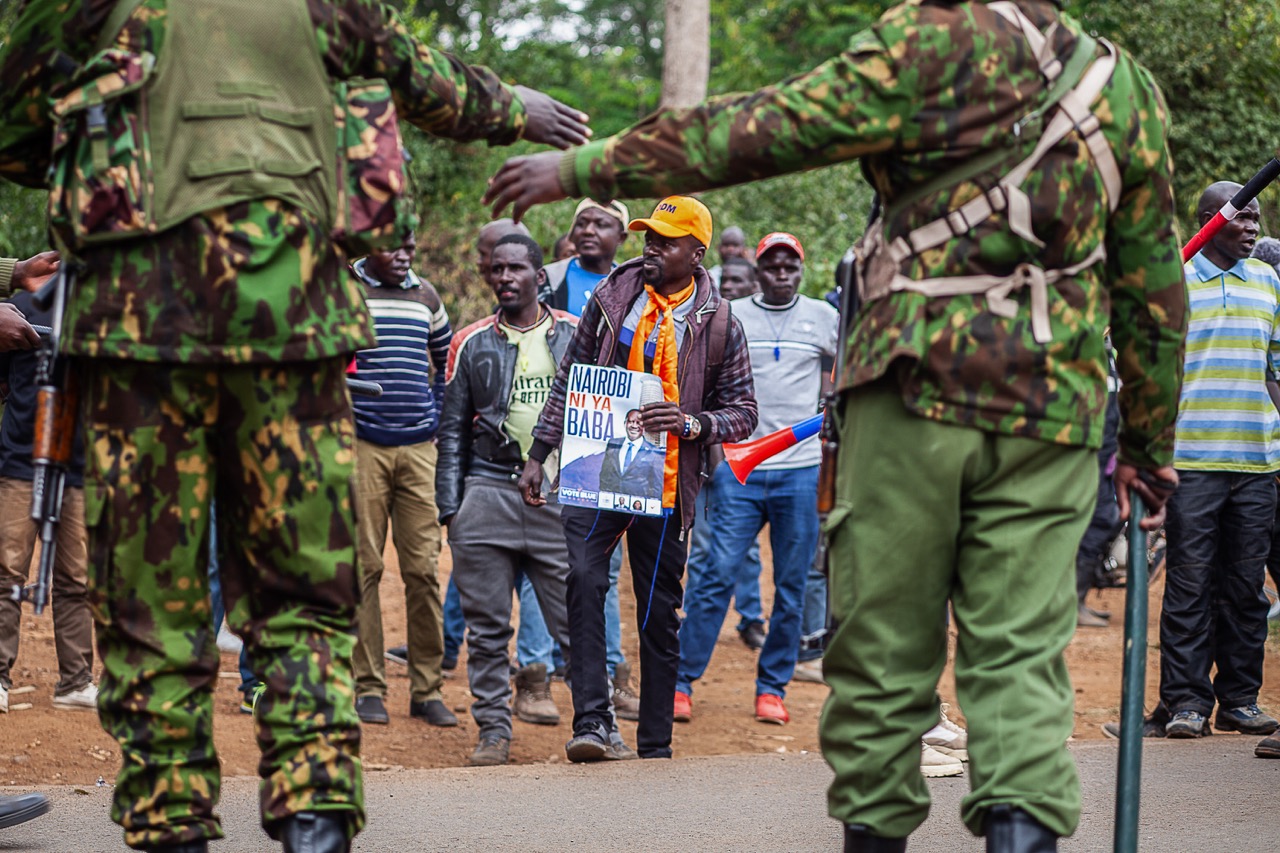
A Kenyan police officer gestures toward Odinga supporters, instructing them to move away from the main election headquarters, Bomas of Kenya, on August 15, 2022. Tensions were rising as the country awaited the results of the presidential election. Photo by Samson Otieno
The very anger of these political figures might also indicate that something is changing in Kenya. In several areas where dominant candidates engaged in campaigns of intimidation, voters ended up electing their opponents regardless. This was the case in both Wajir County and Embakasi East. Even in Nakuru County, the area in which five women were murdered in a campaign of intimidation, a relatively unknown opposition candidate stunned the main candidates by seizing on public outrage to win by a large margin.
An independent mindset
Another sign that democracy may be ascendant in Kenya is the sheer number of independent candidates that voters have to choose from.
Six thousand (6000) independents stood throughout Kenya at the 2022 elections, an increase of 50 per cent from 2017. Of these, 102 were elected to the 290-strong County Assembly, which represents Kenya’s 47 counties, a new record according to the registrar of political parties.
Thirteen independents were also elected to Kenya’s national assembly out of a total of 349 seats, and one gained a seat in the 47-strong Senate.
Overall it’s a small but significant shift in Kenya’s political landscape, where dynasties and regional strongmen have dominated the political establishment in Kenya for decades, taking turns to govern in a patronage system that rewards friendship and loyalty instead of spending on services like health care and education. ‘I want to be different from those politicians who deem (being in politics) as a lucrative venture’, says Ndung’u Ithuku, who stood as an independent in Kabete, also just outside Nairobi.
‘In my campaign, we went door to door instead of spending money on branded vehicles, hype and other political goodies,’ Ithuku did not win this time but is, he says, ready to contest again in 2027.
The President proposed to disband the feared police unit
It even seemed a message of change had reached newly elected President William Ruto.
After promising in his acceptance speech that his administration would look into cases where citizens had faced ‘intimidation, threats and in some cases murder’ during the electoral cycle, he proposed to disband the feared Special Service Unit (SSU).
The SSU is an elite paramilitary unit believed to be responsible for hundreds of extrajudicial killings in the country, whose victims are often posthumously labelled as criminals or terrorists.
On several occasions, sacks containing dead bodies with their hands bound behind their backs have been found in rivers in Kenya, and in his announcement, Ruto tacitly admitted that this was at least in part the work of the SSU.
Police chief Amin Mohamed himself later confirmed the unit’s disbanding, saying that the decision would mean ‘no more extrajudicial killings in the country.’
Real change for the better remains slow, however.
Like in the other countries in this investigation, the Kenyan state has purchased surveillance spyware that allows it to read messages and emails, and listen in on phone calls.
Speaking in 2021, civil society activist Suhayl Omar said that ‘the Kenyan government relies heavily on surveillance of its citizens to crack down on any form of opposition”. By July 2022 that complaint still did not yet seem outdated when, a month before elections, activists and other social media users expressed concern about a Communications Authority decree to reregister SIM cards or face fines or imprisonment.’
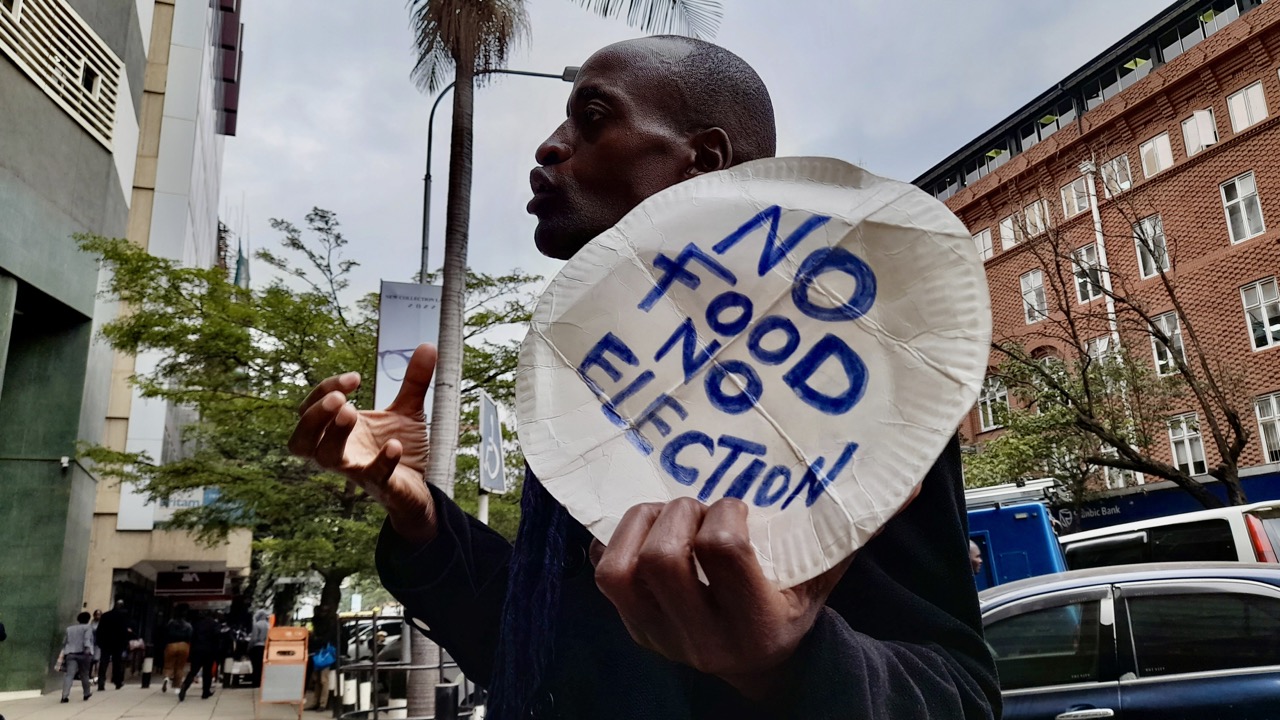
A man protests over rising food insecurity during Kenya’s 2022 election cycle. Photo by Ngina Kirori.
None of the countries currently competing for contracts with the Kenyan government seem to be particularly concerned about new President William Ruto, however. This is despite his role in the post-election violence fifteen years ago in which over a thousand Kenyans died.
Ruto’s actions and tribalist rhetoric during the period led to him being charged with crimes against humanity at the International Criminal Court (ICC), and though the charges against him were dropped in 2016, the court refused to acquit him, saying that a new prosecution could be opened in the future should fresh evidence be submitted.
This threat hanging over the new president’s head was recently connected to two more mysterious deaths. On October 26 last year, prominent Kenyan lawyer Paul Gicheru, who was facing his own ICC charges after being accused of witness tampering on behalf of William Ruto, was found dead in his Nairobi bedroom with foam coming out of his mouth. Gicheru had been about to testify in that witness tampering case.
Three months earlier Christopher Koech, a witness in Gicheru’s case, collapsed while on his motorbike in Kakamega county. He was also reportedly found to have foam coming out of his mouth. They are added to a bleak tally of eleven other witnesses connected to Kenya’s new president who have died since charges were announced against him in 2011.
_
Changed priorities
Meanwhile, President Ruto recently ordered another notorious unit, the General Service Unit, into Nairobi to counter a surge in violent crime. Missing Voices has documented another 23 murders and seven disappearances since August.
Prosecution of offences committed by security forces also remains extremely rare and Kenya’s courts have reported a backlog of 60,000 of such cases. The murder of Christopher Msando in 2017 still has not reached a courtroom, despite a key witness declaring themselves ready to testify. A much-needed Witness Protection Agency, nominally in the making for years now, remains crippled by a lack of funds.
The lack of real institutional progress has civil society in Kenya clamouring for more support from Western donors for its pro-democracy and anti-corruption efforts, though there’s little success.
“Priorities seem to have changed”, says the leader of one civil society organisation, who asked to remain anonymous. “Several reports we compiled on misuse of public funds have been met with silence, very little action and reduced funding.”
Asked why he thinks this is so, he replied that Western partner countries “are more concerned about doing business with the Kenyan government” nowadays, especially “with regard to contracts that might otherwise go to China and the East”.
TCivil society sources also claim to be affected by Kenya’s 2014 rating upgrade, which saw the country’s ranking upgraded to “Lower-Middle Income”. This makes it ineligible for various forms of support, including grassroots support, which is reserved for countries ranked as low-income.
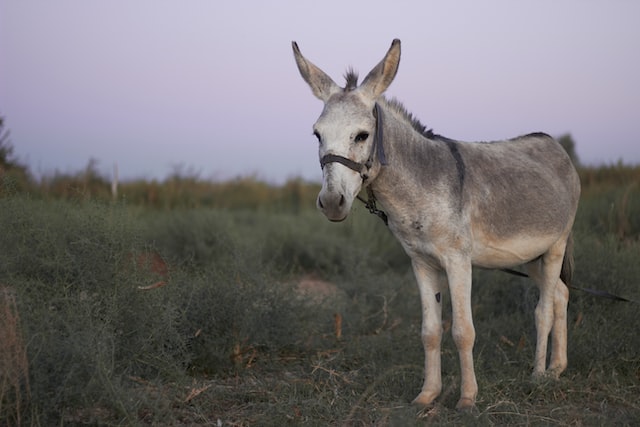
In recent years, there’s been a huge, rising demand for donkey hides in China, where they are used to make an ancient health-related product called ejiao. Ejiao is made from collagen that’s been extracted from donkey hides mixed with herbs and other ingredients to create medicinal and health consumer products. It’s believed to have properties that strengthen the blood, stop bleeding and improve the quality of both vital fluids and sleep.
Ejiaosells for about US$783 per kilo and the Chinese market for it has increased from about US$3.2 billion in 2013 to about US$7.8 billion in 2020. This recent rise in demand is driven by several factors, including rising incomes, popularisation of the product via a television series, and an ageing population (age is a key demographic driving demand). In addition, ejiao is sometimes prescribed by doctors and the cost can newly be covered by health insurance.
Ejiao. HelloRF Zcool/Shutterstock
The demand for ejiao has led to a shortage of donkeys in China and increasingly worldwide. Countries in Africa have been particularly affected.
Africa is home to the highest number of donkeys in the world: about two-thirds of the estimated global population of 53 million donkeys in 2020. Exact figures on how many hides are exported to China aren’t available due to a growing illicit trade, but there are indications. A study of South Africa’s donkey population, for instance, suggests that it went from 210,000 in 1996 to about 146,000 in 2019. This was attributed to the export of donkey hides.
In a recent paper I examined the trends, issues and prospects for the Africa–China donkey trade. My information came from interviews, literature and news reviews in English and Chinese.
My findings are that the scale of the donkey trade, both illicit and legal, poses a challenge for many countries in Africa, especially in terms of its impact on the most marginalised communities. Besides donkey welfare, a big part of the challenge is how affordable donkeys are locally. Donkeys have a valuable, ancient role as a workhorse and losing access to them creates a huge problem for poor households. The other part of the challenge is regulatory. Only when the donkey hide trade is fully regulated – and export numbers are able to be very limited – might the trade work without adverse consequences for the poor.
This was also highlighted by a recent survey of the East African Community which found that the region was not ready for the mass slaughter and unregulated trade of donkeys. Millions of vulnerable East Africans rely on donkeys for a living and are at risk of losing out through the donkey skin trade.
Donkeys are one of the simplest, most sustainable and affordable means of transporting people, goods and farm inputs and outputs from home to farm to market and vice versa, as well as to water wells and other places. Even in harsh environments donkeys can travel long distances with a heavy load, limited fluids, and without showing signs of fatigue. They are a durable household asset.
Donkey ownership increases productivity and lessens hard work by, for example, reducing the loads women must otherwise carry themselves. In Ghana, for instance, owning a donkey was found to save adults about five hours of labour a week, and children 10 hours a week. The presence of a donkey also freed girl children to go to school.
Donkeys can also carry heavy loads of firewood and water. This means people need to make fewer trips. This frees up labour and time for other income generating activities, such as sowing someone’s farm for money.
The value of having a donkey in the household is evident. The loss of a donkey to a household in rural Kenya is associated with an increased risk of poverty – children drop out of school, and there’s less water security and more economic fragility. This makes the donkey trade a sensitive topic.
Government responses
Rising Chinese demand for donkeys has elicited a variety of responses by governments across Africa.
Tanzania, for example, attempted to create a formal donkey industry and trade. But, in 2022, authorities banned it because legal supply couldn’t keep up with demand. Female donkeys typically produce only a few foals each in a lifetime.
In Kenya, public outrage – largely due to the rise of donkey prices and diminishing supply – led to a ban on exports in February 2020. Kenya’s donkey exporters, however, took their case against the ban to Kenya’s High Court in June 2020, and won.
Elsewhere, countries such as Botswana, Burkina Faso, Mali, Niger, Senegal and Tanzania banned donkey exports. Others, such as South Africa, banned or limited the donkey trade with requirements for established slaughterhouses and related quotas.
However, the implementation of donkey bans varies according to the strength of the regulatory capacity in each country – and how easy it is to smuggle things across borders.
In South Africa’s case, export quotas have merely sent the trade underground. This leads to more donkey theft. Illicitly traded hides from South Africa are typically from donkeys that are slaughtered inhumanely in the bush or in sub-standard slaughterhouses in Lesotho. Then they are exported to China.
Poverty also fosters the trade, which in turn can lead to further impoverishment. Donkey owners, needing a short-term income windfall, will sell their animal. It may then be slaughtered and traded illegally and lead to diminished income-earning opportunity in the medium and long run.
The ejiao industry in China is well organised and resourced. A handful of major firms and one province dominate the industry in China, and they are represented by the Shandong Ejiao Industry Association.
A China-Africa donkey hide trade may be possible if African countries get organised, form associations and establish a dialogue with the Shandong Ejiao Industry. The aim would be to work out sustainable mechanisms, prevent damage to local interests and help to counter the illicit trade.
In parallel to this, it would be important for animal welfare agencies in China to raise awareness of the illicit and damaging impact of the illicit donkey hide trade.
For now, I believe that the trade is premature. Better regulatory standards are needed by China’s ejiao industry such that illegally traded and stolen donkey hides are not part of the industry. Deeper cooperation across African countries would also help to preserve the ancient role of the donkey in supporting trade and the continent’s most vulnerable and geographically isolated groups.
The Association of Corporate Affairs Managers of Banks (ACAMB) has called for calm from Nigerians, saying that the current transaction glitches affecting the currency swap policy would soon be resolved.
The association’s president, Rasheed Bolarinwa, told The ICIR today that the banks were working with the Central Bank of Nigeria (CBN) to address the negative impact of the policy on Nigerians.
Bolarinwa said, “The ACAMB empathises with Nigerians on the unintended hardships being faced in the process of the ongoing rollout of redesigned naira notes and enhanced cashless policy.
“Nigerian banks are working with the CBN to ensure that customers have access to cash through ATMs and other channels, as well as over the counter in the banking halls.”
Nigerians have been going through excruciating pains trying to access cash from the deposit money banks and point-of-sale (PoS) centres since the CBN introduced new N1000, N500 and N200 notes into circulation on December 15, 2022.
The apex bank explained it was redesigning the three notes with a view to mopping up unregulated money outside the banking vault, which it estimated was up to 80 per cent of the money in circulation.
The gaps in supply of the new notes and demand by the people has created sharp practices in the banking system, and more than 100 per cent hike in the transaction cost for withdrawal through PoS.
Scarcity of cash has also resulted in some Nigerians vandalising banks’ properties, as well as in protests on the streets.
Bolarinwa, condemning the attacks on bankers and banking facilities, said, “Vandalising banks and attacking bankers is not right. The banking public should know that the banks cannot hoard money when they have it in their vault since they are also in business.”
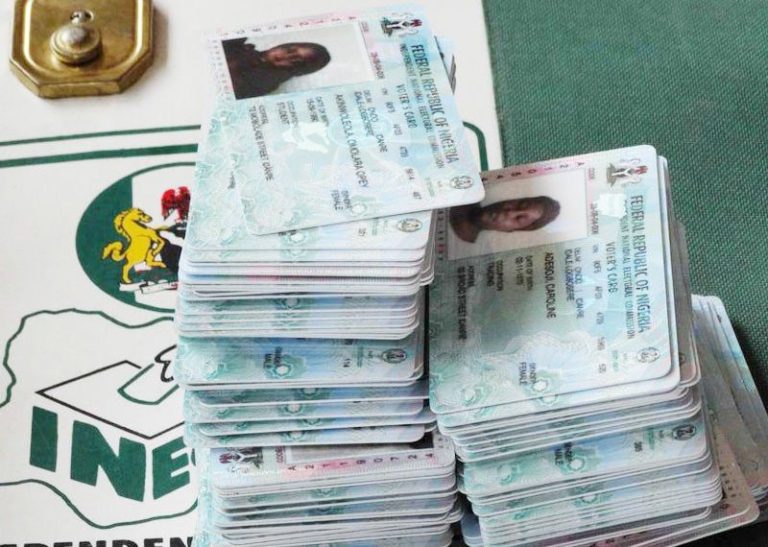
According to her 6.7 million (6,708,451) persons have collected their PVCs out of the 7.6 million (7,637,402) registered voters in the state.
The figure represents 87.8 per cent of the registered voters.
Tadese stressed that 928,951 PVCs have not been collected as of the February 5 deadline, representing over 12 per cent of registered voters.
According to her INEC received 6,570,291 PVCs, out of which 5,747,651 were collected during the first batch, while in the second batch, it received 1,067,111 PVCs, out of which 960,800 have been collected.
The Commission had on January 8, announced the extension of PVCs’ collection for the 2023 general elections from January 29 to February 5.
The presidential and National Assembly elections will hold on February 25 while the governorship and State House of Assembly polls will hold on March 11.