Home Blog Page 181

Regulatory failure fuels avoidable building collapse tragedies in Lagos

LAGOS State accounts for more than half of Nigeria’s building collapse cases since 1974. In response, the state government created the Lagos State Building Control Agency and introduced several regulations to curb the menace. However, this investigation shows that poor compliance and weak enforcement continue to drive the recurring collapse of buildings in the state.


In May 2025, tragedy struck at the Ota-Ona area of Ikorodu, Lagos State.

What began as an ordinary Tuesday afternoon ended in horror when a two-storey uncompleted building came crashing, burying three members of the same family beneath layers of concrete and dust.

Among the dead were 16-year-old Maleek, his younger sister Ameerah,13, and their 73-year-old uncle, Bolaji.

The building had been under construction, financed by a family member abroad and supervised by the late Bolaji.

On that fateful day, Maleek and Ameerah were at the site only because they couldn’t leave home.

The community was observing the Oro traditional festival, which restricts movement, especially for women. Maleek had intended to go to the mosque for his afternoon prayers, but Ameerah, confined indoors by the festival’s customs, begged him to stay and pray with her under the shade of the uncompleted structure.

They never made it out alive.

Bolaji had come to inspect the site, intending to record the building’s progress for his brother overseas. But within moments, the building crumbled, crushing all three beneath it.

Though ten construction workers were rescued from the debris by the Lagos State Fire and Rescue Service, none of the victims were part of the building crew.

Residents who spoke with The ICIR said the building had shown visible signs of weakness. Others blamed the site engineer and the government.

The families are among a long list of victims of building collapse, which have claimed scores of lives in Lagos. The state alone accounts for over 55 per cent of all incidents in Nigeria, according to a 2025 report by the Building Collapse Prevention Guild (BCPG).

Between October 1974 and January 2025, Nigeria experienced at least 640 building collapses, with over half of these incidents occurring in Lagos, the report indicates.

Recurring tragedy

Building collapse is a recurring tragedy in Lagos, Nigeria’s bustling commercial capital. Despite the state’s building control laws and regulatory agencies, the city continues to witness fatal structural failures that often claim multiple lives.

Experts and residents alike blame a deadly mix of substandard materials, weak enforcement, and disregard for safety standards.

One of the most tragic building collapses in recent memory occurred in Ikoyi, one of Lagos’s most affluent neighbourhoods. A 21-storey high-rise block of luxury apartments, still under construction, came crashing down, killing 46 people, including the developer, Femi Osibona.

The building crumbled on Osibona, along with his workmen, site supervisors, engineers, bricklayers, and others who were on-site at the time.

According to Oluwafemi Oke-Osanyintolu, Director-General of the Lagos State Emergency Management Agency (LASEMA), the agency deployed “heavy life-saving equipment,” but it was too late to save those who were trapped.

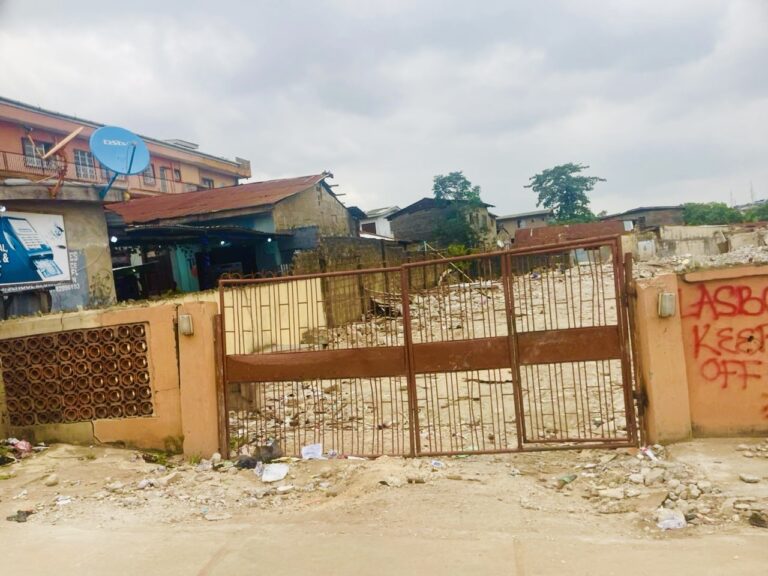
Building collapse site at Ikorodu/ Credit: Nurudeen Akewushola

Although the project had received approval from the Lagos State Building Control Agency (LASBCA), the regulatory body established under the Lagos State Urban and Regional Planning and Development Law of 2010, investigation revealed that the approved building standards had been disregarded.

Although the Ikoyi collapse remains one of the deadliest in recent memory, many similar incidents have followed, leading to loss of lives and properties.

Findings by The ICIR show that in the first half of 2025 alone, at least eight incidents of building collapse were recorded across the state. Interviews with residents revealed that many of the affected structures had been standing for years. Still, attempts by owners to renovate or add extra floors without proper reinforcement often triggered their collapse.

The year began on a sad note after a building collapsed at Northern Vulture Estate, Chevron Drive, Lekki. Three people were confirmed dead, while six others sustained injuries. On the same day, a two-storey building under construction collapsed in the Ikota, Lekki area of Lagos, killing an adult and a boy. Ibrahim Farinloye, coordinator of the National Emergency Management Agency (NEMA) in Lagos, said five persons sustained serious injuries.

On March 5, two persons were killed and six seriously injured after a three-storey building collapsed in the Odoriwu Estate at the Elf Bus stop area of Lagos.

Lagos building collapse first half of 2025

Just a few months later, on April 19, tragedy struck in the Ojodu-Berger area, where a three-storey commercial building caved in during business hours. The building, which housed the popular Equal Rights Restaurant and Bar, collapsed around 9 a.m. on the fateful day trapping workers, customers, and a family of three. Two people were confirmed killed in the incident, and more than 20 others sustained injuries.

In May, another two-storey structure under construction in the Idi-Araba area of Mushin collapsed during the early hours. The incident claimed the life of one labourer, while three others narrowly escaped. Residents said the building was like a bomb waiting to explode.

Later that same month, the Ota-Ona community in Ikorodu was thrown into mourning when a two-storey uncompleted building collapsed, killing three members of the same family: 16-year-old Maleek, his 13-year-old sister Ameerah, and their uncle Bolaji.

By June, the trend continued with the collapse of a building under construction on Craig Street in Shomolu during a concrete decking exercise. While no lives were lost—thanks to the swift evacuation of workers and nearby residents—the incident raised fresh concerns about the safety of ongoing construction projects across the state.

Victims, eyewitnesses share experience

When the building housing the Equal Rights restaurant at Ojodu Berger collapsed on April 19, 2025, 24-year-old Gbolahan Bashir was at work in the restaurant and bar, where he had been employed for less than a month.

A former student of the Federal College of Education, Akoka, he was in the process of seeking admission into Lagos State University through direct entry.

That morning had started routinely. He woke up, took his bath, dressed in his work clothes and waited for the day to begin. Then shouts erupted outside. The manager entered and told everyone to leave the building.

As the workers stepped outside, they noticed a pillar inside the structure beginning to crack. Gbolahan turned back to retrieve his bag. Less than ten seconds later, the deck above collapsed, trapping him.

Building collapse at Ojodu Berger. PC: Nurudeen Akewusola

Under the rubble, he heard voices calling for help. One belonged to a colleague, with whom he exchanged words for a while before her voice faded. He crawled over broken bottles, hitting his head against walls in an attempt to find a way out.

Occasionally, the rescuers’ voices calling his name, Gbolahan, reached him, but no one was able to locate him. Exhaustion set in. He used one shoe as a pillow and urinated on himself several times while lying in the same position.

Some moments later, a familiar voice, his “street brother,” Ibrahim, reached him through the rubble. Gbolahan crawled forward so he could be heard clearly. An excavator was brought in, and the rescuers cut through iron rods to create an opening.

He was pulled out and taken to an ambulance, where his stepfather was waiting. At the hospital, doctors treated the cuts and bruises he had sustained while trapped under the collapsed building.

A resident of the area, Richard Victor, told The ICIR that the collapse did not come to him as a surprise.

He said the structure had been standing for over 15 years and should have undergone proper reinforcement before any additional work was done.

“I came around three days before the incident and even watched a Madrid and Arsenal match inside the building,” Victor recalled. “I asked a friend of mine, ‘Are they building another house on top of this building?’ At the very least, they should have evacuated the place for about two months and done a solid foundation inside and outside before adding anything on top. But they didn’t because they didn’t want to lose money. That was the mistake they made.”

Richard Victor. PC: Nurudeen Akewusola

Victor explained that in cases like this, developers ought to dig around the building, pour concrete, add pillars, and temporarily evacuate people who use the premises before continuing construction. “They failed to do all that, and that’s why the collapse happened,” he said.

Speaking with ICIR, a resident of the Ota Ana community, Isiaka Ahmed, who witnessed the May 27, 2025, collapse recounted how the incident happened during the Oro festival at around 1 p.m.

“The new two-storey building first shook before collapsing; about eight people were inside — five workers upstairs doing finishing work, and three people downstairs. The head of the family was sitting, and two children, a boy and a girl, were praying,” he said.

He explained that the building was funded by a man based in Australia who planned to celebrate Eid there. “When the building shook, the children ran to one side. The new building fell toward the middle of an old three-storey building opposite. Because of how strong the old building was, it didn’t collapse, but it bent and pushed back the two-storey building. Then the new building collapsed completely,” he said.

According to him, all three people downstairs died instantly, while the roof fell on the five workers upstairs, injuring them. “It was the Oro festival, and ladies weren’t allowed to come out, so people weren’t much outside. It was around 7 p.m. before people were able to rescue the victims. The head of the family was already dead,” he said.

He added that a smaller building behind the collapsed one was demolished to allow a caterpillar in for rescue.

“After demolishing the building at the back and getting to where the children were, the boy’s head was snatched, and the girl’s back was snatched. Both of them were dead,” he said.

He said the collapse was due to the weakness of the foundation, which had been abandoned for about ten years before construction resumed.

Lagos government policies

Although building codes and regulations exist to prevent structural failures, many residents often disregard these laws, with some enforcement agencies complicit, as previously highlighted.

Experts point out that while the National Building Code of 2006 outlines minimum safety standards for structural integrity, both private and public actors in the construction sector rarely consult or adhere to its provisions.

Former Governor of Lagos, Babatunde Fashola, had established the Lagos State Building Control Agency (LASBCA) under the Lagos State Urban and Regional Planning and Development Law of 2010 to tackle the persistent issue of building collapses in the state.

Building collapses in Nigeria compared to other states

However, the agency officially commenced operations on August 12, 2012. LASBCA was created to ensure that buildings across Lagos are properly designed, constructed, and maintained according to safety standards, in order to prevent loss of lives and property.

Despite this mandate, the agency has been criticised by experts for poor inspection and monitoring of building construction projects, with accusations that it often conducts perfunctory site visits that fail to effectively assess safety and structural integrity.

This has created loopholes through which substandard structures continue to spring up across the state, putting lives and property at risk.

Efforts to speak with the spokesperson of the agency, Adu Ademuyiwa Adegoke, proved abortive as he refused to comment on the issue when contacted via phone call and text.

Meanwhile, The ICIR gathered that Governor Babajide Sanwo-Olu has launched the Certified Accreditors Programme (CAP) in March 2025—a reform designed to bring private sector professionals into the inspection process.

Lagos APC council primaries hit by protests as chairmanship candidates emerge
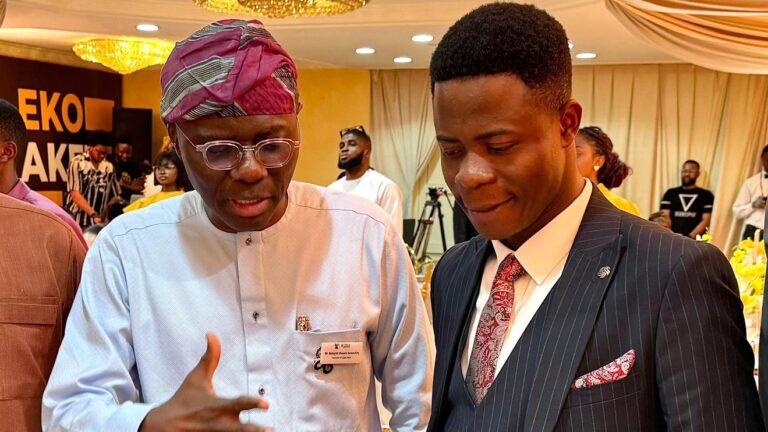
File photo: Governor of Lagos State, Babajide Sanwo-Olu

CAP, which arose from recommendations by a 2021 advisory panel, allows accredited experts to review project drawings, monitor construction stages, and flag illegal structures in coordination with regulators.

This initiative aims to strengthen building regulations and ensure stricter compliance with safety standards.

Beyond CAP, the government has pursued more visible enforcement. In August 2025, Lagos hosted the National Stakeholders’ Engagement on Building Collapse Prevention at Tafawa Balewa Square (TBS), in collaboration with the Federal Ministry of Housing and Urban Development.

Governor Sanwo-Olu used the platform to highlight Lagos disproportionate share of collapse incidents, over 60 per cent between 2005 and 2022, and called for strict adherence to codes, compulsory insurance, periodic structural audits, and even the creation of a National Building Tribunal.

The Lagos State Building Control Agency, he noted, has intensified enforcement operations, expanded sensitisation campaigns, and deepened collaboration with allied agencies like LASPPPA, the Safety Commission, and the State Materials Testing Laboratory.

The agency also issues quit notices to illegal occupants at citing environmental and security risks, while also removing illegal shop extensions in Surulere that encroached on public spaces.

For instance, more than 10 non-compliant buildings were sealed at Victory Estate in Ejigbo for lacking approvals despite repeated contravention notices. However, despite these efforts continues to account for the highest rate of building collapse in the country.

Experts blame lack of enforcement by authorities

A building expert and Chief Executive of North Court Real Estate, Ayo Ibaru, noted that the recurrent building collapse is a result of Lagos State government’s failure to ensure full compliance with building standards—an oversight that continues to cost lives and property in Nigeria’s commercial capital despite the existence of numerous regulatory agencies and guidelines.

“The government has to take responsibility for ensuring that people do what they are supposed to do and penalising those who don’t,” Ibaru  said, adding: “We have the laws, we have the agencies, but there are no consequences. That’s why this keeps happening.”

He argued that every building collapse should trigger a formal inquiry involving all professionals linked to the project, such as developers, contractors, architects, and regulators, with the findings made public

“If a building collapses, there has to be an inquiry. The report should be published. Who is getting fined? Who is going to prison? What are the lessons learned? That’s standard practice in any modern city,” he said.

According to Ibaru, the widespread cases of building collapses in Lagos are driven by the massive demand for housing, fueled by a growing population and constant migration into the city. But the problems are not limited to demand alone.

One major factor, he explained, is the skyrocketing cost of building materials, driven largely by Nigeria’s weakening currency. The cost escalation, he said, makes it difficult for developers to stick to original plans or secure additional funding.

Ibaru blamed frequent building collapses on poor regulation enforcement, owner interference, and rushed construction. According to him, many developers, under financial pressure, cut corners by hiring unskilled workers and using substandard materials, often sourced by owners who lack technical knowledge.

Ayo Ibaru. PC: Nurudeen Akewusola

He also highlighted the danger of changing a building’s use, like converting schools to flats without structural adjustments, stressing that enforcement in Lagos is slow and often comes too late.

He added that Lagos suffers from a poor maintenance culture and weak supervision, with regulators overwhelmed and understaffed.

When asked how developers manage to bypass the numerous regulatory steps, Ibaru said many builders often found  a way “to get some kind of green light from someone in the regulator, most times not the right person.”

To curb regulatory corruption, Ibaru floated the idea of adopting a Singapore-style model where government officials are paid handsomely to resist the temptation of bribes. But ultimately, he insisted, “Every group in the value chain has questions to answer.”

He called for the government to release quarterly reports on building collapses, their causes, and actions taken. “We should probably have a TV and radio station, or streaming service, that shows us these court proceedings,” he said. “You have to show the international community that lives matter within your borders.”

On his part, a civil engineer, Emmanuel Olaleye, identified poor supervision, substandard materials, and non-compliance with building codes as major contributors to the recurring cases of building collapse in Lagos State.

Speaking on the factors driving the crisis, Olaleye said while developers often adhere to regulations on paper, many bypass critical safety protocols during construction, sometimes with the help of corrupt officials.

“There are cases where a building originally approved for three storeys ends up with an extra floor added illegally,” he said. “This often happens because the developer wants to maximise profit after paying heavily for land and ends up bribing the building control agency to overlook the violation.

“The high cost of land and construction materials compels developers to cut corners to reduce costs and increase returns,” Olaleye explained.

When asked about gaps in regulation, Olaleye stressed that weak enforcement and corruption within regulatory bodies, especially the Lagos State Building Control Agency (LASBCA), undermine safety efforts.

To address the issue, he recommended strict enforcement of building codes and a crackdown on bribery within regulatory agencies. “LASBCA officials must ensure their ‘yes’ is yes. No cutting corners, no bribes,” he said.

While noting that Nigeria has strong engineering capacity, Olaleye lamented that corruption continues to undermine its potential. “Nigeria is one of the best in construction, but corruption is everywhere. Our government is killing us with our own greediness,” he added.

Lagos government reacts

Gboyega Akosile, the Chief Press Secretary to the Lagos State Governor, said the state government has intensified enforcement of building regulations as part of efforts to reduce incidents of building collapse.

Responding to questions on persistent structural failures in the state, Akosile said the government maintains a zero-tolerance policy for violations of building laws and has strengthened oversight through coordinated efforts among relevant ministries and agencies.

“When the government realised the scale of the problem, ministries and agencies within the built sector came together to review existing policies,” he said. “As a result, we stepped up enforcement, and that’s why there’s been a noticeable reduction in building collapses this year.”

Akosile noted that advocacy remains central to the government’s strategy. He explained that builders are regularly sensitised on the need to obtain all necessary permits and engage only certified professionals before beginning construction.

“You can’t get permits in Lagos if your engineers and other professionals are not duly certified,” he stated. “Professional bodies play a key role in ensuring standards, and we do rigorous monitoring and compliance checks throughout construction.”

On concerns that some developers flout regulations even after obtaining permits, Akosile expressed scepticism, insisting that ongoing construction sites are regularly monitored by agencies such as the Lagos State Building Control Agency (LASBCA).

“We still go around to construction sites,” he said. “Many of the recent collapses involved old buildings that had already been served evacuation notices before they failed. It’s not a failure of regulation but a matter of compliance and enforcement.”

Akosile affirmed the state government’s commitment to making building collapses a thing of the past, calling on all stakeholders to play their part in upholding safety standards.

He urged strict adherence to due process, saying: “Don’t cut corners; get your permits, work with certified professionals, and don’t patronise quacks. The government is here to serve, not to be circumvented.”

2027: Falana urges INEC to prosecute early campaigners

0

RENOWNED lawyer Femi Falana has called on the Independent National Electoral Commission (INEC) to prosecute politicians engaging in premature campaigns ahead of the 2027 general elections.

The human rights activist made the call on Channels TV’sSunday Politicson Sunday, September 15.

Falana, a senior advocate, described the trend asabnormal’ and stressed that violators should be charged in court to test the limits of the law.

The legal luminary urged INEC to take a tougher stance against such practice.

“INEC is required to charge some of these guys before the court. Let them come to court and say, ‘Sorry, my Lord, there is no provision for punishment,’ Falana stated.

He opined that failing to comply with any court order on the issue would be considered contempt of court, an offence punishable with imprisonment.

Similarly, the Socio-Economic Rights and Accountability Project (SERAP) is seeking sanctions against political parties engaging in campaigns before the legally approved period.

In a letter dated September 13 and addressed to INEC Chairman, Mahmood Yakubu, SERAP warned it would take legal action if the commission failed to act within seven days.

In a statement signed by its Deputy Director, Kolawole Oluwadare, on Sunday, September 14, the group described early campaigns as unconstitutional, unlawful, and harmful to Nigeria’s governance and economic development.

The group urged INEC to identify politicians and parties openly flouting constitutional and legal provisions, as well as international standards prohibiting early campaigns, and ensure both the perpetrators and their sponsors are prosecuted.

The ICIR reported that INEC raised concerns over the growing early campaigns by politicians and their followers towards the 2027 general elections.

According to INEC National Commissioner and Chairman of the Board of The Electoral Institute (TEI), Abdullahi Zuru, a professor, the early campaigns are a clear violation of extant laws.

Zuru stated this at a stakeholders’ roundtable convened to examineThe Challenges of Premature Political Campaignsin Abuja on Wednesday, September 10.

The INEC said politicians and their supporters usedappreciation’ orphilanthropy’, done via billboards, social media, and even physical gatherings, to conceal early campaigns.

Fake army colonel nabbed over ₦1.37m job scam

0

THE Ondo State Police Command has arrested a man who impersonated a senior military officer and allegedly swindled victims of more than ₦1.3 million in a fake job scheme.

In a statement released by the command on Sunday, 14 September, and shared on its social media handle, it said operatives detained one Abdullahi Saliu, who had been posing as a Nigerian Army colonel while lodging at Top Quality Hotel.

A statement issued by the command’s spokesperson, Deputy Superintendent (DSP) Ayanlade Olushola, said the suspect tricked two women, Oshoade Janet and Daisi Remilekun Joy, into parting with money on the false promise of helping their sons secure jobs in the Nigeria Customs Service and the Nigeria Immigration Service.

“Saliu obtained the sum of one million, three hundred and seventy-seven thousand naira (₦1,377,000), which he subsequently converted to his personal use. Investigations further revealed that the suspect’s operations cut across state lines, with victims traced to Edo, Delta, Kogi, and Ondo states.

“He has long been on the command’s list as a notorious job racketeer, known for impersonating senior officers of different security agencies,” the statement added.

The police stated that the fake officer not only claimed to be an army colonel but also posed as a naval officer, senior immigration officer, and customs officer at different times, all in an attempt to swindle unsuspecting people out of their money.

He further disclosed that the suspect has already been arraigned at Magistrate Court 1 in Ondo State for prosecution, while adding that the arrest was among several fraud-related cases it had successfully uncovered in recent times.

“The command seizes this opportunity to reaffirm its commitment to protecting the lives, property, and interests of all residents, while ensuring that fraudsters and criminally minded elements are brought to justice,” Olushola said.

Resident doctors suspend strike, give fresh ultimatum

0

THE Nigerian Association of Resident Doctors (NARD) has called off its five-day warning strike but has issued the Federal Government a fresh two-week deadline to address its unresolved demands.

NARD President, Tope Osundara, announced the suspension in a statement on Saturday, 13 September.

“Some of our demands have been met. The government has promised to look into other issues. Strike suspended; resumption of work on Sunday, September 14. We did this as a sign of goodwill and to assist Nigerians who are seeking healthcare in our various facilities,” he said.

The association had earlier given several ultimatums before the strike, starting with a 21-day notice in July, which was later extended by 10 days and expired on September 10. It then issued a final 24-hour notice before embarking on the industrial action.

In a communiqué signed by President Tope Osundara, General Secretary Oluwasola Odunbaku, and Publicity Secretary Omoha Amobi, NARD said the strike would be suspended from 8:00 a.m. on Sunday, September 14, 2025, to give the government a two-week window to meet its demands.

The statement noted that the decision was taken after considering the plight of Nigerians struggling with health challenges in the current harsh economy.

The doctors’ demands include immediate payment of the 2025 Medical Residency Training Fund, settlement of five months’ arrears from the 25–35 per cent Consolidated Medical Salary Structure (CONMESS) salary review, payment of the 2024 accoutrement allowance arrears, and timely release of specialist allowances.

They also urged the Medical and Dental Council of Nigeria to recognise West African postgraduate membership certificates and called on the National Postgraduate Medical College of Nigeria to issue membership certificates to all qualified candidates.

NARD also gave the Oyo State Government a 15-day deadline to resolve welfare concerns affecting doctors at the Ladoke Akintola University of Technology Teaching Hospital, Ogbomoso, warning that failure to act would trigger an indefinite solidarity strike by its members in the state.

The association added that resident doctors in state-owned tertiary hospitals could continue ongoing strikes until their governments show a genuine commitment to addressing unresolved issues.

The ICIR reports that the strike, which commenced on Friday, September 12 , disrupted services in public hospitals nationwide, leaving consultants and other health workers to handle increased caseloads and causing patients long waiting times.

2027 campaign: SERAP seeks punishment for erring politicians

0

THE Socio-Economic Rights and Accountability Project (SERAP) is seeking legal sanctions from the Independent National Electoral Commission (INEC) for political parties engaging in campaigns before the legally approved period.

In a letter dated September 13 and addressed to INEC Chairman, Mahmood Yakubu, SERAP warned it would take legal action if the commission fails to act within seven days.

In a statement signed by its Deputy Director, Kolawole Oluwadare, on Sunday, September 14, the group described early campaigns as unconstitutional, unlawful, and harmful to Nigeria’s governance and economic development.

INEC had earlier raised concerns that premature campaigns make it difficult to monitor compliance with campaign finance limits.

The commission, however, maintained that it does not have the power to impose sanctions — a position SERAP strongly disagreed with.

The group urged Yakubu to identify politicians and parties openly flouting constitutional and legal provisions, as well as international standards prohibiting early campaigns, which ensures both the perpetrators and their sponsors are prosecuted.

“Closely monitor political parties breaching the constitutional and statutory provisions and international standards which prohibit early election campaigns, and to develop clear regulations to govern the conduct of parties and politicians regarding premature election campaigns in Nigeria,” Oluwadare stated.

He stressed that INEC has both constitutional and statutory powers to punish electoral offences, including premature campaigning, which contravenes Section 94(1) of the Nigerian Constitution.

“Early election campaigns have adverse effects on economic development due to prolonged electioneering frenzy.

“As INEC is yet to publish the timetable and schedule of activities for elections, early election campaigns are inconsistent and incompatible with the letter and spirit of the Nigerian Constitution 1999 [as amended], Electoral Act and the country’s international human rights obligations,” Oluwadare added.

The letter further disclosed that several state governors seem to be using the fuel subsidy windfall for early election campaigns, noting that “several state governors are grossly failing to invest in social and economic development and provide essential services to their residents despite a significant increase in revenue since the removal of fuel subsidies.”

SERAP argued that early campaigning is unacceptable, especially with over 129 million Nigerians living in extreme poverty and many states yet to implement the new ₦70,000 minimum wage. The group urged INEC to monitor political parties more closely, create clear rules to guide campaign activities, and impose sanctions as provided in Sections 83(4) and 225 of the Constitution.

It stressed that enforcing the 150-day campaign window was vital to upholding human dignity, equality, and the rule of law, warning that INEC’s failure to act would encourage impunity, violate constitutional and international obligations, and amount to condoning illegal practices.

SERAP further noted that Sections 94(1) and 94(2) of the Constitution clearly restrict campaign periods and empower INEC to regulate and sanction violators, adding that if the commission failed to take action within seven days, it would be compelled to seek legal redress.

Indian businessman, 3 others arrested over N3.9billion tramadol at Lagos airport

0

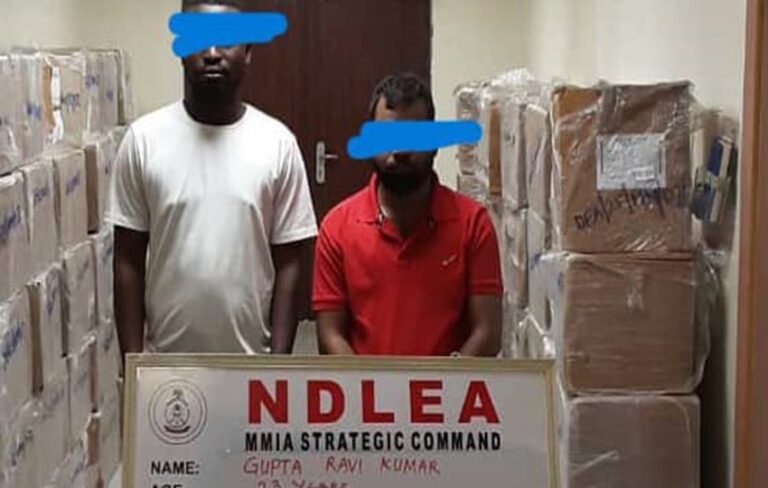
THE National Drug Law Enforcement Agency (NDLEA) has arrested an Indian businessman, Gupta Ravi Kumar, and three Nigerian accomplices: Ogunlana Noah Olanrewaju, Olushola Idrees Kayode, and Bakare Korede Muheeb, in connection with the seizure of N3.9 billion worth of tramadol.

They were arrested at the Murtala Muhammed International Airport (MMIA), Ikeja, Lagos.

According to a statement by the NDLEA spokesperson, Femi Babafemi, on Sunday, September 14, the 200mg/225mg Tramadol was intercepted at the Murtala Muhammed International Airport (MMIA), Ikeja, Lagos.

The NDLEA said the tramadol was imported from Delhi, India, disguised as multi-vitamins in 114 cartons and arrived at the import shed of the Lagos airport on an Ethiopian Airlines flight on Monday, 8th September 2025.

The anti-drug agency said a team of NDLEA officers who had put the consignment under surveillance swooped on a clearing agent and two drivers who were trying to move the shipment out of the airport in two trucks on Thursday, September 11.

“A follow-up operation the following day, Friday, led to the arrest of the Indian businessman Gupta Ravi Kumar when he was trying to take delivery of the consignment.

“At the terminal 2 departure gate of the airport, NDLEA operatives on Sunday, 7th September, intercepted a passenger, Onyeganochi Stanley Ifeanyi, travelling on a Qatar Airlines flight to Doha.

“A search of his bag led to the recovery of 900grams of skunk, a strain of cannabis concealed in crayfish,” the NDLEA stated.

The agency added that as a first-time traveller, Onyeganochi claimed the bag was given to him to help take to Doha by a Qatar-based Nigerian, Ohadiegwu Anthony Uchenna, who actually followed him to the airport.

His confession led to the arrest of Uchenna, who was still within view.

Operatives who later searched Uchenna’s hotel room in Ajao Estate discovered an additional 200grams of the same psychoactive substance and claimed he was to return to Doha days later and pick up the bag from the unsuspecting Onyeganochi if he had succeeded in escaping security checks.

At the Tincan port in Lagos, NDLEA said a total of 161 parcels of Canadian Loud, a strain of cannabis weighing 81.7kg and 1.2 kg of hashish oil were recovered from a 40-foot container of vehicle spare parts and used vehicles imported from Montreal, Canada.

The drugs were intercepted during a joint examination of the shipment on Tuesday, September 9. Two suspects, John Ochigbo, 53, and Okeke Kingsley, 26, were taken into custody in connection with the seizure.

Another shipment of Canadian Loud with a total weight of 65 kg was tracked from the port to Third Mainland Bridge, Lagos, where NDLEA operatives intercepted a Toyota Sienna vehicle conveying the consignment, recovered it, and arrested the driver, Abubakar Ibrahim, 42, on Thursday, September 11.

In a related development, two separate shipments of methamphetamine concealed in a picture frame and Loud, hidden in video players, were seized at two courier companies in Lagos on Monday, September 8, and Thursday, September 11, respectively, by NDLEA operatives.

In the Ikorodu area of Lagos, NDLEA operatives acting on intelligence on Thursday, September 11, raided a factory producing skuchies, a blend of cannabis and black currant drink.

The agency said no less than 6,029 bottles of the new psychoactive substance and 4,232 kg of cannabis were recovered from the factory located in the Caritas, Ibeshe area of Ikorodu, while the factory manager, Joy Awosika, was arrested.

Nigeria: How politicians started dashing cars and houses to judges

0

By Chidi Anselm Odinkalu

IN January 1993, Ibrahim Babangida was Nigeria’s military ruler. He was supposedly in the last year of an interminable transition at the end of which he promised to hand over power to an elected civilian administration. Moshood Abiola was actively canvassing to inherit that mantle.

As Chief Justice of Nigeria (CJN), Mohammed Bello was in his fourth year at the apex of the system for resolving disputes between Abiola and Babangida in that process of transition from military to civil rule. He had been CJN since 1987. At the time, Abiola was also Nigeria’s most influential newspaper publisher under the Concord Group. One of the titles published by the Concord Group was a weekly magazine called African Concord. Its editor was Bayo Onanuga.

The previous month, in December 1992, Bayo Onanuga’s African Concord ran a cover under the title: ‘‘Justice Mohammed Bello: Kick him out now – Lawyers demand.” Essentially, the story alleged that military ruler, Ibrahim Babangida, had bribed the Justices of the Supreme Court led by CJN, Mohammed Bello, with gifts of exotic Mercedes Benz cars. At the time, Mercedes Benz produced the most famous luxury brand of cars in Nigeria.

This story would not have amounted to much but for what followed. Shortly after New Year in 1993, nine of the Justices of the Supreme Court instructed Frederick Rotimi Alade (FRA) Williams, the doyen of Senior Advocates of Nigeria (SAN), to file a case before the High Court of Lagos State against the Concord Group, African Concord, and its editor, Bayo Onanuga, claiming that the story had defamed them.

The Concord Group instructed stormy petrel, Gani Fawehimin, to represent them. At the Ikeja Division of the High Court of Lagos where the case was tried, Samuel Omotunde Ilori, who would later rise to become the ninth Chief Judge of Lagos, presided.

This case had many sub-plots. It turned out, for instance, that Chief Williams’s youngest son, Tokunbo, who was shortly thereafter to become a SAN himself, was married to the daughter of the presiding judge, Olusola. When Gani Fawehinmi asked the judge to disqualify himself from the case, he declined, describing the request as “unprecedented” and an invitation to “an abdication of his sacred duty as a judicial officer.”

The Secretary to the Government of the Federation (SGF) at the time, Alhaji Aliyu Mohammed, the Wazirin Jema’a, was a witness in the case. In cross examining him, Fawehinmi asked for his qualifications. Reluctantly, the SGF ventured that he was the proud holder of a Teachers Grade 2 certificate, in response to which Gani spat out (to predictable courtroom mirth), “Teacher’s Grade Two certificate, and he rose through the ranks to become the SGF!”

Ultimately, the case was settled when Abiola elected to apologise to the Supreme Court Justices, who then instructed Chief Williams to withdraw it. In response, Onanuga resigned as editor of Abiola’s African Concord.

The underlying issue in that case, however, was judicial independence and integrity. Thirty-two years ago, it was an affront to the independence and integrity of judges to suggest that they could be impressed with gifts of cars or imply that they were in the payroll of political office holders. Today, it is different. Senior judicial figures flaunt their propinquity to politicians and rely on that to subvert established rungs of authority among judges and between courts in the judicial hierarchy. It is now de rigeur for politicians to ply judges with cars.

Divining how the country got to this is not that difficult although it is not nearly as necessary as understanding when we did so.

When Mohammed Bello retired as CJN in 1995, Mohammed Lawal Uwais succeeded him. Justice Uwais was one of the justices affronted by the claims about collecting a car from the soldiers in 1992. Although Uwais well understood that “military rule had a corrosive effect” on the judiciary and had not made much of an effort to disguise their campaign to reduce the heads of the judiciary to the status of beggars before the soldiers, he was nevertheless not prepared to cede much ground to them on questions of personal and institutional integrity. Until his retirement in June 2006, the spectacle of politicians publicly gifting cars to judicial officers was not much part of Nigerian public life.

All that was the change under his successors. In effect, this business of the judges being reduced to beggars for Sub-Urban Utility Vehicles (SUVs) has all eventuated in less than two decades.  It is difficult now to trace exactly when this change began. It seem likely, however, that the index case was – as with many things in Nigeria – Lagos State. There are suggestions, at the time of writing difficult to verify, that the practice of lacing judicial office with gifts of political housing and transport was quietly in place before 2007.

However, a significant moment for policy purposes occurred in the first week of October, 2007 when freshly minted Governor of Lagos, Babatunde Raji Fashola, SAN, presented 18 cars to Magistrates in Lagos State. Daily Champion reported the presentation the day after it occurred under the caption “Lagos Government Dashes 18 Cars to Magistrates.”

In presenting the cars, Governor Fashola declared: “Our commitment to continuously improve the welfare package and conditions of service of judicial officers in the state places a reciprocal demand on magistrates to display professionalism, integrity and above all a good work ethic.”

Of course, Magistrates Courts are state courts and subordinate ones at that. They are inferior to the High Court. But the significance of this moment was hardly lost on the politicians and the public. At the state level, the Judicial Service Commission oversees the work of Magistrates. The Chief Judge of the state heads the JSC. At the federal level, that role belongs to the CJN.

The JSC also controls the budget of the magistracy. The issue was not that the government desired to uplift the wellbeing of magistrates. It was that it chose to do so through a public presentation of cars by the governor for their “welfare”. The same goal could have been achieved if the JSC received the budget to be administered for precisely that objective.

If the governor chose not to do so, it would have been because he desired greater say in the management of the funds or he did not trust the hierarchy of the judiciary to manage it properly if it had been given to them. It could, of course, be a matter of cause and effect between these two factors. Giving credence to this, former Justice of the Supreme Court, Ejembi Eko publicly accused heads of courts in 2024 of “vandalisation of the judiciary budget” notwithstanding the fact that they were in control of heads of courts in Nigeria controlled “enormous budgetary resources.”

There were many things about that event in Lagos in 2007 that should have warranted attention. The governor involved was a lawyer and SAN and the state involved was seen as one that set trends in Nigeria. Yet, when this occurred in 2007, most people missed both the event and its significance. The number of cars purchased by governors for the judiciary at various levels in the 18 years since then has gone off the charts. Hopefully, the judges are in a better state for it because, quite clearly, the courts are not.

It happens that the NJC Guidelines governing the appointment of judges requires as a precondition that every appointment round should be preceded by “proof of adequate Capital vote provision in the relevant approved Budget for the Superior Court of Record concerned.” In other words, before judges are appointed, the NJC requires proof from the head of the court system concerned that there are sufficient funds to take care of such things as both cars and housing for them. If politicians thereafter ply the judges with cars and other blandishments while the NJC looks away, it is not difficult to figure out what is happening.

A lawyer and a teacher, Odinkalu can be reached at chidi.odinkalu@tufts.edu 


Kwara communities block highway as banditry worsens, decry ransom payments

0

RESIDENTS of Isin Local Government Area in Kwara State on Saturday, September 13, staged a mass protest against rising insecurity in the area.

After gulping nearly N1bn, Taraba dams abandoned, communities suffer

0
THE Nigerian government awarded contracts for the construction of a dam in each of the Monkin and Sabon Pegi communities, Zing Local Government Area (LGA) of Taraba State, between 2014 and 2021.  The contractors could not deliver the projects. They abandoned the sites after the government claimed it had spent nearly N1 billion on the dams. This compelled the two leading anti-graft agencies in the country to investigate the contracts. The ICIR unravels the issues surrounding the dams.
In 2014, the Federal Ministry of Water Resources contracted a Nigerian firm, Crestline Services Ltd, to construct a dam in the Monkin community in Zing LGA.
The town erupted in joy when the contractor deployed about a dozen project vehicles and other equipment to the site. The people thought there was an end in sight to their years of suffering from acute water scarcity during the dry season when they struggled with cattle to scoop unsafe water at the river flowing through a section of the community.
Despite having a Water, Hygiene and Sanitation (WASH) law that promises adequate water supply, Taraba State is among the three states in Nigeria with the lowest access to safe water. Several reports, including this, and this revealed how the Zing LGA has faced acute water scarcity.
Jubilation by the Monkin residents over the new dam was short-lived, as work on the project started at a snail pace and stalled thereafter.
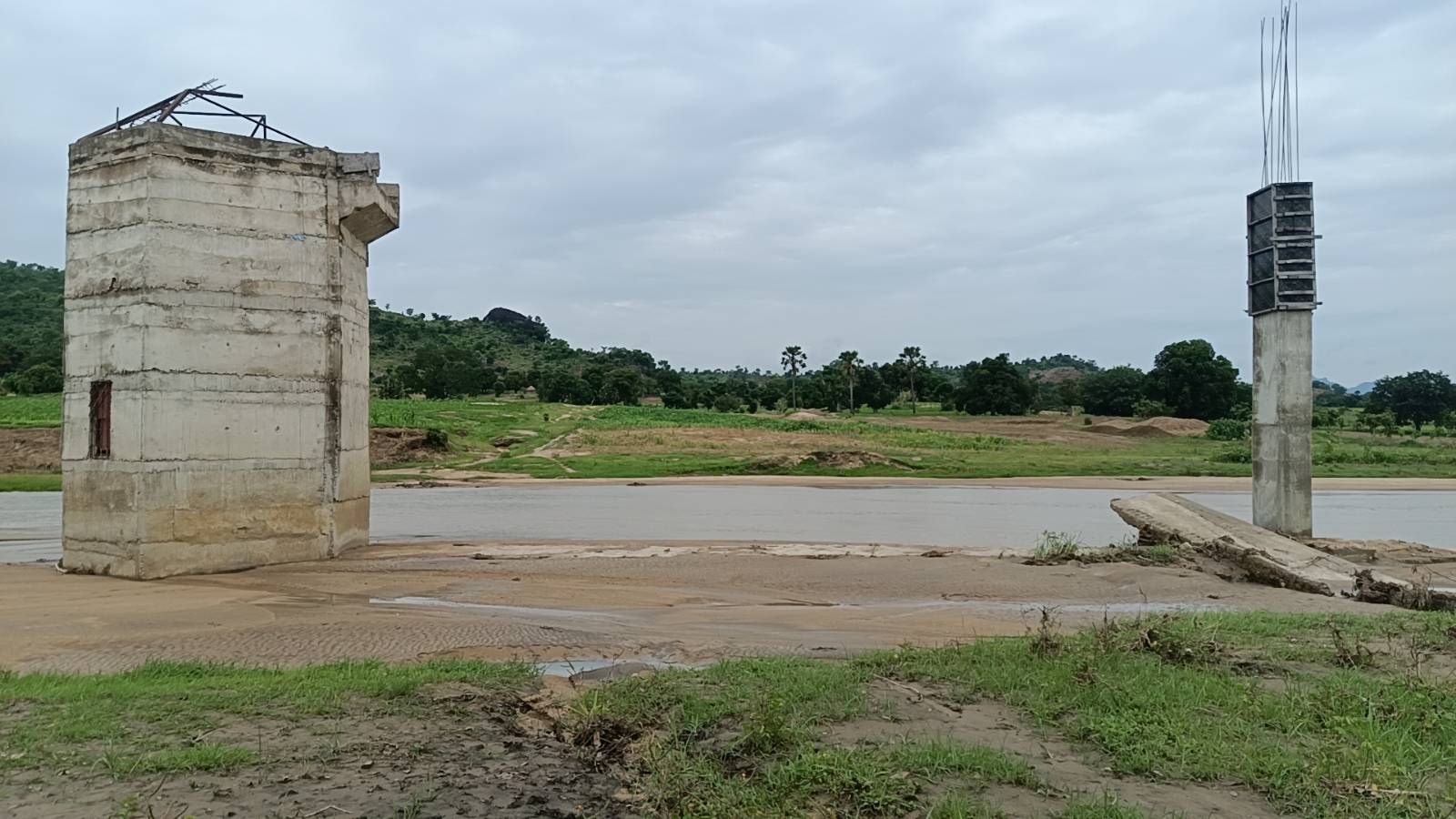
The only visible project done by Crestline Services Ltd at the Monkin dam. PC: Marcus Fatunmole/ICIR
Eleven years after the company got the contract, two towers are the only shred of evidence that a dam is being constructed at the site.
This was after the company had allegedly been paid N514,121,807 million from the contract sum totalling N854,121,807, leaving a balance of N340,000,000.
The Federal Ministry of Water Resources, which awarded the contract did not just stop at the payment to Crestline Service Ltd, it paid two other companies N108,224,494 for supervising and designing the project.
It hired Tech-Consultant International Associates Ltd on December 20, 2019, to supervise the dam but handed over the site to the firm on February 11, 2021.
The contract sum for the supervision was N74,842,000 out of which the ministry said it paid N22,408,494, leaving a balance of N52,433,505.
A side view of some of the project vehicles abandoned by Crestline Services Ltd in Monkin community
Meanwhile, the ministry had earlier engaged Willbond Nig. Ltd for study and design of the dam for which it paid N85,816,000.
These were contained in the ministry’s response to a Freedom of Information (FoI) request by The ICIR over the project.

In the response, with reference number FMWR&S/LU/S/853/I, and titled, “RE: Freedom of Information Request on Monkin Dam Construction Project in Zing LGA, Taraba State,” the ministry confirmed it awarded the contract to Crestline Services Ltd. The project was to be done between December 18, 2014, and December 18, 2015, that is 12 months.

The letter was dated September 9, 2025, and signed by Abdullahi Zakari, a lawyer, for the minister.

Crestline Services abandons multi-billion-naira vehicles at project site

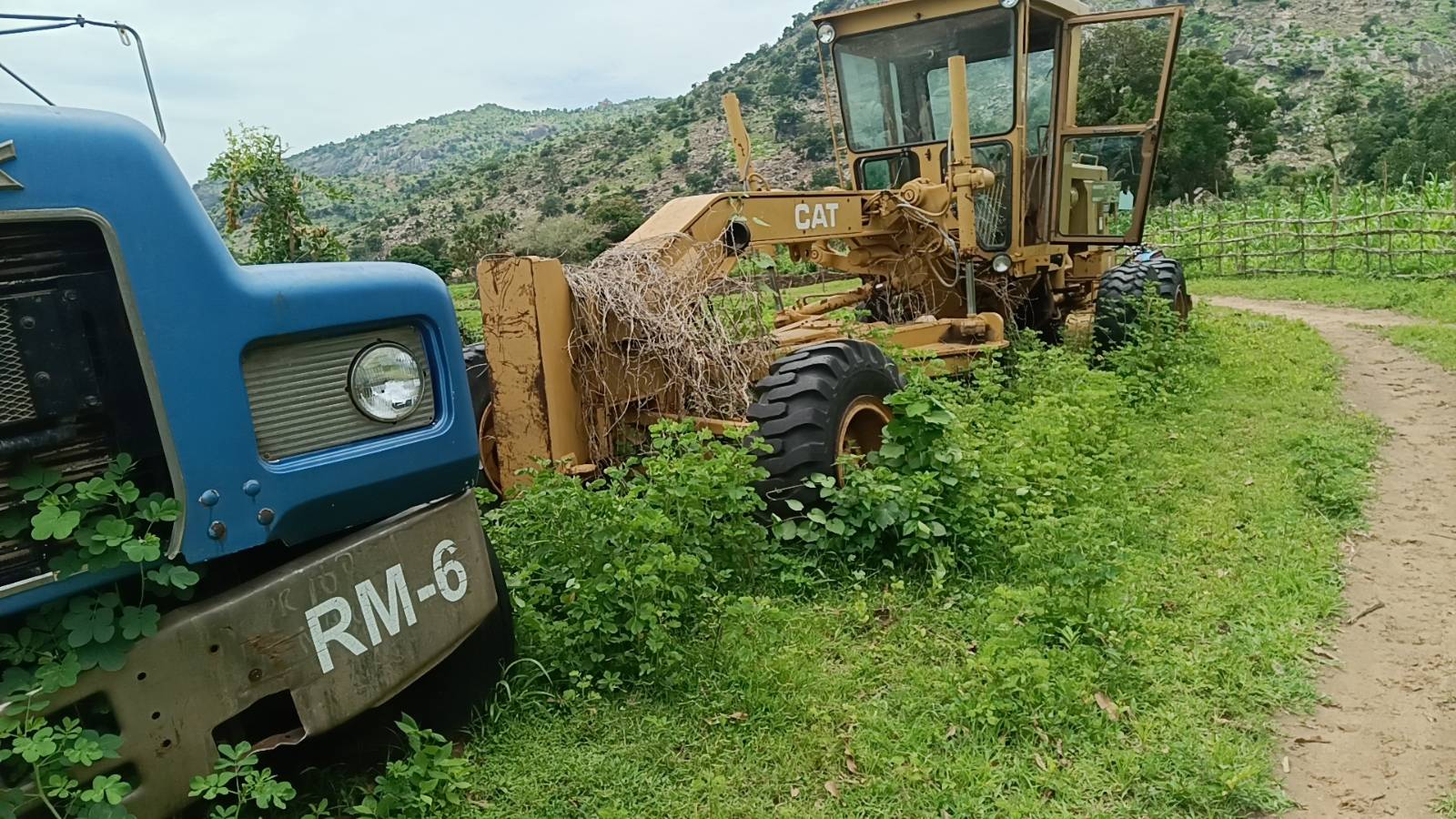
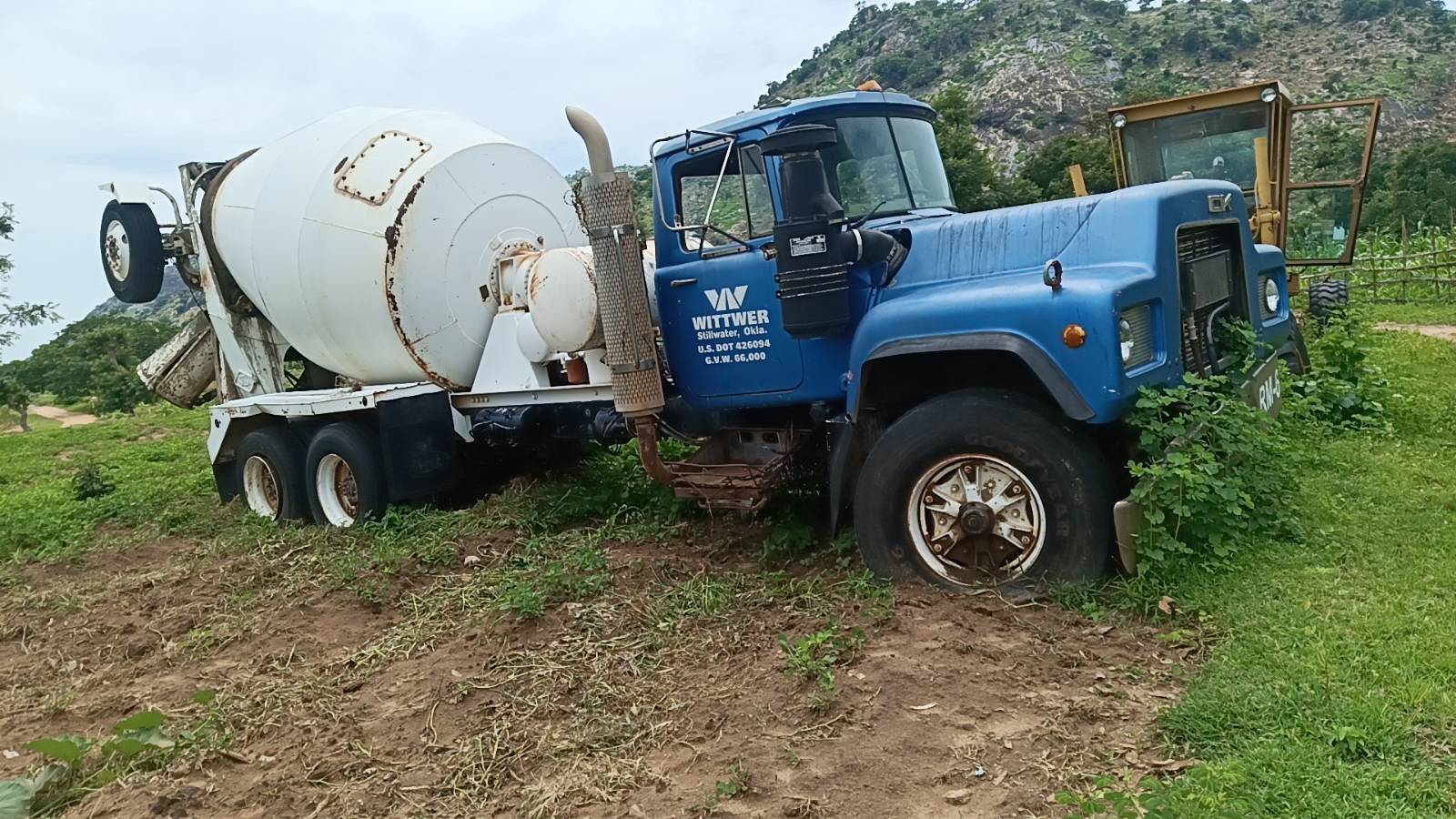
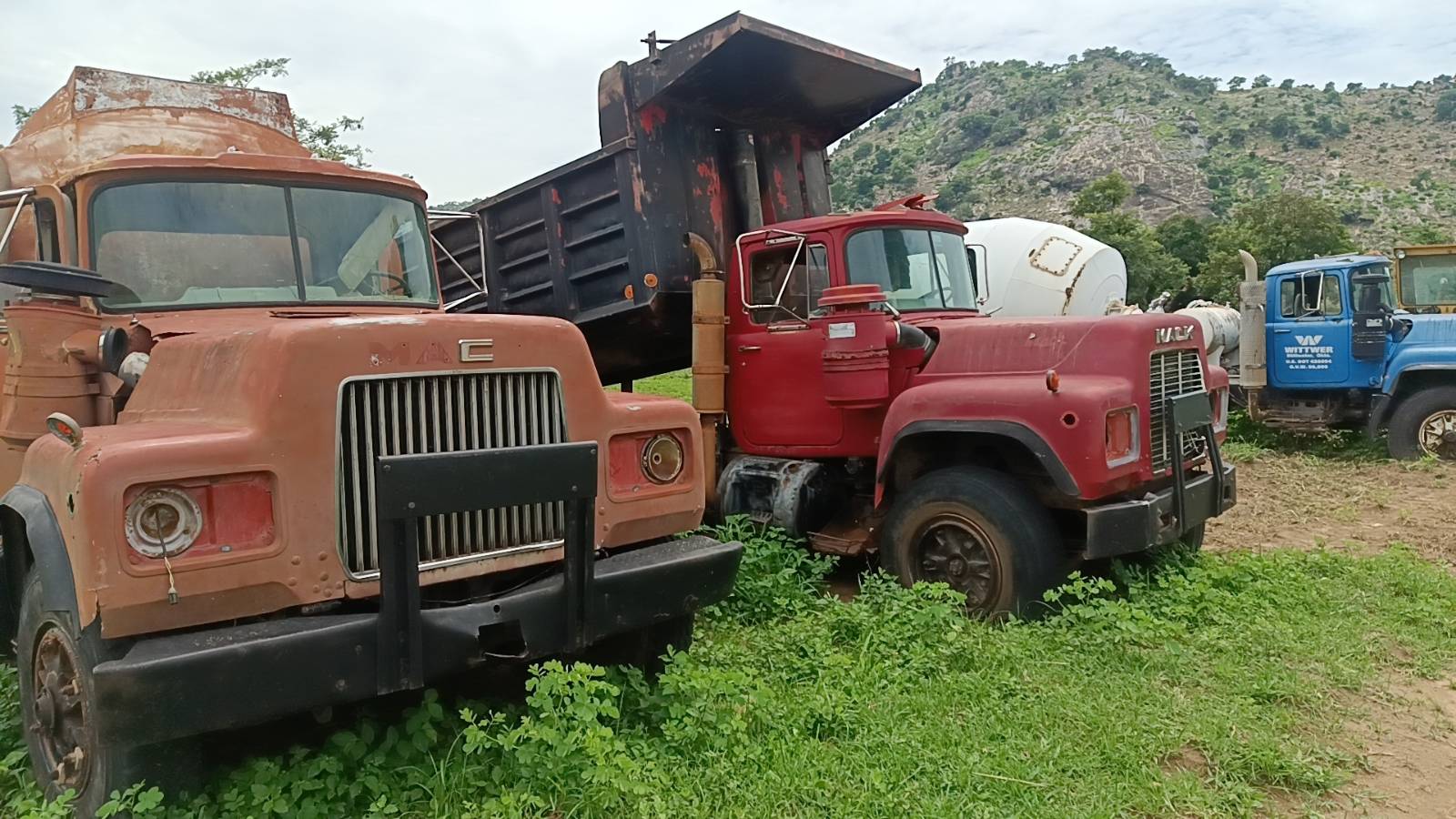
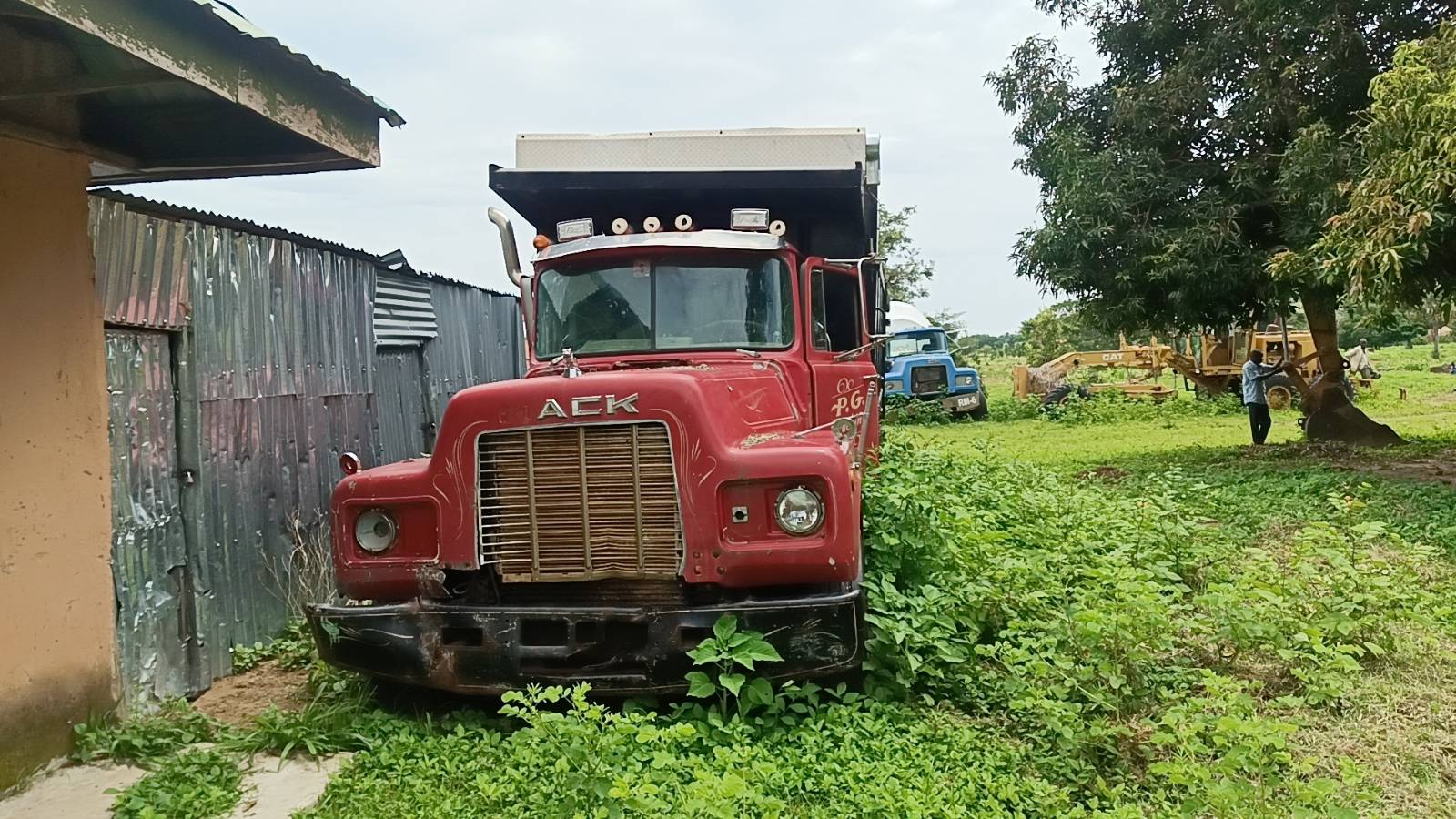
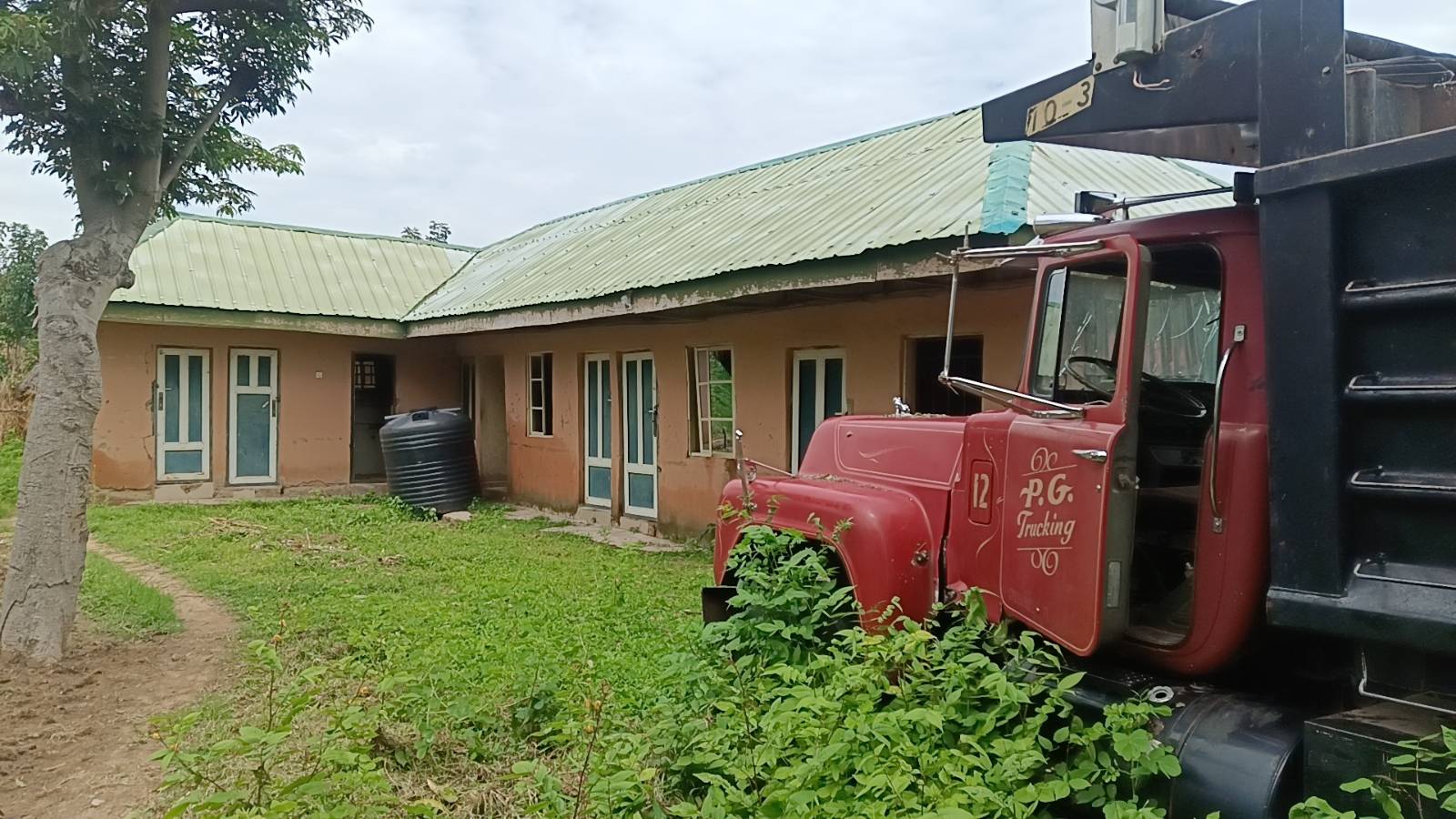
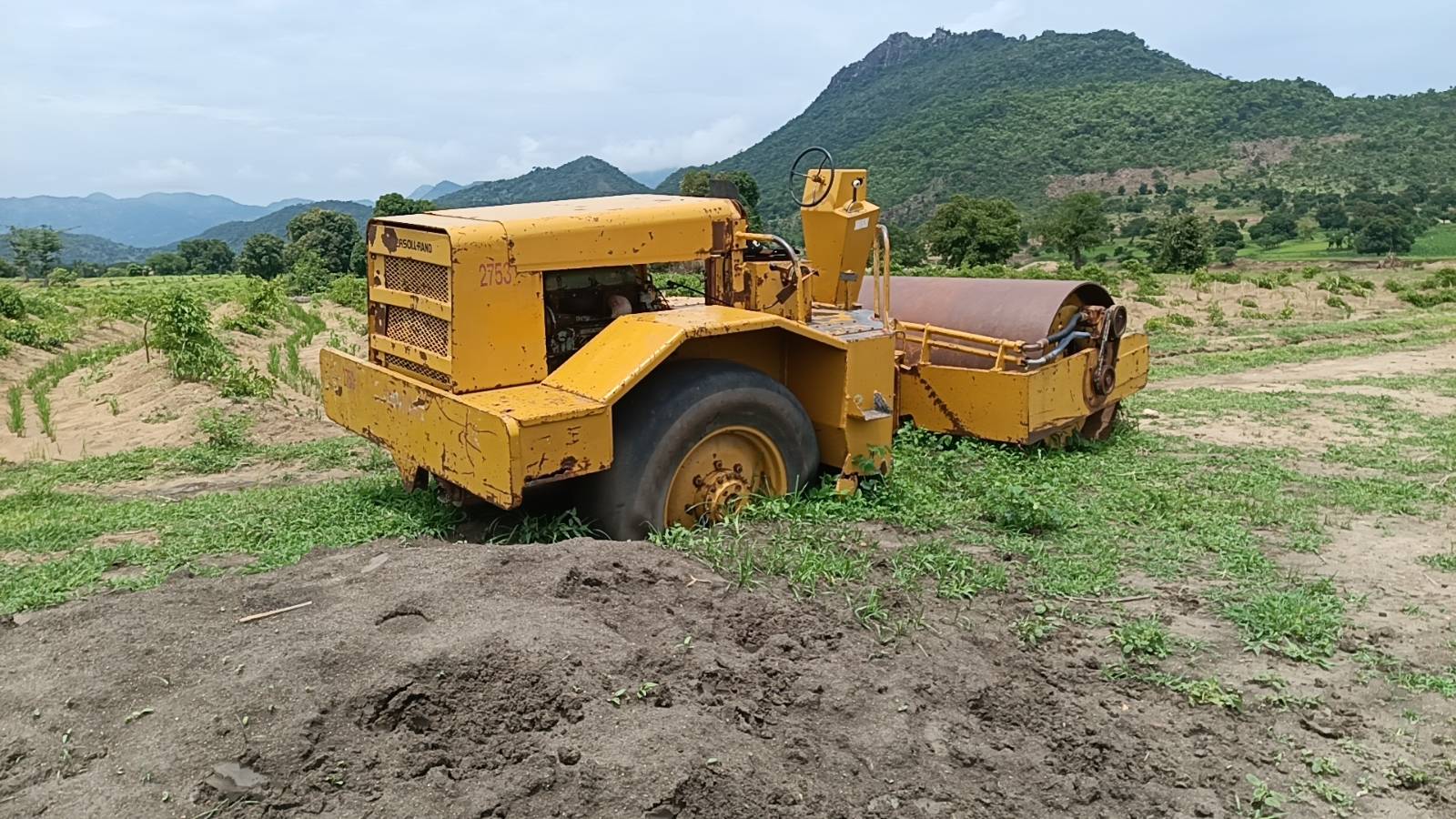
What is more shocking is how Crestline Services Ltd has abandoned its project vehicles worth billions of naira at the site. The vehicles were already rotting when our reporter visited the community in June.
The vehicles include two excavators, one tractor, one leveller, one water tanker, two sand trucks, and two other trucks. They were nine altogether. Residents said the company left the site in 2019.
A cement mixing truck abandoned at the dam construction site in Monkin by Crestline Services Ltd
Many residents in Monkin are unhappy with the government and the company’s failures to deliver the project.
Among them is the community secretary, Musa Barnabas. He said, “We were anxious to have this dam. With it, we felt our people would have access to safer water, engage in irrigated farming, and our years of sharing water with animals during the dry season would end. What we are seeing today with the project is really unfortunate.”
Meanwhile, the ministry had earlier engaged Willbond Nig. Ltd for study and design of the dam for which it paid N85,816,000.
These were contained in the ministry’s response to the FoI request by The ICIR over the project.
Sabon Pegi Dam
Zing town and its neighbouring communities heaved a sigh of relief when another contractor, Dan-Omar Nigeria Ltd, moved its equipment to the Sabon Pegi community in 2021 to construct a dam. Sabon Pegi consists of mainly farmlands with a few residential buildings. It borders Zing town.
The project, meant to be completed within 24 months, was awarded at the sum of N140,754,453.13 by the Upper Benue River Basin Development Authority (UBRBDA), an agency under the Federal Ministry of Water Resources. The organisation told The ICIR that N91.61 million was released to the contractor.
Responding to an FoI request by The ICIR, the UBRBDA through a letter referenced S/RIV/137/S.169/VOL.1 and dated August 25, 2025, affirmed that Dan-Omar Nig. Ltd got the contract for the dam.
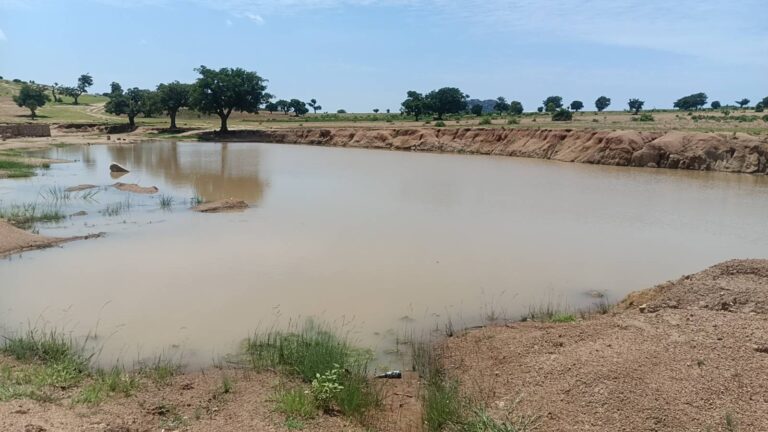
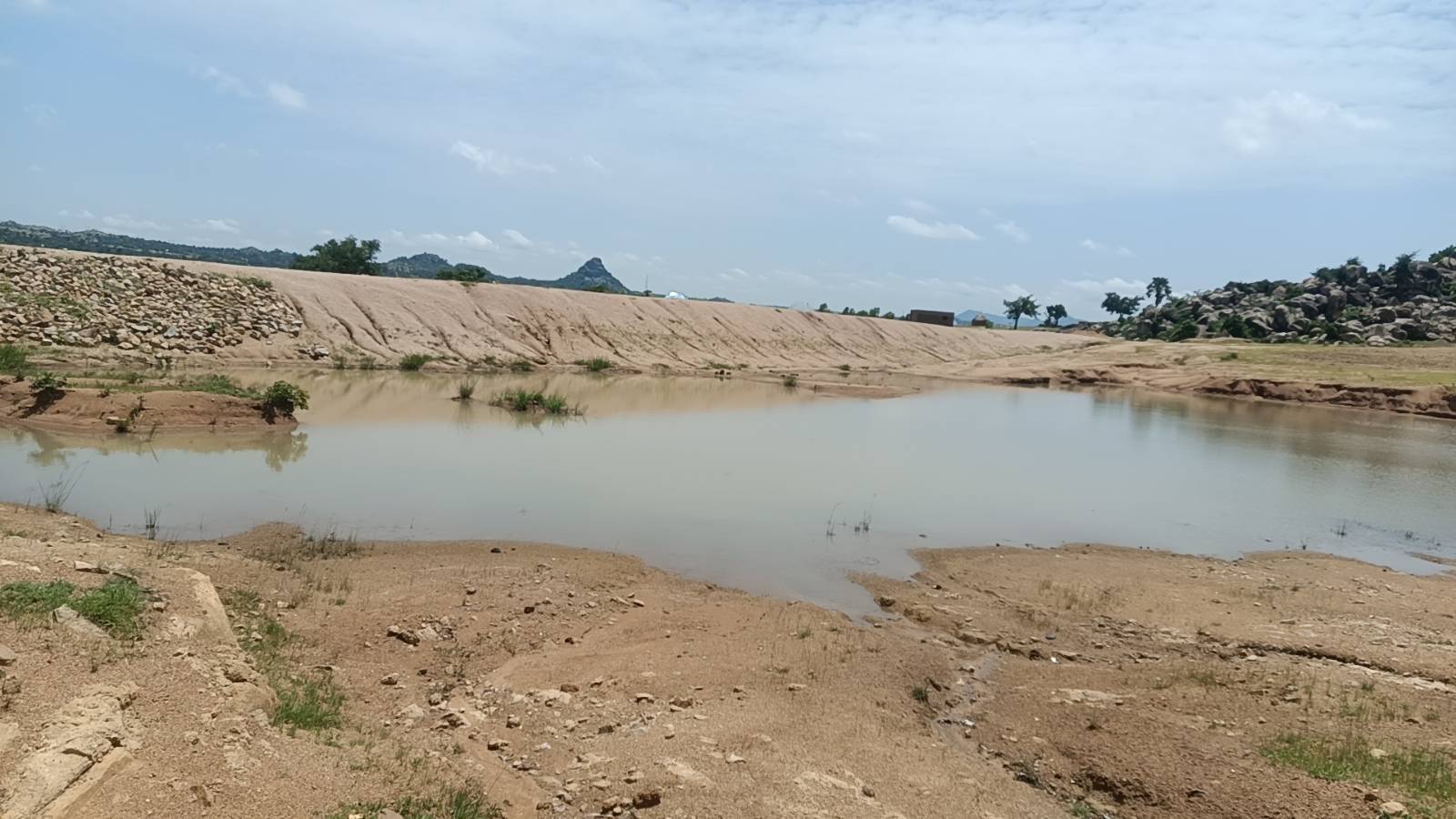
A section of the Sabon Pegi dam. PC: Marcus Fatunmole/ICIR
The contract was awarded on October 18, 2021, for N140,754, 453.13, out of which the UBRBDA said it had paid N97,011,278.75. The contract had 24-month completion period. It noted that the company left the site because of funding paucity.
Ernest Uboh, Acting Head, Procurement Unit, signed the letter on behalf of the Managing Director.
The organisation had reportedly said that M/S Pro-XL Civil Engineers Ltd got the contract to design the dam at the sum of N48,81,012.50 in October 2020.
The company submitted the final design in March 2021, and was paid N40,000,000. The ICIR reports that the total fund the Nigerian government has released to all the five companies hired for the two dams is N753,957,579.
This organisation further.reports that the government has yet to pay the owners of the sites where the dams are located, despite making either full or significant payments to the contractors.
When our reporter visited the site in June, Dan-Omar Nigeria Ltd had abandoned the project, citing the Federal Government’s failure to release funding for its completion.  None of the company’s equipment was left at the site.

However, rather than bring an enduring joy to the area, the project left the Zing community mourning one of its children, an 11-year-old boy who died while swimming with his friends in the uncompleted dam.

Some of the Crestline Services Ltd’s vehicles at the Monkin Dam site
The Secretary to the Emir of Zing, Ibrahim Baba Zing, said: “One of our children died at the dam site last year while swimming. He went with his friends to swim there. After they finished swimming, one of them returned and began to swim alone, and he drowned.”

He also expressed displeasure with the project handling by the government and the contractor. “They started the construction, and they’re saying they can’t finish it. This is not helping anybody. We are thinking that people will benefit from that project through irrigation. We are not happy with it.”

The project was designed to enable herders to get enough water for their cattle, especially during the dry season and help farmers engage in irrigated farming.
Suspicion observed in Sabon Pegi contract award
The ICIR investigation revealed that Dan-Omar Nig. Ltd, incorporated with the Corporate Affairs Commission (CAC) on January 14, 2020, with RC 1650141, got the contract in October 2021. The company, based in Gombe State, was not the original firm that won the contract.
One of the trucks left by Crestline Services Ltd at project site in Monkin community. PC: Marcus Fatunmole/ICIR
A firm, M/S Kuroko Projects Ltd, with RC number 1610293, secured the contract. The company was incorporated by the CAC on September 2, 2019, and had its address in Abuja as of the time it won its bid for the project.
The UBRBDA did not explain why M/S Kuroko ‘donated’ the contract to Dan-Omar Ltd. The organisation noted in its letter to The ICIR, “The contract for the construction of small earth dam at Sabon Pegi LGA was awarded to M/S Kuroko Project Ltd of No. 5 Mangal Plaza, Zone 1, Wuse Abuja, on the 18th October, 2021.
“The work was later donated to M/S Dan-Omar Nig. Ltd of No. 1 Alh. Musa Hassan House, Herwagana Quarters, Gombe, Gombe State, by M/S Kuroko Projects Ltd.”
Meanwhile, the UBRBDA said the spillway construction for the dam had been completed 100 per cent; earthwork on embankment stood at 85 per cent; while upstream and downstream slope protection was 66 per cent. The ICIR reports that it will take independent experts to confirm the claims vis-a-vis the fund already expended on the project.
A building allegedly constructed by the company for its work at the site. PC: Marcus Fatunmole/ICIR

Contradictions

While one of the Monkin leaders claimed the community youth prevented Crestline Services Ltd from moving out its project vehicles because it failed to complete the project, one of the company workers, Christian Osunde, who claimed to be the project supervisor, denied the claim. He said nobody ever attempted to stop the company from moving out its equipment from Monkin town.
He argued that the contractor would leave the site with its equipment at any time, if it so wished.

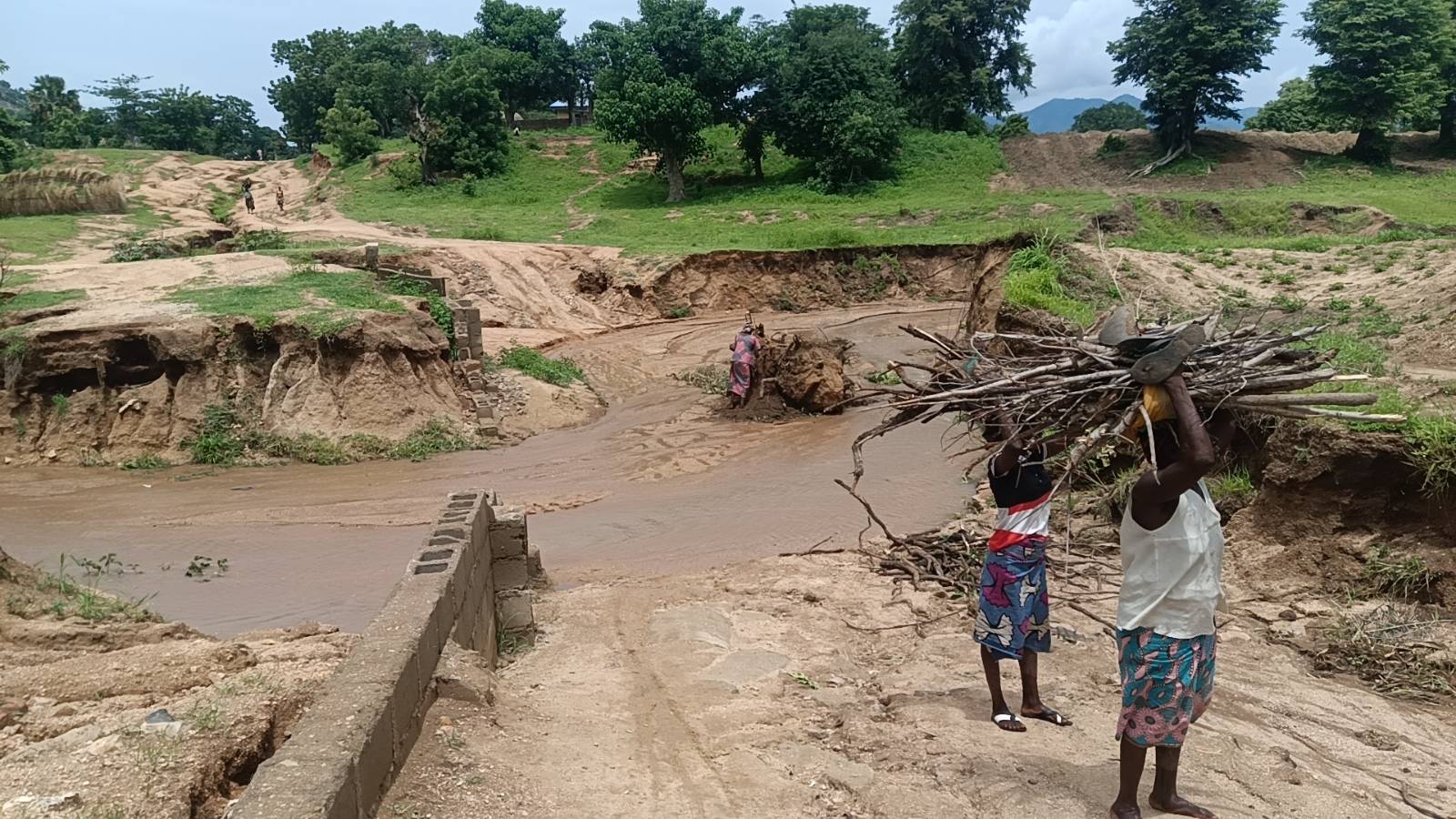
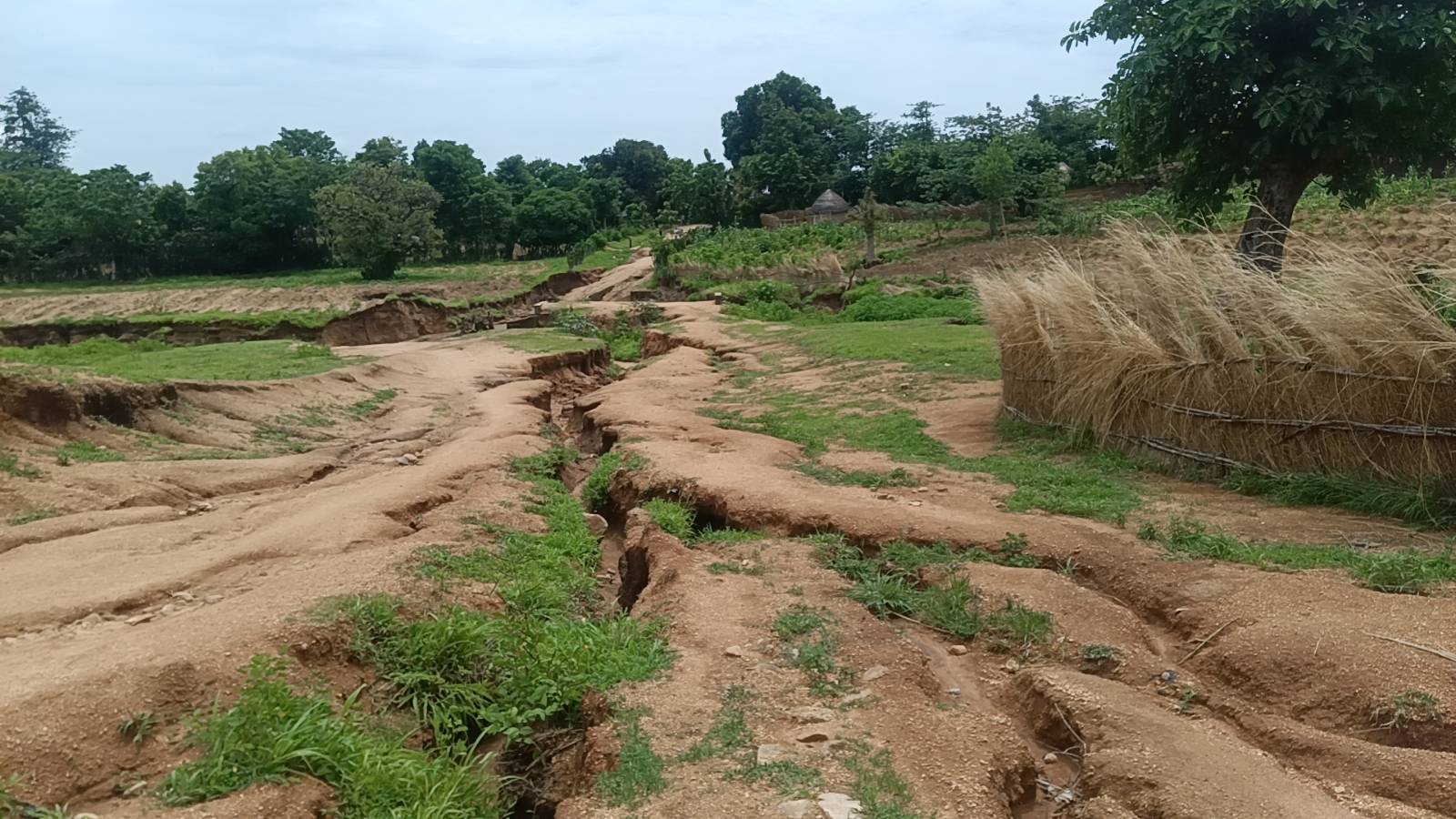
However, as it currently stands, the vehicles cannot be taken out of Monkin town. The road leading to the community is completely damaged and has become almost impassable for vehicles.

One of the residents who pleaded not to be named put the situation of the road this way: “We have a former senator from this town. We also have one of our illustrious sons as the Chief of Staff to the Speaker of the House of Representatives. When coming home, they cannot drive their vehicles to this place. They will have to park in Zing before finding their way here.”

It takes motorbikes about two hours to move from Zing to Monkin, and it will take any vehicle four hours to drive to the community, given the terrible state of the road.

A section of Monkin road. PC: Marcus Fatunmole/ICIR
While some residents opined that Crestline Services Ltd might have abandoned the project because of government’s failure to fully complete the project, others felt there was nothing on the ground to justify what the government had paid the contractor.
Meanwhile, sources, including one of the officials of Dan-Omar Nig. Ltd, Sunusi Omar, confirmed to The ICIR that the projects were investigated by the Independent Corrupt Practices and Other Related Offences Commission (ICPC) and the Economic and Financial Crimes Commission (EFCC) in April 2024. They concluded that the government and contractors ensure the projects are completed.

The sources claimed that the Federal Government stopped funding for the projects because the House of Representatives member who initiated the projects was no longer in office. A source who also pleaded anonymity said the projects were a mere waste of public funds.  He argued that the dams were not the immediate needs of the communities.

“Monkin is an agrarian community. We produce large amounts of food crops, which go to waste yearly because there is no road for buyers to get to the community. It is also very difficult for us to take these crops out of the community to sell. Why can’t a responsible government think of constructing good road for us instead of a dam?” the source said.

Another section of Monkin road. PC: Marcus Fatunmole/ICIR
The reporter contacted two former House of Representatives members (Malle Aminu and Kasimu Maigari) who represented the Jalingo/Yorro/Zing Federal Constituency during the periods the contracts were awarded. The current member representing the constituency, Sadiq Tafida, and the state Commissioner for Water Resources, Daniel Ishaku, were also contacted over the state of the project.
Tafida said, “Those dams were done during another person’s tenure. We are also investigating what happened.”
The Taraba State Commissioner for Water Resources, Daniel Ishaku, told the reporter that his administration came into power after the contracts had been awarded.
“These two dams were awarded in the last administration, which I don’t know anything about,” he stated.
The reporter contacted Tech-Consultants International Associates Ltd., hired by the Federal Ministry of Water Resources to provide consultancy services for the Monkin dam.
One of its officials, who claimed he was not authorised to speak on the projects, said, “If you have investigated very well, you will discover that along the line, the contractor was owed. There were jobs he did that he wasn’t able to collect the money for. You know this project is an artwork. If you’re a contractor, you’ve done a job and you’re not paid on time, and you don’t know when you’re going to be paid, you can’t go to the bank and borrow money to complete the job.”

He said his company was paid based on the work done. He also blamed the failure to deliver the projects on the government’s inability to release funds for them.

Crestline Services leveller abandoned in Monkin town. PC: Marcus Fatunmole/ICIR

Crestline Services Ltd fails to react

After failed attempts by the reporter to locate the company’s office in Enugu and Abuja, The ICIR contacted the Monkin dam site manager, Mercy Taranya, who directed the reporter to Christian Osunde who said he supervised the project.
Several appeals by the reporter to link him with the company’s managing director fell on deaf ears. Osunde also refused to disclose the company’s address in Abuja.
He said he contacted the firm’s managing director and explained the reporter’s concerns and requests. He also sent the reporter’s phone number to the director, including the recordings of his phone conversation with the reporter.

According to him, the director did not give him permission to send his phone number to the reporter.

The reporter again called the site manager (Taranya), who is based in Jalingo, if she could help with the director’s phone number. The reporter called her more than two weeks; she did not pick any of the calls.

As part of efforts to contact the firm, The ICIR paid and obtained the company’s details from the Corporate Affairs Commission (CAC). The company’s status showed ‘active’, meaning it met its obligations with the CAC, including filing its annual returns.
Some of the Crestline Services Ltd’s vehicles at the Monkin Dam site. PC: Marcus Fatunmole/ICIR

From the details, the reporter got three means to contact the company’s directors, shareholders and secretary. They are the company’s address in Enugu State, the company’s secretary phone number, and an email address belonging to one of the company’s directors.

A lady, Ugwu Jane, registered as the company’s secretary, expressed shock when told by the reporter that her name was registered at the CAC as the company’s secretary. She screamed, “Really? I was just a secretary to the director, not as part of the company.” She said she worked for nine months with the director and left in 2014 when she got admission to school.

The reporter also sent a mail to an email address submitted by the company the CAC. The firm did not response to the mail.

Crestline Services Ltd was incorporated with the CAC, with RC 14310, on January 25, 1975. It was registered as a private company limited by shares, and had its operations office at 26, Oghete Crescent, Enugu State. The ICIR could not locate this address, as many people contacted in Enugu, the state capital, said they were not aware of any street bearing the name in the city. According to them, only an Ogbete Market exists in the city.

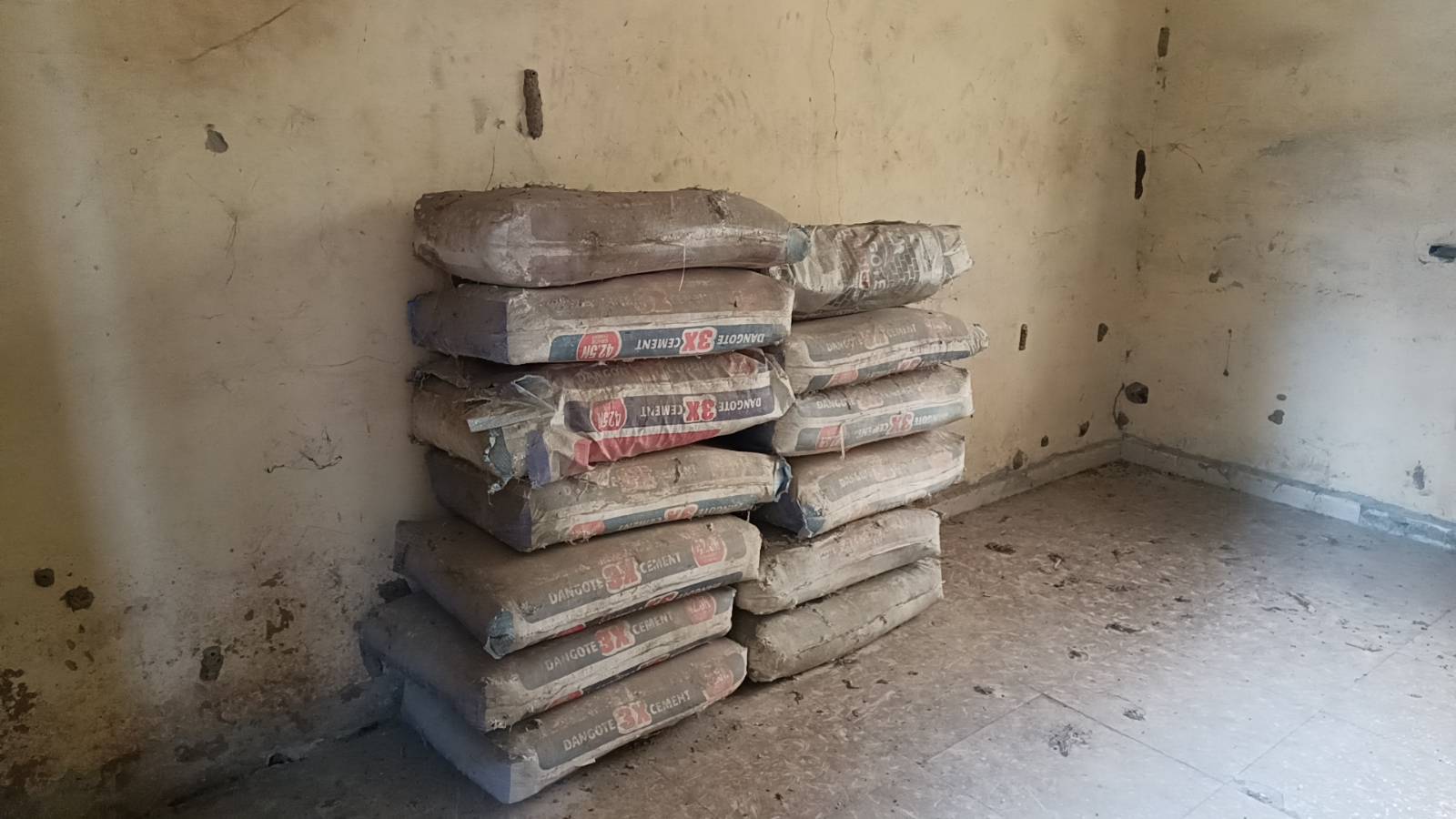
Expired cement bags abandoned by Crestline Services Ltd at the project site in Monkin town. PC: Marcus Fatunmole/ICIR
Crestline Services Ltd is most likely a family enterprise, as all its directors and stakeholders share the same surname. The stakeholders are the director, Ude Christian Chukwuma, Ude Florence Uzodinma, and Ude Afamefuna.
Parts of the company’s jobs include undertaking general contracting business, import and export transactions, and building and civil engineering.

Monkin, Sabon Pegi communities lament on abandoned projects

Musa Barnabas, Secretary of the Monkin community, expressed disbelief at how Crestline Services Ltd abandoned the dam and its vehicles.
“We don’t know the reason the company abandoned its vehicles. You can see them over there. They are not working, and we don’t know what stopped them from working. We’re aware that the government has sunk a lot of money into this place, and there is nothing to show for it.”

He added, “They would come with either cements or rods, and before you know, they have siphoned the whole thing (money), and we will not see any structure. That’s what they used to do. Maybe the tactic they are using, when the Federal Government reimburses the company, they will take that advantage and come over here with a few things. When they stay for one, two, or three months, they will just go. The work is intermittent.”

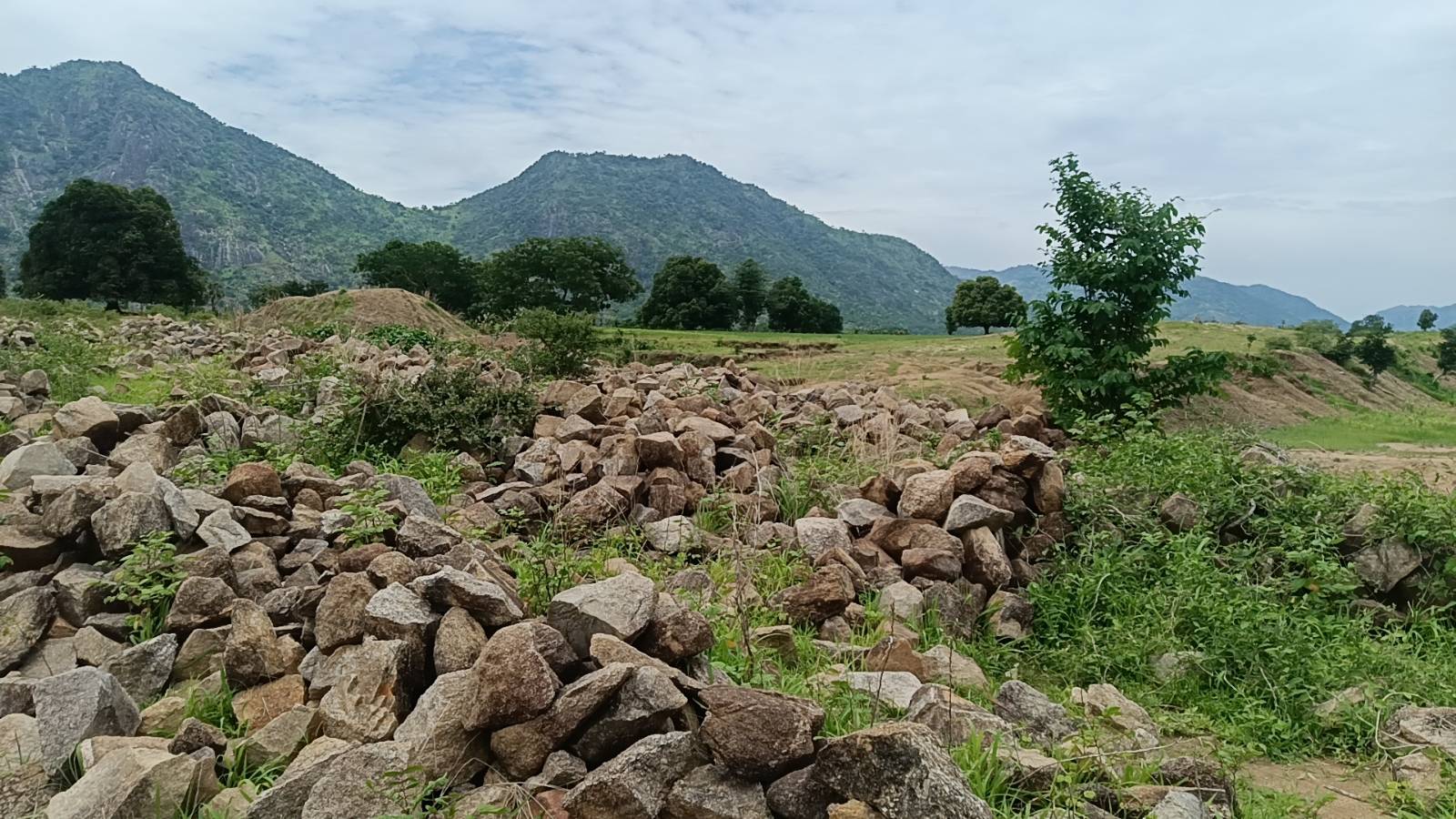
Some of the stones brought to the site by the contractor. PC: Marcus Fatunmole/ICIR

He said it was sad that the Federal Government would waste millions on the project for years without completing it.

According to him, there is no engagement between the contractor and the community. He said this would have enabled the community to follow up with the project.
He explained that had the work been concluded, it would have created more jobs for the community’s teeming youth, who would have engaged in more farming activities. He also said it would have enabled cattle farmers to have adequate water for their animals.
The leader of the community youth, David Daniel, averred that Crestline Services Ltd had no good relationship with its host and also sneaked into the site with a few items such as cement and rods.
Daniel said the vehicles were at the site because the community blocked the company from leaving the site.
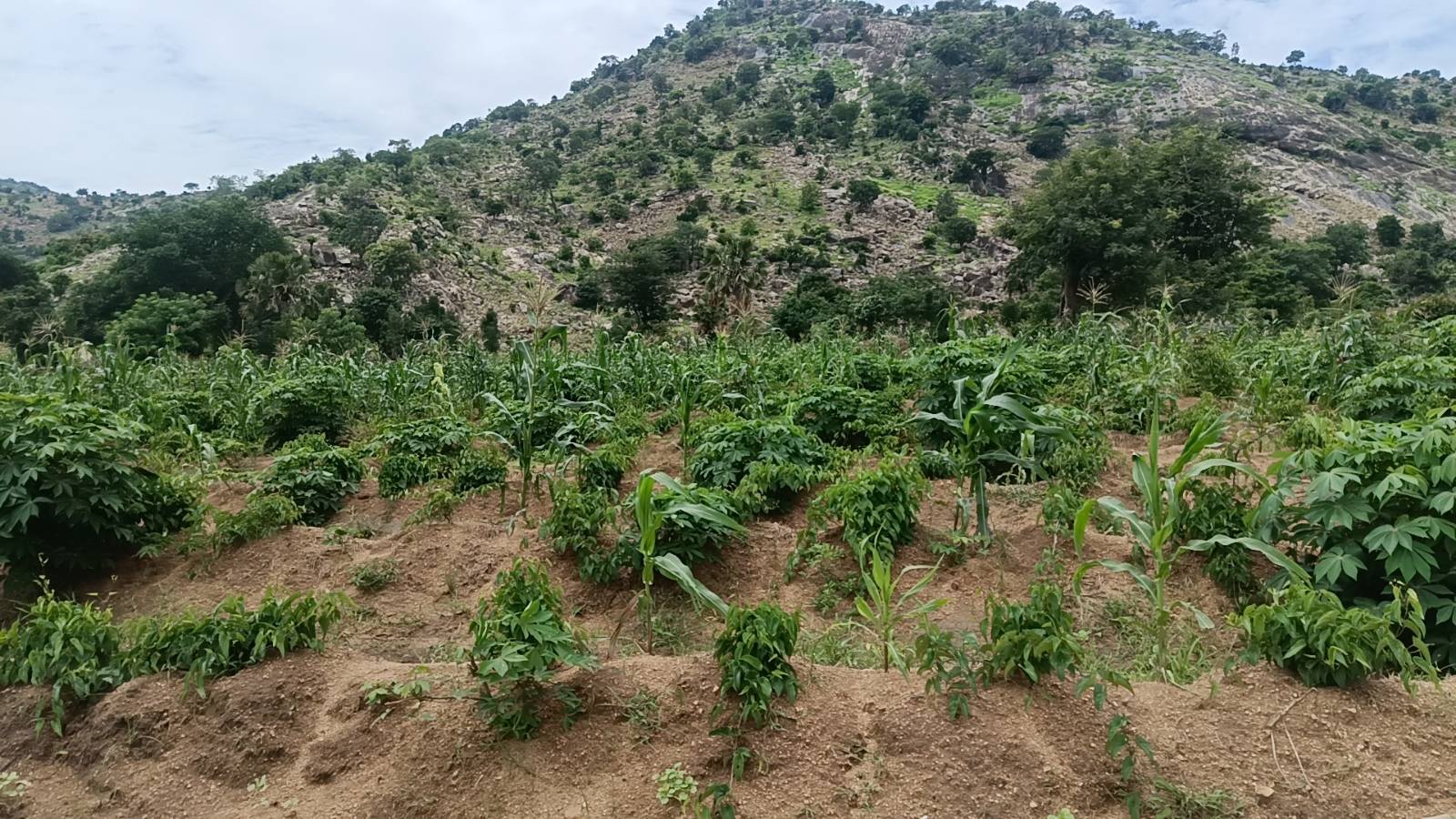
The lush vegetation of Monkin town. PC: Marcus Fatunmole/ICIR
“There is no good relationship between the contractor and the community. This is because whenever the company brought its equipment and things like cement to the dam and spent like two weeks, they would pack all the things they brought and take them away. There was a time when they were about to pack all these vehicles and go with them, the community youth blocked the road and said they must construct the road before they pack their things.
“That is the reason you saw some of the vehicles they were using not functioning. They were about to take them away but we organised the youth to prevent them because they had to construct the dam.”
He said the vehicles had been grounded since 2018. He emphasised that the contractor had no good relationship with the community.
Shonnashire Bitrus, a female student and indigene of the community, said residents dragged water with animals, which she described as degrading to the people.
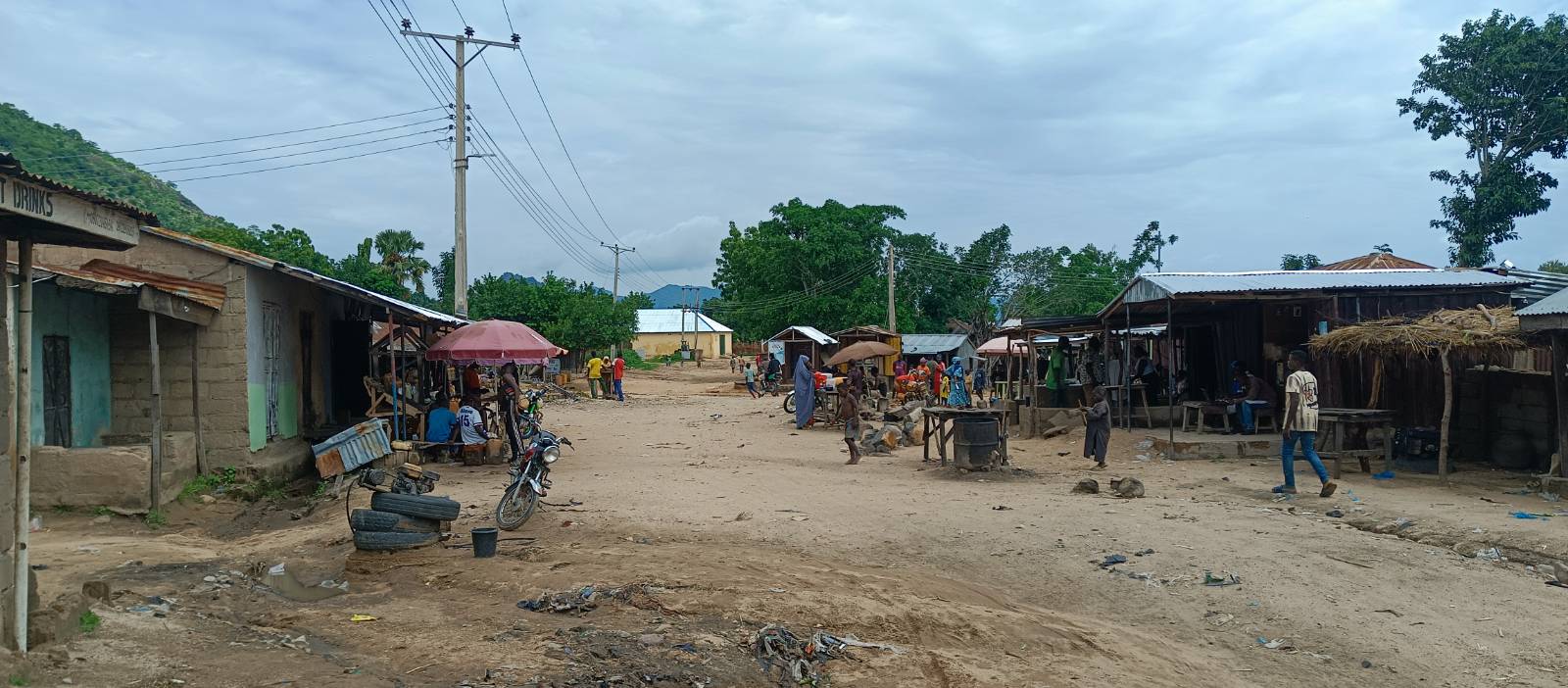
A section of Monkin community. PC: Marcus Fatunmole/ICIR
“Our main problem in this ward is that we don’t have good water to use. We drag water with animals. We also don’t have good roads. We farm, but taking our produce to the market is a problem. The buyers don’t come because it is difficult to access our community.”
Similarly, in Sabon Pegi, Silas Pius said the community was disappointed that the work had stopped. He said it would have supported herders and farmers to cater to their cattle and engage in irrigated farming, respectively.
He called on the government to complete the project.
This report was supported by ActionAid Nigeria.

Sanwo-Olu unblocks social media critic after ‘private meeting’

0

GOVERNOR of Lagos State, Babajide Sanwo-Olu, has lifted the social media block placed on rights activist and lawyer, Festus Ogun.

This came after both of them met briefly at Lagos House, Marina, on Friday.

Ogun, who disclosed the development in a post on X on Saturday, September 13, said the governor invited him to address his long-standing complaints of human rights violations.

He noted that while the meeting resolved the immediate matter, his commitment to holding authorities accountable remained unchanged.

The development follows a lawsuit Ogun filed earlier this year at the Federal High Court in Lagos, challenging Sanwo-Olu’s decision to block him on X (formerly Twitter).

The lawyer argued that the governor’s action violated his constitutional right to access information, citing his criticisms of the government’s handling of the October 2020 #EndSARS protests as the reason for the block.

“We will continue to hold authorities accountable, regardless. Aluta continua!” he tweeted.

In the suit, marked FHC/L/CS/1739/25, Ogun asked the court to declare the block unconstitutional and discriminatory.

He demanded an apology and urged the judiciary to restrain public officials from targeting critics online.

The case drew attention to a 2019 ruling in the United States, where courts held that elected officials could not shut out citizens from official communication channels on social media.

Digital rights advocates in Nigeria have consistently warned that online restrictions by public officials undermine democratic accountability.

In 2021, former President Muhammadu Buhari’s administration banned Twitter nationwide for over seven months, a move widely condemned as an attack on free expression.

While Sanwo-Olu’s decision to unblock Ogun may have eased personal tensions, the wider debate over citizens’ digital rights and access to governance information in Nigeria remains unresolved, as rights activists continue to seek better ways of holding power to account.

“Nigeria must wake up to resist a silent coup against democracy,” a rights activist, Emmanuel Onwubiko, said.