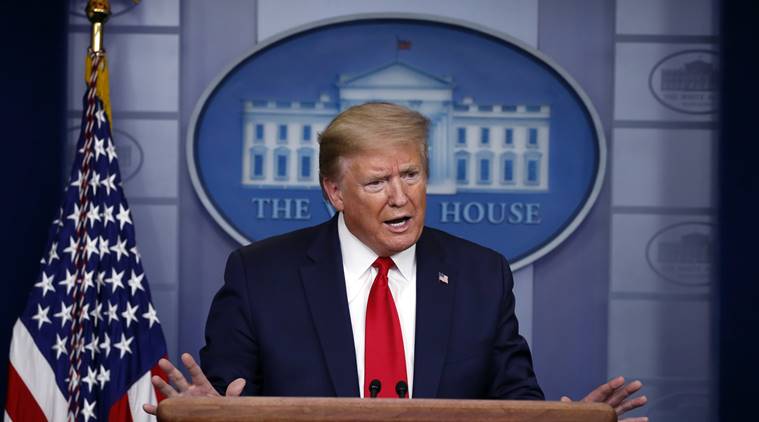
DONALD Trump, President of the United States, US, has threatened to permanently stop US donations to the World Health Organisation, WHO, over COVID-19 pandemic.
In the letter posted on his Twitter handle, President Trump issued a 30-day deadline to the global health body to make adjustments or risk the loss of its biggest donor and US membership.
The U.S. is the largest single donor to WHO but owes nearly $200 million in arrears on its obligations to the health organisation when Trump suspended payments last month.
President Trump accused WHO’s Director-General Tedros Adhanom Ghebreyesus of poor handling of the pandemic, blaming the health body for publicising Chinese findings on the nature of the disease, but ignoring clear warnings about the dangers of the contagion.
“The World Health Organisation has repeatedly made claims about the coronavirus that was either grossly inaccurate or misleading,” a section of the letter reads.
With 1.5 million confirmed cases of COVID-19, the US is one of the worst-hit countries which accounts for one-third of the world’s 4.8 million cases and has registered 90,000 deaths.
Trump stated that his decision could be reversed if WHO could backtrack on its alleged failings by demonstrating sufficient independence from China’s grip.
“It is clear the repeated missteps by you and your organization in responding to the pandemic have been extremely costly for the world. The only way forward for the World Health Organisation is if it can actually demonstrate independence from China.
“My administration has already started discussions with you on how to reform the organisation. But action is needed quickly,” Trump stated in the letter.
In response to Trump’s letter, Chinese Foreign Ministry spokesperson Zhao Lijian said the U.S. president was “trying to mislead the public, smear China’s efforts and shift the blame of U.S. incompetence to others.”
Trump had quoted The Lancet medical journal in his letter to Tedros, mentioning the journal’s criticism of the WHO in the letter.
“The World Health Organization consistently ignored credible reports of the virus spreading in Wuhan in early December 2019 or even earlier, including reports from The Lancet medical journal,” Trump wrote.
In response, the U.K.-based journal issued a statement saying its first reports on the coronavirus were published on January 24, rather than December 2019 when reports of the outbreak emerged.
“This statement is factually incorrect. The Lancet published no report in December 2019, referring to a virus or outbreak in Wuhan or anywhere else in China.”
More than 50 WHO countries have co-sponsored a resolution calling for a review of WHO’s response to the COVID-19 pandemic asking Tedros to begin an “impartial, independent and comprehensive evaluation.”
Tedros had acknowledged that there were lapses in WHO’s response and welcomes a review of its procedures.
“I will initiate an independent evaluation at the earliest appropriate moment to review experience gained and lessons learned, and to make recommendations to improve national and global pandemic preparedness and response,” he said.
Tedros had invited both Trump and Xi Jinping, China’s President to speak on the first day of a two-day virtual assembly, in the hope of resolving differences between the two leaders on handling the outbreak, but Trump did not take part.
FITCH a global credit rating agency has stated that Nigeria’s foreign exchange reserves would fall to $23.3bn by the end of 2020 from $38.6bn in December 2019.
The Central Bank of Nigeria (CBN) resistance to rebuilding the exchange-rate framework, will drive a fall in international reserves to $23.3bn by December 2020, Fitch rating revealed.
The rating agency has confirmed that this production cut would trigger a likelihood of a recession and fiscal deficits.
But the risk of disruptive activities such as interest rate and national productivity adjustment would persist, the agency added.
Recently, OPEC and its partners, led by Russia, a group called OPEC+, agreed in April to cut output by 9.7 million BPD in May and June, representing about 10 per cent of global supply.
Nigeria has also planned to cut down oil production by 417,000 to 1.41 million Barrels Per Day (BPD) in May and June, said the Minister of State for Petroleum Resources, Timipre Sylva.
The rating agency said the increased source of help in a difficult situation to concessional multilateral loans would ease near-term liquidity pressures.
According to Fitch, there are the assumptions that Nigeria will comply fully with the production caps under the OPEC+ agreement and have reduced their forecast oil output to 1.88 million BPD (including condensates) in 2020.
And 1.87 million BPD in 2021, compared with their earlier forecast of 2.1 million BPD for 2020 and 2021.
“We have adjusted our Gross Domestic Product (GDP) forecasts, and now expect Nigeria’s economy to contract by three per cent in 2020 before a recovery to three per cent growth in 2021.”
“Despite the OPEC+ deal, our oil price forecasts remain unchanged at $35/barrel for Brent on average in 2020 and $45/barrel in 2021,” Fitch added.
The rating agency revealed that the little depreciation of the Naira has made Nigeria’s foreign-currency reserves drop by $5bn from January to April 2020, the main reason why the CBN reflects moves to tighten foreign-currency access, containing capital outflows temporarily.
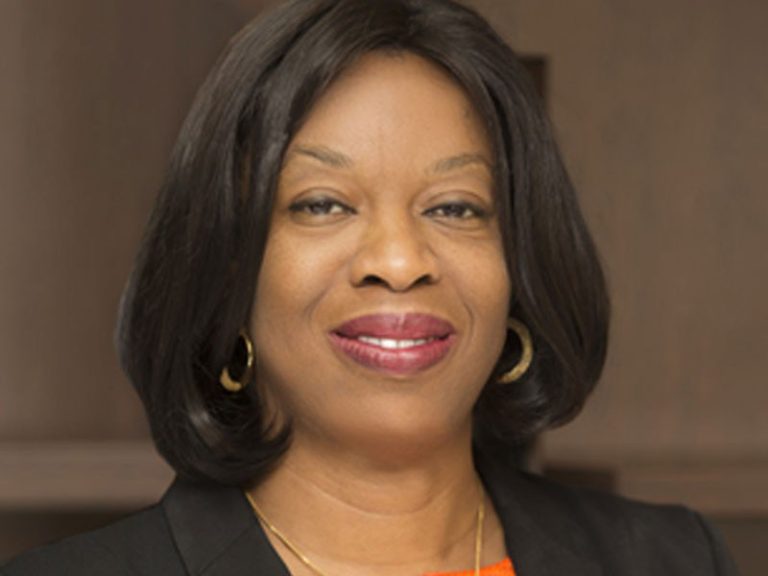
LAWMAKERS in the House of Representative on Tuesday commenced an investigation into several corruption allegations against Marilyn Amobi, Managing Director, Nigeria Bulk Electricity Company (NBET) after weeks of repeated postponements of the hearing.
The allegations range from abuse of office and flouting of the Public Procurement Act (PPA) on awarded contracts.
The hearing which ought to hold on 5th May was postponed to 12th of the same month.
On 12th May, the motion was again raised by Femi Gbajabiamila, Speaker of the House but it was not discussed until today.
The House of Representatives, however, directed its committees on Anti-corruption, power and financial crimes to probe the firm from 2015 till 2020.
Mohammed Wudil, Rep member from Kano state, had raised a motion on the floor of the House regarding the allegation. The motion was seconded by Maria Onuoha.
According to him, the motion was borne out of several complaints against the company bothering on gross abuse of power which were forwarded to the House Committee on Power.
He said the prayer of the motion was to mandate the House Committees on Power, Anti-corruption and Financial Crime to carry out investigation on the allegations and revert to the House for further legislative actions.
The motion was, however, voted on and adopted.
“The Committee on Power in receipts of complaints against NBET since the inception of the agency necessitated this motion,” he stated.
Wudil emphasised that anti-corruption agencies such as the Economic and Financial Crimes Commission (EFCC), Independent and Other Related Offences Commission (ICPC) and Office of the Auditor-General for the Federation had earlier investigated the agency.
The Speaker, however, directed the Committees to investigate the matter and report to the House within two weeks for further deliberation and actions.
Investigation on NBET and Amobi has been on-going since 2019 when the House initially commenced probe against the agency and its head over alleged N90 billion fraud and flouting of the procurement law.
The ICIR, last year February also reported on the allegations against Amobi.
Some of the suspected fraudulent actions include overpayment to selected power generating companies – Olorunsogo and Omotosho power generating companies, undue payment to law firms and consultants.
On 12th January, the NBET boss was also indicted in another N517 million graft.
A report by OAGF accused Amobi of contract splitting to Julius Berger, in different amounts, separate award letters within a short period.
Sale Mamman, the new Minister of Power, however, removed Amobi in January following the controversies but she was later reinstated by President Muhammadu Buhari.
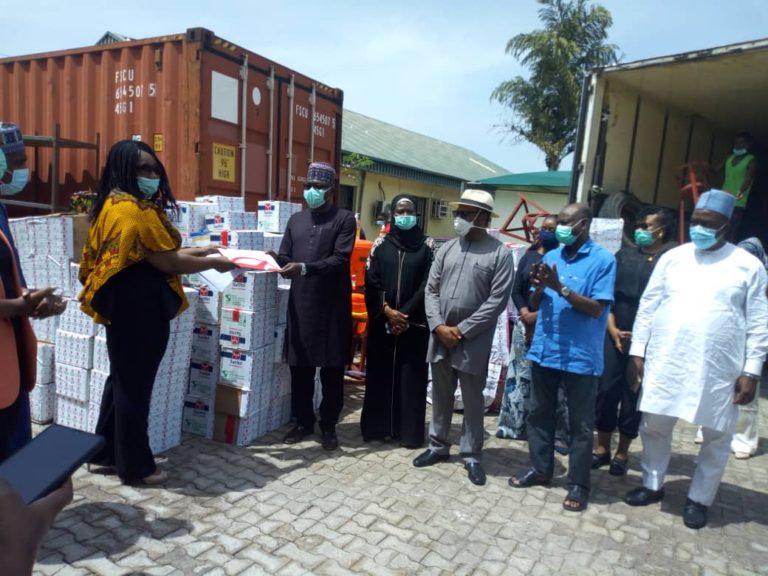
THE Save the Children International (SCI) Nigeria on Tuesday made a donation of Personal Protection Equipment (PPE) and Infection Prevention and Control (IPC) materials worth N50million to support the COVID-19 response to the Federal Capital Territory Administration (FCTA) and Lagos State government.
The humanitarian organisation said the donations would help address the immediate needs of front-line health workers who are providing care and treatment to people affected by the virus, either suspected, probable or confirmed cases.
Making the presentation of the items that were conveyed in two trucks to Abuja Central Medical Stores (ACMS), Utako, Nwamaka Ifionu, Deputy Director of Operations at SCI explained that since Nigeria recorded its index case, the organisation has worked with the Nigerian government to respond to the pandemic as a member of the COVID-19 Response Task Force at both Federal and several state levels and supporting the development and deployment of strategies to contain the spread of the disease.
“We hope that our donation can help in its way to break the spread of the virus and give resources to the front line workers to help protect the most vulnerable, especially the children,” Ifionu said.
The materials were received by Samson Eriba, Deputy Director at the FCTA Health and Human Services Secretariat who assured that the administration would judiciously deploy the items in combating the pandemic.
A similar presentation had taken place in Lagos too.
The items included protective gowns, eye goggles, facemasks, gloves and other vital health supplies.
A statement by Save the Children disclosed that the donation was made possible through the support of Femi Otedola through Cuppy Foundations.
Mercy Gichuhi, Interim Country Director of Save the Children International in Nigeria reiterated that the donation would enhance the government’s capacity towards containing the spread of the virus, and helps to sustain the ongoing health care response to patients already infected by the disease.
She explained that it was the responsibility of the charity organisation to protect vulnerable children and their families from the novel virus, noting that “we need to support our government partners who are at the front line in coronavirus response.”
“During infectious disease outbreaks, children face multi-dimensional risks, including exposure to the infection, indirect risks to accessing education and healthcare services; while the government’s priorities are focused on minimising contamination, and direct risks to their overall care and protection,” Gichuhi added.
DJ Cuppy on her part said, “the most vulnerable Nigerian children and their families are bearing the biggest burden of the COVID-19 pandemic.”
She stated that all stakeholders must ensure that children are protected from catching this deadly virus especially children who are malnourished or suffering from diseases like pneumonia that is the biggest killer of children.
“I am glad to see that many Nigerians are offering their support. Together with my family and The Cuppy Foundation, I am working with the government and Save the Children to provide materials urgently needed to fight the coronavirus. I reaffirm my commitment to the children of Nigeria because no one is safe until we are all safe.”
Taiye Babarinsa, Deputy Director Humanitarian Operations, Save the Children International Nigeria, said, “the organisation’s cash transfer, food voucher, and water provision programs continue across selected states with additional hygiene dignity kits shared to vulnerable families to accelerate cleanliness and sanitation actions in response to the pandemic.
He expressed hope that the innovative community sensitisation programs would help in making a positive shift in knowledge, attitude and practice across different locations in Nigeria and slow down the spread of the disease.
Save the Children International Nigeria called upon international donors, national and state governments to scale up investment in healthcare systems strengthening to allow the country to efficiently respond to the pandemic without compromising other health services, such as routine immunisation, and intensify public awareness-raising campaigns within communities to stop the spread of the infection.
It emphasised that prevention information, testing facilities and referral systems should be made available and accessible to the most vulnerable people, including children, people with disabilities, refugees and internally displaced people.
SOCIO-economic Rights and Accountability Project (SERAP) has urged the Presidency, National Assembly, Senate, and Governors to stop the purchase of new cars at this period, and use the amountsaved to support students of tertiary institutions across the country as a way reducing the impact of COVID-19 and the lockdown on them and their parents.
According to SERAP, the COVID-19 pandemic has reinforced the urgent need for high-ranking public officials and politicians to demonstrate the constitutional oaths of absolute loyalty to the public interest and the common good.
As trustees of Nigerians’ public funds, your government, the National Assembly and governors are accountable to the public for the use of those funds, the group revealed.
The expenditure of public funds requires the highest degree of public trust, it is the constitutional duty of every public official to protect and preserve the public interest in public spending.
SERAP also revealed that imposing a ban on new cars by the presidency, ministers and encouraging the National Assembly and governors to do the same would serve the public interest.
And contribute to cutting the cost of governance.
“Copying the Namibia example will also show that public funds will be spent for the benefit of the people, and not as a prerogative for the advantage of the government or the benefit of public officials,” the SERAP said.
Namibia’s government had recently announced a five-year ban on buying new cars for senior politicians and government officials to help them fund to fight the COVID-19 pandemic.
This presidential directive is expected to save the country some 200 million Namibian dollars (US$10.7 million) which would then be directed to urgent priorities, specifically at a time when the country is dealing with the health and economic implications of COVID-19.
The group also urged the federal government to consider banning spending on generators in the presidency.
And also cutting spending on items like furniture and fittings, refreshments, catering services, and purchase of kitchen and household equipment.
The advice becomes useful in the light of the federal government’s decision to raise about $6.9 billion from multilateral lenders to help fund efforts to stop the spread of the COVID-19 pandemic.
Recently, the government took $3.4 billion from the International Monetary Fund (IMF) in a loan, $2.5 billion from the World Bank, and another $1 billion loan from the African Development Bank.
FORTY years ago, smallpox became the only human disease to be eradicated globally, as the World Health Organisation certified its eradication in 1980. Caused by one of two variants of the virus, the last case was diagnosed in October 1977. Today, there’s no evidence of smallpox infection and transmission anywhere in the world. The virus however still exists officially only in research laboratories.
Who would have ever thought that the world would be locked down, shutting down non-essential commercial activities, restrictions in the airspace and many confined to life indoors? Have you ever imagined that the world will remain in abeyance for many weeks? Although no one could have predicted the current situation, history has shown that this situation is not entirely new. History has shown that the Spanish Flu of 1918-1920 was a pandemic that cut across the world. This undesirable but inevitable situation has revealed the many inadequacies of our hyper galloping globalised world. Many world leaders are caught between a rock and a hard place – bogged down with fighting an invisible enemy and ensuring economic survival of their nation-states.
These are not interesting times all over the world. COVID -19 is an unfolding pandemic with far-reaching effect on every sector of human existence. The economies of countries in the world have been affected. While some are yet to navigate their way out of the pandemic, others are strategically mapping out strategies to brave the odds. Although it caught many countries unprepared, they have been able to manage the pandemic to a proportion whereby there appears to be ray of hope after all. In Nigeria, this is not so.
Prior to the index case in Nigeria on Feb 27, Nigeria’s leadership behaved as if the country was insulated from the coronavirus. And when the COVID- 19 case was confirmed in the country, it took the president 58 days before he could address the nation on the issue. That in itself is a failure of leadership. Many leaders of the world, including neighbouring African countries, addressed their citizens as soon as there was a confirmed test case. Anyway, we have since moved on.
Aside the fatality on the economy and the difficulty in keeping people indoor without any form of respite or palliative, the primary outcome of COVID- 19 is that it has exposed the failings of the Nigerian system, especially our healthcare system. The wind has blown and the ineptitude of our leaders has been exposed. This has been an open secret anyway!
Only a mean person would deny that the Nigerian healthcare system has been in a comatose for a while. Not even the many industrial actions of the pressure groups in that sector would move the government. The doctors and the Ministers of health have always been involved in a series of unresolved issues with respect to Nigeria’s health care system. With the COVID-19 pandemic, the shame stares us in the face. Our incapacity to conduct these Covid19 tests has shown the ineffectiveness and indifference of the government. How we place little value on human life is an egregious sin that has robbed the country of avoidable deaths in times like this. Over the years, successive administrations have failed to take full responsibility for our own infrastructures or the dearth of it. They would prefer to go on medical tourism rather than develop a working healthcare system. Blockheads!
But for the support of the private sector and non-government organisations during the period of the lockdown, government’s support was a drop in the ocean as citizens groan at home while many people defy the stay-at-home order which was meant to limit the spread of the coronavirus infection. Although the government claims that it has capacity to test 50,000 persons daily for the virus, it is yet to test up to that number after more than two months since the first case was recorded. With daily increase in the number of infected persons, the government has also expressed her fear of inadequate isolation centres. This is sad!
The shame of Nigerian government and her insensitivity and heartlessness were taken to another height when COVID-19 patients in a Northern state took to the streets to protest their neglect and negligence in dealing in with the problem. According to the protesters, they were neither supplied food nor medical attention at the isolation centre. These patients who were supposed to be in isolation in a bid to contain the pandemic were left to fend for themselves. In the midst of the insufficiency, the government has ordered the importation of Madagascar’s solution (herbs) to COVID – 19, which, is yet to be certified by WHO. Moreso, with adequate support, we can also make right here and export to other nations, thereby boosting our forex. How disheartening!
From history, we now know that this is not the first pandemic. And it may not be the last. But Africa has never been prepared for any major emergency. Covid-19 presents an opportunity for Africa, Nigeria in particular, to take health care seriously. Primary health care must be upgraded to basic standard beyond the first aid treatment and pre and post-natal services which seem to be their specialisation. Secondary and tertiary healthcare must also be given adequate attention. There are many deaths that could have been prevented in our hospitals simply because we have remained contented with the crumbs of technological innovation with laid back personnel who have constantly been overworked beyond reasonable capacity. What a pity!
Human beings are animals of faith and fate. Unless there’s a superior force they believe they will survive every odd no matter how dastardly it may seem. The reality however is that no one is immune from emergencies. It, therefore, behoves a responsible government with the kind of peculiarities that Nigeria boasts of – demographic magnitude – to be always prepared for such. But how can our government make any meaningful preparation when our data and record-keeping is all over the place – grossly inaccurate and totally unreliable for any meaningful intervention. I wonder!
A sage says; “Don’t be sad that roses have thorns, rather be glad that thorns have roses.” In other words, don’t be sad that opportunities come with crises; rather, be glad that crises come with opportunities. With the realities that stare us in the face, hopefully, all levels of government would rise to the challenge of governance that Nigeria truly deserves. This is a wakeup call, a call to action, to turn around the fortune of Nigeria and bring out the beauty from the ashes of COVID- 19. In times like this, purposeful leadership is what we need, and it is urgent too. We must not waste this emergency.
A NEW report on deadly conflicts in Nigeria’s Northwest has revealed that violence is responsible for the death of over 8,000 people since 2011 and displacement of over 200,000, some into the neighbouring Niger Republic.
“Violence has had a far-reaching humanitarian and economic impact on the region and created a domino effect of security problems,” said International Crisis Group in its latest report, Violence in Nigeria’s Northwest: Rolling Back the Mayhem.
“Over the last decade, more than 8,000 people have been killed – mainly in Zamfara State – with over 200,000 internally displaced and about 60,000 fleeing into the Niger Republic.”
According to the report, the Northwest is said to be suffering deadly conflict involving many armed organisations, including herder-allied groups, vigilantes, criminal gangs and jihadists.
It noted that violence is rooted in competition over resources between predominantly Fulani herders and mostly Hausa farmers.
The Brussels-based organisation in the report indicated that livestock and crops have been decimated, further depressing human livelihood indices that were already the lowest in the country.
The violence, it stated was aggravating other security challenges forcing more herders southward into the country’s Middle Belt, thus increasing herder farmer tension in that region and beyond.
It identified Zamfara as the origin of this conflict where gang violence took its roots and has since spread violence to five other nearby states, namely Kaduna, Katsina, Sokoto, Kebbi and Niger, the last of which is in North Central Nigeria.
The report says a durable peace remains elusive despite several security operations and dialogue efforts.
According to the International Crisis Group, the conflict has escalated amid a boom in organised crime, including cattle rustling, kidnapping for ransom and village raids noting that Jihadist groups were stepping in to take advantage of the security crisis.
It stressed that the federal and state governments should facilitate settlements between farmers and herders – easing friction by reforming livestock production.
“They should cooperate with Niger to stem cross-border flows of weapons and jihadists, as well as to better police lawless forests and gold mining areas. International partners should help address humanitarian needs,” the group said.
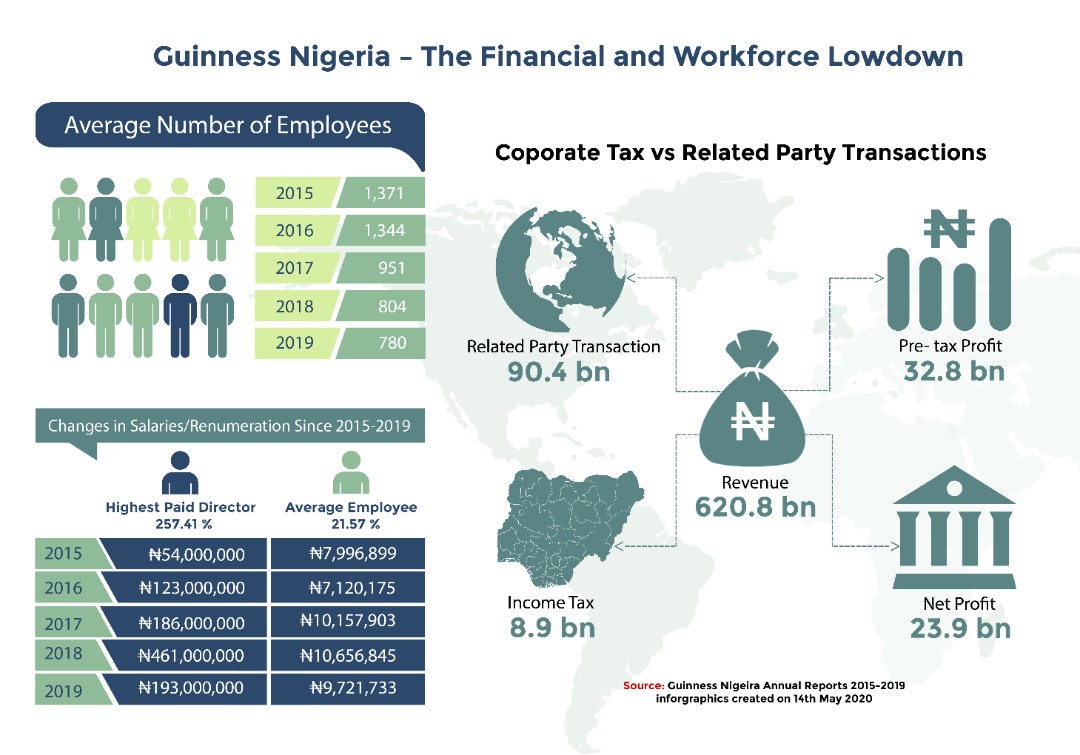
THE Directors of Guinness Nigeria significantly increased their pay in the last five years, even as the drink company’s profit margin was virtually halved, its accounts revealed.
Guinness Nigeria which is among the top three breweries in the country is a subsidiary of Diageo plc, one of the world’s largest producers of spirits.
In 2019, it was reported that 40 per cent of Guinness consumed worldwide is being drunk in Africa with the highest consumers of the alcoholic beverage on the continent being Nigerians. This places Nigeria as the second-largest market for Guinness beer in the world after the United Kingdom.
However, despite recording an increase in Nigerian sales over the last five years, the company has also seen a decline in its profit margin from 9 per cent recorded in 2015 to 5.4 per cent in 2019. Worthy of note is that prior to 2015, the company regularly reported profit margins in the double figures, before tax.
Notwithstanding its falling profit margin, the annual financial reports showed that the chairman and directors of Guinness Nigeria whose number ranges between 14 to 16 directors have seen their pay tripled from N245 million in 2015 to N963 million in 2018, excluding pensions or payments in shares, before it dropped to N489 million in 2019.
Meanwhile, the company’s workforce shrunk from an average of 1,371 workers in 2015 to only 780 workers in 2019, a 43 per cent workforce cut within the space of five years.
In 2015, the remuneration of the highest-paid director was about six times higher than the average worker and by 2019 his remuneration was seventeen times higher. About 40 per cent of the total benefits paid to directors, went to this one director.
Although the total pay of the company’s remaining employees recorded a 22 per cent increment since 2015, the sharp difference in wages between its top and bottom cadres is noticeable in the face of reduction of the labour force.
A top senior government official who pleaded anonymity told the reporter: “Although companies preach the practice of the bottom to the top pyramid of work practice, it is never so in the real sense. We all know that these workers do more than the bosses but because of the titles that come with these jobs it becomes the norm of “monkey dey work, baboon dey chop.”
Comrade Mike Olanrewaju, Deputy General Secretary of the National Union worker of Food Beverage and Tobacco Employees (NUFBTE), said Guinness Nigeria laid-off workers based on “the challenges that the company is experiencing in connection with the downward performance of the company,” said Olanrewaju. “Sometimes, the reason is due to the automation of some kind that led to restructuring in staff strength.”
Nonetheless, he expressed displeasure with the outsourcing labour strategy used by the brewing company in ensuring that they continue to have a big workforce, whilst making it impossible for workers to be identified as permanent staff in the company.
Portions: Related parties dues and tax returns
It is worth noting that Guinness Nigeria would have made more profit but for its payment to overseas companies, which are also owned by Diageo, for technical service fees and royalties.
Between 2015 and 2019 Guinness Nigeria incurred N10 billion in fees to related companies for the “know-how, manufacturing, distribution and marketing” of international brands belonging to Diageo, including Guinness, Harp beers, Guinness Malta, and Smirnoff vodka.
Guinness Nigeria has also incurred payments of another N80 billion to related companies over the last five years for “purchases, promotional support and other services”. ( Although the company also earns some money by selling goods and services to other Diageo companies such as Guinness Ghana.)
Meanwhile, Guinness Nigeria reported just under N28 billion in profits before tax and paid just under N7 billion in corporate income tax to Nigeria on these profits in the same period.
The ICIR asked Guinness Nigeria by email in February why the company is still unable to provide these services for itself, despite having been in business in Nigeria for more than fifty-five years. Until the time of publication, the company had not responded.
These payments to related parties are so large that they have a significant effect on Guinness Nigeria’s taxable profits.
Although there is no suggestion that such payments to related parties are illegal as Guinness Nigeria has certificates from Nigeria’s National Office for Technology Acquisition and Promotion which endorse its fee and royalty payments to related companies similar to its foreign-owned competitors Nigerian Breweries and International Breweries who also make large payments to related companies abroad.
However, concern has been growing around the world that such payments create a risk of tax avoidance.
Controversial parent and Tax havens – Diageo Plc
Multinationals have been able to legally shift some of their profits into tax havens by placing assets there, such as intellectual property like brands or software, then charging their subsidiaries elsewhere to use these assets, with the result that less profit is reported for tax purposes in countries like Nigeria. It is also common for multinationals to procure goods and services through tax havens.
So, when a company makes large payments from Nigeria to related companies in tax havens, it is reasonable to be concerned that Nigeria may be losing tax revenues.
Guinness Nigeria’s accounts up until 2018 imply that most of its royalties and fees were paid to Diageo subsidiaries in Ireland, the Netherlands and the United States and to a UK company called Diageo Great Britain.
Ireland is the home of Guinness, so it is not unreasonable that Guinness Nigeria might source some services from there. However, Ireland is also a tax haven, as is the Netherlands. Diageo Great Britain’s accounts show that it pays a low rate of tax in the UK, while the accounts of the other subsidiaries have not been made public.
Although the Organisation for Economic Cooperation and Development is set to recommend new rules for taxing multinationals towards the end of 2020 which are meant to make it harder for profits to be shifted into tax havens, but, there are fears that these reforms may not work well for developing countries like Nigeria.
As a country heavily dependent on crude oil exportation for its major source of revenue, with the COVID-19 pandemic impact globally, Nigeria is undeniably experiencing an economic hiccup as the benchmark oil price of $57 per barrel which the country based its 10.6trillion naira ($34.6 billion) budget for 2020 dropped to $26 within three months since the outbreak of the virus.
This economic negative shift makes it all the more important that the state collects all necessary revenue from taxes (especially from corporate bodies) as much as possible at a time when public funds will be most needed to cope with the impact of the pandemic.
Guinness Nigeria parent company–Diageo plc–has a history of controversy over its use of tax havens which has been challenged in the past by tax authorities.
A recent Oxfam study of big UK companies’ tax payments from 1998 to 2017 concluded that Diageo “has consistently paid a very low cash tax rate” on its global profits. The report added: “Although there could be more than one reason for this, in the case of Diageo there is arguably strong evidence for tax avoidance being a factor.”
In addition, the company is reportedly paying an additional £143 million in tax in the UK in 2018 after being challenged over some of its internal transactions.
The government official that spoke with the reporter also confirmed that it would be almost impossible to determine the true position of the company tax status and the intricacies of its related parties transactions [from what is being reported in the company annual reports] as huge multinationals, including Guinness Nigeria, have people working in the tax service that ensures the tax position of the company remain good on paper for the company’s benefit considering the interest of stakeholders and other factors.
He also said that transactions between subsidiaries and their parent companies are not accorded the proper level of scrutiny required to avoid profit transfer.
“A whole desk is dedicated in the FIRS that works on the tax matters of Guinness Nigeria, 7up bottling company and the rest of the huge brewery firms. It is these guys that can tell you what is really going on with these companies, If there is a suspected case of profit transfer too, I am sure they are aware of this,” he said.
Efforts made by the reporter to speak with the investigative department of FIRS including sharing the files to findings on the company reports in terms of its dealings with its related parties was futile as no response was received from the other party.
This story was supported by Finance Uncovered, a UK-based journalism organisation.
MORE than 110 countries have backed Australia’s push for an independent coronavirus inquiry that may put China in the eye of the storm.
The African Group’s 54 member states will co-sponsor the motion, joining 62 other countries including Russia, Indonesia, India, Japan, Britain and Canada.
The European Union’s 27 members are all on board, along with Brazil, South Korea, Mexico, Turkey and New Zealand.
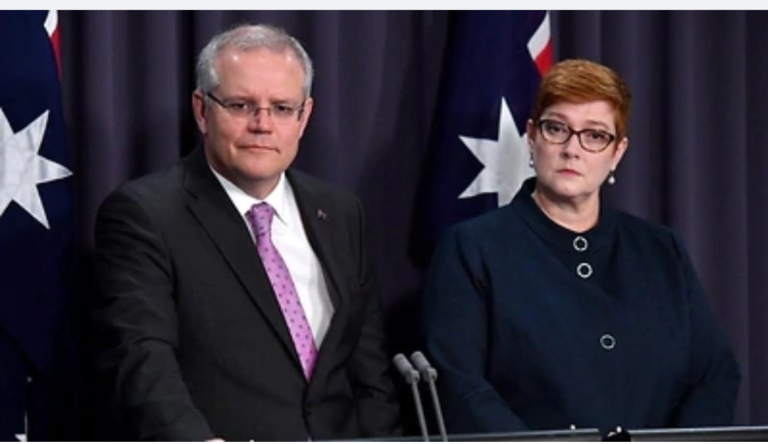
According to SBSnews, the Foreign Minister of Australia, Marise Payne, said on Monday that it was encouraging to see so many countries backing the inquiry.
He was quoted to have said “I think what it illustrates is a broad view that given the experience of COVID-19 – over 300,000 deaths, millions of people around the world losing their jobs, the impact on economies from one corner of the globe to the other – that there is a strong view that it is appropriate to engage in a review of what has happened.
“I don’t want to preempt speculate about the outcome, those discussions will be underway later this evening. I think it’s a win for the international community.”
The draft resolution calls for impartial, independent and comprehensive evaluation of the international response to the pandemic.
It doesn’t mention China, but Australia’s push for the inquiry has angered Beijing, which has threatened a huge tariff on barley and blocked some beef imports.
In relation to the motion pushing, federal Deputy Chief Medical Officer Paul Kelly said on Monday it was important to “get to the bottom” of what had happened.
“I think the most important thing, rather than apportioning blame to one particular country or another country, is that we get to the bottom of what’s happened. And part of that is about the origin, where this virus came from,” he told reporters.
Agriculture Minister David Littleproud said the inquiry was about investigating what the world could learn from the devastating pandemic.
“That’s the responsible thing to do when 300,000 souls have lost their lives around the world,” he told the ABC on Monday.
Mr Littleproud said his Chinese counterpart had indicated he would not discuss trade issues in the near future.
Australia’s push for the inquiry into the origin of the virus sparked fury from Beijing with diplomatic ties between the two nations under intense pressure.
Meanwhile, China has lashed out at claims that Australia’s push for an international probe into the coronavirus has been vindicated, labelling it a “joke”.
After an early morning vote on Tuesday,China agreed to support an investigation after more than 110 countries co-sponsored a motion at the World Health Assembly on Monday night.
The World Health Organization has also agreed to an international probe into the coronavirus pandemic after an Australian-led push for an independent investigation.
Senior government figures claim the inquiry vindicates the government’s stance, prompting a scathing response from China’s embassy in Australia.
“The draft resolution on COVID-19 to be adopted by the World Health Assembly is totally different from Australia’s proposal of an independent international review,” a spokesman told AAP on Tuesday.
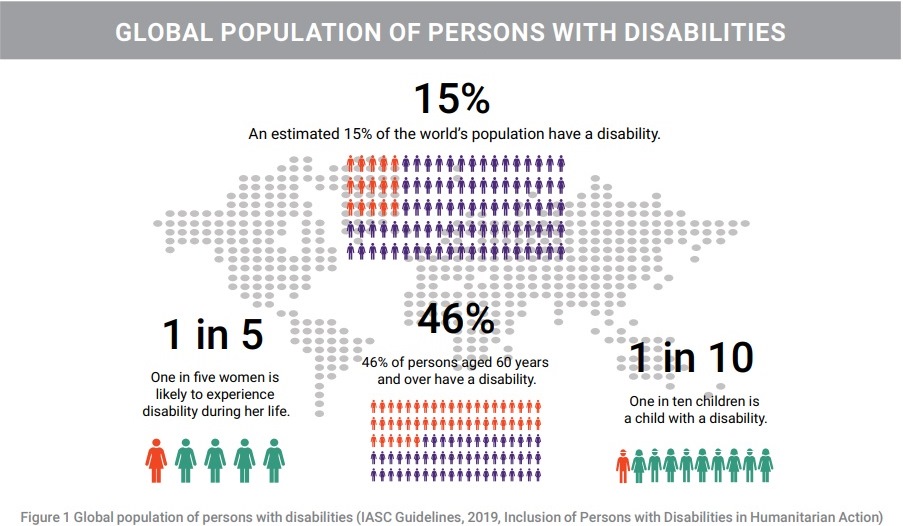
One in 10 children is a child with disability and according to UNICEF, COVID-19 will likely “disproportionally affect those children with pre-existing vulnerabilities.” Adie Vanessa OFFIONG looks at what it has been like for families and caregivers of such children, since the beginning of pandemic and the lockdown that followed.
Adie Vanessa Offiong
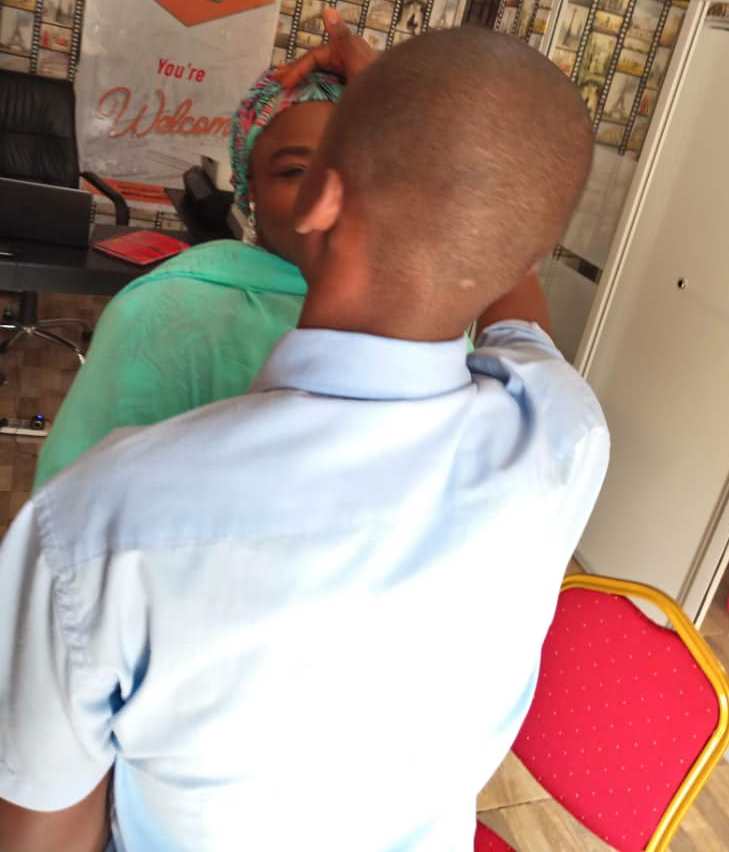
RAFAT Salami (50) went into a panic when she noticed countries locking down and industries shutting down in Europe due to the COVID-19 pandemic. Her immediate concern was how she would get enough supplies of medication and dietary requirements for her 15-year-old son, Ahmed.
Ahmed has attention deficit hyperactivity disorder (ADHD), mild cerebral palsy and also intellectual disability. This is all resulting from poorly managed neonatal jaundice.
Rafat, a journalist, said, “because we want to maximise everything to help his brain develop, he is on a special diet. He does physiotherapy to help with the cerebral palsy so that he can have better use of his muscle tone, his spine and gross motor skills.
“He attends a special needs educational centre because inclusive schools are virtually non-existent and do not cater to his type of needs. The daily challenge is navigating among all three to make him a better person.”
In caring for him, the mother of three sons, said everything is challenging on a good day; from school runs to Ahmed’s learning, meals, physiotherapy and buying his medications.
Ahmed brags about being taller than his mum Source- Rafat Salami
Her voice is elevated in excitement as she counts her blessings that most of his developmental milestones have been achieved, like his speech, which is now perfect and he no longer has need for that therapy.
Almost immediately, as if remembering her current reality, her voice dropped, as she said, “but we still have a very long away to go and there is no support, whatsoever. It is all on us.”
Before the pandemic, Ahmed’s medicines alone cost no less than N55, 000 monthly. There was also his school, dietary requirements and a paid live-in caregiver, among other necessities.
With the pandemic and lockdown, his caregiver opted to return to her family, some of his medicines are unavailable because they are imported. For the ones available, his mother now buys at an additional cost.
Ahmed sometimes has seizures which only one particular medicine has been able to address. Rafat said, “I usually buy the 300mg pack of the medicine for N10, 000. He uses two and a half packs every month. I paid N10, 200 for it just before the lockdown.”
Rafat is not alone in this. There are siblings of children with special needs like, Ify Okenyi, who also double as their caregivers.
When Okenyi (31) learnt about the closure of schools due to the COVID-19 pandemic, she was worried about how it would affect learning for persons with special needs like her younger sister, Sandra who is autistic.
This is especially as learning is already limited in terms of proper processing, resources and standards for them and how they would further cope.
She said, “I wondered what level of access, to the already very limited therapeutic options, would be available to them.” She also worried over the kind of access their teachers, counsellors and other professionals, would have.”
Okenyi, a PhD candidate in Medical Law and founder of the nongovernmental organisation, Siblings of Special Needs Foundation, worries that disrupting the routine Sandra is already used to, would further complicate her already difficult situation.
Parents and caregivers of children with special needs are dealing with a challenge made even more chronic, in recent times due to the COVID-19.
Medications are more scarce to come by, learning centres are closed, just as routine therapy sessions have been disrupted to maintain social distancing and to curb the spread of the virus.
According to data by the Nigeria Centre for Disease Control (NCDC) about 200 of the 5,162 confirmed cases in Nigeria as of May 14, are children.
The data shows that those between the ages of 0 and 20 are less affected by the disease than adults. However, children with special needs fall under the category of people at high risk of contracting the disease for a number of reasons.
Describing these children in a publication as being, “among the world’s most vulnerable, marginalized and stigmatized populations,” UNICEF said, COVID-19, “will likely disproportionally affect those children with pre-existing vulnerabilities.”
According to the April 26 piece on UNICEF’s website, “Some underlying health conditions place children living with disabilities at higher risk for [sic] becoming infected with and developing severe illness as a result of COVID-19.”
Dr. Doris Izuwah (43) said, some of the reasons for this could range from lack of access to therapy, dietary requirements and increased cost of care and medication all due to the lockdown.
Izuwah, an autism specialist who also coordinates neurodevelopmental and special needs clinics in Abuja, explained that, “Some of the devices and special equipment they need like hearing aid, braille for reading, feeding tubes, dietary needs and regular dialysis for those with renal failure, may no longer be available or too expensive for parents to afford at the moment.
She added that, “Some of the children with cerebral palsy and down syndrome may need frequent hospital visits, which could further make them vulnerable to COVID-19.”
Number of confirmed cases according to age group as at May 14 Source – ncdc.gov.ng
The most vulnerable in this category, according to UNICEF, are those with hearing difficulties, seeing and cognitive functioning, as they also face important barriers in the access to inclusive public health information and communication strategies that are crucial as preventative measures during pandemic periods.
Matters arising
With only two weeks supply of Ahmed’s medicine left, and Rafat toiling with the idea of rationing, which immediately forces out of her head, because of the risks, there are more concerns arising for others like her.
“I was not sure how to handle it,” said Dan (not real name), whose son is autistic and preferred to speak anonymously to avoid stigmatisation.
Dan (52) said, “These children have a pattern in life, especially my child. I was worried about how changing that pattern abruptly, would affect my child.”
For Dan’s son, there is also the concern of controlling his dietary and medical needs, which he is still trying to figure out, because they are mostly imported.
The lockdown has made the father of three more reliant on the internet, because, “there are a lot of things we have to do online, including his lessons. We didn’t have a computer, so we had to get one.” Some of the trainings his son is interested in, are on hold for now due to the lockdown.
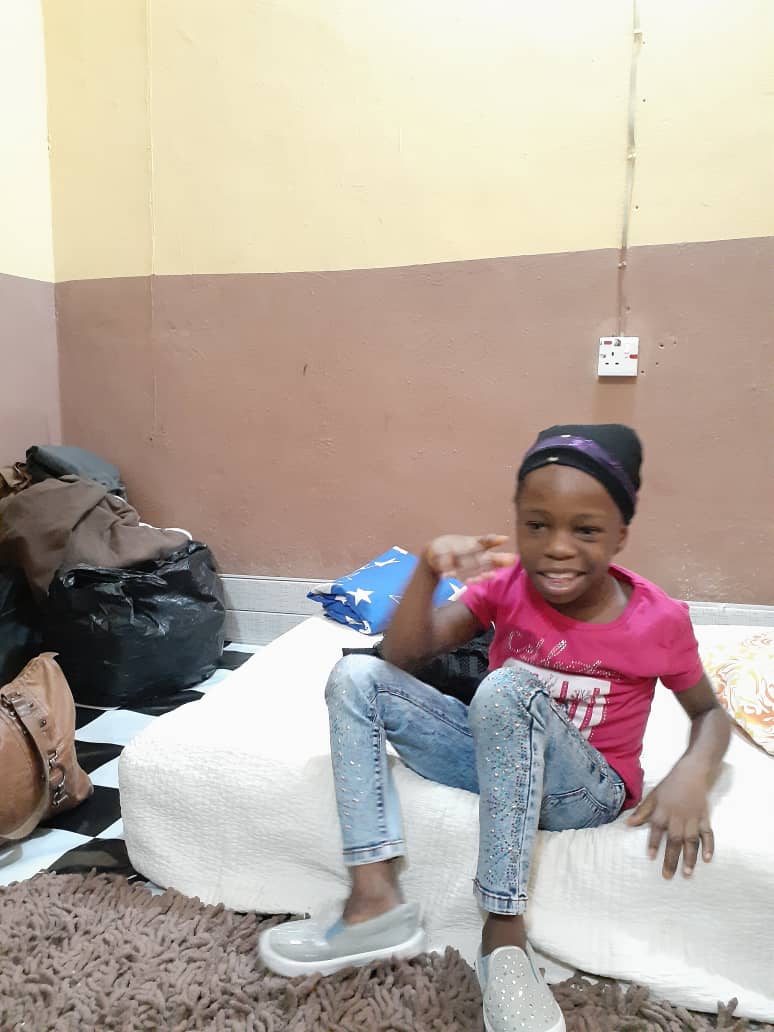
Atika is 9-years-old and suffered cerebral palsy at birth. She cannot walk, talk or feed herself and is 100 percent dependent on others.
‘Atika brings me joy, I love her so much,’ says her father Abdu Source-Abdu Abulkadri
For her father, Abdu Abdulkadri (43), the most difficult challenge during the pandemic is getting her medication due to a lack of income and finances to purchase them. Abdulkadri, has sustained his family doing odd jobs since he has been unable to secure a permanent job.
With the pandemic and no income, Atika’s physiotherapy sessions have been suspended. He worries that without them, her seizures will return.
“She has been sick for the past three days, but it is only malaria. Thank God,” he heaves a sigh of relief.
The father of two fears that her seizures will return because he is unable to afford her medication which on a normal day cost him N30, 000 to buy only the essential ones monthly.
Atika in pink with her mum and sister Source-Abdu Abulkadri
On the other end of the line, our reporter could hear the cheerful babble of an impatient Atika, who was eager to get on the phone like her father, to also have her voice heard. This was a pressure her father gladly succumbed to, to let her have her full minute of gleeful say of repeated, “fine” between heart-warming chortles.
Currently being without an income, even as an Economics graduate, means there is very little Abdulkadri can do for Atika whom he repeatedly referred to as “my lovely child, my beautiful daughter.”
Abdu’s relief was however short-lived. Three days after speaking with our reporter, Atika went into seizure which her parents are now treating traditionally with a combination herb.
Communication and non-communication
The United Nations Secretary-General, António Guterres, in his April 16 statement on the effect of the COVID-19 pandemic on children, urged governments, donors and the world at large to “prioritise the most vulnerable – children in conflict situations; child refugees and displaced persons; children living with disabilities.”
The United Nations says, one in 10 children is a child with disability Source – un.org
This call seems to have fallen on deaf ears.
Around the country, mainstream and social media as well as other outlets, are awash with public education pieces about the virus and what people need to know about COVID-19 and how to protect themselves. They include adverts, drama skits, syndicated messages by the NCDC, radio jingles and bill boards, among others.
But in all this, there is none targeting children with disabilities, beyond the sign language interpreter stationed in the background, during the Presidential Task Force briefings.
An April 17, YouTube video, anchored by Lois Auta, Chairperson and CEO of the Network of Disabled Women, calls for the inclusion of relief materials for persons with disabilities. In the 10-minute video, Auta said, “we want to see persons with disabilities have access to information, communication and technology, relief materials and humanitarian materials as organisations of persons with disabilities are funded to fight this pandemic, and persons with disabilities being part of the Presidential Task Force.”
While the video is worded to advocate for persons with disabilities, it seems to only focus on persons with albinism, the blind, deaf and those on wheelchairs.
Constance Onyemaechi, who suffers with albinism, ends the video calling on the government to help, “People with disability like me, and those on wheelchair” to access healthcare. For some reason, the likes of Ahmed, Atika, Sandra and Dan’s son, are not covered in the advocacy.
Boss Mustapha, Secretary to the Government of the Federation and Chairman of the Presidential Task Force on COVID-19 spared a thought for the disabled, at a briefing on Monday, May 11.
While confirming that states have been encouraged to set up isolation centres, wards and ICUs, each with at least 300 beds for levels one and two cases, Mustapha said, the rise in cases was causing bed shortages in isolation centres, especially in the high burden areas.
He said, “We are conscious of the need to take care of different categories of persons e.g. People living with disabilities, terminal conditions and other underlying factors / co-morbidities.”
A convention and the Child’s Right Act
On March 30, 2007, Nigeria signed the United Nations Convention on the Rights of Persons with Disabilities. On September 24, 2010, Nigeria gave a formal confirmation, ratification and assented to the Convention.
Article 7 Sections 1 and 3 of the Convention enjoin States Parties to, “ensure the full enjoyment by children with disabilities of all human rights and fundamental freedoms on an equal basis with other children” and that, “their views being given due weight in accordance with their age and maturity, on an equal basis with other children, and to be provided with disability and age-appropriate assistance to realize that right.”
Although Nigeria is one the 161 signatories to the Convention and its Optional Protocol, Bar Kola Ogunbiyi, Programs Manager at the Centre for Citizens with Disabilities, said, Nigeria has not lived up to the expectation of this Convention and has not complied with international best practices.
He said, “Nigeria has ratified the Convention but is yet to domesticate it. If you ratify without domestication, the enforcement of that convention is in variation with the provision of Section 12 of the 1999 Constitution which provides that, ‘any international agreement needs to be domesticated for its enforcement in Nigeria.’
Section 13 Subsection 1 of the Child Rights Act, provides that every child is entitled to enjoy the best state of physical, mental and spiritual health. According to Subsection 2, every government, parent, guardian, institution, agency, organization or body responsible for the care of a child shall endeavour to provide for the child the best attainable state of health.
On how Nigeria is doing regarding children with special needs during the pandemic, Ogunbiyi said, “the Right to health includes prevention and awareness campaign, access to health services.
“From the awareness creation, there is no particular awareness campaign that is targeted at persons with disabilities. Secondly, if you are looking at children, one would have expected that you look at a campaign that is attractive to children and interesting to watch. Things like animations and cartoons that will draw the attention of children so that they can be carried along with the campaign.”
When social service et al, are not so social and serviceable
There is also the question of the state of social services and social workers in Nigeria.
Samuel Omoi is a trained social worker and Head of Programs at Christoffel Blindenmission (CBM), a leading organisation in disability-inclusive development. He said, there is not much being done regarding social service for children with special needs during the pandemic, for two reasons.
Omoi said, “Many of them in institutions are back home with their families. The challenge would be following up on their wellbeing to ensure they are doing well. For those in institutions like orphanages, the response would be to find out what such homes are doing regarding children with disabilities.
While he says social workers are doing their best at the moment, he however, admits that “the preparation to respond to the pandemic was not there. There is a huge gap. A lot of this has to do with funding and if there is no funding nothing much can be done.
“Our preparation was not what it should be. The major challenge was that there was no fund to do what we should have been doing. And when there is no fund, you can at least provide information.”
Omoi said, this information is being disseminated via social media platforms. For families like the Adbukadris, this is beyond their reach as their current financial status makes purchasing internet data an absolute luxury.
Regardless, Auta’s call seems to have had some impact in the Federal Capital Territory (FCT). She is now one of the members of the FCT Persons with Disabilities Committee on COVID-19 Palliative inaugurated on 27 April 2020 by the FCT Minister of State, Hajia (Dr) Ramatu Tijjani Aliyu.
The committee also received 3,000 packs of food items including a 5kg bag of rice and a bag of condiment which contains 3kg of beans, 3kg of garri, a sachet of semovita, a sachet of salt, 10 sachets of tomato paste, five sachets of Power oil, 10 cubes of Maggi, and a sachet of sugar. These were distributed to people living with disabilities across the six area councils of the FCT with tens of thousands of disabled people.
Auta admits that, “we still have so many PWDs we could not reach.”
The Minister of Ministry of Humanitarian Affairs, Disaster Management and Social Development, Hajiya Sadiya Umar Farooq on May 9, supported disabled people in Karmajiji with 1,000 palliatives and has promised to reach out to 3.1 million of them, nationwide.
The forces are not with them
Rafat has done all in her power to ensure Ahmed has the best during the lockdown, but there is a lot not in her control.
She says, “We are missing out nearly completely in learning. He needs online materials. I need a system, electricity and internet. We both know the state of electricity in the country. This was worsened with my system crashing. We are unable to go online to access the resources we need. What we are doing at the moment is to revise some of the paper lessons we have so that he doesn’t get bored.
With social distancing now a recommended lifestyle, Rafat is glad that she has over the years learned to help Ahmed with physiotherapy but admits that, even though she can manage for now, there is still need for expert care.
In all of this, Rafat’s greatest worry is his medication.
She said, “We are already running low and we need to stock up. We are trying to raise funds for this. I am hoping that the pandemic is put under control so that production lines can open again. So, we can have our medications available. If production lines don’t open and the medicines are not produced, it means we won’t have them. If they are able to produce the medicines, but we are unable to import them, that would be a problem. I am already buying them at a higher cost. I see that even if it will be available, the price will increase. That wouldn’t be my major worry. My worry would be how I will get it.”
At as at May 15, Rafat said the medicine is no longer available in Abuja and she is trying to source it from Dubai where it was originally prescribed.
What is government doing?
Our reporter contacted an official at the Ministry of Health for comments about what the Ministry is doing regarding intervention for children with special needs during the pandemic and lockdown.
She responded to our reporter’s text message, asking for a physical meeting with our reporter at her office. Our reporter responded to this, letting her know that due to health reasons she would be unable to make it to her office and suggested a phone interview. The official neither responded to this message nor took subsequent calls from our reporter.
However, insiders told our reporter there was no plan for these children with special needs at this period of the COVID-19 pandemic.
Nigeria’s ‘Saving One Million Lives Programme for Results’ (SOML-PforR), is one that the WHO describes as “an elaborate scheme to expand access to essential primary health care services for women and children.”
Dr. Ibrahim Kana, the National Programme Manager said, “The Programme works in such a way that funds are provided to states as grants, and have been provided to cater for the poor and needy, including women and children with disabilities.”
Speaking on what specific funds are available for children with special needs and how they are accessed, Kana said, “the funds basically cover their basic Medicare, such as malaria, pneumonia, diarrhoeal diseases, ante natal, delivery and all immunization packages.”
He added that, “The funds are domiciled in the state ministries of health and [are] very easy to access. For states that have their contributory health schemes in place, that creates an easy entry for such categories of people.”
Responding to a question about any special arrangement under SOML-PforR for children with special needs during this pandemic, Kana said, “Remember that every citizen in Nigeria belongs to a state, the Federal Government doesn’t have any citizen. What the Federal Government does through its ministries, like mine, Health, is to develop policies and provide access to funds and funding to the states. Each state is to develop programmes that will address the needs of its people, which includes people with special needs.”
Rafat, who covered the health beat and also the launch of this programme, said as far as she knows, the project targets maternal and child health.
She explained that, “Your entry point as a mother is through antenatal. The project covers you and your child for basic health needs until the child is about two years. It is not a project that covers the child forever because you exit it at some point. What then happens to a child with special needs he/she exits the program?”
A challenge beyond Nigeria
This is not a problem that is unique to Nigeria. A report by the Canadian Broadcasting Corporation said, families supporting children with disabilities, feel forgotten.
In the report, Robin Acton, who lives with her adult daughter, who has Down syndrome, and her husband, who uses a wheelchair, complained about Alberta’s COVID-19 response.
She said, “As families who are supporting our sons and daughters with disabilities, who live with us in the community — we feel forgotten. We’re not even on the radar.”
Trish Bowman, CEO of Alberta Inclusion which advocates on behalf of children and adults with developmental disabilities and their families, said, it has become clear that people with disabilities are not being well-considered in the response to COVID-19 and that it needs to change.
Also, the March 16, update of the Australia and New Zealand’s Intensive Care Society (ANZICS) guidelines for doctors, admits that there may be difficult decisions made as the pandemic peaks.
Professors Helen Dickinson and Anne Kavanagh observe that, the guideline which recommends for doctors to make decisions based on the probable outcome, whether people have underlying health conditions, and the “burden of treatment” for the patient and their family does not, at any point, mention people with disabilities.
They pointed out that, “Evidence for previous pandemics shows that health inequities worsen during epidemics as more marginalised communities have fewer resources (financial and social) and struggle to access necessary supplies and services.
“On top of this, health information is rarely presented in an accessible format for children and adults with intellectual disabilities, such as Easy English (a style of writing that’s simple and concise) and/or pictorial formats.
While addressing support for vulnerable populations in the third chapter, it encouraged, “Work with social service systems to ensure continuity of critical services that may take place in schools such as health screenings, feeding programs or therapies for children with special needs.”
UNICEF also said, “Consider the specific needs of children with disabilities, and how marginalized populations may be more acutely impacted by the illness or its secondary effects.”
But under current provincial rules, AISH recipients who lost part-time wages due to COVID-19 are not entitled to a federal top-up.
Following calls by the Self Advocacy Federation and by Marie Renaud, a legislator and the Opposition critic for Community and Social Services, there is now an ongoing review in Canada on decisions the government made regarding the treatment of the Canada Emergency Response Benefit for those receiving AISH and Income Support. The government is also working closely with the disability community to address concerns and assist in understanding and following directives.
Dickinson and Kavanagh stress that, “people with disabilities must not be de-prioritised. At a time when there is unprecedented demand for health services, we need to ensure people with disability don’t miss out.”
As a way of resolving the ‘oversight,’ Bowman said, “We’re having to actually walk things back and try and fix them rather than being included in the upfront planning. We feel pretty invisible.
Against this backdrop, it is very important that at all levels, all arms of government must do more than the nominal acknowledgement of the conditions of people with disabilities especially parents and their children.
Faith-based organisations, NGOs and civil society groups must continue to put pressure on government to pay greater attention to this situation.
If, as we say, it takes a village to raise a child, it will have to take a whole country to raise a child with disabilities and to reverse this sad situation.
This report was facilitated by the Wole Soyinka Centre for Investigative Journalism (WSCIJ) under its COVID-19 Reality Check project.