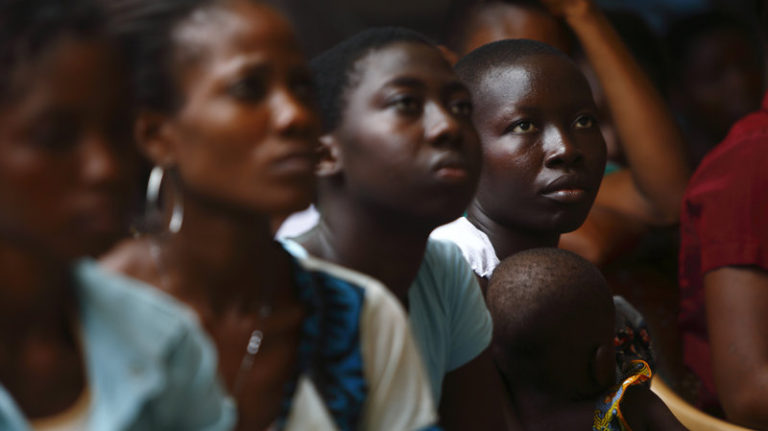
MORE than a third of women worldwide have experienced either physical or sexual violence at some point in their lives, according to a joint UN statement issued today to mark the International Day of Elimination of Violence against Women.
The Executive Director of the UN Women, Phumzile Mlambo-Ngcuka, said the day should serve as one to create awareness to the importance of listening to and believing survivors in order to end the culture of silence and to put the survivors at the centre of the response.
“The focus must change from questioning the credibility of the victim to pursuing the accountability of the perpetrator,” Mlambo-Ngcuka.
This year’s theme for the event is “Orange the World: #HearMeToo”, and it aims to honour and further amplify the voices of women across the world, whether a housewife at home, a schoolgirl abused by her teacher, an office secretary, or a sportswoman, as well as bringing them together across locations and sectors in a global movement of solidarity.
She said that though there is no comprehensive data to show the true extent of violence against women, as the fear of reprisals, impact of not being believed, and the stigma borne by the survivor—not the perpetrator—have silenced the voices of millions of survivors of violence and masked the true extent of women’s continued horrific experiences.
Furthermore, research indicates that the cost of violence against women could amount annually to around two per cent of global gross domestic product (GDP), this is equivalent to 1.5 trillion dollars.
Mlambo-Ngcuka highlighted movements both local and international movement that in recent time have acted as platforms of awareness and solidarity for women in general.
“In the recent past, grassroots activists and survivors, as well as global movements such as #MeToo, #TimesUp, #BalanceTonPorc, #NiUnaMenos, #HollaBack! and #TotalShutdown has converted isolation into a global sisterhood. They are making offenders accountable, exposing the prevalence of violence from high office to the factory floor. Today’s global movements are setting collective demands for accountability and action and calling for the end of impunity, to ensure the human rights of all women and girls,” she said.
In addition, Mlambo-Ngcuka, said that the focus must change from questioning the credibility of the victim to pursuing the accountability of the perpetrator.
“Those who have spoken out have helped us understand better just how much sexual harassment has been normalized and even justified as an inevitable part of a woman’s life. Its ubiquity, including within the United Nations system, has helped it seem a minor, everyday inconvenience that can be ignored or tolerated, with only the really horrific events being worthy of the difficulty of reporting. This is a vicious cycle that has to stop.”
She said that laws must recognize that sexual harassment is a form of discrimination against women and a human rights violation, both expressing and re-generating inequality, that occurs in many.
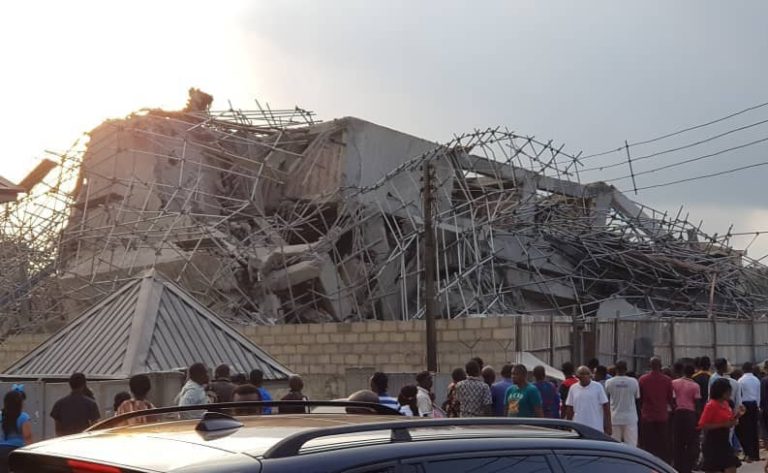
RESCUE efforts are currently ongoing as emergency workers look for victims believed to be trapped in a seven-storey building that collapsed in Port Harcourt, the Rivers State capital, late Friday.
At the last count, about 38 persons have been pulled from the rubbles alive, while six have been confirmed dead, but a yet-to-be-ascertained number of people are said to still be trapped in the building according to witnesses.
The collapsed building is located at Woji Road in the Government Reserved Area of the city, and several construction workers were at the site when the building gave way.
One of the victims who is believed to still be trapped in the rubble is a businessman, whose name was given simply as Ekene. The ICIR understands that he had supplied building materials to the construction site and had gone to collect his payment. He had been in the building for only a few minutes before the collapse occurred.
Meanwhile, the Governor of Rivers State, Nyesom Wike, has ordered the arrest of the contractor in charge of the collapsed building, as well as the owner and the official that approved it. He said this when he led a delegation of government officials to the site of the collapse.
“Whoever that approved this structure and those involved in the construction will face the law. The government will take every necessary step to ensure that culprits are brought to justice,” Wike said.
“Whoever is involved, from the owner or the contractor or the officials of the state, they will face the full weight of the law.
“I feel so pained that we have to face this kind of calamity at this time. I commiserate with the families that have lost their loved ones who came to seek their daily bread. Government will do all it can to give them the necessary support.
“I have directed the Attorney-General of Rivers State to ensure that all legal steps are taken to do what is right within the ambit of the law.”
Wike pointed out that according to the master plan of the city, a seven-storey building is not allowed at that location, adding that the Rivers State government would take over the property.
THE effects of human trafficking pose a huge threat to Nigeria as the number of persons being trafficked for one purpose or another continues to rise across many states and regions of the country.
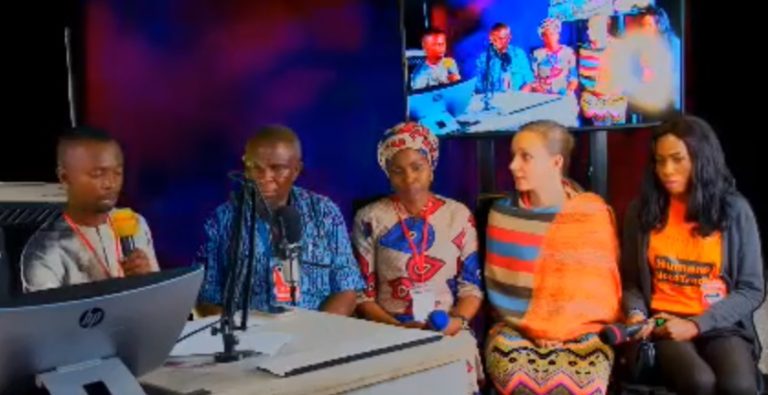
This was the position of Joseph Osuigwe, Executive Director of Devatop Centre for Africa Development, a non-governmental organization dedicated to combating human trafficking and female genital mutilation in Nigeria, during the first episode of a radio programme tagged ‘TALKAM’,(a pidgin English expression that means ‘Say it’).
The TALKAM radio program which airs every Friday by 10 am on Human Rights Radio 101.1 FM, Abuja, is aimed at creating awareness on the rising incidences of human trafficking, as well as exploring ways of tackling it.
The radio programme is a collaboration between Devatop and Human Rights Radio, with support from the International Centre for Investigative Reporting (ICIR) and the Institute for War and Peace Reporting (IWPR).
According to Osigwe, many Nigerians assume that human trafficking only happens in states like Edo or Delta, and only involves ladies travelling to Italy and other European countries to be engaged as commercial sex workers.
“Human trafficking is bigger than what we think, closer to us than we imagine, and happens in every state. In fact, what people think of human trafficking is just a tip of an iceberg compared to what is the actual fact” Osigwe said.
Watch the first episode of the TALKAM radio programme below.
Also speaking during the programme, Cynthia Ifeanyi, the Administrative Officer with DEVATOP, said the aim of the radio programme is to educate listeners that human trafficking can happen anywhere in Nigeria and can affect any family. It is also to enlighten listeners on the myth and truth about human trafficking in Nigeria, as well as stimulate the general public to speak out and take action against human trafficking.
Ms. Ifeanyi clarified that contrary to the general belief that only poor people living in rural areas fall victim to human traffickers, even the relatively rich and well-to-do persons can be trafficked.
Also, men and boys can fall victim of human trafficking, as well as the female gender, and human trafficking does not only occur when people are taken outside Nigeria. It can occur within the country, from rural to urban areas.
Other guest speakers at the radio program were Arinze Orakwue, the spokesperson of the National Agency for the Prohibition of Trafficking in Persons (NAPTIP) and Sanusi Imagbon, Executive Director, Women Trafficking and Child Labour Eradication Foundation (WOTCLEF).
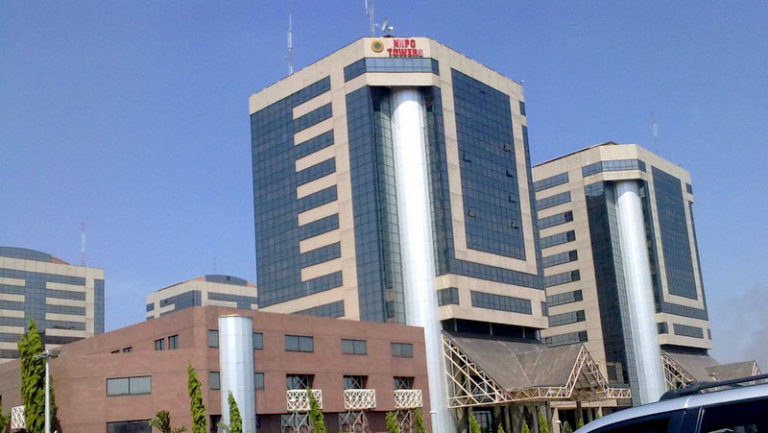
NEW findings suggest that Nigeria will lose $6 billion in revenue to international oil companies, Shell and Eni, over the deal on the controversial oil block, widely known as Oil Prospecting License (OPL) 245.
Leaked emails and confidential documents also showed that the oil giants might have used unethical means to secure the deal as they altered earlier terms on the oil block with the intention of depriving Nigeria billions of dollars of future revenue while raking in huge profits.
The latest revelations on one of Nigeria’s most potentially lucrative oil concessions is contained in a report from Global Witness called Take the Future. The report draws on an analysis from leading experts at Resources for Development Consulting commissioned by Global Witness and NGOs HEDA, RE:Common and The Corner House.
Two weeks before the deal was signed in 2011, Andrew Obaje, then Director of Department of Petroleum Resources advised the Federal Government not to accept the deal because it was bad.
Obaje’s advice was in response to Mohammed Adoke, the then Minister of Justice and Attorney General of Federation who sought his comment on the resolution agreement on the disputed oil block.
Obaje concluded in the letter that “the resolution agreement as proposed is highly prejudicial to the interests of the Federal Government, more so when there is considerable leverage on the part of the FGN irrespective of the outcome of the arbitration. Government should therefore re-evaluate the proposal with a view to securing for the FGN a more advantageous outcome from any resolution of the matter.”
Rather than follow Obaje’s recommendation, the Federal Government went ahead to approve the deal that stripped it of earlier favourable terms. The deal excluded Shell and Eni from paying royalty and Profit Oil on the OPL 245 which were part of the fiscal terms that were contained in the earlier contractual agreement with the oil companies in 2003 and 2005.
Assuming that oil price remains at $70 per barrel, Nigeria losses $5.86 billion projected revenue over the lifetime of the oil block when compared to earlier terms that had applied before the 2011 deal.
Barnaby Pace from Global Witness said “Shell and Eni execs set the deal up so that Nigeria would earn some $6bn less than it could have. This scandalous deal must be cancelled.”
Reacting to the analysis by Global Witness, Eni and Shell denied any wrongdoing. Erika Mandraffino, Eni’s Senior Vice President, Global Media Relations and Crisis Communication, questioned the methodology of the analysis.
“We note that Global Witness draws conclusions on the appropriateness of Eni’s and its partner’s transaction and on the legitimacy of Eni’s conduct by referring to analyses carried out by unnamed partners whose competence or expertise is not substantiated in your letter,” Mandraffino wrote
“We can understand that your organization, which is not engaged in business activities in the oil and gas sector, may not be best placed to assess the input, methodology and overall quality of such analyses and come to incorrect conclusions. In this respect, let us just note that the technical and contractual assumptions adopted as basis for the analysis appear to be partial and inaccurate, if not misleading.”
The assessment of the impact of different fiscal terms for government revenues from OPL 245 was carried out by Resources for Development Consulting whose responsibility is to assist resource-rich countries in securing a fair share of mining, oil, and gas revenues by analysing fiscal regimes, preparing revenue forecasts, assessing vulnerability to tax avoidance, and supporting cost monitoring and auditing.
To do the analysis, Resources for Development Consulting pointed out that it used discounted cash flow modelling which is an industry-standard methodology used for valuation by oil companies and for revenue forecasting by governments.
“The field data contained in this analysis comes predominantly from the companies themselves: Shell and Eni. The basic field data comes from a 2006 Valuation document prepared by Shell in support of arbitration proceedings. This data has been updated based on information from subsequent Shell reports and information published by Eni in 2011 as well as public domain sources from analogous blocks in neighbouring countries.” the consulting firm wrote in its report.
It is inexplicable how Mohammed Adoke, then Attorney General of the Federation led the Federal Government to agree to the deal that altered the terms of the agreement in favour of the oil companies against the position of Department of Petroleum Resources.
In response to the analysis’ findings, Adoke stressing that the deal was concluded following consultations with relevant ministries, adding that no attempt was made to prevent civil servants from voicing their concerns.
He said the issues were resolved following inter-ministerial discussions. He said that the production sharing agreement between Shell and Eni was not within his remit.
The OPL 245, which covers nearly 2,000 square kilometres in the southern edge of the Niger Delta in water depths of more than 1,200 meters, was first allocated in 1998. The then Minister of Petroleum, Dan Etete allocated the oil block to Malabu Oil and Gas Limited, an indigenous company owned by him.
In 2001, Malabu offered Shell 40 per cent stake in the oil block. However, Malabu’s licence was later revoked by the Federal Government. The Nigeria National Petroleum Corporation (NNPC) later offered the block for bid which Shell won.
The NNPC In 2003 signed a production sharing contract (PSC) with Shell on the oil block. But Malabu went to court to restore its ownership of the oil block. Malabu’s right to the oil block was restored in 2006 by the court.
Then Shell disagreed on the restoration of the oil block to Malabu and in 2007 instituted proceedings against the Federal Government at the International Centre for Settlement of Investment Disputes, seeking full restitution of its rights as set out in the 2003 production sharing agreement.
In 2011, a deal was reached for Shell and Eni to pay $1.1 billion to the Federal Government and Malabu to have full ownership of the oil block, a deal that has been trailed with bribery scandal.
Shell and Eni are currently facing bribery charges over the OPL 245 deal in a landmark trial in Italy, the first time a company as large as Shell or such senior executives of a major oil company have ever stood trial for bribery offences.
Eni’s current CEO Claudio Descalzi, and former Royal Dutch Shell Executive Director for Upstream, Malcolm Brinded CBE are facing charges of bribery and corruption over the oil block in the trial that began in Milan in September.
According to Global Witness, the case brought by the Milan Public Prosecutor alleges that $520 million from the deal was converted into cash and intended to be paid to then former President Goodluck Jonathan and other Nigerian government officials. The prosecutors further allege that money was also channelled to Eni and Shell executives, with $50 million in cash delivered to the home of Eni’s then head of African Operations Roberto Casula.
Two middlemen in the OPL 245 deal have already been sentenced to four years imprisonment, as well as confiscations of over €100 million by the Italian court. The offenders, Emeka Obi (Nigerian) and Gianluca Di Nardo (Italian) were found guilty of corrupt offences over the oil block.
PRESIDENT Muhammadu Buhari, through his media organisation, has listed a number of odd events, including a donation from Aliko Dangote and the unlawful detention of Sambo Dasuki, as part of his administration’s achievements during its first term.
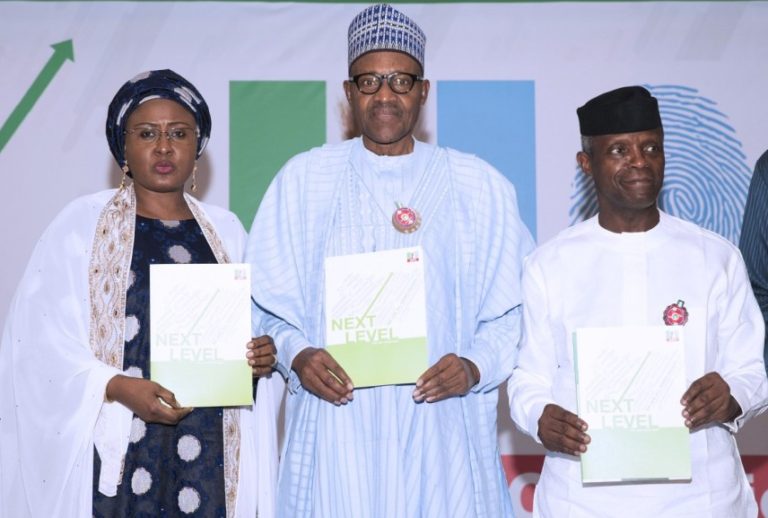
On Sunday, November 18, while presenting the All Progressive Congress’s campaign roadmap and report of stewardship themed ‘Next Level’, President Buhari said a foundation has been laid over the last three and a half years “for a strong, stable and prosperous country for the majority of our people”.
Evidence of this foundation was condensed into section one of a document that was released on the same day. Festus Keyamo, the official spokesperson of the campaign organisation, writes in the preamble that the manual “is devoid of too much complex data”, directing readers who may wish to further interrogate its content to a website: www.buharisachievements.com.
On this website, there is an abridged party manifesto and a list of achievements, ongoing and completed projects dealing with the economy, anti-corruption, and security. It also has a category for achievements “compiled by credible media and independent groups”, but wholly attributed to the Buhari Media Organisation. Some of the highlighted achievements, The ICIR has observed, are vague, misattributed, or clear violations of the rule of law.
Inaugurated vehicles donated by Dangote
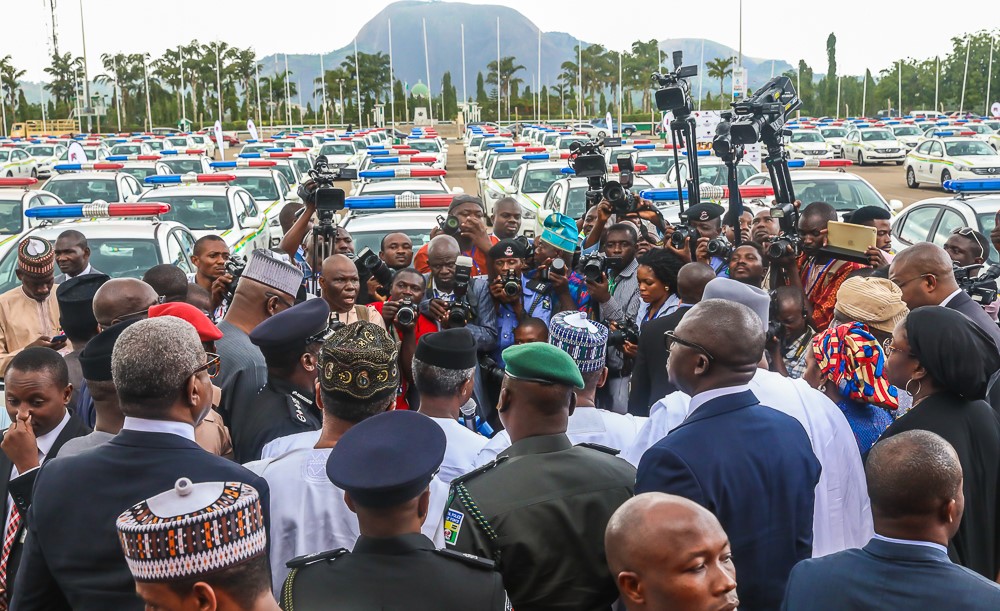
One of the very odd achievements highlighted by the Buhari Media Organisation, BMO, is listed close to the end of list on security. “The Buhari administration inaugurated 150 patrol vehicles donated to the Nigeria Police Force by the Aliko Dangote Foundation,” it is stated.
File photo: Dangote donates patrol vehicles to Nigeria Police
The donation, which took place in May, was recognised as the single largest by any private individual, and Dangote, at the ceremony, had said he might donate another batch in the future. It is difficult to see how the foundation’s gesture could be considered a noteworthy achievement on the part of the federal government, or any achievement at all. There are no reports indicating that the government made any active moves soliciting the contribution.
“The donation of 150 cars to the Nigerian Police Force is laudable and we thank Aliko Dangote Foundation for this rare gesture; that is characteristic of the person of Aliko Dangote. He has shown over the years to be an entrepreneur with a difference, a man that gives willingly to the poor,” Vice President Yemi Osinbajo had remarked at the ceremony.
Strangely, two bullet points after this item is another “achievement” that mentions Aliko Dangote: “The Buhari Administration ensured the arrest of two trucks belonging to Dangote Group loaded with foreign rice in the total of 365 bags of 50kg size by the Sokoto/Kebbi/Zamfara Area Command of Nigeria Customs Service.”
Dasuki’s 31 months in detention
The website dedicated to Buhari’s achievement, tagged “doing more with less… gradually killing corruption”, also glorifies the unlawful, continued detention of Sambo Dasuki, former National Security Adviser, alleged to have diverted $2.1 billion arms fund.
“A former National Security Adviser, Colonel Sambo Dasuki,” it states, “has spent 31 months in detention over an allegation of mismanagement of $2.1bn meant for the purchase of arms. Most of the other corruption cases involving top shots had their root in the Dasuki gate as it is now known.”
Dasuki has been granted bail by different courts on at least five occasions but still has not been granted freedom by the federal government. In 2015, he was granted bail by a Federal High Court in Abuja, only to be immediately rearrested at the gates of Kuje prison.
In October 2016, the ECOWAS Court also ordered the federal government to pay a compensation of N15 million to Dasuki for his “unlawful arrest”. Again, in January 2017, an Abuja High Court reaffirmed the validity of bail granted to the former NSA and five others.
In May, after pleading not guilty to all the charges, he was granted yet another bail by Justice Hussein Baba-Yusuf of an Abuja High Court.
Re-election of Oby Nwankwo to CEDAW
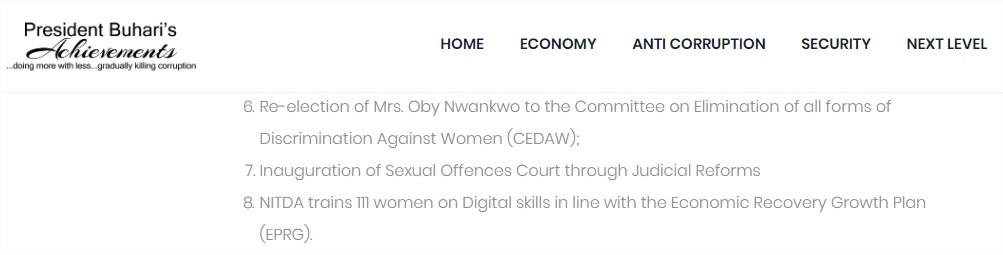
As part of the eight listed achievements of the administration on matters relating to women, the BMO includes the “re-election of Mrs. Oby Nwankwo to the Committee on Elimination of all forms of Discrimination Against Women (CEDAW).”
This logically implies that the government of Nigeria influenced or lobbied for the late Nwankwo’s second electoral success — which is neither desirable nor evidenced in media reports — rather than allowing her to be elected strictly based on her own merits.
Obiageli Theodora Nwankwo was one of Africa’s distinguished women’s rights icons before she passed away on December 9, 2017. She was elected as a member of the United Nations Convention on the Elimination of All Forms of Discrimination Against Women (CEDAW) Expert Committee in January 2013, and was re-elected to serve another four years in 2016.
A total of 104 experts have served as members of the committee since 1982, and these experts were originally nominees who had received the highest number of votes of the representatives of state parties. The election is conducted using the secret ballot system.
While the federal government is eager to share in Nwankwo’s successes, a good number of her campaigns for legal reform have so far hit the wall. These include her campaign for the domestication of CEDAW and the African Union Protocol on The Rights of Women in the country, as well as the passage of the Gender and Equal Opportunity Bill, which has been alleged to be at loggerheads with local customs.
Inauguration of Sexual Offences Court
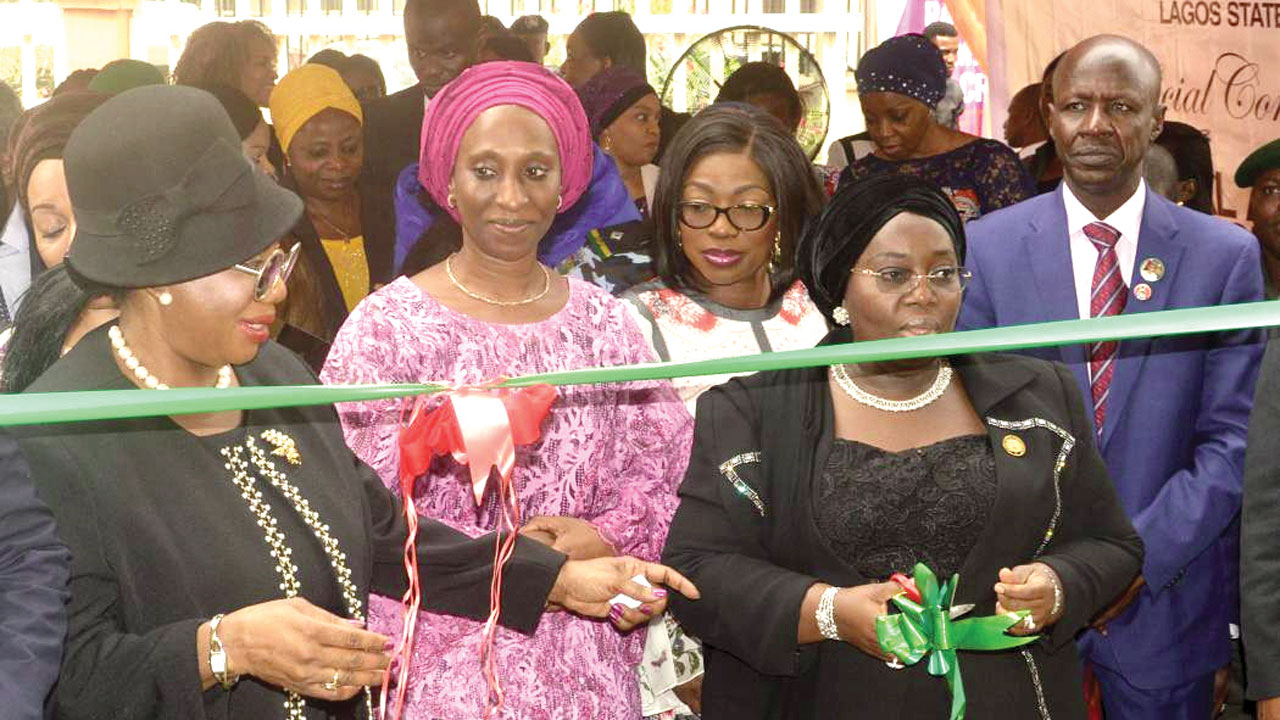
Also among the few achievements listed under women affairs category is what the BMO says is the “inauguration of Sexual Offences Court through judicial reforms”. This achievement, it would appear, belongs more appropriately to the Lagos State Government.
Chief Judge of Lagos State, Justice Opeyemi Oko (left); the Wife of Vice President, Mrs Oludolapo Osinbajo; Deputy Governor of Lagos State, Dr Idiat Adebule and the acting chairman of the Economic and Financial Crimes Commission (EFCC), Mr. Ibrahim Magu at the launching of Special and Sexual Court Offences in Lagos. Photo credit: Guardian Nigeria
In February, the state government inaugurated four special courts, two tasked with the adjudication of economic and financial crimes and two with the trial of sexual offences — the latter acclaimed to be the first of their kind in Nigeria.
What the federal government may lay some claim to is the recommendation given in 2017 by Walter Onnoghen, the Chief Justice of Nigeria, that special courts should be created for the speedy dispensation of corruption cases.
Onnoghen, in a press statement released in May, had, in fact, passed the buck for the creation of these courts to the executive and legislative arms. “It is the Executive that has the prerogative in conjunction with the legislature to set up courts, including the Special Courts, under our Constitution,” he said.
“It is not the duty of the Judiciary nor that of the Chief Justice of Nigeria. If the executive and the legislature, who have the powers, decide to establish a special Court or any other Court for that matter, the Judiciary will run it by providing the manpower.”
Other odd achievements noticed on the website include that, under President Buhari, “Chairman of the Christian Association of Nigeria (CAN) Borno State Chapter declared the 2017 Easter Celebrations as the best and safest since 2009”.
The BMO also lists under achievements on education that the “Nigerian university system added eight new universities (two state-owned, six private)” under the administration.
“Quite striking also in 2017 is that JAMB processed within a month, admission into the Nigerian higher education system of 1.7 million candidates compared to 1.6 million in 2016,” states another point.
ABOUT nine patients have tested positive to Yellow Fever in Edo State, according to the Nigeria Centre for Disease Control (NCDC).
This is coming just two days after a vaccination exercise against Yello Fever was commenced in six states of the federation including the Federal Capital Territory (FCT)
A statement signed by the centre’s Executive Director, NCDC, Chikwe Ihekweazu, noted that an investigation has commenced in collaboration with the Edo State ministry of health to determine the cause of the suspected outbreak, which has been reported in four local government areas in the state, as well as ways to contain the disease from spreading further.
“On the 21st of November 2018, nine cases tested positive for yellow fever. We await confirmatory results from the WHO Regional Reference Laboratory,” Ihekweazu stated.
“The Edo State Epidemiology Team is working with the NCDC, National Primary Health Care Development Agency (NPHCDA) and World Health Organisation (WHO) to carry out a detailed investigation and response to the already confirmed cases.”
Also, a rapid response team has been deployed by the NCDC to support the state’s health workers in with contact tracing, risk communications, and management of cases, and plans are ongoing to begin a vaccination exercise in the state in response to the cluster of cases.
Meanwhile, a vaccination exercise against Yellow Fever is currently ongoing across six states of the federation, namely: Niger, Plateau, Borno, Sokoto, Kebbi States, and the FCT.
The vaccination programme, which is a collaboration between the federal government and the World Health Organisation (WHO), started on Thursday, November 22, 2018, and is targetted at about 26 million children and adults between the ages of 9 months and 44 years.
Ihekweazu urged all Nigerians to get vaccinated and also encourage their families, and neighbours to do the same.
According to NCDC, a dose of the yellow fever vaccine provides for life-long protection against the disease. However, the ICIR observed that the card issued to the people who took the vaccine on Saturday shows the expiry date as 2022.
Calls to the contact numbers on the NCDC website were not answered. A toll-free number on the website did not connect as an automated voice said that the operational hours are between 8.30 am to 5 pm from Mondays to Fridays. A message sent to the centre’s official Twitter handle has not been responded to as at the time of this report.Ye
In addition to taking the vaccine, it is advised that environments should be kept clean and free of stagnant water to discourage the breeding of mosquitoes. Also, the use of insecticide-treated mosquito nets, screens on windows and doors is encouraged.
MEMBERS of the proposed Chartered Institute of Forensic and Investigative Auditors of Nigeria (CIFIAN) has accused the leadership of Institute Chartered Accountant of Nigeria (ICAN) of moves to frustrate the passage of the bill to establish CIFIAN which is currently before the House of Representatives.
Protem President of CIFIAN, Victoria Enape, described ICAN’s continual attempts to scuttle the bill as an act of “parochial interest”, saying her members had earlier been given fair-hearing by the Senate to defend the passage of the bill.
Enape cited a letter by ICAN to the leadership of House Representatives by ICAN dated October 29 signed by its 54th President Razaq Jaiyeola in which the institute urged lawmakers not to consider the bill after the Senate had passed it, arguing that considering the Bill will certainly amount to the duplication of the accounting profession.
She explained that the Senate gave CIFIAN fair hearing, to defend the arguments, accusations and allegations levelled against it, saying, “based on facts and evidence CIFIAN trashed out all the false accusations and worn-out arguments of ICAN before the Senate passed the CIFIAN Bill.
The CIFIAN interim president said the proposed body got overwhelming support of the public, due to the importance of Forensic and Investigative Audit in the country.
“We are surprised about this continuous deliberate effort of ICAN to thwart the credible work done by the Senate which is more than any self-interest and parochial interest.
Enape further clarified that the ICAN and CIFIAN are being regulated by different international bodies, vowing that forensic auditors will resist all antics of ICAN.
“ICAN and other Accounting professional bodies are under the International Federation of Accountants (IFAC) but our CIFIAN will be under International Federation of Forensic Accountants and Auditors (IFFAA).
“CIFIAN cannot be regulated by IFAC let alone ICAN because we are not Accounting body. Therefore, ICAN should know its limits by finding out the differences between accounting bodies and anti-fraud bodies. ICAN and CIFIAN have no meeting point,” she said.
Enape added that ICAN leadership had earlier visited President Muhammadu Buhari, urging him not to give assent to the Bill, which was jointly sponsored by the Senate Leader, Ahmed Lawan and Sen. Andy Uba.
According to her, the ICAN team led by Jaiyeola stressed that the Bill seeks to criminalise the age-long practice of accountancy by members of ICAN, adding that there is no defined gap in the practice and regulation of accountancy it seeks to fill.
In the letter sent to the House of Representatives by ICAN sighted by the ICIR, the Accountant Institute argued that no one can become an auditor without first acquiring ‘sufficient and appropriate knowledge’, experience and skills and also passing the qualifying examinations of any of the legally recognised Professional Accounting bodies in Nigeria.
“It is therefore strange for the new bodies which the above bills seek to establish to produce specialist ‘forensic and investigative auditors’ who will not first be professional accountants as defined by the ICAN law enacted by the parliament.”
THE Anambra State police command has arrested 34 suspected members of the Indigenous People of Biafra (IPOB) over the killing of a police Inspector in Nnewi, Anambra State.
Nnewi is a commercial city in Anambra State, popular for the sales of Motorcycles and Motorcycle spare parts.
The Force Public Relations Officer in the state, Haruna Mohammed, made this known in a statement on Saturday, adding that the suspects also torched a police patrol van as well as wounded some other police officers, including a Divisional Police Officer (DPO).
The incident occurred on Friday, November 23, when a team of policemen, led by the Police Area Commander in Nnewi, Nnanna Ama, and acting on an intelligence report that some IPOB members were gathering around the Nnamdi Azikiwe University Teaching Hospital, went to prevent the group from causing a breakdown of law and order.
According to Mohammed, on sighting the team of policemen, the IPOB members attacked them violently with machetes and stones and set one of their patrol vehicles ablaze. Several police officers sustained various degrees of injuries during the attack.
“They marched towards the Agbaedo Market shouting, ‘No Elections without a referendum,” Mohammed said.
The injured personnel were rushed to the hospital for medical attention; where the Inspector was certified dead by a medical doctor while the DPO and the ASP are currently receiving treatment, he said.
Mohammed, however, added that anti-riot Police Mobile Force ( PMF ), Counter Terrorism Unit (CTU), Federal Special Anti-Robbery Squad (FSARS), Explosive and Ordnance Department (EOD), Special Anti-Cult Unit Personnel, as well as conventional police have been deployed to Nnewi and environs and peace has been restored.
Also, a police joint team have begun search operations for the recovery of two AK47 rifles and one Beretta Pistol with ammunition snatched from the slain and injured police officers, while efforts were on to arrest other fleeing members of the group and bring them to justice.
While urging members of the public to go about their lawful businesses, Mohammed reiterated that IPOB remains a proscribed organisation and its activities are still unlawful.
The IPOB is a secessionist group that is clamouring for the independence of Biafra in the South Eastern region of Nigeria. The group is led by Nnamdi Kanu, who is currently standing terrorism and treason charges before the federal high court in Abuja. Kanu has since jumped bail and his whereabouts remain unknown.
A court in Abuja declared the IPOB as an unlawful group in January this year following an application filed by the Attorney-General of the Federation, Abubakar Malami, on the grounds that the group’s activities have been outlawed by the Terrorism Act.
THE Muhammadu Buhari-led federal government has put in place several social investment projects, including the Conditional Cash Transfer (CCT) programme, but the number of beneficiaries of this programme is being conflicted by various accounts of the official sources within the presidency, The ICIR’s check has revealed.
In February, Laolu Akande, senior spokesperson to the office of the Vice President which oversees social investment programmes, provided an update on the programmes to the press. The Conditional Cash Transfer (CCT) had, at the time, recorded over 280,000 beneficiaries in 21 states, he had said.
Corroborating this figure three weeks after, Maryam Uwais, Special Adviser to the President on Social Investment Programmes, said on February 25 that 297,973 households were receiving payments and over 400,000 were captured in the source database. The number of beneficiary-states, according to her, was however 20, and not 21.
“So far, we have 455,857 poor and vulnerable households uploaded onto the National Social Register, from which 297,973 households have been mined and are being paid stipends in 20 States,” she said.
“These states are Jigawa, Bauchi State, Kogi, Osun, Cross Rivers, Anambra, Katsina State, Kano State, Taraba, Gombe State, Adamawa, Niger, Nassarawa State, Benue, Oyo State, Ekiti, Kwara, Borno (IDP), Kaduna State and Plateau.’’
On September 13, Vice President Yemi Osinbajo disclosed at a conference organised by the United Nations Population Fund, in Abuja, that this figure has grown by over 50 per cent. About 400,000 Nigerians were currently benefitting from the conditional cash transfer scheme of the government, the vice president said.
This statistic has been repeated by the Buhari Media Organisation, which has contributed significantly to the administration’s scorecard, in a report published on November 13.
However, addressing newsmen at a media roundtable held in Abuja on November 8, Uwais again gave 297,973 as the total number of beneficiaries, sticking also to the claim that the welfare scheme’s reach is present in 20 states.
“This programme is giving out 5,000 Naira monthly to 297,973 households in Nigeria. It is currently being implemented in 20 States,” she noted.
She added that almost 3,000 community cash transfer facilitators have been trained in all wards where the programme has taken effect in order to support beneficiaries in increasing their productivity.
This is in spite of a statement from the National Cash Transfer Office (NCTO) in July announcing the inclusion of six additional states to the scheme — increasing the total number of states to 26.
Confounding matters even more, the APC 2019 campaign manual, which was unveiled on Sunday, states on page 12 that “almost 300,000 Nigerians now receive N5,000 monthly, across 20 states [with] N12.8 billion so far disbursed to beneficiaries.” The next line on the same page again then goes on to say: “the programme is currently implemented in 26 states + Borno.”
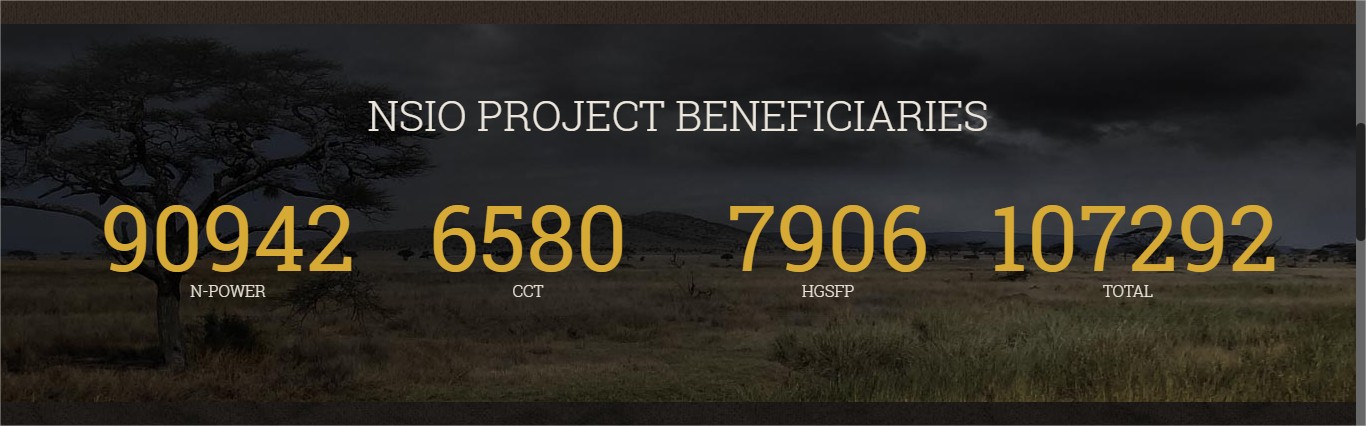
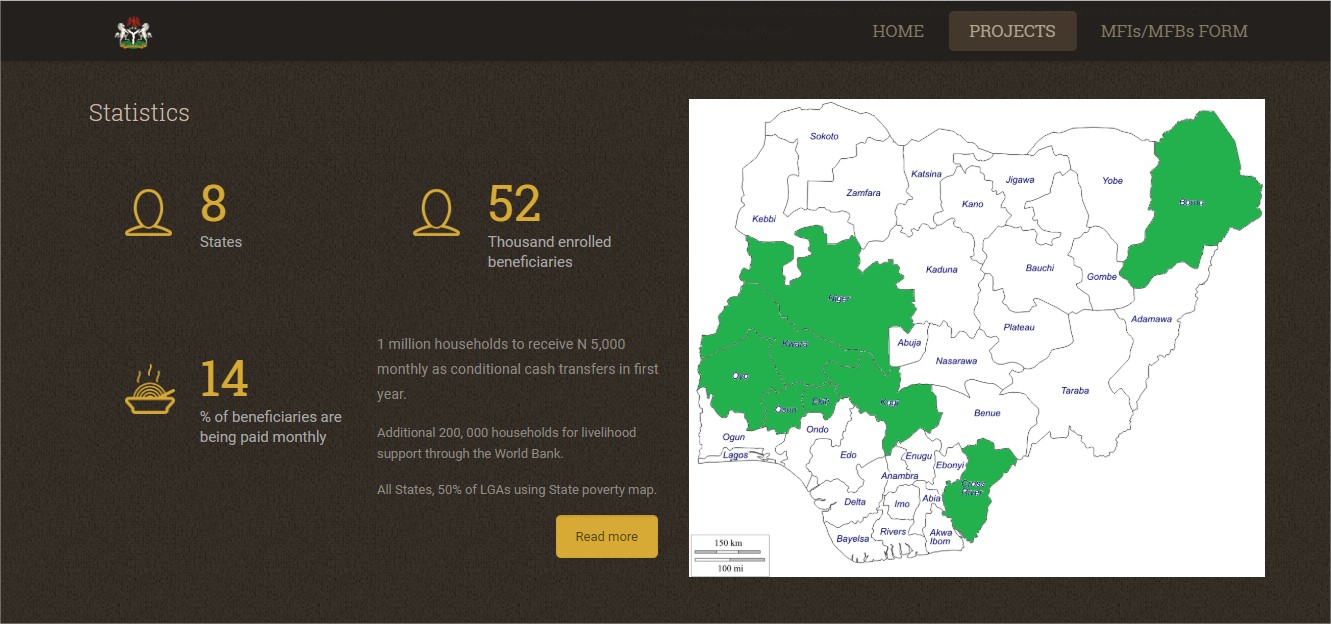
Meanwhile, an infographic on the website of the National Social Investment Office still states that the CCT has 52,000 beneficiaries spread across eight states of the federation. The home page gives a much lesser figure of 6,580.
Infographic on NSIOs home page states number of CCT beneficiaries as 6,580
Not the first time
It is not the first time conflicting figures have been noticed concerning the federal government’s social investment programmes.
On Wednesday, The ICIRreported how figures provided by the vice president regarding the Anchor Borrowers Programme (ABP) conflict with the ones stated in the administration’s recently published scorecard — with the latter figure agreeing with statements from Lauretta Onochie, Buhari’s social media aide, and the Nigeria Incentive-Based Risk Sharing System for Agricultural Lending (NIRSAL).
The VP had said in October at the 24th Nigerian Economic Summit that 720,000 smallholder farmers have benefited from a loan of N120.6 billion under the ABP. Information from other government sources published in the months of August, October and November, however, put the figures as 350,000 farmers and credit of N82 billion.
Investment Office fails to clarify
The ICIR has been unable to get the National Social Investment Office to clarify the apparent contradictions in the provided figures.
Calls placed to Iquo Ayi, the office’s Programme Officer, were not answered, and texts sent to her phone number requesting for the true number of beneficiaries have likewise not been replied.
The Conditional Cash Transfer programme, according to the investment office, “is aimed at providing targeted transfers to poor and vulnerable households, ultimately ensuring that the beneficiary households graduate from poverty – improve household consumption, ensure human capital development, provide livelihood support.”
Beneficiaries are drawn from a national social registry developed by the National Social Safety Net Coordinating Office, NASSCO. The objective is to give a monthly sum of N5000 to one million Nigerian households in the first year, and then an additional 200,000 households are to enjoy livelihood support through the World Bank.
The scheme’s implementation has been marred by the lack of fairness, forceful deductions, political exploitation and haphazard releases, The ICIR discovered in a recent investigation conducted in three of the states.
OFFICIALS of the Nigeria Customs Service (NCS) have been commended for rejecting a bribe of $412,000 – about N150 million – offered by owners of a confiscated container-full of illegal drugs.
The commendation was given by the Comptroller-General of Customs, Hameed Ali, during a press conference in Lagos on Friday.
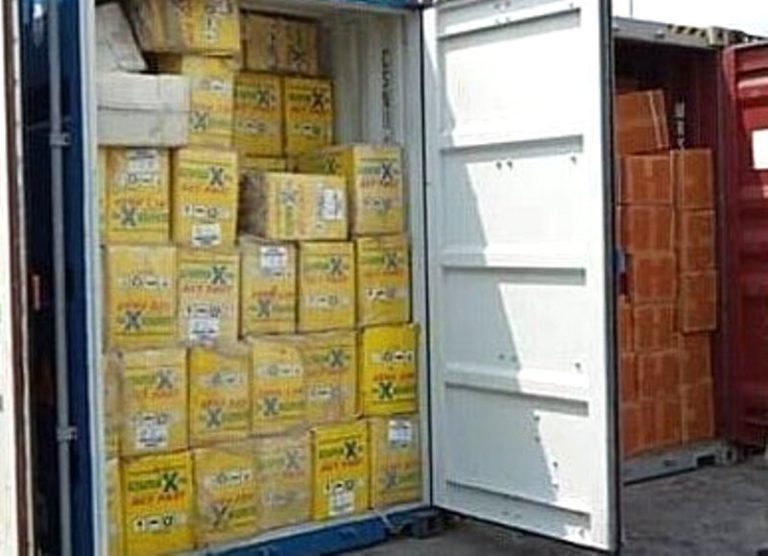
Ali, who was represented at the press conference by the Deputy Comptroller-General in charge of Enforcement, Austin Chidi, told journalists that another 13 containers of the banned drugs, believed to be Tramadol, were confiscated at Tin-Can Island Port in Lagos on Friday. The items have a Duty Paid Value (DPV) of N3,13 billion.
I commend officers of the Apapa Command of Nigeria Customs Service for their rejection of $412,000 (₦150m) bribe. $ offered by an importer who wanted officers to clear container of Tramadol, a prohibited pharmaceutical product. Nigerians are proud of all of you. God bless you. pic.twitter.com/FbOReb0qfL
According to the News Agency of Nigeria (NAN), Friday’s seizure came barely 24 hours after the customs said it impounded 40 containers with Tramadol with Duty Paid Value of N7.3 billion at Apapa port.
According to him, 10 of the 40ft containers contained tramadol, Ciprofloxacin capsules, Diclofenac Sodium tablets, Soffeathe, IV Cannula, Sidenfil Citrate tablets; one 40ft container had bleaching soaps; and two other containers of second-hand clothes.
In display: the $450,000 dollars bribe offered by the owner of the confiscated drugs but was rejected by Customs officials.
“It is pertinent to note that two of the containers had earlier been handed over to National Agency for Food Drugs Administration and Control (NAFDAC) on October 11 and October 20, 2018,” the Customs boss said.
“A container of tramadol was also handed over to National Drugs Law Enforcement Agency (NDLEA) on November 2, 2018.
“The service wishes to reiterate its concern for the health and security of Nigerians and would better imagine the devastating effect on the lives of our youths if this quantity of unwholesome drugs had found their way into the markets.
“Such goods could not only lead to increased insecurity but will impact negative on health of our youths.
“We want to re-assure the nation that Nigeria Customs Service (NCS) will not renege on its mandate irrespective of its circumstances.”