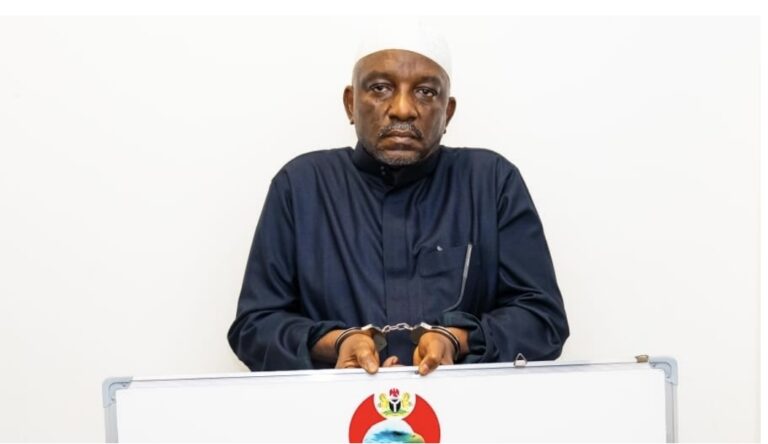
THE Economic and Financial Crimes Commission (EFCC) has announced the arrest of former Minister of Power, Saleh Mamman, who went missing during his trial and conviction of corruption charges.
The EFCC chairman, Ola Olukoyede, disclosed that Mamman was apprehended around 3:30 a.m. on Tuesday in Rigasa, Kaduna State.
“I’m happy to announce to Nigerians that at about 3.30am this morning, we arrested Mr. Saleh Mamman somewhere in Rigasa, Kaduna state,” Olukoyede told journalists at the EFCC headquarters.”
The ICIRreported that on May 7, a Federal High Court in Abuja convicted Mamman on all 12 charges including money laundering totalling N33.8 billion.
The fund was linked to power projects he failed to deliver while he served as minister. He was consequently sentenced in absentia to 75 years in prison.
The judge, James Omotosho, ruled that the sentences would run consecutively and without the option of a fine, except for count four, which carried N10 million fine.
The court also ordered the forfeiture of foreign currencies recovered from him, along with four high-value properties linked to him in Abuja.
The judge also directed all security agencies to collaborate with Interpol to ensure his arrest, noting that the prison term would begin from the date of his apprehension.
Addressing journalists on Tuesday, the EFCC chairman revealed that Mamman had been shielded from arrest and confirmed that two other individuals found with him during the operation were taken into custody.
“Where we effected the arrest, we arrested two other Nigerians with him inside. The owners of the property are also under investigation because it is actually a crime for you to habour or give protection to a convict,” he explained.
Olukoyede described the arrest as evidence of agency’s commitment to combating corruption, noting that the arrest demonstrated that individuals involved in looting public funds would eventually be brought to justice.
“This is a test of the commitment of the federal government of Nigeria to the fight against corruption in Nigeria, and to assure Nigerians that anyone who has pilfered national resources will not go unpunished. The eagle eye of the Economic and Financial Times Commission will always catch up with you wherever you are hiding,” he said.
Mamman was appointed by the late President Muhammadu Buhari in 2019 as Minister of Power to succeed Babatunde Fashola in overseeing the sector.
During his tenure, Mamman supervised major electricity and hydroelectric projects, including the Mambilla and Zungeru power projects, which later became central to the corruption case against him.
Buhari removed him from office in September 2021 during a cabinet reshuffle, and he was replaced by Abubakar Aliyu.
KWARA State Governor AbdulRahman AbdulRazaq, has endorsed Abdulfatai Yahaya Seriki as his preferred successor ahead of the governorship primaries of the All Progressives Congress scheduled for Thursday, May 21.
In a statement on Tuesday, May 19, following what he described as “extensive consultations with party structures and leadership,” the governor said Seriki possessed the qualities needed to lead the state and sustain the party’s success.
AbdulRazaq described the aspirant as “young, pro-people, astute and broad-minded,” adding that he had demonstrated strong capacity for political mobilisation and enjoyed widespread goodwill across the state.
“I have no doubt about his capacity and that his choice is appropriate for the people of our state at this time,” the governor stated.
He, however, clarified that the endorsement did not stop other aspirants from participating in the party’s primary, noting that all contenders remained qualified to seek the APC ticket.
The governor urged party members and leaders to support his endorsement of Seriki as the party’s candidate.
According to him, the decision should not be interpreted as a rejection of other aspirants vying for the position.
“The choice of Amb. Yahaya Seriki is neither a disapproval of any of our eminently qualified aspirants nor a whimsical attempt to delegitimise the noble aspirations of our people,” he said.
AbdulRazaq noted that with about 16 aspirants in the race, only one person could eventually emerge as the party’s flag bearer.
He also commended the aspirants for what he described as their discipline, statesmanship, and commitment to building on the achievements of his administration over the last seven years.
The endorsement came amid growing political calculations within the ruling party ahead of the 2027 general elections, with attention increasingly focused on zoning and succession dynamics in the state.
Seriki, like AbdulRazaq, is from Kwara Central Senatorial District, a development that has stirred quiet discontent in some political circles across Kwara North and Kwara South, where some stakeholders have argued that power should rotate to another district after the governor completes his second term in office in 2027.
Although leading opposition parties, namely the Peoples’ Democratic Party (PDP), the African Democratic Congress (ADC), and the Nigeria Democratic Congress (NDC) have yet to elect their governorship candidates through primaries, political activities within the APC have intensified in the past few days as the parties primaries held nationwide for House of Representatives, Senate, and governorship scheduled for Thursday, May 21.
Among the frontline aspirants for governor’s seat in the ruling APC in Kwara is Saliu Mustapha, who recently dismissed reports suggesting he withdrew from the race or lost the APC senatorial primary election in Kwara Central.
In a statement issued through his media aide, Nasif Sholagberu, on May 18, Mustapha said he never contested the senatorial primary and only obtained nomination forms for the APC governorship race.
The senator, who currently represents Kwara Central Senatorial District in the National Assembly, said he had already undergone the party’s governorship screening exercise in Abuja and was fully prepared for Thursday’s primary.
Other politicians linked to the APC governorship contest include former senator Ibrahim Oloriegbe, Lola Ashiru, former APC state chairman Bashir Bolarinwa, and Femi Sanni, an engineer, popularly known as Araba.
DANGOTE Petroleum Refinery & Petrochemicals has reduced the price of aviation fuel, also known as Jet A1, from N1,750 to N1,650 per litre.
The refinery announced the development on Tuesday in a statement that it had introduced a 30-day interest-free credit facility for marketers and airline operators, supported by bank guarantees, adding that the reduction was intended to ease the financial burden on airlines and help maintain a steady fuel supply nationwide.
“These interventions come amid growing concerns over the rising operational costs faced by domestic carriers, with aviation fuel accounting for a significant portion of airline expenses. Industry stakeholders have repeatedly warned that escalating Jet A1 prices are placing severe financial strain on operators and threatening the sustainability of flight operations,” the statement read.
The ICIR reported that on April 14, the Airline Operators of Nigeria (AON) threatened to suspend operations from April 20 over the rising cost of Jet A1. It explained that the price of aviation fuel increased from N900 per litre as of February 28 to N3,300 per litre, representing over 300 per cent.
In response to the supply and pricing challenges, the federal government established a technical committee, which later recommended the inclusion of aviation fuel in the naira-for-crude arrangement.
The committee also proposed that the indicative end-user price of aviation fuel should range between N1,760 and N1,988 per litre in Lagos, and between N1,809 and N2,037 per litre in Abuja.
The surge in oil prices around the world follows the protracted conflict involving the United States and Iran, which has disrupted global energy markets. Crude prices have risen sharply from around $70 per barrel since the outbreak of hostilities, while concerns have deepened after the closure of the Strait of Hormuz, a key shipping route responsible for nearly 20 per cent of global oil transportation.
Consequently, Nigerian crude prices neared $120 per barrel on Tuesday, May 19.
Data from the Central Bank of Nigeria showed that Bonny Light, the country’s flagship crude grade, traded at about $117 per barrel, nearing levels recorded in April when prices briefly approached $140 per barrel.
THE United States government has initiated legal proceedings to revoke the citizenship of Nigerian-born Emmanuel Oluwatosin Kazeem over his involvement in a large-scale tax fraud and identity theft scheme that cost US authorities millions of dollars.
The US Department of Justice made this known in a statement released on Monday, saying a civil case had been filed at the District Court in Baltimore, Maryland. The government accused Kazeem of getting American citizenship dishonestly by hiding criminal acts connected to the fraud scheme.
Kazeem was sentenced in 2017 after he was found guilty on 19 criminal charges, including wire fraud, mail fraud, identity theft, and conspiracy. The court handed him a 15-year jail term, but his sentence was reduced in 2024 by former US President Joe Biden after he spent around six years behind bars.
Reacting to the case, Assistant Attorney General Brett Shumate said the US government would continue taking action against people who obtained citizenship illegally.
“The Trump administration will not permit wrongdoers to retain the US citizenship that they were never entitled to in the first place,” Shumate said.
He added, “U.S. Citizenship is a privilege, and we will continue to ask courts to revoke a status that was obtained through fraud and deceit.”
According to court documents, investigators said Kazeem had already been carrying out fraudulent activities before becoming an American citizen and continued after his naturalisation, which prosecutors argued should have disqualified him from obtaining citizenship.
Authorities also claimed he arranged a fake marriage to secure permanent residency in the US before later marrying another woman, an issue they said further affected his eligibility for citizenship.
The investigation began in 2013 after a woman in Medford, Oregon, reported to the Internal Revenue Service that unknown persons had used her family’s details to submit fake tax returns.
Following the complaint, law enforcement agents carried out raids in Illinois, Maryland, and Georgia, where they recovered prepaid debit cards, electronic gadgets, money orders, and cash believed to be linked to the fraud network.
The Justice Department said evidence gathered during the investigation identified Kazeem as the leader and mastermind of the scheme.
Investigators alleged that the group had access to personal records belonging to more than 259,000 people. Authorities also said Kazeem bought over 91,000 stolen identities from a Vietnamese hacker who illegally gained access to a private company database in Oregon.
Prosecutors said the syndicate used the stolen information to submit fake tax refund applications between 2012 and 2015. The group was also accused of obtaining thousands of electronic filing PINs to beat IRS security checks.
“In total, Kazeem was linked to 10,139 fraudulent federal tax returns attempting to get over $91 million dollars in refunds and successfully receiving over $11.6 million dollars,” the statement said.
Investigators further alleged that more than 2,000 money transfers worth over $2.1 million were traced to Nigeria, while more than 700 of those transactions were directly connected to Kazeem.
Authorities argued that part of the money was used to pay nearly $200,000 for a newly built house. He was also accused of attempting to sponsor “a $6 million dollar, 4-star hotel in Lagos, Nigeria.”
Besides, Kazeem was accused of transferring ownership of some properties in the US to his sister in Nigeria for only $10 shortly before he was arrested in 2015.
According to the Justice Department, the investigation involved the FBI, IRS Criminal Investigation, and the Department of Homeland Security, while lawyers from the Civil Division’s Office of Immigration Litigation are now handling the citizenship revocation case.
Kazeem’s fresh travails followed the sentencing of a Nigerian professor, Nkechy Ezeh, by a US court to nearly six years in prison for masterminding a massive fraud scheme that diverted more than $1.4 million intended to help low-income preschool children in West Michigan.
Chief US District judge Hala Jarbou delivered the ruling and condemned the 61-year-old Founder of Early Learning Neighborhood Collaborative, calling her a fraud and a thief.
The court ordered Ezeh to repay $1.4 million to fraud victims, an additional $390,174 to the Internal Revenue Service and be taken into custody immediately to begin serving her prison sentence.
Ezeh was once widely celebrated in Michigan’s education and nonprofit sectors for running a nonprofit organisation that provided preschool support services including meals, transportation, advocacy, and educational funding in underserved communities across Kent County, Kalamazoo, and Battle Creek.
IN Zamfara State, Nigeria’s protracted insecurity is not only claiming lives, it is dismantling healthcare. Terror attacks have forced health workers to flee and shut down several primary healthcare centres. The ICIR reports on how women in several communities are forced to deliver without skilled birth attendants while children miss life-saving vaccinations, leaving communities at the mercy of unsafe alternatives.
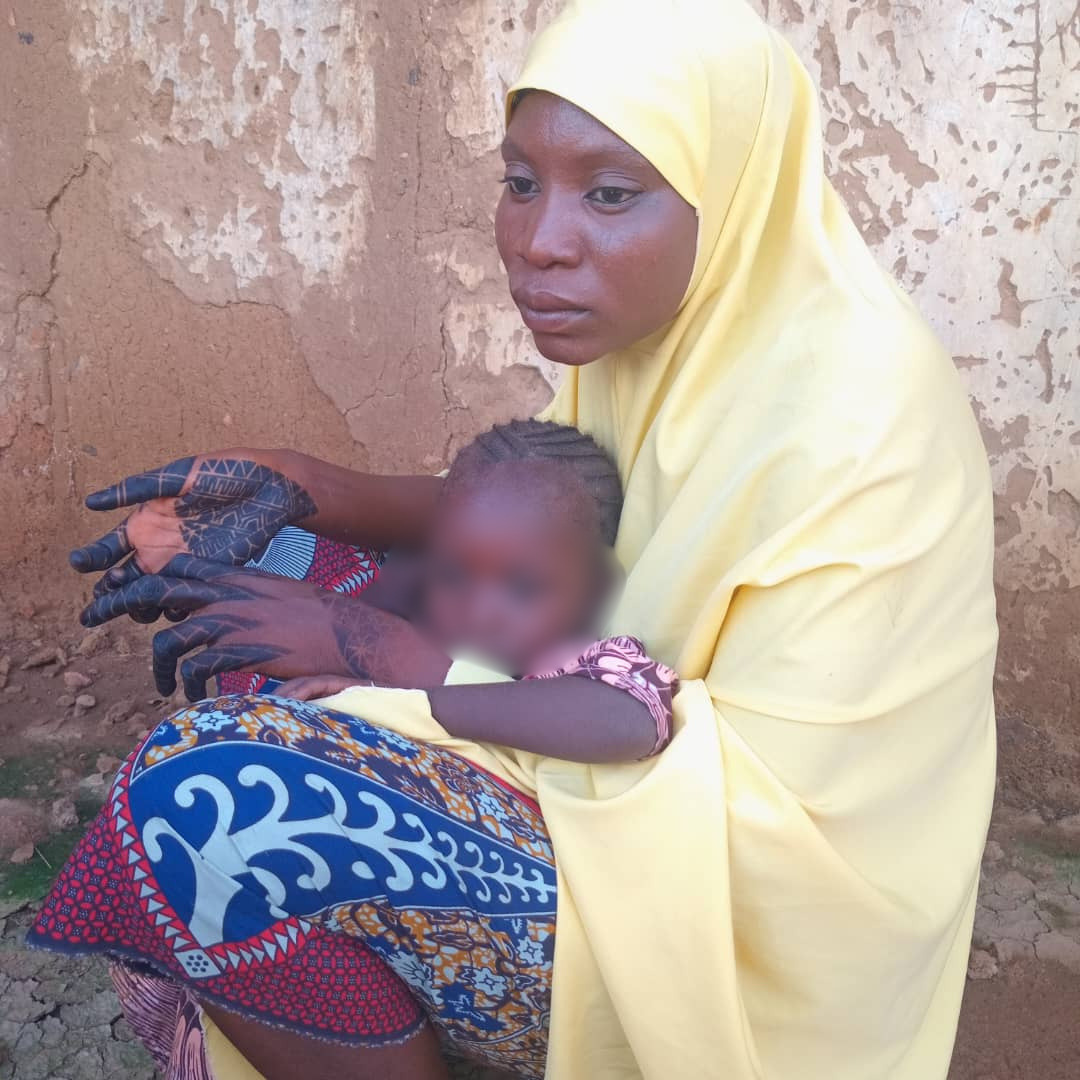
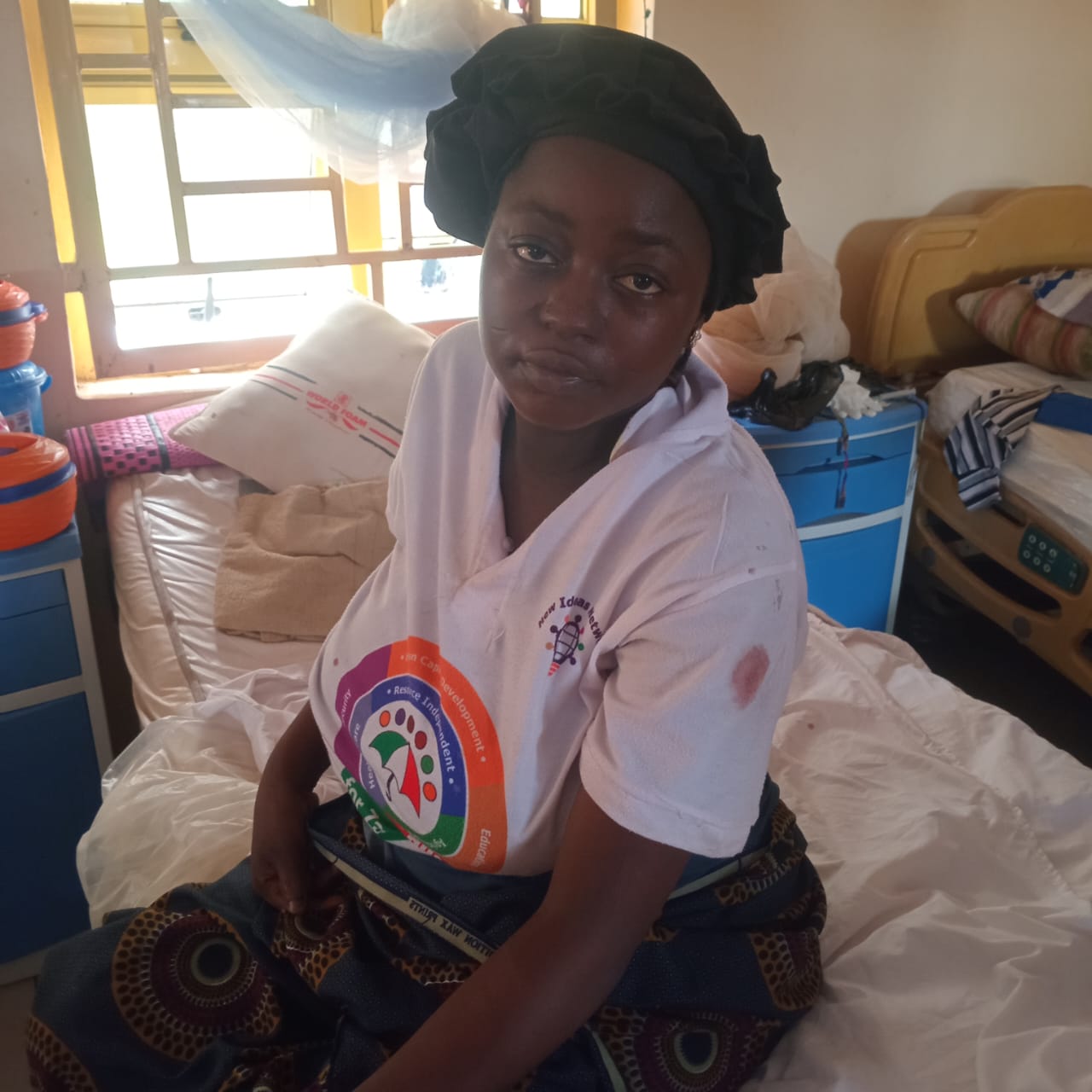
When 25-year-old Murjanatu Bello went into labour four years ago, armed bandits had invaded her village in Tungar Liman, Anka Local Government Area of Zamfara State. The attackers had stormed the community in the dead of night, firing gunshots that sent terrified residents fleeing into the bush.
While many fled their homes, Bello, whose water had already broken, remained hidden inside her room. She had hoped a neighbour would help her deliver the baby. But the untimely arrival of the gunmen had forced the neighbour, alongside Bello’s husband and other residents to flee their homes. Bello was therefore forced to endure the ordeal of childbirth alone, hidden in the inner chamber of her home until the gunmen departed.
Murjanatu Bello
“The Yan Bindiga (bandits) arrived our village at about 4 a.m. when I was in labour,” she recalled. “All the people fled. There was no one to help me. I gave birth alone… I didn’t think I would survive.”
After delivery, Bello could not access regular medical care, as her community remains deserted by health workers. “We have not had any health workers for almost six years,” she said, adding that her experience reflects a general feeling among other women regarding medical intervention from the government.
What this meant for the now mother of three is that she is unaware of the Basic Health Care Provision Fund (BHCPF), a Federal Government initiative designed to ensure free healthcare for vulnerable Nigerians. Her experience mirrors that of hundreds of women in Zamfara and environs, where years of insecurity, crumbling health infrastructure and medical staff shortages have turned childbirth into a life-threatening ordeal.
Many women who spoke toThe ICIRacross Anka, Shinkafi, and Talata Mafara Local Government Areas of the state explained that government-owned Primary Healthcare Centres (PHCs) have shut down, while those active are devoid of health practitioners. This, according to the women exposes them to child vaccination and family planning challenges.
Healthcare delivery in crisis
Over the years, Zamfara State has faced security challenges, ranging from insurgent attacks to banditry. Many communities across about 14 LGAs have been displaced, with residents of Maru, Anka, Shinkafi, Maradun, Zurmi, Gusau, and Bungudu LGAs being the worse affected.
Kidnapping across Nigeria has transitioned into a self-sustaining ransom economic industry prominent in northern Nigeria including Zamfara which has recorded a plethora of abduction of medical practitioners and disruption of healthcare delivery.
According to data analysed by The ICIR, 18,079 persons were killed and 8,043 abducted between May 29, 2023, and May 2, 2025. Further analysis reveal that Borno State topped the list with 4,710 persons killed, followed by Zamfara with 2,659, and Katsina with 2,010.
Within the same period, Zamfara recorded the highest number of abductions, with 2,370 persons kidnapped. Kaduna followed with 951 abducted persons, while Katsina recorded 690 cases. Other states with high abduction figures include Borno with 578, Sokoto with 546, and Niger with 510. The Federal Capital Territory also recorded 313 abductions, while Kogi and Benue posted 227 and 212 cases respectively.
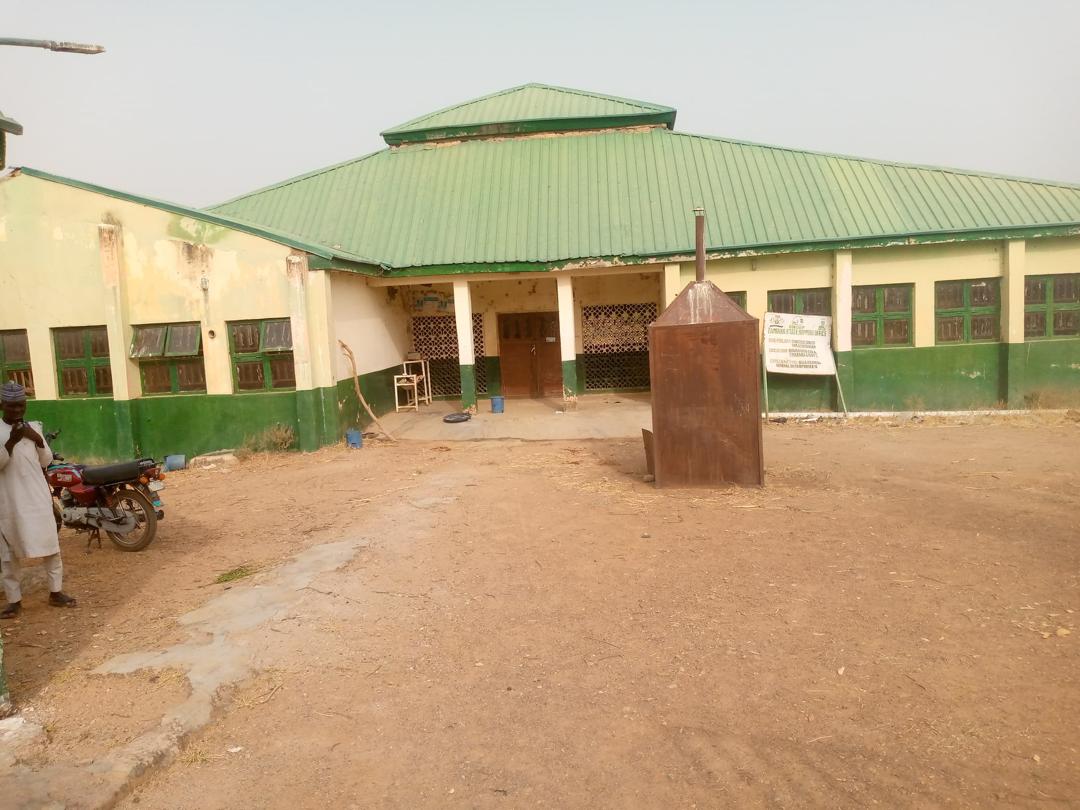
Reports show that barely 200 of the more than 700 Primary Health Care Centres (PHCs) across Zamfara State remain functional as at 2025, while the rest have been abandoned due to persistent insecurity. In communities such as Kadaddaba and Tungar Liman in Anka Local Government Area, as well as Ruwan Gizo in Talata Mafara Local Government Area, residents told The ICIR that they now depend on untrained volunteers and traditional medicine for survival.
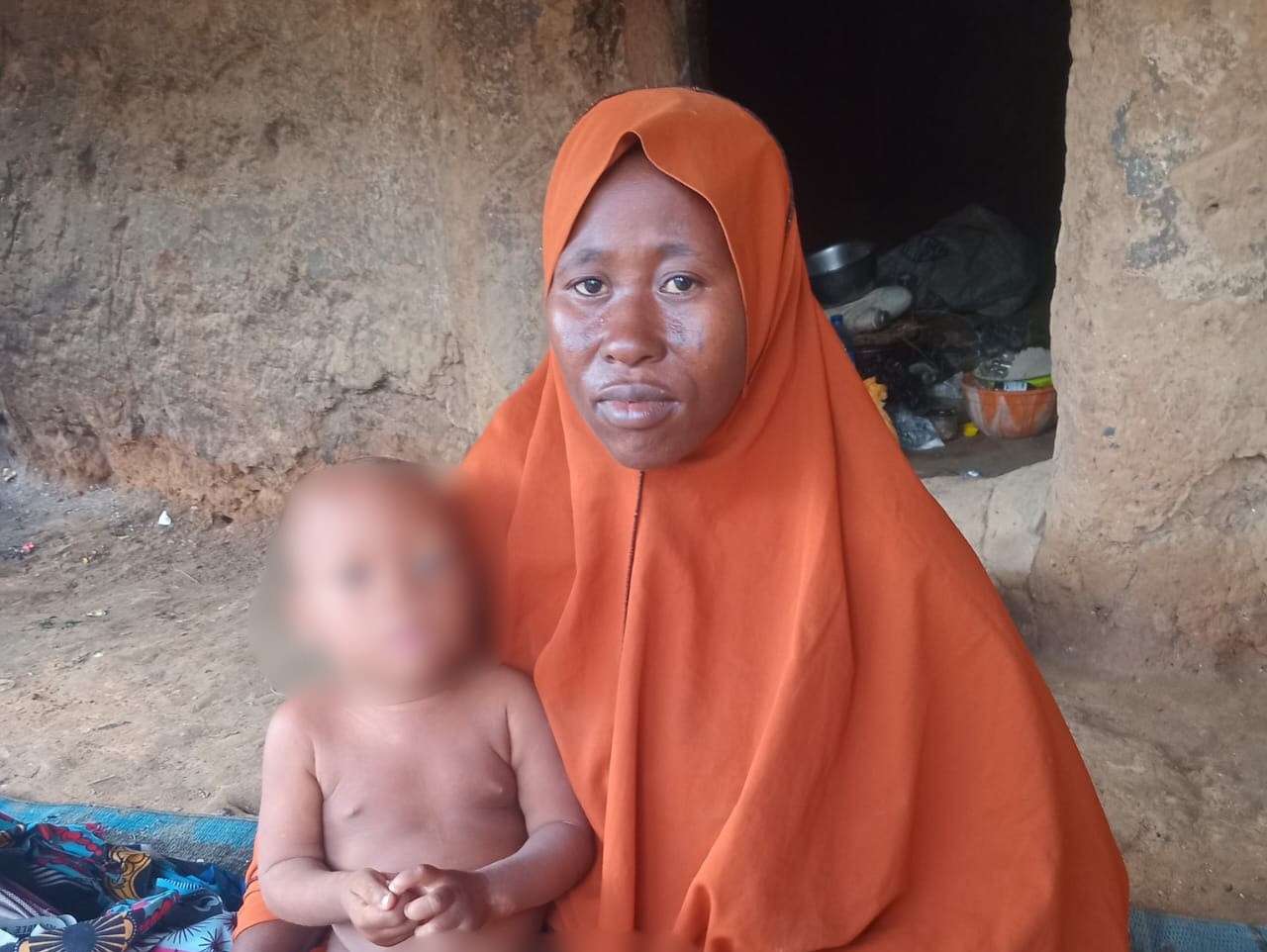
Marwanatu Abubakar, 21,
Twenty-one-year-old Marwanatu Abubakar, from Kadaddaba village in Anka, recently lost her baby during childbirth. She had a complicated pregnancy that led to a caesarean section in a medical facility several kilometres away from her village. “It was my second pregnancy, but I had to undergo a caesarean section, and the baby was already dead when it was removed.”
Until she travelled to Anka town, where medical practitioners attended to her, she had not received any antenatal care and had relied on self-prepared herbal medicine to ease the body pains she suffered.“There was a time I was ill for a week and there was no paracetamol in our village. This is because we do not have health workers as we are struggling with insecurity,” she said.
Kadaddaba, like many parts of Anka, has been crippled by insecurity. Frequent bandit attacks have forced health workers to abandon their duty posts, leaving residents at the mercy of themselves and untrained volunteers.
For women like Marwanatu Abubakar,pregnancy has not only become a life-threatening situation, but access to contraceptives and vaccines have become a challenge since organisations such as Médecins Sans Frontières (MSF) left the area.
‘I’m the only female health worker left’
During The ICIR visitation to Ruwan Gizo ward of Talata Mafara Local Government in November, 2025 Amina Bello, 45, was one of the last health volunteers remaining in the centre.
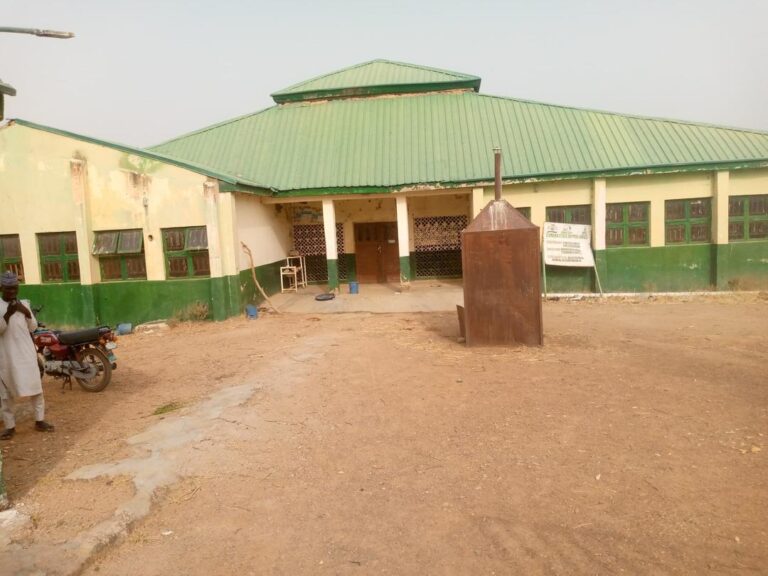
PHC at Ruwan Gizo ward of Talata Mafara Local Government Area of Zamfara State.
At the time she joined the PHC a few years ago, she was part of a small team of nurses and midwives. However, she now works alone delivering babies with limited tools in a community where most health workers have long fled.
Bello explained that she remains the only hope for pregnant women in labour, though she also fears for her safety. “We used to have many female nurses and midwives,” she said. “Now, no one cares for pregnant women during delivery. I’m the only one left, and we don’t have equipment.”
Her colleague, Haliru Yahaya, a staff member at the Ruwan Gizo PHC, added that the facility no longer conducts antenatal care (ANC) because the midwives fled after repeated attacks.“We try our best with volunteers,” he said. “Two years ago, the town was completely deserted. Now, there’s a little peace, but we don’t have enough manpower to handle the workload,” he said.
The ICIR gathered that basic immunisations have become a logistical nightmare in the centre as villagers often risk ambushes just to get their children vaccinated.
Speaking to this reporter, Bashir Yusuf, a volunteer staff at the centre observed a decline in the number of pregnant women who visited the centre due to insecurity along the roads.Another staff member, Adamu Musa corroborated this, saying insecurity has made their routine duties dangerous.“If there is no peace, you can’t work effectively,” he said. “We need medicine and help. We can’t continue like this.”
Health workers on the run
In April, 2025, the Coordinating Minister of Health and Social Welfare, Prof Muhammad Pate, said over 16,000 Nigerian doctors have left the country in the last five to seven years.
Although he noted that the mass exodus was to seek better pay, The ICIR through interviews with medical professionals also gathered that insecurity has become a primary driver of mass exodus of medical professionals from the country.
In September 2024, the Nigerian Association of Resident Doctors declared a seven-day warning strike over the abduction of their colleague, Ganiyat Popoola, a registrar in the Department of Ophthalmology at the National Eye Centre, Kaduna. The medical practitioner was abducted on December 27, 2023, along with her husband and nephew. While her husband was released in March 2024, Popoola and her nephew had remained in captivity until October 2024.
Before then, in June 2022, a medical doctor, Muhammad Mansur, working at the General Hospital Dansadau, in Maru Local Government Area of Zamfara State and two female employees of the hospital were abducted by gunmen.The hospital workers were abducted around Mashayar Zaki community on the Magami, Dansadau road in the state.
Still in Zamfara State, a health worker, alongside over 20 farmers had been kidnapped at a roadblock set up by bandits in Bukuyum Local Government Area (LGA) in November 2023. It was followed by the 2024 abductionof a Consultant with the Federal Medical Centre, Gusau, Oyaromade Abidemi at his residence in Mareri, a community in Gusau, the state Capital. Again, in May 2025, ravaging gunmen abducted Abdullahi Dangulbi, another medical doctor with Anka General Hospital while travelling near Tashar Kalgo village in Talata Mafara Local Government Area.
No room for family planning
The ICIR reports that although contraceptive prevalence and family planning have relatively increased from 3.3 per cent in 2011 to 5 per cent in 2016, and 20 per cent in 2023-2024, reports stillshowthat Nigeria’s health indicators, such as life expectancy, immunisation coverage, and maternal and infant health, are still behind, with Nigeria’s health system being rated as one of the worst globally for several years.
In several communities in Zamfara, residents who spoke with The ICIR noted that they do not have access to family planning due to attacks on medical professionals and facilities.
The Nigeria Demographic and Health Survey (NDHS) 2024 shows that Nigeria’s overall demand for family planning stands at 41 per cent, while Zamfara State records 37.3 per cent, reflecting lower demand compared to the national average. Ironically, the survey found that 16.4 per cent of married women in Zamfara currently use modern contraceptive methods, slightly above the national figure of 15 per cent. The report attributed the slow pace of progress in family planning uptake to poor awareness campaigns, inadequate sensitisation, and insecurity.
Narrating her experience, Hauwa Abubakar, 40, from Ruwan Gizo, said she has never heard of family planning. “Even when we go to hospitals, we don’t see health workers,” she explained adding that the women in her community sometimes rely on herbs after labour.
“Security Challenges have really affected our access to health services due to banditry issues because even if a woman is in labor and we take her to the hospital, we may not see anybody and we can’t take her directly to another place without proper consultation to know if the road is safe.
“If we fail to get both, we have to use herbal medicine for her, still sometimes it wouldn’t work like that. We have to find a way to go to the hospital,” she said.
Data behind the deaths
For Rashida Sani, childbirth was part of the horror she would not want to experience again. The 34-year-old mother of seven, who now lives in a refugee camp in Anka town, was displaced from her home in Makakari village, Zamfara State.
Rashida Sani
During her last pregnancy, Sani explained that she bled for over two weeks, with no medical professional to tend to her.
“I actually faced a lot of challenges when I was pregnant,” she recalled. “We don’t have qualified doctors and there are security problems. I bled for two weeks non stop even after using traditional medicine. by the time I was brought to Anka General Hospital, I didn’t know where I was,” she narrated.
Sani’s case reflects the struggles of hundreds of women who have been cut off from life-saving maternal care due to persistent violence and a collapsing health system.
According to the 2023 estimates published by the World Bank Group Group, Nigeria recorded a maternal mortality ratio of 993 deaths per 100,000 live births, one of the highest globally.
However, the burden is far worse in Zamfara State, where under-five mortality is estimated at about 119 per 1,000 live births, according to NDHS-based state health estimates. Maternal mortality in the state also remains among the highest in the country, with estimates ranging from about 646 to over 1,000 deaths per 100,000 live births depending on methodology and locality.
These figures, The ICIR reports, are below the Sustainable Development Goals (SDG) target of 70 per 100,000 by 2030.
Disruption in healthcare puts children at risk
A public health expert and resident doctor at the department of Community Medicine and Public Health University of Abuja Teaching Hospital, Adewale Adeleye, explained that prolonged insecurity in Zamfara and other parts of northern Nigeria has created a health emergency for women and children.
Adeleye said the breakdown of healthcare services has left thousands of families without access to skilled birth attendants, vaccines, and nutrition support, adding that insecurity has displaced many families, driven health workers from rural communities and is forcing pregnant women to deliver at home under unsafe conditions. “When health workers cannot reach communities because of attacks or road blockages, pregnant women are forced to deliver without skilled attendants,” he said.
The disruption has also affected immunisation and nutrition programmes, exposing children to preventable diseases such as measles and polio. “Malnutrition among children is a major challenge, especially within the first 1,000 days of life. Without proper nutrition, their immune systems weaken, making them more prone to infections and early death,” Adeleye noted.
He urged government and humanitarian organisations to strengthen mobile health outreach and incentivise workers in conflict areas. “We must bring healthcare to the people through community-based health workers, safe vaccination points, and flexible funding that allows facilities in insecure areas to respond quickly to emergencies,” he added.
Zamfara launches safe delivery initiative
Meanwhile, the Zamfara State Government has outlined ongoing interventions aimed at strengthening maternal healthcare services amid concerns over weak health infrastructure in rural communities affected by insecurity.
In December 2025, the state Ministry of Health launched a Safe Delivery Initiative to improve maternal and newborn healthcare services across the state. The Commissioner for Health, Nafisa Maradun, said the programme is designed to upgrade delivery rooms, improve antenatal and postnatal care, and equip facilities with essential drugs and skilled birth attendants.
The state government said the pilot initiative begins with four health facilities in Gusau and Maru Local Government Areas, noting that the state plans to expand to 23 facilities across all 14 LGAs.
Efforts to get a fresh response and reaction to our findings from the Zamfara State Commissioner for Health were unsuccessful, as calls, text messages and WhatsApp messages sent to Maradun had not been responded to as at press time.
This story was supported by MSI Nigeria Reproductive Choices
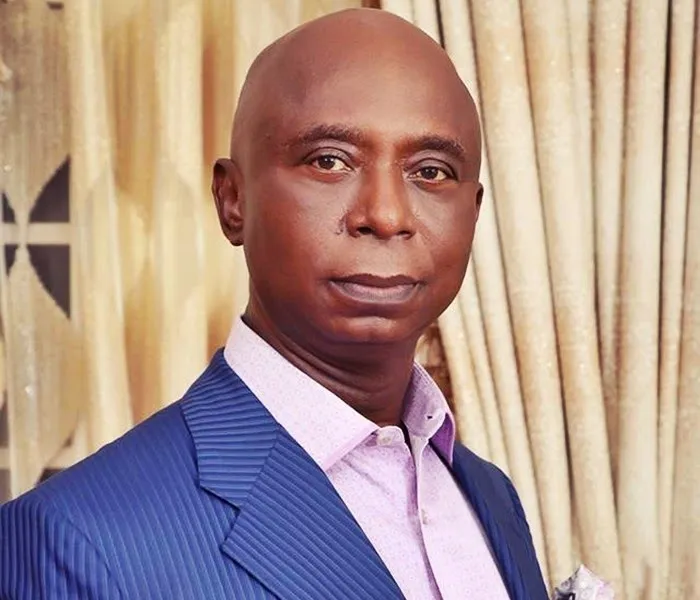
FORMER Delta State governor and Senator, Ifeanyi Okowa, has defeated incumbent senator Ned Nwoko to clinch the All Progressives Congress (APC) ticket for the Delta North Senatorial District ahead of the 2027 general election.
Okowa secured a landslide victory in the APC primaries conducted across the nine local government areas of the district, polling 113,309 votes to defeat Nwoko, who garnered 2,612 votes.
The outcome marks a major political upset in Delta North, ending Nwoko’s bid to retain the party’s senatorial ticket and further reshaping the political landscape ahead of the 2027 polls.
Speaking after the victory, Okowa thanked party members and supporters for their overwhelming confidence in him, promising to provide effective and people-oriented representation if elected into the Senate.
“I thank my people for the love they have showered upon me, and I pray that the Lord God will continue to energise me to do the best I can for the whole of Delta North. I have one promise: that I will serve the people with all my heart,” he said.
Okowa stressed the importance of accessibility and regular engagement with constituents, noting that elected representatives must remain close to the people they serve.
“I expect to return home as regularly as possible to greet our people. You cannot be a senator and stay away from your people because they sent you to represent them. I shall be a good representative of the good people of Delta North. Whenever my presence is needed, they will surely find me,” he added.
The APC primary result is expected to reshape political discussions within Delta State, with attention now shifting to the 2027 senatorial election and the possible implications of Nwoko’s defeat on the party’s internal dynamics in Delta North.
The party is currently conducting a wave of primaries across Nigeria ahead of the 2027 general elections, with contests for Senate, House of Representatives, governorship, and other party tickets already triggering major political realignments, surprise defeats, and internal disputes in several states.
The ongoing primaries follow the timetable released by the Independent National Electoral Commission (INEC) for the 2027 elections, prompting political parties to begin selecting candidates nationwide
A FEDERAL High Court in Abuja has granted bail to former Kaduna State governor, Nasir El-Rufai, in the sum of N100 million over allegations bordering on unlawful interception of telephone conversations involving the National Security Adviser (NSA), Nuhu Ribadu.
The presiding judge, Joyce Abdulmalik, granted the bail on Monday, May 16, with several conditions, including the provision of one surety in like sum.
The court ordered that the surety must reside in either Maitama or Asokoro districts of Abuja and deposit the original Certificate of Occupancy of a landed property with the court registry.
Abdulmalik further held that the surety must be a federal civil servant not below Grade Level 17 and provide evidence of salary payments for at least three months, alongside a letter of authentication from the manager of a bank within the court’s jurisdiction.
The court also directed the surety to depose an affidavit of means, enter into a bail bond, submit a recent passport photograph, and provide a verification letter from the surety’s department, as well as a tax clearance certificate covering the last six months.
As part of the conditions, El-Rufai was ordered to deposit all valid international passports with the court registry.
The judge further directed the former governor to report to the headquarters of the State Security Service (SSS) every last Friday of the month at 10 a.m. to sign an attendance register pending the determination of the case.
She warned that failure to comply with any of the conditions would lead to an automatic revocation of the bail.
The court additionally ordered El-Rufai to submit a letter of attestation from the chairman of the Kaduna Traditional Council.
The ICIR earlier reported that the SSS arraigned El-Rufai before the Federal High Court on April 23 over alleged unlawful interception of Ribadu’s phone conversations and other alleged breaches of national security laws.
The charges were amended from three to five counts during resumed proceedings before the judge – Abdulmalik. El-Rufai pleaded not guilty to all the charges.
His legal troubles stemmed from comments he made during an interview on Arise Television in February, where he claimed that he became aware of an alleged directive by Ribadu for his arrest through tapped phone conversations.
“The government thinks that they’re the only ones that listen to calls… Someone tapped his phone,” El-Rufai had said during the interview.
Aside from the SSS case, the former governor is also facing separate corruption-related charges instituted by the Independent Corrupt Practices and Other Related Offences Commission (ICPC) before Kaduna State and Federal High Courts.
The ICPC accused El-Rufai of offences including alleged abuse of office, diversion of public funds, money laundering, unlawful award of contracts, and approving payments for projects allegedly not executed during his tenure as governor between 2015 and 2023.
In one of the cases, prosecutors alleged that he approved the payment of about N11 billion to a company for a Kaduna light rail project that “was never executed”, while another charge accused him of unlawfully receiving severance benefits exceeding approved entitlements.
El-Rufai denied all the allegations in the cases and pleaded not guilty.
On April 14, The ICIR reported that after hearing both sides, the court granted bail to the former governor. The court granted him N100 million bail with sureties, including conditions that he must provide responsible guarantors, among others.
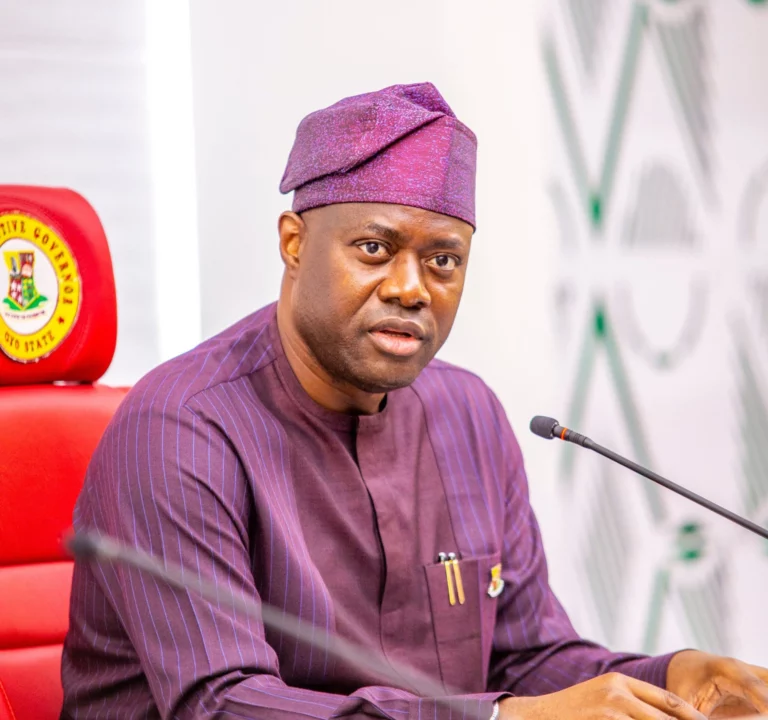
OYO State Governor, Seyi Makinde, on Sunday, May 17, revealed that seven teachers were kidnapped during attacks on schools in Oriire Local Government Area of the state.
The governor also said one of the victims was killed.
The ICIR reports that gunmen stormed communities along the Ahoro-Esiele/Yawota axis in Oriire, Ogbomoso, on Friday, May 15, and attacked schools, including Community High School, Ahoro-Esiele, L.A. Primary School, Esiele, and Yawota Baptist Nursery and Primary School, abducting both staff and pupils.
Briefing journalists on the security situation in the state, Makinde explained that he had met with security chiefs and heads of relevant agencies to assess rescue strategies for the abductees.
According to him, intelligence gathered so far shows that an Islamic Studies teacher lost his life during the attack, while security operatives have arrested six people within the affected communities and another three persons considered to have links with the attacks.
He linked the attack to insecurity in neighbouring states, noting that insurgents and other criminals fleeing military onslaughts could have moved into the state.
“With the pressure on the terrorists and the bandits in the North-West, they will keep moving southward,” the governor said.
Makinde further disclosed that preliminary investigations indicate that some of those arrested might have played crucial roles as informants assisting the attackers from within the local communities.
He assured residents that efforts were ongoing to rescue the victims safely.
THE AAAS Kavli Science Journalism Awards is accepting entries for its 2026 awards. The contest year is from July 16, 2025, to July 15, 2026, with a contest entry deadline of August 1, 2026.
Entrants may submit up to three entries in all categories, which include print/online, audio, video and children’s science news.
In each category, there are two awards: Gold, with a prize of $5,000, and Silver, with a prize of $3,500.
The deadline for applications is August 1, 2026. Interested applicants can apply here.
THE Defence Headquarters (DHQ) has announced the continuation of coordinated military operations with the United States Africa Command (AFRICOM) against Islamic State (ISIS) fighters in Nigeria’s North-East, with fresh airstrikes reportedly killing more than 20 militants in the Metele area of Borno State.
In a statement on Monday, May 16, the Director of Defence Information, Samaila Uba, said the strikes were carried out following intelligence on the “convergence and migration” of terrorist fighters within the region.
According to the military, the latest operation formed part of sustained offensives aimed at dismantling terrorist networks and denying insurgents safe havens across the country.
“The ongoing operations follow the neutralisation of ISIS commander Abu-Bilal al-Minuki and are part of sustained efforts to disrupt terrorist networks, remove them from the battlefield and deny the terrorists any safe haven within Nigeria,” the statement read.
The DHQ stressed that the Armed Forces of Nigeria would continue aggressive operations to defend the country’s sovereignty and territorial integrity.
“There will be no safe haven for all terrorists anywhere in Nigeria,” the statement added.
The announcement came as AFRICOM separately confirmed that US forces coordinated additional “kinetic strikes” with the Nigerian government on May 17 against ISIS targets in North-Eastern Nigeria.
A statement by AFRICOM Public Affairs on Monday, noted that the US military command said intelligence confirmed that the targets were ISIS militants, while post-strike assessments were still ongoing.
“No U.S. or Nigerian forces were harmed,” AFRICOM stated.
The command said the operation was aimed at weakening the terror group’s ability to plan attacks against both Nigeria and allied nations.
“The removal of these terrorists diminishes the group’s capacity to plan attacks that threaten the safety and security of the U.S. and our partners,” the statement stressed.
AFRICOM also reiterated its commitment to supporting partner nations with “specialized U.S. capabilities” to tackle shared security threats.
The latest strikes follow an earlier joint operation on May 16, during which Abu-Bilal al-Minuki, described as ISIS second-in-commander globally, was reportedly killed in another coordinated strike in the North-East.
“Tonight, at my direction, brave American forces and the Armed Forces of Nigeria flawlessly executed a meticulously planned and very complex mission to eliminate the most active terrorist in the world from the battlefield,” Donald Trump wrote on his social media handle.
According to him, the operation was carried out in Africa with support from intelligence sources tracking the activities of the terror leader.
“Abu-Bilal al-Minuki, second in command of ISIS globally, thought he could hide in Africa, but little did he know we had sources who kept us informed on what he was doing,” he added.
The ICIR reports that both developments came days after Nigeria deepened its counterterrorism engagement with the US following a high-level meeting in Washington between the National Security Adviser, Nuhu Ribadu, and top US officials led by Vice President J.D. Vance and Secretary of State Marco Rubio.
According to a statement shared by Secure Nigeria, the meeting reinforced what it described as a “decisive U.S.-Nigeria partnership to confront terrorism in West Africa” amid growing extremist threats across the region.