Home Blog Page 422

Bank debtors, businesses to pay more as CBN hikes interest rate to 27.50%

BANK debtors and  businesses are to pay higher interest rate henceforth, as the
Central Bank of Nigeria (CBN) has raised the monetary policy rate to 27.50 per cent from 27.25 per cent.

This followed the meeting of the Monetary Policy Committee (MPC) in Abuja.

The CBN governor, Yemi Cardoso, announced this in Abuja on Tuesday, November 26, during the last MPC meeting of the year at the apex bank’s headquarters.

Cardoso said the MPC voted unanimously to raise the MPR by 25 basis points from 27.25 per cent to 27.50 per cent; and retain the cash reserve ratio (CRR) at 50 per cent for deposit money banks and 16 per cent for merchant banks.

The CBN chief also said the MPC retained the liquidity ratio (LR) at 30 per cent and asymmetric corridor at +500/-100 basis points around the MPR.

Implications for businesses

Economic watchers said the impact would deal a blow on businesses who seek to borrow to expand their businesses as there’s weak hedging from higher interest rate from the current CBN rate hike.

“Lots of banks and credit agencies will be repricing their loans now and it will affect negatively those who are indebted to banks and those who seek to borrow and expand their businesses, “the sub-Saharan senior  economist at Vetiva Capital Management Limited, Ibukun Omoyeni, said in reaction to the rate hike by CBN.

He stressed that firms who have their loans priced in dollar and other foreign denominated policies could experience further economic squeeze with the current rate hike by the CBN.

“The man in the street will pay higher for his services since the SMEs will pay higher interest rate for funds. Costs of funds will be up till next year as the currency volatility continues to take its toll on businesses and the overall economy.

On fixed income market, he said, “Interest rate will stay at the current level on the market.  The rate will also attract more foreign investments as the naira continues depreciating which favours foreign investors.”

The chief economist, Coronation Merchant Bank, Chinwe Egwim, who spoke on the impact of the development on the economy, feared it would increase borrowing costs.

She noted that high energy prices should be expected, advising that small scale businesses would have to sustain cost management posture to enable them be in business.

The economist said, “SMEs should adopt innovative changes at this time and expand their investment portfolio to enable them generate additional income.”

On the global scale, she noted that the international capital market would remain expensive for Nigeria considering its high appetite for borrowing, and considering the rate hikes by European central banks and other global lenders.
Stakeholders demand stronger whistleblower protection in West Africa

0

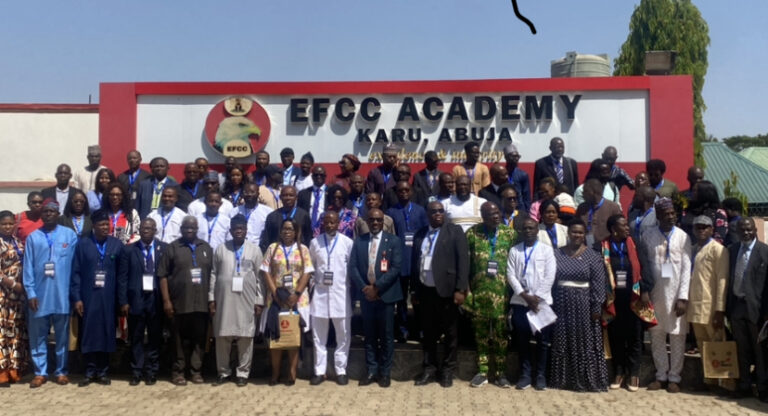
STAKEHOLDERS have called for stronger legal frameworks across West Africa to safeguard whistleblowers and boost the fight against corruption. 

The stakeholders made the call on Tuesday, November 26, at a two-day conference, organised by African Centre For Media And Information Literacy (AFRICMI)

The call came as the region continues to grapple with systemic corruption that hinders economic growth, stability, and democratic development and also the increasing witch-hunting of whistleblowers.

In a keynote address, Etannibi Alemika, a professor and a stakeholder in anti-corruption and governance, highlighted how corruption continued to stifle economic growth, security, and democratic processes in the region.

Alemika pointed to the crucial role that whistleblowers play in exposing corrupt practices. He said they often prevent financial losses and inefficiencies before they escalate. 

However, he cautioned that without robust legal protection, whistleblowers in many West African countries face retaliation, intimidation, and harm, deterring citizens from coming forward to expose corrupt practices.

Despite adopting anti-corruption measures like the United Nations Convention Against Corruption (UNCAC) and regional agreements, Alemika noted that many countries in West Africa had yet to establish solid frameworks to protect those who expose corruption. 

He pointed out the shortcomings of Nigeria’s Whistleblower Policy, which has faced challenges despite being a step in the right direction due to inadequate protection for informants and weak implementation.

Alemika argued that the lack of whistleblower protection laws is one of the key reasons corruption persists in the region. He added that many West African countries struggle to hold people accountable even with laws prohibiting corrupt practices due to weak enforcement and a lack of effective monitoring mechanisms.

“Existing anti-corruption legislations in most West African countries lack adequate provision on whistleblowing and whistleblower protection. Consequently, the potential of whistleblowing in preventing and combatting corruption has not been adequately explored, developed and realised.

“Protection of whistleblowers is vital to the success of its use as an anti-corruption measure. Perpetrators of corruption are politically and economically powerful and do not hesitate to carry out reprisal against whistleblowers,” he said.

According to him, the purpose of whistleblower protection legislation is to guarantee the confidentiality and anonymity of individuals who provide information on corrupt practices and also to defend them when they face reprisal and persecution from those involved in corruption that they reported.

He stressed that without protection, very few individuals will be willing to engage in whistleblowing.

Only Ghana has whistleblower law among ECOWAS countries

On the issue of West African countries not having laws that safeguard whistleblowers, AFRICMIL coordinator, Chido Onumah, stated that only Ghana had pioneered the protection of whistleblowers law among ECOWAS countries.

Onumah, while giving his opening remark, emphasised that despite the West African bloc’s commitment to promoting transparency and accountability, the absence of protective legal frameworks in most countries hindered the fight against corruption.

He said lack of accountability and transparency in the management of resources by the governments in power often impacted negatively on the development of countries in the sub-region.

“Of the 15 countries that make up ECOWAS, only Ghana has a whistleblower protection law. This is not a good advertisement for ECOWAS, whose region is consistently rated poorly on Transparency International’s Corruption Perception Index (CPI) and the majority of whose member countries are still considered as the most corrupt countries in the world.

“The pervasiveness of entrenched structural corruption in most countries in West Africa, despite abundant endowment in mineral and natural resources, has no doubt made it a region infested with poverty. Lack of accountability, integrity and transparency in the management of resources by the governments in power are mostly identified as the reasons for this deplorable trend,” he said.

Meanwhile, many speakers at the event, including panellists, called for a regional push to improve legislation on whistleblowing and whistleblower protection.

They also urged West African governments to adopt comprehensive measures that prioritise transparency, accountability, and citizen participation in the fight against corruption.

Again, Yahaya Bello presents self to EFCC

0

FORMER Governor of Kogi State, Yahaya Bello, has again presented himself to the Economic and Financial Crimes Commission (EFCC) over alleged misappropriation of funds levelled against him.

According to reports, Bello visited the EFCC office on Tuesday, November 26, accompanied by his lawyers.

This development followed the Supreme Court dismissal of a suit by some states challenging the EFCC’s powers. Kogi State played a lead role in the case in what many believed was a ploy to stop his trial by the EFCC.

Bello reportedly drove himself to the EFCC office in a black Hilux Tuesday morning.

Last week, the EFCC requested a hearing adjournment of his case to November 27.

Meanwhile, his co-defendants, Umar Oricha and Abdulsalami Hudu, were granted administrative bail.

Attempts to confirm Bello’s presence at the EFCC office on Tuesday were unsuccessful as the commission’s spokesperson, Dele Oyewale, did not respond to calls and messages sent to his line.

On September 18, Bello presented himself to the EFCC after months of hide-and-seek and legal fireworks that failed to work in his favour.

His media aide, Ohiare Michael, said in a statement that the fugitive former governor presented himself “after due consultations with his family, legal team, and political allies.”.

The statement said the former governor honoured the invitation to clear his name, adding that he had nothing to hide and fear.

The EFCC later declared that the embattled politician was not in its custody.

The EFCC revealed this in a statement signed and posted on X on Wednesday, September 18.

In the statement, the commission said the ex-governor remained wantedfor alleged N80.2billion money laundering charges”.

The EFCC stated that media reports that Bello had honoured the EFCC’s invitation were untrue.

Bello has been facing allegations of financial impropriety, as the EFCC accused him of laundering N80.2 billion and other infractions while he served as governor.

He was charged with three others, including his nephew Ali Bello, Dauda Sulaiman, and Abdulsalam Hudu.

The EFCC declared Bello wanted in April 2024, after he allegedly declined invitations for interrogation.

The photograph of the former governor was displayed with the inscriptionWANTED’.

The charges against Bello include conspiring to convert the sum of N80.2 billion (N80,246,470,089.88) believed to be part of the proceeds of unlawful activity, specifically from criminal breach of trust.

The EFCC has been pushing to bring Yahaya Bello to trial, and the Court of Appeal recently ordered him to appear for arraignment.

The ICIR reported that EFCC operatives stormed Bello’s Abuja home on Wednesday, April 17, to arrest him.

However, the arrest was unsuccessful, as multiple reports said his successor – Ododo – smuggled out the former governor where the operatives were about to capture him. 

In April, the EFCC Chairman, Ola Olukoyede, vowed to step down if he failed to prosecute the accused.

Olukoyede also warned that anyone interfering with Bello’s arrest would face consequences.


Sanwo-Olu suspends aide over ‘hunted and executed’ post on #EndSARS

0

LAGOS State Governor Babajide Sanwo-Olu has suspended his senior special assistant on print media, Wale Ajetunmobi, over a controversial post he made on his personal X account.

The suspension was announced on Tuesday by the governor’s special adviser on media and publicity, Gbenga Akosile, who stated that Ajetunmobi’s actions misrepresented the state government. 

Ajetunmobi in the now deleted post captured by Premium Times, had claimed that the majority of the arsonists who set fire to Television Continental (TVC) during the #EndSARS protests had been “hunted down and executed.” 

“The full story of people who burnt down TVC in 2020 will be told one day, with gory clips and images. One thing to note: majority of them have been hunted down and executed.

“One of them, a young boy trading in cooking gas around Ketu, was found with AK-47 at the site. Even his neighbours were shocked. But the full gist is better saved for later,” he said in the now deleted post.

Ajetunmobi later attempted to clarify his remarks, claiming that the deaths occurred in a gunfight with soldiers, following a question raised by an X user.

“Lol… you want to create a narrative in your head. What is extra-judicial killing here? Some of the people were chased by soldiers and an exchange of fire occurred. Then arsonists were overpowered and killed in the process. Others ran away. Is that an extra-judicial killing to you?,” he said.

However, the Lagos State Government said Ajetunmobi was suspended for misrepresentation of fact, despite reports of killings during the EndSars protests.

The statement noted that Sanwo-Olu’s administration did not support any form of extra-judicial killings.

“Mr. Ajetunmobi’s suspension comes on the heels of the misrepresentation of facts on his personal X account on a past incident.

”The Governor wishes to state categorically that his administration frowns at any form of extra-judicial punishment and will not be a part of any such action. That is not who we are. That is not our way,” the statement read.

The ICIR reported that in the wake of the ENDSARS protest in 2020, the Federal Government and the Lagos State Government repeatedly denied accusations of extrajudicial killings and violence against citizens during the protests. 

According to Amnesty International, which joined other  concerned institutions and rights advocates home and abroad to condemn the crackdown, not less than 12 protesters were killed during the shooting.

Since the #EndSARS protests, many of the movement’s leaders have been arrested and tortured, their bank accounts frozen, while many others have fled into exile.

Nigeria loses $1.1 billion yearly to malaria – Government

THE Nigerian Government has said that the country loses over $1.1 billion annually to malaria, describing the disease as a severe health and economic crisis.  

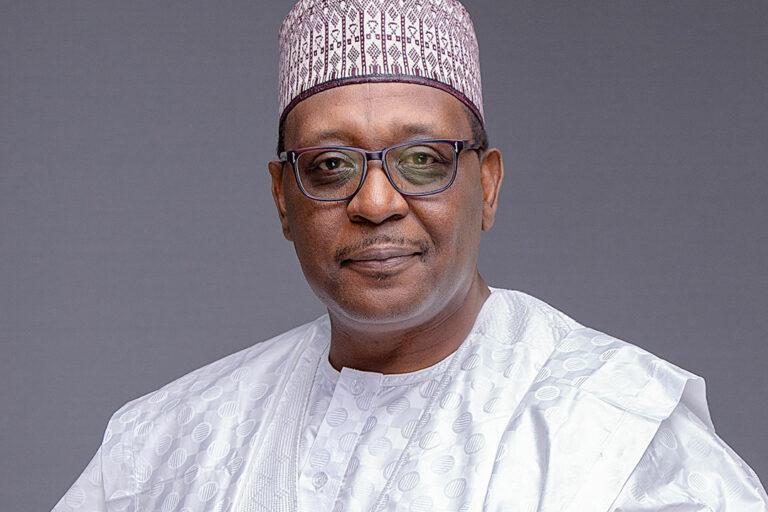
The coordinating minister of health and social welfare, Muhammad Ali Pate, who disclosed this during the inaugural meeting of the Advisory on Malaria Elimination in Nigeria ( AMEN) held in Abuja, on Tuesday, November 26, said malaria continued to have devastating effects on the country, not only in terms of human lives affected but also on the economy.  

The minister further highlighted how malaria reduces productivity, increases out-of-pocket health spending, and worsens poverty.  

“This is not just a health crisis; it is an economic and developmental emergency. Malaria reduces productivity, increases out-of-pocket health expenditures and compounds the challenges of poverty. The annual loss to Nigeria’s GDP from malaria exceeds $1.1billion, a stark reminder of the economic imperative of elimination,” the minister said.

He further noted that Nigeria accounts for 27 per cent of global malaria cases and 31 per cent of global malaria deaths, making it the worst-hit country. 

Malaria continues to exert an unacceptable toll on Nigeria With 27 per cent of global malaria cases and 31 per cent of global malaria deaths.

“Our country bears the heaviest burden of this disease. In 2022, over 180,000 Nigerian children under the age of five lost their lives to malaria – a tragedy we have the tools to prevent”.

The ICIR reports that malaria, caused by parasites transmitted to people through the bites of infected female anopheles mosquitoes, malaria, has remained a leading cause of illness and death in Nigeria despite numerous intervention programmes. 

While it is a preventable and curable major public health issue affecting millions of Nigerians, the disease thrives in the country’s tropical climate, particularly in regions with poor sanitation and stagnant water, which provide breeding grounds for mosquitoes.  

Over 97 per cent of Nigeria’s population are at risk of the disease.

For instance, in 2021, there were approximately 249 million reported cases of malaria, leading to about 608,000 deaths

Nigeria (26.6 per cent), the Democratic Republic of the Congo (12.3 per cent), Uganda (5.1 per cent), Mozambique (4.1 per cent) and Angola (3.4 per cent) collectively represented half of the total malaria cases worldwide.

Also, Nigeria (31.3 per cent), the Democratic Republic of the Congo (12.6 per cent), Tanzania (4.1 per cent), and Niger (3.9 per cent) together accounted for slightly more than half of all malaria-related deaths worldwide.


READ ALSO:


The ICIR also reported that despite concerted efforts and interventions, Nigeria continued to face significant challenges in its fight against the disease.

Some of the factors cited by the World Health Organisation (WHO) include climate change, humanitarian crises, low access to and poor health services, gender-related barriers, biological threats such as insecticide, drug resistance and global economic crises. 

It also identified a lack of state ownership, poor budgetary allocations, and high out-of-pocket expenditures as contributing factors.

Marketers expect PMS price moderation as Port Harcourt Refinery commences operation

0

MARKETERS are upbeat about the price moderation and affordability of petrol as the Port Harcourt Refining Company (PHRC) Ltd in Rivers State has commenced crude oil processing.

The refinery has a combined crude processing capacity of 210,000 barrels per day (bpd) capacity, according to data from Nigeria’s Bureau of Public Enterprise.

The commencement of operations was disclosed in a statement issued on Tuesday, November 26, by the chief corporate communications officer of the Nigerian National Petroleum Company Limited (NNPCL) Femi Soneye.

“Today marks a monumental achievement for Nigeria as the Port Harcourt Refinery officially commences crude oil processing. This groundbreaking milestone signifies a new era of energy independence and economic growth for our nation,” Soneye said.

He added, “Hearty congratulations to President Bola Ahmed Tinubu, the NNPC Board, and the exceptional leadership of GCEO Mele Kyari for their unwavering commitment to this transformative project. Together, we are reshaping Nigeria’s energy future!”

Soneye said truck loading would also commence on Tuesday (today), adding that the NNPCL is “working tirelessly to bring the Warri Refinery back online soon”.

The national president of the Petroleum Retail Owners Association of Nigeria (PETROAN) Gillis Billy-Harry who also confirmed the development to The ICIR said, “I am currently headed to the meeting inside the refinery with senior government officials and hopefully this development will enable further downward trend in pricing since we have more refineries coming on board to enhance competition in the deregulated petroleum downstream sector.”

“Export, shipping, trains-shipment costs, and insurance are the costs that Nigeria won’t be paying when it refines large chunk of its imported petroleum products locally. Foreign exchange, which we are lacking now, will be saved also. It is a very welcome development for the sector, “he said.

“We will not be spending scarce foreign exchange for PMS import. Hopefully, this will help us save our forex and help in price stability since we now have other refineries such as Dangote Refinery working,” he added.

The ICIR reports that this official announcement ends a series of goal-post shifting on the resumption date of the Port Harcourt Refinery by the NNPCL.

Upon his assumption of office in August 2023, the minister of state for petroleum resources (Oil) Heineken Lokpobiri said the refinery would begin production in September before it was pushed forward to December of that year.

Also, in March this year, the group managing director of NNPCL, Mele Kyari, said the refinery would begin production in April.

The NNPCL failed to deliver on the promise.

“We are focused on delivering this rehabilitation project, our two other refineries, and all other investments towards revamping the nation’s refining capacity,” Kyari said in August when he inspected the rehabilitation work at the Port Harcourt Refining Company (PHRC) Ltd

“We are hopeful that in 2024, this country will be a net exporter of petroleum products,” he added.

In 2021, the Federal Government approved $1.5 billion (1.2 billion euros) to repair the refinery which was shut down in 2019.

Despite being one of the largest producers of crude oil, Nigeria has over the years relied on the importation of petroleum products due to a lack of local refining capacity which put intense pressure on the foreign exchange.

However, in September 2024, the Dangote Refinery began petrol production, months after the plant had started operation.

With the coming onstream of the Port Harcourt Refinery and the Dangote Refinery already in production, Nigerians expect that these would cushion the impacts of the removal of fuel subsidy which hiked the cost of the commodity from around N200 to over N1,000 per litre.


GIJC25 seeks entries for Global Shining Light Award

SUBMISSIONS are now open for the Global Shining Light Award.

This unique award, sponsored by the Global Investigative Journalism Network, honours investigative journalism in a developing or transitioning country, done under threat, duress, or in the direst of conditions.

There will be two award categories: small and medium outlets (organisations with staff of 20 or less, including freelancers); and large outlets (organisations with more than 20 staff).

Top winners will receive an honorary plaque, US$2,500, and a trip to the November 2025 Global Investigative Journalism Conference in Kuala Lumpur, Malaysia, to accept the award in front of hundreds of colleagues worldwide.

Works must have been broadcast or published between January 1, 2023 and December 31, 2024.

If the original entry is not in English, a detailed English-language summary of a print or online story or an English-language transcript of a broadcast script must be provided.

Investigative journalists who have reported in developing or emerging countries are eligible for this award.

The deadline for the submission of application is February 28, 2025. Interested applicants can apply here.

FCT Police clampdown on ‘one chance’ robbers, target unregistered vehicles

0

THE Federal Capital Territory (FCT) police command has launched a clampdown on ‘one chance’ robbers in the nation’s capital.

According to a statement released on Tuesday, November 26, the spokesperson of the FCT command, Josephine Adeh, said the police were deploying additional personnel and equipment for patrols, stop-and-search operations, and surveillance throughout the FCT.

She said this initiative aimed to combat rising incidents ofone chance’ crimes and car theft in the city.

“We will be impounding vehicles without registration numbers, with only one plate, or using defaced plates. Regulations regarding covered number plates and tinted glasses will also be enforced.

“While these operations may cause some inconvenience, they reflect our commitment to the safety of all FCT residents and deterring criminal activities targeting motorists and passengers,” Adeh stated.

She claimed that since the launch of these measures, the command had successfully recovered stolen vehicles and apprehendedone chancerobbers.

The command appreciates the public’s patience and cooperation during these operations, and we advise vehicle owners to ensure compliance with all regulations.

She added the FCT police command is dedicated to maintaining a secure environment and encouraged residents to report suspicious activities and cooperate with police officers.

The ICIR reported that the command in a statement released on Sunday, November 10, said it arrested the leader of a car theft syndicate, Steven Abang, who allegedly specialised in receiving, rebranding, and selling stolen cars.

According to her, on October 10, one Philemon Olaoluwa reported to the Central Police Divisional Headquarters after his vehicle, a Honda Accord 2006 model, ash colour with registration number RBC 40 NW, was stolen.

Thereafter, the command went after the suspect and arrested him.

The command stated that Abang would be charged in court following further investigations.

The command urged residents to remain vigilant and report any suspicious activities to help combat car theft and other crimes in the FCT.

EFCC puts Obaseki on watch list, launches probe into contracts awarded under his watch

0

FORMER Governor of Edo State, Godwin Obaseki, has been placed on the Economic and Financial Crimes Commission’s (EFCC) watch list.

The Punch reported that the EFCC had also commenced an investigation into various transactions, including contracts awarded during his tenure as governor.

Obaseki had previously stated that the EFCC planned to arrest him soon after he stepped down from office on November 12, the day his eight-year leadership of the state ended.

The EFCC arrested five Edo government officials, including accountant general Julius Anelu, on November 2, over alleged significant withdrawals from the state treasury within a short period.

However, Obaseki expressed willingness to cooperate with the EFCC and provide an account of his tenure, stating he was not afraid of a probe.

According to top sources within the commission, the majority of transactions during Obaseki’s administration have not been directly linked to him.

According to the source, the investigation is ongoing, but Obaseki won’t be invited for questioning until the inquiry reaches a certain stage.

The source added that a team of investigators had been assigned to unravel transactions, including contracts awarded during his tenure.

However, the source claimed it had been challenging to link the bulk of these transactions directly to the former governor, as he allegedly used intermediaries. The source added that the anti-graft agency was following leads and hoped to uncover substantial evidence.

Regarding Obaseki’s watchlist status, another source revealed that all former governors, not just Obaseki, were being watchlisted by the commission. This measure is to ensure that they cannot leave the country before potential investigations are completed.

The source claimed that regardless of whether the commission had a relationship with the former governors or not, they were constantly on the commission’s watch list.

Messages sent to the EFCC’s head of media and publicity, Dele Oyewale’s line, to verify the information were not responded to as of the time of filing this report.

The ICIR reported that Obaseki’s successor, Monday Okpebholo, has established a 14-member state assets verification committee to investigate Obaseki’s tenure.

This was disclosed in a statement released on Sunday, November 24, by the chief press secretary (CPS) to the governor, Fred Itua.

According to the statement, members of the committee include Ernest Afolabi Umakhihe, chairman; Anslem Ojezua, deputy chairman; Kassim Afegbua, member; Patrick Ikhariale, member; Taiwo Akerele, member; Patrick Idiake, member; and Rasaq Bello-Osagie, member.

Others are Fredrick Unopah, member; Frank Osumuede Edebor, secretary; Abdallah Eugenia, member; Patrick Obahiagbon, member; Kenny Okojie, member; Lyndsey Tes-Sorae, member; and Abass Braimoh, member.

The statement added that in furtherance of the governor’s determination to set the state on the path of development and accountable leadership, the need to set up the probe panel became imperative.

Okpebholo dissolves Edo Local Government Service Commission

0

THE Edo State Governor Monday Okphebholo has ordered the immediate dissolution of the state Local Government Service Commission.

The governor, in a statement by his spokesperson, Fred Itua, on Monday, November 25, said the action was part of moves to enhance transparency and efficiency in the state’s public service.

Okpebholo added that the decision was part of his ongoing reforms designed to streamline government operations, ensure efficiency, and improve the overall performance of all public institutions in the state.

The governor assured the state, including the commission’s staff, that the dissolution would not affect service delivery.

“He reaffirmed his commitment to engaging with all stakeholders to develop a robust plan for restructuring the Local Government Service Commission for enhanced effectiveness and efficiency.

“This move became necessary in order to revitalise our Local Government Service Commission and reposition it for more efficient service delivery. By this decision, we aim to eliminate inefficiency and build a more accountable and effective local service structure,Okpebholo stated.

The ICIR reported that on Wednesday, November 13, Okpebholo ordered an immediate and indefinite suspension of all revenue collections across the state.

This directive, announced through a statement from the governor’s spokesperson,, emphasised strict enforcement.

Okpebholo also instructed the state police commissioner to arrest anyone violating the order.

Similarly, on Sunday, November 24, the governor unveiled a 14-man panel to probe the administration of the immediate past governor, Godwin Obaseki.

The “State Assets Verification Committee” panel will be inaugurated on Tuesday, November 26, at the Government House in Benin, the state capital.