Home Blog Page 995

Why government uses international rating agencies – DataPro

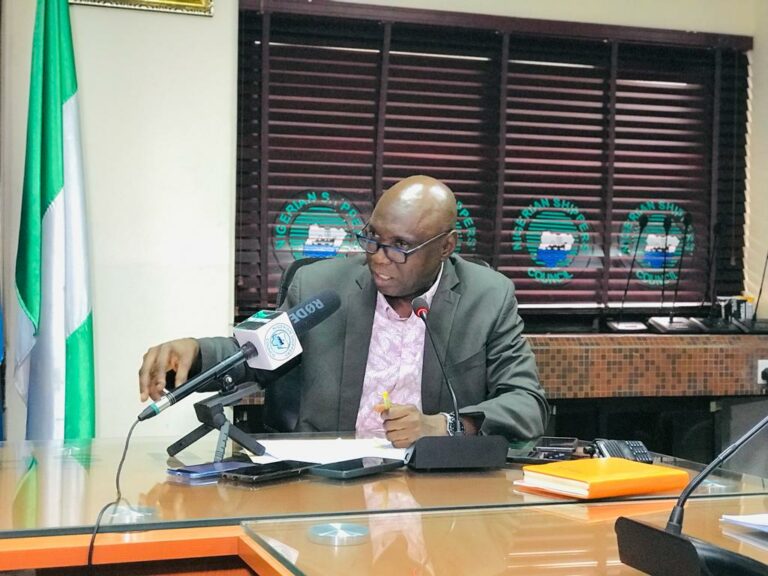
THE Chief Rating Officer/Executive Director of DataPro Limited, Oladele Adeoye, has attributed choice of a borrower and popularity of a credit rating agency as determinants for the Nigerian federal government in using international rating agencies.

Adeoye gave this expert view on Thursday, March 30, at a media training to keep journalists abreast of the knowledge and tools needed to accurately report issues relating to the credit rating industry.

Themed, ‘Training Program on Media Coverage of Credit Rating Outcomes’, the event was also designed to foster and encourage a mutually beneficial partnership between the media and the rating industry.

“Ultimately, what the borrower is looking for is money, and it wants to use rating agency that is known in the environment where the money is coming from. The choice of where money is expected from also determines sometimes what rating agencies to use,” Adeoye said.

He said that state governments, however, made use of the services of local credit rating agencies, except for one or two states.

“Other states in Nigeria have been using domestic rating agencies and they are using them very well. DataPro has been one ot those rating agencies that provide rating to Nigeria,” Adeoye said.

A rating agency is a company that assesses the financial strength of companies and government entities, especially their ability to meet principal and interest payments on their debts.

Nigeria has three credit rating agencies that have been approved by the Securities and Exchange Commission (SEC).

There is Agusto & Co Limited, a credit rating agency providing services in credit risk management, policy and process review, customised research, rating validation and portfolio analysis, besides other functions.

Datapro Limited offers services in credit rating, debt recovery, and business information services.

Global Credit Ratings Limited, a subsidiary of Duff and Phelps, provides ratings, subscriptions, and support services in Africa.

The global credit rating industry is dominated by three big agencies, which control 95 per cent of the rating business. The firms are Moody’s Investor Services, Standard and Poor’s (S&P), and Fitch Group, The ICIR can report.

Moody’s and S&P, located in the United States, both dominate 80 per cent of the international market, while Fitch, located in the U.S. and London, controls approximately 15 per cent of the global market.

The rating assigned to a given debt shows an agency’s level of confidence that the borrower will honour its debt obligations as agreed.

In the course of the training, Adeoye highlighted that credit rating helps to build market confidence, grow the capital market, encourage investor participation in development projects, and provide simplified adequate information to investors, among others.
Alleged defamation: Journalist Agba Jalingo granted bail

0

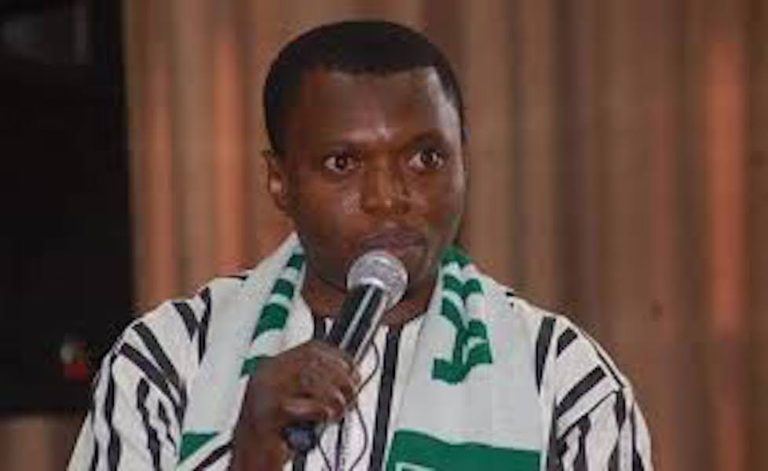
A Federal High Court sitting in Abuja on Thursday, March 30, granted bail to detained journalist and Publisher of Cross River Watch Agba Jalingo.

Presiding judge Justice Zainab Bage Abubakar had on Monday, March 27, ordered that Jalingo be remanded till Thursday at the Kuje Prison in Abuja, following a case brought against him by a relative of the Cross River State governor.

Jalingo was accused of publishing an article against Elizabeth Frank Ayade, sister-in-law to Cross River State governor Ben Ayade, with the intention to insult and cause her ill will.

The judge also declined his lawyers’ request to move for bail on Monday. However, Jalingo, through his lawyers led by Senior Advocate of Nigeria (SAN) Femi Falana, applied for bail on Thursday pending the determination of the case.

Conditions for Jalingo’s bail include a N500,000 bail bond and a surety who must own landed property within the Federal Capital Territory (FCT).

The court ruled that the title of the deed for the land must be deposited with the Deputy Registrar in charge of litigation. The surety was also required to depose an affidavit of means.

The case was adjourned to May 31 for trial, and the judge ordered that Jalingo remain in prison custody pending the perfection of his bail conditions.

Jalingo was arrested in August 2022 by security operatives who laid siege to his Lagos residence for hours and transported him to Abuja thereafter.

A petition by Elizabeth Ayade, claiming that Jalingo wrote a defamatory article about her, and demanding N500 million, led to the journalist’s arrest.

He was, however, released on bail two days after.

Jalingo had reported that a law lecturer at the University of Calabar, being tried by a court in Abuja for examination malpractice, had been writing exams for a “prominent Obudu woman”.

Prior to this incident, the journalist has been detained several times, including in 2021, when officials of the Cross River State Police Command arrested him over a planned June 12 protest.

Port Standing Task Team set to raid ‘Agberos’ extortionists at Lagos ports corridor

0

THE Port Standing Task Team, a body responsible for enforcement activities in Nigerian Ports is set to resume the onslaught against touts and extortionists operating at Lagos ports corridor.

The coordinator of the team, Moses Fadipe made this disclosure at a meeting with stakeholders on Wednesday in Lagos.

The development is coming a few weeks after The ICIR’s two-part investigation into how the uncontrolled extortion and touting at the Lagos ports corridor threaten the maritime industry.

Read the investigation here and here.

Recall that The ICIR  reported that the Nigerian Port Authority (NPA) pledged to investigate and address the problem.

Fadipe, while addressing the stakeholders, confirmed that some of the extortion points at the Lagos ports corridor, which had earlier been dismantled, have resumed operation.

He said that the team would resume its onslaught against the extortion points, some of which are manned by the Federal Operations Unit (FOU) of Nigeria Customs Service and Nigerian Police, as well as hoodlums from various Local Government Areas around the Port.

He assured the stakeholders that the matter would be addressed in less than 30 days, starting April 3.

“It was realised that stoppage of trucks along the port corridor constitutes the biggest encumbrance to the free flow of traffic, and this breeds extortion and corrupt practices,” he said.

“You have heard from stakeholders of touts everywhere, and you equally heard from them that this is a task for all and not for PSTT alone.”

Fadipe called on community leaders, the Lagos State government and security agencies to join hands with the team to address the challenge.

“Within the ambit of the mandate of PSTT, by the grace of God, by next week, we are moving out, and when we move out, you will see a tremendous change in the area of touting in the corridors mentioned.

“As we start from Monday, all the complaints raised in this meeting will be duly addressed in less than thirty days. You will see a drastic change within the next thirty days,” he assured.

Some of the stakeholders who spoke during the meeting decried the activities of touts, and non-state and state actors along the port corridor, urging the PSTT to look into it.

Supreme Court dismisses ex minister Nwajiuba’s suit against Tinubu, Atiku

0

THE Supreme Court on Thursday, March 30 dismissed an appeal filed by a former Minister of State for Education, Chukwuemeka Nwajiuba, seeking the disqualification of the presidential candidates of the All Progressives Congress (APC), Bola Tinubu, and the Peoples Democratic Party (PDP), Atiku Abubakar, from the just concluded Presidential election.

Justice Inyang Okoro, who led a panel of Justices of the apex court, dismissed the appeal when the former minister withdrew his appeal after learning that it had been submitted outside of the legal deadline and was, therefore, statute barred.

The Federal High Court and the Court of Appeal in Abuja had dismissed the matter on the grounds that the case lacked merit.

Nwajiuba and a non-governmental organisation, Rights for Everyone International, had petitioned the Supreme Court to annul the procedures that resulted in Tinubu and Abubakar emerging the candidates for their respective political parties.

Nwajiuba resigned from his ministerial position in 2022 to contest the APC presidential primary but was absent on the day of the exercise.

In the case with suit number FHC/ABJ/CS/942/22, which had the APC, the PDP, Tinubu, Atiku, the Attorney-General of the Federation and the Independent National Electoral Commission (INEC) as defendants, Nwajiuba accused Tinubu and Atiku of bribing delegates with dollars in the APC and PDP presidential primaries.

He asked the court to nullify the votes obtained by the two presidential candidates in the primary elections.

Train attack: A year after, victims’ families yet to forget ordeal

0

ON March 28, 2022, a passenger aboard a train headed to Kaduna from Abuja, Chinelo Megafu, made a post via her Twitter handle that read, “I’m in the train. I have been shot please pray for me.”

The tweet was posted shortly after the train was attacked by gunmen who derailed the locomotive using improvised explosives and shooting sporadically.

Megafu subsequently died of the gunshot injuries sustained during the attack. Eight other passengers were also killed, many were injured, and about 65 others abducted.

The attack attracted public outrage and criticism of the government, and the Nigerian Railway Corporation (NRC) shut down operations on the Abuja-Kaduna train route.

Managing Director and Chief Executive Officer of the Bank of Agriculture Alwan Ali-Hassan, one of the abductees, was released nine days after the incident.

In a video that went viral, the abductors claimed he was being released due to old age, his health and in the spirit of Ramadan.

But despite his ordeal at the hands of the terrorists, Alwan is regarded as one of the luckiest passengers on the train, as several others stayed in captivity for over six months.

Within the period, abductees were released in batches by the terrorists. Attempts by the NRC to resume operations along the route in May 2022 were resisted by the relatives of the abducted passengers, leading to a cancellation of resumption plans.

On different occasions, Nigerian President Muhammadu Buhari ordered the immediate rescue of the abducted train passengers, but the abductees remained in captivity for many months after the President’s directives.

The kidnappers shot one abductee in June 2022. The terrorists also released a video in which the passengers were being brutalised, sparking further outrage from the public, especially relatives of the abductees, who began to occupy government facilities in Abuja and Kaduna.

In Abuja, relatives of the abductees, including Amina Oniyangi, occupied the offices of the Ministry of Transportation 117 days after the abduction in protest against the prolonged stay in captivity.

Oniyangi’s brother, wife and children remained with their abductors until August 2022. The last group of abductees were released much later in October.

Speaking with The ICIR on Tuesday, March 28, Amina Oniyangi said her mother, who was in her 70s, died a few months after her brother was released. She believed that the emotional trauma the family endured during the period took its toll on her mother’s health.

“My brother and his wife are fine. They took it as God’s will, and bounced back, but it really affected our parents. We lost our mum last year, December 20th. She went through a lot during the period; fasting, midnight prayers, it really affected her, considering her age. But at the same time, that was God’s will. At least she saw them when they came out,” Oniyangi said.

For Imran Ahmed, whose brother was also abducted, the events of the past year remain indelible in his memory.


READ ALSO:


“We have moved on, he has gotten his life back and going about his business. But it has left a sour taste in the mouth,” Ahmed said.

The Abuja-Kaduna train services resumed services in December 2022.

Deputy Director of Operations, NRC, Akin Osinowo, assured Nigerians of safety, stating that the Federal Ministry of Transportation, in collaboration with the Corporation, had taken steps to enhance the security architecture along the railway.

He noted that technology and manpower had been improved to prevent a repeat of such attacks.

Lagos charges Chrisland School with involuntary manslaughter over student’s death

0

THE Lagos State Government has filed two counts of involuntary manslaughter, reckless and negligent acts against Chrisland High School Limited concerning the death of 12-year-old student Whitney Adeniran.

In addition to Chrisland School Limited, four staff members will be arraigned in court, including Ademoye Adewale, Kuku Fatai, Belinda Amao and Nwatu Victoria.

Adeniran died during the school’s inter-house sports activities in February, prompting the government to investigate the matter.

The Director of Public Prosecution, Babajide Martins, filed the charges on behalf of the state government before Justice Oyindamola Ogala of the Lagos High Court, Ikeja, on Thursday, March 30.

According to the DPP, the accused negligently killed Whitney Adeniran by failing to ensure her safety during the inter-house sports activities held on February 9 at Agege Sports Stadium.

The DPP said the school acted recklessly and negligently, thereby endangering human life, leading to Adeniran’s death.

The state government had previously announced its intention to sue the school, some members of staff, and one of the vendors for ‘Involuntary Manslaughter and Reckless and Negligent Acts.

The state’s legal team will be led by the DPP, Babajide Martins, while the defence team is led by four senior lawyers, including Bolaji Ayorinde, Yele Delano, Richard Ahonaruogho and Olukayode Enitan leading other counsel.

The charges, which are contrary to Sections 224 & 251 of the Criminal Law, C17, Vol.3, Laws of Lagos State, 2015, carry a penalty of life imprisonment and two-year jail terms, respectively.

Not new to controversy

Founded in 1977, Chrisland High School is not new to controversies. In 2020, Chrisland Schools was embroiled in a controversy involving allegations of sexual assault against a toddler by a school staff member. The incident reportedly occurred in November 2016 but was not reported to the authorities until 2018.

The case went to trial in 2019, and in February 2020, a Lagos State High Court found the staff member, Adegboyega Adenekan, guilty of sexually assaulting the child and sentenced him to 60 years in prison. The verdict was widely celebrated as a victory for child rights and protection in Nigeria.

However, the controversy did not end there. Some parents of students at the school accused the school of attempting to cover up the incident and failing to provide adequate support to the victim and her family. The school denied the allegations and stated that they had cooperated fully with the authorities during the investigation.

The controversy sparked a wider conversation in Nigeria about the prevalence of sexual abuse against children and the need for schools and other institutions to take a more proactive role in preventing and addressing such incidents.

Chrisland Schools said it had since taken steps to improve its child protection policies and procedures, including appointing a child protection officer and implementing training programs for staff on child protection and safeguarding.

Similarly, the school was abruptly shut down in 2022 following reports of sexual misconduct by five pupils of the school during an international trip.

The alleged scandal, seen in a viral video, happened when the school was in Dubai in March of that year to participate in the World School Games, a four-day annual competition with schools worldwide.

Again, NAFDAC warns against bleaching cream

0

THE National Agency for Food and Drug Administration and Control (NAFDAC) has again warned Nigerians against the use of bleaching creams.

The agency gave the fresh warning during a one-day workshop on Wednesday, March 29, organised for media stakeholders in Enugu State with the theme, ‘The dangers of bleaching creams and regulatory controls’.

Speaking at the the flag-off of the workshop, the Director General of the agency Prof. Mojisola Adeyeye, who was represented by the Director of Chemical Evaluation and Research, Dr. Patrick Omokpariola, listed some of the harmful effects of bleaching creams which include cancer, damage to vital organs of the body, skin irritation and allergy, skin burn and rashes, wrinkles, premature skin ageing and prolong healing of wounds.

“A World Health Organisation 2018 study revealed that use of skin bleaching creams was prevalent among 77 per cent of Nigerian women which was highest in Africa compared to 59 per cent in Togo, 35 per cent in South Africa and 27 per cent women in Senegal.” 

She noted that statistics reveal that Nigeria has become a national health emergency that requires a multi-faced regulatory approach.

“This scary statistic has shown that the menace of bleaching creams in Nigeria has become a national health emergency that requires a multi-faced regulatory approach. Part of the multi-pronged approach is consultative/sensitisation meetings such as this and heightened raids on distribution outlets of bleaching creams,” she said.

The NAFDAC boss further noted that the sensitisation workshop was in fulfilment of her promise to cascade it to the six geo-political zones in the country as a deliberate strategy of mobilising, educating, sensitising, and challenging Nigerian Health journalists to play frontline role in their concerted efforts to eradicate the menace of bleaching creams and needless waste of scarce resources in Nigeria.

The ICIR had on February 10 reported how NAFDAC declared the use of bleaching creams as a serious national health emergency in the country.

NAFDAC made the declaration after Nigeria was ranked number one in the use of bleaching creams in Africa.

The NAFDAC DG noted that 77 per cent of Nigerian women use bleaching creams.

“The World Health Organisation study in 2018 revealed that the use of skin bleaching cream is prevalent amongst 77 per cent of Nigerian women, which is the highest in Africa compared to 59 per cent in Togo, 35 per cent in South Africa and 27 per cent in Senegal.”

Suspected herdsmen invade public school in Oyo, injure teachers, students

SUSPECTED herdsmen invaded a public secondary school in Oyo State on Thursday, March 30, causing injuries to both students and teachers.

The Community Grammar School, Alaropo Nla, in the Oriire Local Government Area of the state, was targeted by the herdsmen who allegedly entered the school with their cattle.

According to Vanguard, the herdsmen, numbering about 20, attacked students and teachers.

The students and teachers were caught off-guard as the herdsmen invaded the school farm with their cows grazing on crops. The attack occurred shortly after the morning devotion had ended, and students were preparing to settle down in their classrooms to continue their second-term examination.

The herdsmen were met with resistance from the students and teachers who tried to drive them away. However, the herdsmen reacted with brutal force, causing injuries to many students and teachers.

The injuries sustained by the victims were severe, with some of them suffering from sword and machete cuts, while others were left with broken legs and hands.

The school principal, Grace Alamu, confirmed the incident and stated that the attack had been reported to the Police. She also said efforts were being made to ensure the victims received medical attention.

As of the time of filing this report, the State Police spokesperson, Adewale Osifeso, had not responded to calls seeking the reaction of the police to the development.

However, the school principal stated that the Police were on their way to the school to address the issue.

NDLEA trains West African countries on dismantling of clandestine drug labs

THE National Drug Law Enforcement Agency (NDLEA) has conducted training for operatives from six West African countries on dismantling clandestine laboratories in a bid to strengthen regional action against drug cartels.

The training took place in Abidjan, Côte D’Ivoire, from March 27 to 29 and involved six other West African countries, namely Republic of Benin, Ghana, Sierra Leone, Liberia, The Gambia, Cote D’Ivoire and Nigeria.

According to a statement released on Thursday, March 30, and signed by NDLEA spokesperson Femi Babafemi, the training was part of an ECOWAS project known as ‘Organised Crime: West African Response to Trafficking’, (OCWART) and was co-funded by the European Union (EU) and German Federal Foreign Office and executed primarily by Deutsche Gesellschaft für Internationale Zusammenarbeit (GIZ) and United Nations Office on Drugs and Crime, UNODC.

“As the lead Agency at the workshop, NDLEA drew from its experiential knowledge acquired from the dismantling of 21 clandestine laboratories found in Nigeria since 2011 to teach other West African countries the practical know-how of handling illicit laboratories.

“A total of eight topical lectures, practicals and Q&A sessions were delivered in two days by a team of NDLEA facilitators that include Joseph Nbona Sunday (Director, Prosecutions and Legal Services); Margaret Ogundipe (Director, Forensic and Chemical Monitoring); Adebowale Rahman (Digital Intelligence specialist); Anebi Ajilima (Forensic and crime lab expert) and Felix Tagbo (Operation specialist),” the NDLEA said.

According to the NDLEA, the first two days of the workshop dwelt on various perspectives on the subject matter, including the anatomy of a clandestine laboratory, basic secret lab investigation techniques, intelligence gathering, operations safety and guidelines for dismantling clandestine laboratories, clean-up and decontamination of illicit labs and sites, basics of controlled delivery and prosecuting cases of clandestine laboratories.

The participants include representatives from relevant organisations, including Ghana’s Narcotics Control Commission; Sierra Leone’ Serious Organised Crime and Counter Terrorism Coordination Directorate; Drug Law Enforcement Agency of the Gambia (DLEAG), Transnational Crime Unit of Liberia and the INTERPOL.

The Republic of Benin was represented by the Organised Crime Fighting Unit (CELCO), Customs and Narcotics Office (OCERTID), while the host, Côte D’Ivoire, had representatives from Narcotics Squad from Judicial Police (DPSD), Customs, National Gendarmerie, Transnational Crime Unit (TCU), Forensic Police Laboratory and Joint Airport Interdiction Task Force (JAITF).

At the opening ceremony, UNODC Country Representative and its Senior Adviser, Law Enforcement, West and East Africa, Ishaqu Suman Toure, described the latitude of the workshop thus: “It is both enforcement and judicial capacity building. The project offers technical and equipment support, as well as facilitates discussion of joint operations among member countries.”

“We need regional cooperation to disrupt the transnational criminal organisations’ network,” noted that the South-South cooperation that existed among ECOWAS member states since 2014 has helped to disrupt transnational criminal activities over the years,” Toure added.

Similarly, Kouma Yao Ronsard, Secretary General of the Inter-ministerial Committee for the Fight against Drugs, who represented the Minister of Interior and Security for Côte d’Ivoire, Vagondo Diomande, noted that the workshop will ensure that law enforcement agencies across the region are equipped with the modern knowledge and equipment to fight transnational organised crime.

He also underscored the need for cooperation among law enforcement agencies in West Africa.

“We need cooperation, especially bilateral cooperation. The new law in Cote D’Ivoire gave it the power to cooperate with states in the fight against drug and human trafficking. We need cooperation to break this chain. Cote D’Ivoire has cooperation with Nigeria. No one country can say, “there is no drug in my country,” the reality is, we haven’t seen them and or don’t know yet of the techniques of the criminals.”

In his speech before presenting certificates to the participants, Amado de Andrés, UNODC Regional Representative for West and Central Africa, said: “All countries in the West Africa region need to cooperate. And we need Nigeria more in the participation of conventions against organised crime.”

He said the purpose of bringing all the countries together is to break the language barrier.

Online News Association offers fellowships

THE Online News Association (ONA) is accepting applications for the MJ Bear Fellowships.

The fellowships provide registration for the 2023 Online News Association Conference and Awards slated for August 23, 2023 to August 26, 2023.

The MJ Bear fellows will also receive three online coaching sessions and ONA membership as well as additional opportunities to showcase their work.

Candidates must be fluent in English and born between June 26,1993. and June 25, 2000.

Digital journalists can apply for this fellowship.

The deadline for the submission of applications is April 27, 2023. Interested applicants can apply here.