

LASSA fever has claimed 214 lives in Nigeria, with the case fatality rate climbing to 25.0 per cent.
This was contained in the Nigeria Centre for Disease Control and Prevention’s (NCDC) Lassa Fever Situation Report for Week 23 (June 1 to June 7).
This, the agency said is up sharply from 18.9 per cent during the same period in 2025. It said that both suspected and confirmed cases have also increased compared to 2025.
“New confirmed cases held steady in week 23, matching the count from week 22. Infections were reported in Edo, Ondo, Bauchi and Ebonyi.”
The NCDC explained that no new healthcare worker infections were reported during the week, adding that the outbreaks had spread across 23 states and 109 Local Government Areas since January 2026.
According to the organisation, five states account for 84 per cent of all confirmed cases.
“Ondo leads with 28 per cent, followed by Bauchi 25 per cent, Taraba 15 per cent, Edo 10 per cent, and Benue six per cent. The remaining 16 per cent of cases are spread across 18 other states with confirmed infections,” it said.
The Centre said young adults were most affected, and the predominant age group fell between 21-30 years, with cases ranging from one to 93 years and a median age of 30 years.
The National Lassa fever multi-partner – the multi-sectoral Incident Management System (IMS) – have remained activated and has been supporting response activities at federal, state and LGA levels, noted the NCDC.
The ICIR reports that Lassa fever kills scores of Nigerians yearly, with the Nigerian government often appearing helpless to contain the crisis.
Between January and June 29, 2025, Nigeria recorded 790 confirmed cases of Lassa fever and 148 deaths, according to a situation report by the (NCDC).
A situation report by the NCDC revealed that 806 cases of Lassa fever were recorded across the country in the first quarter of 2024.
Also, the NCDC report, analysed by The ICIR, showed that the virus killed 150 people within the period.
The Centre said Nigeria might have recorded the highest number of Lassa fever cases in 2023, with 8,542 suspected cases, 1,170 confirmed cases, and 200 deaths across 28 states.
The confirmed cases reported that year indicated a 9.7 per cent increase from those reported in 2022.
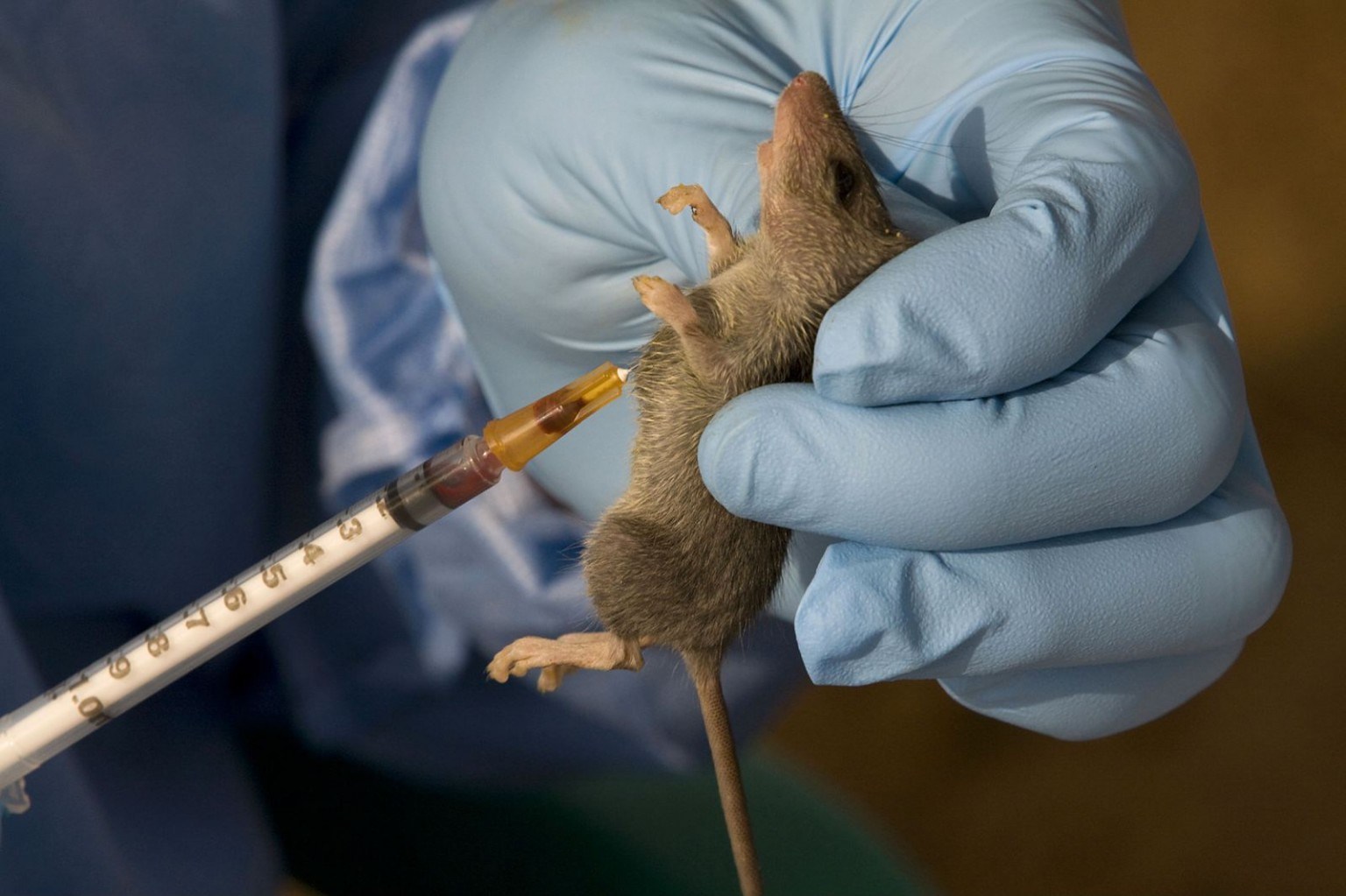
NCDC describes Lassa fever, which causes acute viral haemorrhagic fever, as a virus caused mostly by the type of rodents known as the multimammate rat or the African rat.
The disease can be spread through direct contact with urine, faeces, saliva, or the blood of infected rats or contaminated objects, faeces, saliva, or the blood of infected rats.
Person-to-person transmission can also occur through direct contact with an infected person’s blood, urine, faeces, vomitus, and other body fluids.
News Agency

Marcus bears the light, and he beams it everywhere. He's a good governance and decent society advocate. He's The ICIR Reporter of the Year 2022 and has been the organisation's News Editor since September 2023. Contact him via email @ mfatunmole@icirnigeria.org